Using Vinegar for Mold Removal Without the Guesswork

Vinegar for mold removal clears tile and sealed grout in about an hour—but porous drywall needs more. Here’s when it works, and when it won’t.
Table of Contents
Yes — vinegar for mold removal works on most hard, non-porous surfaces, killing many common mold species, though not all, and it can’t reach mold rooted deep in porous materials like drywall.
That one limit explains almost every frustrating mold story you’ve heard.
You found a dark patch on the bathroom ceiling or the window sill, and you want it gone today without a special trip to the store. Vinegar is often the right first reach, but only once you know two things: what surface you’re dealing with, and how big the problem really is.
This guide gives you the honest version — when vinegar wins, when bleach or borax fits better, and the one mistake that can send you to the emergency room.
Does vinegar actually kill mold?
Vinegar earns its reputation, but the marketing oversells it.
Distilled white vinegar contains 5 to 8 percent acetic acid, and that acidity disrupts a wide range of household molds on contact. Spray it undiluted, give it time, and it handles most surface mold you’ll meet on tile, glass, and sealed counters.
What vinegar can and can’t kill
The science is more specific than most articles admit.
A 2015 lab study found that vinegar’s acetic acid killed Penicillium chrysogenum, a common green household mold, but failed against Aspergillus fumigatus, a species that favors damp walls and HVAC systems. No single household cleaner kills every mold type, which is why matching the tool to the situation beats chasing the “strongest” product.
On porous surfaces, the odds shift further. Mold sends root-like threads into materials such as drywall, unsealed wood, and carpet, and a surface spray rarely reaches them — mold living in drywall usually means cutting out and replacing the affected board, not wiping it.
Why killing mold isn’t the whole job
Here’s the part that trips up nearly everyone.
Killing mold and removing mold are two different tasks, and your health depends on the second one. Even dead mold spores can trigger the allergic and respiratory reactions the CDC documents, so wiping a surface “clean” while leaving residue behind doesn’t fully protect you.
That logic drives a smart sequence: identify the surface, fix the moisture, then clean and physically remove what’s there. If you want the full decision path before you start, our room-by-room mold remediation plan maps it out, and removing black mold by surface type covers the trickier materials.
How to remove mold with vinegar, step by step
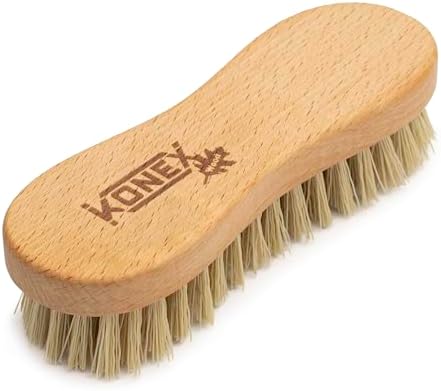
- Ergonomic Design: The peanut-shaped wood body of this hand scrub brush offers an ergonomic grip, ensuring comfortable us…
- Versatile Cleaning: This scrub brush for floors is perfect for tackling tough stains on different surfaces, making it a …
- Durable Construction: Crafted for longevity, this heavy duty scrub brush features stiff bristles that withstand rigorous…

- cloth
- Made in the USA and Imported
- NIOSH APPROVED for at least 95 percent filtration efficiency against certain non-oil based particles
Done right, vinegar removal takes about an hour of waiting and ten minutes of work.
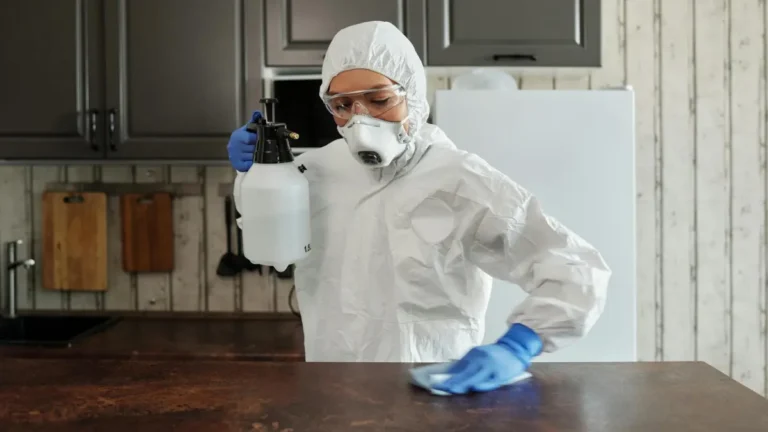
- Open a window and put on an N95 mask, gloves, and goggles before you begin.
- Pour undiluted white vinegar into a spray bottle — never thin it with water.
- Spray until the moldy surface is fully saturated, not just lightly misted.
- Let the vinegar sit for at least one hour, or overnight for heavy growth.
- Scrub with a stiff brush, then wipe the area down with clean water.
- Dry the surface completely, since lingering moisture invites mold straight back.
What you’ll need

A short supply list keeps the whole job moving.
- Distilled white vinegar at 5 percent, or stronger cleaning vinegar at 6 percent or more
- A spray bottle, a stiff scrub brush, and a few microfiber cloths
- An N95 respirator, non-porous gloves, and sealed goggles
- Baking soda, optional, for scrubbing away stubborn stains afterward
If you’re unsure which cleaner suits your exact material, our guide to the right mold removal product for each surface breaks it down.
Where vinegar shines, and where it struggles
Vinegar is at its best on bathroom surfaces.
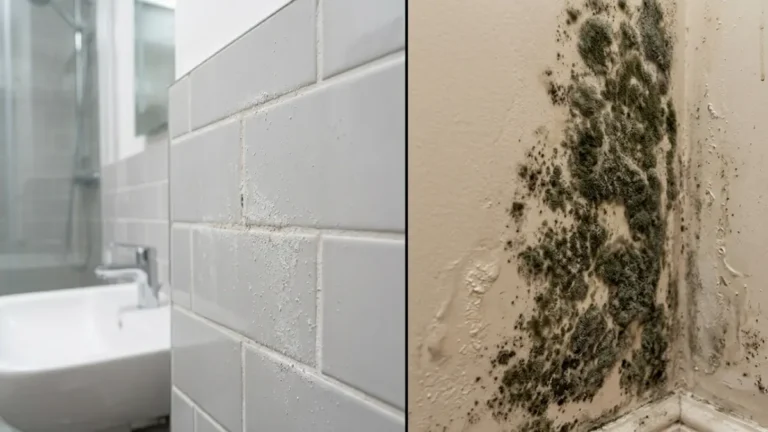
Tile, glass, shower doors, and sealed grout all respond well, which makes it a reliable choice for mold on bathroom grout, caulk, and walls. On unsealed grout, natural stone, or bare wood, the acid can etch the surface, so test a hidden spot first.
✅ Pro Tip: Resist the urge to scrub the instant you spray. Mold needs the full soak time to break down, and scrubbing too early just spreads spores around without killing the colony underneath.
Vinegar vs. bleach vs. borax: which should you use?
The cleaner matters less than the surface — but here’s how the three compare head to head.
| Cleaner | Best surface | Reaches into porous materials? | Safety notes | Resists regrowth? |
|---|---|---|---|---|
| White vinegar | Tile, glass, sealed counters | No — surface only | Mild; can dull stone and unsealed grout | No |
| Chlorine bleach | Sealed grout, glass | No — mostly water, can feed porous mold | Harsh fumes; never mix; EPA advises against routine use | No |
| Borax | Tile, concrete, masonry | No — surface only | Toxic if swallowed; low fumes | Yes — leave residue on |
| Hydrogen peroxide (3%) | Non-porous, light porous | Partial | Never combine with vinegar | No |
Source: Based on U.S. EPA mold guidance and published cleaning research.
When borax makes the most sense
Borax does something vinegar can’t.
Its residue keeps working after you walk away, which makes borax for mold a smart pick on concrete, masonry, and basement walls — see our method for mold on concrete and masonry floors. Mix one cup per gallon of warm water, scrub it in, and leave it to dry without rinsing.
Where bleach actually fits
Bleach has a narrow but legitimate role.
It works on hard, non-porous spots like sealed grout lines, yet it’s mostly water, so on drywall or wood it can leave behind moisture that feeds new growth. For the vast majority of household jobs, vinegar or borax is the safer and more effective choice, and our guide on when DIY mold removal is the right call helps you judge your own situation.
💡 Expert Note: “Natural” doesn’t mean harmless. Borax is toxic if swallowed and irritating to the lungs, so keep it away from children and pets and wear a mask while mixing the powder.
Mold cleaning safety: what you must never do
One cleaning mistake can turn a simple chore into a medical emergency.
⚠️ Warning: Never mix bleach with vinegar or with ammonia. Bleach and vinegar create toxic chlorine gas, and bleach and ammonia release dangerous fumes. Use one product at a time, rinse surfaces between cleaners, and keep the room ventilated.
The danger is real and fast. The EPA’s brief guide to mold and moisture warns against combining cleaning products and notes that biocides like bleach aren’t recommended for routine cleanup.
Protective gear and ventilation
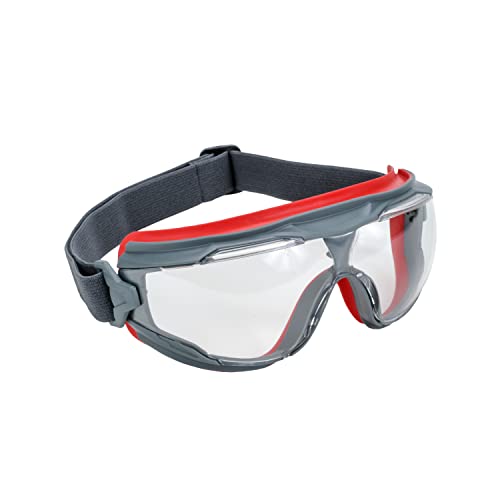
- 3M Scotchgard Anti-Fog Coating lasts longer than traditional anti-fog coatings, helping to increase eyewear performance …
- Workers may enjoy reliable, clearer sight longer, because the coating with its active ingredient is bonded to the lens. …
- The coating withstands disinfection with diluted bleach soaking or alcohol wipes without losing its anti-fog performance
Cleaning mold stirs spores into the air you breathe.
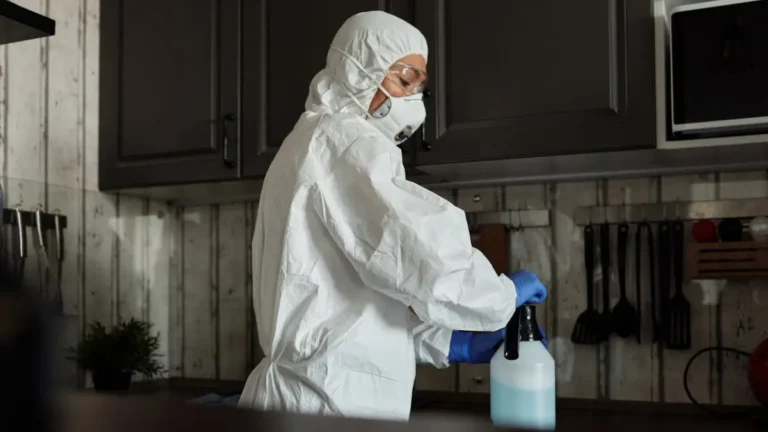
Before you start, gather an N95 respirator, non-porous gloves, and sealed goggles, then open windows for airflow. Our mold removal safety gear checklist covers exactly what to wear and why each piece matters.
Who should not clean mold themselves
Some people shouldn’t be in the room at all.
The CDC’s mold cleanup guidance advises that people with allergies, asthma, COPD, or weakened immune systems avoid mold cleanup entirely, since exposure can trigger serious reactions. The same caution applies to expecting mothers — here’s what mold exposure during pregnancy can mean for you and your baby.
Children are especially vulnerable, too.
If little ones live in the home, learn the mold exposure symptoms in children by age, and don’t brush off the black mold symptoms you shouldn’t dismiss as allergies.
When to stop cleaning and call a professional
You can handle small mold yourself, but some jobs are bigger than a spray bottle.
You can usually clean mold yourself when it covers less than about 10 square feet on a hard surface and comes from clean water. Larger areas, porous materials like drywall, mold inside HVAC systems, or growth caused by sewage or flooding all call for a professional. The EPA’s mold cleanup guidance for homeowners sets that 10-square-foot mark as the practical dividing line.
Signs you need a pro
A few situations mean it’s time to hand the job off.
- Mold covers more than a 3-by-3-foot patch, or keeps returning after every cleaning.
- It’s growing on drywall, insulation, or inside your air ducts and HVAC system.
- The cause was a flood, a sewage backup, or a long-term hidden leak.
- Anyone in the home has breathing problems or a weakened immune system.
When you do hire out, our guide to finding a mold remediation company you can trust helps you avoid the cut-corner crews.
What it costs, and what insurance covers
Cost depends on size, location, and what materials are involved.
A professional mold inspection commonly runs a few hundred dollars, while remediation can range from several hundred to several thousand depending on scope — our breakdown of mold remediation costs room by room gives realistic figures.
Before you pay out of pocket, check when homeowners insurance covers mold and review what a mold inspection actually costs.
Stopping mold from coming back
Cleaning is wasted effort if the moisture stays.
Fix leaks fast, dry wet areas within 24 to 48 hours, and keep indoor humidity below 50 percent. Running a dehumidifier helps — here’s how a dehumidifier prevents mold without killing it.
ℹ️ Disclaimer: This article is general home-maintenance information, not medical or professional remediation advice. If you have health concerns or a large infestation, consult a licensed remediation specialist or your doctor.
Frequently asked questions about vinegar and mold
Quick, honest answers to what homeowners ask most about cleaning mold with vinegar.
1. Does vinegar kill mold?
Yes, vinegar kills mold on most non-porous surfaces. Undiluted white vinegar with 5 percent acetic acid destroys many common species, including some that cause staining. It won’t kill every type, and it can’t reach mold growing deep inside porous materials like drywall, wood, or carpet.
2. How long should you leave vinegar on mold?
Leave vinegar on mold for at least one hour before scrubbing. For stubborn spots, letting undiluted white vinegar sit eight to twelve hours, or overnight, gives the acetic acid more time to penetrate and kill the mold. Then scrub, wipe, and dry the surface completely.
3. Is vinegar or bleach better for mold?
Vinegar is usually better than bleach for household mold. Bleach is mostly water, which can feed mold inside porous materials, and the EPA does not recommend it for routine cleanup. Vinegar is gentler, safer to handle, and slightly more effective on everyday non-porous surfaces.
4. Does bleach kill mold?
Bleach kills mold on hard, non-porous surfaces like sealed tile and glass, but it has real limits. It can’t penetrate porous materials, its fumes are harsh, and dead mold left behind still causes problems. For most home situations, bleach is not the best mold remover.
5. Can you mix vinegar and bleach to kill mold?
No. Never mix vinegar and bleach. Combining them creates toxic chlorine gas, which can cause coughing, breathing trouble, and serious injury. Use only one cleaner at a time, rinse surfaces between products, and keep windows open. This is the single most dangerous mold-cleaning mistake people make.
6. Does borax kill mold?
Yes, borax kills mold and helps stop it from coming back. Mix one cup of borax per gallon of water, scrub it onto the surface, and leave the residue without rinsing. Like vinegar and bleach, borax won’t penetrate porous materials where mold roots grow deep.
7. What kind of vinegar kills mold?
Plain distilled white vinegar kills mold best, used undiluted. Standard white vinegar contains about 5 percent acetic acid, while stronger cleaning vinegar reaches 6 percent or more for tougher jobs. Avoid diluting it, since adding water weakens the acid and reduces its mold-killing power.
8. Does vinegar kill black mold?
Vinegar can kill black mold on non-porous surfaces, but black mold often signals a deeper moisture problem. If the growth covers more than about 10 square feet, sits on drywall, or keeps returning, treat it as a job for a professional rather than a spray bottle.
9. Should you rinse vinegar off after cleaning mold?
After vinegar sits for an hour and you’ve scrubbed the mold away, wipe the area with water and dry it completely. Drying matters most, since leftover moisture invites mold back. Borax is the exception — you leave its residue on the surface to discourage regrowth.
10. Does vinegar work on drywall or wood?
Vinegar struggles on porous surfaces like drywall and bare wood, because mold roots grow deeper than a spray can reach. Surface stains may lighten, but the colony often survives. Moldy drywall usually needs replacing, and mold in wood studs calls for careful structural cleaning.
11. What kills mold permanently?
Nothing kills mold permanently until you fix the moisture feeding it. Mold needs dampness to grow, so repairing leaks, lowering humidity, and drying wet areas within 24 to 48 hours is what stops regrowth. Cleaning treats the symptom, while moisture control treats the cause.
12. Is it safe to leave vinegar on mold overnight?
Yes, leaving undiluted white vinegar on mold overnight is safe and often more effective. The extended contact time helps the acetic acid penetrate stubborn surface mold. Vinegar is stable on most sealed materials, though it can dull natural stone, marble, and unsealed grout over long exposure.
13. How much mold can you clean yourself?
You can usually clean mold yourself if it covers less than about 10 square feet on a hard surface and comes from clean water. The EPA recommends professional help for larger areas, porous materials, HVAC contamination, or mold caused by sewage or flooding.
14. Does vinegar damage surfaces?
Vinegar is acidic, so it can etch and dull some surfaces. Avoid using it on natural stone, marble, granite, and unsealed grout, where the acid causes pitting over time. On sealed tile, glass, and most plastics, vinegar cleans mold safely without lasting damage.
15. Can mold come back after cleaning with vinegar?
Yes, mold comes back after cleaning if the moisture source remains. Vinegar removes visible surface mold, but spores regrow wherever dampness lingers. Fixing leaks, improving airflow, and running a dehumidifier in problem rooms is what keeps cleaned areas mold-free for good.
16. Is cleaning mold dangerous to your health?
Cleaning mold can release spores that irritate the eyes, nose, throat, and lungs. Wear an N95 respirator, gloves, and goggles, and ventilate the room. People with asthma, allergies, a weakened immune system, or who are pregnant should let someone else handle the cleanup.
17. Is vinegar or hydrogen peroxide better for mold?
Both work on non-porous surfaces, and each has strengths. Vinegar’s acidity suits everyday hard-surface mold, while 3 percent hydrogen peroxide can lift stains and reach slightly into some porous materials. Never combine them in one bottle, since mixing creates irritating peracetic acid.
The bottom line on vinegar for mold removal
Vinegar is the right first move for small patches of mold on hard, non-porous surfaces.
Reach for undiluted white vinegar, let it sit at least an hour, scrub, and dry the area fully. For longer-lasting protection on tile and masonry, borax is a strong alternative, and bleach belongs only in narrow cases — never as your default, and never mixed with anything.
The deciding factors are always the same: the surface, the size, and the moisture behind it.
Handle the small, simple jobs yourself with the right gear. When mold spreads past 10 square feet, hides in walls or ducts, or keeps returning, that’s your signal to bring in a professional and protect both your home and your health.
Related guides from our mold series
- Treating mold in a damp basement when the problem reaches below grade.
- Attic mold removal costs and safe fixes for growth near the roofline.
- Crawl space mold removal and next steps when moisture collects underneath the home.
- Confirming the work with post-remediation testing after a professional cleanup.
- Deciding whether to clean or replace moldy carpet on soft, porous flooring.
- Understanding your landlord’s mold responsibility if you rent your home.
- Knowing your rights when a landlord won’t fix mold and ignores your requests.
- Handling mold before selling your home so it doesn’t derail the sale.