
Find a Mold Remediation Company You Can Actually Trust

Mold remediation companies range from $500 to $15,000 — and the one red flag the EPA warns about is the one most homeowners miss before hiring.
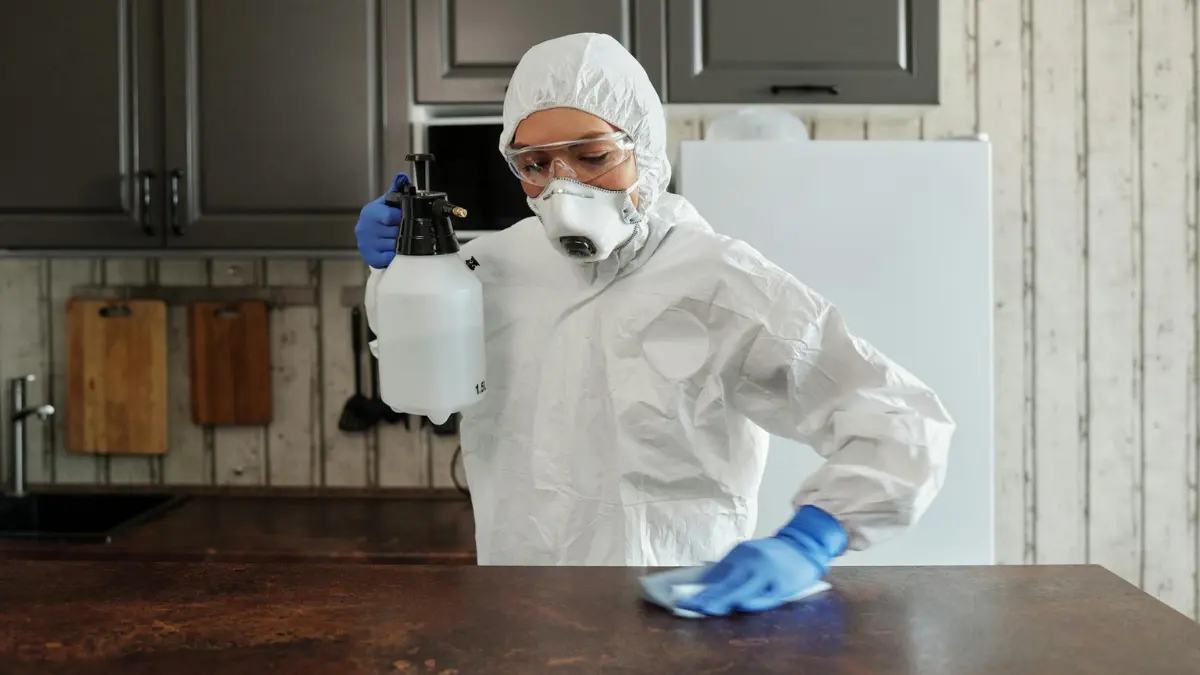
Table of Contents
Why hiring the right mold remediation company matters
You found a dark patch spreading behind the bathroom vanity, or your home inspector flagged moisture damage in the crawl space. That moment triggers one of the most stressful homeowner searches: who do you actually call?
A mold remediation company is a licensed contractor trained to safely contain, remove, and prevent the return of mold — and they are fundamentally different from a general cleaning crew or a handyman with bleach spray.
What a mold remediation company actually does
Remediation professionals don’t just wipe away visible growth. They identify the moisture source driving it, seal the affected area to prevent spore migration, remove contaminated materials safely, and treat surfaces to stop regrowth.
When DIY mold removal isn’t enough
The EPA’s brief guide to mold, moisture, and your home recommends professional remediation for any mold covering more than 10 square feet. If mold has reached inside your walls, entered the HVAC system, or spread across a basement after flooding, a certified professional is the correct response — not an option.
⚠️ Warning: If anyone in your household has asthma, a respiratory condition, or a compromised immune system, do not disturb visible mold before consulting a certified remediation professional. Disturbing mold without proper containment releases spores into the air throughout the home.
Understanding mold in your home before you call anyone
Walking into your first estimate appointment with baseline knowledge protects you from unnecessary upsells — and helps you ask questions that reveal whether a contractor actually knows their work.
How mold grows and where it hides
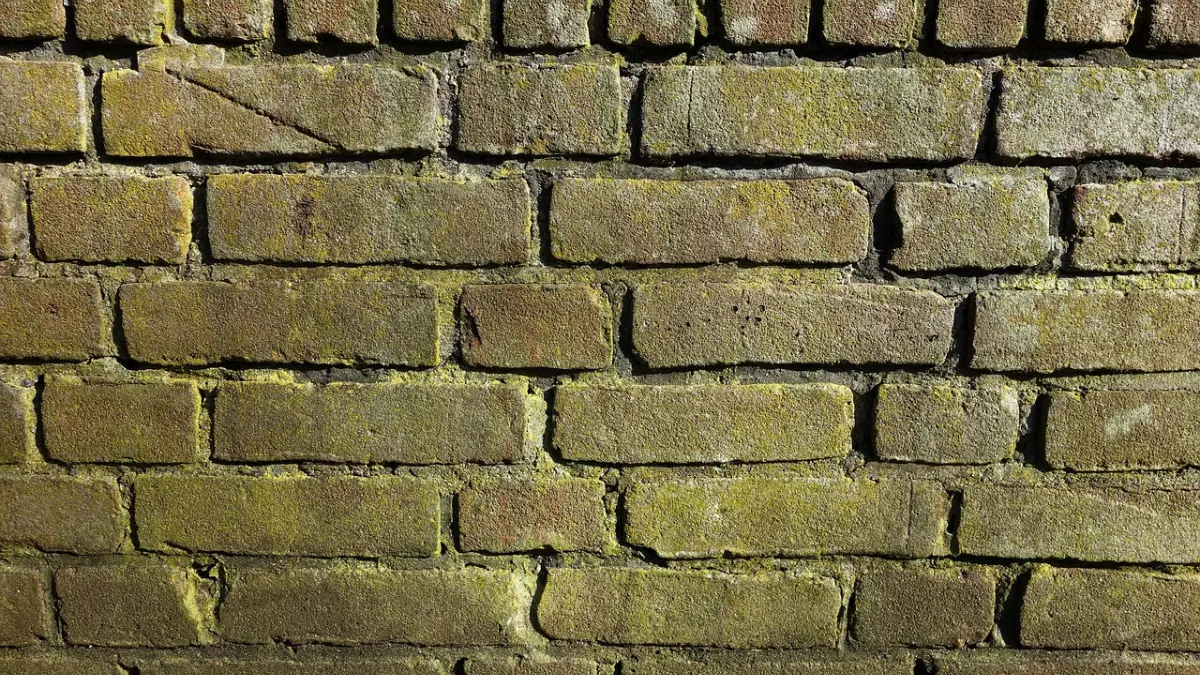
Indoor mold growth requires only three conditions: a surface, warmth, and sustained moisture. It spreads fastest where relative humidity stays above 60% — under sinks, behind plumbing walls, inside attic insulation, in crawl spaces, and within HVAC ductwork.
Professionals use a moisture meter to detect elevated readings in building materials before growth is even visible. A drywall moisture reading above 16% almost always signals hidden water damage behind the surface — the kind that won’t appear in a visual inspection.
The difference between mold testing and mold remediation
Mold testing means collecting air or surface samples to identify spore species and concentration levels. Mold remediation is the physical removal and treatment process that follows. They are separate services, and they should be performed by separate companies — a point covered fully in the vetting section below.
When to use a DIY mold test kit first
A home mold test kit can confirm whether a suspicious stain is actually mold before you spend money on a professional inspection. If the result is positive — or if you can already see visible growth larger than a standard dinner plate — understanding exactly when DIY mold removal reaches its limits is the most important read before you pick up the phone.
💡 Expert Note: Most household mold is Cladosporium or Aspergillus — not the infamous Stachybotrys chartarum (toxic black mold) of news headlines. The species matters less than the moisture source driving it. No remediation holds unless the water problem is fixed first.
How to find a mold remediation company near you
Finding a reputable mold remediation company near you starts with certification databases — not the sponsored results at the top of a Google search. Here is how to do it in four steps.
Step 1: Start with certification databases, not Google ads
Many companies paying for top placement in Google search results are lead-generation services — they collect your contact information and resell it to local contractors, often without any vetting. Start your search at IICRC’s certified firm locator instead. Every listed firm has verified that their active technicians hold current industry credentials.
For a broader look at building the right professional team from your first call through final clearance, the mold remediation diagnostic plan walks through every decision point in the process.
Step 2: Use review platforms the right way
Google Reviews and the Better Business Bureau are useful — but look specifically for reviews that mention the post-job clearance test, the written remediation protocol, and how well the crew protected unaffected rooms. Generic five-star reviews tell you almost nothing about technical competence.
Step 3: Ask your insurance company for a referral
Your homeowners insurance adjuster often maintains a vetted list of local restoration contractors they work with regularly. This is an underused tactic that most homeowners never think to try — and it opens the coverage conversation before any money changes hands.
Step 4: Request at least three on-site estimates
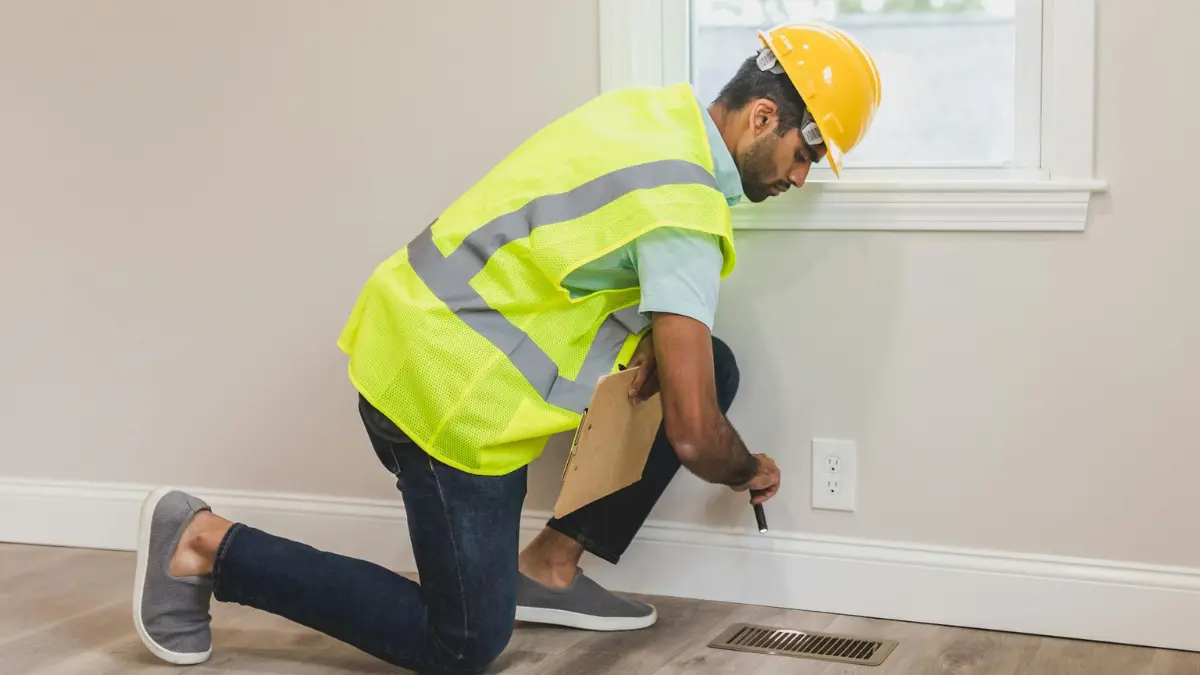
Never accept a mold remediation quote delivered over the phone or by email without an inspection. A legitimate company will not issue a firm price without walking the affected area and taking moisture readings with a calibrated meter. Three on-site estimates establish a realistic local price range and reveal immediately which contractors actually understand the scope.
How to vet and choose the right mold remediation company
Knowing where to find companies is half the job. This section covers how to separate qualified professionals from contractors who will leave the real problem hidden inside your walls.
Certifications that matter (and ones that don’t)
Legitimate certified mold contractors carry at least one of the following credentials — and can verify them online, not just with a wall certificate:
- IICRC Applied Microbial Remediation Technician (AMRT) — the most widely recognized credential in the industry; covers assessment, containment protocol, removal, and post-work verification
- NORMI Certified Mold Remediator (CMR) — issued by the National Organization of Remediators and Mold Inspectors; includes ethics and business practice standards alongside technical training
- ACAC Council-certified Microbial Investigator (CMI) — focuses primarily on investigation and sampling; often held by inspectors rather than remediation crews
You can verify any IICRC credential directly at IICRC’s certification verification tool. A laminated certificate on the wall is not the same as a currently active, verifiable credential.
Questions to ask before signing anything
Ask every company these questions before agreeing to anything in writing:
- Are your technicians currently IICRC or NORMI certified — and can I look that up online right now?
- Will you provide a written remediation protocol before work begins?
- Is post-remediation clearance testing performed by an independent third party?
- Is your company licensed in this state and fully insured for remediation work?
- Can you provide references from jobs of similar scope completed in the last 90 days?
Red flags that should end the conversation
Walk away from any company that does the following:
- Provides a quote over the phone without scheduling an on-site inspection
- Refuses to deliver a written scope of work before starting
- Uses pressure tactics (“the spores are spreading — we need to begin today”)
- Cannot provide current, verifiable proof of licensed and insured status
- Claims to eliminate mold “permanently” without addressing the moisture source
Why the same company shouldn’t test and remediate
The EPA explicitly identifies a financial conflict of interest when the same company performs both mold testing and mold removal — the remediator has a direct financial incentive to find a larger problem than actually exists. Hire an independent inspector for your initial assessment, then engage a separate contractor to perform the physical remediation work.
⚠️ Warning: If a contractor pushes you to skip the pre-remediation assessment and “just start work,” treat it as a disqualifying red flag. Legitimate remediation professionals want documented baseline data before they begin — both for their liability and yours.
What mold remediation costs and what insurance covers
Mold remediation costs range from $500 for a small isolated patch to $15,000 or more for whole-home contamination — and knowing what drives that number helps you evaluate whether any estimate you receive is reasonable.
Average mold remediation cost by scope
| Scope | Approx. Area | Average Cost Range | Typical Timeline |
|---|---|---|---|
| Small patch (single surface) | Under 10 sq. ft. | $500–$1,500 | 1 day |
| One room (bath or bedroom) | 10–100 sq. ft. | $1,500–$3,000 | 1–2 days |
| Multiple rooms | 100–300 sq. ft. | $3,000–$6,000 | 2–5 days |
| Whole home or basement | 300+ sq. ft. | $6,000–$15,000+ | 5–10 days |
| HVAC system contamination | Variable | $3,000–$10,000 | 2–5 days |
Cost data reflects contractor industry survey averages. Regional labor costs vary significantly — confirm local rates with three on-site estimates before budgeting.
For a room-by-room breakdown of what drives pricing in kitchens, bathrooms, basements, and attics, mold remediation cost by room covers every space in detail.
What affects the final price
The moisture source is the single biggest price driver. A job where the underlying leak is still active requires containment work during live moisture conditions, which adds time, materials, and cost. Structural damage behind walls, mold inside ductwork, and the need to replace drywall or blown-in insulation all push estimates higher.

- Easy to Read with Large LCD Screen: This wood moisture meter is easy to get an accurate reading from the surface of mate…
- Tricolor Backlight Display, Easy to Use: TopTes Moisture Meter TS-630 features an HD tri-color backlight to easily know …
- Seven Calibration Scales, Two Material Mode: It is designed with built-in characteristic parameters of 7 calibration sca…


Does homeowners insurance cover mold remediation?
Homeowners insurance may cover mold remediation — but only when mold resulted from a sudden, accidental covered event such as a burst pipe or appliance failure. Mold caused by long-term neglect, slow plumbing leaks, or chronic elevated humidity is excluded in nearly every standard policy. The Insurance Information Institute’s guide to mold and homeowners coverage explains exactly what HO-3 policies typically cover versus exclude.
How to file a mold-related insurance claim
Call your insurer before any remediation work begins — starting work without authorization can void your claim. Document the damage thoroughly with photos and video before the crew touches anything. Ask your adjuster specifically whether your policy covers testing fees, the remediation itself, and temporary housing if the home needs to be vacated during work.
What to expect during and after mold remediation
Most mold remediation jobs take one to five days depending on scope — and a legitimate crew follows these steps in a specific, documented order. Knowing the sequence lets you recognize immediately if corners are being cut.
The mold remediation process, step by step
- Initial assessment — Technicians take moisture readings, photograph affected areas, and document the scope before touching anything
- Containment setup — Plastic sheeting and negative air pressure machines seal the work zone so disturbed spores cannot migrate to clean rooms
- Continuous air scrubbing — HEPA-filtered air scrubbers run throughout the entire job, capturing airborne spores at the 0.3-micron level
- Material removal — Mold-saturated drywall, insulation, and framing is double-bagged, sealed, and removed per EPA disposal protocol
- Surface treatment — Remaining structural surfaces are cleaned and treated with an EPA-registered antimicrobial treatment or encapsulant
- Post-remediation clearance — An independent inspector collects air and surface samples; lab results confirm spore counts have returned to or below background levels
For questions about how different surface materials respond to treatment — before or after professional work — black mold removal steps by surface type covers wood, drywall, concrete, and tile in detail.
How to prepare your home before the crew arrives
Clear the path from the entry to the work area completely. Move furniture at least six feet from the affected zone, and secure pets. Arrange childcare for the duration of work — children should not be present during active remediation. Shut off your HVAC system the morning work begins unless the lead technician instructs otherwise.
Post-remediation verification: how to confirm the job is done right
A legitimate remediation company provides written clearance documentation — a third-party lab report confirming that post-remediation air spore counts are at or below pre-job background levels. If a company tells you clearance testing is optional, or offers to conduct it themselves in-house, that is a significant disqualifying issue.
✅ Pro Tip: Request your clearance documentation in writing before you pay the final invoice. This protects you if mold recurs and satisfies most insurance carriers that the work was completed to a verifiable professional standard.
Keeping your family safe during and after mold remediation
The question most homeowners are afraid to ask out loud: is it actually safe to be home while this is happening?
Who should leave during remediation
Whether you can stay depends on the job’s scope and your household’s health profile. For small, contained jobs limited to a single sealed room, healthy adults can often remain in unaffected areas with the HVAC off and interior doors closed.
⚠️ Warning: Children, elderly individuals, pregnant women, and anyone with asthma, mold allergies, or a compromised immune system should leave the home for the full duration of active remediation work. Consult your physician before those household members return, even after clearance testing is complete.
Air quality after mold removal: what to expect
Expect a residual musty odor for 24 to 48 hours after remediation completes — even in a professionally executed job. Running a HEPA air purifier in the treated room for the first week post-clearance speeds recovery and captures any remaining airborne particles. Formal air quality testing can be scheduled 72 hours after work ends if you want a documented baseline before resuming normal household activity.

Preventing mold from coming back
Mold returns to the same home when the moisture source is not permanently resolved. Fix the leak, improve ventilation, and hold indoor humidity below 50%. A quality dehumidifier running continuously in a basement or crawl space — the two most common mold origin points — is the highest-ROI long-term prevention tool a homeowner can invest in after remediation is complete.
Mold remediation company: frequently asked questions
1. What does a mold remediation company do?
A mold remediation company identifies the moisture source causing mold growth, contains the affected area to prevent spore spread, removes contaminated materials, and treats surfaces to stop regrowth. The process ends with post-remediation clearance testing. A legitimate company provides written documentation at every stage of this work.
2. How do I find a mold remediation company near me?
Start with the IICRC’s certified firm locator rather than sponsored Google results. Cross-reference any company with Google Reviews and the Better Business Bureau. Ask your homeowners insurance adjuster for a referral. Request three on-site estimates — never accept a quote provided without an in-person inspection of the affected area.
3. How much does mold remediation cost?
Mold remediation typically costs $500 to $1,500 for small isolated patches and $3,000 to $6,000 for a single room. Whole-home or HVAC contamination can reach $15,000 or more. Regional labor rates vary significantly. Always obtain three on-site estimates before committing to any contractor or budget figure.
4. Is mold remediation covered by homeowners insurance?
Homeowners insurance may cover mold remediation if the mold resulted from a sudden covered event, such as a burst pipe. Mold from slow leaks, neglect, or chronic humidity is almost universally excluded under standard HO-3 policies. Call your insurer before remediation begins — starting work without prior authorization can void your claim entirely.
5. What certifications should a mold remediation company have?
Reputable mold remediation companies hold at least one current industry credential: the IICRC Applied Microbial Remediation Technician (AMRT), the NORMI Certified Mold Remediator (CMR), or the ACAC Council-certified Microbial Investigator (CMI). You can verify any IICRC credential directly at IICRC.org’s certification lookup tool.
6. Should I get multiple quotes for mold remediation?
Yes — always get at least three on-site estimates. Multiple quotes reveal the realistic local price range and expose contractors who are guessing at scope without inspecting the damage. Any company that provides a firm quote without visiting the affected area should be removed from consideration immediately.
7. How long does mold remediation take?
Most mold remediation jobs take one to five days, depending on the size of the affected area and whether structural materials like drywall or insulation require removal. HVAC contamination jobs typically run two to five days. Large whole-home jobs involving multiple rooms can take up to ten days from start to clearance.
8. Can I stay in my home during mold remediation?
Healthy adults can often remain in unaffected areas of the home during small, contained jobs. Children, elderly individuals, pregnant women, and anyone with respiratory conditions or compromised immunity should leave for the full duration. Consult your physician before those household members return, even after the post-remediation clearance test is complete.
9. What is the difference between mold testing and mold remediation?
Mold testing involves collecting air or surface samples to identify mold species and spore concentration levels. Mold remediation is the physical removal and treatment process. These are separate services and should be performed by separate companies — using one company for both creates a financial conflict of interest that the EPA explicitly identifies.
10. Should the same company do mold testing and mold removal?
No. The EPA identifies this arrangement as a conflict of interest — a company that profits from remediation has an incentive to overstate the problem during testing. Hire an independent inspector for your initial mold assessment, then engage a separate certified contractor to perform the actual remediation and removal work.
11. What are red flags when hiring a mold remediation company?
Key red flags include: quotes provided by phone without an on-site inspection, refusal to deliver a written scope of work before starting, pressure tactics urging immediate action, inability to provide verifiable proof of licensing and insurance, and any claim that mold can be eliminated permanently without first fixing the moisture source.
12. How do I know if mold remediation was done correctly?
A correctly completed mold remediation job ends with written clearance documentation — a third-party laboratory report confirming that post-remediation air spore counts are at or below background levels. If your contractor does not offer third-party clearance testing, or suggests it is optional, the job is not complete to a professional standard.
Finding the right mold remediation company protects your home and family
Mold is one of the few home problems where hiring correctly the first time saves real money. A cut-rate contractor who skips containment, avoids clearance testing, or ignores the moisture source turns a $1,500 job into a $6,000 repeat problem within a year.
Get three certified quotes. Ask for credentials you can verify. Insist on a written protocol and independent clearance documentation. The right company will make this process straightforward — because they have nothing to hide about how they work.
Related Articles
 Mold Remediation
The Mold Removal Safety Gear That Keeps You Protected
June 5, 2026 Mold Remediation
Black Mold Removal: Steps for Each Surface Type
May 7, 2026 Mold Remediation
Here’s the Proven Way to Finally Get Rid of Mold on Concrete
May 24, 2026 Mold Remediation
Black Mold Symptoms You Should Never Dismiss as Allergies
May 26, 2026 Mold Remediation
Bathroom Mold Removal: Grout, Caulk, and Walls Fixed
May 13, 2026 Mold Remediation
Your Real Mold Remediation Cost Room by Room
May 5, 2026 Mold Remediation
Why Your Mold Keeps Returning and How to Prevent It
June 15, 2026 Mold Remediation
Here’s When Homeowners Insurance Covers Mold Remediation
May 12, 2026 Mold Remediation