
Black Mold Removal: Steps for Each Surface Type

Black mold removal is not one-size-fits-all. Bleach kills surface mold on tile but leaves wood, grout, and drywall unprotected. Get the 6-surface breakdown.
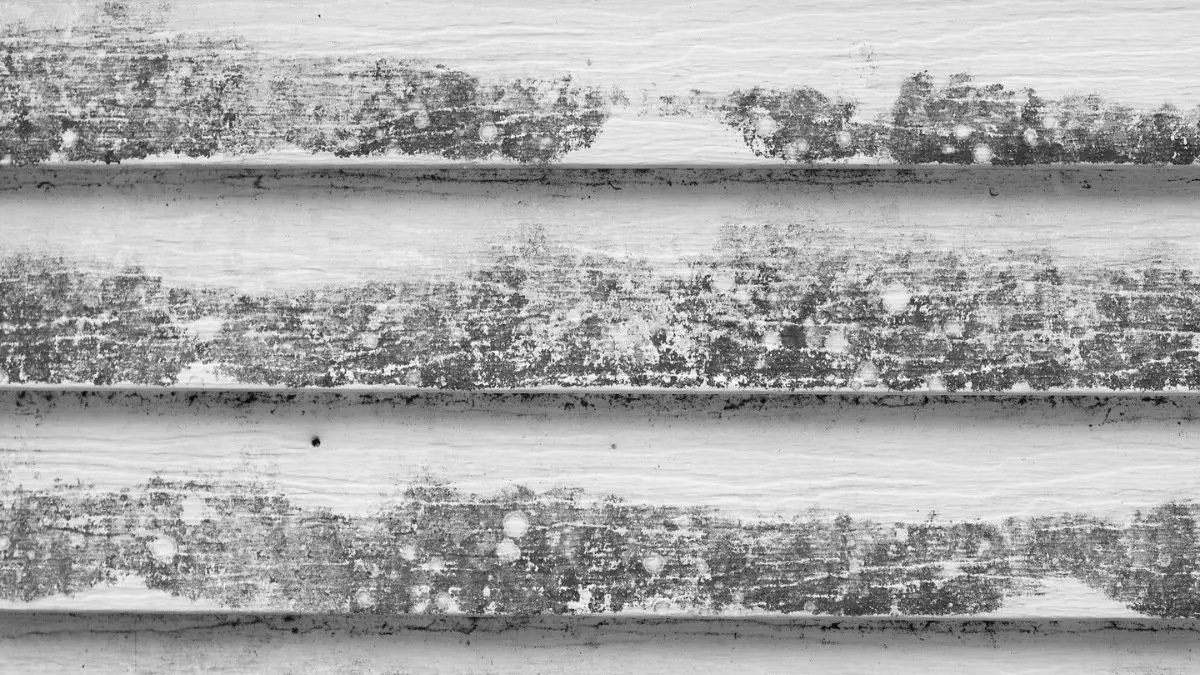
Table of Contents
Finding dark growth on your bathroom grout or basement wall is enough to make any homeowner’s stomach drop. The good news: if you can see it and the area is manageable, you can likely remove it yourself — and this guide shows you exactly how, one surface at a time.
Black mold is one of the most misunderstood household problems in America. Most of what homeowners instinctively call black mold is not the toxic Stachybotrys chartarum they fear — but that does not mean ignoring it is safe or smart.
This guide covers six surfaces where mold most commonly takes hold: bathroom caulk, tile grout, drywall, wood, concrete, and ceilings. Each surface requires a different solution, different tools, and a different technique.
Follow the sections in order. Identify what you are dealing with, gear up before you touch anything, then go surface by surface until the job is done right.

- NIOSH APPROVED: For at least 95 percent filtration efficiency against certain non-oil based particles
- COMPATIBLE: With a variety of protective eyewear and hearing protection
- ADJUSTABLE NOSECLIP: Reduces potential for eyewear fogging and helps provide a custom and secure seal
How to identify black mold before you start
Cleaning mold without knowing what you are dealing with turns a small problem into a large one fast. This five-minute identification check tells you what species you are likely facing and whether your surface type allows DIY removal.
What black mold actually looks like
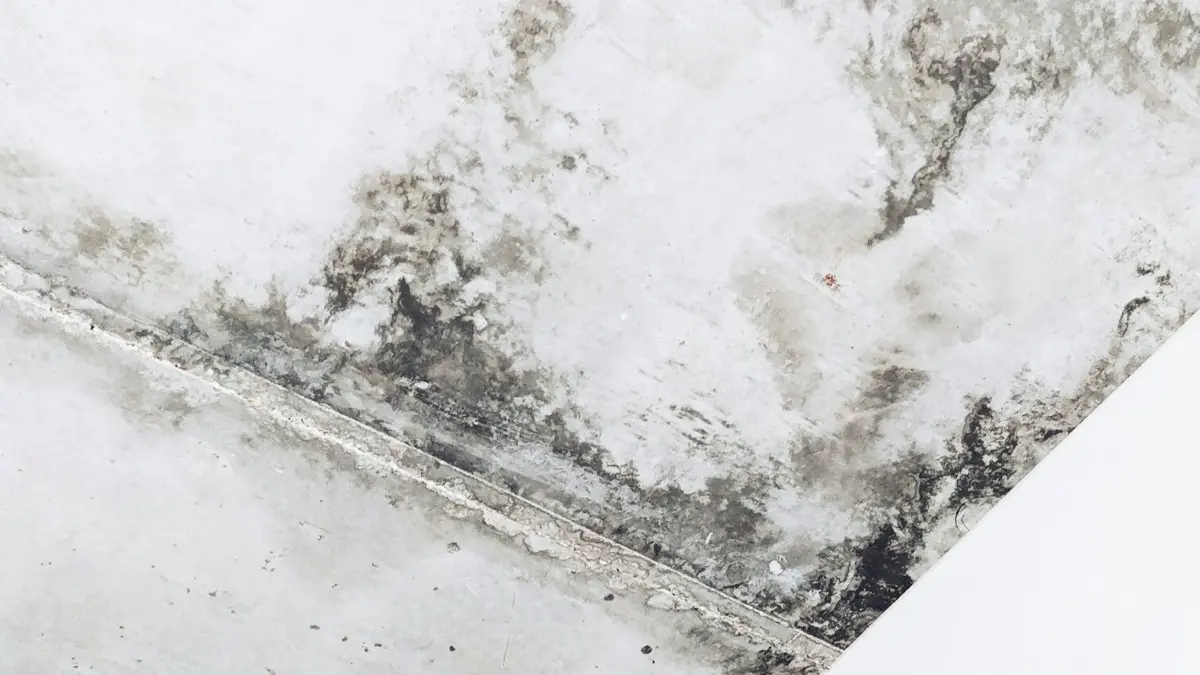
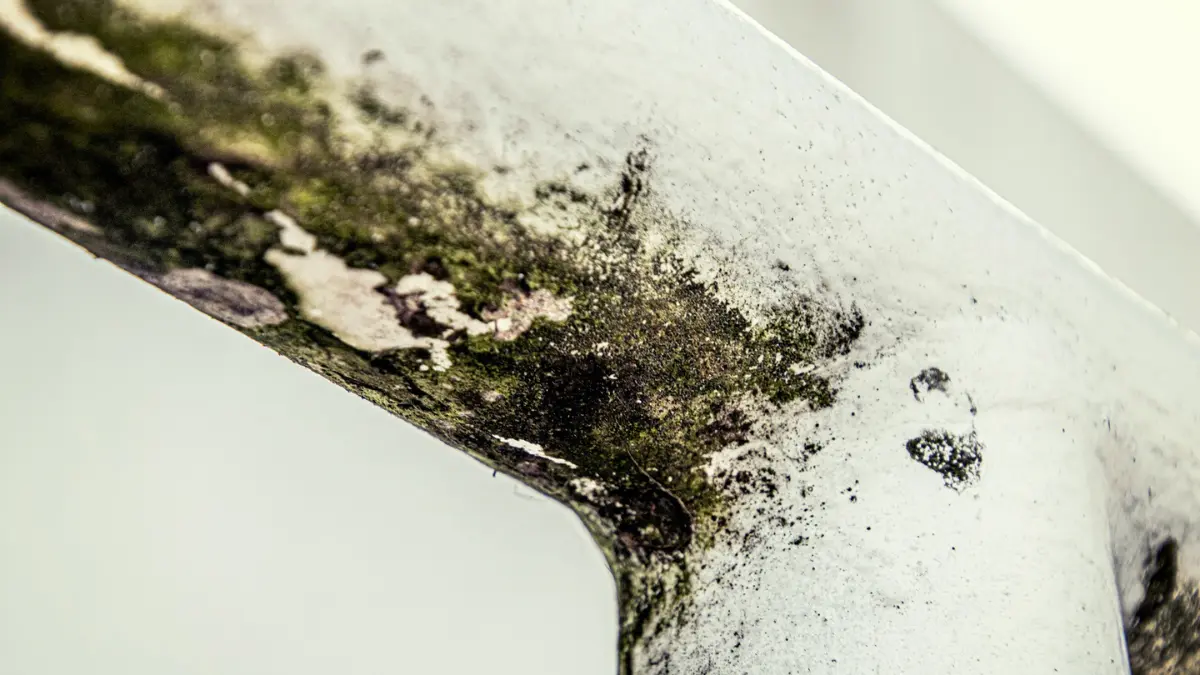
Stachybotrys chartarum — the species most people mean when they say black mold — is dark greenish-black, slimy in texture, and grows in overlapping layers. It develops almost exclusively in areas with chronic, prolonged moisture: a slow hidden pipe leak, a basement wall with persistent water intrusion, or a subfloor left wet after flooding.
Most bathroom mold is dark but not Stachybotrys. Cladosporium and Aspergillus are far more common indoors — both appear dark, both require removal, but neither produces mycotoxins at the concentrations Stachybotrys can reach under chronic moisture exposure.
Mold vs. mildew: the key differences
Mildew is flat, powdery, and gray or white — it sits on the surface and wipes off cleanly with a damp cloth.
Mold is fuzzy or slimy, penetrates porous materials, and will not wipe away cleanly. If residue remains after wiping with a dry cloth, you are dealing with mold. A moisture meter reading above 17% in nearby drywall signals active hidden moisture feeding the growth from behind the wall.
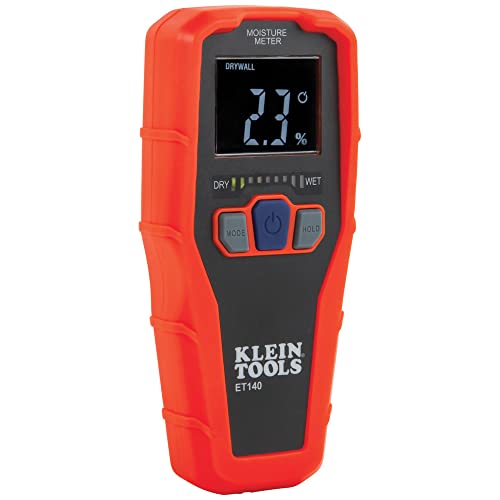
- WATER LEAK DETECTOR detects relative moisture content from leaks and flooding
- PINLESS MOISTURE METER measures relative moisture content in building materials
- NONDESRUCTIVE DETECTION up to 3/4-Inch deep using Electromagnetic field (EMF) technology
Safety gear and prep: what you need before starting
Do not touch mold spores without the right protective equipment. Disturbing a mold colony launches spores into the air — without proper protection, you breathe them in before the job is half finished.
Personal protective equipment (PPE) checklist
Every item on this list is required. Do not substitute.
- N-95 respirator or P100 half-face respirator — a paper dust mask does not filter mold spores and provides zero protection
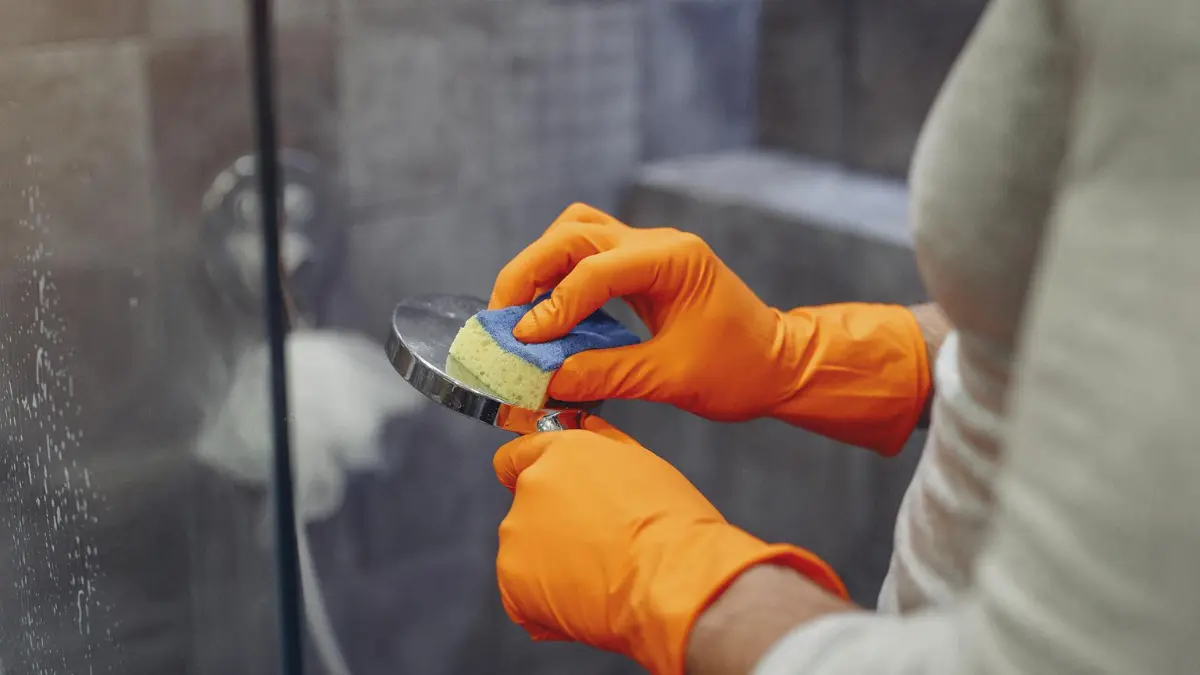
- Nitrile gloves, at least 12 inches long to cover the wrists
- Sealed safety goggles — not open-vent safety glasses
- Disposable coveralls, or clothes you will wash immediately in hot water after finishing
- Rubber-soled shoes you can wipe clean before leaving the work area
⚠️ Warning: If you wear a beard, a standard N-95 or half-face respirator will not seal to your face. Use a powered air-purifying respirator (PAPR) instead — an unsealed mask provides no filtration at all.
How to contain the work area
Seal every HVAC vent in the room with plastic sheeting and painter’s tape before you begin. Open one window slightly for airflow and close the door to the rest of the house.
Place a heavy-duty contractor bag at the room’s entrance before you start. Every sponge, rag, and piece of removed caulk goes directly into a sealed bag — never carried open through the house to the trash.
💡 Expert Note: If you are uncertain about the full scope of the mold in your home, our mold remediation diagnostic guide walks you through a room-by-room assessment before you begin removal.
ℹ️ Disclaimer: This guide covers surface mold in areas under 10 square feet. Larger infestations, mold inside walls, or mold in HVAC systems require a certified professional remediator — not DIY treatment.
Black mold removal steps by surface type
To remove black mold safely, seal the work area, put on your full PPE, then follow these surface-specific steps:
Bathroom caulk and sealant
Mold that has grown into caulk cannot be cleaned — it must be replaced entirely. Remove the old caulk completely, spray the bare joint with undiluted white vinegar, wait 10 minutes, wipe dry, and re-caulk with a mold-resistant silicone rated for wet areas.

- Quality & Craftsmanship you can count on: Sturdy high carbon steel blade riveted for strength. Custom comfort handle wit…
- Best Finishes, Start with Hyde: Dig-It Removal and Scraping Tool, beveled scraping edge – push or pull scraping: finish …
- Value and Dependability first time, everytime: Sharp points on both sides for removing mortar, caulk, or as a grout tool…

- 100% Silicone Caulk Protection: This silicone caulk clear provides ultimate waterproof protection, ensuring a reliable s…
- Strong and Flexible: Delivers a silicone sealant waterproof clear that remains permanently flexible, adapting to surface…
- Quick 30 Minute Water Ready Performance: Experience the convenience of a silicone caulk that becomes water resistant in …
Tile and grout
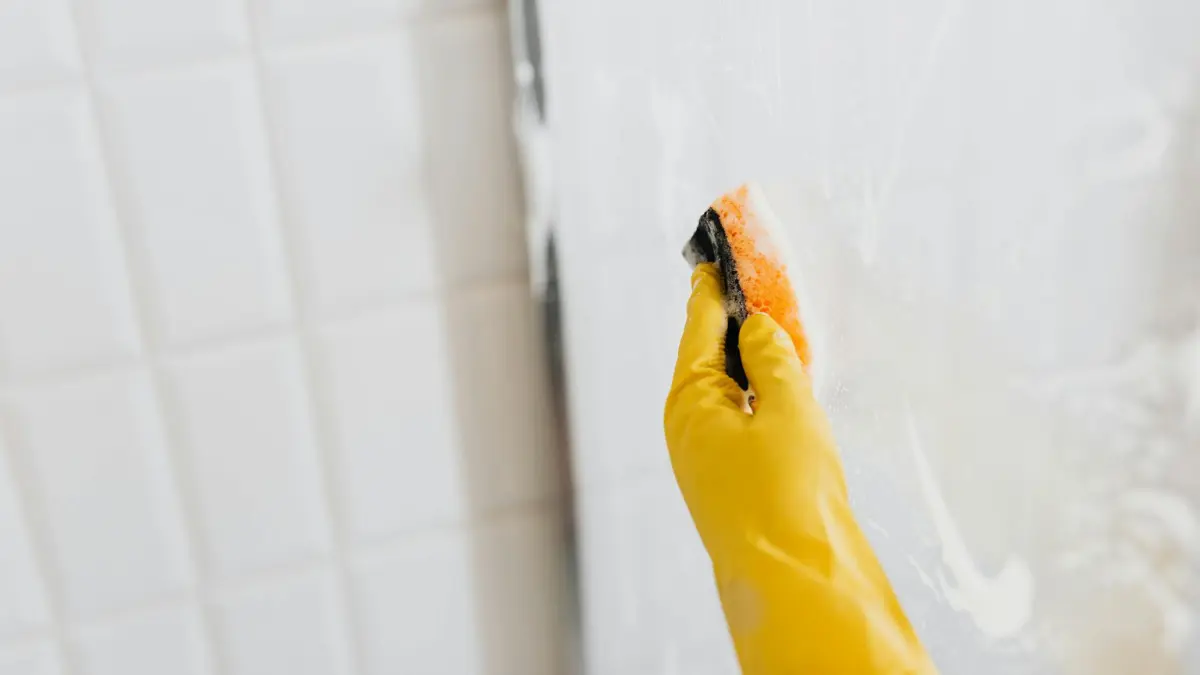
Apply a paste of baking soda and 3% hydrogen peroxide directly onto grout lines. Let it sit for 10 minutes — the paste will foam, which is normal and confirms the solution is actively working. Scrub with a stiff grout brush, then rinse clean.
Drywall and painted walls
Spray the affected area with a 1:10 bleach-to-water solution and let it dwell 15 minutes without scrubbing. Blot dry with a disposable cloth, then seal it in a contractor bag immediately.
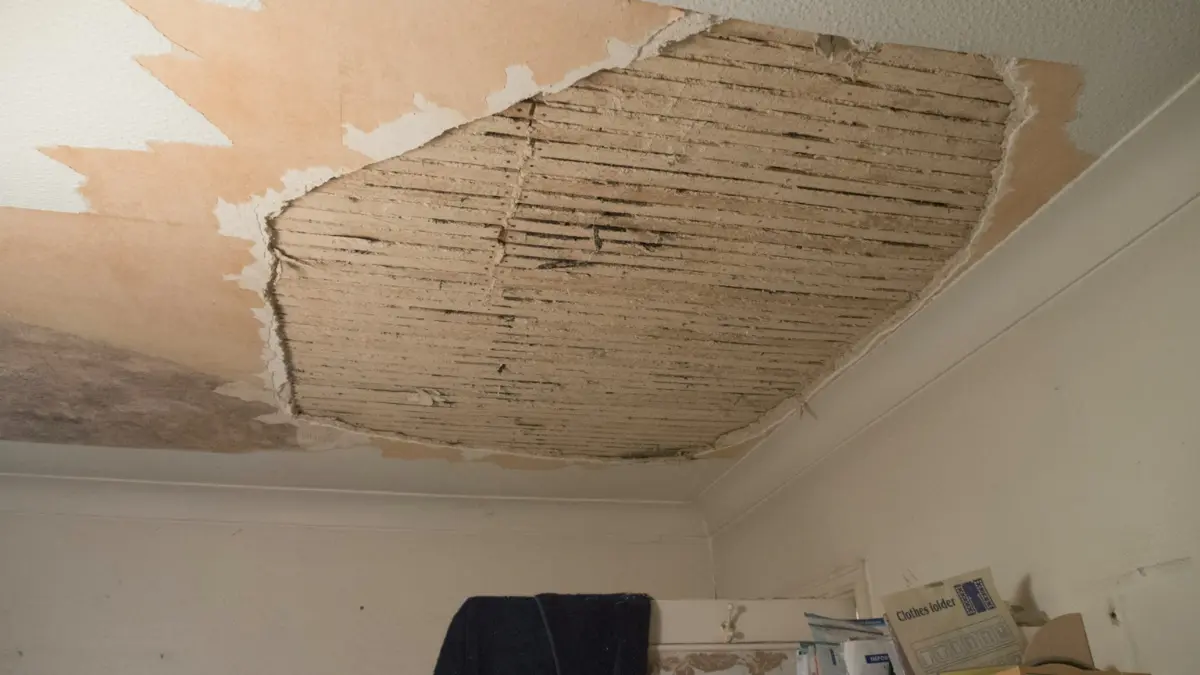
⚠️ Warning: If drywall feels soft, spongy, or crumbles when pressed, stop immediately. Compromised drywall must be cut out and replaced — surface cleaning leaves active mold growing inside the material where it cannot be reached.
Wood surfaces and framing
Sand the affected area lightly with 100-grit sandpaper, then apply undiluted white vinegar or Concrobium Mold Control directly to the wood grain. Let dry completely before priming with an encapsulation primer.
Do not use bleach on wood. Bleach cannot penetrate wood fibers and kills surface mold only — root hyphae remain alive beneath the surface and regrow within weeks.
Concrete floors and walls
Mix one cup of trisodium phosphate (TSP) per gallon of warm water. Scrub the concrete vigorously with a stiff bristle brush, let the solution sit 15 minutes, then rinse and allow the surface to dry fully before applying a waterproofing concrete sealer.
Ceilings
Spray a 1:10 bleach solution onto the affected area — wear sealed goggles against drips. Use a sponge on a pole to blot rather than scrub. Work in small sections and let each dry fully with a fan directed at the surface before continuing.
Which cleaning solutions actually kill black mold
The right solution depends entirely on the surface. Here is how the most common DIY options compare:
| Solution | Kills Mold? | Penetrates Porous Surfaces? | Best Used On | Concentration |
|---|---|---|---|---|
| Bleach | Yes | No | Ceramic tile, fiberglass, tubs | 1:10 with water |
| Hydrogen peroxide | Yes | Partially | Grout, fabric | 3%, undiluted |
| White vinegar | Yes | Yes | Wood, caulk, grout | Undiluted |
| Commercial spray | Yes | Yes | All surfaces | Per product label |
Based on EPA Mold Remediation in Schools and Commercial Buildings guidance on surface-appropriate solution selection.
Bleach vs. hydrogen peroxide vs. vinegar
Bleach is the fastest-acting solution on non-porous surfaces like ceramic tile and fiberglass tubs. It does not penetrate grout, wood, or drywall — applying bleach to those materials kills surface mold while leaving root hyphae alive underneath, guaranteeing the mold returns.
Hydrogen peroxide at 3% concentration penetrates slightly deeper than bleach and is safer on colored grout where bleach causes fading. White vinegar at full strength penetrates most porous materials effectively and is the only common household option that reaches wood fibers deeply enough to address the root system.
⚠️ Warning: Never combine bleach with vinegar, ammonia, or any other cleaning product. The reaction produces chlorine gas. Use one solution at a time and rinse the surface with water before switching products.
When to use a commercial mold remover
RMR-86 Instant Mold Stain Remover works on contact in under 60 seconds on non-porous surfaces and is the fastest option for tile, tubs, and sealed concrete. Concrobium Mold Control works by crushing mold cells as it dries rather than sitting on the surface — it is the better choice for wood, drywall, and grout where penetration matters.
Black mold health risks and when to call a pro
Symptoms of black mold exposure
Mold exposure produces a range of symptoms depending on the species, the duration of contact, and the individual’s sensitivity. Watch for:
- Persistent nasal congestion or runny nose
- Coughing, wheezing, or shortness of breath
- Red, itchy, or watering eyes
- Skin rash or irritation
- Recurring headaches or fatigue following time in the affected area
According to the CDC’s resources on indoor mold and health, people with asthma, allergies, or compromised immune systems face significantly elevated risks from any mold species — not Stachybotrys alone.
ℹ️ Disclaimer: If anyone in your household has developed symptoms following mold exposure, consult a physician. This article does not replace medical advice.
The 10 sq ft rule: when DIY becomes dangerous
Call a certified mold remediator when the affected area exceeds 10 square feet, involves HVAC systems or the interior of wall cavities, or when any household member is immunocompromised.
The EPA’s guide to mold and moisture in homes sets 10 square feet as the upper boundary for safe DIY removal — beyond it, professional containment barriers and negative air pressure systems are required to prevent spore spread into unaffected areas of the home.
Look for remediators holding IICRC mold remediation certification — the Institute of Inspection, Cleaning and Restoration Certification sets the technical standard for professional mold remediation in the United States.
Before committing to professional work, our mold remediation cost guide by room breaks down what certified remediation typically costs across different areas of the home so you can plan the budget accurately.
How to keep black mold from coming back
Fixing the surface without addressing the moisture source guarantees the mold returns. Solve the root cause first — then build habits that keep relative humidity consistently below 50%.
Control moisture and humidity
Keep indoor humidity under 50% year-round. A $15 hygrometer placed in your bathroom or basement gives you an immediate, at-a-glance reading whenever you need it.
Run bathroom exhaust fans during every shower and for 20 minutes after. A fan that vents directly outside — not into an attic — is the single most effective bathroom mold prevention measure available.
Long-term prevention habits
- Re-caulk bathroom and kitchen joints every one to two years before they crack or separate
- Fix any plumbing drip within 24 to 48 hours of discovery — mold colonizes wet drywall in as little as 24 to 48 hours
- Run a dehumidifier in any basement or crawl space that reads above 50% humidity consistently
- Inspect crawl space venting and attic venting after every rain season for blocked or damaged screens
A mid-range dehumidifier between $150 and $250 handles most residential below-grade spaces and cuts mold recurrence risk significantly — it is the highest-return prevention purchase for any homeowner dealing with chronic basement or crawl space moisture.
Frequently asked questions about black mold removal
1. Can I remove black mold myself?
Yes — if the affected area is under 10 square feet, it sits on a reachable surface, and no one in your home is immunocompromised. Wear an N-95 respirator, nitrile gloves, and sealed goggles. Seal all contaminated materials in bags immediately before removing them from the work area.
2. What kills black mold permanently?
No solution permanently prevents mold if the moisture source stays active. White vinegar and commercial sprays like Concrobium Mold Control penetrate porous surfaces most effectively. Bleach kills surface mold but leaves root hyphae alive inside porous materials. Eliminate moisture first — that is the only lasting fix.
3. How do you remove black mold from drywall?
Spray with a 1:10 bleach-to-water solution and let it dwell 15 minutes without scrubbing. Blot dry with a disposable cloth, then seal it immediately. If the drywall feels soft or crumbles, it must be cut out and replaced — surface treatment will not resolve mold growing inside the material.
4. How do you remove black mold from bathroom caulk?
Moldy caulk cannot be cleaned effectively and must be replaced entirely. Remove all old caulk, spray the joint with undiluted white vinegar, wait 10 minutes, wipe dry, and apply a fresh mold-resistant silicone caulk rated specifically for wet areas to prevent immediate regrowth.
5. What is the best product to kill black mold?
For non-porous surfaces, RMR-86 works on contact in under 60 seconds. For porous surfaces like wood and grout, Concrobium Mold Control is stronger because it crushes mold cells as it dries rather than just treating the surface. Match the product to the surface — no single product excels on all materials.
6. Does bleach kill black mold?
Bleach kills surface mold on non-porous materials like ceramic tile and fiberglass. It does not penetrate porous surfaces — wood, drywall, grout — so root hyphae survive and mold regrows. For porous materials, use undiluted white vinegar or a commercial antifungal product designed for penetrating surfaces.
7. How long does it take to get sick from black mold?
Sensitive individuals — those with asthma or allergies — may experience symptoms within hours of exposure. Healthy adults typically require prolonged daily exposure over weeks or months before developing serious effects. A single cleaning session with proper N-95 filtration and sealed goggles poses minimal risk.
8. What are the symptoms of black mold exposure?
Common mold exposure symptoms include nasal congestion, coughing, wheezing, red or itchy eyes, skin rash, and fatigue after time in an affected area. Severe cases may involve shortness of breath. Anyone with ongoing symptoms should consult a physician — self-diagnosis based on mold appearance alone is not reliable.
9. How do you remove black mold from wood?
Sand lightly with 100-grit sandpaper, then apply undiluted white vinegar or Concrobium Mold Control directly. Let dry fully before priming with an encapsulation primer. Do not use bleach on wood — bleach cannot penetrate wood fibers and leaves root hyphae active beneath the treated surface.
10. How do you remove black mold from concrete?
Mix one cup of trisodium phosphate (TSP) per gallon of water. Scrub with a stiff bristle brush, let sit 15 minutes, then rinse and allow to dry fully. Apply a waterproofing sealer after drying to reduce the moisture absorption that enables future mold colonization.
11. When should you call a professional for mold removal?
Call a certified mold remediator when the area exceeds 10 square feet, when mold is inside walls or HVAC systems, or when anyone in the home is immunocompromised. These conditions require professional containment equipment — DIY removal in these cases risks spreading spores throughout the entire home.
12. How do you remove black mold from tile grout?
Apply a paste of baking soda and 3% hydrogen peroxide to grout lines. Wait 10 minutes — foaming confirms the solution is working. Scrub with a stiff grout brush and rinse clean. For deep staining, use a commercial grout-safe mold remover before resealing the grout lines.
13. Does vinegar kill black mold?
Yes. Undiluted white vinegar kills approximately 82% of mold species. Unlike bleach, it penetrates porous surfaces — wood, grout, and caulk — making it more effective on those materials than bleach. Apply at full strength, let sit for at least one hour, then wipe and rinse clean.
14. How do you prevent black mold from coming back?
Mold prevention begins with moisture control. Keep humidity below 50%, run exhaust fans 20 minutes after every shower, fix plumbing drips within 24 to 48 hours, and re-caulk bathroom joints every one to two years. A basement dehumidifier is the single highest-impact prevention tool for moisture-prone homes.
15. How do I know if I have black mold?
True Stachybotrys chartarum is dark greenish-black, slimy, and grows in overlapping layers — almost always in chronically wet areas. Most dark bathroom mold is Cladosporium or Aspergillus. Both require removal. A certified mold inspector can confirm the species when you need a definitive identification.
16. How do you remove black mold from a ceiling?
Spray a 1:10 bleach solution on the affected area and wear sealed goggles against drips. Use a sponge on a pole to blot — never scrub upward. Work in small sections and let each dry fully with a fan directed at the ceiling before continuing to the next area.
17. Is it safe to sleep in a house with black mold?
A small patch of surface mold in a closed bathroom or utility room poses low risk to a healthy adult sleeping in another part of the home. Active mold growth in a bedroom, living space, or HVAC system is a different situation — address it before sleeping in the home.
Related Articles
 Mold Remediation
Here’s What Your Tenant Rights for Mold Actually Are
May 30, 2026 Mold Remediation
The Mold Removal Safety Gear That Keeps You Protected
June 5, 2026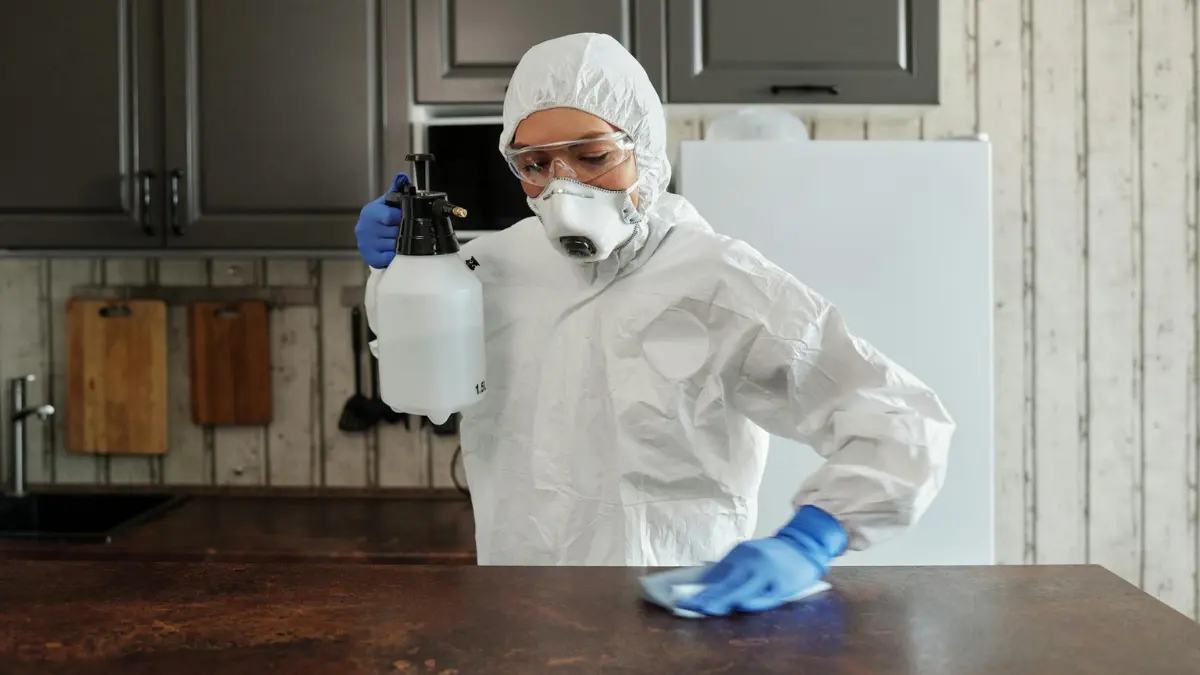 Mold Remediation
Find a Mold Remediation Company You Can Actually Trust
May 9, 2026 Mold Remediation
Mold Remediation Guidance for Your Exact Situation
May 3, 2026 Mold Remediation
Black Mold Symptoms You Should Never Dismiss as Allergies
May 26, 2026 Mold Remediation
Basement Mold Is Treatable — Here’s the Proven Method
May 15, 2026 Mold Remediation
If You’ve Spotted Garage Mold, Here’s Your Fix
June 16, 2026 Mold Remediation
Your Attic Mold Removal Guide: Costs, Causes, Safe Fixes
May 20, 2026 Mold Remediation