
Crawl Space Mold Removal Costs and Safe Next Steps

Crawl space mold removal costs range from $500 to $6,000+, and the EPA’s 10-square-foot rule changes whether DIY is even safe.
Table of Contents
What crawl space mold really costs — and what to do about it
Finding mold in your crawl space is alarming — but it is a problem with a clear solution and a defined cost.
As a certified home inspector who has documented mold in hundreds of crawl spaces across the country, I can tell you: most homeowners assume the worst before they have measured a single square foot.
The answers — and the costs — tend to be more manageable than they expect.
What you’re dealing with
Crawl space mold is fungal growth that colonizes wooden joists, insulation, and vapor barriers when moisture levels stay persistently elevated beneath your home.
Coverage area and mold type together determine whether this is a DIY weekend project or a call to a licensed remediator.
What this guide covers
This guide walks through what causes crawl space mold, how to identify it, how to remove it safely, and exactly what it costs with or without a contractor.
By the end, you will know exactly which path is right for your situation.
What causes mold to grow in a crawl space
What causes mold in a crawl space? Mold grows when humidity consistently exceeds 60% — a condition produced by soil evaporation, foundation wall seepage, plumbing condensation, or exterior grading that directs rainwater toward the home.
The moisture sources that feed mold growth
Three sources account for the majority of crawl space mold problems:
- Soil evaporation: Bare ground releases moisture vapor continuously; without a vapor barrier beneath it, that vapor rises directly into the framing above.
- Foundation seepage: Hairline cracks and deteriorated mortar joints let groundwater wick into the space after rain events.
- Plumbing condensation or slow leaks: Sweating pipes and minor drips maintain chronically elevated humidity in low-airflow spaces where nothing dries naturally.
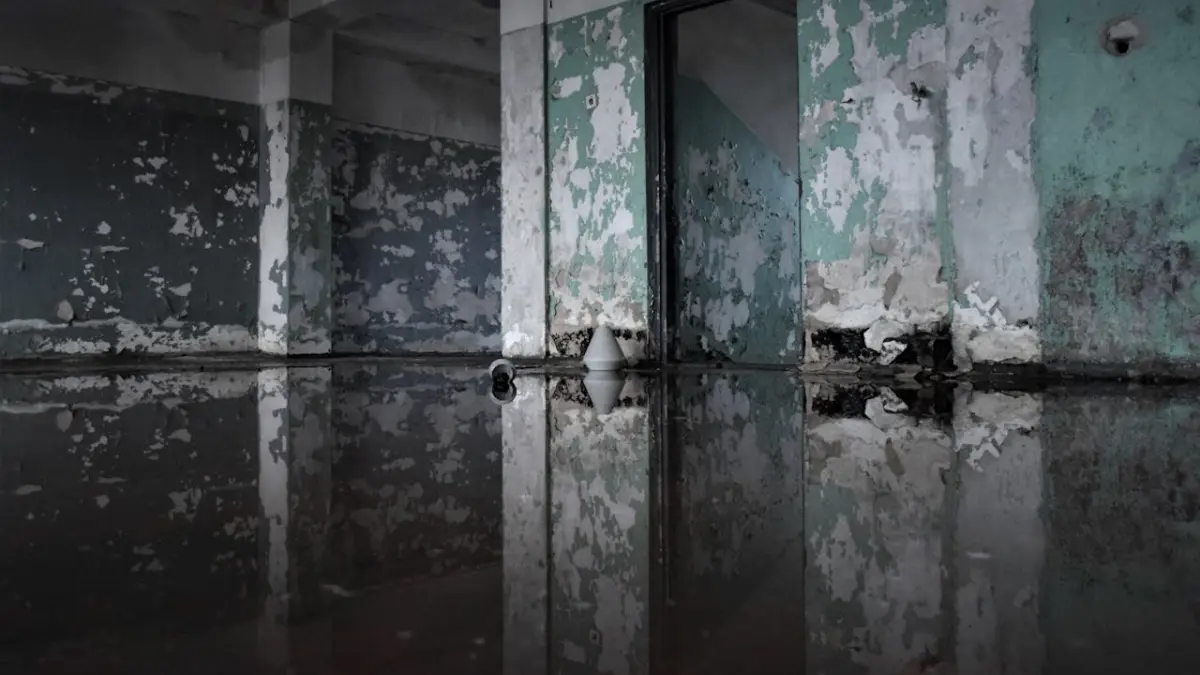
Why crawl spaces are uniquely vulnerable
The stack effect is the core mechanism: as warm air rises through the home and escapes through the upper floors, it continuously pulls cool, damp crawl space air — and mold spores — upward through floor gaps into the living areas above.
That airflow sustains growth below while distributing spores into the rooms where your family breathes.
For a complete look at what drives mold problems from the foundation up, see our mold remediation diagnostic plan.
Is crawl space mold dangerous — and how to spot it
Is crawl space mold dangerous? Yes — spores travel upward through floor gaps, pipe penetrations, and HVAC connections into living areas, where your household inhales them continuously throughout the day.
How to identify mold in your crawl space
Look for these warning signs before you enter the space:
- Musty, earthy odor at the access hatch or floor registers — often the first indicator before any visible growth appears
- Fuzzy white, green, or black growth on floor joists, rim joists, or insulation batts
- Rust on metal fasteners — a reliable early indicator of chronically elevated humidity
- Staining, separation, or pooling water beneath the vapor barrier
The most consistently missed mold in my inspections sits on the rim joist — the horizontal framing board that runs along the top of the foundation wall, where cold exterior meets warm interior air most predictably. Check there first before assessing overall coverage.
Health effects of crawl space mold exposure
According to the EPA’s brief guide to mold, moisture, and your home, mold exposure triggers respiratory symptoms, allergic reactions, and worsened asthma in sensitive individuals.
The CDC’s guidance on indoor mold health effects also connects ongoing exposure to upper respiratory tract symptoms, coughing, and wheezing in otherwise healthy adults.
ℹ️ Disclaimer: If any household members have developed persistent coughing, wheezing, or skin irritation, consult a physician — do not assume those symptoms will resolve on their own once the mold is removed.
If mold has spread beyond the crawl space into finished living areas, our guide to treating mold in your basement covers that scenario in full.
Which mold types are most common in crawl spaces
Most crawl space mold is Cladosporium or Penicillium — both manageable with proper DIY methods once conditions are right.
True black mold (Stachybotrys chartarum) requires sustained water saturation to grow and appears in fewer than 10% of confirmed cases; see our black mold removal steps by surface type before contacting any growth you suspect is Stachybotrys.
How to remove mold from a crawl space yourself
Read our guide to when DIY mold removal is the right call before you start — it lays out the specific conditions under which DIY removal is both safe and appropriate for your situation.
What you’ll need: PPE and supplies checklist
Gear up completely before you open the access hatch:
- N95 or P100 respirator — N95 is the minimum; P100 is required for confirmed black mold or any coverage area over 10 square feet
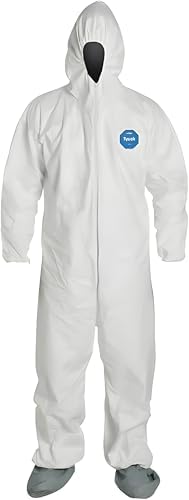
- Tyvek disposable coverall — bag it and dispose of it outside the access hatch before re-entering the home
- HEPA vacuum — a standard shop vac spreads spores through the space; HEPA filtration is non-negotiable
- Nitrile gloves, sealed safety goggles (not vented), and heavy-duty contractor disposal bags

Step-by-step crawl space mold removal process
⚠️ Warning: The EPA recommends professional remediation for any mold coverage exceeding 10 square feet. The steps below apply only to smaller, surface-level growth on non-structural materials. If you are unsure of coverage or mold type, stop and call a certified remediator.
- Suit up fully before opening the access hatch — once inside the space, assume every surface is contaminated.
- Seal HVAC vents and floor openings with plastic sheeting and tape before disturbing anything, to prevent spore migration into living areas.
- HEPA-vacuum all visible mold using slow, overlapping passes — never brush or scrub mold growth first, which launches a spore cloud.
- Apply borate-based fungicide to all affected wood surfaces and let it penetrate for 10 to 15 minutes. Do not rinse — the borate residue remains in the wood grain and continues suppressing regrowth long after application.
- Remove and bag all contaminated insulation — it cannot be treated effectively and must be replaced entirely.
- Run a second full HEPA pass, then bag the coverall outside and shower immediately before moving through the house.
Best products for crawl space mold removal

- ELIMINATES AND PREVENTS MOLD, FUNGI, AND DECAY: Effectively eliminates existing mold and prevents future growth, protect…
- LONG-LASTING WOOD PROTECTION: Penetrates deep into wood to provide residual protection that lasts for years; prevents da…
- IDEAL FOR NEW CONSTRUCTION AND WATER DAMAGE RESTORATION: Perfect for whole-house protection in new builds or applying to…

- GET RID OF STUBBORN MOLD AND MILDEW STAINS: Our instant spray cleaner removes the stains left behind from black mold and…
- USING RMR-86: To safely and conveniently eliminate indoor mold and mildew stains and odors using RMR-86, proper ventilat…
- SAFE TO USE ON MULTIPLE SURFACES: Easily remove stubborn stains from decks, wood, vinyl siding, drywall, concrete floors…
Boracare (borate-based fungicide) is the professional standard for bare wood joists — it penetrates porous grain and suppresses regrowth in a way that surface sprays physically cannot.
RMR-86 handles stain removal and non-porous surface treatment fast. Concrobium Mold Control is the safest over-the-counter option for enclosed, low-ventilation spaces.
Crawl space mold removal cost: DIY vs. professional
Crawl space mold removal costs between $500 and $6,000 depending on severity, square footage, and whether you hire a professional or handle it yourself.

- Total Indoor & Outdoor Stain Solution System: Tackle stubborn mold and mildew stains anywhere with 2 targeted, pro-stren…
- Rapid Restore & Refresh Kit: Eliminate new and deeply embedded stains in as little as 15 seconds with ready-to-use spray…
- Ready to Revive Every Surface: Tough on discoloration yet gentle on grout, tile, and most building materials, this kit r…
Cost breakdown by severity and method
| Severity | Coverage Area | DIY Cost | Pro Cost |
|---|---|---|---|
| Light surface | Under 10 sq ft | $75–$200 | $500–$1,500 |
| Moderate | 10–50 sq ft | $200–$400 | $1,500–$3,000 |
| Severe / structural | Over 50 sq ft | Not recommended | $3,000–$6,000+ |
Source: industry contractor estimate ranges; costs vary significantly by US region and labor market.
What drives the cost higher or lower
A 600 square foot crawl space with surface mold on joists and no structural damage typically runs $1,200 to $1,800 for professional mold remediation in most US markets.
Access difficulty, joist sistering or replacement, encapsulation add-ons, and high-cost labor markets all push final invoices well above those base figures.
For room-by-room mold remediation pricing across your entire home, see our mold remediation cost guide by room.
Does homeowners insurance cover crawl space mold?
Homeowners insurance covers mold removal only when it results directly from a covered sudden event — such as a burst pipe — that was reported promptly after the damage occurred.
Mold from long-term moisture accumulation, poor grading, or deferred maintenance is excluded from nearly all standard policies. Our guide to mold remediation insurance coverage breaks down exactly when coverage applies and how to document your claim correctly.
How long does professional remediation take?
Professional remediation of a standard crawl space takes two to four days: one day for containment and treatment, one to two days of drying time, and a final clearance inspection to confirm the space is clean.
Severe structural cases can extend to a full week.
Should you DIY or hire a mold remediation professional?
The right choice depends on four factors: coverage area, mold type, household health, and structural involvement.
When DIY crawl space mold removal makes sense
DIY removal is the right call when all four conditions are true:
- Visible mold covers less than 10 square feet
- Growth is surface-level on non-structural wood or non-porous materials
- No household members have respiratory conditions or compromised immunity
- The moisture source has been identified and corrected before remediation begins
When to hire an IICRC-certified professional
Hire a certified professional when coverage exceeds 10 square feet, Stachybotrys is confirmed, structural joists are visibly affected, or any household member has an existing respiratory condition.
Contractors certified to the IICRC S520 Standard for Professional Mold Remediation are trained to contain, treat, and post-clear a crawl space to a documented professional benchmark — verify any contractor’s active certification directly at iicrc.org before signing any agreement.
✅ Pro Tip: Any remediator who requires an expensive mold testing service before they will give you a quote is a red flag. Legitimate contractors assess visually and produce a written scope from their own inspection.
What to look for in a mold remediation company
Require three things before signing: current IICRC certification, a written remediation scope of work before the first tool enters your home, and a post-clearance air quality test to confirm the job is done.
For a full contractor vetting guide, see our resource on finding a mold remediation company you can trust.
How to prevent crawl space mold from coming back
Long-term prevention means eliminating the moisture source — treating existing mold without addressing the underlying cause guarantees it returns.
The four moisture control strategies that actually work
Ranked by effectiveness:
- Crawl space encapsulation — seals the ground and wall surfaces with a continuous vapor barrier, cutting off the primary moisture source at the foundation level
- Dedicated crawl space dehumidifier — maintains relative humidity below 60% year-round when encapsulation alone is insufficient
- 20-mil polyethylene vapor barrier — the minimum standard for spaces that cannot be fully encapsulated
- Exterior grading correction — routes surface runoff away from the foundation before it can enter the crawl space at all
When to schedule your next inspection
Inspect every spring — and immediately after any flooding event, plumbing leak, or prolonged period of heavy rainfall.
That single annual habit is the difference between catching a surface mold problem for $150 and discovering a structural one that runs $4,000 or more.
Crawl space mold removal — frequently asked questions
1. How much does it cost to remove mold from a crawl space?
Crawl space mold removal costs $500 to $6,000 depending on severity, square footage, and access difficulty. Light surface mold in an accessible crawl space typically runs $800 to $1,500 professionally. Severe cases involving structural joists or large coverage areas can reach $4,000 to $6,000 with a licensed remediation company.
2. Can I remove mold from a crawl space myself?
Yes — with strict limits. DIY removal is appropriate when coverage is under 10 square feet and growth is surface-level on non-porous or non-structural materials. Once coverage exceeds 10 square feet, the EPA recommends professional remediation. Households with immunocompromised members should always hire a certified remediator regardless of the size involved.
3. What causes mold in a crawl space?
Crawl space mold grows when humidity consistently exceeds 60% — a condition created by soil evaporation, foundation seepage, plumbing condensation, or exterior grading that channels rainwater toward the home. Most cases trace to a missing or deteriorated vapor barrier that allows ground moisture to rise freely into the framing above.
4. Is mold in a crawl space dangerous?
Yes. Crawl space mold releases mold spores that travel upward through floor gaps into living areas via the stack effect. The EPA links mold exposure to respiratory symptoms, allergic reactions, and worsened asthma in sensitive individuals. The CDC also connects ongoing exposure to upper respiratory symptoms and wheezing in otherwise healthy adults.
5. How long does crawl space mold removal take?
A DIY removal of a small area (under 10 square feet) takes one to two days including drying time. Professional remediation of a 500 to 800 square foot crawl space takes two to four days for treatment, containment, drying, and post-treatment clearance testing to confirm the space is clean before re-occupancy.
6. What kills mold in a crawl space?
Borate-based fungicides like Boracare are most effective on porous wood — they penetrate the surface and inhibit regrowth long after application. Concrobium Mold Control and RMR-86 work well on non-porous surfaces. Avoid bleach on bare wood: it evaporates before penetrating, leaving viable mold intact beneath the surface where it continues to grow.
7. Should I buy a house with mold in the crawl space?
It depends on severity. Surface mold on joists is remediable for $1,000 to $2,500 — factor that cost into your offer. Walk away if professional estimates exceed $6,000, structural wood rot is present, or the moisture source is unresolved. Always require a licensed inspection report before negotiating any reduction in purchase price.
8. How do I prevent mold in my crawl space?
Prevent crawl space mold with four steps: install a 20-mil vapor barrier over the entire ground surface, run a dedicated crawl space dehumidifier to keep relative humidity below 60%, correct any exterior grading that directs runoff toward the foundation, and inspect the full space annually and after any flooding event.
9. Does homeowners insurance cover crawl space mold?
Rarely. Homeowners insurance covers mold only when it results directly from a covered sudden event — such as a burst pipe — that was reported promptly. Mold from long-term moisture accumulation, poor grading, or deferred maintenance is excluded from nearly all standard homeowners policies. Ask your insurer about cause-of-loss requirements before filing any claim.
10. What does mold in a crawl space smell like?
Crawl space mold produces a musty, earthy odor — often described as damp soil or rotting wood concentrated in a confined space. You will notice it first at floor vents or the access hatch. If the smell intensifies when the HVAC runs, mold spores are likely already circulating through your entire duct system.
11. How do I know if my crawl space has mold?
Check for four indicators: a persistent musty odor at the access hatch, visible fuzzy growth on joists or insulation, rust on metal fasteners (signaling chronic high humidity), and staining or separation of the vapor barrier. Any single indicator warrants a full inspection. An inexpensive mold test kit confirms the species before you commit to remediation costs.
12. What is the best product for crawl space mold removal?
For porous wood joists, Boracare borate-based fungicide is the most effective option — it penetrates, kills, and prevents regrowth where surface sprays physically cannot reach. RMR-86 handles non-porous surfaces and stain removal fast. Concrobium Mold Control is the safest over-the-counter option for enclosed spaces with limited ventilation.
13. Does crawl space encapsulation prevent mold?
Yes — effectively. Crawl space encapsulation seals the ground and walls with a continuous vapor barrier, cutting off the primary moisture source mold requires to grow. Paired with a properly sized dehumidifier, it keeps relative humidity below 60% year-round. Most certified remediators include encapsulation in their treatment plans specifically to prevent mold from recurring.
14. How often should a crawl space be inspected for mold?
Inspect your crawl space at least once annually — ideally in early spring after the wet season. Also inspect after any flooding event, plumbing leak, or HVAC condensation issue. Homes in high-humidity climates or with bare-dirt crawl spaces benefit from twice-yearly inspections. Early detection keeps surface mold from becoming a costly structural problem.
15. What type of mold is most common in crawl spaces?
Cladosporium is the most common species — appearing as green, brown, or black patches with moderate health risk. Penicillium (blue-green) is also frequent. Stachybotrys chartarum — true black mold — requires prolonged water saturation to grow and accounts for fewer than 10% of crawl space mold cases confirmed by laboratory testing.
16. How long does professional mold remediation take in a crawl space?
Professional mold remediation of a standard crawl space takes two to four days: one day for containment and treatment, one to two days of drying, and a final clearance test. Severe cases involving structural joist work or large square footage can extend the complete timeline to approximately one full week depending on scope.
17. Can crawl space mold spread to living areas?
Yes. The stack effect pulls crawl space spores upward through floor gaps and HVAC returns into living areas, where household members inhale them daily. Surface mold appearing on bathroom walls or grout directly above an affected crawl space often traces to the same moisture source — our bathroom mold removal guide for grout, caulk, and walls covers treatment by surface type.
Related Articles
 Mold Remediation
Using Vinegar for Mold Removal Without the Guesswork
June 10, 2026 Mold Remediation
Understanding Landlord Mold Responsibility in Your Rental
May 31, 2026 Mold Remediation
Here’s the Proven Way to Finally Get Rid of Mold on Concrete
May 24, 2026 Mold Remediation
Find the Right Mold Removal Products for Your Surface
June 6, 2026 Mold Remediation
Black Mold Removal: Steps for Each Surface Type
May 7, 2026 Mold Remediation
Bathroom Mold Removal: Grout, Caulk, and Walls Fixed
May 13, 2026 Mold Remediation
Here’s What Your Tenant Rights for Mold Actually Are
May 30, 2026 Mold Remediation
The Mold Removal Safety Gear That Keeps You Protected
June 5, 2026 Mold Remediation