
The Mold Removal Safety Gear That Keeps You Protected

Mold removal safety gear comes down to six items and one rule: the 10-square-foot line that decides DIY or call a pro.
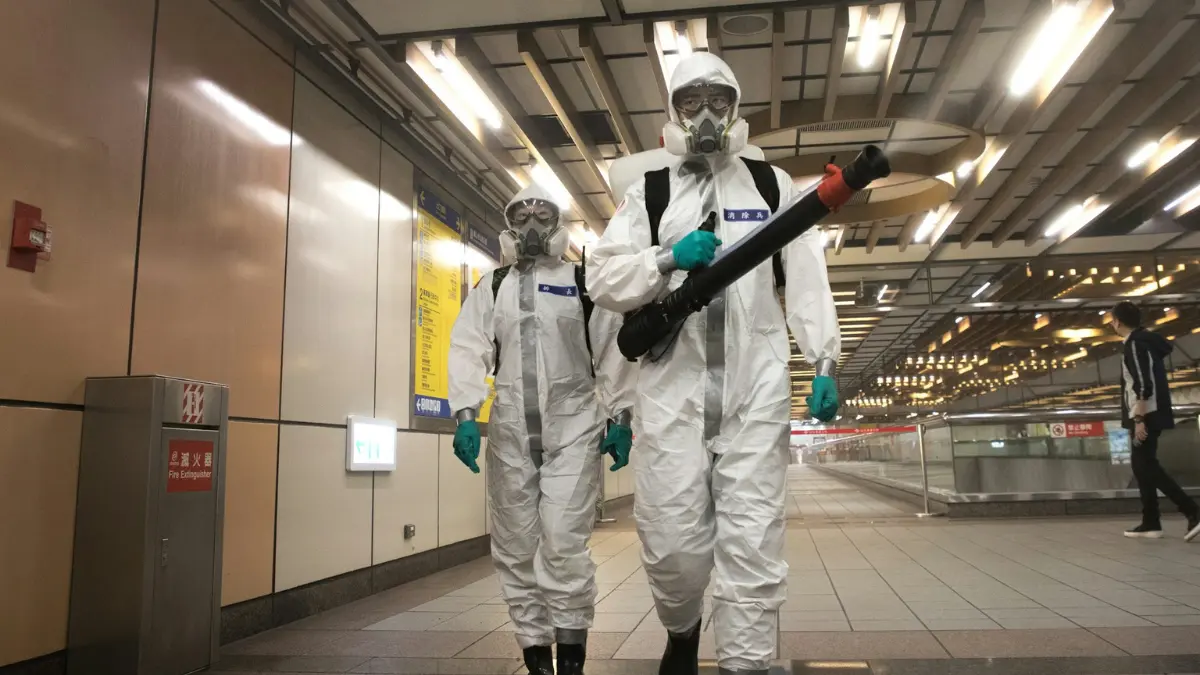
Table of Contents
You found mold, and your first instinct is to grab a paper dust mask and start scrubbing. That instinct can land you in bed for a week.
Cleaning mold stirs millions of spores into the air you breathe. The CDC notes that mold exposure can trigger respiratory symptoms, which is exactly what protective gear guards against.
The right mold removal safety gear is what stands between you and the headaches, asthma flares, and sinus infections that come with a faceful of those spores.
This guide gives you two things. The exact head-to-toe gear list, and a simple rule for knowing when the job is too big to handle yourself.
We cover the gear here; the cleanup steps live in the full mold remediation process. If you are still deciding whether to tackle it at all, start with our take on when DIY mold removal is the right call.
ℹ️ Disclaimer: This article is general guidance, not medical advice. If you have asthma, a weakened immune system, or you are pregnant, talk to a doctor before disturbing any mold, and strongly consider hiring a professional.
The complete mold removal safety gear checklist
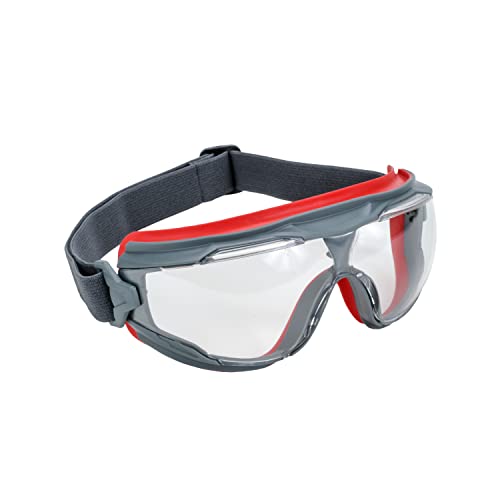
- 3M Scotchgard Anti-Fog Coating lasts longer than traditional anti-fog coatings, helping to increase eyewear performance …
- Workers may enjoy reliable, clearer sight longer, because the coating with its active ingredient is bonded to the lens. …
- The coating withstands disinfection with diluted bleach soaking or alcohol wipes without losing its anti-fog performance
For safe mold removal, wear these six items before you touch a single moldy surface:
- Respirator: A NIOSH-approved N95 at minimum, or a half- or full-face respirator with P100 filters for bigger jobs.
- Sealed goggles: Non-vented safety goggles that wrap the eyes, never vented shop glasses.
- Gloves: Long nitrile or rubber gloves that reach mid-forearm.
- Body covering: Disposable coveralls, or long sleeves and long pants you will wash immediately after.
- Head covering: A disposable hood or hair cover so spores do not settle in your hair.
- Foot protection: Closed shoes with disposable boot covers, or shoes you can wipe down.
This list mirrors the personal protective equipment recommended in the EPA’s mold remediation course for PPE. It is the baseline for any indoor job, from a bathroom tile and grout cleanup to a damp corner of a finished basement.
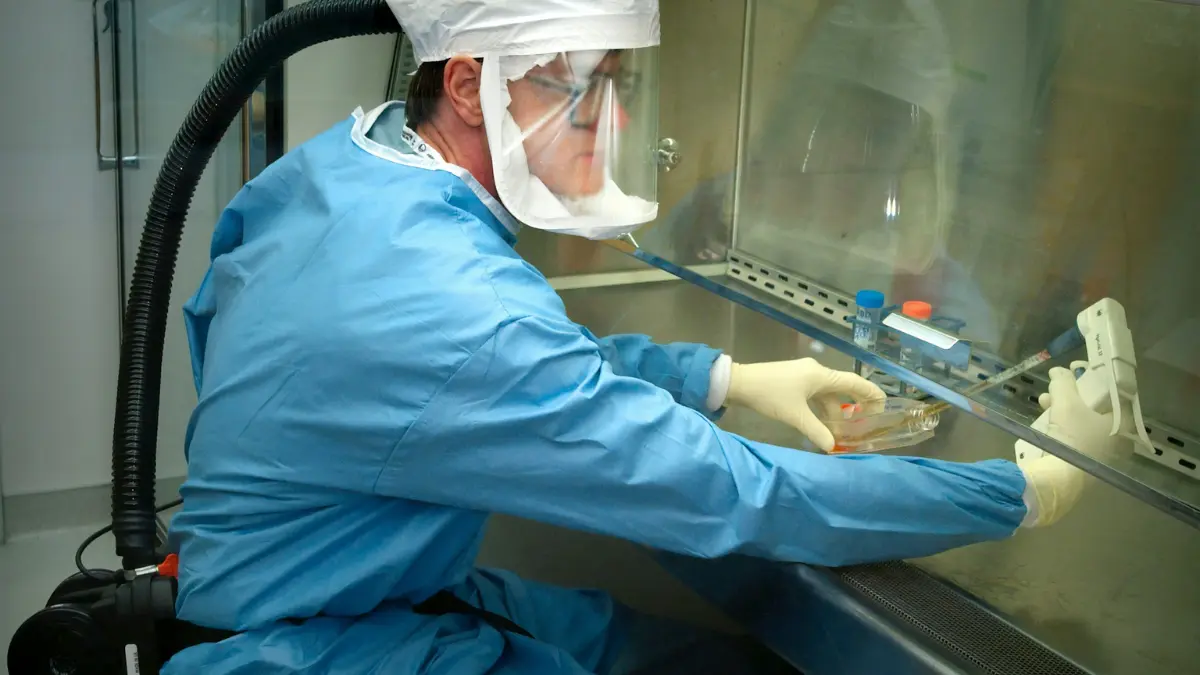
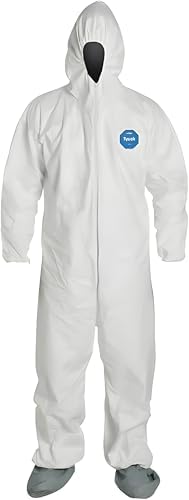
✅ Pro Tip: Buy gear you can throw away. Disposable coveralls and gloves go straight into a sealed trash bag when you finish, which keeps spores from riding your clothes into clean rooms.
The respirator is the piece people get wrong most often. So let’s settle which one you actually need.
Choosing the right respirator: N95, P100, or full-face

- NIOSH APPROVED: For at least 95 percent filtration efficiency against certain non-oil based particles
- COMPATIBLE: With a variety of protective eyewear and hearing protection
- ADJUSTABLE NOSECLIP: Reduces potential for eyewear fogging and helps provide a custom and secure seal
A cloth mask or surgical mask does almost nothing against mold spores.
Does an N95 respirator protect against mold? Yes, for small jobs. A NIOSH-approved N95 filters at least 95 percent of airborne particles, which is enough for a contained patch under 10 square feet.
The label tells you everything once you decode it. The number is the filtration percentage, and the letter is oil resistance, where N means not oil-resistant and P means oil-proof.
When to step up to a P100 or full-face respirator
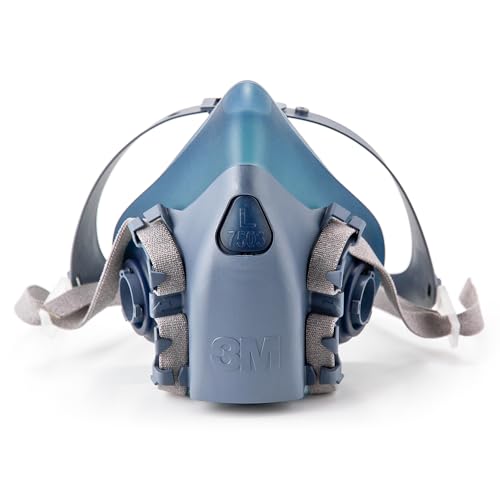
- NIOSH-APPROVED: NIOSH, a USA federal government regulatory agency, has tested and approved the 3M 7502 Half Facepiece Re…
- COMFORT AND DURABLE: Advance silicone material for increased comfort and greater durability
- BREATHE EASY: Proprietary 3M CoolFlow valve helps makes breathing easier

- Exceptional 99.97% particulate filter efficiency meets NIOSH P100-series
- Provides lightweight, easy breathing comfort
- Versatile protection against many oil and non-oil based particulate contaminants
For anything larger or for mold you will be near for more than a few minutes, move up to a P100 filter. A P100 respirator captures 99.97 percent of particles, and you will notice the musty smell disappear completely.
That vanished odor is your quality check. If you still smell mold through the mask, the seal or the filter is failing.
A half-face respirator guards your lungs but leaves your eyes exposed, which is why goggles are non-negotiable with it. A full-face model covers eyes and lungs together and is worth it for black mold removal across different surfaces.
💡 Expert Note: A respirator only works if it seals to bare skin. Stubble breaks the seal, so a clean-shaven face matters more than the price of the mask.
If you are reacting badly even with a mask on, read up on black mold symptoms you should not dismiss and stop work until you feel well.
Match your gear to the size of the mold problem
The size of the moldy area decides how much protection you need.
| Moldy area | Respirator | Body & eyes |
|---|---|---|
| Under 10 sq ft | N95 | Goggles, gloves |
| 10 to 100 sq ft | Half/full-face, P100 | Goggles, gloves, coveralls |
| Over 100 sq ft | Full-face, P100 | Full coveralls, hood, boots, or hire a pro |
Source: U.S. EPA mold cleanup guidance.
These thresholds come straight from federal EPA cleanup guidance. The 10-square-foot line is the one to remember.
How much mold can you safely remove yourself?
A patch smaller than a sheet of plywood, roughly 10 square feet, is reasonable DIY territory with basic gear. Beyond that, the spore load and the gear demands climb fast.
Hidden mold changes the math too. Growth inside air ducts, across an attic, or under the house in a crawl space is usually larger than it looks and harder to contain.
When to stop and call a professional
⚠️ Warning: If the moldy area is larger than 100 square feet, follows sewage or major flooding, or sits inside your HVAC system, stop and hire a certified remediation contractor. The exposure risk during cleanup is too high for consumer gear.
Use our guide to hiring a mold remediation company you can trust so you do not overpay. After any large job, confirm success with post-remediation testing before you call it done.
How to put on and take off your gear safely
The riskiest moment is not the scrubbing. It is taking the gear off afterward.
Follow this order every time:
- Gear up outside the room. Put on coveralls, gloves, goggles, and respirator before entering, then do a seal check by covering the filter and inhaling to feel the mask pull tight.
- Seal the room. Tape plastic over doorways and vents so spores stay contained while you work.
- Clean, then bag your tools inside the room. Keep contaminated rags and debris in a heavy trash bag without carrying them out.
- Doff inside the contained area. Peel gloves and coveralls inside out so the dirty surface folds inward, then seal them in the bag.
- Wash immediately. Shower and launder any reusable clothing in hot water right away.
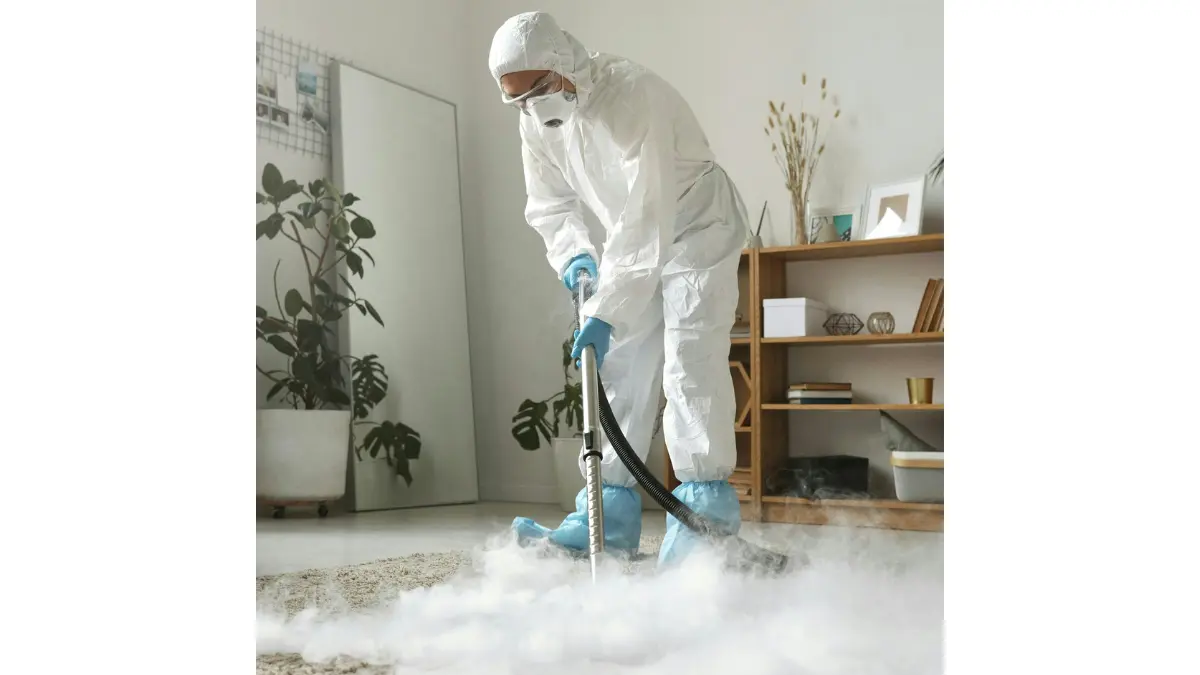
The step almost everyone skips is bagging the suit inside the room. Carry that coverall down the hall and you have just seeded spores across your clean floors.
💡 Expert Note: For workplace cleanups, respirator fit and a written program are legally required under OSHA’s respiratory protection standard 1910.134. Home users should still run the seal check every single time.
Different surfaces release spores differently, so gear discipline matters more on porous materials like wood framing and studs and drywall. Hard surfaces such as concrete floors are more forgiving, while soft goods like moldy carpet often belong in the trash bag with your gloves.
What to buy, and what you can skip
You do not need a contractor’s locker to clean a bathroom patch.
For a small job, a sensible kit runs about 30 to 60 dollars: a box of N95 respirators, non-vented goggles, long nitrile gloves, and a roll of contractor bags. Most of it sits on the shelf at any hardware store.
The upgrade pick for bigger or recurring mold
If you fight mold every season or face a job near 100 square feet, invest in a reusable half-face respirator with replaceable P100 filters. It costs more upfront but pays off across repeat use.
Skip the full Tyvek suit for a one-time bathroom spot. Long sleeves you can wash will do, and the money is better spent on a respirator that actually seals.
✅ Pro Tip: Buy two filter pairs at once. P100 filters clog faster in heavy mold, and a spare set keeps you from quitting mid-job because breathing got hard.
Budgeting a larger project? Our breakdown of mold remediation costs room by room shows where the gear line fits in the total.
Frequently asked questions about mold removal safety gear
1. Does a regular dust mask or N95 protect against mold?
A cloth or surgical dust mask does not filter mold spores and should never be used. A NIOSH-approved N95 respirator does protect you for small jobs under 10 square feet, filtering at least 95 percent of airborne particles. For larger areas, step up to a P100 filter.
2. What is the best respirator for mold removal?
The best respirator for mold removal depends on job size. An N95 handles small contained patches, while a half-face or full-face respirator fitted with P100 filters suits anything bigger or longer. A full-face model adds eye protection, which makes it the safest single choice for most home projects.
3. What gloves should I wear to remove mold?
Wear long nitrile or rubber gloves that reach the middle of your forearm so spores and cleaning solution cannot run down your wrists. Disposable nitrile works for most jobs. If you use a strong cleaner, choose a glove material rated for that chemical, and bag the gloves when finished.
4. Do I need goggles to clean mold?
Yes. Mold spores and cleaning splashes can irritate or infect your eyes, so non-vented safety goggles are part of basic mold removal safety gear. Avoid vented shop glasses, since the holes let spores slip through. A full-face respirator covers your eyes and lungs at once if you prefer.
5. Do I need a full Tyvek suit to remove mold?
Not for small jobs. For a patch under 10 square feet, long sleeves and pants you wash immediately are enough. Disposable coveralls or a Tyvek suit become worthwhile for larger areas, where they keep spores off your skin and clothing and can be sealed in a bag and thrown away afterward.
6. How much mold can I safely remove myself?
You can reasonably handle a moldy area smaller than about 10 square feet, roughly the size of a sheet of plywood, using basic safety gear. Larger growth, mold from sewage or flooding, or mold inside your HVAC system calls for a certified professional because the exposure and containment demands rise sharply.
7. When should I hire a professional instead?
Hire a pro when the moldy area tops 100 square feet, when it follows sewage backups or major flooding, or when it hides inside ducts, walls, or your attic. Professionals bring containment, negative-air machines, and training that consumer mold removal safety gear cannot match for large jobs.
8. Can mold safety gear be reused, or is it disposable?
Treat gloves, coveralls, hoods, and N95 masks as single-use, sealing them in a trash bag when you finish. Reusable half-face and full-face respirators are the exception. Wash and disinfect those between uses, store them in a clean bag, and replace the filters on schedule for the gear to keep working.
9. How often should P100 filters be replaced?
Replace P100 filters when breathing becomes noticeably harder, when you start smelling mold through the mask, or after roughly 40 hours of use in heavy contamination. In very moldy spaces, swap them sooner. Keeping a spare pair on hand prevents you from stopping a job mid-task because the filters clogged.
10. Is bleach safe to use during mold removal?
Bleach is not the cure-all people assume, and the EPA does not recommend routine biocide use for household mold. If you do use it, wear chemical-rated gloves, never mix it with ammonia, and ventilate well, since the fumes add a hazard on top of the spores you are already working to avoid.
11. Can I remove mold while pregnant or with asthma?
You should not. Pregnancy, asthma, and weakened immunity all raise your risk from spore exposure, so hand the job to someone else or a professional. Learn the stakes in our guides to mold exposure during pregnancy and children’s mold exposure symptoms by age before anyone vulnerable goes near it.
12. Does homeowners insurance cover mold remediation?
Sometimes. Coverage usually depends on whether the mold resulted from a sudden, covered event like a burst pipe rather than slow neglect. Read your policy closely and see our explainer on when homeowners insurance covers mold remediation, and keep photos of the damage and your gear receipts for any claim.
13. Is my landlord responsible for mold in a rental?
Often, yes, though it varies by state and by what caused the mold. Tenants generally are not expected to remediate large problems themselves. Check your landlord’s mold responsibility by state and your options through renters’ rights when a landlord won’t fix mold before buying any gear.
Gear up, then clean with confidence
The non-negotiables are simple: a NIOSH-approved respirator, sealed goggles, long gloves, and covered skin, with everything bagged the moment you finish.
Match the gear to the size of the job, and respect the 10-square-foot line that separates a weekend task from a professional one. When in doubt, the safer choice is to call someone in.
Ready for the cleaning itself? Walk through the complete mold remediation plan, and if you are prepping to list your home, see your options for a mold inspection’s real cost and handling mold before selling.
Related Articles
 Mold Remediation
The Safe Way to Remove Mold from Wood and Studs
May 23, 2026 Mold Remediation
Keep Your Vacation Home Mold-Free While You’re Away
June 16, 2026 Mold Remediation
What a Mold Inspection Really Costs for Your Home
June 2, 2026 Mold Remediation
Black Mold Removal: Steps for Each Surface Type
May 7, 2026 Mold Remediation
Here’s Exactly When DIY Mold Removal Is the Right Call
May 8, 2026 Mold Remediation
Why Your Mold Keeps Returning and How to Prevent It
June 15, 2026 Mold Remediation
Here’s Your Plan for Mold Remediation Before Selling
June 1, 2026 Mold Remediation
Bathroom Mold Removal: Grout, Caulk, and Walls Fixed
May 13, 2026 Mold Remediation