The Smart Way to Read Dry Standard Water Damage Numbers
Dry standard water damage readings above 30% are qualitative only, per the USDA. That covers most genuinely wet material a homeowner would check.
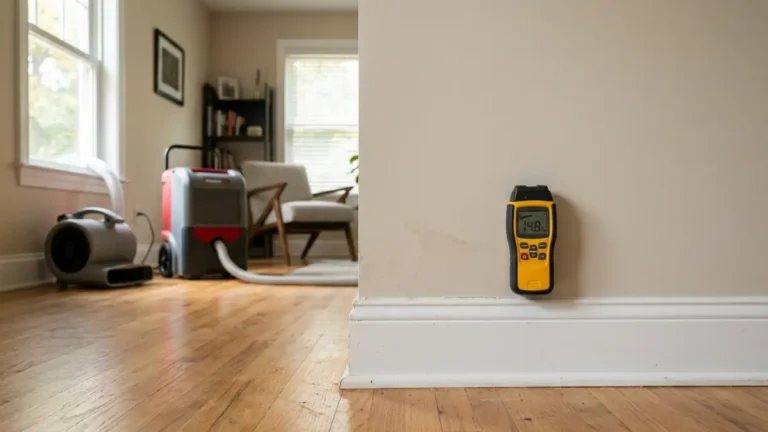
Dry standard water damage readings above 30% are qualitative only, per the USDA. That covers most genuinely wet material a homeowner would check.
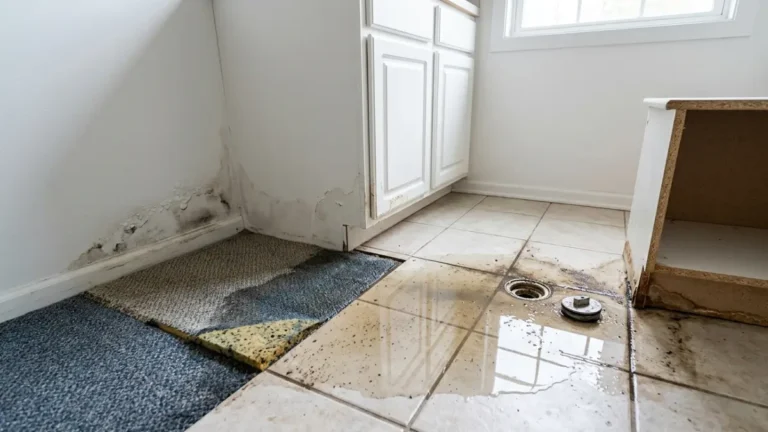
Sewage backup cleanup has no drying shortcut. The EPA table that lets drywall stay says in its own footnote that it applies to clean water only.
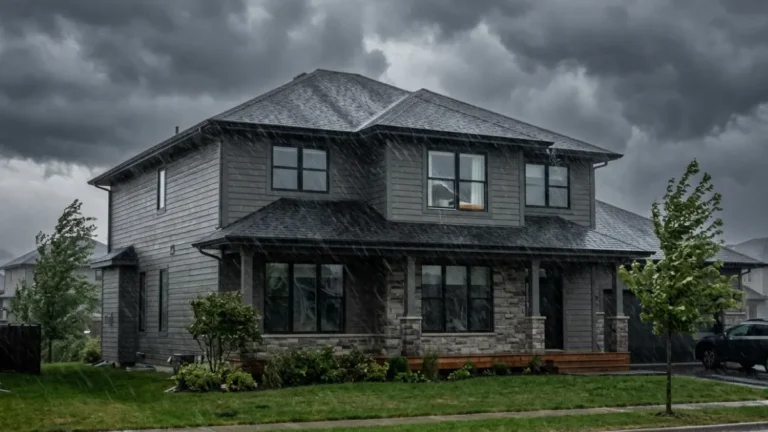
Wind-driven rain can be Category 3 water — but the standard’s own wording says one word decides it, and the storm’s name is not that word.
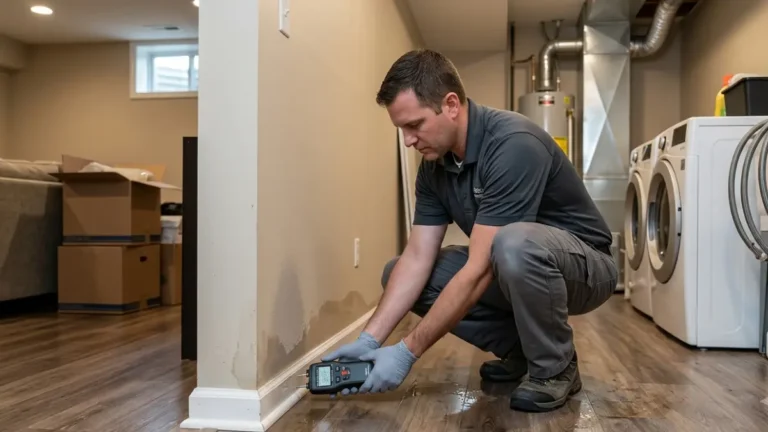
Water damage categories aren’t a severity scale — they set the order of the work. At two of the three, cleaning comes before drying, not after.
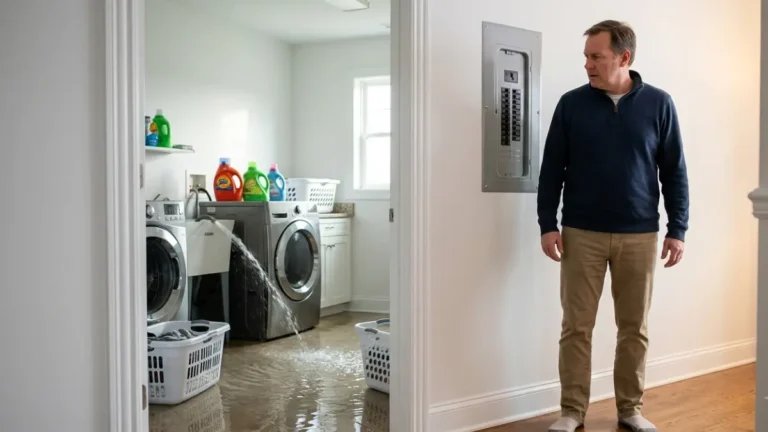
After water damage, the first move isn’t a mop — it’s a decision. The CDC’s rule on cutting power has an exception most advice drops, and it matters.
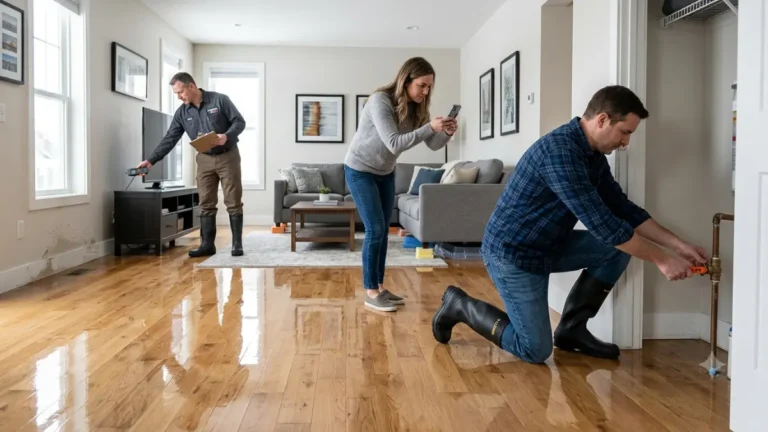
Water damage restoration has a published standard naming eight things a crew should do before any drying equipment goes in. Most homeowners never see it.
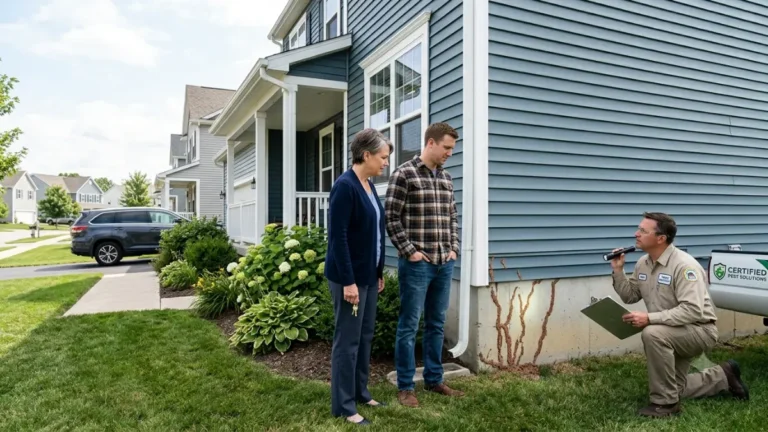
Termites in a rental? Florida’s extermination duty names wood-destroying organisms, then exempts the single-family homes and duplexes most renters live in.
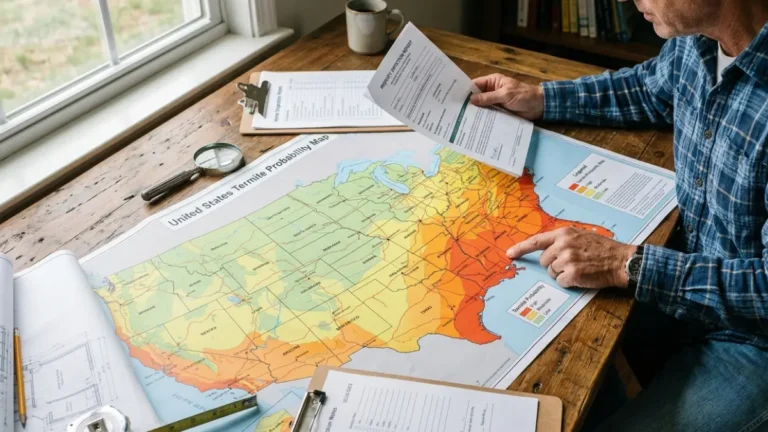
The termite risk map covers subterranean termites only, and USDA puts them in every state but Alaska. A pale band is a regional average, not your address.
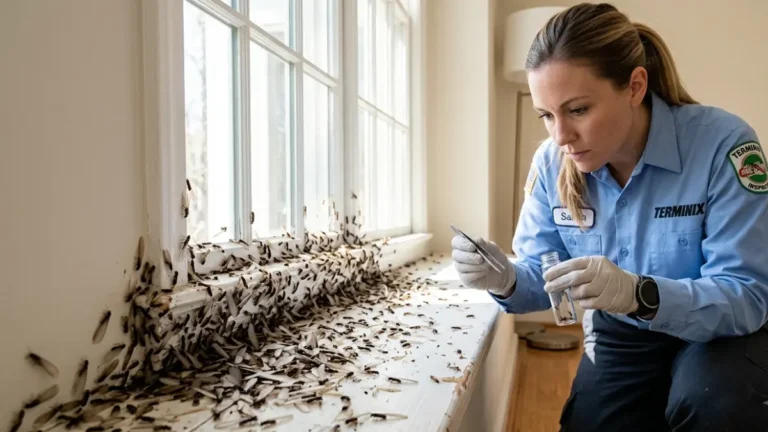
Termites swarm on warm days after rain — yet two extension programs report winter flights inside heated structures. The species flying decides the month.
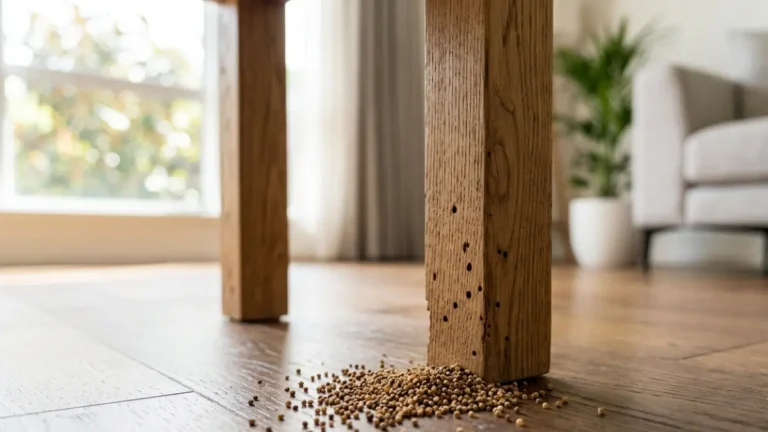
Termites in furniture: three extension documents publish three cold protocols, and none matches the freezer number circulating online.
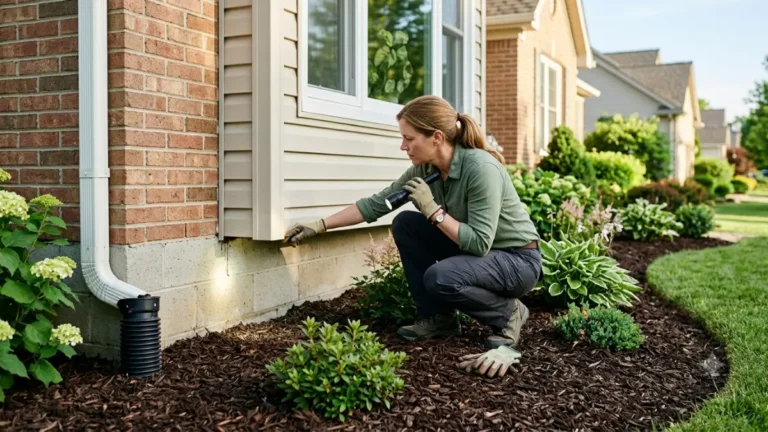
Termite prevention has a ceiling, and the inspection form used in federally backed home sales states it: any structure can be attacked.
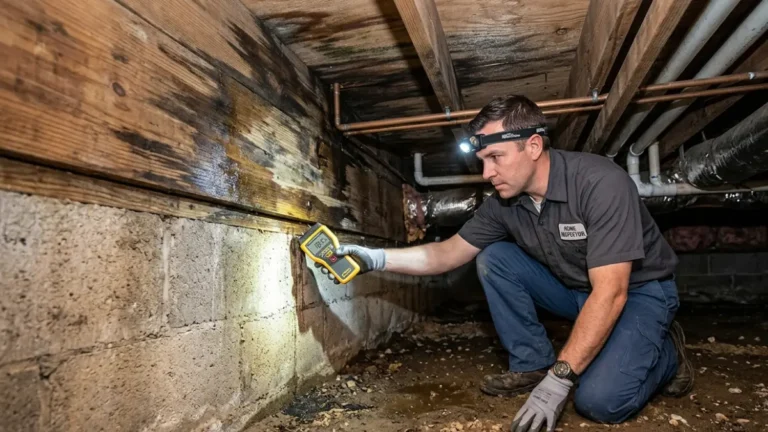
Crawl space moisture readings need context: South Carolina reports 20% as excessive, but serious decay needs wood above about 30%.