The real test with termites in rental property is who caused it
Termites in a rental? Florida’s extermination duty names wood-destroying organisms, then exempts the single-family homes and duplexes most renters live in.

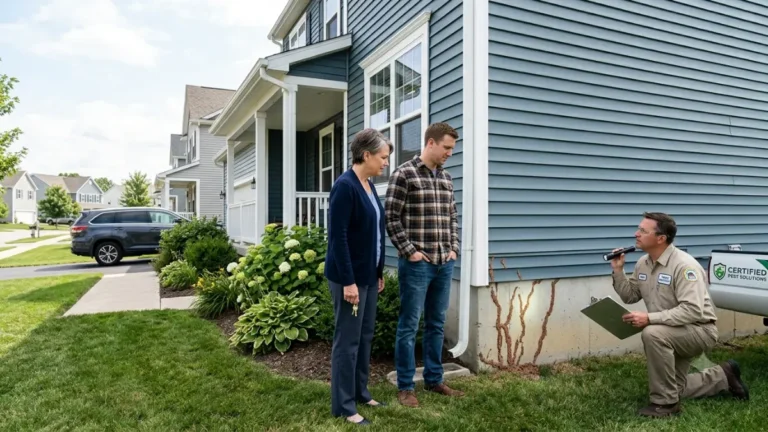
Termites in a rental? Florida’s extermination duty names wood-destroying organisms, then exempts the single-family homes and duplexes most renters live in.
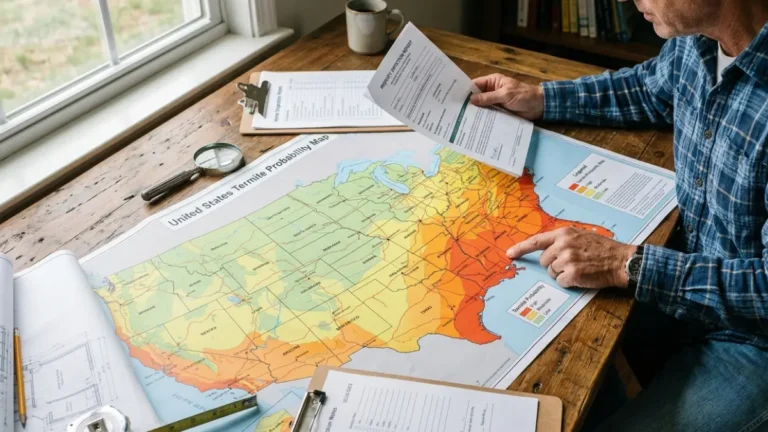
The termite risk map covers subterranean termites only, and USDA puts them in every state but Alaska. A pale band is a regional average, not your address.
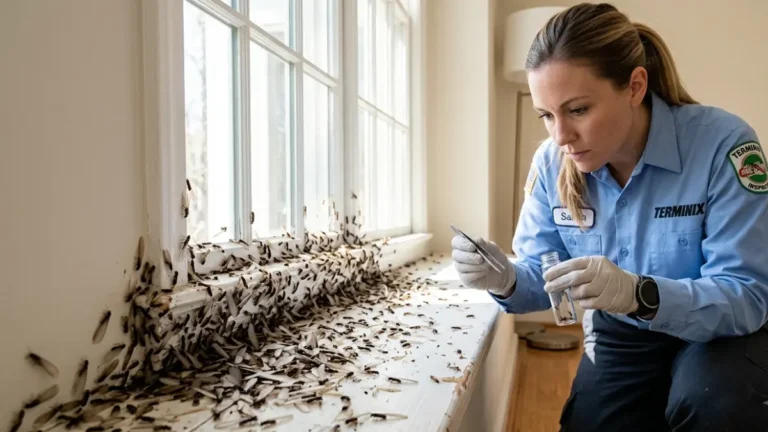
Termites swarm on warm days after rain — yet two extension programs report winter flights inside heated structures. The species flying decides the month.
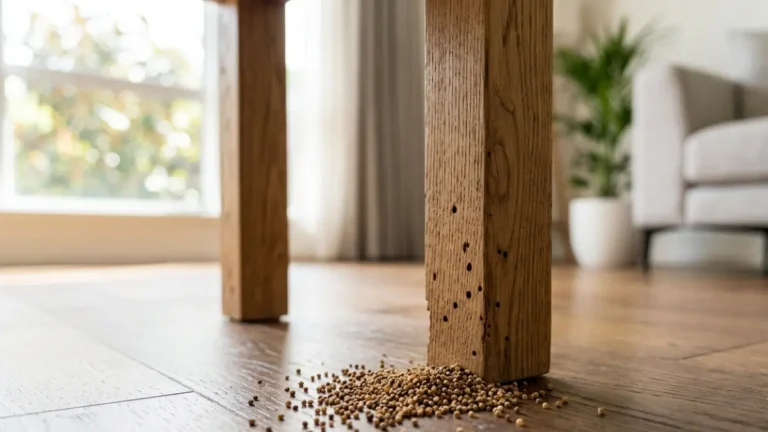
Termites in furniture: three extension documents publish three cold protocols, and none matches the freezer number circulating online.
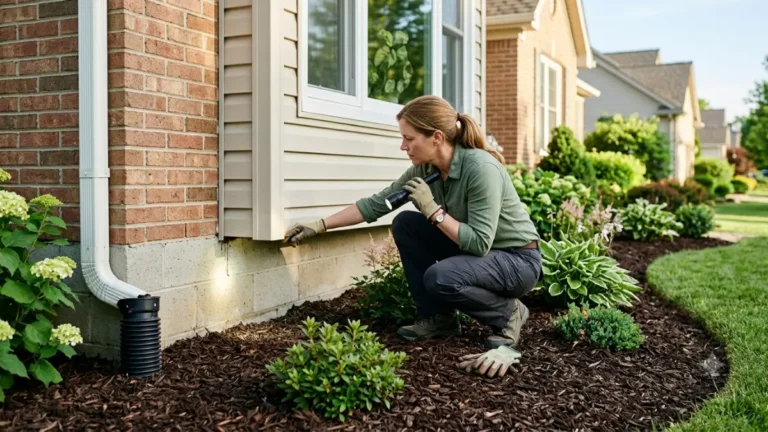
Termite prevention has a ceiling, and the inspection form used in federally backed home sales states it: any structure can be attacked.
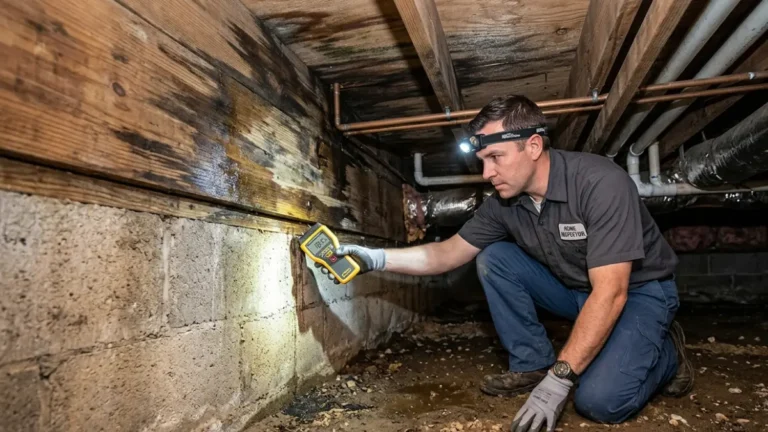
Crawl space moisture readings need context: South Carolina reports 20% as excessive, but serious decay needs wood above about 30%.
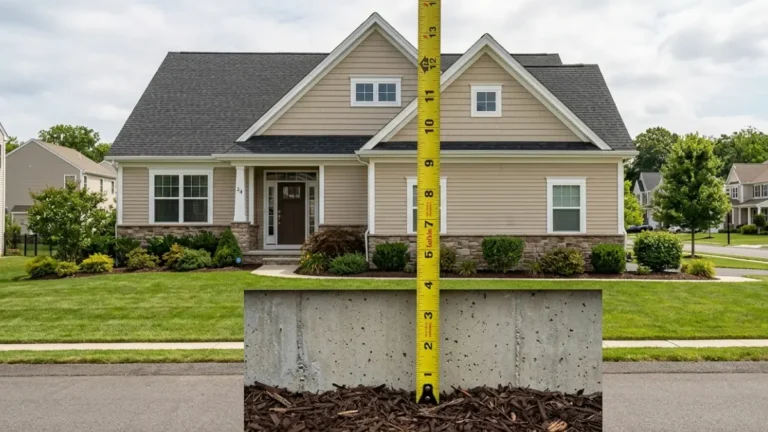
Wood to soil clearance is a sight line, not a barrier. Six inches doesn’t stop a termite — it’s the smallest gap where a mud tube has to show itself.
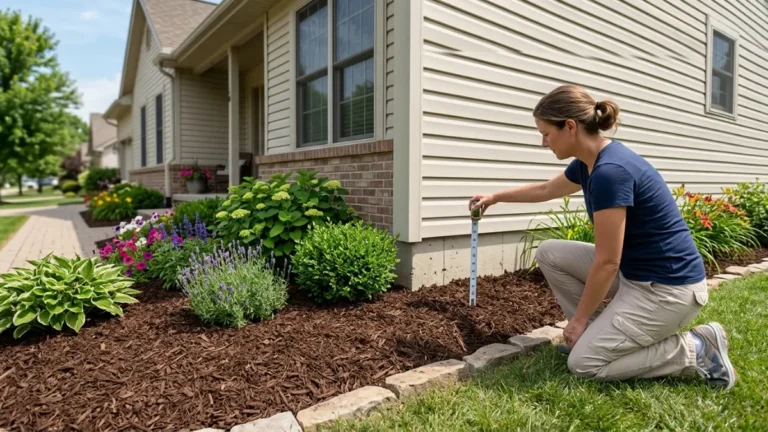
Does mulch attract termites, or is the gravel swap worse? The clearance that matters is measured from the top of the mulch, not the wall.

Termite damage on a house you’re buying? The inspection form says the inspector isn’t qualified to evaluate it — and names who is.

Termite letters carry no warranty, exclude mold and fungi, and expire at 90 days. The duties in them follow whoever ordered the inspection.
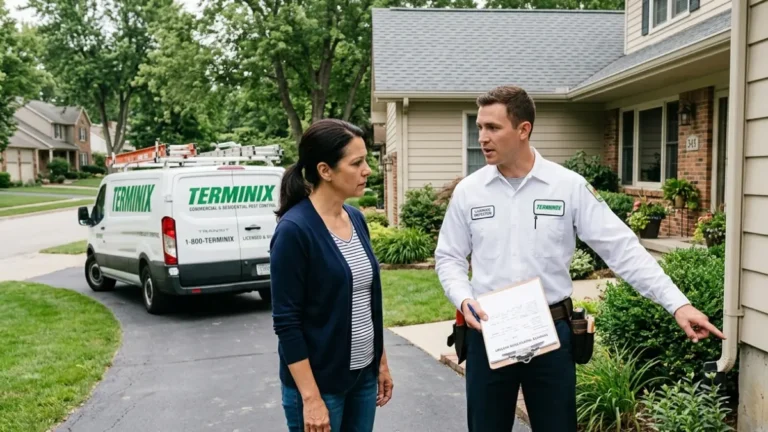
Choosing a termite company means trusting a person you’ll never meet: the operator who selects the chemical for your house. Ask for their name.
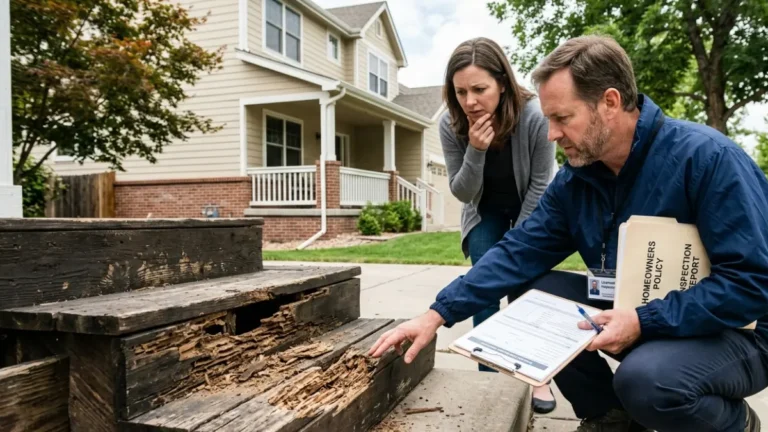
Does insurance cover termite damage? Almost never. The standard form names insect damage once, in a collapse provision that a 2000 revision narrowed.