Termite damage repair cost rests on one costly missing step
Termite damage repair cost has no useful average — published ranges differ more than tenfold. What decides your bill is the repair standard chosen.

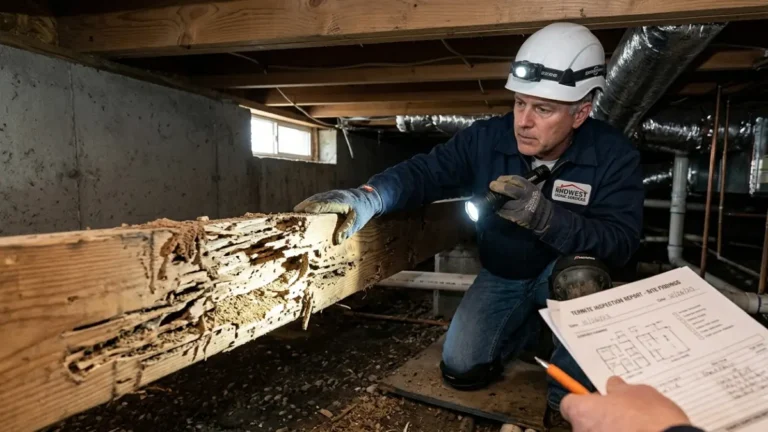
Termite damage repair cost has no useful average — published ranges differ more than tenfold. What decides your bill is the repair standard chosen.
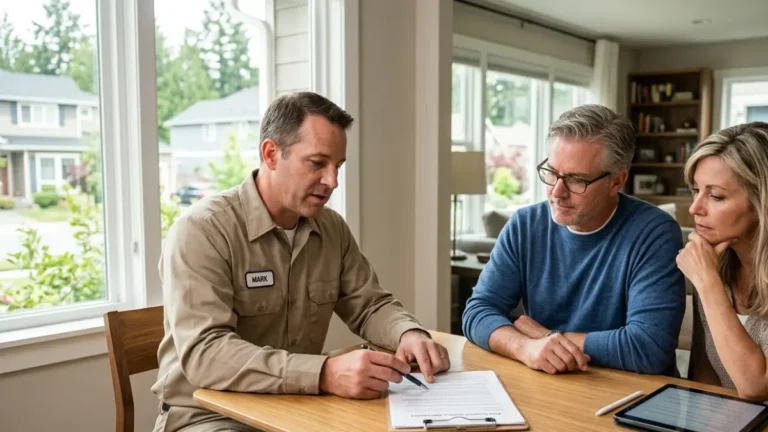
Your termite bond may be retreat-only, retreat-and-repair, or unavailable —
regulators name three outcomes, and the paperwork decides which one you have.
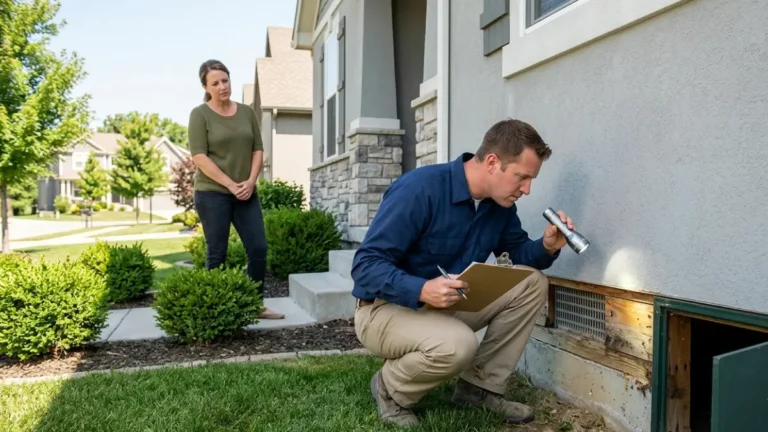
Termite inspection cost buys a document, not a better look — and a crawl space under 24 inches of clearance can be recorded as inaccessible.
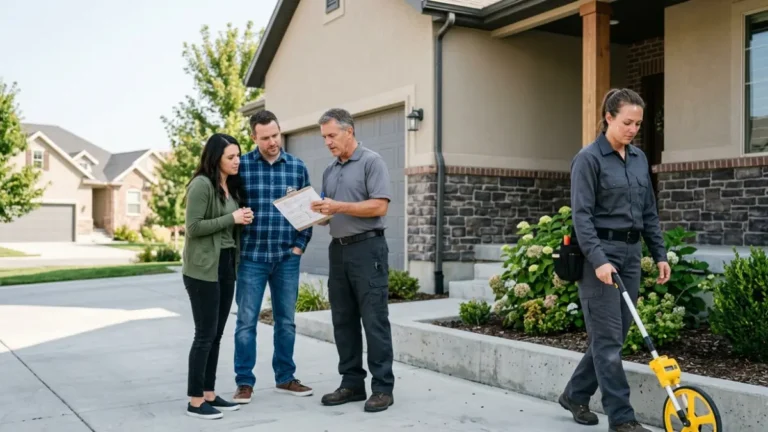
Termite treatment cost is quoted by the foot, but depth is the multiplier: the same 160-foot perimeter can need 64 gallons or 256.
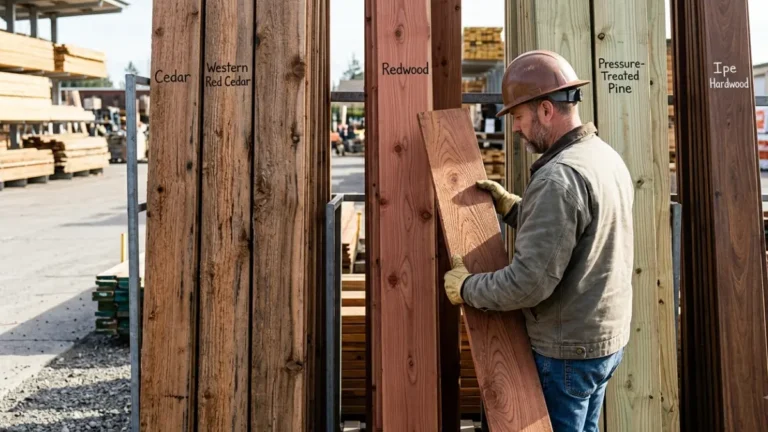
Termite-resistant wood ratings apply to heartwood — and the density that supposedly makes tropical hardwoods tough isn’t what’s doing the work.
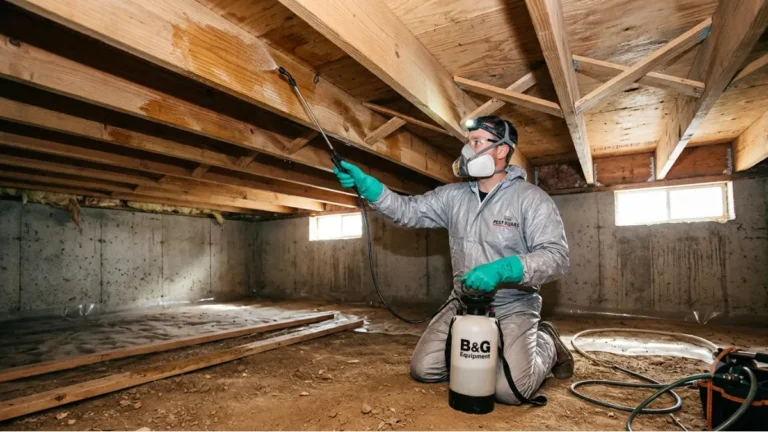
Borate termite treatment makes wood inedible to termites — but only bare wood, and the EPA label bars it from soil entirely. Here’s where that leaves you.
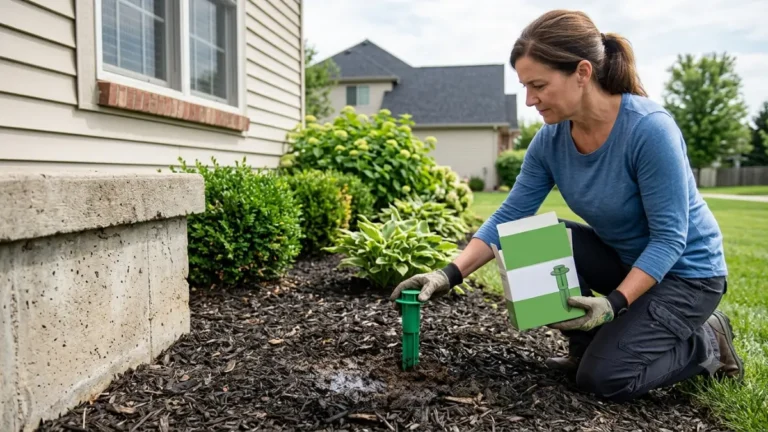
Termite stakes kill what finds them — and a 15-stake kit reaches about 150 feet of foundation. Here’s what the label and the FTC record actually say.
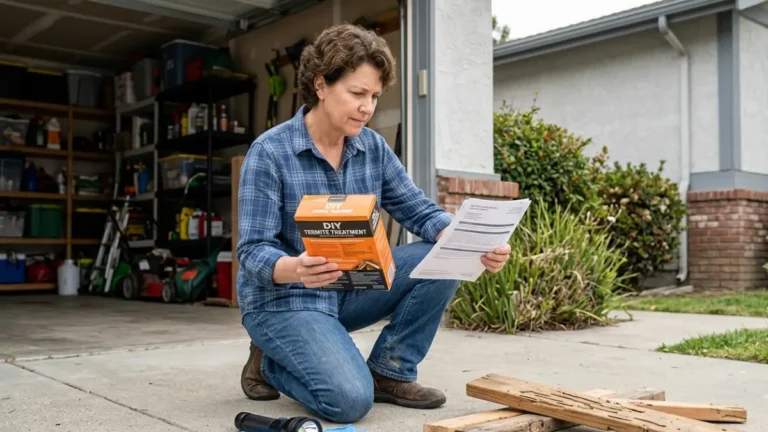
The best termite treatment on the shelf carries a label that rules out sole protection against termites. Here’s what each product type is actually for.
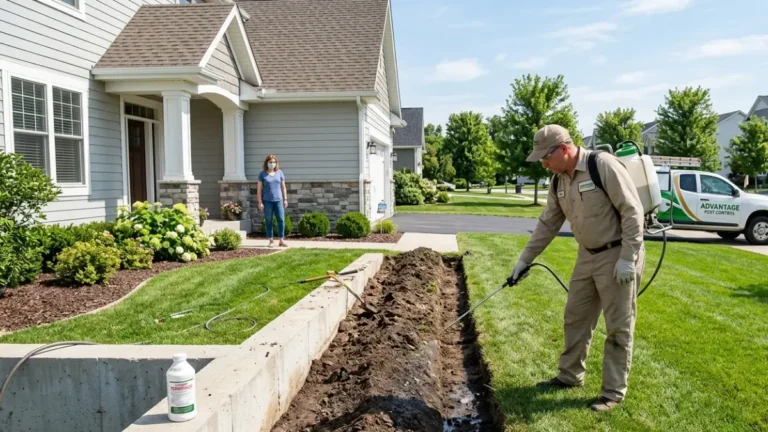
How long termite treatment takes depends on which clock you mean — one California field study measured 367 days just for bait stations to be found.
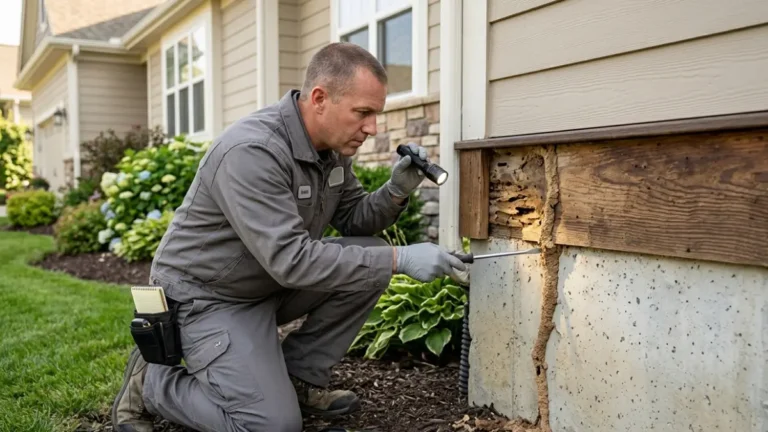
DIY termite treatment splits into four jobs, and university extension research says only one of them belongs to a licensed pro. Here’s which — and why.
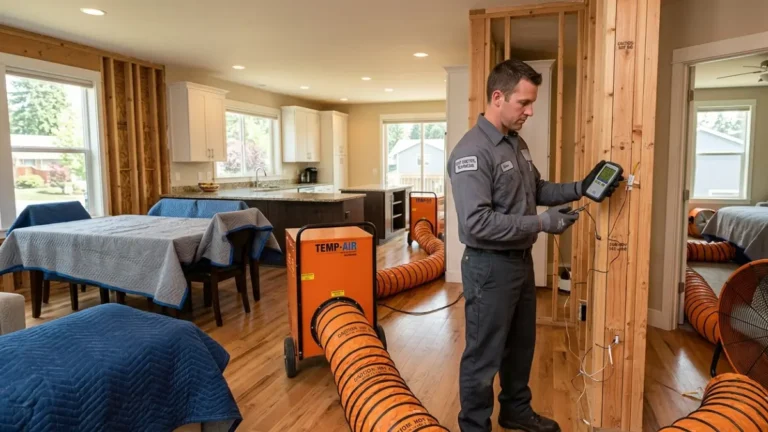
Termite heat treatment kills drywood termites at 120°F but can’t reach a subterranean colony in the soil. Here’s where it works, and where it fails.
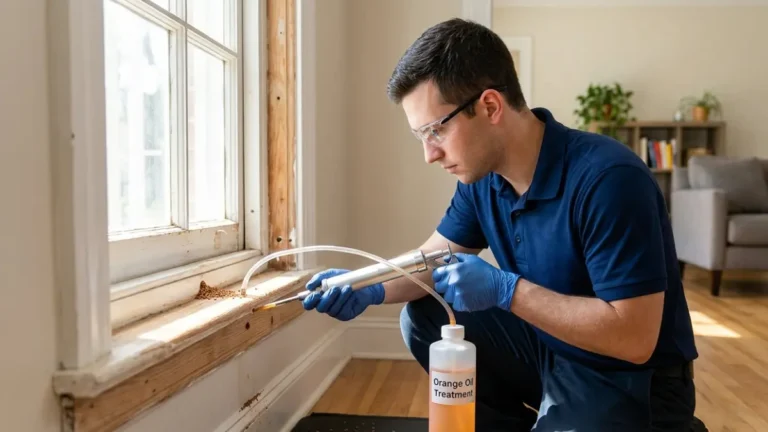
Orange oil for termites looks like a cheap no-tent fix. But the best study found it kills just 81% of drywood termites, and survivors restart the colony.