
Termite inspection cost hinges on one commonly missed limit

Termite inspection cost buys a document, not a better look — and a crawl space under 24 inches of clearance can be recorded as inaccessible.
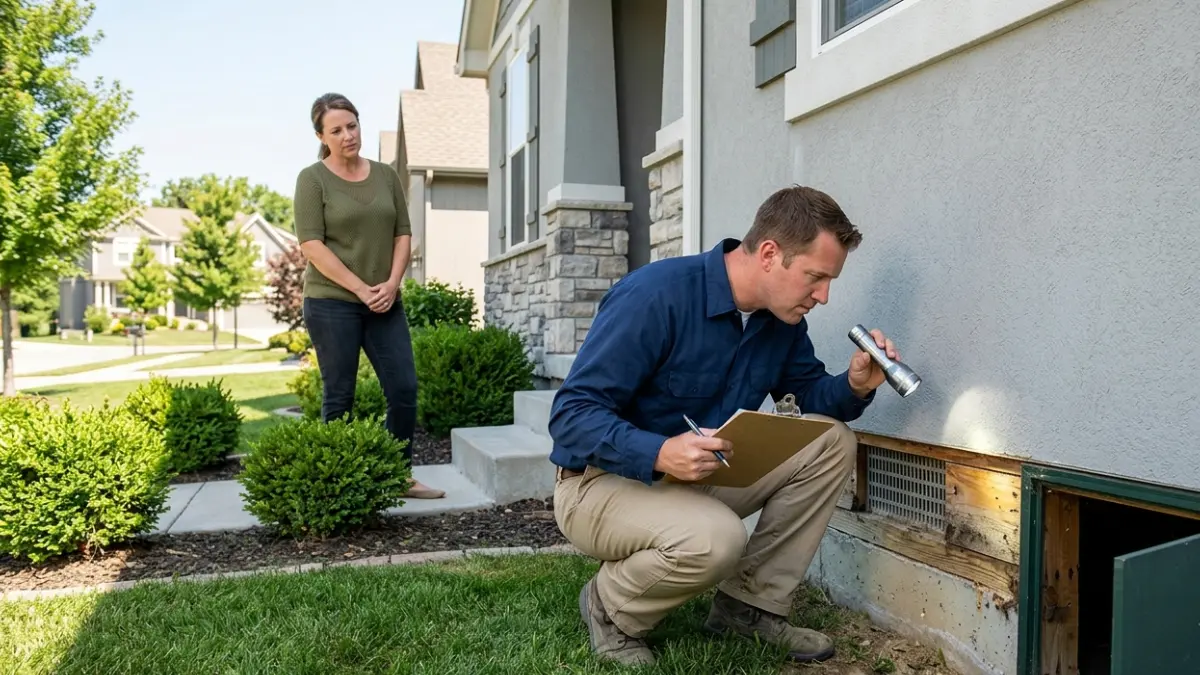
Table of Contents
Free or paid — which one your situation calls for
A termite inspection is free at plenty of pest control companies and carries a fee when you need a signed report. The difference is not how hard anyone looks. It is whether you walk away with a document somebody else can rely on.
Three situations, three answers:
- You suspect termites and nobody else needs the answer. A free visit is usually enough — you are the only person acting on it.
- You are buying, selling, or refinancing. You need the paid report, because your lender, your agent, and escrow all have to read it.
- You have a VA or FHA loan. A specific federal form applies, and the rule on who may pay changed in 2022. Section five covers it.
What follows is what the fee actually buys, how to make the report cover more of your house, and which charges tend to arrive after the first one. The wider bill sits in our guide to what termite work really costs.
ℹ️ Safety Note: This article explains what published inspection forms and current agency policy say. It is not legal, lending, or real-estate advice. Requirements vary by state, by lender, and by loan program — confirm yours with your lender, your state structural pest control agency, and a licensed inspector before you act.
Why one inspection is free and the other has a fee
Yes, a free inspection is worth having — for one specific purpose. It tells you whether you have a problem. It does not produce anything a third party will accept.
What a free inspection is really for
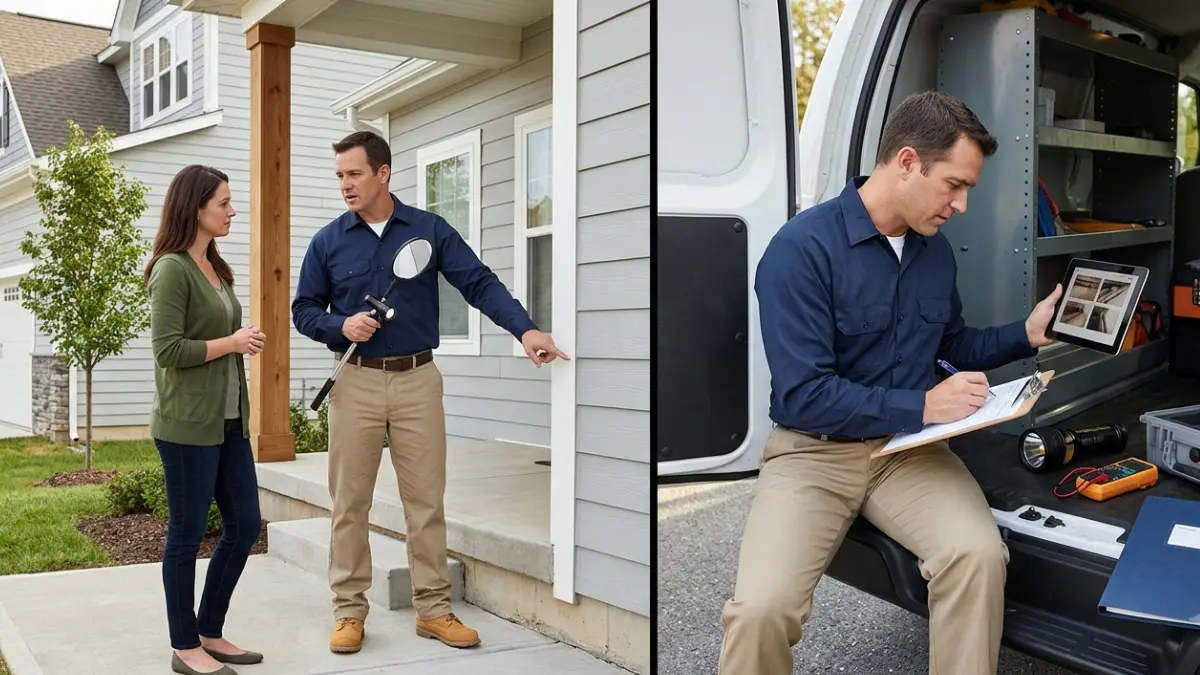
A free termite inspection is a sales visit, and that is not an accusation. A company that sells treatment sends someone to find out whether you have a problem worth quoting, which is a reasonable thing for a business to do. The EPA’s guidance on choosing a pest control service takes the same practical view, noting that most companies provide free estimates and that most pest problems can wait a few days while you collect several.
What the fee is actually buying
The paid version produces a regulated document. It carries the company’s state licence number, an identifying credential for the individual inspector, findings sorted into fixed categories, a written record of every area the inspector could not reach, a financial-interest statement, and signatures.
It also creates obligations that a courtesy visit does not. California, for one, requires registered companies to report the address of every property they inspect to the state Structural Pest Control Board.
When free is genuinely enough
If you are the only person who has to act on the answer, free is enough. That covers most homeowners who have spotted something that looks like termite activity, and anyone weighing up a first attempt at handling it themselves.
✅ Do This: Before either visit, ask for the company’s pest control licence and the credential of the person actually doing the work. The EPA’s guidance on choosing a pest control service says licences can be verified through your state department of agriculture — and that no government agency endorses any pest control company.
What’s actually on a paid termite report
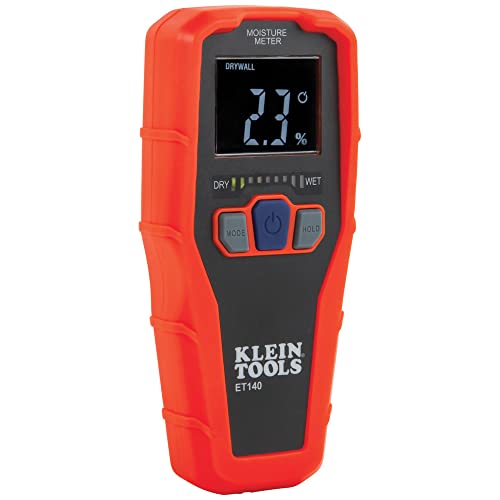
- WATER LEAK DETECTOR detects relative moisture content from leaks and flooding
- PINLESS MOISTURE METER measures relative moisture content in building materials
- NONDESRUCTIVE DETECTION up to 3/4-Inch deep using Electromagnetic field (EMF) technology
The federal WDI form, section by section
Most of the country runs on one document: Form NPMA-33, the wood destroying insect inspection report. It has five parts — company and inspector identification, findings, recommendations, obstructions and inaccessible areas, and comments — plus a seller disclosure line and a buyer signature acknowledging receipt.
The findings part is the piece people misread. It carries separate boxes for live insects, for dead insects and insect parts, frass, shelter tubes, exit holes or staining, and for visible damage. Those are three different findings, and only one of them means the colony is there now — which is also why telling termite damage apart from water damage and rot matters before anyone quotes you.
What a Florida-style WDO report adds
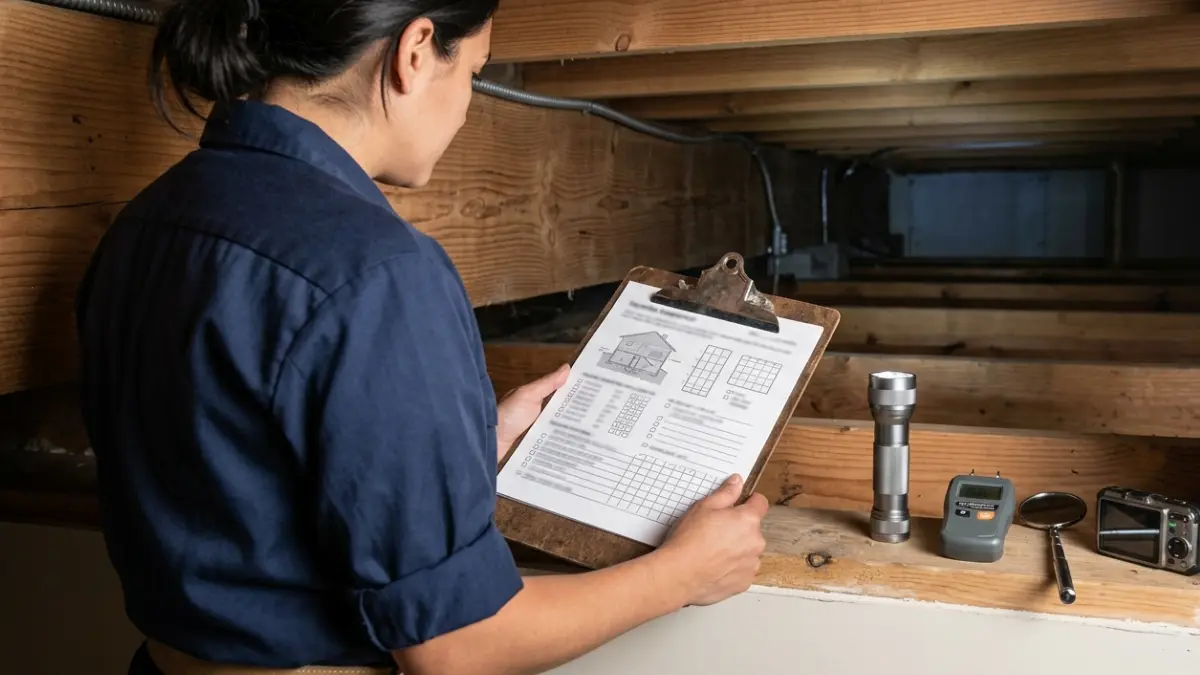
Some states run a broader form. Florida’s covers wood-decaying fungi alongside the insects, so rot sits inside its scope where the federal insect form leaves it out.
| Report | What it covers | Key detail |
|---|---|---|
| Form NPMA-33 (wood destroying insects) | Termites, carpenter ants, carpenter bees, reinfesting wood-boring beetles | Excludes mold, mildew, and non-insect wood-destroying organisms |
| Florida’s WDO report (wood-destroying organisms) | Termites, powder post beetles, old house borers, wood-decaying fungi | Requires each inaccessible area, and the reason for it, to be listed by location |
Sourced from the two current published forms: Form NPMA-33 (7/01/19) and FDACS-13645 (Rev. 05/21).
📊 Spec: Form NPMA-33 (7/01/19) is approved for FHA and VA loans, and every edition before it became obsolete after 31 December 2019 — per the form as published by HUD. If you are handed an older edition, it is the wrong document.
What no termite report will tell you
Neither form is a structural damage report, and both say so on their face. The federal form states that an inspector’s training does not qualify them in damage evaluation or building construction, and directs damage questions to a qualified structural professional. Florida’s goes further, telling readers its licensees are not authorised to comment on fungi other than wood-decaying fungi, or on indoor air quality at all — which is a separate job with its own inspection cost.
Species identification still matters here, because subterranean and drywood termites lead to different recommendations on the same form.
What blocks an inspection — and what you can clear

- 5 metre/16ft Tape measure blade length. With 19mm blade width for clear and legible markings
- Dual locking mechanism automatically locks the blade as you extend it, preventing uncontrolled retraction, but unlocks w…
- Class II accuracy, suitable for the majority of professionals, providing a reassuring +/-0,5mm error tolerance at 1m
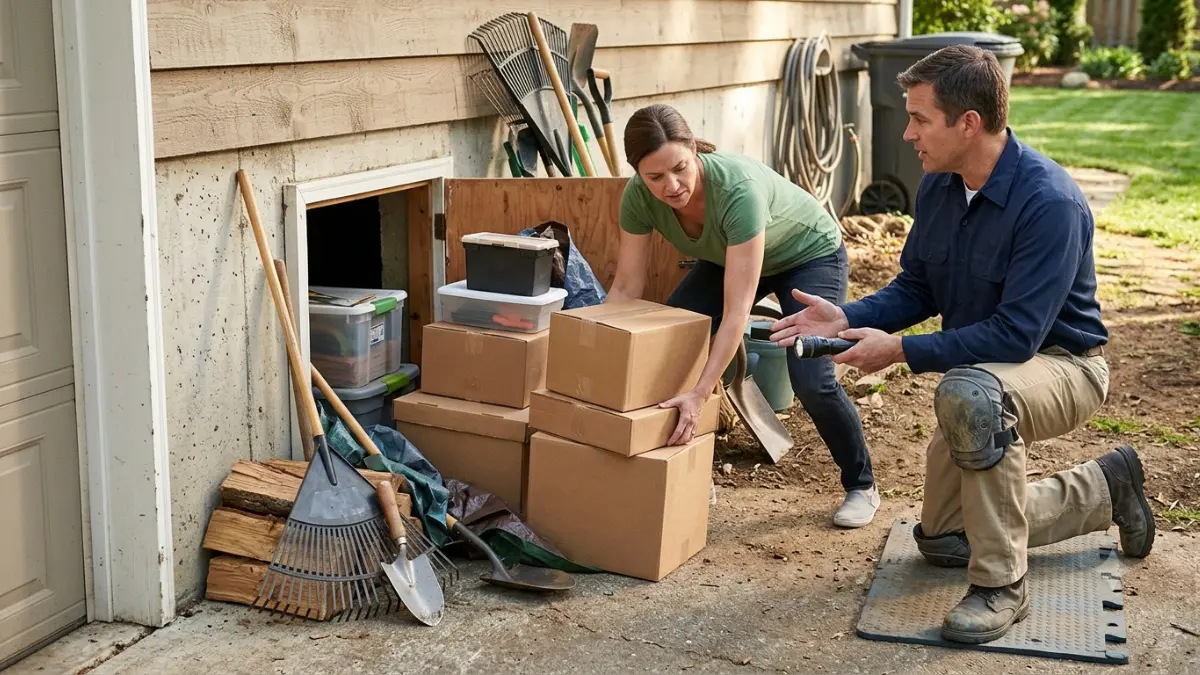
Because a report only covers what the inspector could physically reach, the federal form hands them a numbered key of 26 obstructions to cite. Roughly half that list is furniture, clutter, and yard work — which means you control how much of your house gets looked at.
Things you can clear in an afternoon

- [Hands free light]: One (1) Eveready LED Light Rechargeable Headlight with included micro-USB charging cable

- 【Ideal Solutions for Large Storage】If you need to organize closets or other areas throughout the home, Citylife plastic …
- 【17-quart Capacity】Package includes 4 containers for organizing, single measuring 15.94″L * 11.61″W * 7.28″H, capacity 1…
- 【Stackable for Efficient Use of Space】Stackable when storing items. Units nest when not in use. The deep recessed lids p…
- Stored items and boxes stacked against walls, in the garage, or over a crawl space hatch
- Cluttered conditions generally, plus furnishings pushed against exterior walls
- The contents of cabinets and shelving, especially under sinks
- Firewood piles stacked against the structure
- Dense vegetation growing along the foundation
- Movable equipment parked in front of access points
Things that need a trade or a bit more time
- Standing water and the drainage problem behind it
- Window well covers that have to come off
- Appliances that need pulling out
- Duct work, wiring, or plumbing running through the inspection path
Things that stay inaccessible no matter what
- Fixed and suspended ceilings, fixed wall coverings, and floor coverings
- Insulation, rigid foam board, synthetic stucco, and spray foam
- Exterior siding
- Anything the inspector would have to break into, dismantle, or remove
⚠️ Watch Out: A crawl space may be recorded as inaccessible if the opening is too small for the inspector to enter, or where there is less than 24 inches of clearance from the bottom of the floor joists to the surface below. An attic can go the same way if a ladder is needed. And if an area reported as inaccessible is later made accessible, the federal form notes that another inspection may be arranged — and an additional fee may apply.
Clearing access before the visit is a lighter version of the work involved in preparing a house for treatment, and it is the cheapest thing you can do to make the fee worth paying.
When a free inspection won’t satisfy your lender
In most of the country, no law requires a termite inspection before a sale. Your lender requires it, which is a different thing — and it means the answer changes with the loan program, not with the state line.
What lenders typically ask for
Lenders generally want the standard form, completed and signed by a licensed inspector, within a usable window before closing. Ask which form yours accepts before you book anything.
How VA loans handle it
The VA requires a wood destroying pest inspection report as a Minimum Property Requirement for certain properties in areas the Termite Infestation Probability Map rates “very heavy” or “moderate to heavy,” and conditions the Notice of Value accordingly. A VA circular issued on 15 June 2022 authorised in advance that Veterans may be charged that fee where the Notice of Value requires it, may also pay for repairs needed to meet those requirements, and are encouraged to negotiate both with the seller.
That circular also requires an itemised invoice identifying the Veteran and the property to verify the cost on the Closing Disclosure. It remains valid until rescinded, so confirm its current status with your lender rather than with a blog.
✅ Do This: Ask your lender two questions before booking — which form they accept, and whether your Notice of Value is conditioned on a pest inspection. If a finding has to be cleared before closing, treatment timelines become your real deadline.
What moves the price, and the fees nobody quotes
There is no reliable national figure for this, and we are not going to invent one. The four largest home-cost sites currently publish four different averages for the same service, all drawn from self-reported and lead-generation data rather than verified pricing. The honest summary is a spread running from free up to a few hundred dollars, checked July 2026.
What genuinely changes the fee
- How much of the structure is accessible, which sets how long the visit takes
- Which form is required, since a state organism report covers more ground than the federal insect form
- Whether a re-inspection is needed for areas recorded as inaccessible
- Whether the report is being produced for a transaction, with the liability that carries
The fees that show up later
📊 Spec: The federal form states that the report is invalid for securing a mortgage or settling a property transfer if it is not used within 90 days of the inspection date — and that this is not a 90-day warranty. If your closing slips past it, you are re-ordering.
The other charge people forget is the annual one. The EPA advises finding out what a termite guarantee covers and whether a yearly inspection charge applies, because a “free” annual visit inside a service agreement is a cost you are already paying.
How to compare two quotes
Ask each company which form you receive, what happens if areas are inaccessible, and whether a return visit is charged. Then set the answer against what treatment itself costs per linear foot and which method you would be paying for — the inspection is the small number here.
How to read the report without getting sold
Evidence is not the same as an active infestation
The findings section separates live insects from evidence — dead insects, parts, frass, shelter tubes, exit holes, staining — from visible damage. A box ticked in the middle column can describe a colony that died years ago.

Why treatment gets recommended anyway
🔍 Why It Works: The federal form’s own guidance provides that treatment should be recommended where live termites are found, and also where evidence of infestation appears with no documented previous treatment, even if nothing live is seen. So a recommendation with no live termites is often the form working as designed, not a pitch.
Both forms carry a financial-interest statement — the federal one says the company has no interest in the property, and Florida’s adds that the inspector is not associated with the transaction or its parties. Neither statement stops the same company from quoting the treatment, and the federal form has a recommendations box for exactly that.
Checking the report and the licence
California publishes a public property-address search showing whether a report was filed for an address in the last two years, which is worth checking before you pay for a new one. Elsewhere, ask your state agency what it holds. The EPA also flags the pressure tactics worth walking away from: a discount for treating immediately, a claim of leftover material from another job, or a warning that the house may collapse if you do not sign.
Termite inspection cost questions, answered
1. Is a free termite inspection worth it?
Yes, for one purpose: finding out whether you have a problem. A free termite inspection is a sales visit from a company that sells treatment, which is legitimate but produces no regulated document, no record of inaccessible areas, and no signature. If nobody but you needs the answer, it is enough.
2. What is the difference between a WDI and a WDO report?
A WDI report covers wood destroying insects — termites, carpenter ants, carpenter bees, and reinfesting wood-boring beetles — and excludes mold, mildew, and non-insect organisms. A WDO report, like Florida’s, adds wood-decaying fungi, so rot falls inside its scope. Which one you receive depends on your state and your lender.
3. Does a termite report tell me how bad the damage is?
No. Both the federal and Florida forms state outright that they are not structural damage reports, and the federal form notes that an inspector’s training does not qualify them in damage evaluation or building construction. Assessing the extent of damage and the repairs needed is a job for a qualified structural professional.
4. What happens if the inspector cannot get into the crawl space?
It is recorded as inaccessible, and no information about that area appears in your report. A crawl space can be treated that way where the opening is too small to enter or clearance is under 24 inches. Making it accessible later means arranging another inspection, which may carry an additional fee.
5. How long is a termite inspection report valid?
The federal form states it is invalid for securing a mortgage or settling a property transfer if not used within 90 days of the inspection date, and that this is not a 90-day warranty. Individual lenders can set shorter windows. If your closing date moves, confirm with your lender whether the report still qualifies.
6. Does a lender require a termite inspection?
Usually your lender requires it rather than your state. Requirements vary by loan program, by lender, and by property location, which is why blanket state-by-state lists disagree with each other. Ask your lender directly which form they accept and whether your file is conditioned on a pest inspection report.
7. Who pays for the termite inspection on a VA loan?
A VA circular issued 15 June 2022 authorised that Veterans may be charged the wood destroying pest inspection fee where the Notice of Value requires it, and may also pay for repairs needed to meet Minimum Property Requirements. The VA encourages negotiating both with the seller. Confirm current policy with your lender.
8. Why was treatment recommended when no live termites were found?
The federal form’s guidance provides that treatment should be recommended where evidence of infestation is found and no previous treatment is documented, even with nothing live present. That makes the recommendation a function of the form rather than a sales tactic. Ask which finding triggered it, and request the documentation of any prior treatment.
9. Can I check whether a house already has a termite report?
In California, yes — the Structural Pest Control Board runs a public property-address search covering reports filed in the last two years, with detailed activity reports available by written request. Other states differ, so ask your state structural pest control agency what records it keeps and how to request them.
10. Do I need a termite inspection if I am not buying or selling?
Not necessarily, but the free version costs nothing and settles the question. The EPA notes most pest problems can wait a few days while you gather several estimates, so there is no reason to be rushed into a contract. If a company pressures you to sign immediately, treat that as the warning it is.
Booking the right inspection for your situation
The test that opened this article is the one to leave with: if you are the only person who has to act on the answer, a free inspection is usually enough. If anyone else has to read it, you are buying a document, and its value depends on how much of your house the inspector could reach.
So do the cheap thing first. Clear the crawl space hatch, the under-sink cabinets, and the firewood pile before anyone arrives — then ask which form you are getting and what a return visit costs.
Related Articles
 Termite Treatment
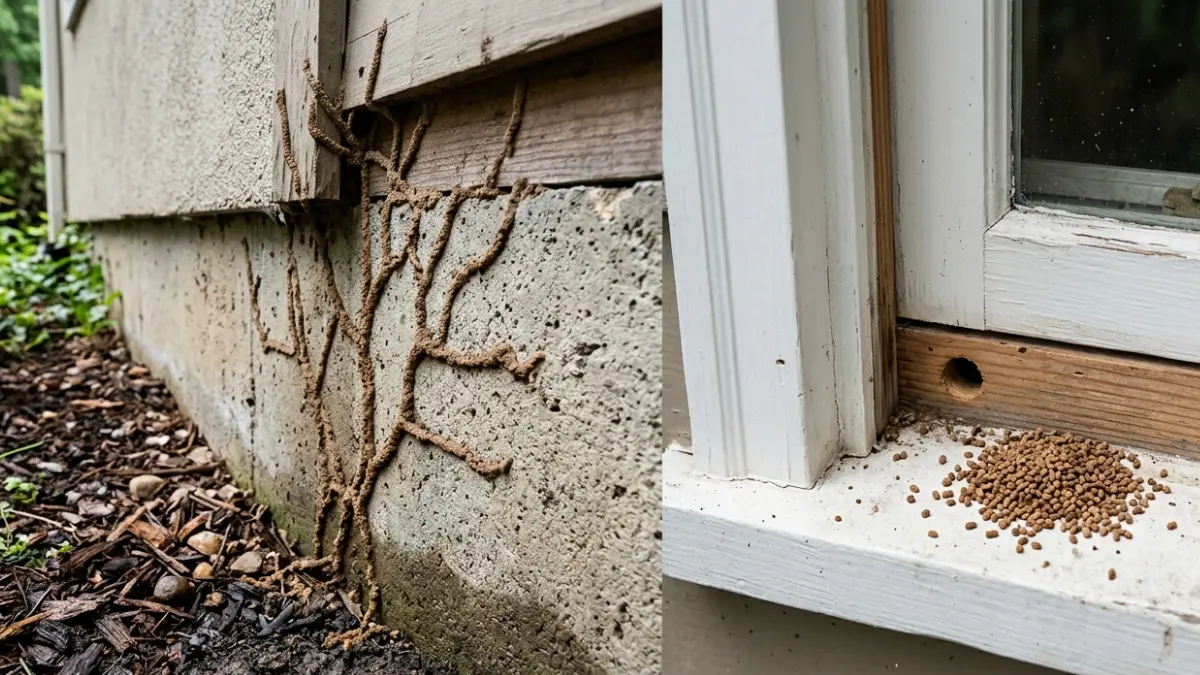
Subterranean vs Drywood Termites and the Real Cost to Fix Each
July 18, 2026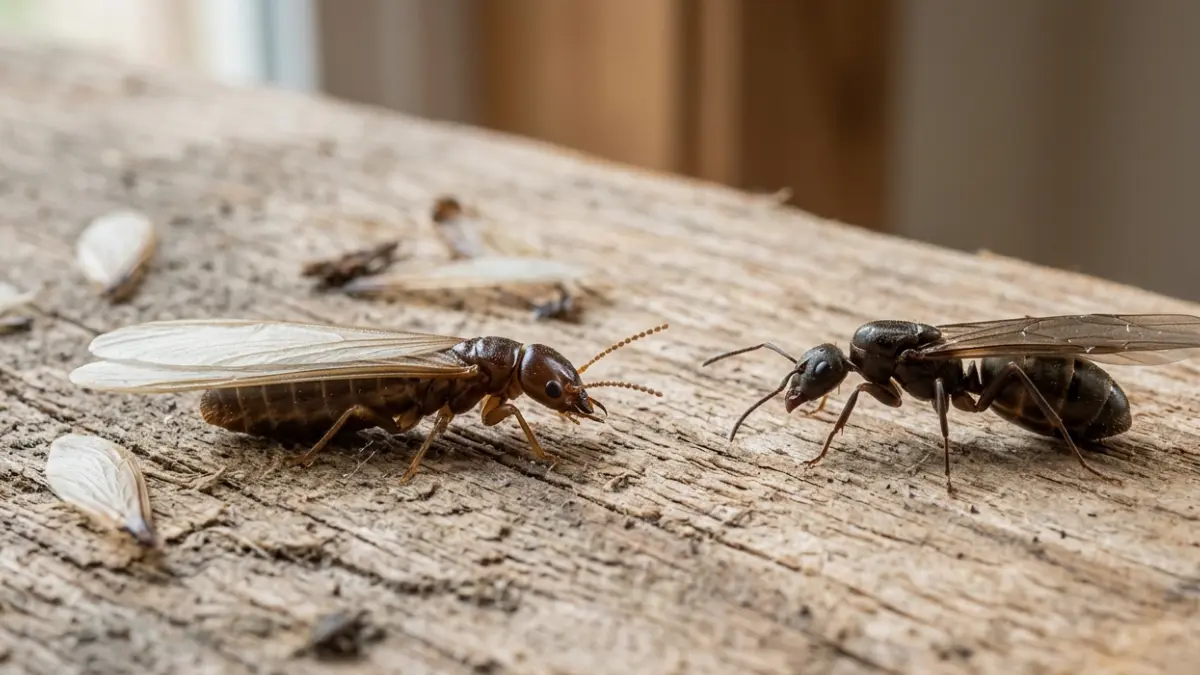 Termite Treatment
How to Easily Tell Flying Ants From Termites
July 15, 2026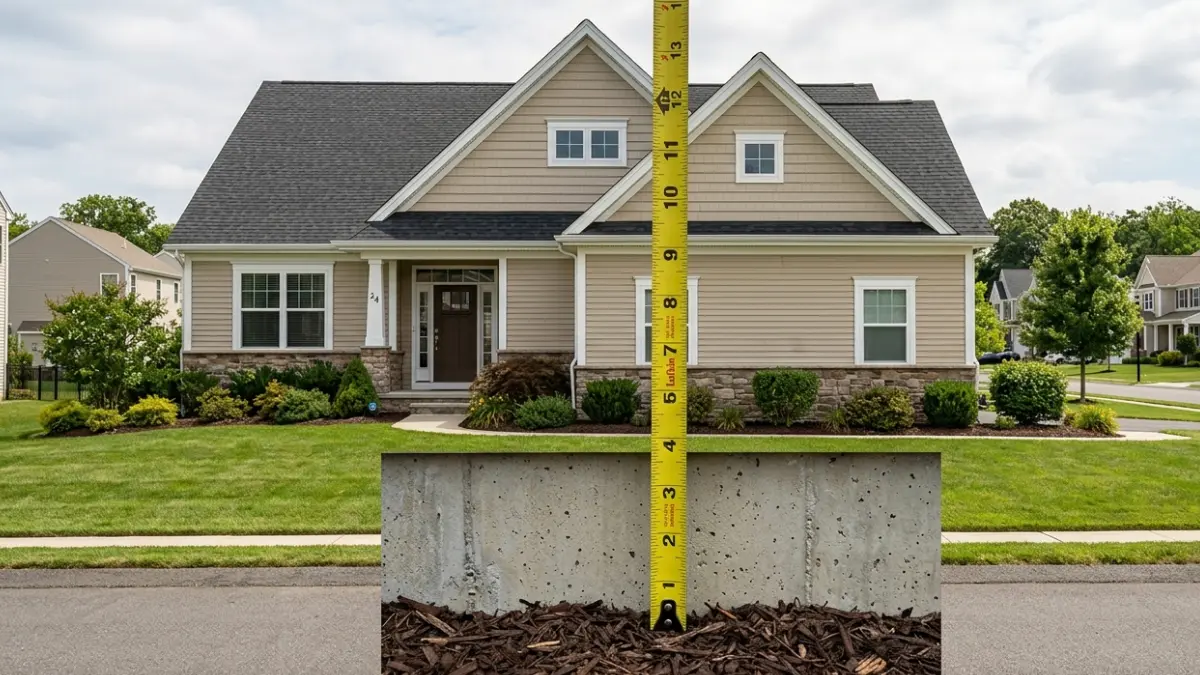 Termite Treatment
The right wood to soil clearance depends on your foundation
July 31, 2026 Termite Treatment
Buying a house with termite damage hinges on one overlooked line
July 30, 2026 Termite Treatment
How to Tell Termite Damage From Water Damage and Rot
July 16, 2026 Termite Treatment
How long does termite treatment take, from fast results to months
July 23, 2026 Termite Treatment
How Termite Bait vs Liquid Treatment Compares
July 20, 2026 Termite Treatment
Crawl space termites and moisture share one common cause
August 1, 2026 Termite Treatment