
A Bird Feeder Attracting Rats Is a Common, Fixable Problem
A bird feeder attracting rats can often stay up. Public health guidance puts it 4 feet up and 8 feet from anything a rat could jump from.
Research-checked home guides for US homeowners
Questions? hello@gladewick.com
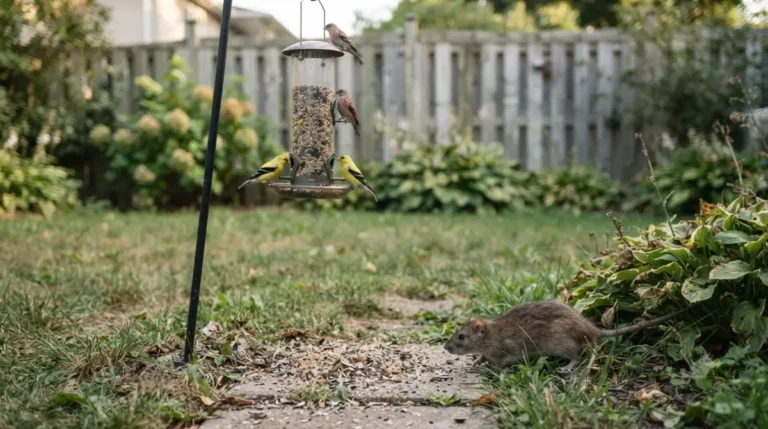
A bird feeder attracting rats can often stay up. Public health guidance puts it 4 feet up and 8 feet from anything a rat could jump from.
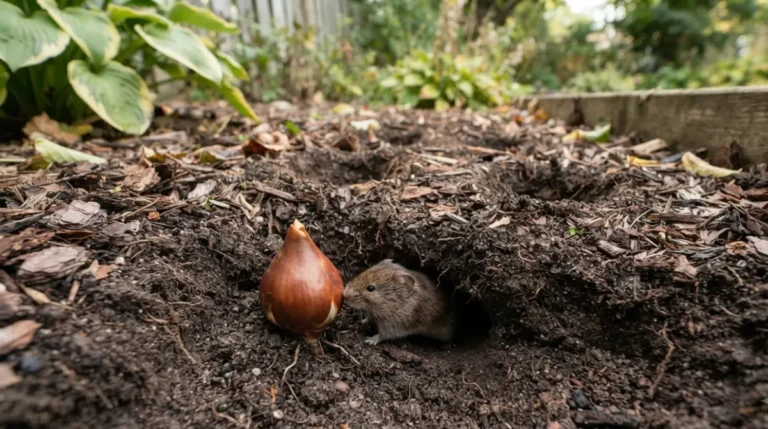
Voles eating your bulbs? Whole tulip plantings that vanish usually point to pine voles. Here’s the mesh size that clears every spec we checked
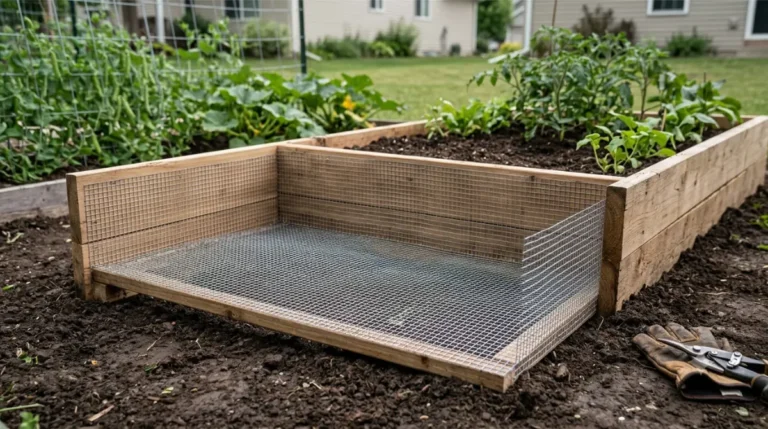
Hardware cloth under a raised bed has to match the burrower. A 4×8 bed with a 4-inch rise needs a 56 × 104-inch cut, wider than a 48-inch roll.
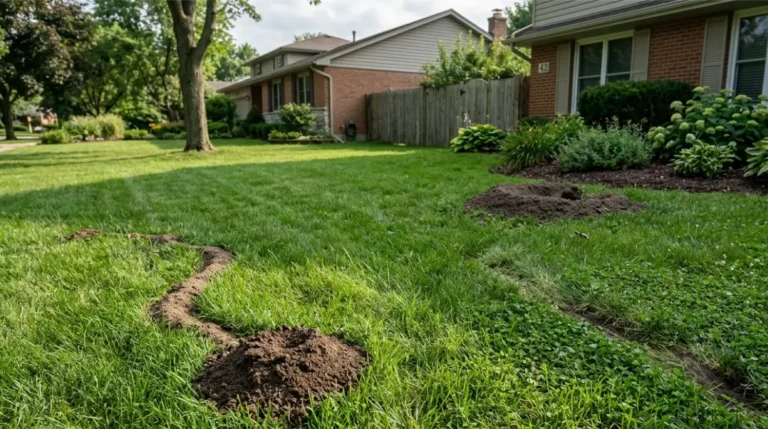
Mole, vole or gopher damage? Check the plug: near the center for moles, off to one side for gophers, and none at all in voles’ open holes.
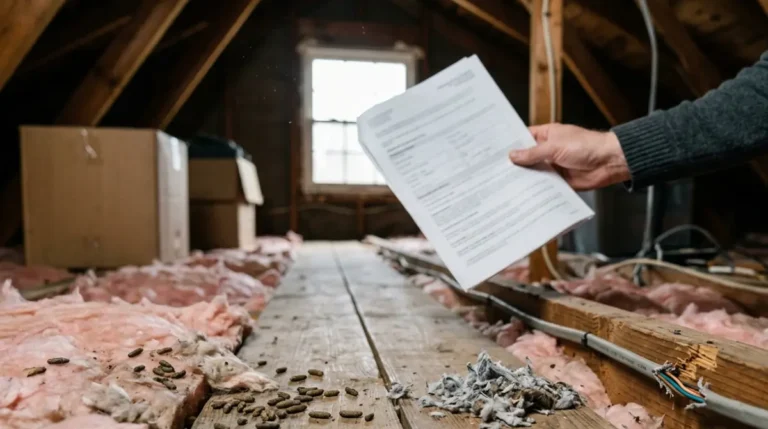
Homeowners insurance excludes rodent damage by name, but the sentence right
after that clause is why fire and water claims still get paid.
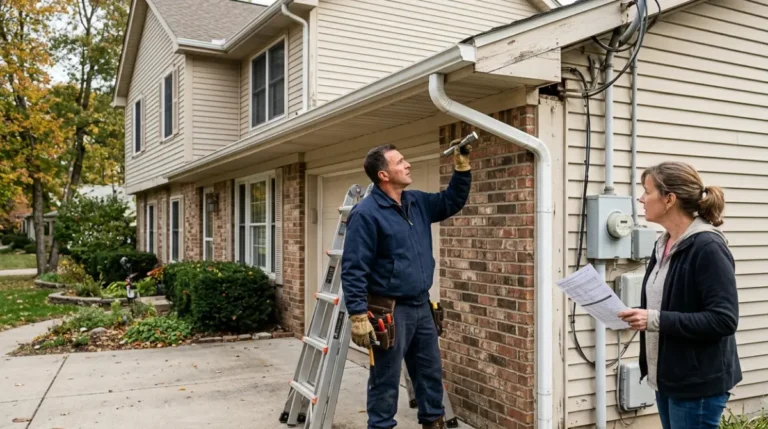
A rodent exclusion contractor can legally use rat poisons you cannot buy. EPA restricts second-generation anticoagulants to professionals.

Rodent exterminator cost splits by phase, and the strongest baits a technician uses aren’t sold to consumers — EPA restricts them to the trade.
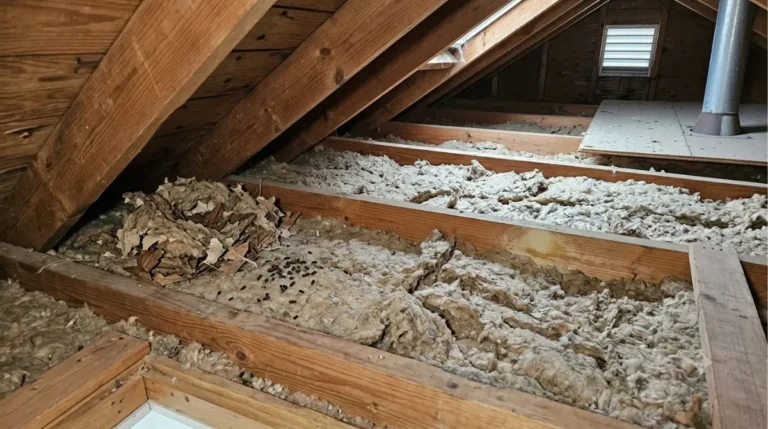
Attic insulation replacement after rodents isn’t all-or-nothing: CDC’s rule covers the material, not the extent. That threshold is a judgment call
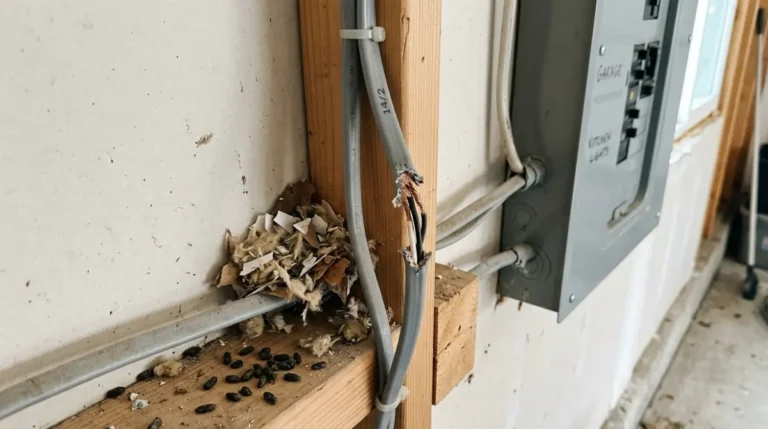
Mice chewing electrical wires rarely travel more than 30 feet from the nest — so that’s your search radius, not the whole house.
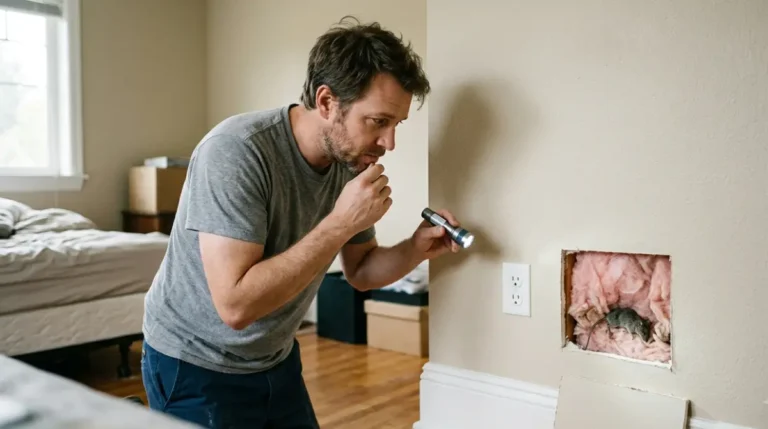
Dead mouse smell in the wall starts at the nest, not where the odor is strongest. A half-ounce carcass, one stud bay — here’s how to narrow it down
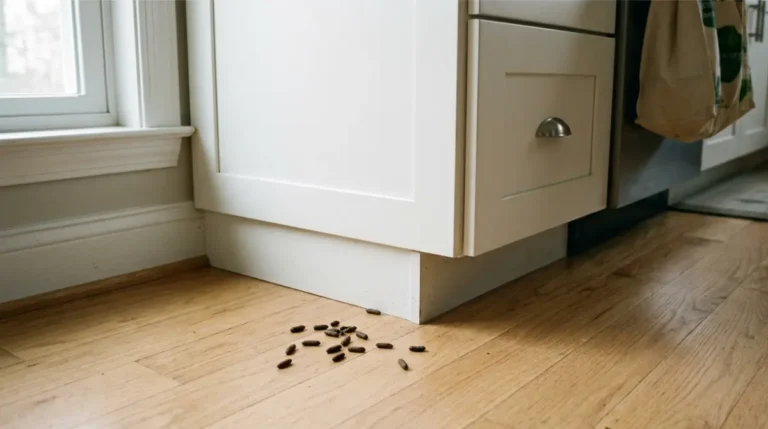
Cleaning mouse droppings safely starts with one rule: never sweep or vacuum. CDC’s protocol runs seven steps, and the order is what keeps particles down.
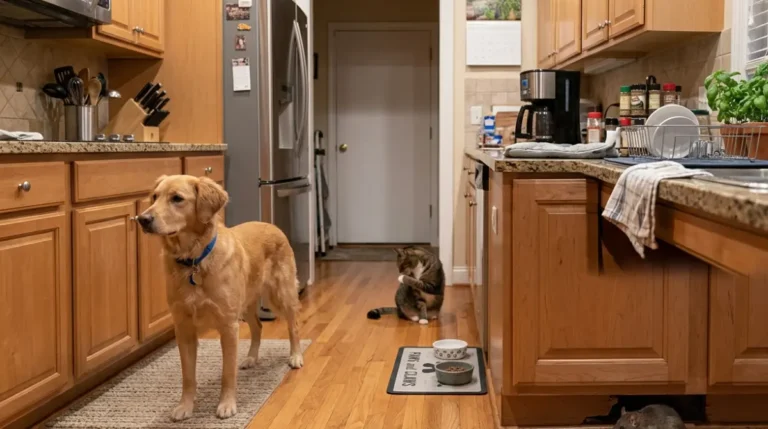
Pet safe rodent control changed when the EPA barred consumer baits from the strongest
anticoagulants — what replaced them has no antidote.