
Right Basement Waterproofing for Clay Soil Starts in the Yard
Clay soil basement waterproofing starts with roof water: 1 inch of rain on a 2,000 sq ft roof drops 1,250 gallons. Here’s where it should go.
Research-checked home guides for US homeowners
Questions? hello@gladewick.com
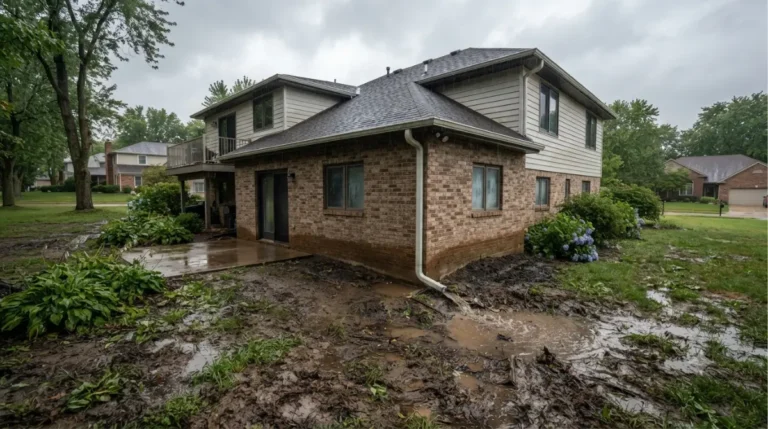
Clay soil basement waterproofing starts with roof water: 1 inch of rain on a 2,000 sq ft roof drops 1,250 gallons. Here’s where it should go.
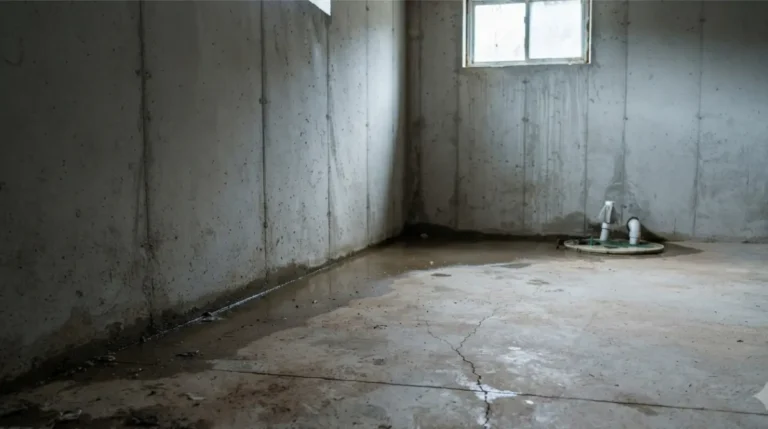
A high water table rises in late winter and spring, so basements can seep long after rain stops. Confirm it’s groundwater before paying for a fix.
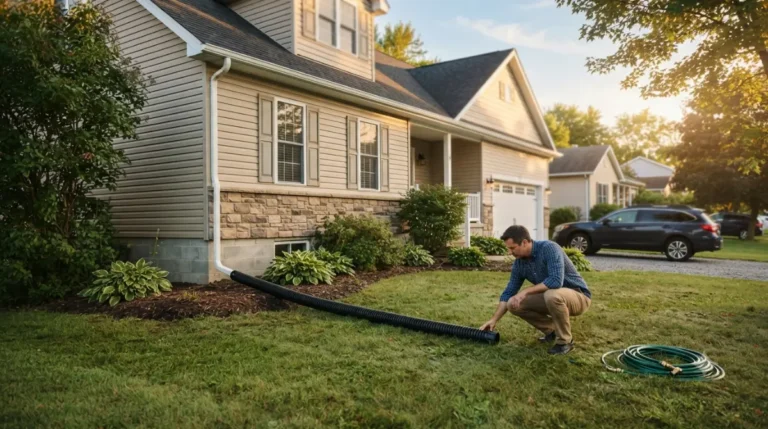
Basement maintenance, six tasks a year: hold humidity under 60%, test the sump before storms, and start a dated crack photo log you can show an inspector.
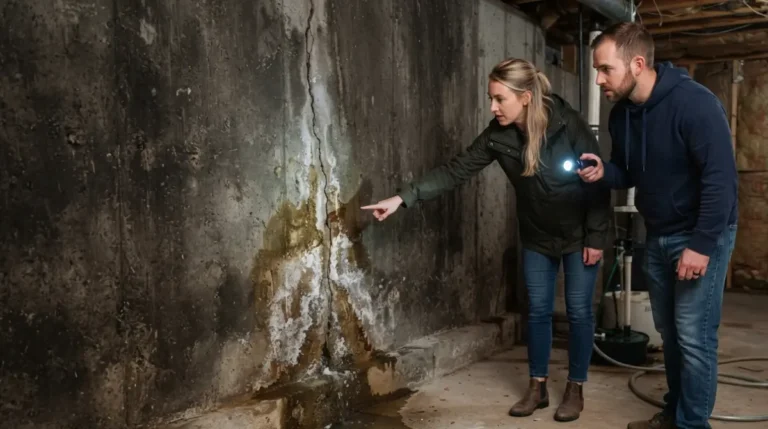
Wet basement in a house you love? Before you offer, learn the five signs to read, why the EPA says to test radon too, and when to walk away.
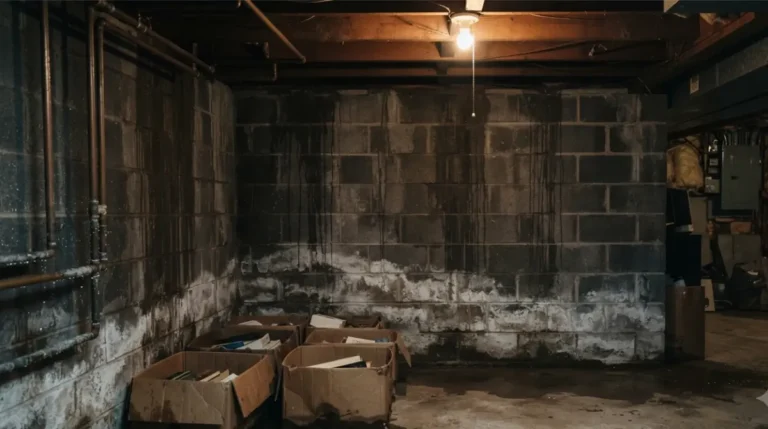
Damp basement in your rental? NFIP flood coverage there is limited to a washer, dryer, freezer, and its food. Here’s what to do next.
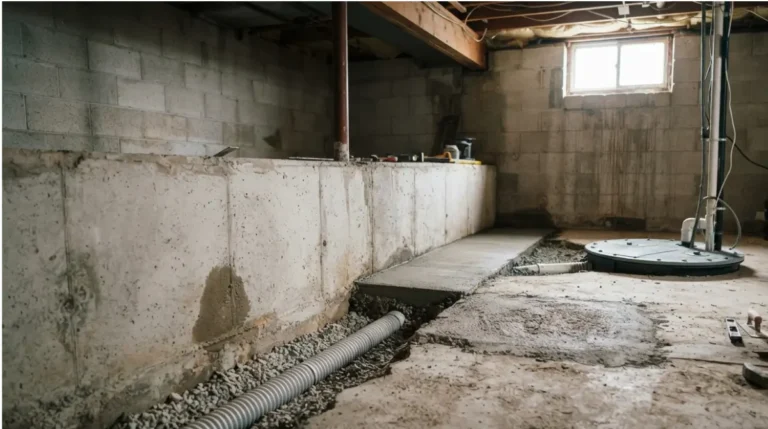
Basement waterproofing without exterior access still starts outside: a 1-inch rain drops about 1,250 gallons on a 2,000-sq-ft roof. Where does it go?
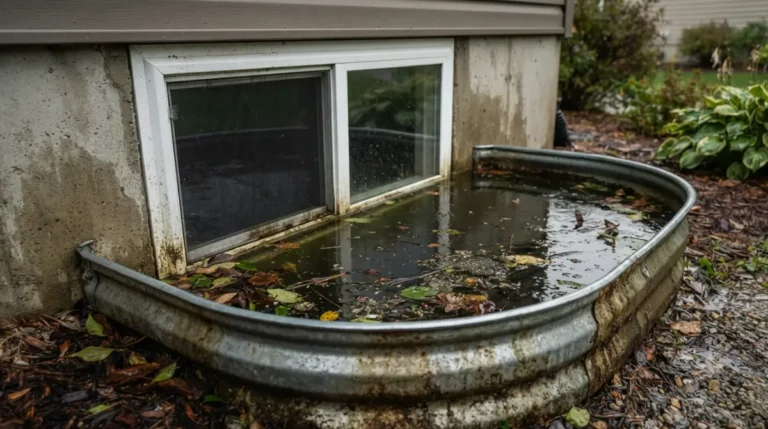
Water in your window well often starts with compacted gravel or a clogged drain. One manufacturer spec: gravel should stop 2 inches below the sill.
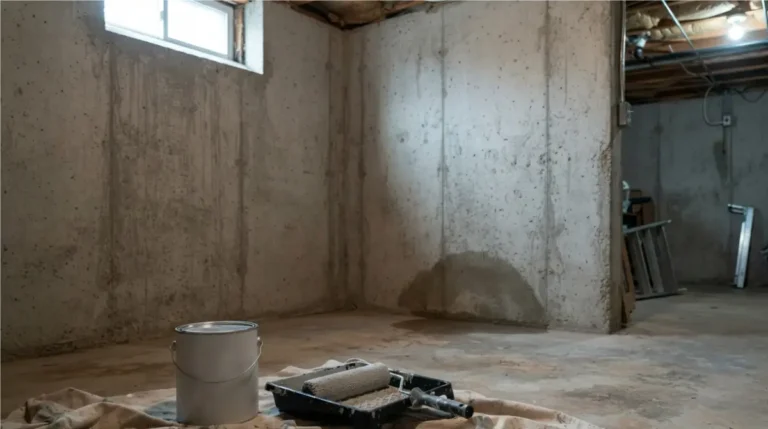
Even waterproofing paint rated for 15 psi isn’t a leak fix. A 24–48 hour plastic-sheet test shows if your wall needs paint, a dehumidifier, or a pro.
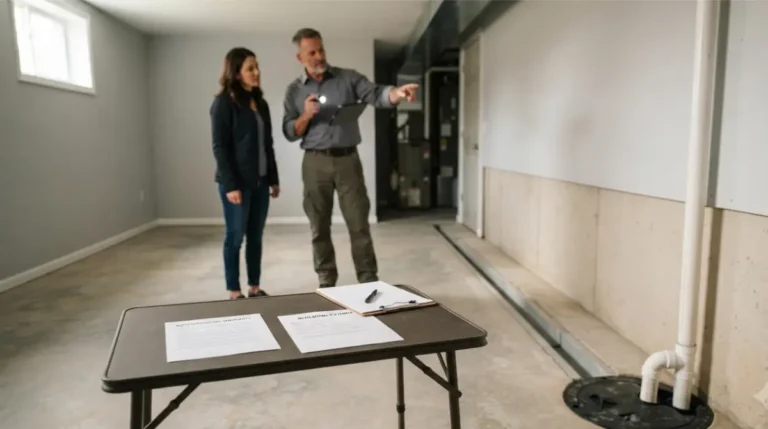
Waterproofing warranty transfers aren’t automatic. One contractor’s lapses 30 days after the deed records; here’s what to check, plus permits.
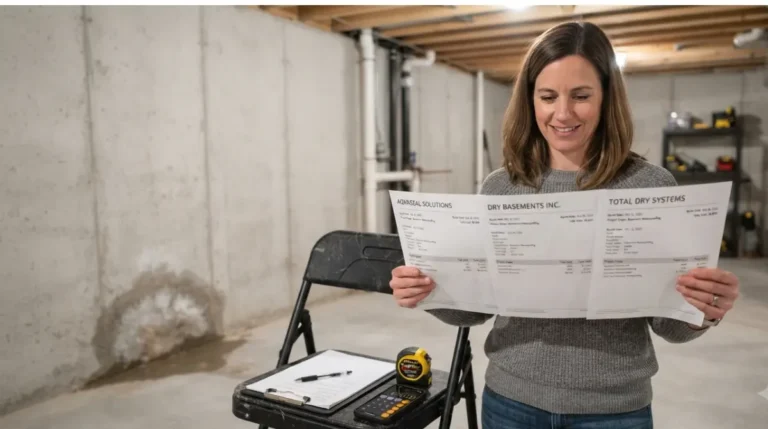
Basement waterproofing quotes often differ by method, not markup—and a coating-only bid is a temporary fix. Here’s how to line up three bids.
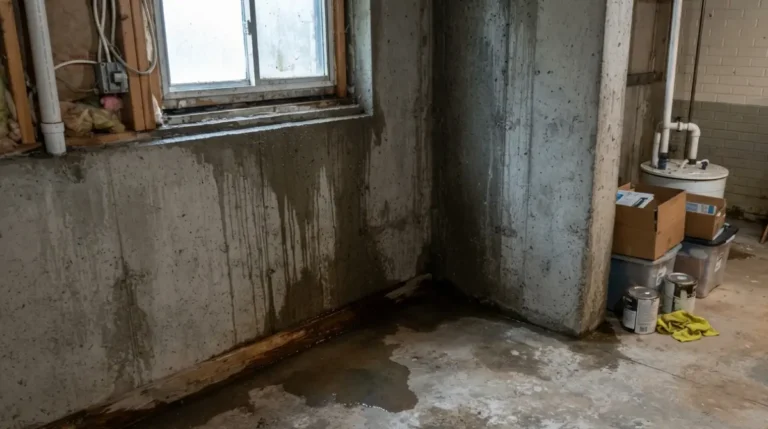
Waterproofing contractor questions to ask before signing, including why the FTC lists a lifetime warranty offer among possible red flags.
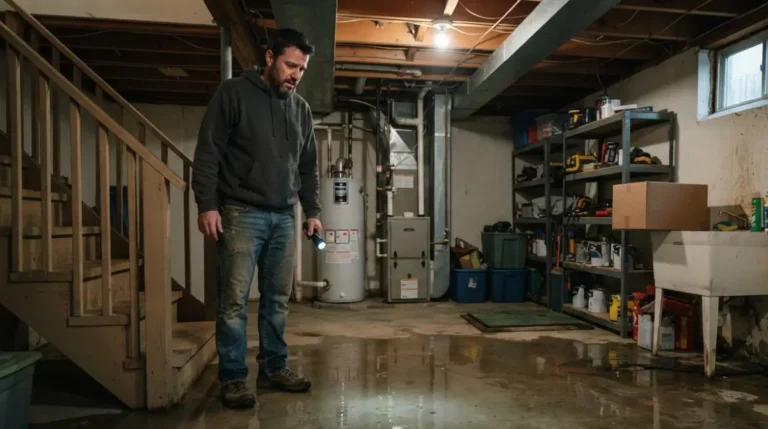
Basement water insurance hinges on the source. FEMA’s flood policy even excludes finished floors and walls below grade, so check both policies.