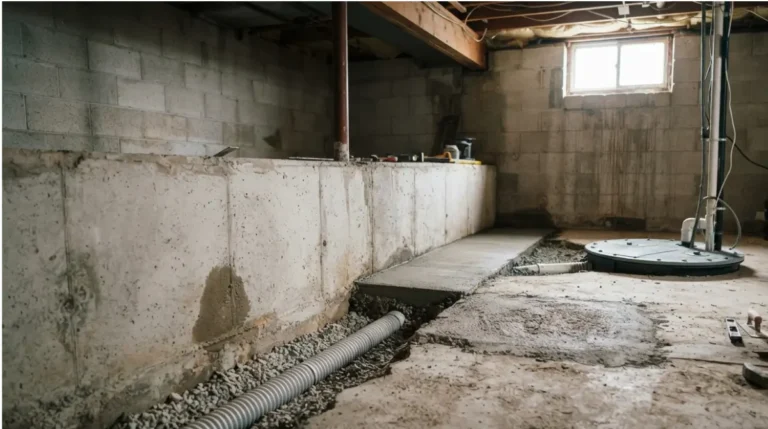
Stop Water in Window Well From Reaching Your Basement

Water in your window well often starts with compacted gravel or a clogged drain. One manufacturer spec: gravel should stop 2 inches below the sill.
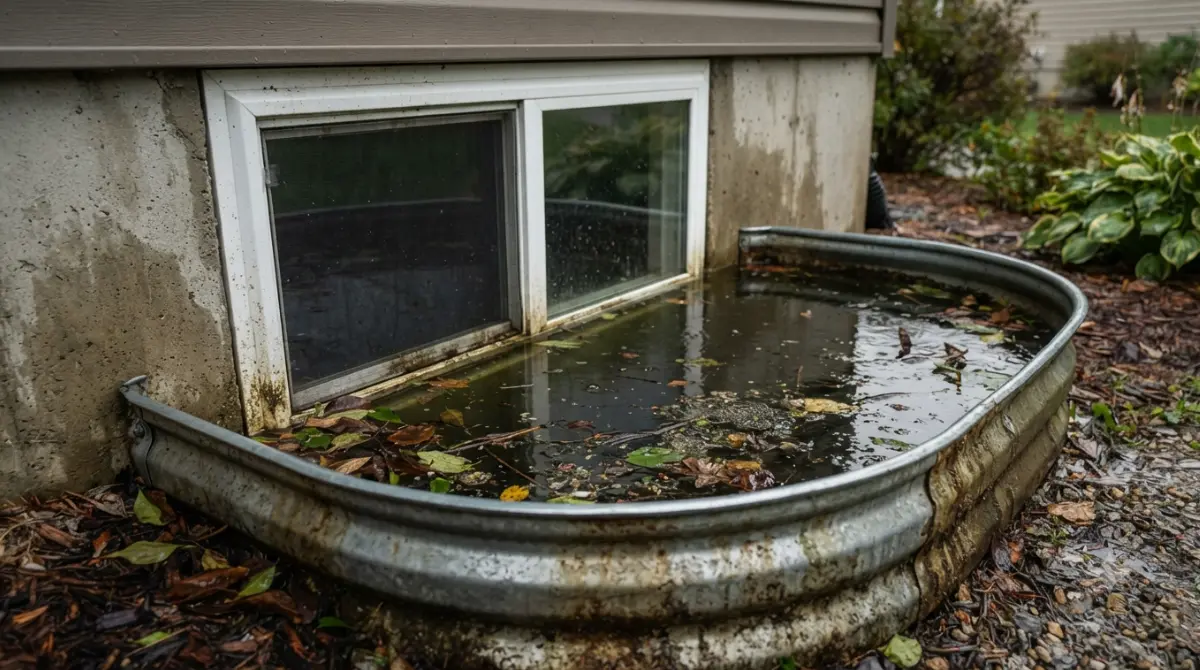
Table of Contents
Why water in your window well is worth fixing now
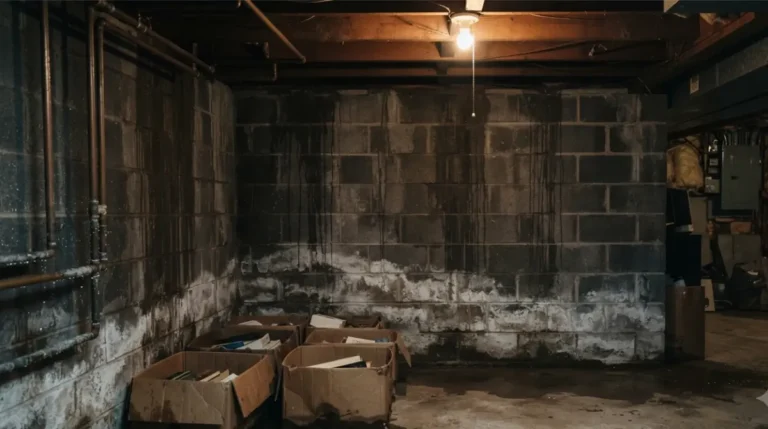
Standing water in your window well means the well is collecting more than it can drain. That water presses against the basement window and pushes into any gap it finds. Installers report cases where the pressure pushed a window in completely, so treat pooling as a repair job, not a nuisance.
Is some water normal?
Damp gravel right after a storm is expected. Water sitting above the gravel, or rising toward the window sill, is not.
Where to jump if you rent vs. own
- Renters: photograph the water and report it to your landlord in writing.
- Homeowners: run the pour test below, then work through the fixes in order.
- Water already inside? Read the safety note, then see our guide to water showing up in the basement after rain.
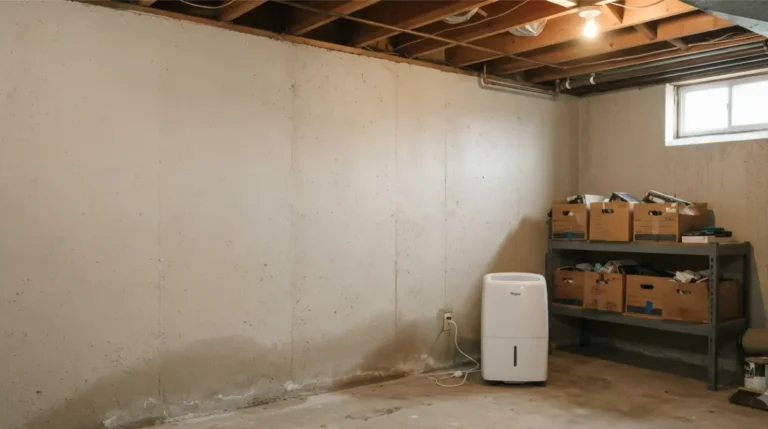
ℹ️ Safety Note: If water has reached the basement floor, stay out of it near outlets, cords, or appliances until you’re sure the electricity is safe. The EPA advises drying water-damaged areas and items within 24–48 hours to prevent mold (EPA’s guide to mold, moisture, and your home). Drain tie-ins, excavation near the foundation, and window replacement are jobs for a licensed contractor working to local code.
How a window well is supposed to drain
A working window well acts like a small sink: water falls in, soaks through gravel, and leaves.
Passive drainage through gravel
In passive drainage, loose washed gravel lets water trickle into the soil below. It works when that soil absorbs water at a normal rate.
Wells tied to drain tile or a sump
Many wells hide a vertical drain riser under the gravel. It can connect to interior or exterior drain tile, or run to daylight where the yard slopes enough.
Does every window well need a drain?
For egress window wells, the International Residential Code (Section R310) requires drainage connected to the foundation drainage system or an approved alternative. Foundations on well-drained sand or gravel soils are exempt. Your local building department decides which edition applies.
✅ Do This: Gently brush the gravel aside near the window and feel for a pipe or grate. If there’s nothing, note it for the pour test.
Why your window well fills with water: a pour test
The quickest way to find your cause is to watch the well drain on a dry day.
How to run the pour test
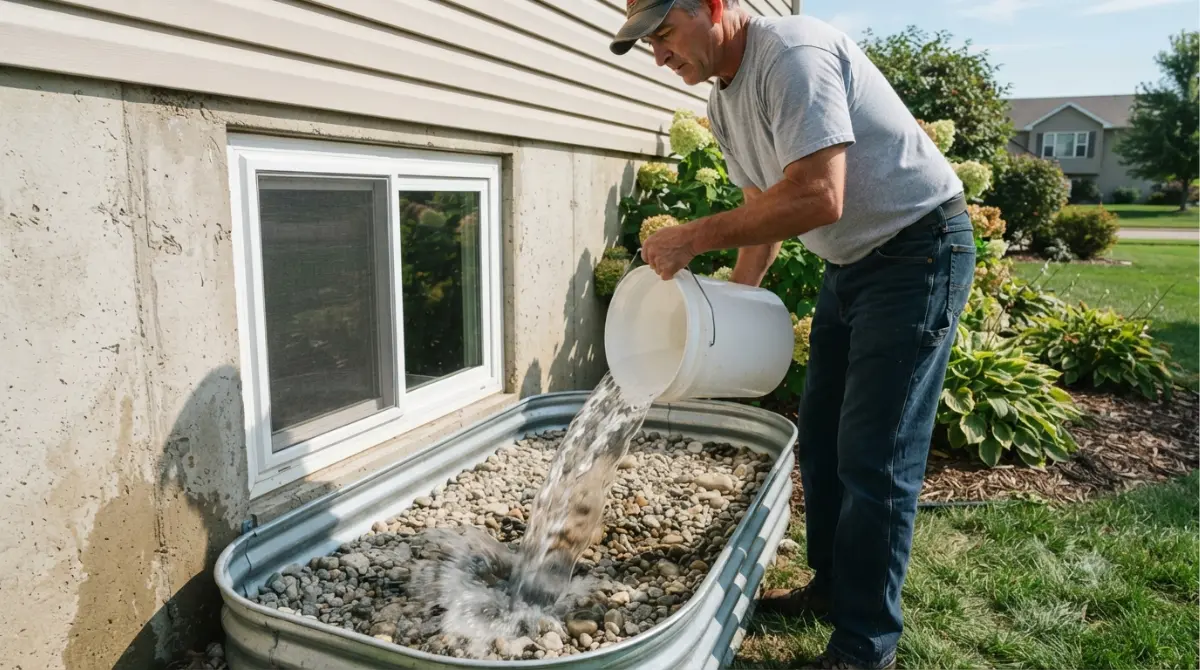
- Clear leaves and trash off the gravel bed.
- Pour a bucket of water into the well, aimed away from the glass.
- Watch where it goes, then check back later the same day.
What the result tells you
| What you see | Likely cause | Key detail |
|---|---|---|
| Water soaks in slowly everywhere | Compacted gravel or silt | DIY: reset the gravel |
| Drains fine, floods only in storms | Runoff from grade or downspouts | DIY: fix the slope |
| Water never drains | No drain, or a clogged buried pipe | Pro if the riser is clear |
| Fills from above in storms | No cover, rim too low | Cover; check rim height |
| Water enters around the frame | Window or well-to-wall gap | Pro inspection |
Table note: editorial synthesis of installer and contractor guidance, not a Gladewick hands-on test.
The five usual causes
Compacted gravel, a clogged drain, poor grading, a misdirected downspout, and a missing cover account for most flooded wells.
Clear the drain and refresh the gravel first
If water soaks in slowly everywhere, the fix is usually inside the well.
Scoop, rinse, reset the gravel
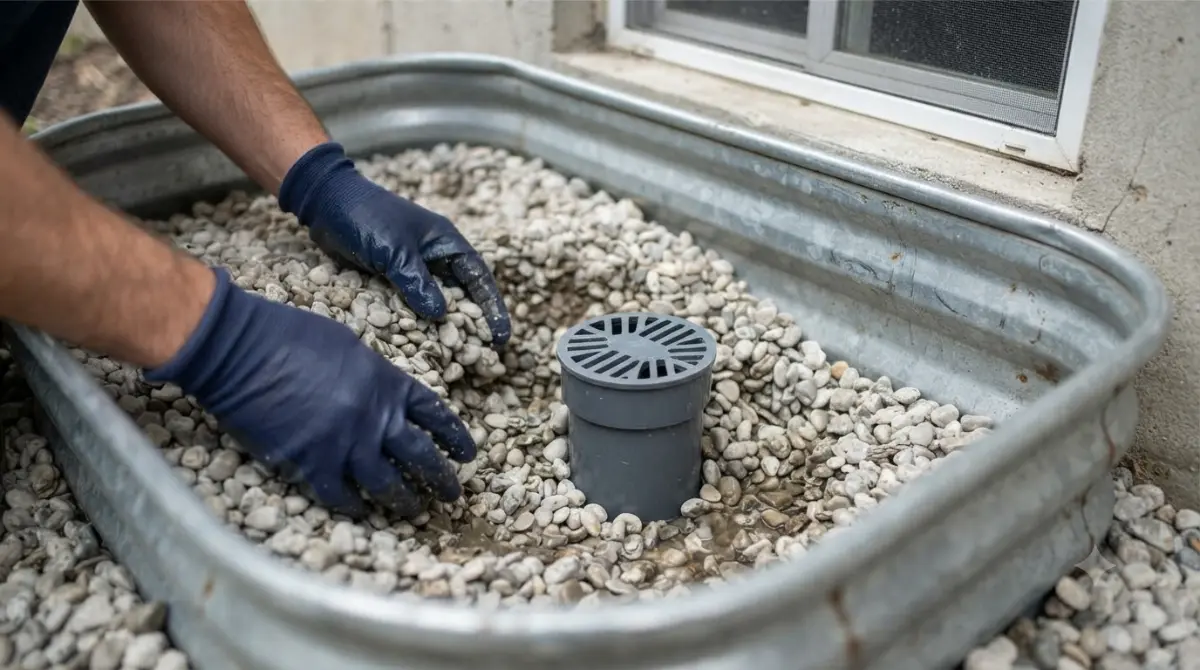
- Scoop out the compacted gravel with a shovel or gloved hands.
- Rinse it with a hose and let it dry.
- Put it back loose, not tamped down.
Clearing silt from the drain riser
Lift the drain cap and clear silt buildup by hand or with a wet/dry vac. Work slowly near pipe joints so you don’t pull the drain apart.
⚠️ Watch Out: If the clog sits below where you can reach, stop there. Forcing a buried line can separate its joints, which turns a free fix into a dig-out.
How deep the gravel should sit
📊 Spec: One window well manufacturer recommends filling gravel to 2 inches below the window sill. It also recommends the well extend 8–12 inches below the sill and at least 3 inches above ground.
Fix the grade and downspouts feeding the well
If the well drains on a dry day but floods in storms, water is reaching it from the yard or roof.
The slope your yard needs
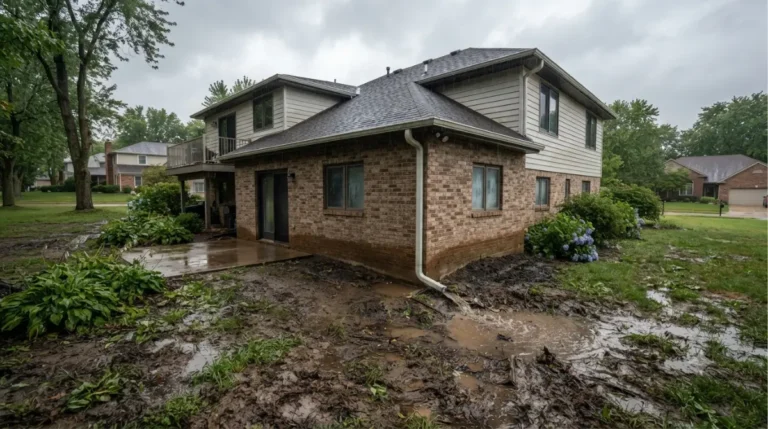
The International Residential Code requires the ground to fall at least 6 inches within 10 feet of the foundation. You can read the code’s minimum slope away from the foundation in full. Where lot lines or walls prevent that fall, the code allows swales or drains instead.
Redirecting downspouts
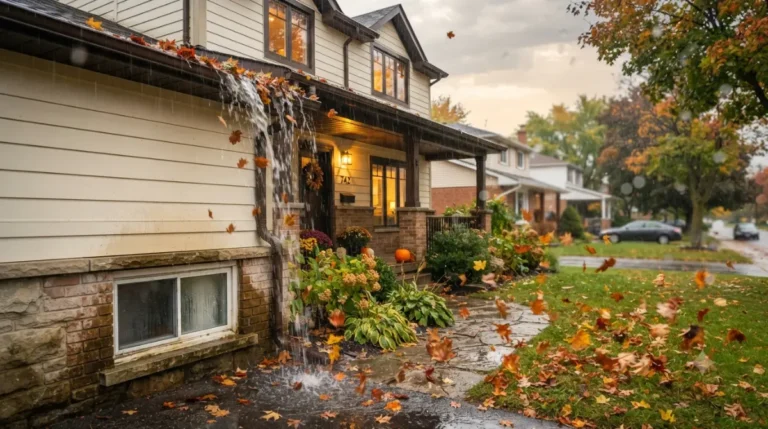
A downspout emptying near the well floods it. Add an extension that carries water away and downslope.
When the lot can’t slope
Adding and compacting soil often restores the slope; our guide to regrading around your foundation walks through it. Before any digging, call 811, the free national utility-locate line, and wait for buried lines to be marked.
✅ Do This: For swales or regrading beyond topping up soil, hire a grading or landscape contractor. Ask how they’ll achieve the code slope and where the water will discharge.
Choosing a window well cover that won’t block escape
A cover’s main job is keeping leaves and debris out of the drain.
What a cover actually stops
It blocks the debris that clogs drains and sheds much of the rain falling straight in. It won’t fix bad grading or a broken drain.
Egress rule: no locks, no tools
If the window is an emergency escape opening, the cover must release or lift off from inside without a key, tool, special knowledge, or extra force. See a state building agency’s summary of escape-opening rules. Never bolt or padlock a bedroom egress well.
Clear polycarbonate vs. grate
A polycarbonate cover keeps weather out and lets light in. A metal grate adds airflow but needs a top cover to shed rain.
When a flooding window well needs a pro
Call a licensed waterproofing contractor when the fixes above don’t stop the water.
Signs the drain is failing below ground
- Water still pools after you’ve reset the gravel and fixed the grade.
- The well has no drain at all.
- Water enters around the window frame.
Tie-ins: drain tile, French drain, sump
For an old or damaged line, a contractor can run a new drain into a French drain, drain tile, or sump pump. Before you sign, check what an interior French drain costs and what a waterproofing quote should itemize.
✅ Do This: Ask the contractor where the new drain will connect and whether your city requires a permit.
Frequently asked questions
1. Why does my window well fill with water?
Water in a window well usually comes from compacted gravel, a clogged drain, poor grading, a misdirected downspout, or a missing cover.
2. Should there be water in a window well?
Damp gravel after rain is normal, but standing water in a window well that rises toward the sill needs fixing.
3. Does every window well need a drain?
Under the IRC, egress window wells need drainage to the foundation system, unless the foundation sits on well-drained sand or gravel. Confirm with your local building department.
4. How deep should gravel be in a window well?
One window well manufacturer recommends filling gravel to 2 inches below the sill, with the well 8–12 inches below it.
5. Do window well covers stop water?
A window well cover mainly blocks debris that clogs the drain; it won’t fix poor grading or a broken drain line.
6. Can you lock a window well cover?
Not on an egress window: code requires the window well cover to open from inside without keys, tools, or extra force. Confirm with your local building department.
7. How should the yard slope near a window well?
The IRC requires ground near your window well to fall at least 6 inches within 10 feet of the foundation. Call 811 before digging.
8. Can water in a window well break the window?
Installers report water pressure in a flooded window well pushing a basement window in, so treat pooling as urgent. Have a contractor inspect any damaged window.
9. How fast should I dry a basement after window well water gets in?
The EPA advises drying water-damaged areas and items within 24–48 hours to prevent mold growth. For large areas, call a water-damage professional.
10. When should I call a pro about water in my window well?
Call when water still pools after gravel and grading fixes, the window well has no drain, or water enters around the frame.
Stop the water in the right order
Work cheapest-first: run the pour test, reset the gravel and drain, then fix the grade and downspouts. After that, fit a cover that opens from inside, and call a pro if water still pools. Email hello@gladewick.com for our seasonal window well checklist.