Damp Basement in Your Rental? Smart Steps and Who Fixes What

Damp basement in your rental? NFIP flood coverage there is limited to a washer, dryer, freezer, and its food. Here’s what to do next.
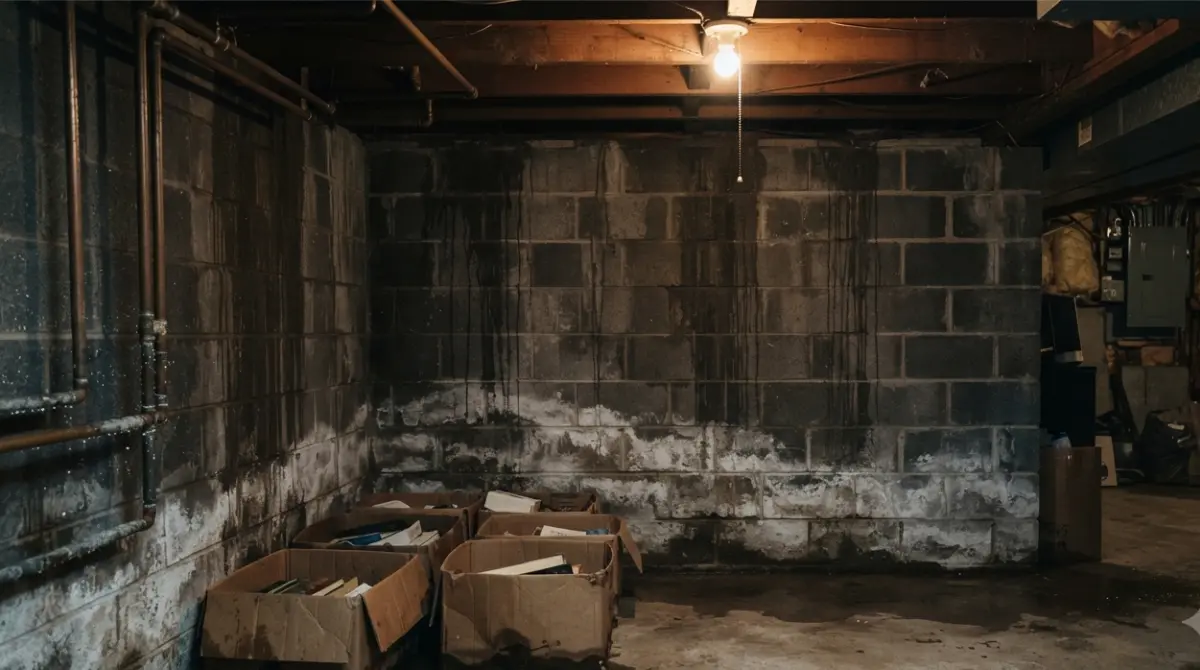
Table of Contents
Damp basement in your rental? Start here
A damp basement in a rental is usually a building problem first and a paperwork problem second. You don’t have to fix the foundation yourself. Your job is to spot the likely cause, record it, and get it to your landlord in writing.
Signs it’s more than a musty smell
Watch for a musty odor that returns after airing the space out. Other signs are water stains or chalky white deposits low on walls, damp cardboard boxes, and pipes dripping with condensation.
What this guide covers (and what it can’t)
- Not sure what’s causing it? Start with the next section.
- Ready to report it? Go to the documentation and written-notice sections.
- Landlord not responding? Skip to the section on next steps.
This is general US guidance, not legal advice. Tenant law varies by state and city.
ℹ️ Safety Note: Damp basements can grow mold, which can trigger allergies and asthma. This article is general information, not legal or medical advice. If anyone in your home has health symptoms, or mold is widespread, involve your landlord and a qualified professional rather than cleaning it yourself. For legal questions, contact local legal aid or a tenant attorney.
Condensation or seepage? Why the cause matters
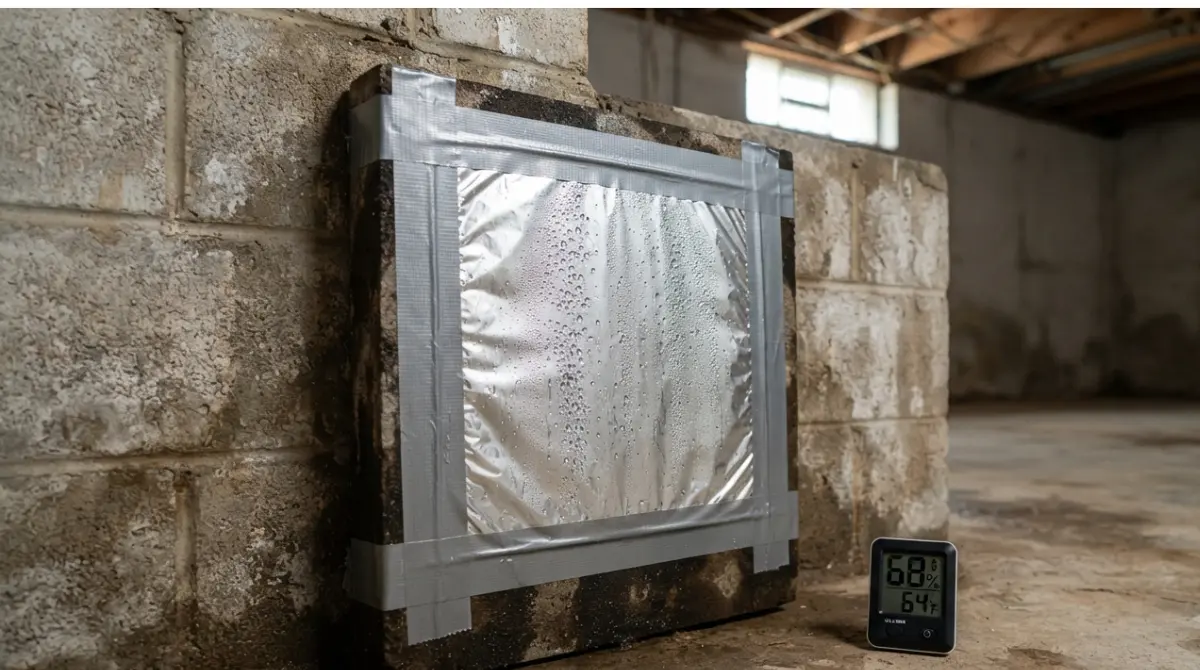
Where the moisture comes from shapes both the fix and, often, who is expected to handle it.
Condensation: moisture from inside air
Warm, humid air hits cool basement walls or pipes and turns to water. Drying laundry indoors and poor ventilation make it worse.
Seepage and leaks: water coming through the building
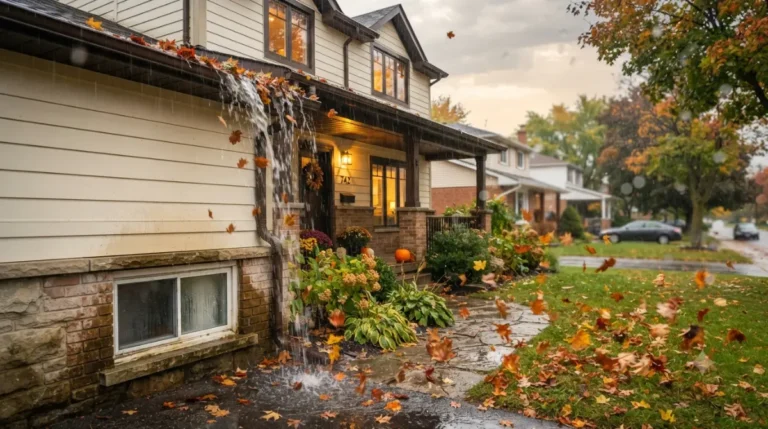
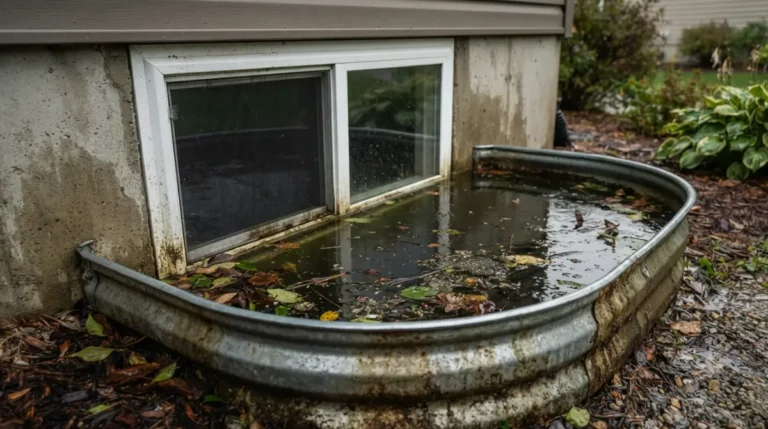
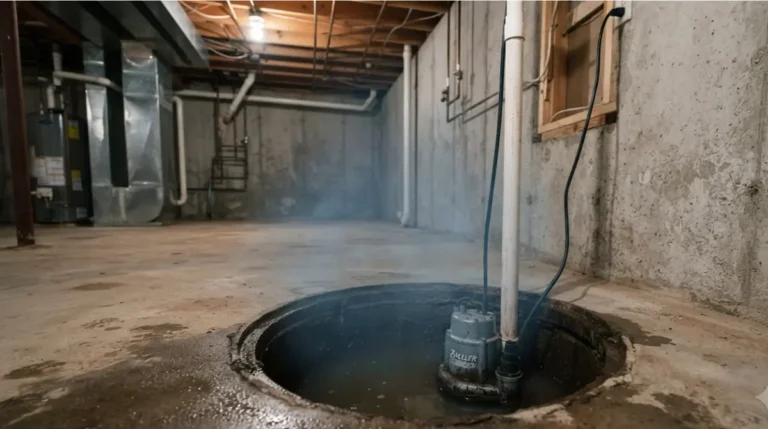
Water entering through foundation cracks, window wells, poor drainage, or plumbing leaks is a building issue. A simple condensation vs. seepage test can help you tell the two apart.
Quick decision table
| Cause | Typical signs | Who usually acts | Your next step |
|---|---|---|---|
| Condensation | Sweating pipes, damp in humid weather | Often shared | Log humidity |
| Seepage | Wet spots after rain, low wall stains | Usually landlord | Written notice |
| Plumbing leak | Drips, wet floor or ceiling | Usually landlord | Report immediately |
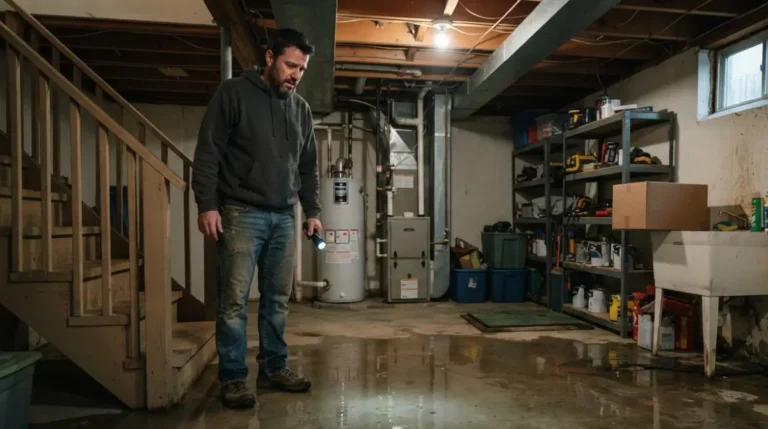
| Flooding | Standing water | Landlord (building); you (belongings) | Photos, notice, insurance check |
General pattern only. Responsibility depends on your lease, state, and city.
How to document basement dampness properly
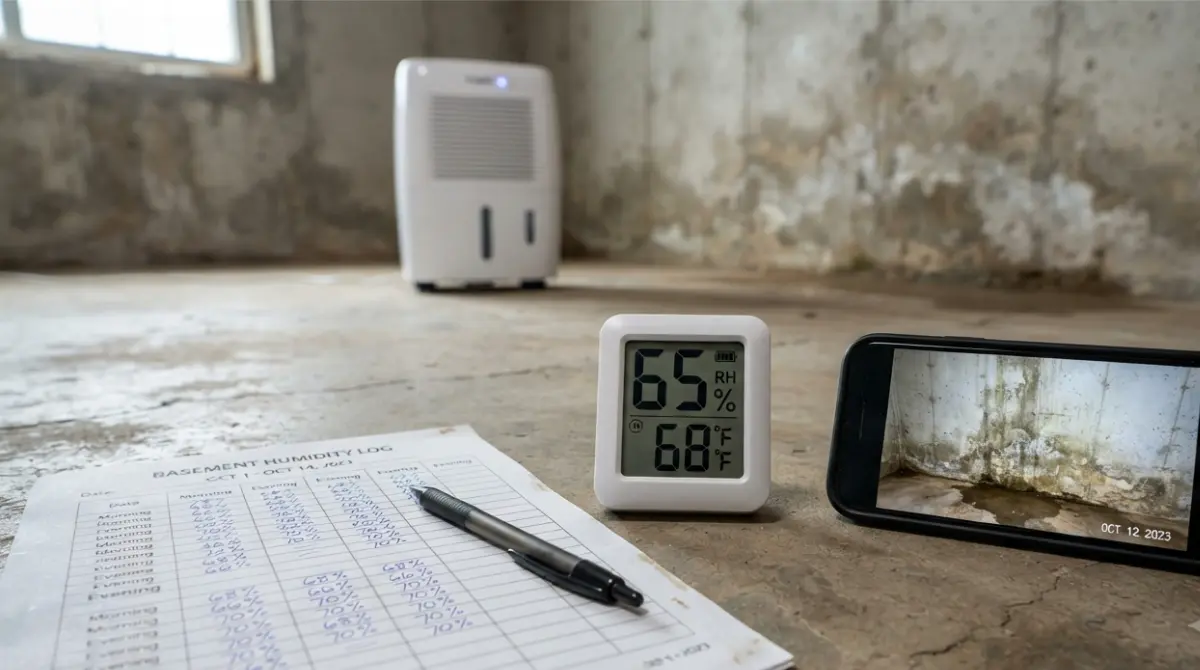
EPA recommends keeping indoor humidity below 60 percent, ideally between 30 and 50 percent.
📊 Sourced: EPA notes that relative humidity can be measured with a small, inexpensive humidity meter (hygrometer) costing about $10–$50 at hardware stores. (Source: EPA).
Log humidity with a cheap hygrometer
- Place a hygrometer in the basement, away from the dehumidifier or dryer vent.
- Record the reading morning and evening for one to two weeks.
- Note the weather each day, especially rain.
Readings that stay above 60 percent back up your repair request. Our guide to the ideal basement humidity level explains what the numbers mean.
Take dated photos and notes
Photograph stains, wet spots, and damaged belongings with dates visible. EPA’s guide to mold and moisture at home is a useful reference to share.
How to tell your landlord in writing
EPA advises renters to report leaks and moisture problems to the building owner or manager right away.
What to include in your repair request
A clear repair request covers:
- Your name, address, and unit
- What you’ve seen, where, and since when
- Your humidity log and dated photos
- A polite request to inspect and repair, with a reasonable reply date
Keep the tone factual. Describe the problem instead of assigning blame or citing laws you haven’t checked.
✅ Do This: Use our free Damp Basement Evidence Log + Repair Request Letter template to keep everything in one place.
Keep copies of everything
Send it by email or another trackable method and save every reply. Your dated trail matters if you need to escalate later.
What landlords are generally responsible for
Most US states recognize some form of the warranty of habitability. It generally requires landlords to keep rentals fit to live in.
The warranty of habitability, in plain terms
California’s rule is a typical example. Landlords must repair substantial defects and substantial failures to comply with building and health codes, but not damage caused by the tenant, their guests, or pets. California’s attorney general publishes a plain-language know-your-rights guide on habitability that shows how one state frames it.
Where your state’s rules come in
Repair timelines, notice rules, and remedies differ by state and city. Your lease may also assign minor upkeep. If the landlord brings in a contractor, knowing what a real waterproofing fix involves helps you understand the plan.
✅ Do This: Before relying on a specific right, call your local legal aid office or a tenant attorney. Ask what notice your state requires and what remedies apply to your situation.
What you can safely do while you wait
Protecting your belongings and health is your call; repairing the building is not.
Dry things out and protect your belongings
EPA says wet materials dried within 24–48 hours usually won’t grow mold. Lift belongings off the floor, swap cardboard for sealed plastic bins, and run a dehumidifier if you have one. Our basement dehumidifier guide covers sizing.
⚠️ Watch Out: Don’t paint or caulk over moldy surfaces. EPA doesn’t recommend bleach as routine practice, and bleach must never be mixed with ammonia cleaners. If mold covers more than about 10 square feet, or anyone has health concerns, leave cleanup to your landlord’s professional.
The basement insurance gap renters miss
Most renters insurance doesn’t cover flood damage. Even a separate NFIP policy covers little in a basement. See FEMA’s flood insurance options for renters and ask your agent what applies.
📊 Sourced: For contents in a basement or basement apartment, NFIP renters coverage is limited to a washer, a dryer, a freezer, and the food in it. (Source: FEMA)
If your landlord won’t fix it: next steps
If your written request goes unanswered, you have options beyond waiting.
Report to local code enforcement
EPA suggests contacting local or state health or housing authorities when water problems persist. Many cities let you request a code inspection through a housing or building department; some use 211 or 311.
Get free legal help before withholding rent
Rent withholding and repair-and-deduct are allowed only in some states, under strict conditions. Done wrong, they can lead to eviction. Some states also protect tenants from retaliation for requesting repairs. Read more in our guide to your rights when a landlord won’t fix mold.
Damp basement FAQ
1. Is my landlord responsible for a damp basement?
Usually, when dampness comes from seepage, leaks, or other building defects. Condensation from daily living can be shared, depending on your lease and state.
2. What humidity is too high in a damp basement?
EPA recommends keeping indoor humidity below 60 percent, ideally 30 to 50 percent. A hygrometer costing about $10–$50 measures it.
3. How do I tell my landlord about a damp basement?
Send a written repair request describing the problem, with dated photos and your humidity log. Keep copies of every message and reply.
4. Is dampness a habitability issue in a rental?
Serious dampness or mold can breach the warranty of habitability in many states, but standards differ. Confirm your state’s rules with legal aid.
5. Can I clean damp-basement mold myself?
EPA says patches under about 10 square feet are usually manageable, but in a rental, report it first. Skip cleanup if anyone has health concerns.
6. Should I paint over basement dampness?
No. EPA advises against painting or caulking moldy surfaces; the moisture source must be fixed first, which is usually your landlord’s job.
7. Does renters insurance cover basement flooding?
Most renters policies don’t cover flood. NFIP renters coverage in a basement is limited to a washer, dryer, freezer, and freezer food.
8. Can I withhold rent over a damp basement?
Only in some states, under strict conditions, and mistakes can lead to eviction. Talk to legal aid or a tenant attorney before withholding.
9. Who do I call if my landlord ignores a damp basement?
Contact your local housing, building, or health department for an inspection. Some cities route requests through 211 or 311.
10. Can my landlord retaliate for reporting a damp basement?
Some states prohibit retaliation against tenants who request repairs, but protections vary. Keep records and ask legal aid about your state.
Your damp basement action plan
Figure out whether the water is condensation or coming in from outside, log the humidity, and photograph everything. Send a clear written request and keep copies. Protect your belongings while you wait, and if nothing happens, involve code enforcement and legal aid before taking any rent-related step.