An easy 24-hour test to tell basement condensation from seepage

Condensation vs seepage looks identical on a basement wall. A sealed square of plastic, left 24 hours, names the source before any contractor does.
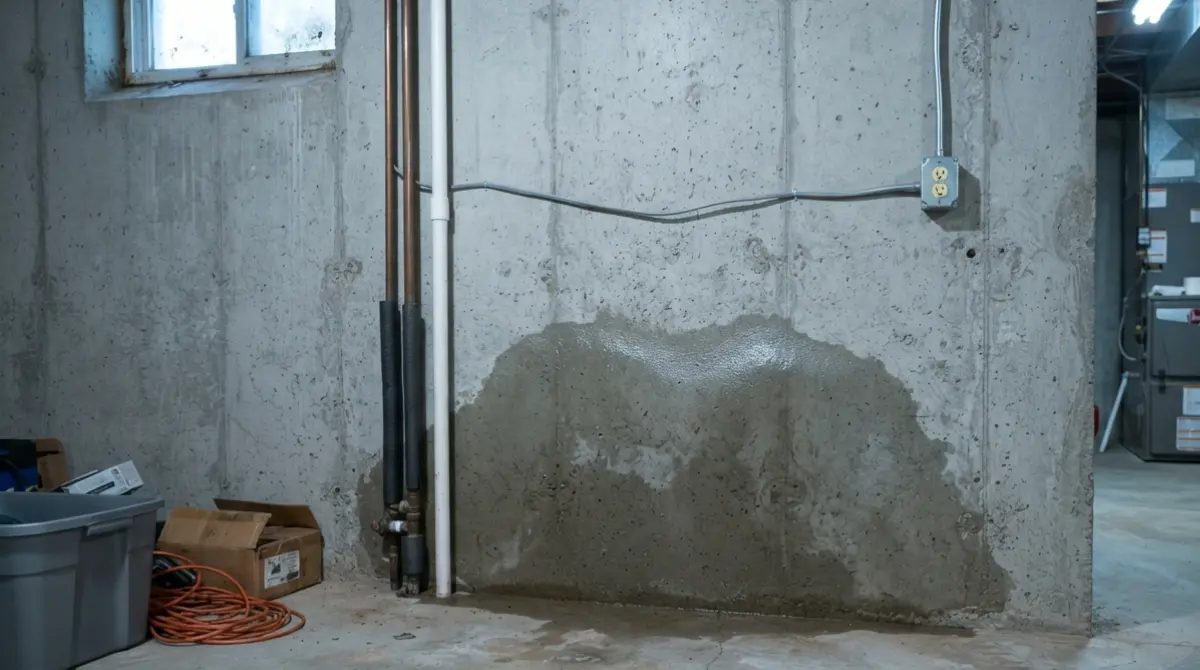
Table of Contents
Is your basement wall wet from the air or the ground?
A damp basement wall has two possible causes that look identical on concrete, and one square of plastic separates them overnight. Moisture that collects on the room-facing side is condensation. Moisture trapped against the concrete is seepage — water arriving from the soil side.
That distinction decides everything that follows, because one problem is solved by a purchase and the other by construction work.
If you already have a contractor’s quote
Run the test before you sign anything. A quote for drainage work on a wall that is only sweating is money spent on the wrong problem, and the test costs nothing.
If you rent
Read the professional section first. Persistent basement moisture is a repair for the building owner, not a purchase for you.
ℹ️ Safety Note: Basement moisture touches mold and indoor air quality, and a wet basement can also involve energised circuits and, in older homes, foundation movement. The guidance here is for general understanding. If you find standing water near powered outlets or appliances, a bowing or horizontally cracked foundation wall, or mold growth beyond a small patch, stop and hire a licensed professional — a structural engineer, electrician, or experienced remediation contractor as the situation requires — and follow your local code.
Why condensation and seepage look identical on concrete
University of Minnesota Extension frames basement moisture as coming from three places: liquid water from rain or groundwater, moisture generated inside the house, and humid outside air that condenses on cooler surfaces. Its extension guidance on basement moisture sources also lists four ways that moisture travels — liquid flow, capillary suction, vapour diffusion, and air movement.
Your eyes cannot tell which one produced the wet patch. The plastic sheet can.
Warm air meeting a cold wall
🔍 Why It Works: Air holds less water as it cools. A below-grade wall stays cool year-round because the surrounding soil keeps it that way, so warm humid air touching it drops below its dew point and releases water onto the surface. No crack is involved.
Water moving through the wall
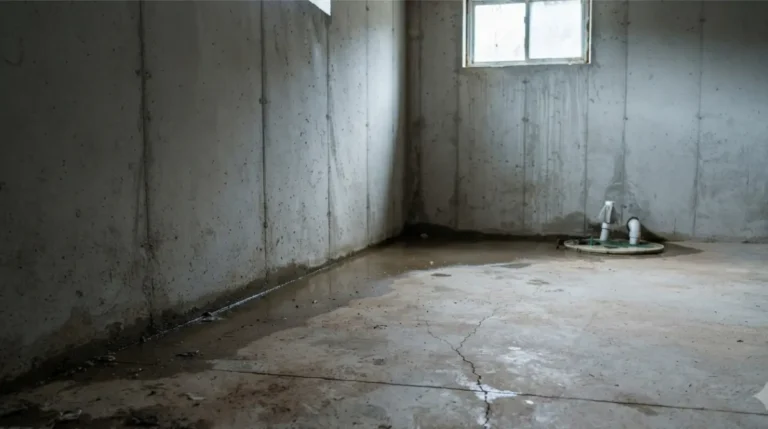
Seepage is the other direction entirely — water under pressure or drawn through the masonry by capillary action, arriving at the inside face. The entry routes are the ordinary ones: cracks, cold joints, and the openings where pipes and cables pass through, which is covered in more detail in our guide to where basement water actually comes from.
What efflorescence tells you
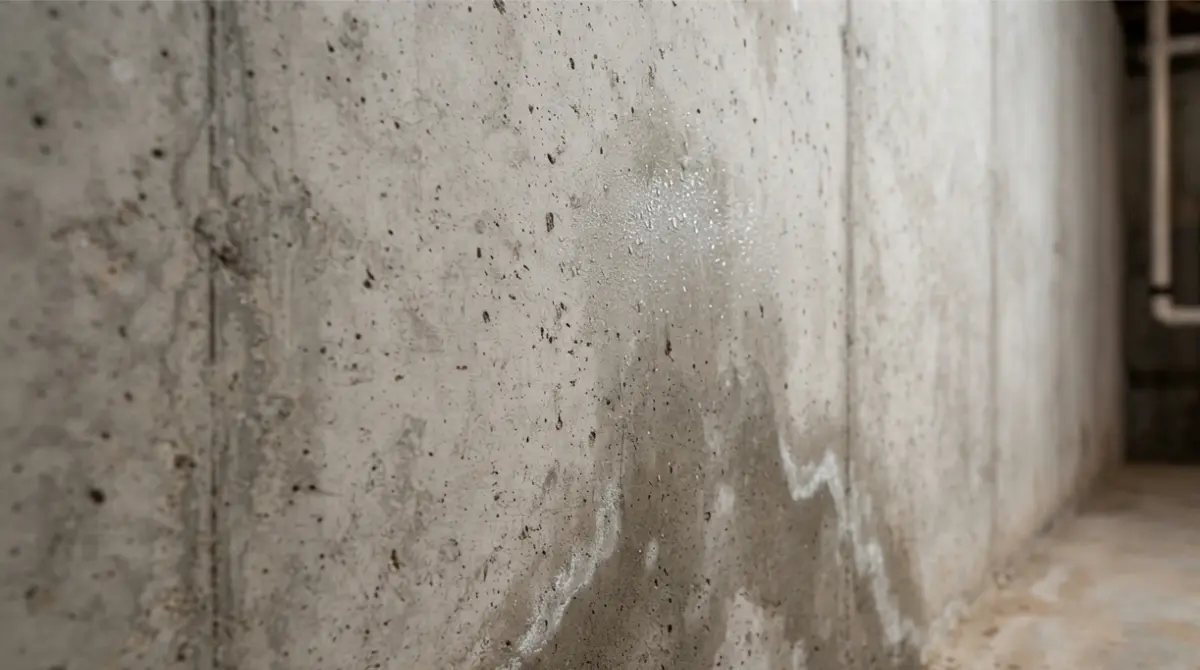
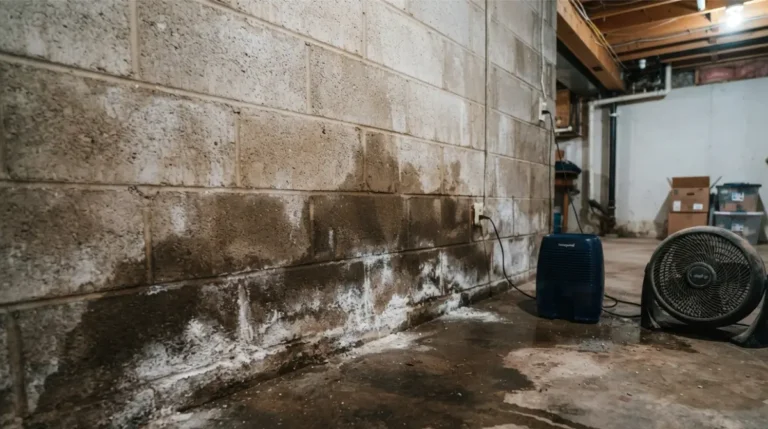
The white, chalky deposit that appears on some basement walls is left behind when water passes through masonry and evaporates, leaving salts on the surface. It points toward water moving through the wall rather than air condensing on it.
The 24-hour plastic sheet test, step by step
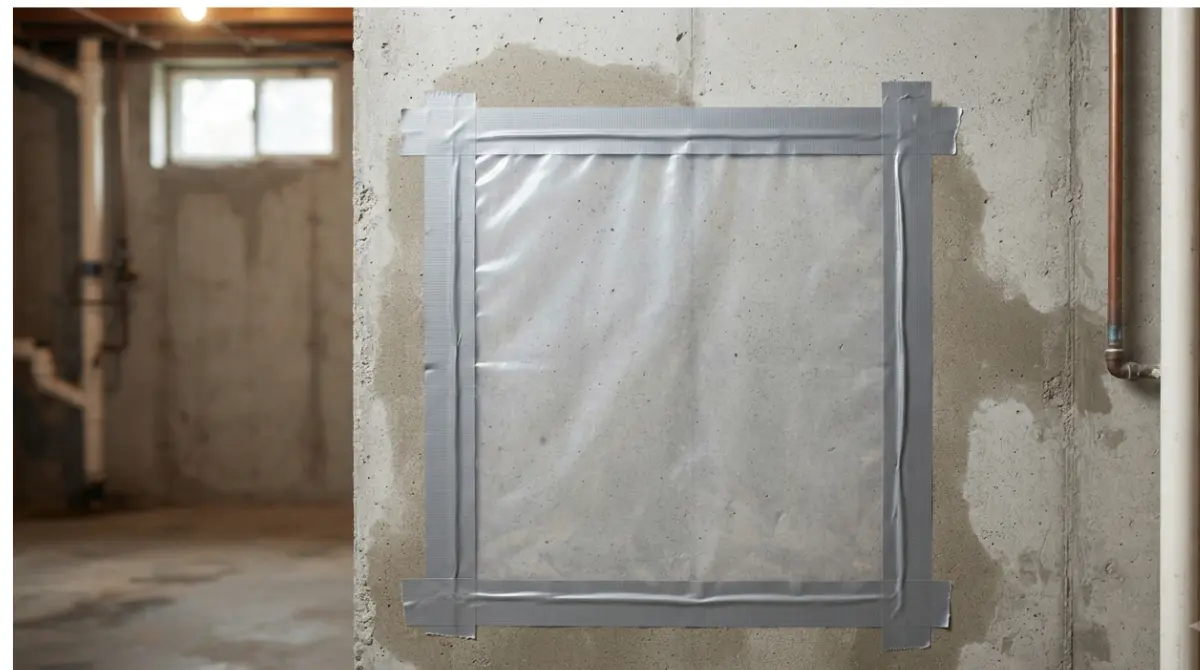
The plastic sheet test descends from ASTM D4263, the standard practice for indicating moisture in concrete by the plastic sheet method, revised most recently in 2024. A version of the same diagnostic appears in the National Park Service’s technical brief on controlling unwanted moisture in buildings (PDF), which is where most homeowner guides quietly get it from.
What you need
- A square of clear 6-mil polyethylene sheeting or heavy aluminium foil, roughly 12 to 18 inches on each side.
- Strong tape that sticks to masonry — contractor’s or duct tape, not painter’s tape.
- Optional: a humidity meter, to log the basement’s relative humidity alongside the result.
Where to place it
Put it on the dampest spot, directly on bare concrete or block wherever you can reach it. Seal all four edges completely, so no room air can get behind the sheet — a partly taped square gives you a result you cannot trust.
How long to leave it
Leave it sealed and undisturbed for at least 24 hours; 48 hours reads more clearly on a slow wall. Run it during the season when the dampness actually appears.
Reading your result: room side, wall side, or both
Peel the tape and check both faces before the sheet dries. The test result falls into three outcomes.
| Which side is wet | What it means | What to do first | Key detail |
|---|---|---|---|
| Room-facing side | Condensation — humid air meeting a cool wall | Control humidity and ventilation | The wall is dry; the air is not |
| Against the concrete | Seepage — water moving through the wall | Deal with water outside the wall | Grading and drainage come before any interior coating |
| Both sides | Both mechanisms are running | Stop the water entry first, then the humidity | Drying the room does nothing about water still arriving |
Interpretation follows the plastic-sheet diagnostic described in the National Park Service’s Preservation Brief 39 and the moisture-source framework published by University of Minnesota Extension. No hands-on testing was performed for this table.
A wall-side result points at the same ground-level openings that matter for sealing a house against rodents — foundation cracks and the gaps where pipes pass through are entry routes for both water and animals.
What each result changes about the fix and the cost
📊 Spec: EPA advises keeping indoor relative humidity below 60 percent, ideally between 30 and 50 percent, and puts the cost of a humidity meter at roughly $10 to $50 at hardware stores. Source: EPA, A Brief Guide to Mold, Moisture, and Your Home (EPA 402-K-02-003, reprinted 2012).
If it’s condensation
You are buying equipment, not construction. A dehumidifier, better ventilation, and insulating cold surfaces are the levers, and our guide to how a dehumidifier holds mold back covers what it can and cannot do.
If it’s seepage
This is water management outside the wall, and the pricing is a different order of magnitude. Before judging any bid, read what a waterproofing quote should itemise.
What to do before spending anything
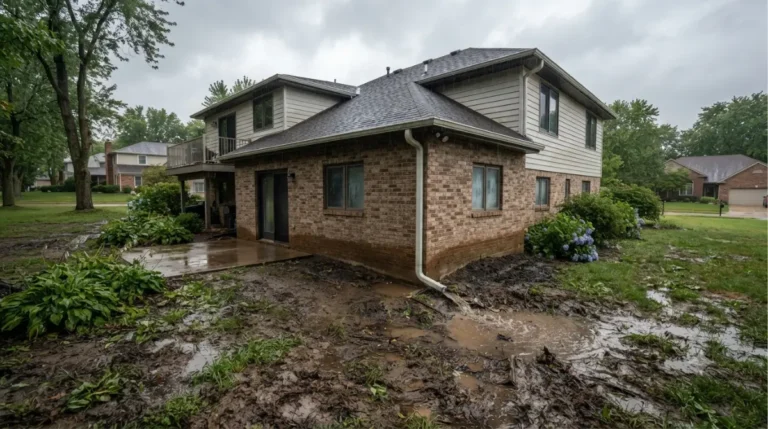
EPA’s own prevention guidance is to make sure the ground slopes away from the foundation so water does not collect around it, and to keep gutters clear. Do that, then re-run the test after the next heavy rain.
⚠️ Watch Out: A dehumidifier running against active seepage is a permanent electricity bill with no finish line. Drying the room does not slow the water arriving through the wall.
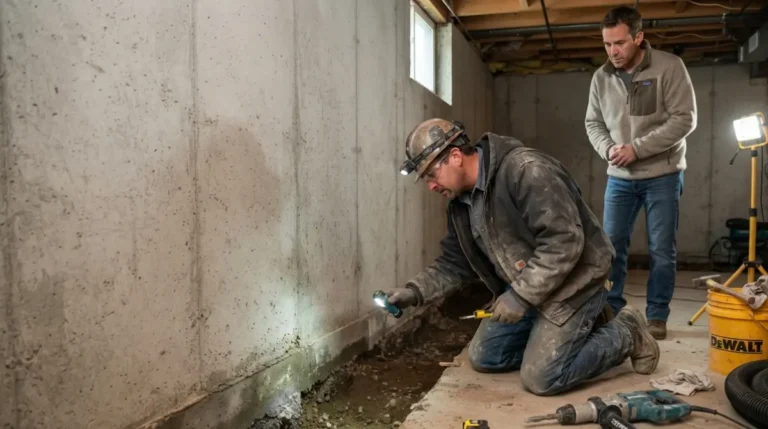
When to stop testing and call a professional
Some findings make the plastic sheet irrelevant, and diagnosis is no longer the useful next step.
Structural warning signs
A wall that bows, leans, or carries a horizontal crack is a structural question rather than a waterproofing one. That is a structural engineer’s assessment first, not a waterproofing salesperson’s.
When mold is the real problem
📊 Spec: EPA states that a moldy area under about 10 square feet — roughly a 3 ft by 3 ft patch — can usually be handled yourself, but that extensive water damage or growth beyond 10 square feet calls for professional remediation guidance. Damage caused by sewage or other contaminated water is a professional job at any size. Source: EPA, A Brief Guide to Mold, Moisture, and Your Home.
EPA also advises drying wet materials within 24 to 48 hours, because in most cases mold will not grow if you beat that window. If growth is already visible, our basement mold removal guide covers what cleanup involves.
If you rent
EPA directs renters to report plumbing leaks and moisture problems to the building owner or manager immediately, and, where persistent water problems go unaddressed, to contact local, state, or federal health or housing authorities.
✅ Do This: Match the professional to the finding — a structural engineer for a bowing or cracked wall, a licensed electrician before touching anything near standing water, an experienced remediation contractor for mold past the 10-square-foot mark. Ask each one to name the water source in writing, not just the system they want to sell.
When the test lies: false results and when to retest
A single clean result can still be the wrong answer, because both mechanisms are seasonal.
Why winter and dry spells produce false negatives
Seepage follows groundwater, so a test run during a dry spell can miss a wall that soaks every spring. Condensation follows warm humid air, so a January test can miss a July problem entirely. Run it twice — once after sustained rain, once in the opposite season — and note the date and weather each time.
When a painted or finished wall changes the answer
Sealed paint, waterproof coatings, and drywall all read as themselves rather than the masonry behind them. Test bare concrete or block where you can reach it, and treat a result taken over a coating as a hint rather than a diagnosis.
Basement moisture test questions people actually ask
1. How long do you leave plastic on a basement wall?
At least 24 hours, sealed and undisturbed. Forty-eight hours gives a clearer read on a slow-drying wall.
2. Can a basement wall be wet from condensation alone?
Yes. Humid air meeting a cool below-grade wall deposits water on the surface, with no crack or leak involved.
3. Does a dehumidifier fix seepage?
No. A dehumidifier dries basement air; it does nothing about water still arriving through the wall from the soil side.
4. What humidity should a basement be?
EPA advises below 60 percent relative humidity, ideally between 30 and 50 percent, measured with an inexpensive humidity meter.
5. Is foil or plastic better for the test?
Either works. Clear plastic lets you read the result before breaking the seal; foil sits flatter on rough masonry.
6. What does efflorescence mean?
White chalky deposits appear where water has passed through masonry and evaporated, leaving salts — a signal pointing toward seepage.
7. Why is my basement wet only in summer?
Summer air is warm and humid while a below-grade wall stays cool year-round, so condensation peaks in the warm months.
8. Can I run the test on a painted or finished wall?
You can, but a coating reads as itself rather than the masonry behind it. Test bare concrete or block where possible.
9. When should I call a professional?
For a bowing wall, standing water near power, sewage, or mold past roughly 10 square feet. Contact a structural engineer, licensed electrician, or remediation contractor as the finding requires.
10. Who is responsible if I rent?
Report moisture problems to your building owner or manager immediately. Where persistent problems go unaddressed, EPA points renters to local, state, or federal health or housing authorities.
Your next step
Tape the square tonight, before you buy a dehumidifier and before you sign a waterproofing contract. Tomorrow morning’s result decides whether this is a purchase or a project.