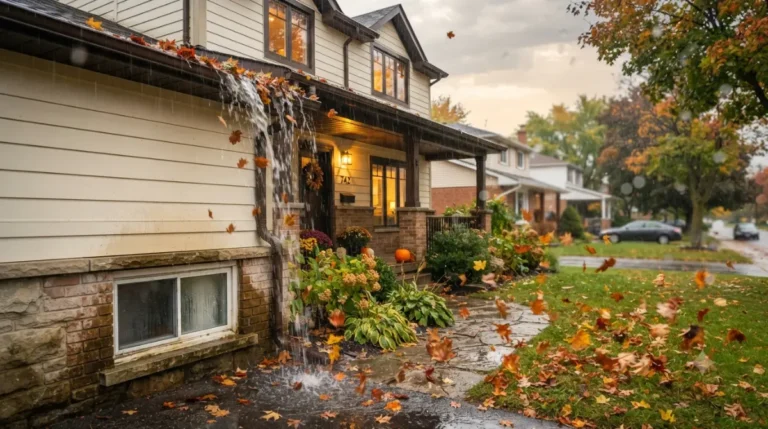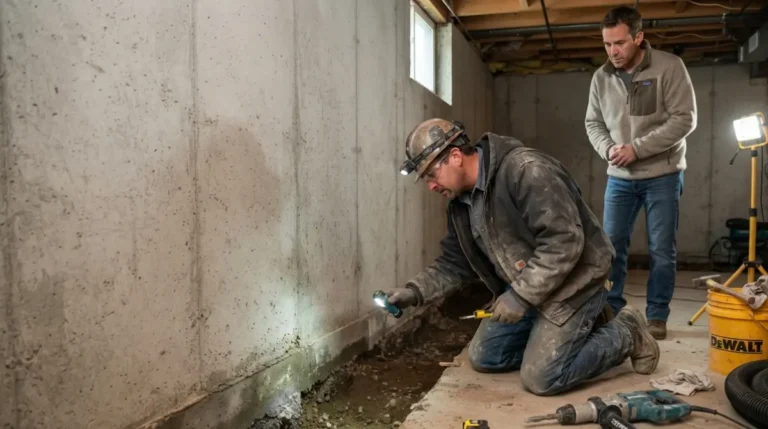
The Right High Water Table Basement Solutions for Your Home

A high water table rises in late winter and spring, so basements can seep long after rain stops. Confirm it’s groundwater before paying for a fix.
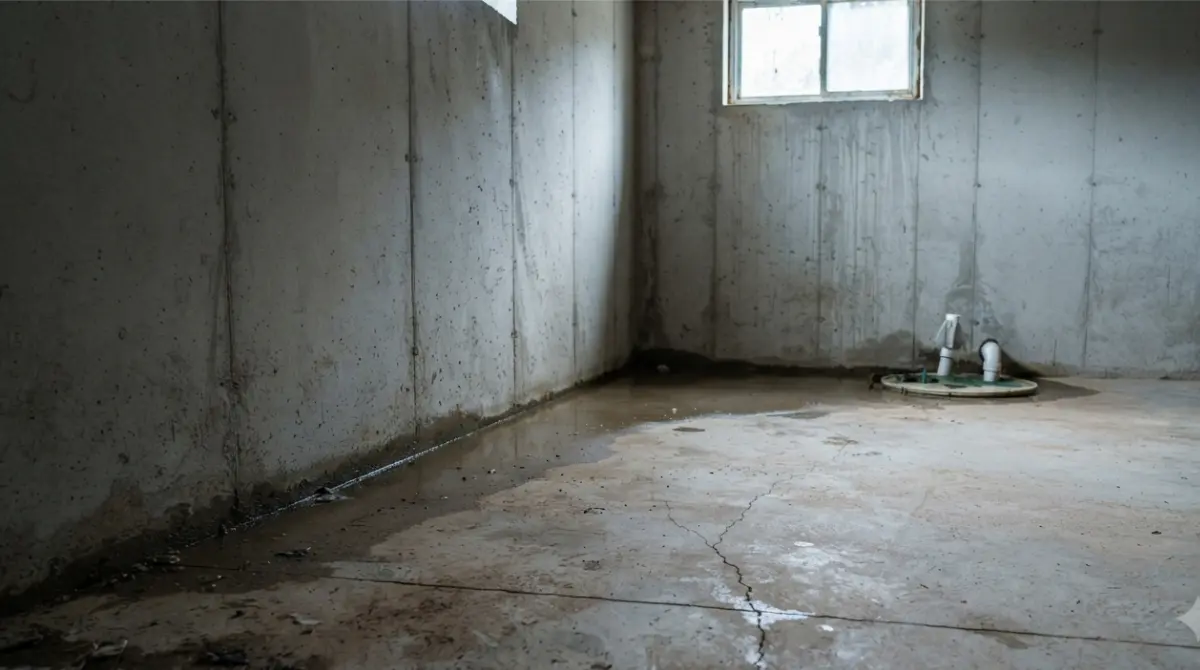
Table of Contents
Is a high water table really flooding your basement?
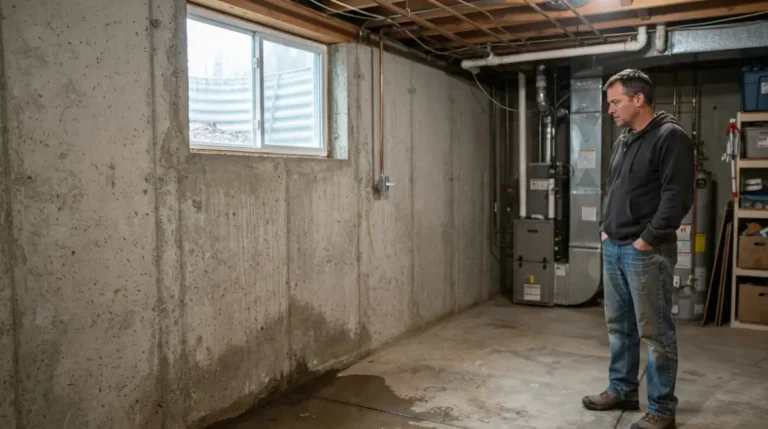
Water rising through the floor or along the floor-wall joint, especially in spring, often points to a high water table. You can’t lower groundwater under your yard, but you can manage it.
Signs it’s groundwater, not a gutter problem
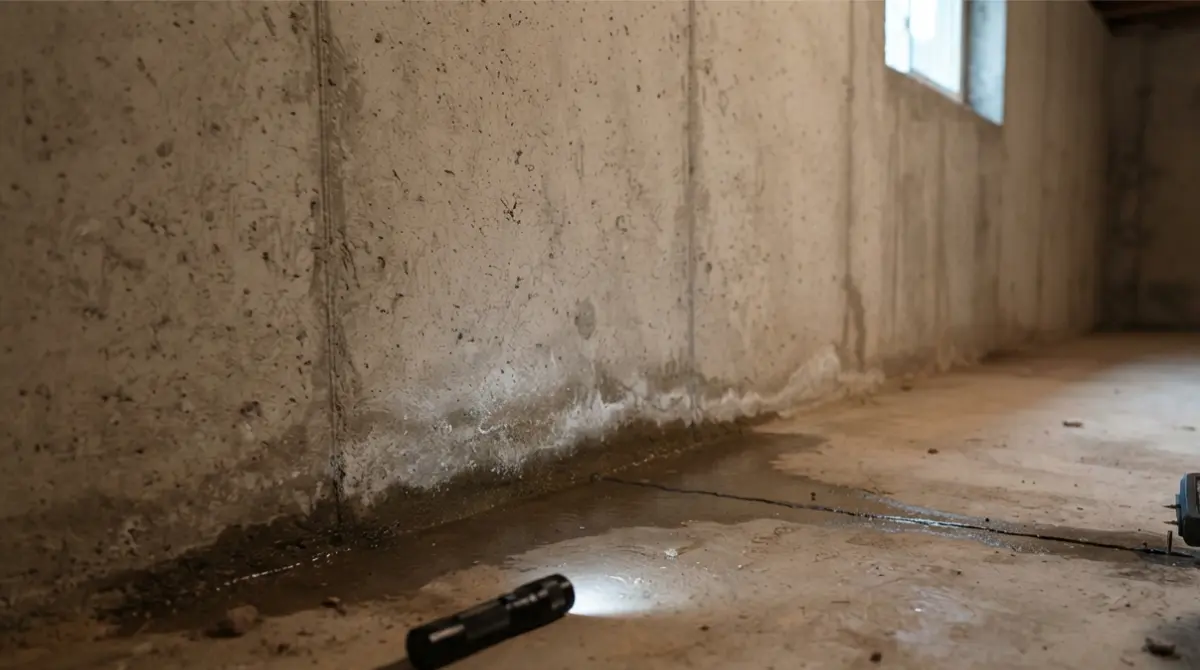
Groundwater usually appears at the floor-wall joint or through slab cracks, and it can keep seeping long after rain stops.
What this guide covers (and won’t sell you)
- Not sure of the source? Start with the diagnosis matrix below.
- Confirmed groundwater? Skip to the fixes that work.
- Collecting quotes? Read what won’t work first.
We don’t sell or install waterproofing, and the key facts below are tied to named sources.
ℹ️ Safety Note: Sump pumps and wiring near standing water carry shock risk, and moving or cracking foundation walls are a structural issue. The information here is for general understanding; hire a licensed electrician, waterproofing contractor, or structural engineer as needed, and follow your local code and permit requirements.
How groundwater pushes into a basement
Groundwater gets in because saturated soil presses on your foundation from below and from the sides.
What “high water table” actually means
A high water table means saturated ground sits near, or seasonally above, your basement floor. The USGS explanation of groundwater defines the water table as the top of that saturated zone, and USGS notes it typically rises in late winter and spring.
🔍 Why It Works: Water under hydrostatic pressure moves toward the easiest opening. In a basement, that’s usually the floor-wall joint or a crack.
True, perched, and false water tables
| Type | What it is | Key Detail |
|---|---|---|
| True high water table | Regional groundwater sits high | Returns every wet season |
| Perched water table | Water held above a dense layer such as clay | Can occur on higher ground |
| False water table | Foundation backfill fills with water after storms | Often tied to surface drainage |
How to tell groundwater from runoff or condensation
The right fix depends on where the water comes from, so confirm the source before calling anyone.
Where and when the water appears
During and after a heavy rain, note where water appears, how fast, and how long it lasts. Beads on cold walls in humid weather suggest condensation instead; our condensation vs. seepage test shows how to confirm it.
The Water Source Decision Matrix
| Source | Where it shows | Timing | What fixes it |
|---|---|---|---|
| Surface runoff | Wall base below a downspout or low spot | During or right after rain | Gutters, extensions, grading |
| False or perched water | Wall joint on one or two sides | After storms, fading as soil drains | Surface drainage first; interior drain if it persists |
| True high water table | Full perimeter joint and floor cracks | Seasonal, persists | Interior drain tile and sump |
| Condensation | Cold walls and pipes | Humid weather, not rain-linked | Dehumidifying |
Editorial synthesis of the sources cited in this article, not a lab test.
Fixes that actually work against a high water table
For a true high water table, the dependable approach is collecting water and pumping it out, not blocking it.
| Fix | Handles true groundwater? | Needs power? | Key Detail |
|---|---|---|---|
| Interior drain tile + sump | Yes | Yes | Work stays inside; slab edge is opened |
| Exterior footing drain | Yes | Only if it drains to a sump | Needs excavation around the foundation |
| Grading and gutters | No | No | Surface water only |
Interior drain tile and a sump pump
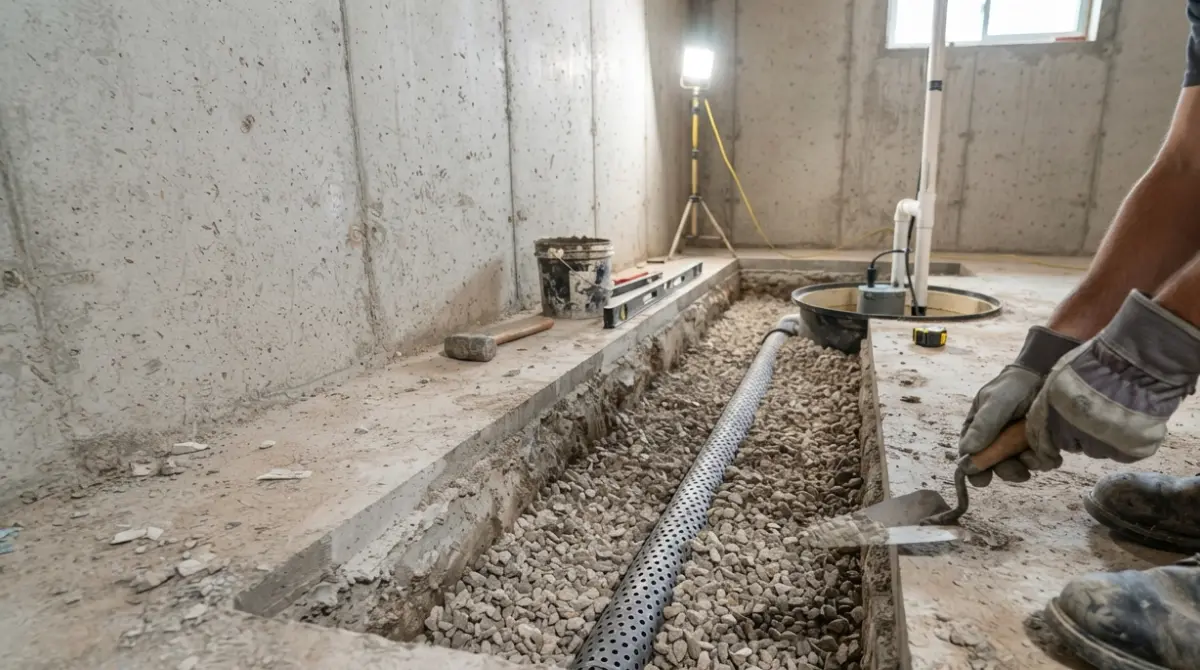
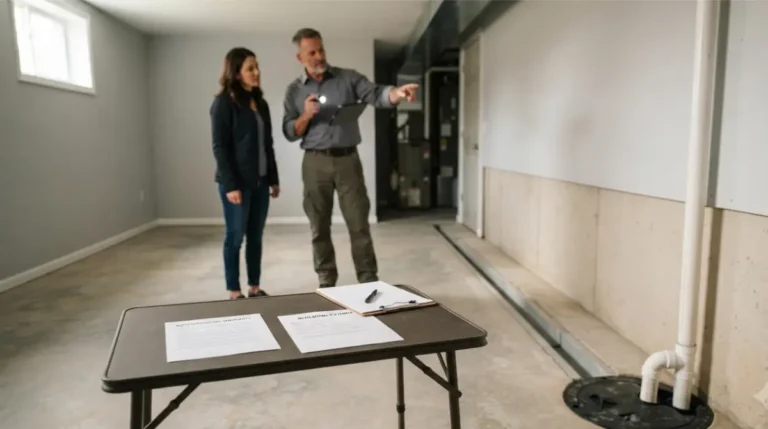
Perforated pipe below the slab edge carries water to a sump pit, and the pump sends it outside. Department of Energy guidance on basement drains and sump pumps explains that this setup keeps groundwater below the interior floor.
Exterior drainage and membranes
An exterior footing drain works the same way from outside, draining to daylight or a sump. Any exterior membrane needs that same excavation.
Which one fits your basement
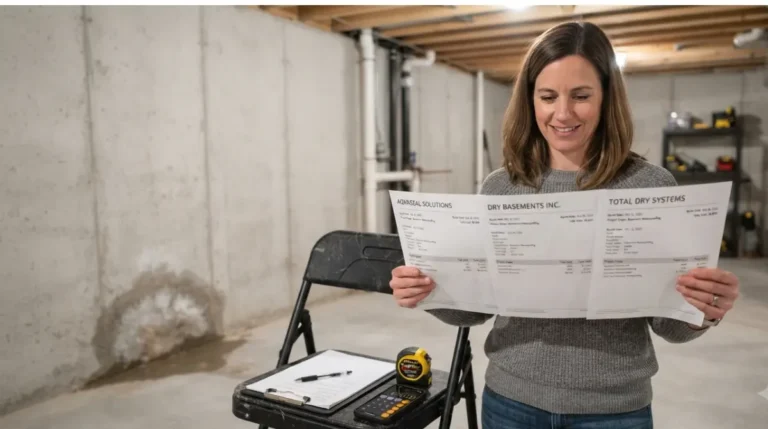
Interior systems suit most existing homes; exterior work fits when walls are already exposed. Before comparing bids, see how to read a waterproofing quote line by line.
✅ Do This: Ask a licensed waterproofing contractor to show the drain layout, pump sizing for your pit, the discharge route, and warranty terms in writing.
What won’t hold back groundwater on its own
Some popular fixes help with the right problem but won’t stop water under pressure.
Sealer paints and coatings
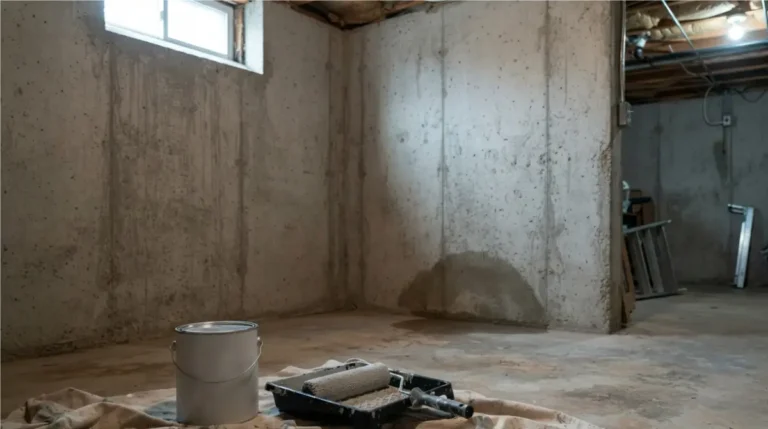
In independent building-science testing published by Green Building Advisor, a paint-like masonry coating still wept water when held against water pressure. Crystalline coatings resist pressure better but can’t bridge cracks that move, and no coating removes water from the soil. Our breakdown of whether waterproofing paint works covers where coatings do help.
Grading and gutters alone
These manage surface rain, which helps with runoff and false water tables, but they don’t change the groundwater level.
Dehumidifiers treat symptoms
A dehumidifier dries damp air after water gets in; it doesn’t stop entry.
Keeping the sump pump running when it matters most
When a sump pump is your main defense, a failure during a storm means a wet basement.
Backup power and alarms
FEMA’s flood-protection guidance recommends a battery-operated sump pump in case the power fails. NDSU Extension’s sump pump guidance also describes lightning tripping ground-fault outlets and shutting pumps off mid-storm. Compare options in our battery backup sump pump picks.
Seal the pit
An open pit adds humidity and can let radon in. The 2009–2015 editions of the International Residential Code require a gas-tight, removable lid, per this Building America guide to sump pump cover gaskets.
Where the water is allowed to go
On a septic system, NDSU Extension says never to pump sump water into the floor drain, since it can damage the system. Sewer discharge rules vary, so confirm yours with your local building department.
✅ Do This: Have a licensed electrician check the pump’s outlet and circuit against local code before storm season.
Signs you need a structural engineer, not just a pump
Water is a drainage problem until walls start moving; then it’s a structural one.
Structural warning signs
Walls bowing inward, cracks that keep widening, or new horizontal cracks in block walls call for an independent structural engineer before you sign a waterproofing contract. Our guide to structural vs. cosmetic wall cracks helps you sort which kind you have.
Test the air after the fix
An unsealed sump pit can let radon into the basement, so test for radon once major work is finished.
⚠️ Watch Out: A company selling wall bracing shouldn’t be the only one judging whether you need it. Hire an engineer who has no stake in the repair.
Frequently asked questions about high water table basements
1. Can you lower a high water table under your house?
No. A high water table is regional groundwater, so homeowners manage it by collecting water in drain tile and pumping it out.
2. Does a sump pump fix a high water table?
Paired with drain tile, a sump pump keeps high water table groundwater below your basement floor, but it doesn’t lower the water table.
3. Is interior or exterior drain tile better for a high water table?
For most existing homes, interior drain tile handles high water table seepage without excavating; exterior drains fit when walls are already exposed.
4. Will waterproof paint stop high water table seepage?
Not dependably. A paint-like coating still wept under water pressure in independent testing, and no coating removes high water table groundwater from soil.
5. Why does my basement leak long after rain stops?
A high water table typically rises in late winter and spring, so groundwater seepage can continue well after a single storm ends.
6. Do I need a battery backup sump pump with a high water table?
FEMA recommends a battery-operated sump pump for outages, and storms can trip ground-fault outlets, so high water table basements benefit from backup. Have a licensed electrician check the pump circuit.
7. Where can a sump pump drain in a high water table home?
Never into the floor drain on a septic system, per NDSU Extension; high water table homes on city sewers face local discharge rules. Confirm yours with your building department.
8. Can a high water table damage a foundation?
High water table pressure pushes on basement walls; bowing walls, widening cracks, or new horizontal cracks signal a structural problem. Call an independent structural engineer.
9. Should a sump pit have a lid in a high water table basement?
Yes. In a high water table basement, an open pit adds humidity and can admit radon; the 2009–2015 IRC editions require gas-tight lids.
10. Should I test for radon after high water table waterproofing?
Yes. Test once high water table drainage work is finished, because an unsealed sump pit can let radon into the basement. Keep the pit lid sealed.
Your next step with a high water table
A high water table can’t be moved, but it can be managed. Confirm the source with the matrix, collect true groundwater with drain tile and a sump, and protect that pump with backup power, a sealed lid, and a legal discharge route.