Which Battery Backup Sump Pump Lasts Through Your Outage

Battery backup sump pump ratings can mislead: one drops from 3,500 GPH to 2,200 GPH at a 10-ft lift. Compare backups by what they really pump.
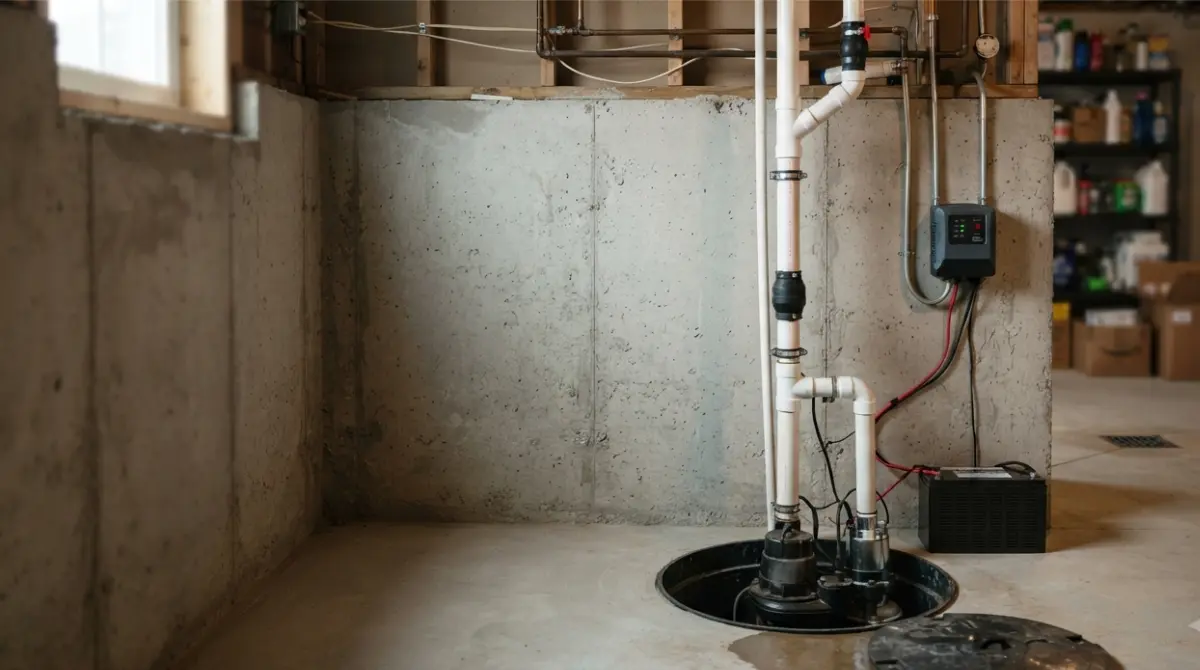
Table of Contents
Pick a backup pump by how often your sump runs
The best battery backup sump pump is the one still pumping when your outage ends. That depends more on how often your pit fills than on the pump’s peak flow.
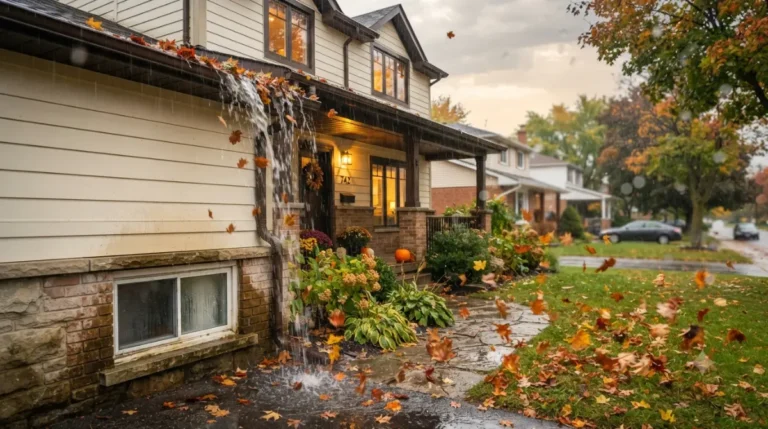
A backup also covers a burned-out primary pump, a stuck float, or a storm that brings in more water than one pump can move.
Jump to your situation:
- Working primary pump already in place? Start with runtime, then the picks.
- Replacing an old primary anyway? Read the combo comparison.
- On city water and tired of batteries? Go to water-powered backups.
- Waterproofing quote lists backup as “extra”? Check installed costs.
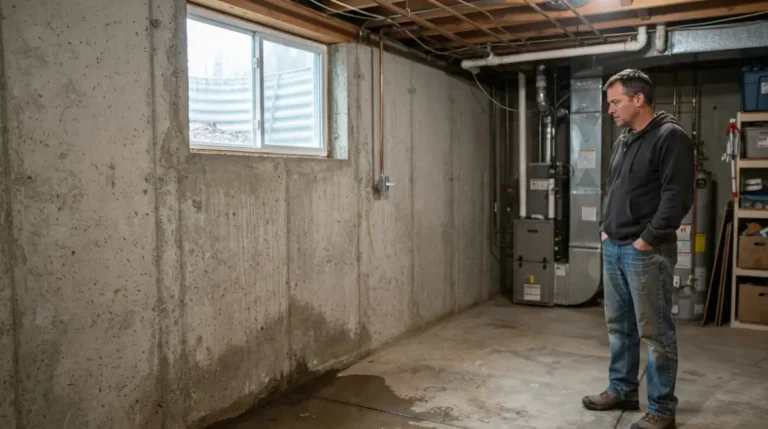
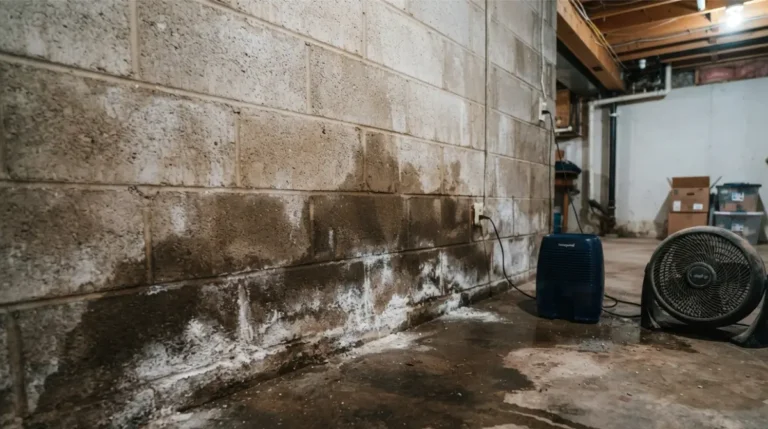
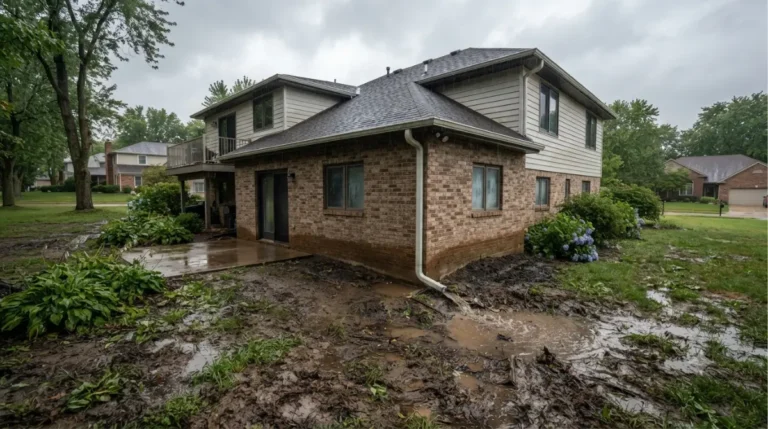
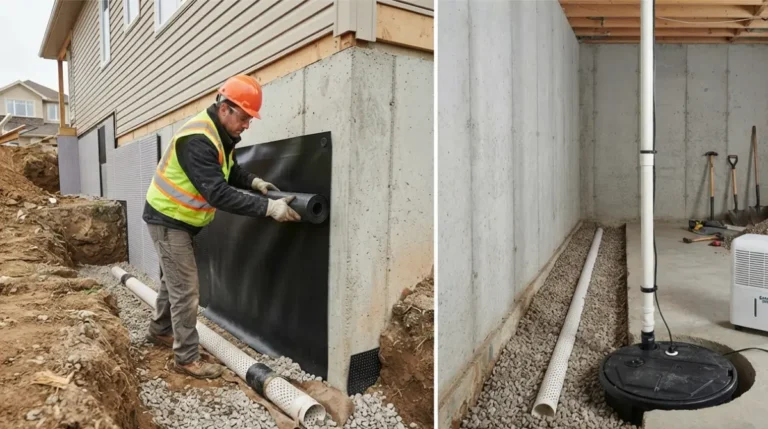
Not sure why the pit fills at all? Find out where the water is getting in before you size anything.
ℹ️ Safety Note: Backup sump pumps combine electricity, lead-acid batteries, and standing water, and water-powered units connect to your drinking-water line. This article helps you compare options; it isn’t installation instructions. Hire a licensed plumber for discharge and water-supply work and a licensed electrician for any new circuit, and follow your local code and permit rules.
How long does a battery backup sump pump actually run?
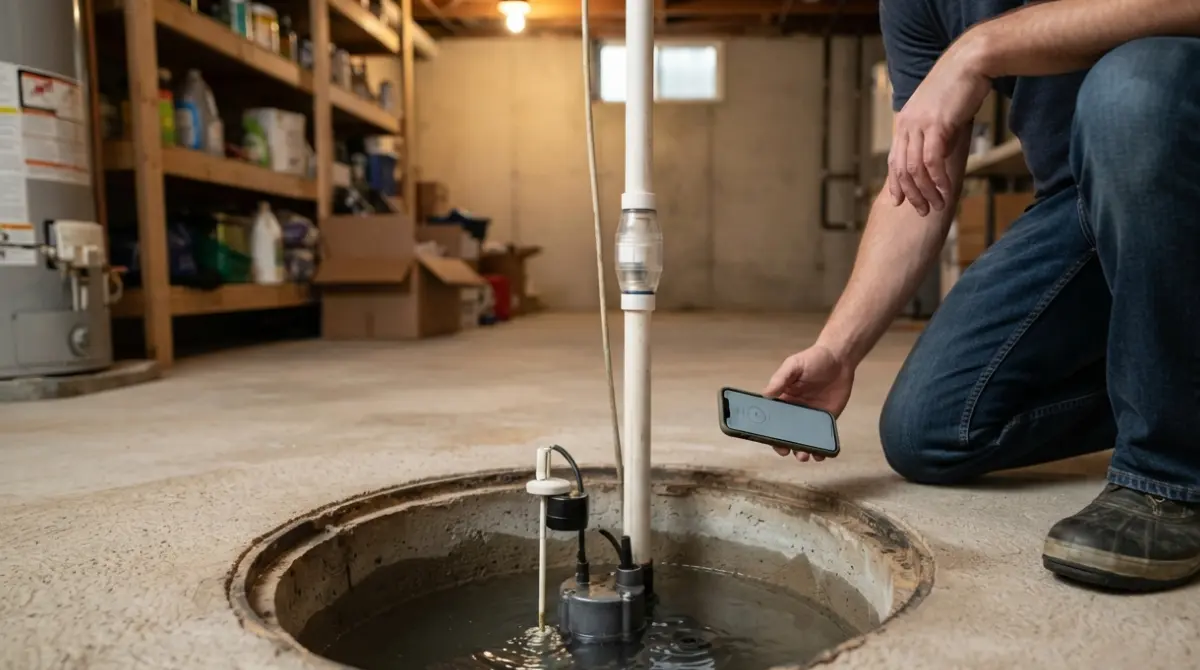
A backup runs as long as its battery lasts at your pump’s duty cycle, which is the share of each hour the pump is actually running. Manufacturers usually publish two numbers: hours of nonstop pumping, and a much longer figure for pumping on and off.
Why cycle rate matters more than battery size
Zoeller rates its Aquanot Fit 508 at 6 hours of continuous pumping on a full battery, or 48+ hours at a 10% duty cycle. It’s the same battery; the pump simply rests between cycles.
A rough ceiling for your own home is continuous hours ÷ duty cycle. Treat that as a best case. Zoeller’s own 10% figure (48+ hours) sits below the 60 hours that simple math gives.
Published runtime, side by side
| Pump | Flow at 10 ft | Continuous | Intermittent | Key Detail |
|---|---|---|---|---|
| Zoeller Aquanot Fit 508 | 35 GPM (≈2,100 GPH) | 6 hr | 48+ hr at 10% | Built-in Wi-Fi |
| Basement Watchdog Big Dog CONNECT | 2,200 GPH | Runs off wall power if primary fails | ||
| Wayne ESP25N | 1,500 GPH | Up to 10,000 gal per charge | Needs 75 Ah battery | |
| Basepump HB1000-PRO | Up to 1,400 GPH (at 90 PSI) | Unlimited on city pressure | — | No battery |
Source: manufacturer product pages and spec sheets, checked September 23, 2026.
🔍 Why It Works: Pumps lose flow as they lift water higher, so 0-ft ratings flatter them. The Big Dog drops from 3,500 GPH at 0 ft to 2,200 GPH at 10 ft. Compare 10-ft figures only.
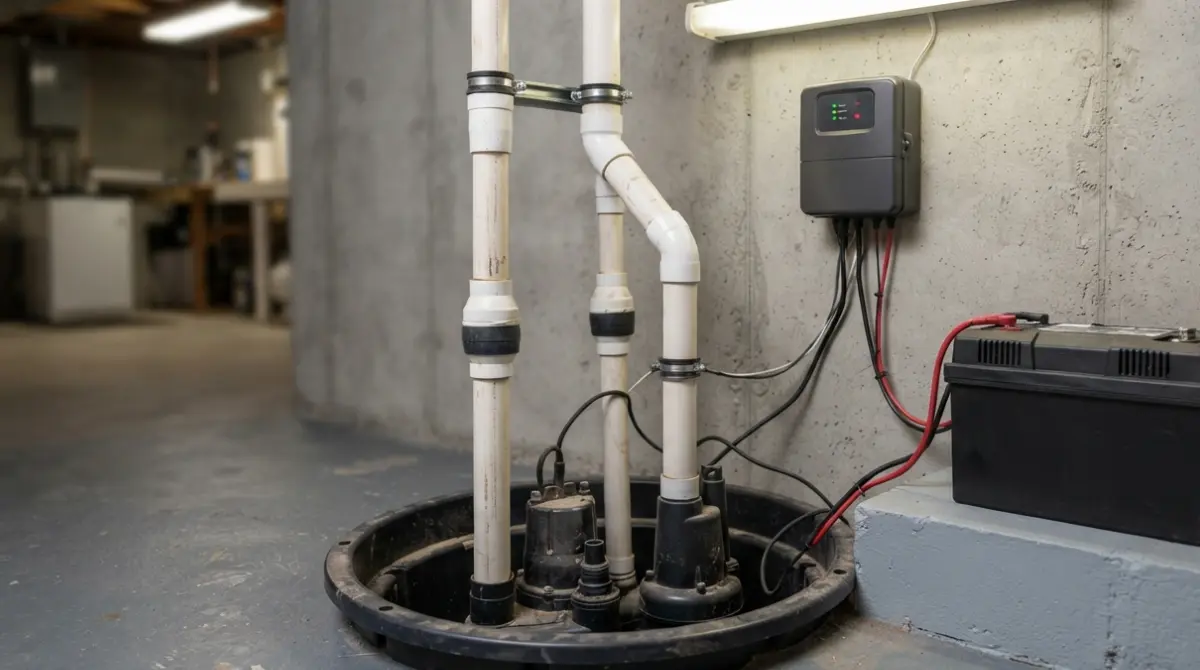
The battery backup sump pumps worth comparing
These picks come from published manufacturer specs and current availability, not our own testing. We checked each against the CPSC recall database on September 23, 2026 and found no recall. Recheck before you buy, because recall status can change.
Choosing the primary pump too? See our recall-checked primary sump pump picks.
Battery, combo, or water-powered backup: which fits
Each backup type trades runtime, maintenance, and installation work differently.
| Type | Runtime limit | Upkeep | Best For |
|---|---|---|---|
| Battery add-on | Battery capacity | Battery checks and replacement | A primary pump in good shape |
| Combo system | Battery capacity | Same, in one preassembled unit | Replacing an aging primary |
| Water-powered | Unlimited while city pressure holds | Backflow device testing where required | City water, long outages |
Water-powered backups: unlimited runtime, real requirements
The HB1000-PRO removes 2 gallons of sump water for every gallon of city water it uses, and it needs 40–90 PSI. The maker’s quick check is whether an outdoor spigot can fill a 5-gallon bucket in 30 seconds or less.
Codes vary by location. New Jersey’s plumbing subcode bars water-operated sump pumps from serving as the primary pump and requires backflow protection on the supply line. Some towns require a tested reduced-pressure (RPZ) assembly, which is more than the dual check valve some units ship with.
⚠️ Watch Out: A water-powered pump joins your drinking water to sump water. The wrong backflow device can let contaminated water be pulled into your supply if pressure drops. Hire a licensed plumber and ask your building department which device and permit your town requires.
When a combo system beats an add-on
If your primary pump is aging, a combo unit replaces it with a matched primary and battery pump in one preassembled system. That usually means simpler installation than retrofitting a separate backup.
Which battery your backup sump pump needs
The right battery is the type and size your pump’s manual names. A mismatch can shorten runtime or simply not fit the case.
AGM vs. wet cell
AGM batteries are sealed and maintenance-free. Wet-cell batteries need their fluid checked, and Basement Watchdog controllers sound an alarm when it runs low. The Big Dog works with both but is designed around its maker’s AGM battery.
How big, and when to replace it
Wayne specifies a 75 Ah battery for the ESP25N, and Zoeller’s battery case fits group 27, 29, and 31 sizes. More capacity means more hours, and systems like the Big Dog can take a second battery.
Replace the battery on your manual’s schedule, or sooner if the controller it.
⚠️ Watch Out: Lead-acid batteries contain acid. Keep yours in the supplied case and follow the manual’s charging and ventilation instructions. Have a licensed electrician add any new outlet near the pit.
What a backup sump pump costs, installed
Angi’s 2026 cost data puts professional battery backup installation at $600 to $1,200, averaging about $900.
Unit, battery, and labor
| Setup | Installed range | Key Detail |
|---|---|---|
| Battery backup added to existing pump | $600–$1,200 | Angi, 2026 |
| Water-powered backup | $300–$1,000 | HomeGuide, 2025 |
| Combo primary + backup | $800–$3,000 | HomeGuide, 2025 |
National estimates, not quotes. Discharge pipe and check valves can add cost.
Adding backup to a waterproofing quote
If a contractor is quoting a full interior drain, the backup often gets lumped in or left vague. Our breakdown of interior French drain costs and our line-by-line guide to reading waterproofing quotes show where backup pricing hides.
✅ Do This: Ask the plumber to write the backup model, battery model, and check-valve placement on the quote. Specifics are what make two quotes comparable.
Why backup sump pumps fail and how to check yours
Most backup failures are quiet: a dead battery, a stuck float, or an alarm nobody hears.
The alarms and what each means
Basement Watchdog controllers alarm for four conditions: low battery, low battery fluid, the backup pump has run, or AC power was lost. Treat each as a task, not noise. A “pump ran” alarm means your primary needs checking.
A simple monthly check
- Confirm the charger shows a full charge.
- Run the test your manual describes; Zoeller’s Fit controller self-tests.
- Clear debris so the float moves freely.
If water is already on the floor, follow the right order for handling water after heavy rain.
Battery backup sump pump questions
1. How long does a battery backup sump pump run?
It depends on duty cycle. Zoeller rates the Aquanot Fit 508 backup sump pump at 6 hours continuous or 48+ hours at 10%.
2. What size battery does a backup sump pump need?
Use the battery your manual names. Wayne specifies a 75 Ah battery for its ESP25N backup sump pump.
3. Is an AGM or wet-cell battery better for a sump pump backup?
AGM sump pump batteries are sealed and maintenance-free. Wet-cell batteries need regular fluid checks, and some controllers alarm when fluid is low.
4. Is a water-powered backup sump pump better than a battery backup?
A water-powered backup runs without limit on city pressure but needs 40+ PSI and backflow protection. Confirm local rules with your building department.
5. Does a water-powered sump pump need a backflow preventer?
Yes. Codes require backflow protection, and some towns require a tested RPZ assembly. Have a licensed plumber confirm your town’s requirement.
6. How much does a battery backup sump pump cost installed?
Angi’s 2026 data puts battery backup sump pump installation at $600 to $1,200, averaging about $900.
7. Should I get a combo sump pump system instead?
A combo sump pump system fits best when your primary is aging, since it replaces both pumps with one preassembled unit.
8. Why compare backup sump pump flow at 10 feet?
Flow drops as lift rises. The Big Dog backup sump pump falls from 3,500 GPH at 0 ft to 2,200 GPH at 10 ft.
9. How often should I check a backup sump pump?
Check your backup sump pump monthly: charger status, float movement, and the test your manual describes.
10. Were these backup sump pumps checked for recalls?
We found no CPSC recall for these four backup sump pump models on September 23, 2026. Recheck before buying.
Your next step
Time your primary pump during the next heavy rain. Then compare backups by 10-ft flow and published runtime at your duty cycle, not peak GPH. Check CPSC before you buy, test monthly, and bring in a licensed plumber for any water-powered install.