Does Homeowners Insurance Cover Basement Water? The Real Rule

Basement water insurance hinges on the source. FEMA’s flood policy even excludes finished floors and walls below grade, so check both policies.
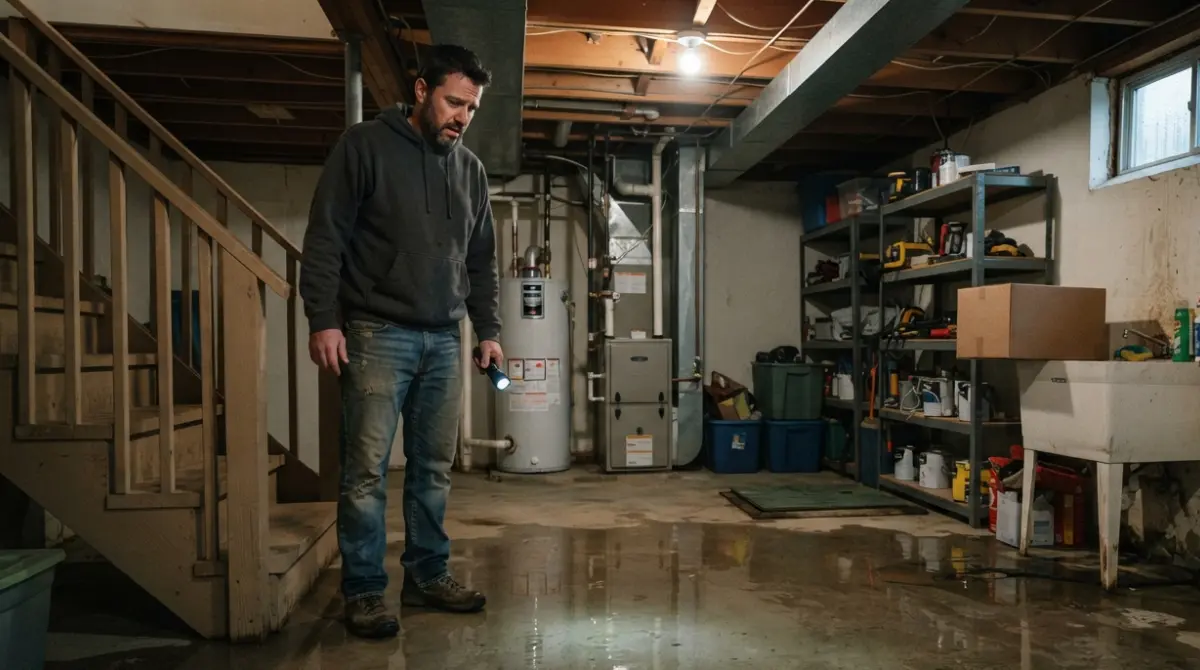
Table of Contents
Does homeowners insurance cover basement water?
Only when the water is sudden and comes from inside the home. A standard homeowners policy usually pays for basement damage from a burst pipe or a suddenly leaking appliance, up to your limits. Seepage through the foundation, surface flooding, and sump or sewer backups are typically excluded unless you carry extra coverage.
The short answer
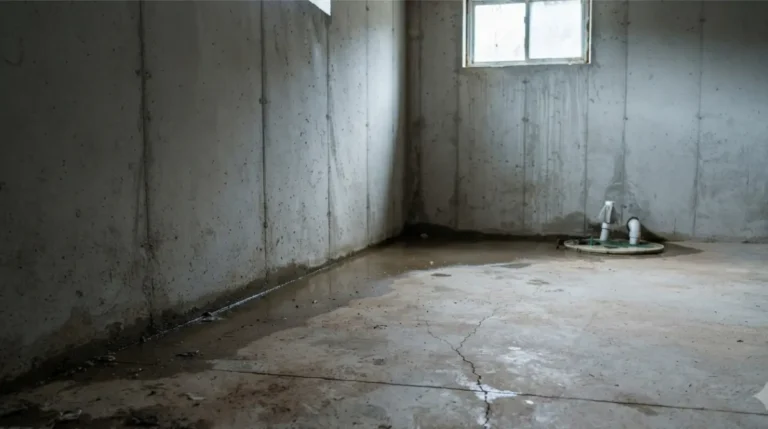
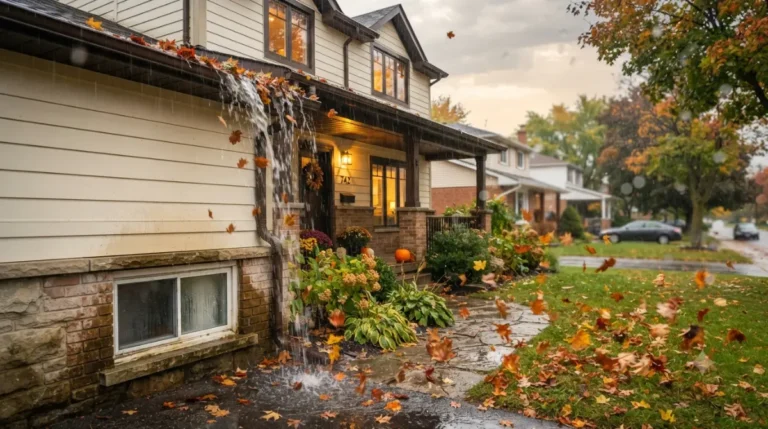
Most wet basements start outside, with rain, snowmelt, or groundwater. So the real question is where the water came from.
Which part of this guide fits your situation
- Water on the floor now: use the coverage matrix, then the steps before you call.
- Buying coverage: read the backup and flood insurance sections.
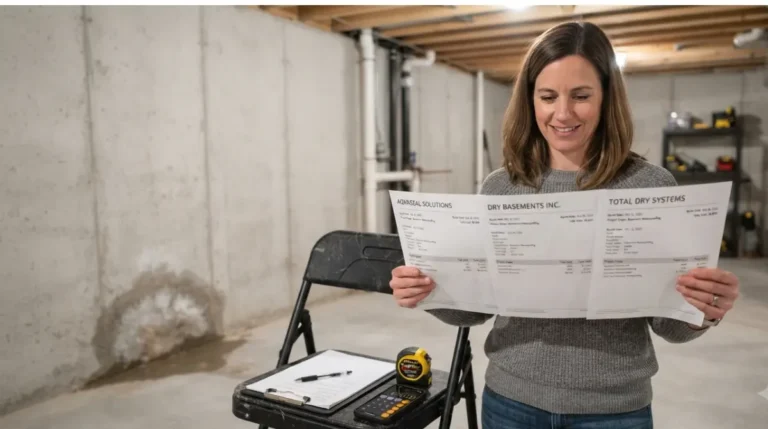
- Holding a waterproofing quote: see why insurance won’t pay for it.
ℹ️ Safety Note: This is general information, not insurance or legal advice. Your policy wording, insurer, and state decide coverage, so confirm details with a licensed insurance agent. If basement water may be touching outlets, cords, or appliances, stay out and have your utility or a licensed electrician cut power first.
Where the water came from decides the claim
Sudden and accidental vs. slow and gradual
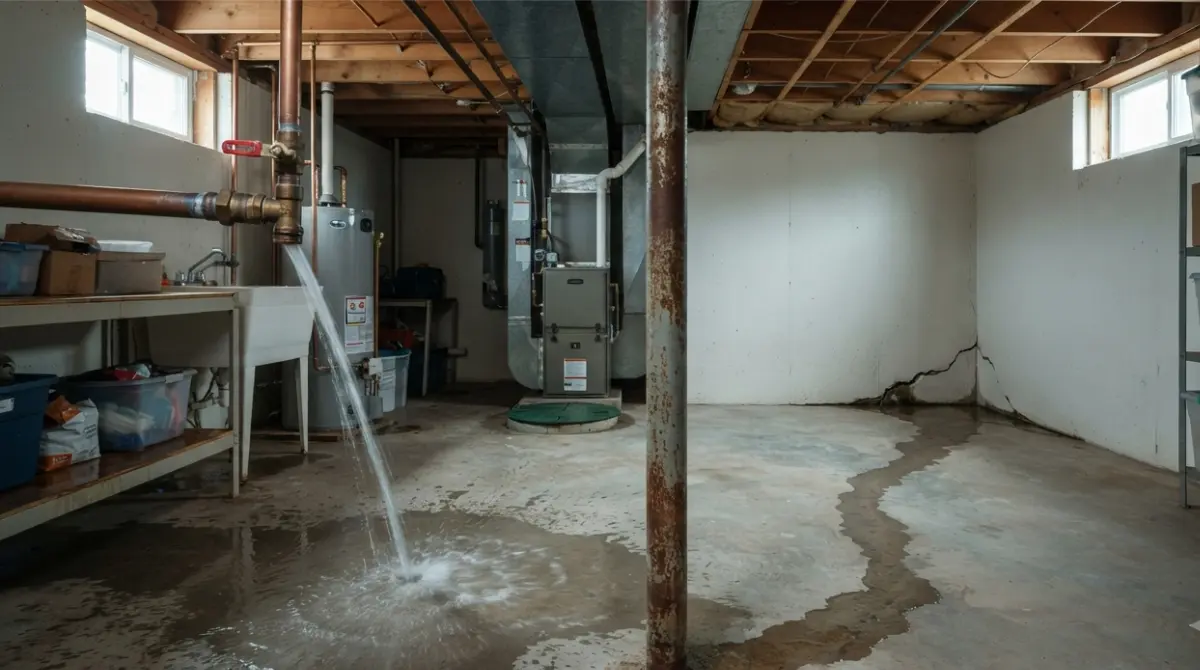
A pipe that bursts overnight is a sudden and accidental loss, the kind homeowners policies are built to cover. Damage from a slow leak or poor maintenance is generally excluded.
Inside the house vs. ground-up water
Water released by your plumbing or an appliance starts inside the home. FEMA’s flood program treats flood damage differently: it’s water entering from the ground up.
Why seepage through the foundation is excluded
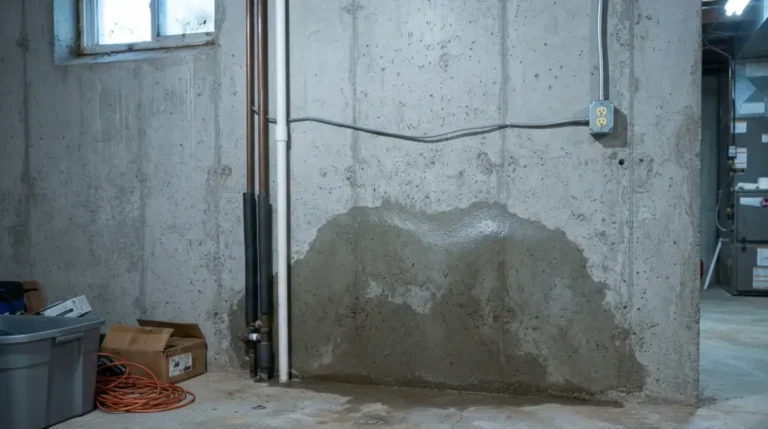
Groundwater seepage through foundation walls is typically excluded too. If you’re unsure of your source, start by figuring out why water is coming into your basement.
🔍 Why It Works: Policies are designed around sudden, unexpected events. Soil water pressing on a foundation is an ongoing condition, so it sits outside that design.
Wet basement causes: covered or not?
This matrix maps each common source of basement water to the coverage that usually responds. Your policy’s own wording always controls.
| Water source | Homeowners policy | Water backup add-on | NFIP flood policy |
|---|---|---|---|
| Burst or frozen pipe | Usually covered | Not needed | No |
| Sudden appliance leak or overflow | Often covered | Not needed | No |
| Slow leak or wear and tear | Not covered | No | No |
| Seepage through foundation walls | Not covered | No | Only during a qualifying flood |
| Surface flooding from outside | Not covered | No | Limited basement coverage |
| Sump pump overflow or failure | Not covered | Usually covered | Generally no |
| Sewer or drain backup | Not covered | Usually covered | Only if a flood directly caused it |
Sourced from FEMA’s NFIP guidance, the Insurance Information Institute, and insurer coverage guides.
Usually covered
Sudden water from inside the home, such as a burst pipe or a failed appliance.
Covered only with an add-on
Sump pump overflows and sewer or drain backups.
Usually not covered by any policy
Slow leaks and everyday seepage, which insurers treat as maintenance.
Sump pump failure and sewer backup: the add-on you may lack
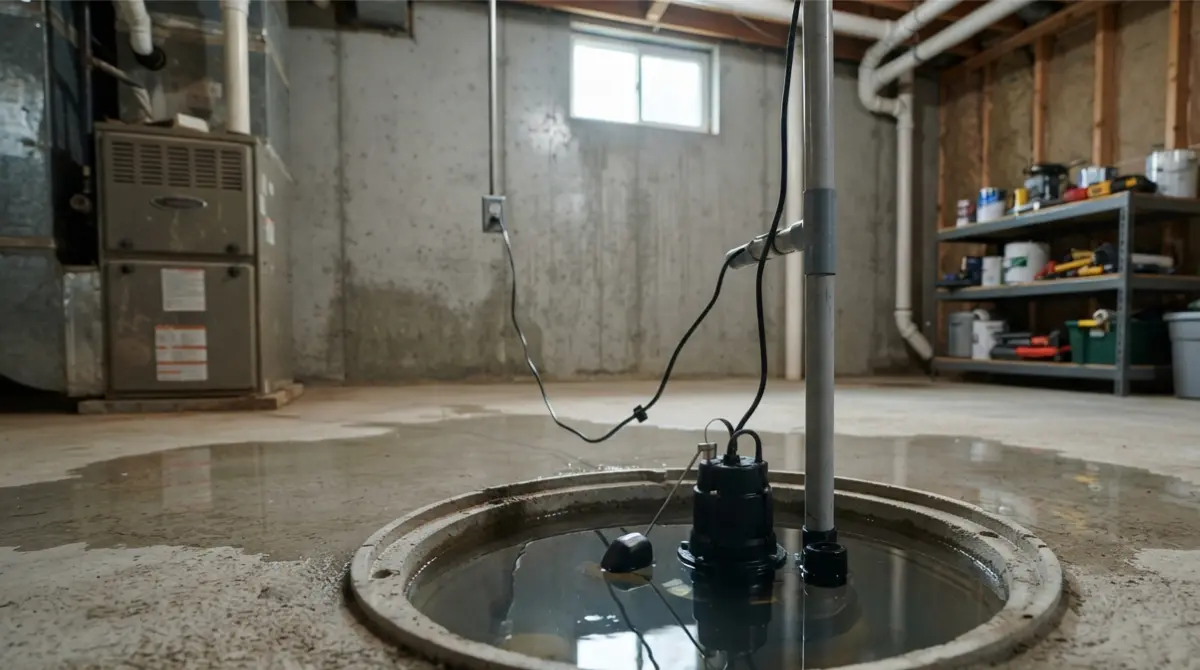
Backup is the gap that surprises most homeowners, because the water rises through their own drains.
What water backup coverage pays for
Standard policies usually exclude water that backs up from sewers or drains or overflows a sump pump. An optional water backup endorsement restores that coverage.
What it still excludes
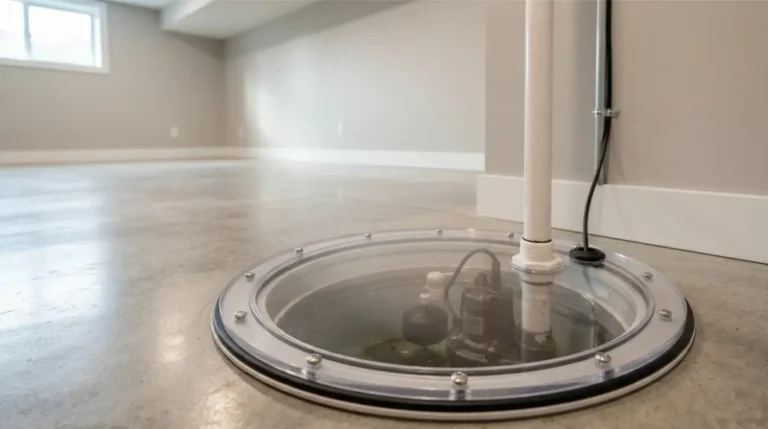
The add-on typically won’t pay for flood damage, damaged service lines, or a replacement pump. A battery backup sump pump keeps pumping through a power outage.
Questions to ask about the limit
The endorsement carries its own dollar limit. The Insurance Information Institute’s sewer backup guidance notes a separate deductible may apply depending on your state.
✅ Do This: Ask a licensed insurance agent whether you have water backup coverage, what its dollar limit is, and whether it includes sump pump overflow as well as sewer backup.
Does flood insurance cover a basement? Only partly
Flood insurance helps, but FEMA itself calls its basement coverage limited.
What NFIP counts as a basement
The NFIP treats any floor below ground level on all sides as a basement, including some split-level lower floors.
Items it pays for below grade
Building coverage includes installed equipment like furnaces and water heaters, central AC, sump pumps, outlets, and breaker boxes. Separately purchased contents coverage adds washers, dryers, and freezers that are connected to power.
What it won’t pay: finished spaces and mold
FEMA’s basement coverage fact sheet excludes finished flooring, finished walls, and belongings like couches and TVs. Standard NFIP policies also don’t cover mold damage; see when homeowners insurance covers mold remediation.
The 30-day wait
New NFIP policies typically take 30 days to start, perFEMA’s flood insurance overview, so buy before storm season.
Why insurance won’t pay for waterproofing
Waterproofing prevents future losses, and homeowners policies pay for sudden losses, not the work that heads them off.
Prevention is maintenance, not a claim
Sealing walls, adding drainage, or regrading treats an ongoing condition, so the bill is typically yours. Before approving a quote, check what each waterproofing line item actually costs.
How ignoring seepage can hurt a later claim
Insurers generally exclude damage from long-term leaks or neglected moisture, including rot and mold. Seepage you knew about and left alone can make a later loss harder to claim.
✅ Do This: Keep dated photos and receipts for any drainage or waterproofing work. They document that you dealt with the problem if an adjuster asks.
Water in your basement now? Steps before you call
You don’t need to know your coverage yet; these steps protect you either way.
Document before you clean
Photograph and video every wet area and item before moving anything. Then itemize your losses, save receipts, and keep samples of damaged carpet or flooring.
Measure and list what’s damaged
Record the affected floor area and each appliance’s make, model, and serial number. For drying priorities, see what to do in the first hour of water damage.
Don’t sign a contractor before the adjuster
FEMA advises talking with your agent or adjuster before signing a cleanup contract. FEMA’s flood claim steps cover the rest.
⚠️ Watch Out: If water may reach outlets, cords, or appliances, stay out. Never stand in water to reach the breaker box. Have your utility cut power, and have a licensed electrician confirm it’s safe.
Basement water insurance questions
1. Does homeowners insurance cover a sump pump failure?
Not usually. Homeowners insurance excludes sump pump overflow unless you add a water backup endorsement, which typically won’t replace the pump itself. Confirm with your agent.
2. Does homeowners insurance cover sewer backup in a basement?
Usually only with a water backup endorsement. Flood insurance may pay only when a qualifying flood directly caused the sewer backup. Confirm with your agent.
3. Does flood insurance cover a basement?
Partly. NFIP flood insurance covers listed basement equipment like furnaces and sump pumps, but not finished floors, finished walls, or most belongings. Confirm with your agent.
4. Is groundwater seepage covered by homeowners insurance?
Typically no. Homeowners insurance treats groundwater seeping through foundation walls as excluded outside water, not a sudden accidental loss. Confirm with your agent.
5. Is a burst pipe in the basement covered by insurance?
Usually yes. Homeowners insurance generally covers sudden burst-pipe damage up to your limits, but not a slow leak left unrepaired. Confirm with your agent.
6. Does homeowners insurance pay for basement waterproofing?
Typically no. Homeowners insurance pays for sudden losses, while basement waterproofing is preventive work the homeowner usually funds directly. Confirm with your agent.
7. Does flood insurance cover a finished basement?
Not the finishes. FEMA lists finished flooring and finished walls in a basement as excluded from NFIP flood insurance coverage. Confirm with your agent.
8. Is mold from a wet basement covered by insurance?
Often not. Homeowners insurance generally excludes mold from long-term moisture, and standard NFIP flood insurance policies don’t cover mold damage. Confirm with your agent.
9. How long does flood insurance take to start?
A new NFIP flood insurance policy typically has a 30-day waiting period, so buy it well before storm season. Confirm with your agent.
10. What should I do before filing a basement water damage claim?
Photograph everything before cleanup, itemize damaged items, save receipts, and talk with your agent or adjuster before signing a restoration contract.
Check your policy before the next storm
Coverage for a wet basement comes down to where the water started. Pull your declarations page this week and look for a water backup endorsement. If flooding is a real risk where you live, ask a licensed agent about NFIP coverage now, because the 30-day wait rules out a last-minute purchase.