The Right Radon-Tight Sump Pump Cover for Your Basin

Radon sump pump covers differ more than they look: pedestal pumps need a high-rise lid, and floor water needs a trapped drain. Find the one that fits.
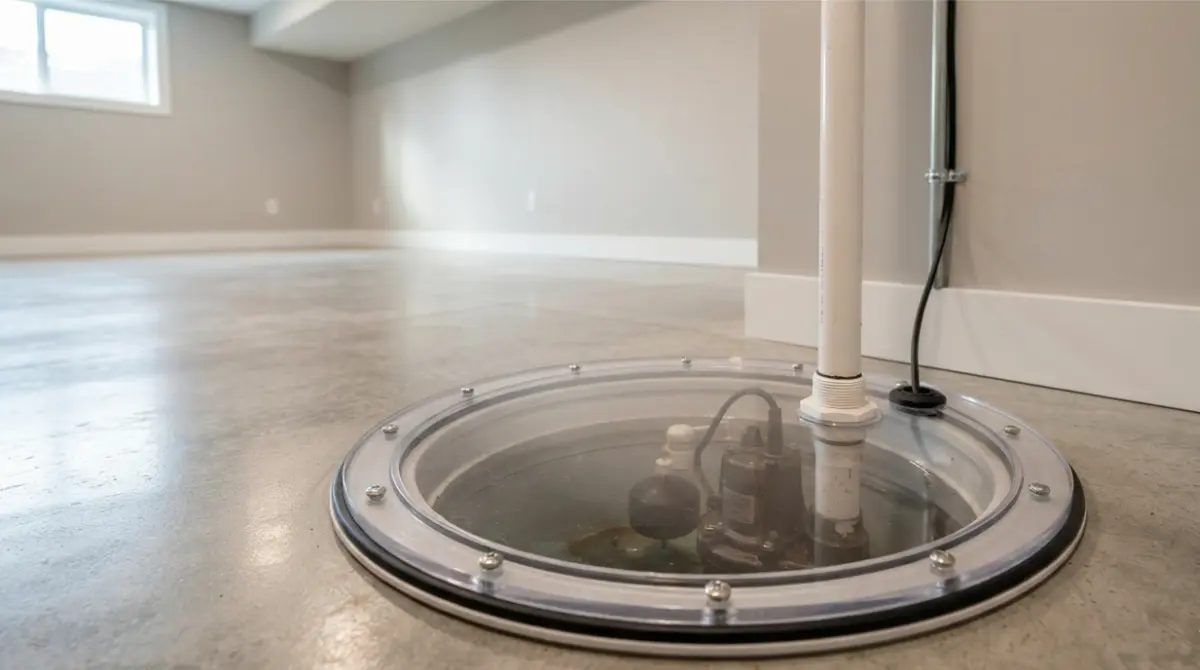
Table of Contents
Which sump pump cover actually seals out radon and odor?
An open or loose-lidded sump pit is a direct path from the soil under your slab into your basement air. The right airtight lid closes it, and which one you need depends on why you’re here.
If you have a radon test result
EPA says to fix your home at 4 pCi/L or higher and to consider fixing between 2 and 4. A sealed lid is one piece of that fix, not all of it, so read the next section before you buy.
If it’s only a smell or humidity
Measure your pit, then match a cover in the table below. If the lid is part of a bigger project, see what each line of a waterproofing quote actually covers.
ℹ️ Safety Note: Radon is a radioactive gas and the second leading cause of lung cancer in the United States. This guide covers choosing and sealing a sump cover only. If your test is 4 pCi/L or higher, hire a certified radon mitigation professional and follow your state’s requirements.
Why an open sump pit lets radon and odor in
Your house usually pulls soil gas in because it sits at lower air pressure than the ground around it.
The pit connects to soil gas under the slab
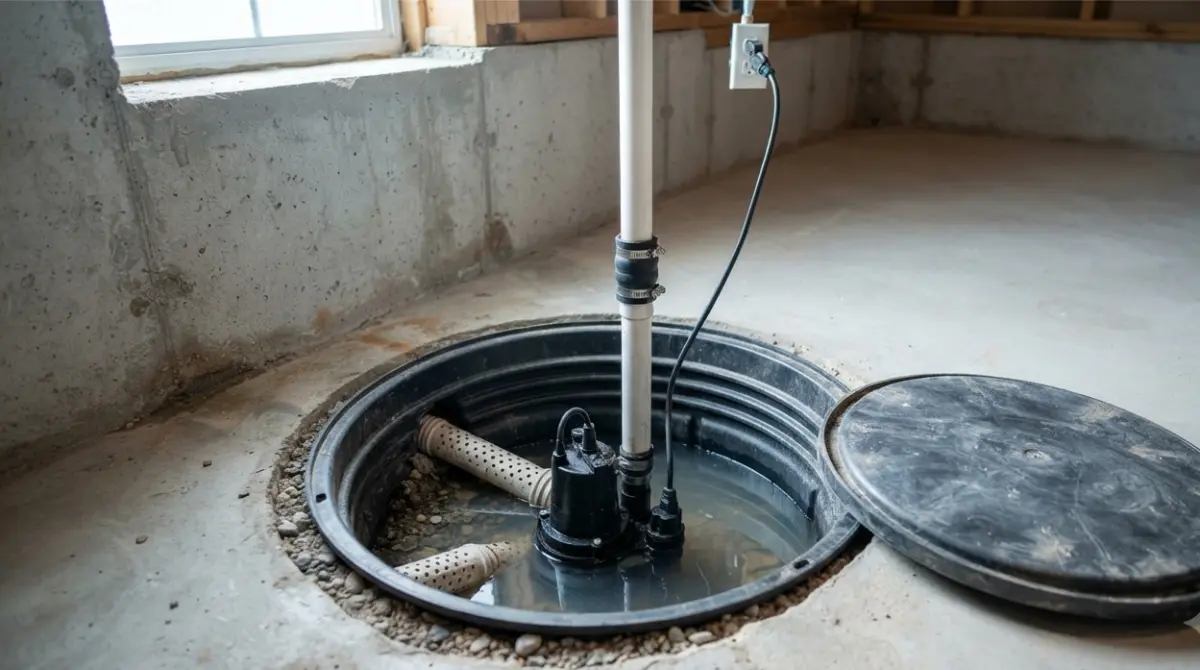
A sump pit often collects water from interior drain tile around the footing, so it opens onto a wide area beneath your floor. Standing water in an open pit also evaporates into the basement.
🔍 Why It Works: A gasketed lid breaks the open-air path from pit to basement. The same sealed pit can later become a radon suction point.
What EPA says sealing can and can’t do
EPA doesn’t recommend sealing alone as a radon fix; on its own, it hasn’t lowered levels significantly or consistently. The EPA Consumer’s Guide to Radon Reduction describes sump-hole suction instead: the sump is capped so it still drains while a radon pipe draws from it.
Is a sealed cover required by code?
Only where your jurisdiction adopts it. The IRC’s Appendix F radon provisions call for gasketed sump lids in new homes, but they aren’t mandatory unless adopted locally. Your building department can tell you.
How to measure your pit and pick the right cover type
DOE Building America guidance lists four features of a radon-tight sump cover:
- A rigid lid with a built-in gasket
- Sealed grommets for every cord and pipe
- Screws or bolts that keep the gasket compressed
- Ideally, a clear panel for checking the pump
Measure the basin’s outside diameter
Covers are sold by outside diameter; RadonAway’s clear lids come in 16, 18, 20, or 24 inches. Measure across your basin’s top and check the maker’s fit chart before ordering.
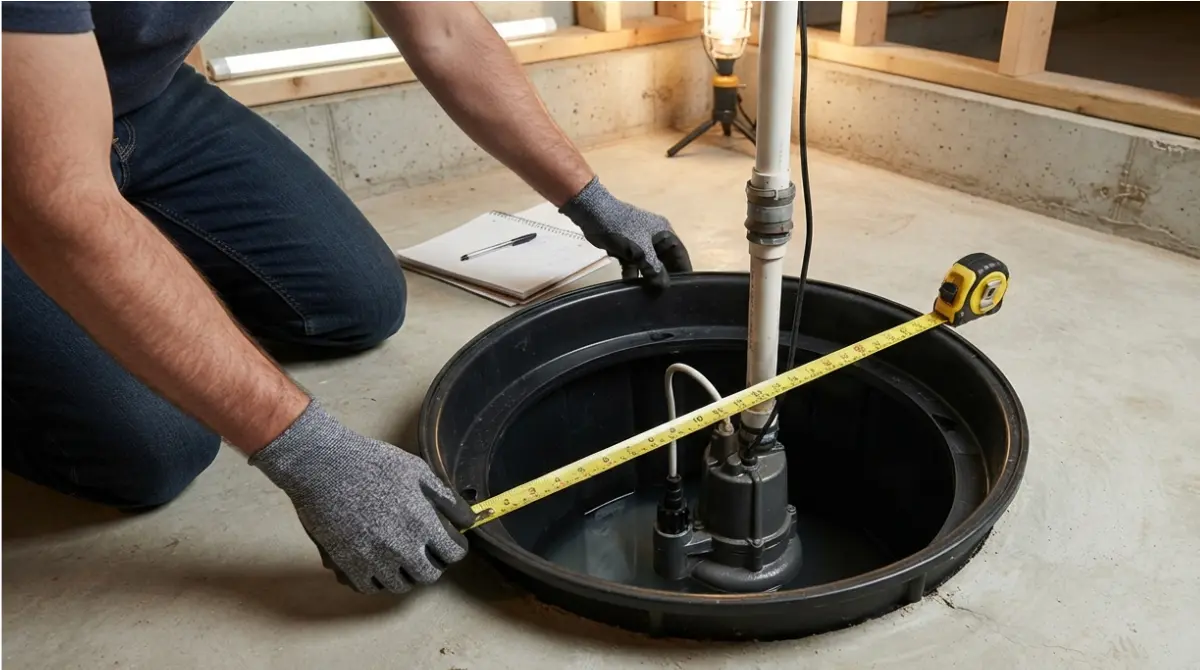
Flat lid vs. high-rise (pedestal pumps)
A pedestal pump stands up above the pit, so it needs a high-rise cover, not a flat lid. Replacing the pump anyway? Start with our recall-checked sump pump picks.
Floor water? You need a trapped drain
A sealed lid blocks water that used to run into the pit from the floor. That’s why the IRC radon appendix calls for a trapped inlet on sumps used as floor drains.
Clear or solid
Both seal if gasketed. Clear lets you check the pump without breaking the seal.
Best sump pump covers for radon and odor, by pit type
Every spec below comes from the manufacturer’s product page, checked September 23, 2026. We have not hands-on tested these covers, so they’re ranked by fit, not measured performance. We found no CPSC recall for sump pit lids as of our last review.
| Cover | Size | Key Detail | Best For |
|---|---|---|---|
| RadonAway Clear Sump Cover | 16″, 18″, 20″, 24″ OD | 1/4″ polycarbonate; rated 200 lb; plugged 5″ access port; 2″ threaded port | Radon systems; seeing the pump |
| RadonAway Clear Cover with HI-PERDRAIN ST | 20″ OD | Built-in drain rated 2.5 GPM at 4″ of vacuum | Water reaching the pit from the floor |
| RadonAway High Rise Sump Basin Cover | 22″ OD × 21″ tall | Removable door; screws and sealant included | Pedestal pumps |
| ShopRadon Original Radon/Sump Cover | 28″ base plate | Base seals to floor; gasketed upper cover bolts on; 5-port cord seal; 3″ threaded flange | Damaged, uneven, or oversized rims |
Source: manufacturer product pages. Not hands-on tested.
⚠️ Watch Out: At least one ranking roundup lists the RadonAway SF180 as a sump cover. RadonAway sells the SF180 as a radon fan, so confirm that what you buy is a gasketed lid.
Sealing the lid so it stays airtight
An airtight lid only stays airtight if every seam and hole is sealed too.
Gasket, fasteners, and grommets
Following DOE Building America’s sump cover gasket guidance, fasten the lid with the screws or bolts it’s designed for so the gasket stays compressed. Run each cord and pipe through its own sealed grommet, and plug any hole you don’t use.
Sealing the liner to the slab
Building America guidance also calls for caulking where the basin liner meets the concrete, since a gap there bypasses the lid. Use the sealant the lid’s maker specifies.
Keep the pump serviceable
Never seal the lid permanently shut, and keep everything clear of the float switch.
✅ Do This: If the pump cord won’t reach or fit a grommet, hire a licensed electrician rather than cutting or splicing it.
Still smelling or testing high after sealing? Check this
A lid changes one entry point, so only a follow-up test shows what it did.
Retest the right way
EPA’s post-mitigation guidance works here too. Run a 2- to 7-day test, starting no sooner than 24 hours and within 30 days, with windows and doors closed. After that, retest at least every two years.
When the smell isn’t the pit
If a sealed, gasketed lid doesn’t stop the odor, look for another source, such as a floor drain or general dampness. Keeping humidity down helps; see how a dehumidifier prevents basement mold. For a sewage smell, call a licensed plumber.
When it’s time for sump-hole suction
Still at 4 pCi/L or higher? Find a certified mitigator through EPA’s radon zone map and state contacts, and ask whether they follow ASTM E2121.
📊 Spec: EPA lists typical radon reductions of 50 to 99 percent for sump-hole suction. It works best when air moves easily from under the slab to the sump.
When a sump cover becomes a job for a pro
Some sump covers are part of a system you shouldn’t touch.
The pit is already part of a radon system
If a pipe rises from your lid up through the house, the pit is a suction point. Don’t open, cut, or reseal that lid yourself. Never switch off the radon fan; EPA says it must run continuously.
✅ Do This: Check the system’s warning gauge, often a manometer, regularly. Call your mitigator if it shows a problem or the pump needs service.
Kids, loads, and lid security
A fastened lid also keeps small children and objects out of the water in the pit. Check the lid’s load rating before anyone steps on it; RadonAway rates its clear lids at 200 pounds.
Frequently asked questions
1. Does a sump pump cover reduce radon?
A sealed sump pump cover closes one radon entry path, but EPA doesn’t recommend sealing alone as a fix. Retest, and hire a certified mitigator at 4 pCi/L or higher.
2. Do sump covers need to be airtight for radon?
Yes. An airtight sump cover needs a gasketed lid, sealed grommets for every cord and pipe, and fasteners that keep it tight.
3. What size sump cover do I need?
Sump covers are sold by outside diameter, such as RadonAway’s 16- to 24-inch range. Measure your basin top and check the fit chart.
4. Can a radon fan pull from the sump pit?
Yes. EPA calls it sump-hole suction: the capped sump keeps draining while a radon pipe draws soil gas from it. Have a certified mitigator install it.
5. How do I cover a pedestal sump pump?
A pedestal sump pump needs a high-rise cover built around it, such as RadonAway’s model that is 22 inches wide and 21 inches tall.
6. Why does my sump pit smell?
An open sump pit lets soil gas and evaporating water into the basement. If a sealed cover doesn’t help, look for another source. For a sewage smell, call a licensed plumber.
7. Is a sealed sump cover required by code?
A sealed sump cover is required only where your jurisdiction adopts the IRC’s radon appendix, which calls for gasketed lids. Ask your local building department.
8. Can floor water still drain into a sealed sump pit?
Yes, through a trapped drain in the lid. The IRC radon appendix calls for trapped inlets on sumps used as floor drains.
9. Clear or solid sump cover: which is better?
Both seal if gasketed. A clear sump cover lets you check the pump without breaking the seal.
10. How long after sealing a sump pit should I retest radon?
Test for 2 to 7 days, starting no sooner than 24 hours and within 30 days after sealing. Then retest every two years.
Measure, match, seal, retest
Measure your basin, match the cover to your pump and any floor water, seal every penetration, then retest. A good lid helps with odor and humidity, but only a retest shows its radon effect. At 4 pCi/L or higher, call a certified mitigator.