Telling Vole vs Mole Damage Apart Without Blaming the Wrong Pest

Mole, vole or gopher damage? Check the plug: near the center for moles, off to one side for gophers, and none at all in voles’ open holes.
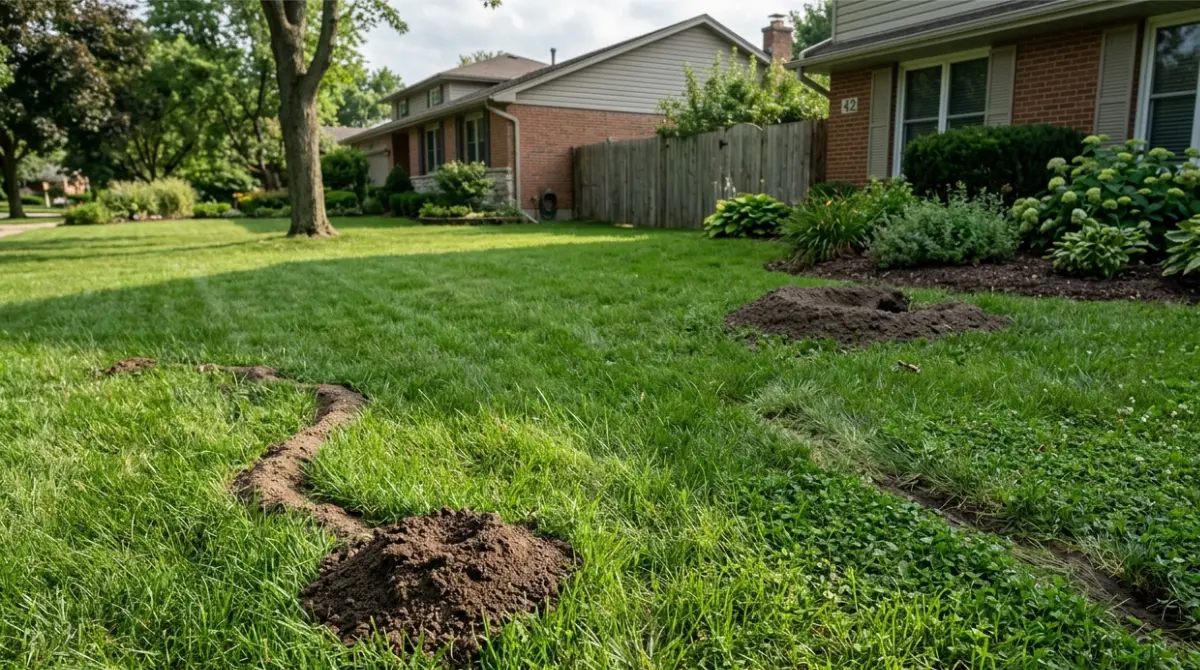
Table of Contents
Vole vs mole damage comes down to what’s on the surface: moles push up raised ridges and round, volcano-shaped mounds, while voles usually leave narrow runways and open holes with no dirt piles. Pocket gophers leave crescent-shaped mounds with a plugged hole off to one side.
Voles and pocket gophers are rodents; moles aren’t.
A torn-up lawn is maddening; the sign names the culprit:
Raised lines that give underfoot? Start with moles.
Trails or chewed bark, no dirt piles? Go to voles.
Crescent mounds with a side plug? Jump to gophers.
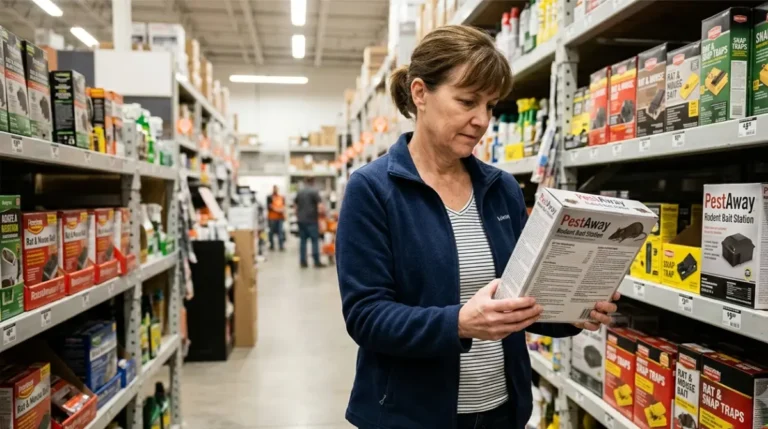
Buying a trap or bait? Read the rules first.
ℹ️ Safety Note: This guide identifies damage; trapping, baiting and fumigating are regulated, rules vary by state, and toxic baits can harm pets, children and wildlife. The label is the law, and fumigants like aluminum phosphide are restricted-use, needing a state license. Check your state wildlife agency and pesticide regulator before buying, and hire a licensed pest control operator for restricted-use products; this isn’t legal advice.
Vole vs mole damage, plus gophers: the side-by-side
Match your yard to one column.
The decoder: mounds, holes, surface signs, plant damage
| Sign | Mole | Vole | Pocket gopher |
|---|---|---|---|
| Mound shape | Round, often in a line | Usually none | Crescent or horseshoe |
| Hole or plug | Center plug, often indistinct | Open ~1-inch holes, no soil | Plug off to one side |
| Surface sign | Ridges you can feel | 1½-inch runways, clipped grass | No ridges; snowmelt soil cores |
| Plant damage | Roots dislodged; rarely eaten | Bark gnawed low; roots, bulbs | Roots eaten; plants pulled under |
| Watch for | Voles using its tunnels | Woodland voles push small piles | Feed holes ringed by clipped plants |
Sourced from UC IPM, Penn State Extension, Virginia Cooperative Extension and WDFW. No hands-on testing was performed for this table.
Why mole and gopher mounds look different
🔍 Why It Works: Moles push soil straight up, so it spreads evenly; gophers surface at about 45 degrees, so it fans sideways, per the Internet Center for Wildlife Damage Management (ICWDM).
Signs it’s moles: ridges and volcano-shaped mounds
Moles are insect-eating mammals, not rodents, and their damage is mostly digging.
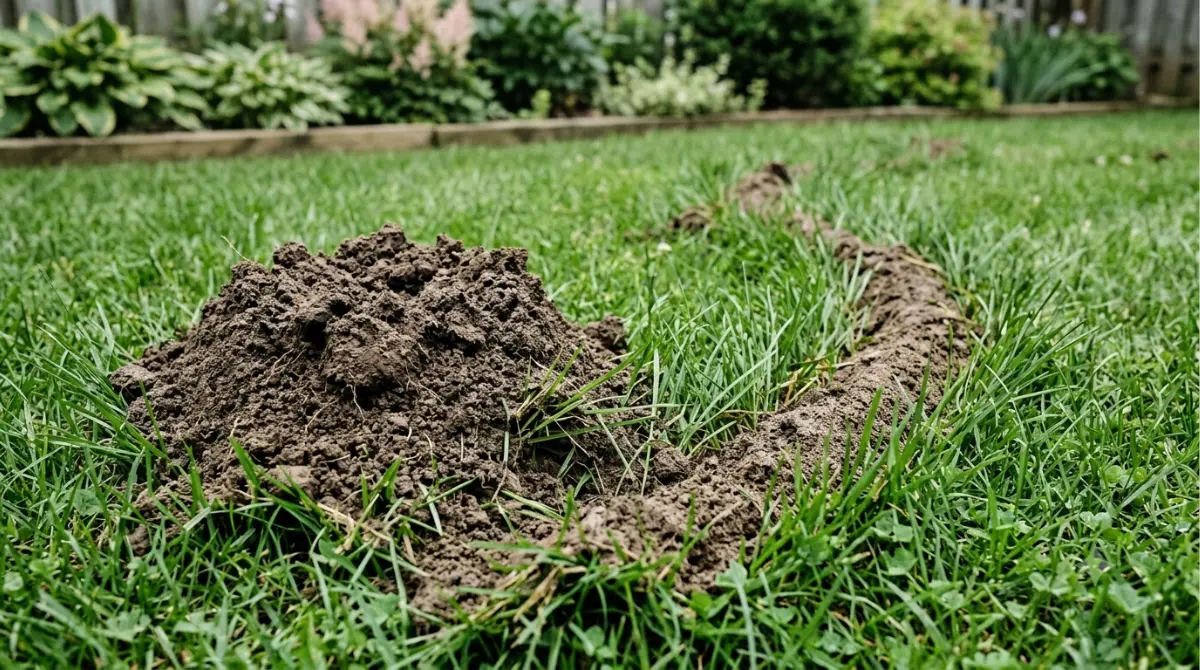
Ridges and round, volcano-shaped mounds
Feeding tunnels show as raised ridges about 3 inches wide that give underfoot, per WDFW. Molehills are round, volcano-shaped mounds of chunky soil, often in a line; fresh ones tend to follow rain or watering.
Wilting plants, but no chew marks
Their tunneling heaves plants loose and dries out roots. UC IPM’s Pest Notes on moles say they may occasionally eat roots or bulbs, but chewing damage almost always means a rodent.
⚠️ Watch Out: Grub killer rarely ends a mole problem: grubs are only part of the diet, and moles often live in grub-free yards, per WDFW.
Signs it’s voles: runways, open holes, gnawed bark

- 【High quality 】: Hardware cloth generally uses cold plating and hot plating process of galvanizing process, cold plating…
- 【 Hardware Cloth Wide range of applications】:Chicken Wire Fence Roll Hardware mesh is suitable for chicken pen/coop fenc…
- 【Packaging upgrade】:Because the hardware material will be relatively heavy, usually in transit will be easy to appear in…
Vole damage shows up as:

- Durable Tree Trunk Protector: Our tree protectors are made of metal, not easily damaged, more durable and long-lasting t…
- Expandable Tree Protectors From Deer: Fits all sizes of trees. Our tree trunk protector is 48 inches tall and 14.2 inche…
- Breathe Freely: Compared with other tree wraps, our tree guards trunk protector adopts a breathable hole design to allow…
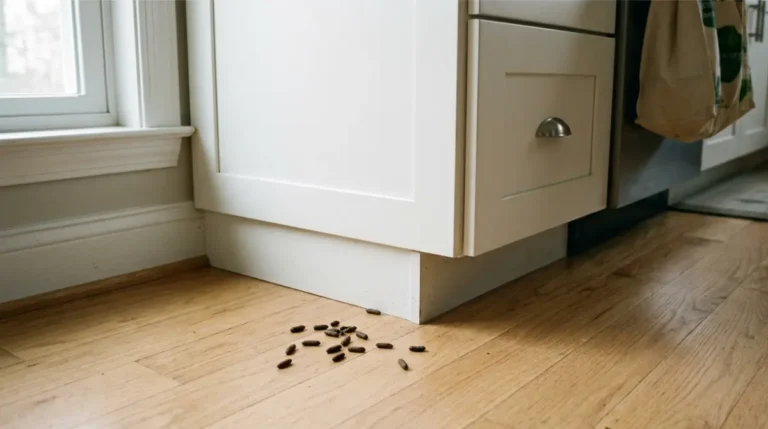
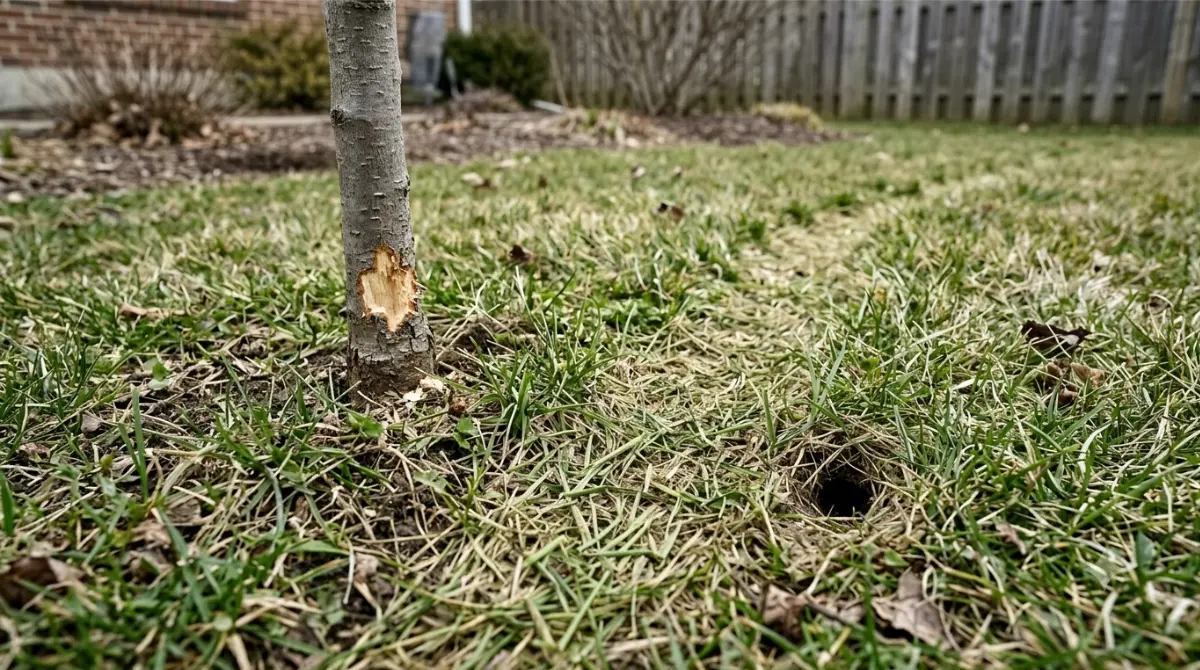
- 1½-inch runways with clipped grass and rice-shaped droppings
- Open holes about 1 inch across at runway ends
- Irregular gnaw marks low on trunks
- Small conical soil piles from woodland voles
Runways revealed by melting snow
Post-thaw trails look alarming, but Penn State Extension’s vole guide says the lawn usually recovers quickly. The melt just exposes runways voles used under snow.
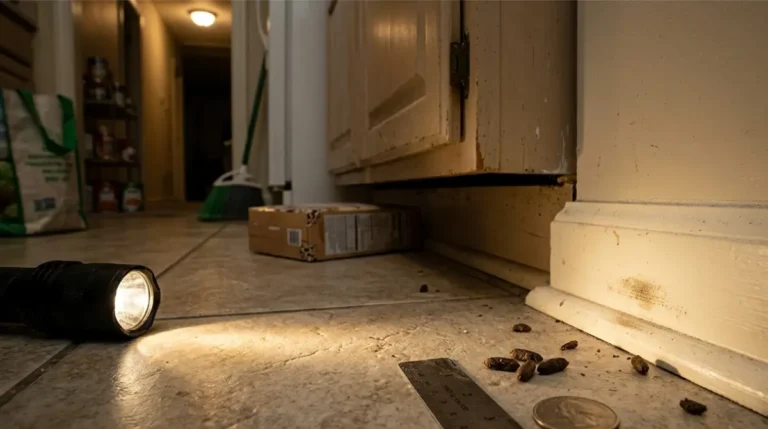
Droppings indoors? See how to identify rodent droppings by size.
Gnaw marks low on the trunk
Vole gnaw marks run about ⅛ inch wide, and damage is usually worst in winter.
📊 Spec: Trunk guards: ¼-inch hardware cloth cylinders about 24 inches tall, buried at least 6 inches, with room to grow; voles can still dig under. Sources: UC IPM; Penn State Extension.
The vole that does leave dirt piles
Woodland (pine) voles tunnel below ground and push up small soil piles, so piles alone don’t prove moles.
Signs it’s pocket gophers: crescent mounds, vanishing plants
A pocket gopher mound is crescent- or horseshoe-shaped from above, with a plugged hole off to one side. New England or mid-Atlantic? You can skip ahead.
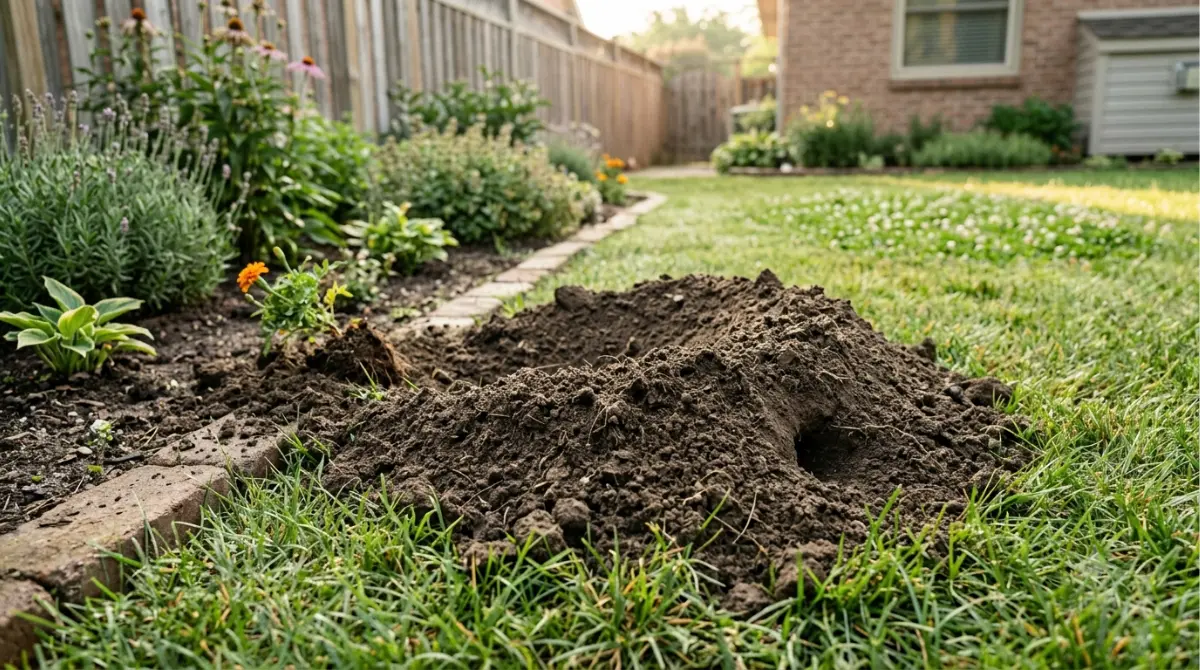
Crescent mounds with a side plug
One gopher can push up several mounds a day, per UC IPM’s pocket gopher Pest Note.
Plants that vanish from below
Gophers eat roots, pull whole plants underground and gnaw drip lines. UC IPM says vibrating stakes and ultrasonic spikes haven’t worked in research trials — the same verdict on ultrasonic plug-ins indoors.
Rule gophers in or out by region
Based on ICWDM’s range maps:
- Likely: the West and the central plains.
- Possible: Florida, southern Georgia and southeastern Alabama, where “gopher” often means a tortoise, protected in Florida, burrow included.
- Not mapped: New England and the mid-Atlantic.
Still not sure? Confirm activity and rule out look-alikes
Old damage can look fresh, so check first.
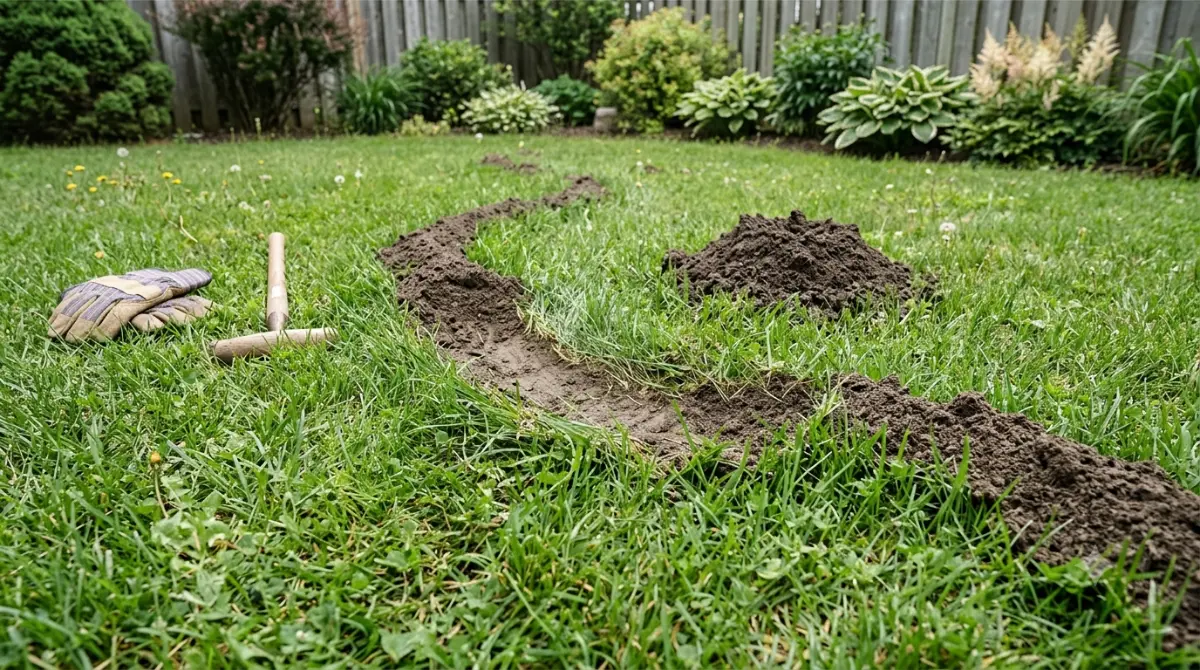
The tamp-and-watch check
Tamp down short sections of ridge and mound, then check daily:
- Moles: tamped ridges or mounds rise again.
- Gophers: new crescent mounds appear; allow a few days, since gophers may not mound daily.
- Voles: fresh clippings or droppings show in runways; roots or mold mean they’ve left.
Checklist built from UC IPM and Penn State Extension guidance.
Look-alikes that fool people
- Ground squirrel burrows: open, unplugged, no mound.
- Gopher feed holes: no mound, ringed by clipped plants.
- Rabbit gnawing: larger, uniform marks and clean, angled branch cuts.
Before you trap or bait: the rules most people overlook
Identify first; then check the law.

- Product Quantity and Size: you will receive 6 black humane rat traps in 2 sizes, 3 in each size, sufficient quantity to …
- Easy to Use: this Squirrel trap is easy to install, easy to use, and has high sensitivity; Once the animal steps on the …
- Weatherproof and Rustproof: this rat traps outdoor is made of metal materials and excellent paint anti-rust technology, …
Trap rules change at the state line
Washington’s wildlife agency says traditional body-gripping mole traps are illegal there, with no exceptions or permits. Some local pocket gophers are protected, so confirm it’s a mole.
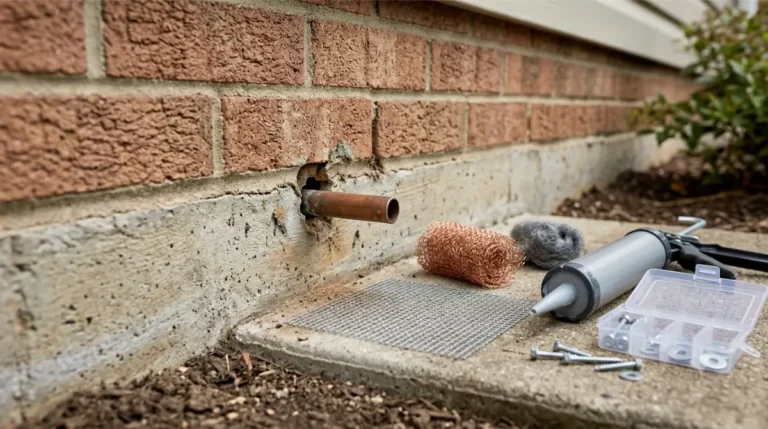
California lets owners or tenants control moles and pocket gophers by legal means. Our rodent-proofing guide covers the rules most people overlook.
Baits and fumigants: label law and licensed-only products
Toxic baits can poison pets, children and wildlife; mole gel baits contain bromethalin. The label is the law; restricted-use fumigants like aluminum phosphide need a state license.
✅ Do This: Before buying a trap, ask your state wildlife agency whether it’s legal. For fumigants or restricted-use baits, hire a licensed pest control operator and ask what they’ll place and whether it’s permitted at your address. Not legal advice.
Vole vs mole damage questions people actually ask
Short answers, each backed above.
1. Are moles rodents?
No. Moles are insect-eating mammals, not rodents, so mole damage is mostly tunneling, not chewing.
2. Do moles eat plant roots and bulbs?
Moles occasionally eat roots or bulbs, but UC IPM says chewed roots almost always mean a rodent.
3. Do voles leave dirt mounds?
Meadow voles don’t leave dirt mounds, just runways and holes; woodland (pine) voles push up small conical piles.
4. What does a gopher mound look like?
A gopher mound is crescent- or horseshoe-shaped from above, with a plugged hole off to one side.
5. Do voles use mole tunnels?
Yes, often. Voles move into mole tunnels, which is one reason moles get blamed for vole damage.
6. Will grub control get rid of moles?
Grub control doesn’t reliably stop moles: grubs are only part of their diet, and moles often live in grub-free yards.
7. Why do vole trails appear after snow melts?
Vole trails are runways used under snow; the melt exposes them, and lawns usually recover quickly, per Penn State.
8. Do pocket gophers live in my area?
Likely in the West and central plains; possible in Florida, southern Georgia and southeastern Alabama. Pocket gophers aren’t mapped in New England or the mid-Atlantic.
9. Is it legal to trap moles?
It depends on the state: Washington bans traditional body-gripping mole traps; California lets owners control moles by legal means. Check with your state wildlife agency before buying one.
10. Are mole and gopher baits safe around pets?
No bait is risk-free: toxic baits can harm pets, children and wildlife, and mole gel baits contain bromethalin. Keep pets off treated areas and call a vet right away if one may have eaten bait .

Your next step
Match the sign in the decoder, confirm activity with the tamp-and-watch check, and look up your state’s rules before buying anything. Once activity stops, rake out mounds and fill sunken runs with sand or screened soil.