Is Rat Poison Safe for Pets? The Risk Most Owners Overlook

Rat poison and pets: only one of the four common active ingredients has an antidote. The other three leave a vet with supportive care only.
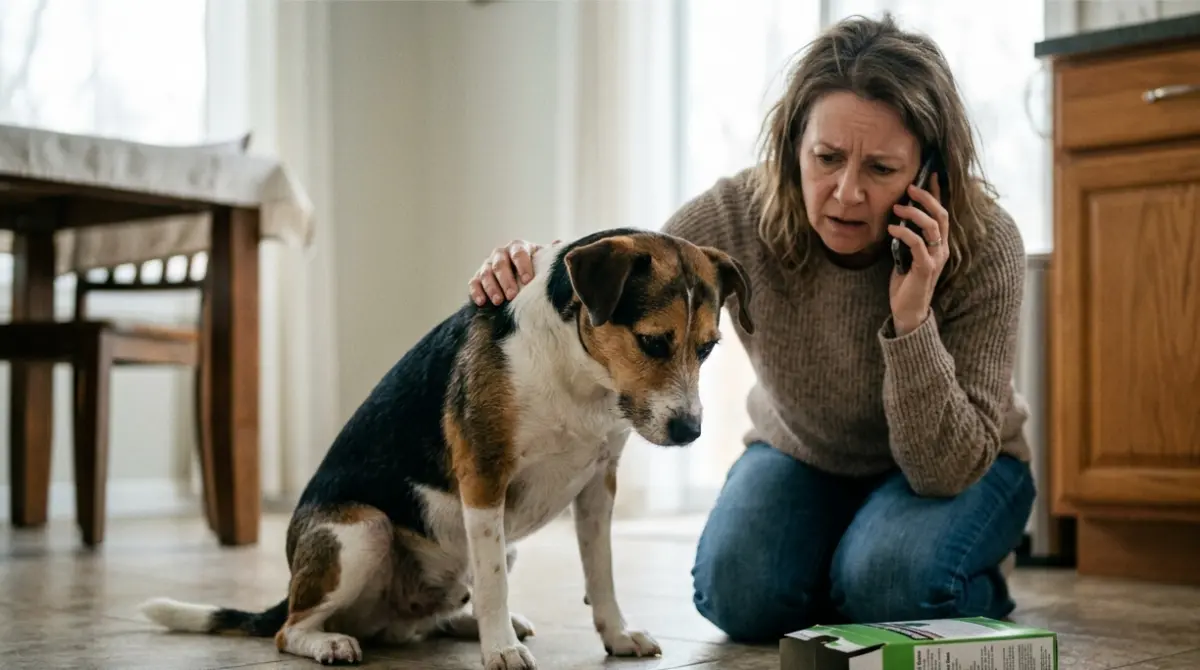
Table of Contents
What to do right now if your pet just ate rat poison
If your dog or cat has just eaten rat poison, stop reading and make a call.
If it already happened: phone your vet, the ASPCA Animal Poison Control Center at (888) 426-4435, or Pet Poison Helpline at (855) 764-7661. All three run 24/7. Bring the packaging with you, because the color and shape of a bait block cannot tell anyone which chemical it contains.
Don’t wait for symptoms. With three of the four rodenticides on the US market, a pet that still looks fine is not a pet that is safe.
If you’re deciding whether to use bait at all: keep reading. No rat poison is safe around pets, but they are not equally survivable, and the difference is whether an antidote exists.
ℹ️ Safety Note: Rodenticides are pesticides designed to kill mammals, and every one of them can poison a dog or cat. Everything here is for general understanding and for making a purchasing decision. It is not treatment guidance — if you suspect any exposure, call your veterinarian or an animal poison control center immediately, and for a persistent infestation in a pet household, hire a licensed pest management professional.
Is there such a thing as pet-safe rat poison?
No. Every rodenticide registered for home use in the US is toxic to dogs and cats, because rodents and pets are biologically similar enough that a chemical built to kill one will harm the other. The National Pesticide Information Center’s rodenticide overview makes the same point: people, pets, and wildlife are all vulnerable to rodent bait.
Why the label matters more than the brand
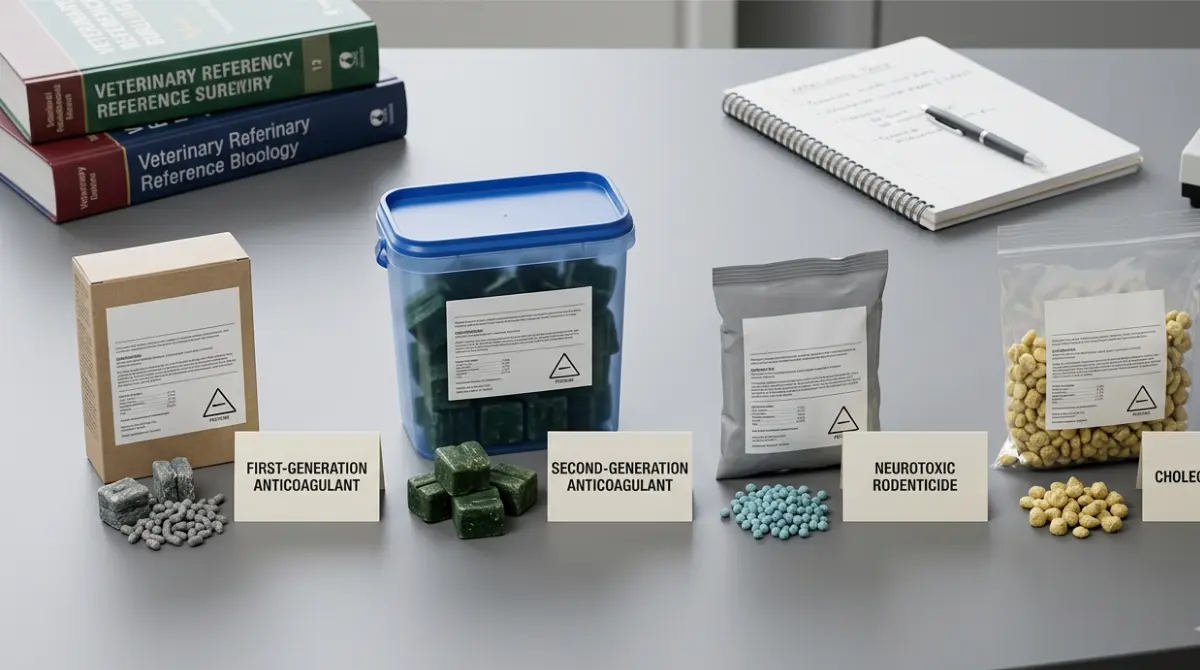
Four active ingredients account for nearly all US rat and mouse bait — anticoagulants, bromethalin, cholecalciferol, and zinc phosphide. Brands reformulate. The ingredient line on the back of the box is the thing that decides what happens to your pet.
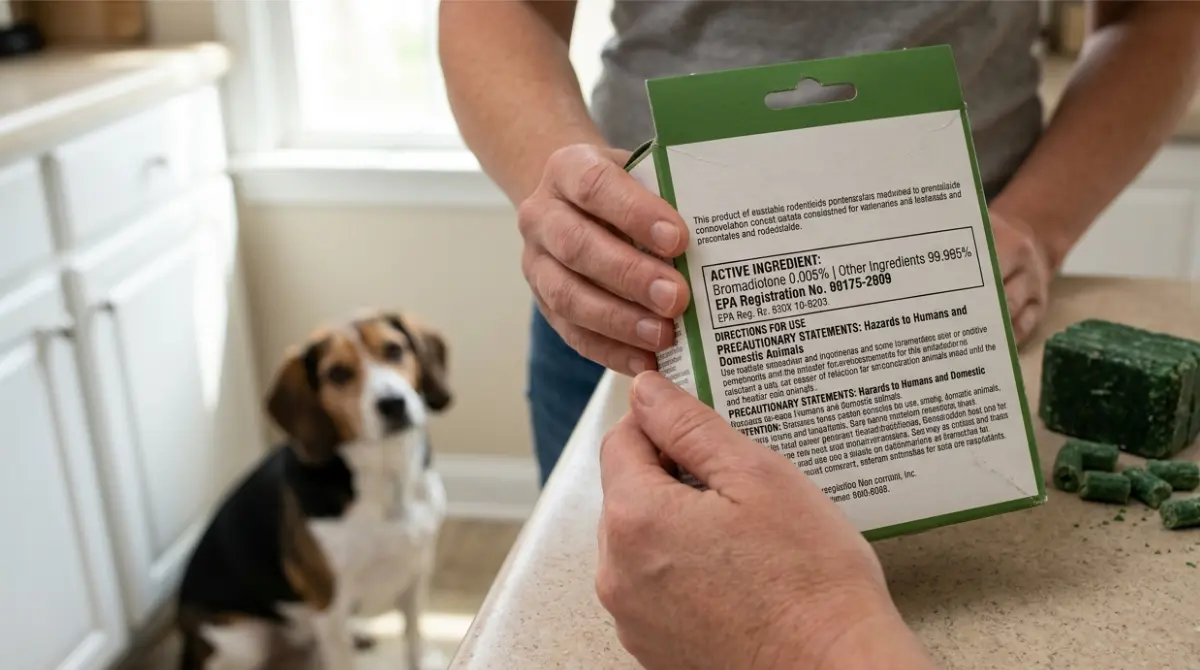
🔍 Why It Works: Baits are formulated with grain, sugar, and fats to be genuinely appetizing to rodents. Those are the same flavors a dog will chew through a plastic station to reach.
Why size doesn’t protect a big dog
A large dog is not a safely scaled-up mouse. The ASPCA Animal Poison Control Center is direct about this: very small amounts of some baits are enough to cause life-threatening problems in dogs and cats. Any suspected ingestion earns a phone call, not a wait-and-see.
Which rat poisons have an antidote, and which have none
Of the four rodenticides in US consumer products, only anticoagulants have an antidote. Bromethalin, cholecalciferol, and zinc phosphide have none.
| Active ingredient | What it does to a pet | Antidote? | Key detail for owners |
|---|---|---|---|
| Anticoagulants (brodifacoum, bromadiolone, diphacinone, warfarin, chlorophacinone, difenacoum, difethialone) | Blocks blood clotting, causing internal bleeding | Yes — vitamin K1 (phytonadione) | Treatment commonly runs about 30 days for long-acting baits |
| Bromethalin | Swells the brain | No | Cats are far more sensitive than dogs |
| Cholecalciferol (vitamin D3) | Floods the blood with calcium, injuring the kidneys | No | Long half-life means weeks of monitoring |
| Zinc phosphide | Converts to phosphine gas in the stomach | No | The vomit is hazardous to people nearby |
Sourced, not tested: Merck Veterinary Manual (bromethalin, cholecalciferol, phosphide), ASPCApro, VCA Animal Hospitals, Cornell College of Veterinary Medicine, and the EPA.
The one with an antidote
Anticoagulants work by shutting down vitamin K, which the body needs to make clotting factors. Vitamin K1 replaces what the poison blocked. It works, but it is not instant, and long-acting baits mean weeks of medication.
Why the no-antidote ones dominate the shelf
The EPA pulled second-generation anticoagulants out of the consumer market to reduce risk to children, pets, and wildlife. Consumer sales shifted toward bromethalin and cholecalciferol instead. The result is uncomfortable: the poisons most likely to be on a shelf near you today are the ones a vet cannot reverse.
How long before symptoms show up
Anywhere from a few hours to about a week, depending on the active ingredient. A pet that looks normal three hours later has not been cleared.
- Anticoagulants: internal bleeding typically appears 3–5 days after ingestion. The ASPCA advises veterinary care within 60–72 hours of exposure — that is a treatment window, not permission to wait.
- Bromethalin: brain swelling can develop from within a day up to about a week later.
- Cholecalciferol: signs generally appear 18–36 hours in, by which point kidney damage may already be underway.
- Zinc phosphide: fastest of the four. Vomiting is usually the first symptom.
Bleeding from anticoagulants is often internal, so there may be nothing visible to see. Pale gums, unexplained bruising, wobbliness, tremors, or a sudden jump in thirst and urination all mean the situation is already advanced.
⚠️ Watch Out: The delay is what kills pets here, not the dose. Owners see a normal-looking dog that evening and decide to monitor overnight. For three of these four chemicals, that lost night is the difference between decontamination and supportive care. Details of onset and timing come from the ASPCA Animal Poison Control Center’s rodenticide alert and the Merck Veterinary Manual.
What you can actually buy where you live
Federal rules already narrowed the shelf. Under EPA’s restrictions on rodenticide products, second-generation anticoagulants are no longer registered for consumer products and are sold only into commercial and structural pest control.
Consumer bait now comes in small packages and in or with ready-to-use bait stations, and tamper-resistant stations are required for outdoor above-ground placement where children, pets, or wildlife could reach them.
States that go further
State law can be stricter than federal law. California prohibits most uses of both first- and second-generation anticoagulants, according to the University of California IPM program’s guidance on rat baits. If you want the regional picture, our breakdown of where rat poison is restricted by state covers it, and your state pesticide regulator is the final word.
Safer ways to deal with rodents when you have pets
If the antidote table made bait feel like a bad trade, you have real options — and the best one isn’t a product at all.
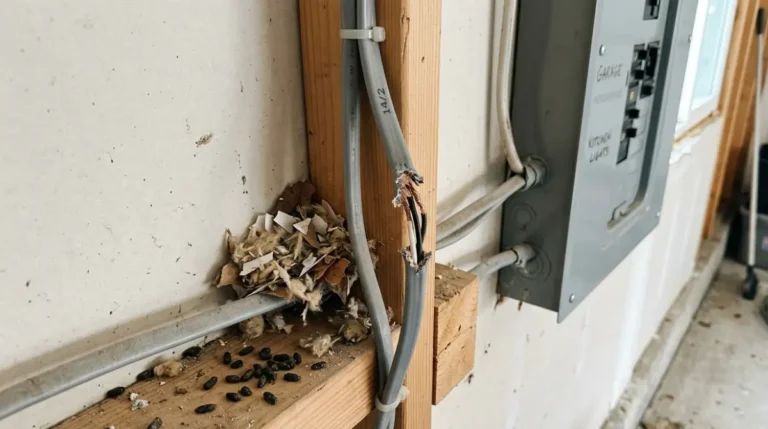
Seal first. Rodents that can’t get in don’t need killing. That’s the whole argument of our guide to sealing the gaps rodents actually use, and the specifics live in the entry points mice use most.
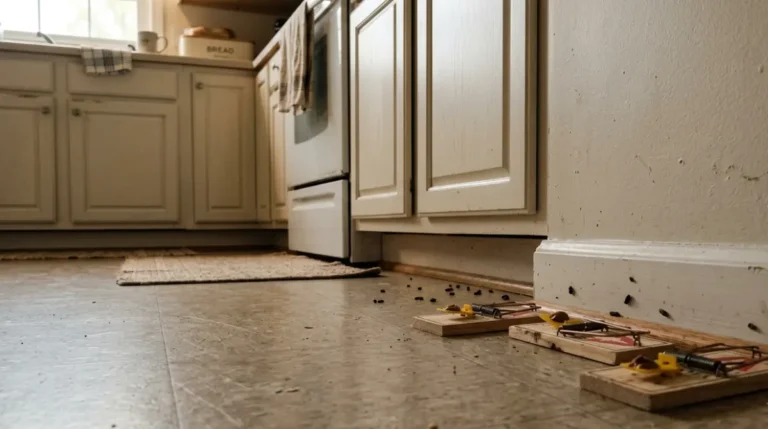
Trap second. Snap traps kill fast and leave no chemical in your house, but placement decides whether they work — see where rat traps actually work. Skip the plug-in devices; we looked at whether ultrasonic repellers do anything.
🛒 Our Pick — categories, not brands: A lockable, tamper-resistant bait station if bait is used at all, and ¼-inch hardware cloth plus copper mesh for sealing. We have not hands-on tested these products; this is a category recommendation based on extension guidance on bait station use.
If your dog eats a poisoned rat
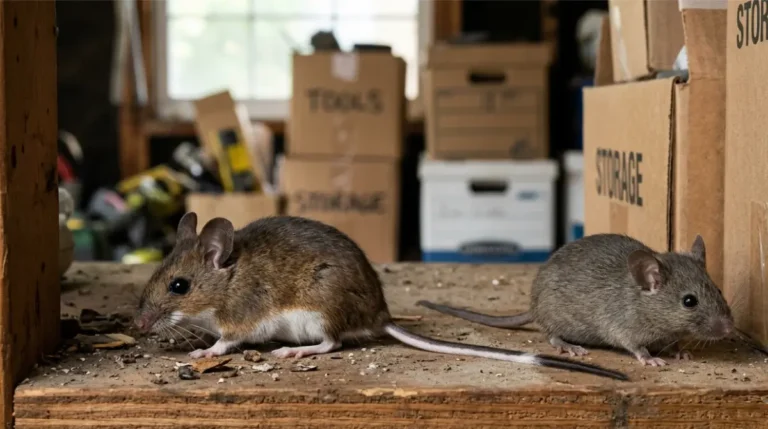
Secondary poisoning is real. A rodent that has eaten bait carries it in its tissue, and a slow, dying rat is easy prey for a curious dog or cat. Pick up dead rodents with gloves, and treat that call the same as a direct ingestion.
✅ Do This: For a recurring infestation in a pet household, hire a licensed pest management professional and ask three things before they start — which active ingredient they use, exactly where stations go, and whether every station is locked and physically secured.
What your vet needs from you in the first hour
Bring the packaging, the EPA registration number printed on it, an estimate of how much is missing, and the time it happened. Add your pet’s weight. Those five things shape treatment more than any symptom you can describe.
What not to do
- Don’t induce vomiting unless a veterinarian or poison control tells you to.
- Don’t try to make a cat vomit at home. There is no safe way to do it.
- Don’t give vitamin supplements from your own cupboard.
- Don’t throw away the box.
- If zinc phosphide is on the label, ventilate the space and keep your face away from any vomit — that gas is hazardous to you.
Rat poison and pets: common questions
1. Which rat poison has no antidote?
Bromethalin, cholecalciferol, and zinc phosphide have no antidote. Only anticoagulant rat poisons do. Call your vet immediately after any exposure.
2. Is rat poison safe for pets in any form?
No. Every rodenticide sold for home use is toxic to dogs and cats. Contact a vet or poison control after suspected exposure.
3. What is the antidote for rat poison in dogs?
Vitamin K1, and only for anticoagulant baits. Treatment often runs about 30 days. Your veterinarian decides dosing, not you.
4. How much rat poison is dangerous to a dog?
Very small amounts of some baits are enough to be life-threatening. Any suspected amount warrants an immediate call.
5. Can a dog get sick from eating a poisoned rat?
Yes. Secondary poisoning happens when a pet eats a rodent that ate bait. Treat it as a direct exposure and call your vet.
6. How long do rat poison symptoms take to appear?
From a few hours with zinc phosphide to 3–5 days with anticoagulants. Never wait for symptoms before calling.
7. Should I make my dog vomit after eating rat poison?
Only if a veterinarian or poison control center instructs you to. Call first — never induce vomiting on your own.
8. What should I bring to the vet?
The packaging, the EPA registration number, how much is missing, when it happened, and your pet’s weight.
9. Is rat poison legal to buy if I have pets?
Yes federally, with restrictions on packaging and bait stations, but some states restrict it further. Check your state pesticide regulator.
10. Are bait stations enough to protect a dog?
No. Stations reduce risk but are not pet-proof — dogs move, open, and chew them. Assume access is possible.
The one line to leave with
Turn the box over before you buy anything. If the active ingredient is bromethalin, cholecalciferol, or zinc phosphide, there is no antidote — and in a house with a dog or cat, sealing the gaps is the cheaper decision. Save the two poison control numbers in your phone tonight, before you need them.