A Mouse Trap Not Working Is Usually a Placement Mistake

Mouse traps not working usually means geometry, not bad luck — traps belong within 10 feet of activity, trigger against the wall
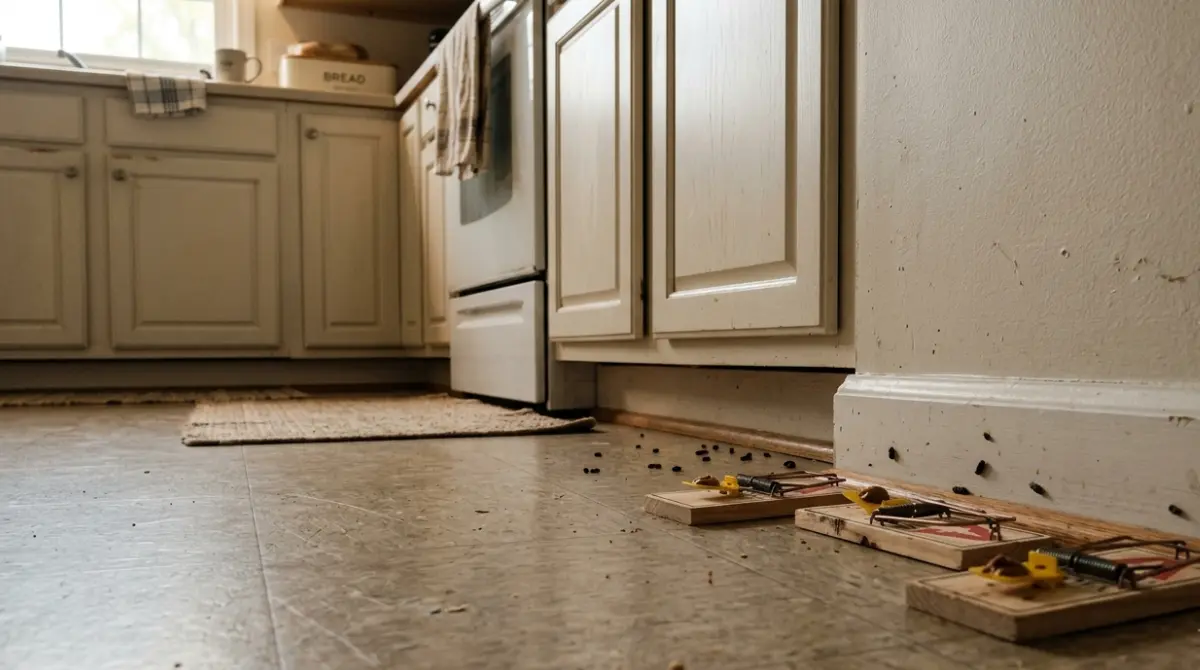
Table of Contents
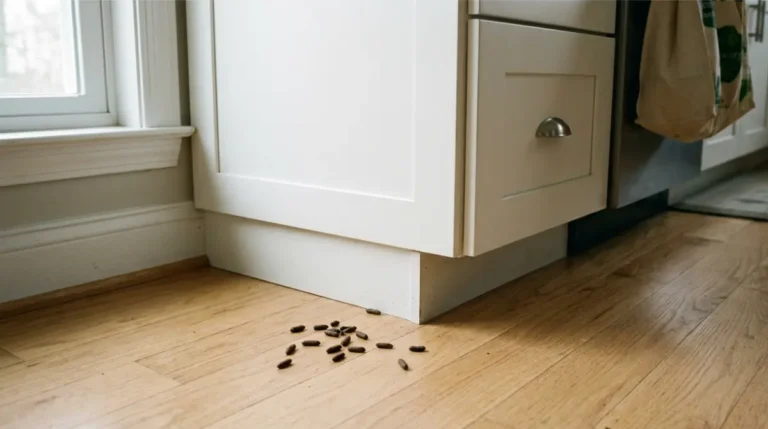
You set the traps four nights ago. The droppings are still there and the traps aren’t. That usually isn’t a bad trap — a mouse trap not working is nearly always a placement or quantity problem, and both are fixable tonight with what you already own.
Which problem you have depends on what the trap looks like in the morning.
- Bait gone, trap never sprang — start with the bait section.
- Sprang, but empty — read the fixes that waste a week.
- Nothing touched at all — placement is your section.
- Catching mice, still hearing them — skip to the last two.
ℹ️ Safety Note: Rodent droppings, urine and nesting material carry disease risk, and rodent baits are toxic to children, pets and wildlife. Treat this as general understanding: never handle rodents bare-handed, follow the product label before using any bait, check what your state and city allow, and hire a licensed pest control operator for anything beyond a few mice.
What your trap looks like in the morning tells you the cause
Mouse traps fail in four recognisable ways, and each points at a different fix. Find your row before you buy anything else.
Bait gone, trap not sprung
There was too much on the trigger, so the mouse fed without putting weight on it.
It sprang, but it was empty
The mouse got clear — and one that escapes a trap is harder to catch afterwards.
Nothing touched at all
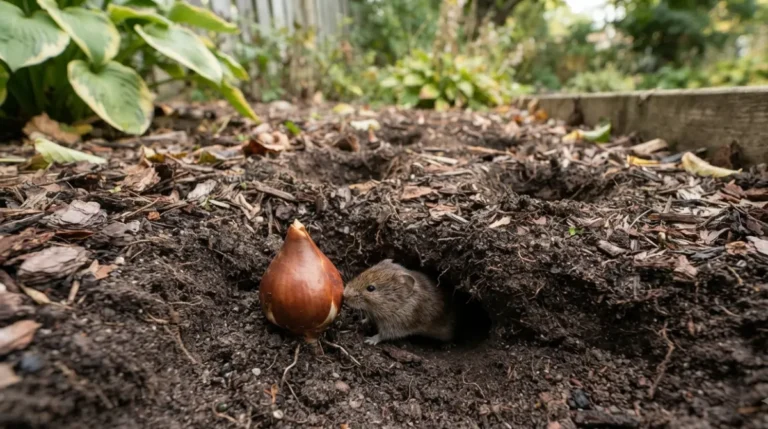
The traps are off the route mice actually use, or you aren’t dealing with mice at all. Move them, and confirm which rodent you have — a mouse trap will not take a rat.
Catching mice, but the noise continues
Too few traps, and an opening still in use. Both need fixing; neither is optional.
Where the trap sits decides whether it catches
Space traps no more than about 10 feet apart in areas showing activity — house mice seldom venture more than 30 feet from their nest, so a trap outside that band is one they never meet. Both figures come from UC IPM’s guidance on house mouse trapping, revised July 2025.
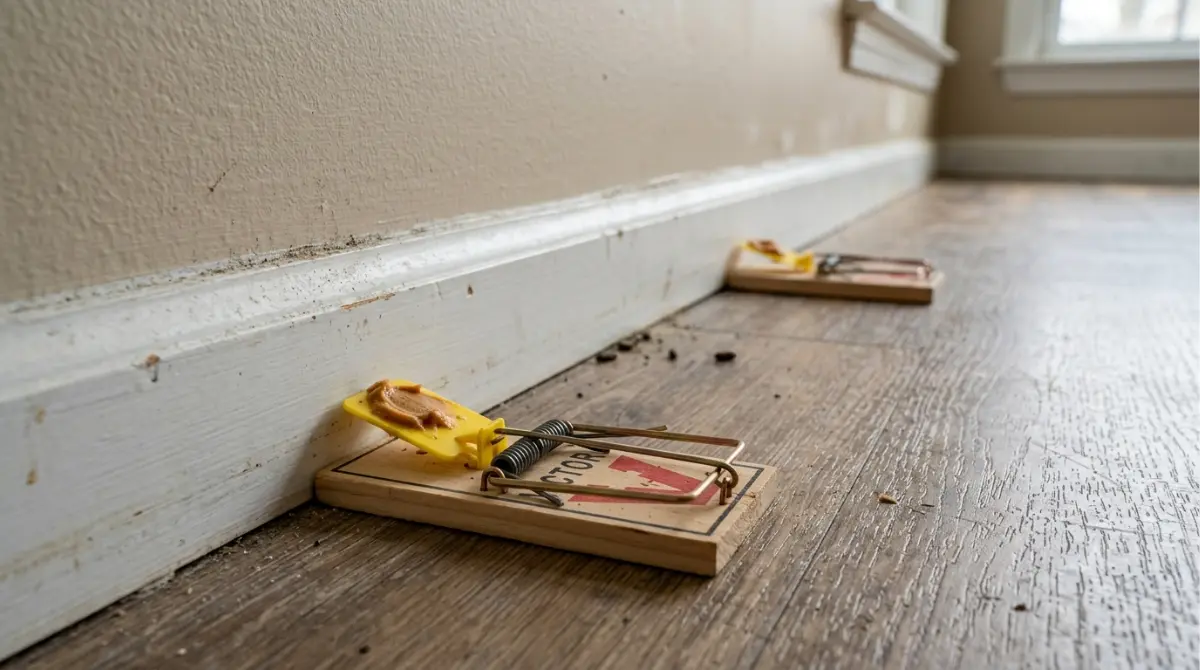
Trigger against the wall, trap across the path
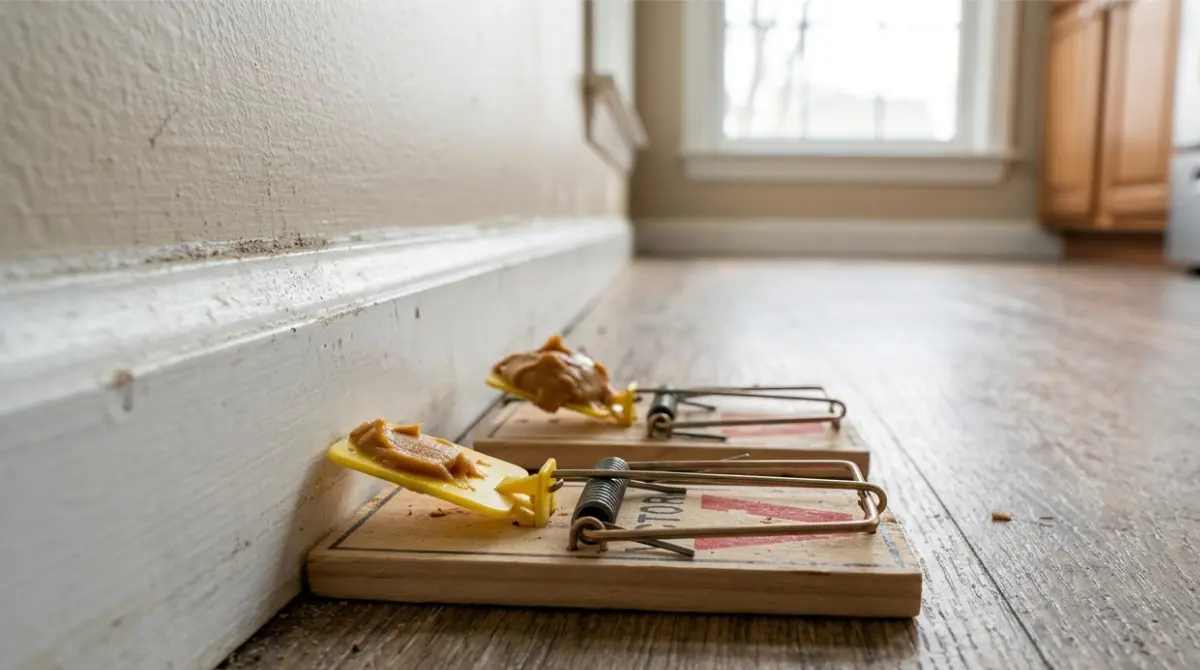
Set traps tight to the wall with the trigger facing it, across the line of travel — in dark corners, behind objects, and wherever droppings collect.
Ten feet apart, and why that number
The 30-foot home range is why spacing beats brand. A trap two rooms away is decoration.
Traps in pairs, and traps off the floor
Pairs set one to two inches apart catch mice that jump obstacles. Mice nesting in wall voids are seldom found at floor level, so use ledges and shelves too.
🔍 Why It Works: Mice hold to the same runways along walls and behind objects rather than crossing open floor. A trap placed in the middle of a room isn’t competing with a better trap — it’s sitting somewhere the mouse has no reason to go.
Too much bait is why the trap gets robbed
Use a small amount of bait on the trigger plate — enough to interest a mouse, not enough to remove. Too much and it takes the lot without springing the trap.
Use a small amount, on the trigger plate
Press it into the plate rather than mounding it on top, and secure solid baits so they can’t be carried off.
What to bait with, including the non-food option
The best bait is usually what the mice are already eating in your house. Peanut butter works, though the allergy risk is worth weighing in some households. The option most people miss: breeding females are driven to nest-build, so cotton wool or dental floss on the trigger can outperform food.
Trigger sensitivity and plate width
Traps with a wide trigger plate catch better, and the trigger should be set to spring easily.
🛒 Our Pick: Buy trap style, not trap brand — snap traps with a wide trigger plate, in a multi-pack, because the spacing rule needs volume. We have not tested these; the design preference is UC IPM’s. We may earn a commission at no extra cost to you.
The fixes that waste a week
Three habits come up constantly when mice avoid traps, and two of them cost days.
Human scent on the trap
Extension trapping guidance doesn’t list human odour among the reasons mouse traps fail, and mice are far less wary of new objects than rats are. What it does document is trap-shyness: University of Missouri Extension’s trapping guidance advises leaving traps baited but unset until the bait has been taken once, which reduces the chance of creating trap-shy mice. Wear gloves for hygiene, not for scent.
Ultrasonic and vibration devices
UC IPM finds little evidence that sound, magnetic or vibrational devices drive established mice from a building. Ultrasound is directional, doesn’t reach behind objects, and loses intensity quickly with distance.
The cat, and the glue board
Cats and dogs rarely control a population, and a predator’s presence can make mice more cryptic — which reads as progress without being it.
⚠️ Watch Out: Adult mice often detect and avoid glue boards, so captures skew toward juveniles, and an animal caught on one may not die quickly. UC IPM advises against using them anywhere children, pets or wildlife can make contact.
Catching mice and still having mice
Still hearing them after a few catches means two things are true at once: too few traps, and an opening still in use.
How many traps is enough
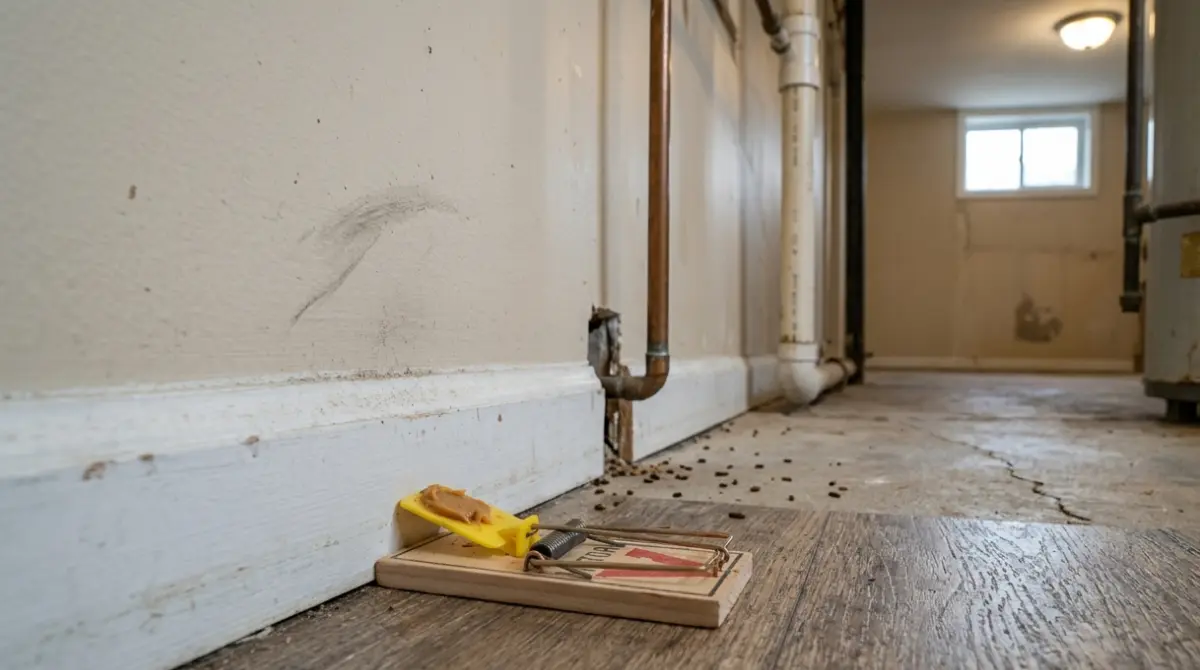
Use enough to make the trapping period short and decisive — on your floor, one trap every 10 feet along each wall showing activity, doubled where mice are jumping.
Why the population refills
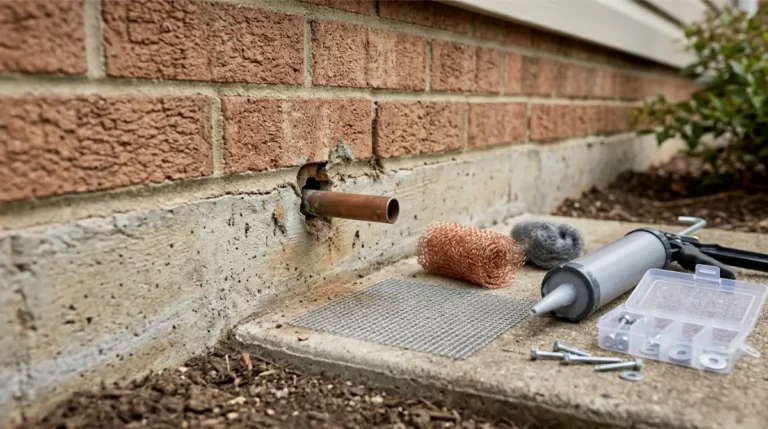
Trapping alone is bailing, not plugging. Exclusion is the most effective and permanent form of house mouse control, so seal the openings they’re using once you know where they’re coming in.
📊 Spec: A female house mouse may have five to ten litters a year of about five or six young, and the young reach sexual maturity at five to six weeks. Source: UC IPM Pest Notes: House Mouse (Pub 7483, updated 07/2025).
Handling traps, droppings and what comes next
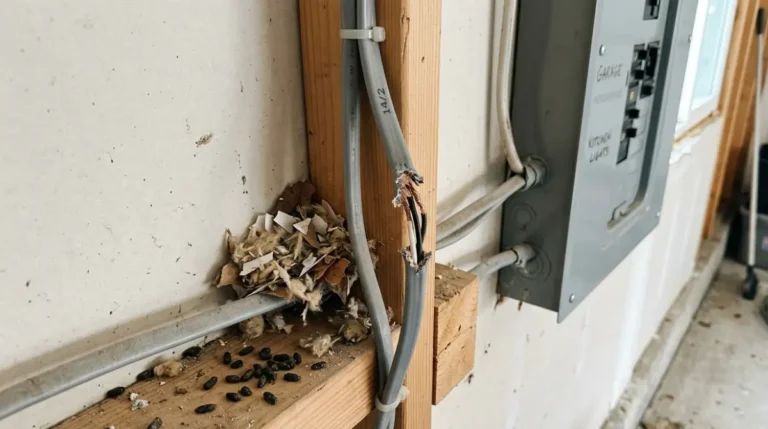
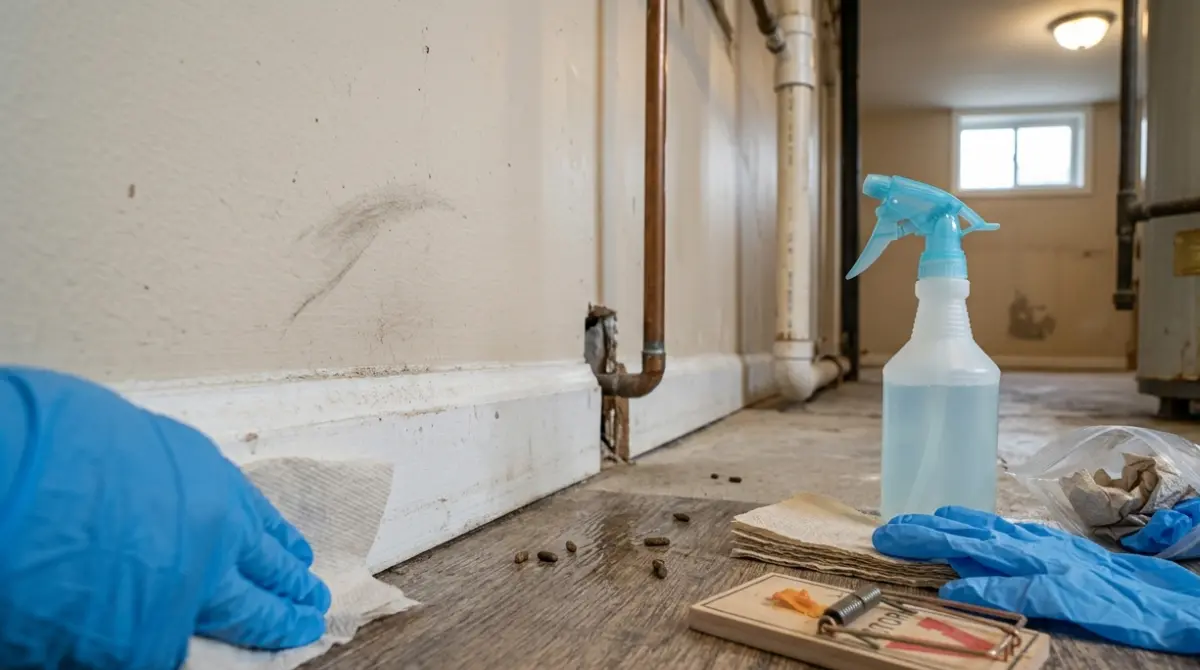
Do not sweep or vacuum rodent urine, droppings or nesting material — the CDC is direct that these diseases mainly spread through contaminated air, and dry sweeping puts it there.
Never dry-sweep or vacuum
Wet cleaning with gloves and an EPA-registered disinfectant is the method, and the CDC’s cleanup steps set out the full protocol. Species changes the stakes, so it’s worth knowing which mouse you’re cleaning up after.
Handling a caught mouse and reusing the trap
Never touch a rodent bare-handed. Snap traps can be reused after disinfecting; the CDC’s steps include rinsing the disinfectant scent off before resetting.
When to stop and call someone
Bait is a different decision from a trap — the EPA’s guidance on consumer bait products covers ready-to-use stations and label directions, and state and city rules vary.
✅ Do This: Evidence in heating or cooling ducts, or more than a handful of mice, is a job for a licensed pest control operator. Ask which active ingredient they’re placing, where, and whether it’s permitted for that use at your address.
Mouse trap questions people actually ask
1. Why is my mouse trap not working?
Almost always placement or quantity — traps off the runway, too much bait, or too few traps for the space.
2. How far apart should mouse traps be?
No more than about 10 feet apart in areas showing activity, because mice seldom range beyond 30 feet.
3. Should a mouse trap be perpendicular to the wall?
Yes — tight to the wall, trigger facing it, set across the travel path rather than along it.
4. How much bait goes on a mouse trap?
A small amount pressed into the trigger plate. Too much lets the mouse feed without springing it.
5. What is the best bait for a mouse trap?
Usually whatever they’re already eating. Cotton wool or dental floss also works on nest-building females.
6. Do mice avoid traps that smell like humans?
Extension guidance doesn’t list human odour as a cause of failure. Trap-shyness after an escape is documented.
7. Do ultrasonic mouse repellents work?
UC IPM finds little evidence that sound, magnetic or vibrational devices drive established mice out of buildings.
8. How many mouse traps do I need?
Enough to make trapping short and decisive — one every 10 feet along active walls, doubled where mice jump.
9. Why do I keep catching mice and still have mice?
Too few traps and an unsealed entry point. Trapping reduces the population; only exclusion stops the refill.
10. Can I reuse a snap trap?
Yes, after disinfecting and rinsing off the disinfectant scent. Never handle a rodent bare-handed — follow the CDC’s cleanup steps.
Your next step
Don’t buy anything tonight. Re-place what you already own: trigger to the wall, a pea of bait, more traps, ten feet apart, some of them off the floor. Then close the entry points properly, because that’s the half that ends it.