Stop Voles Eating Bulbs Before Your Tulips Disappear

Voles eating your bulbs? Whole tulip plantings that vanish usually point to pine voles. Here’s the mesh size that clears every spec we checked
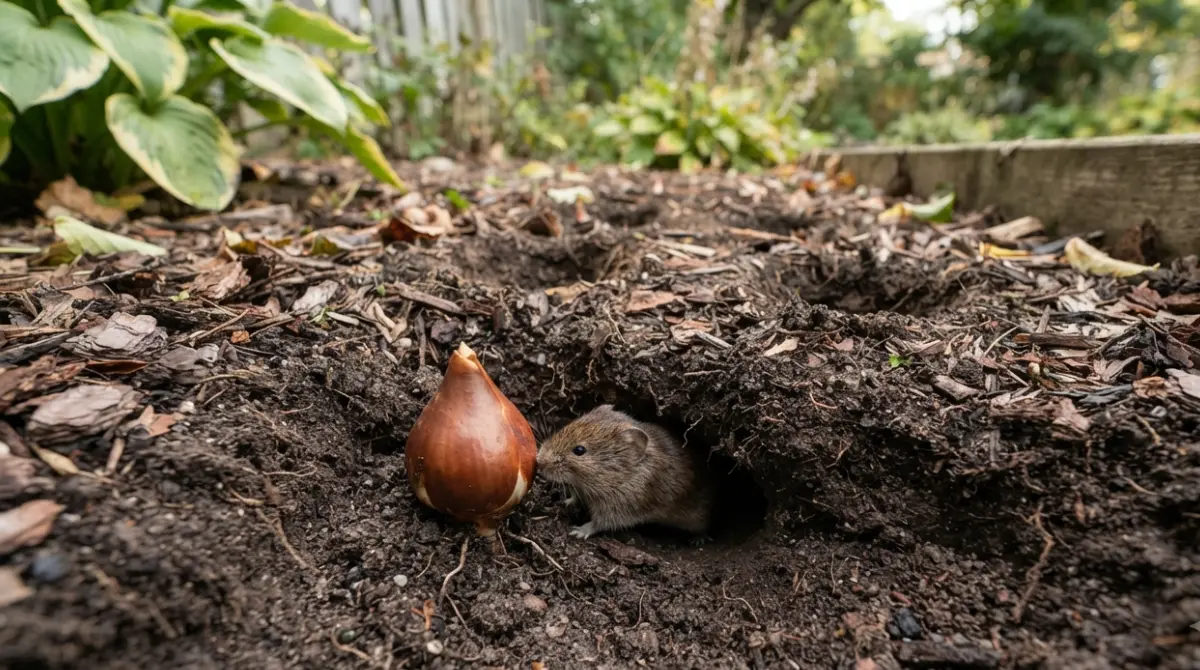
Table of Contents
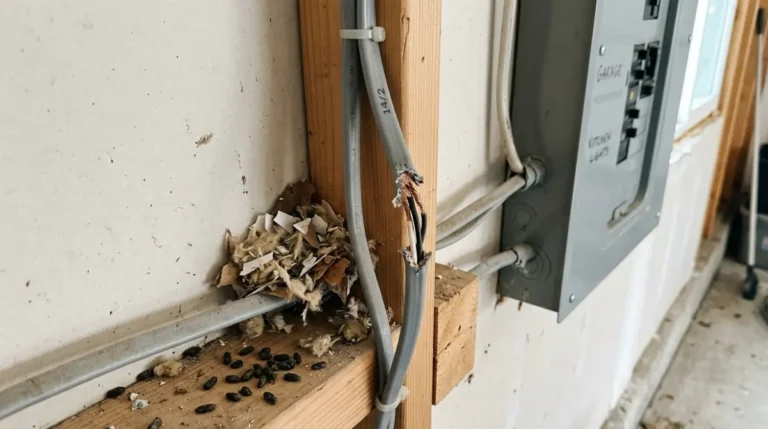
Tulips that never came up may not be a planting failure at all. UNH Extension notes that when whole tulip plantings vanish, pine voles are generally responsible. The fix that holds is physical: a mesh barrier around the bulb at planting time.
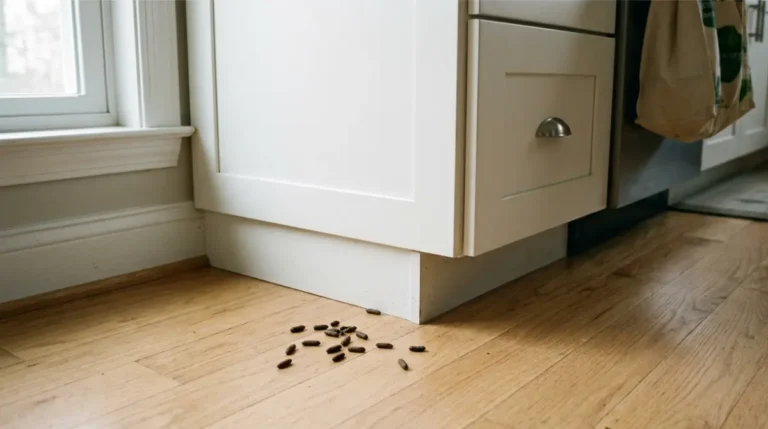
Bed came up empty? Start with the quick check that it’s voles.
Bulbs still bagged? Go straight to the cage build.
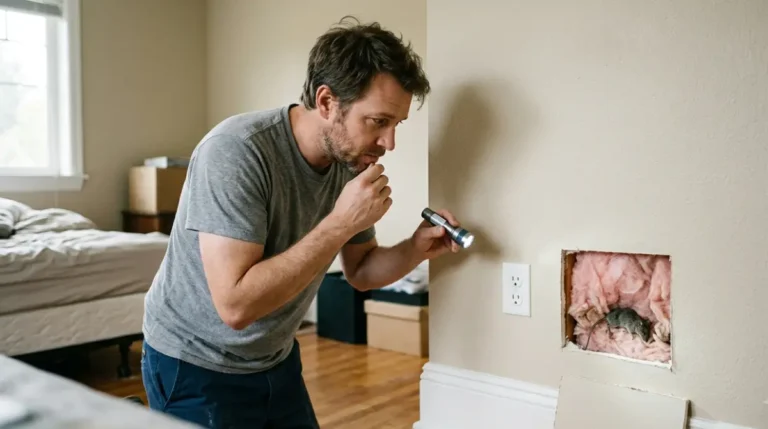
Voles already active? Read the trapping section, and your state’s rules, first.
Dog that digs? Read the planting section before you buy daffodils.
ℹ️ Safety Note: Vole control can involve snap traps, toxic baits and handling wild rodents. Baits can poison children, pets and wildlife, and daffodil bulbs are toxic to dogs and cats. Wear rubber gloves when handling voles, check your state wildlife agency and pesticide regulator before trapping or baiting, and hire a licensed pest control operator for any bait. This isn’t legal advice.
Is it really voles eating your bulbs?
Confirm the culprit before you spend money on defenses.
Pine voles vs meadow voles
Clemson HGIC’s fact sheet on moles and voles separates the two. Meadow voles live mostly above ground and damage plant bases, while pine voles live almost entirely underground and destroy roots.
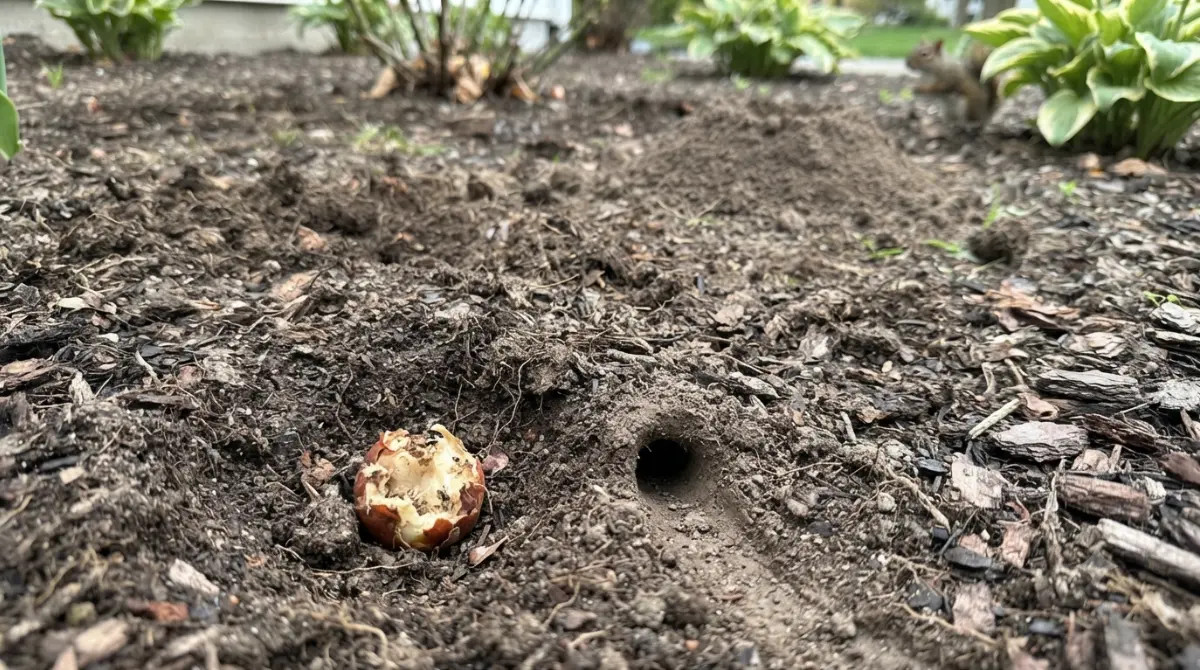
Pine vole tunnels usually run under a foot deep, with 1–2 inch entrance holes, per UNH Extension. UNH adds that bulbs get hit hardest in late fall and winter, when other food runs short.
Voles, moles, or squirrels: reading the signs
| Animal | What happens to bulbs | Key detail |
|---|---|---|
| Pine vole | Eaten underground; whole plantings vanish | Open 1–2 inch holes in beds |
| Mole | Dislodged and dried out, not eaten | Voles often reuse mole tunnels |
| Squirrel or chipmunk | Freshly planted bulbs dug up or carried off | Strikes soon after planting |
Sources: Clemson HGIC; UNH, UMN and UMD Extension. Not hands-on tested.
For every sign in detail, use our vole vs mole damage decoder.
How to build a vole-proof bulb cage

- Durable Galvanized Hardware Cloth: This 1/4-inch mesh hardware cloth roll measures 24 inches by 50 feet (23 gauge) and i…
- Long-Lasting & Strong: Built to withstand the elements, this wire mesh is rustproof, corrosion-resistant, and highly dur…
- Versatile Applications: Perfect for a wide range of uses, including snake fences, chicken coops, garden fencing, rabbit …
A buried mesh cage is the one method UNH Extension calls surefire for tulips.
Pick the right mesh: ¼ inch vs ½ inch
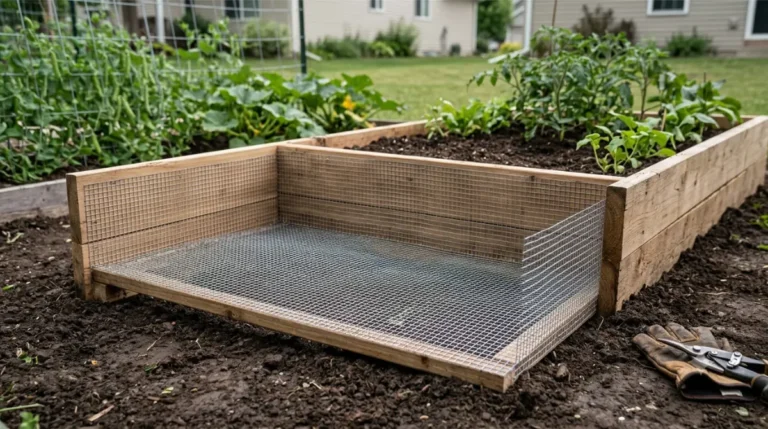
UNH Extension’s bulb-cage method uses ½-inch galvanized hardware cloth. UC IPM and North Carolina’s wildlife agency both specify ¼-inch mesh or smaller for vole barriers, so ¼ inch meets every published spec we found.
Fold, fill, and bury at planting depth
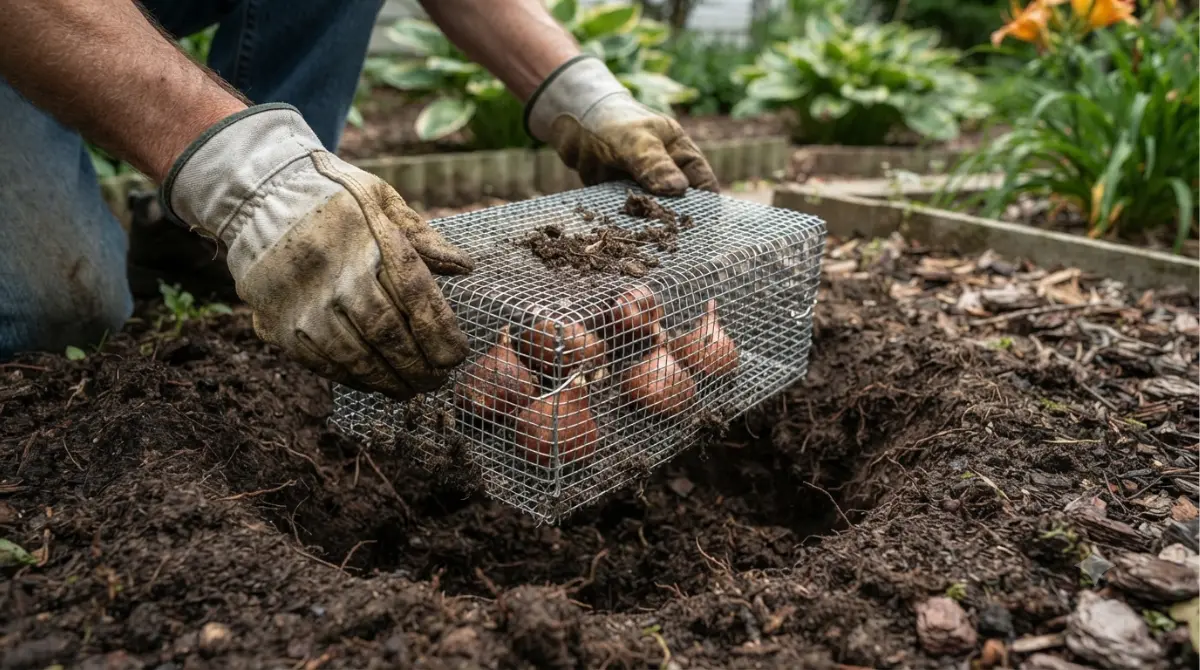
- Cut ¼-inch hardware cloth, wearing gloves, and fold it into a box sized for a group of bulbs.
- Dig to planting depth: about 8 inches for tulips, measured from the bulb’s base, per Rutgers.
- Set the box in, place bulbs root end down, and backfill inside it.
- Add a lid before covering with soil, since UNH buries the whole cage. We found no extension source confirming tulip shoots clear a ¼-inch lid, so UNH’s ½-inch mesh is the sourced lid choice.
🛒 Our Pick: ¼-inch galvanized hardware cloth roll (23-gauge). It’s chosen because it meets the ¼-inch spec above; we haven’t tested this listing.
What to put in the planting hole, and what to plant instead
Planting-hole additions make tunneling harder, but no source calls them surefire.
Grit, shells, and buried pots
NC State Extension suggests sharp gravel or crushed oyster shells in each hole, or planting inside a buried plastic nursery pot. Skip bone meal: NC State and UNH Extension both say it attracts animals that dig bulbs up.
Vole-resistant bulbs, and the pet catch
UNH Extension lists daffodils, snowdrops, glory-of-the-snow, Siberian squill, grape hyacinth and allium as usually safe without protection. Animals may still dig them up.
⚠️ Watch Out: The ASPCA lists daffodils as toxic to dogs, cats and horses, and the bulb is the most poisonous part. If your dog digs, cage your tulips rather than ringing them with daffodils, and check any other bulb against the ASPCA list first. If a pet eats one, call your vet or ASPCA Animal Poison Control at (888) 426-4435 (a fee may apply).
Make your bulb bed less inviting this fall
Voles need cover, so stripping it back around your bulbs makes the bed less livable.
Pull back the mulch and mow the edges
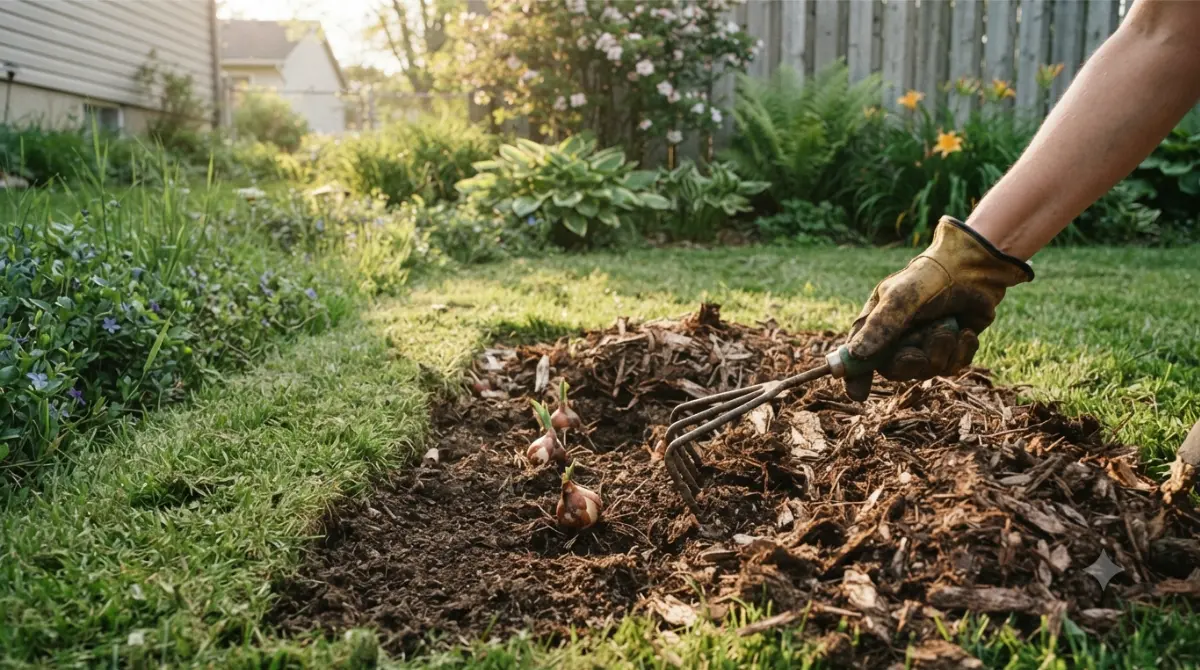
UC IPM notes that weeds, heavy mulch and dense cover shelter voles, and numbers decline once that protection goes. Mow grassy strips beside beds too, and keep bed mulch minimal or switch to gravel, as NC State Extension advises.
🔍 Why It Works: Voles prefer not to feed in the open, where hawks and owls hunt, per UC IPM. Strip the cover and the bed stops feeling safe.
When to plant in your zone
Rutgers times spring-bulb planting to when soil falls below 60°F, which is mid-September through October in New Jersey.
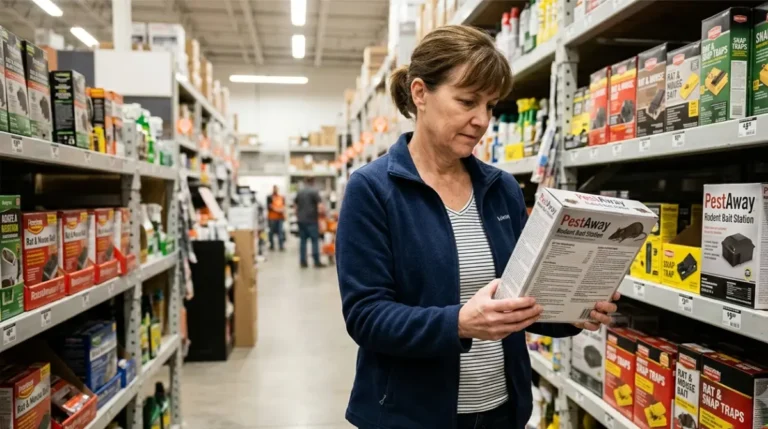
Trapping voles, and checking your state’s rules first
Whether you can trap voles without a permit depends on your state, so check before you set anything.
Where and how to set snap traps

- Classic design! – simple spring design to catch rodents.
- Expanded trigger! – larger cheese shaped trigger ensures rodents easily set off the trap.
- 8 pack & easy to set! – ideal for runway trapping.

UC IPM’s vole Pest Note recommends standard mouse snap traps, a dozen at minimum for a small garden. Set each at a right angle to a runway with the trigger end in it, the same logic as our mouse trap placement guide.
Bait is optional, but baited traps need a cover, such as a length of gutter, to protect birds. Check traps daily, handle voles with rubber gloves, and keep children and pets away.
The permit question: California vs North Carolina
California treats voles as nongame mammals that owners or tenants may control by any legal means, per UC IPM. North Carolina’s vole guidance says trapping needs a depredation permit, though the state’s rule text exempts owners protecting their own property.
✅ Do This: When official sources disagree, ask your state wildlife agency directly: “Do I need a permit to trap voles on my own property?” It’s the same address-by-address check behind the rodent-proofing rules most people overlook. This isn’t legal advice.
Repellents, baits, and gadgets: what the evidence says
Extension sources grade these methods very differently from product packaging.
The vole method evidence table
| Method | What the evidence says | Key detail |
|---|---|---|
| Buried mesh cage | Only surefire protection (UNH) | ¼-inch mesh meets all specs |
| Grit or shells in hole | Discourages tunneling (NC State) | A helper, not a barrier |
| Thin mulch, mowed edges | Vole numbers decline (UC IPM) | Removes cover |
| Snap traps | Effective when numbers are low (UC IPM) | Check state rules first |
| Repellents (castor oil, capsaicin) | Questionable (UC IPM); frequent reapplication (UNH) | Apply before damage |
| Ultrasonic devices, gas cartridges | Ineffective (UC IPM) | Skip them |
Graded from UC IPM, UNH and NC State Extension guidance; not hands-on tested.
Why baits aren’t a homeowner job
In California, UC IPM says the only residential vole toxicant, zinc phosphide, is restricted-use and has no antidote.
⚠️ Watch Out: For any bait, hire a licensed pest control operator and ask which active ingredient they’ll place and whether it’s legal at your address. Our guide to pet-safe rodent control covers the pet risks.
Vole and bulb questions people actually ask
1. What size hardware cloth keeps voles out of bulbs?
Use ¼-inch hardware cloth. UC IPM and North Carolina’s wildlife agency specify ¼-inch mesh or smaller; UNH Extension builds cages from ½-inch.
2. Does gravel in the planting hole stop voles?
Gravel discourages voles but won’t stop them. NC State suggests sharp gravel or oyster shells; only a mesh cage is called surefire.
3. What bulbs do voles avoid?
UNH Extension lists daffodils, snowdrops, glory-of-the-snow, Siberian squill, grape hyacinth and allium as bulbs voles usually leave alone.
4. Are daffodils safe to plant if I have dogs?
No. The ASPCA lists daffodils as toxic to dogs and cats, and the bulb is the most poisonous part. If your pet eats one, call your vet.
5. Is it voles or moles eating my bulbs?
Voles eat bulbs; moles only dislodge them while digging. Voles often reuse mole tunnels, so moles get blamed.
6. When do voles eat tulip bulbs?
Voles eat tulip bulbs mostly in late fall and winter, when other food is scarce, per UNH Extension.
7. Do castor oil repellents stop voles?
Not reliably. UC IPM rates vole repellents, including castor oil, as questionable; UNH says soil-applied repellents need frequent reapplication.
8. Do I need a permit to trap voles?
It depends on your state. California lets owners control voles by legal means; North Carolina’s guidance calls for a depredation permit. Ask your state wildlife agency before trapping.
9. Should I use bone meal when planting bulbs?
Skip it. NC State and UNH Extension both say bone meal attracts animals that dig up newly planted bulbs.
10. Does thick mulch attract voles?
Yes. UC IPM says heavy mulch shelters voles; NC State recommends minimal mulch in bulb beds, or gravel instead.
Your next step before the ground freezes
Pick up ¼-inch hardware cloth this week and cage your tulips as you plant them. Thin the mulch around the bed. If voles are already active, check your state’s trapping rules before you set a single trap.