
Can You DIY Termite Treatment? An Honest Answer

DIY termite treatment splits into four jobs, and university extension research says only one of them belongs to a licensed pro. Here’s which — and why.
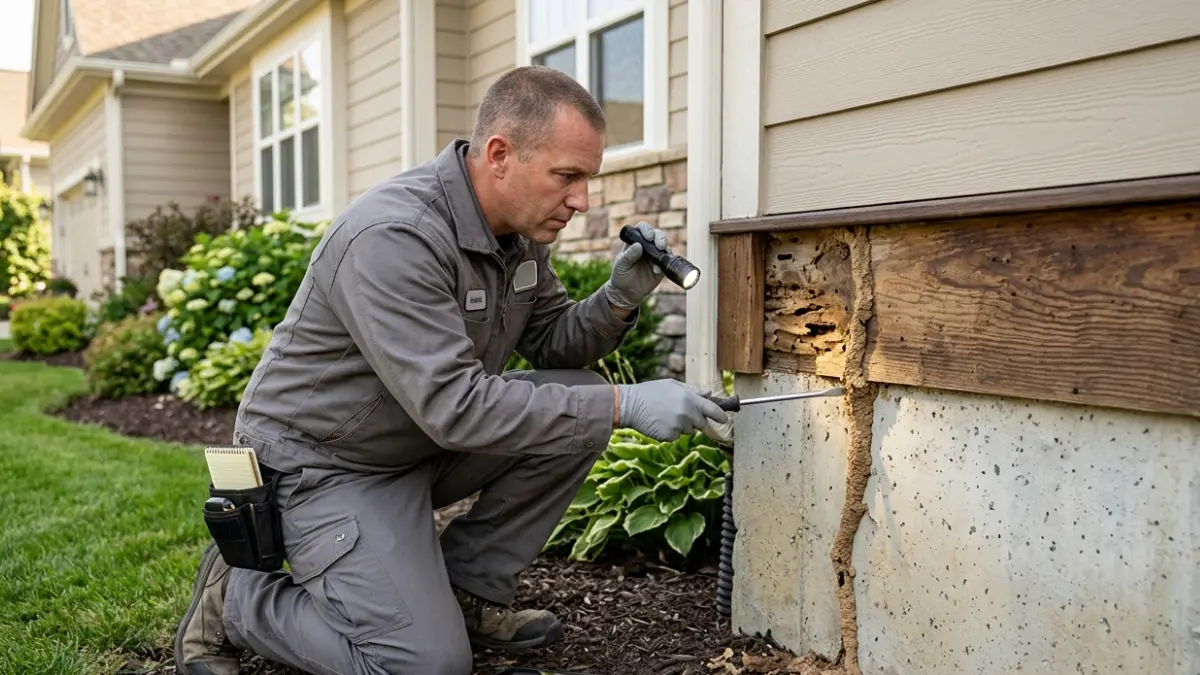
Table of Contents
The honest answer is that DIY termite treatment isn’t one job. It’s four — and three of them are genuinely yours.
Prevention is yours. So is looking for evidence, and so is a small wooden object not attached to your house. Treating an active infestation indoors is the one that isn’t.
Start where you actually are:
- No termites yet — the prevention work is free and entirely yours.
- Not sure what you found — check the signs and how flying ants differ.
- Winged insects indoors — start with swarmers inside.
- Holding stakes or concentrate — sections four and five cover that.
- Want the price — our termite treatment cost guide covers all five methods.
- You rent — apply nothing. Photograph it, date it, tell your landlord in writing.
ℹ️ Safety Note: Termite work involves EPA-registered pesticides and your home’s structural integrity. This is general understanding, not application instruction — pesticide labels are legally binding and vary by state. With an active infestation, use licensed professionals and check your state pesticide regulatory agency first.
The honest answer, split three ways
Ask a university extension entomologist whether to treat your own house and the answer is short: it’s best not to.
Prevention: yes, and it costs almost nothing
Everything that makes a house less attractive to termites is homeowner work — no licence, no equipment, no chemicals.
Finding it: yes, with one caveat
You can probe wood and look for mud tubes. The caveat is interpretation: termites are cryptic, and infestations go undetected for years behind walls. Which species you have changes what the evidence means.
Treating an active infestation: no, with one narrow exception
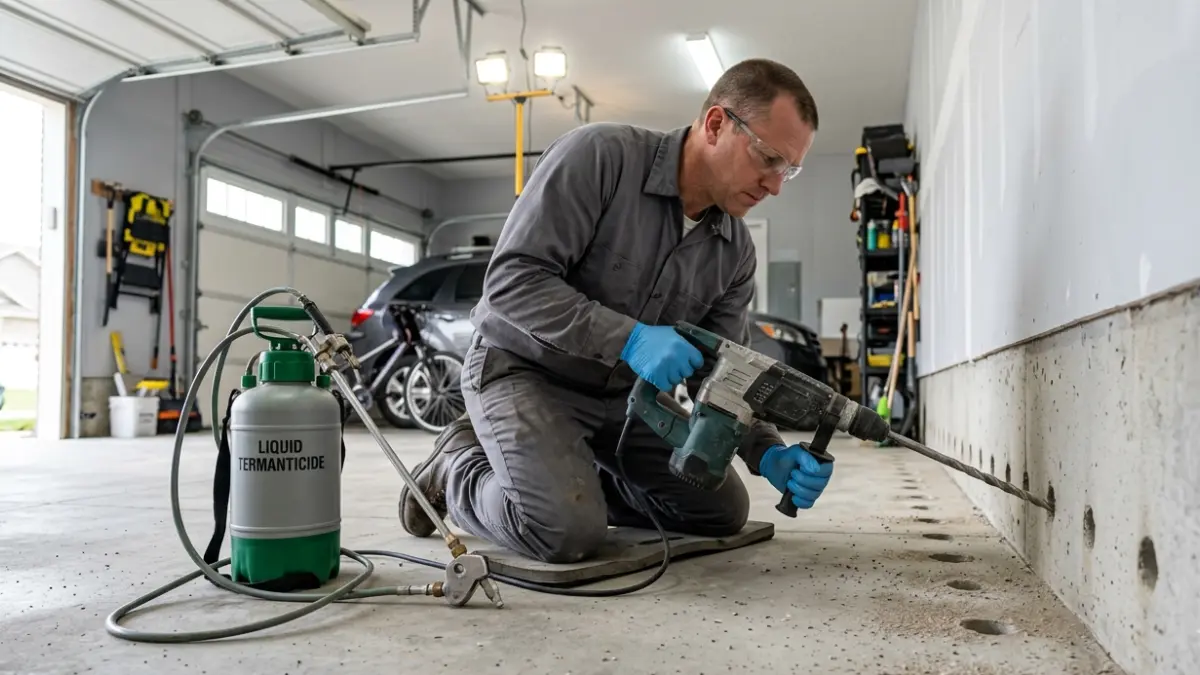
The University of Kentucky’s extension answer for homeowners gives three reasons, and “it’s dangerous” isn’t among them. You need working knowledge of building construction to find entry points that are mostly hidden, plus masonry drills, large-capacity spray tanks and long metal rods for injecting soil.
📊 Sourced: A typical soil treatment may involve hundreds of gallons of termiticide injected along the foundation, beneath slabs and within foundation walls. — ENTFACT-604 (rev. March 2026)
The exception it names is narrow: a mailbox post, or another small wooden object not attached to the house. Retail products, it adds, seldom eradicate an existing problem.
What DIY termite control actually does work
This part is genuinely yours, drawn from the EPA’s prevention guidance and the National Pesticide Information Center.
The moisture and drainage work
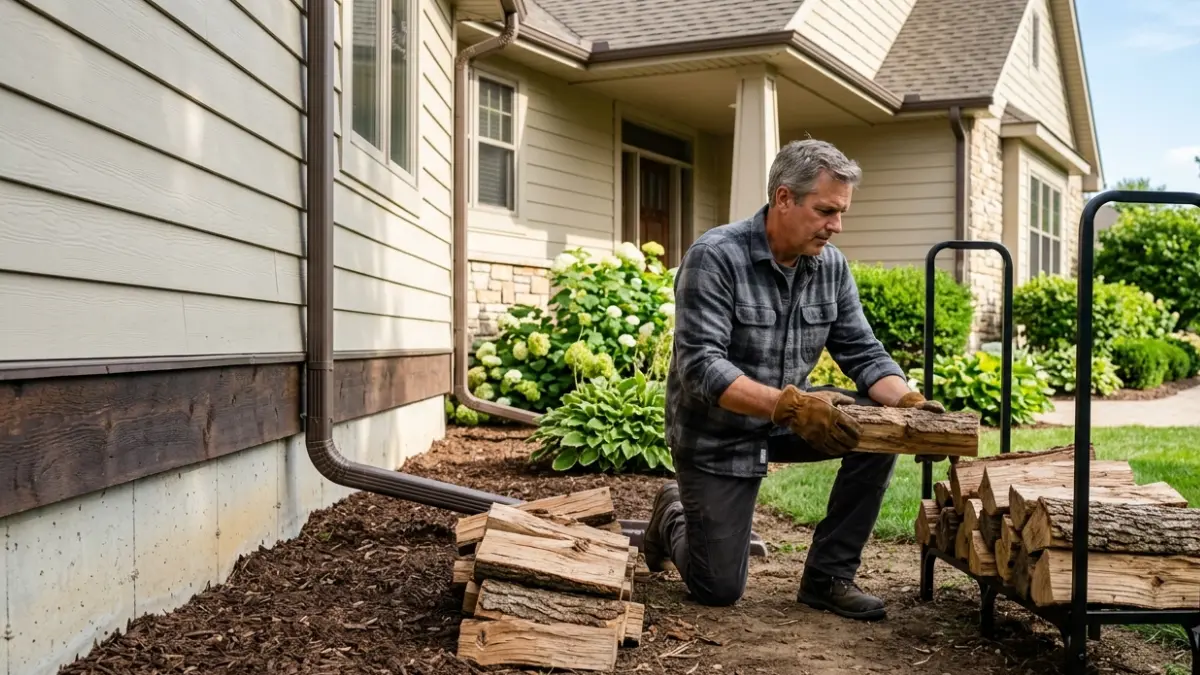
- Keep foundation soil dry through grading and drainage, with working gutters and downspouts, and fix leaks promptly.
- Keep crawl spaces dry and ventilated, and vents unblocked.
- Repair foundation cracks and seal around utility penetrations.
The wood-to-soil work
- Keep mulch several inches below the wooden parts of the house.
- Remove woodpiles, stumps and roots nearby; store firewood off the ground, away from buildings.
- Clear wood and paper stored under the house, in the basement or crawl space.
- Inspect periodically — check whether mud tubes are active and whether damage is termites, water or rot.
✅ Do This: Walk your perimeter this weekend and photograph every place wood touches soil. That’s your fix list, and it costs an afternoon.
What about nematodes and natural options?
Physical barriers work — steel mesh, specific sand grades — but they’re a construction-stage measure, not a retrofit. On nematodes and fungi the EPA’s wording is careful: they have demonstrated some success, particularly in laboratory settings. That qualifier is the whole story.
Retail bait stakes: what the box doesn’t tell you
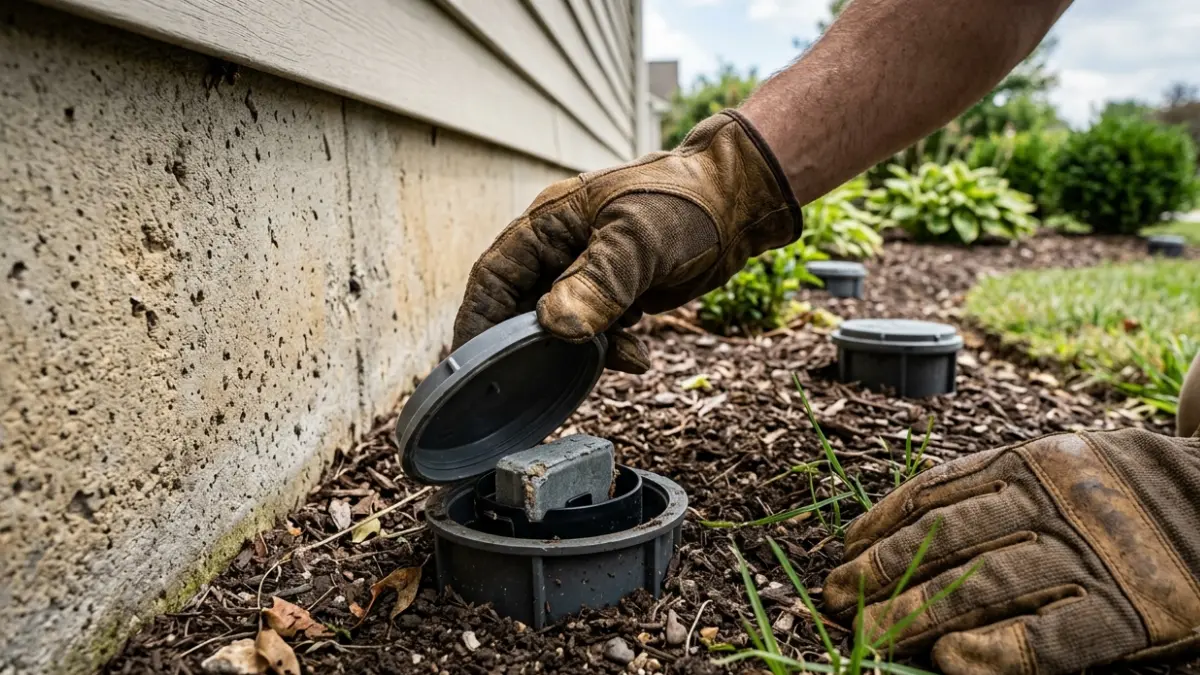
The stakes in the garden aisle have something rare: an independent university evaluation.

- Two termite products IN one: pop-up indicators detect termite activity, and the stakes kill foraging termites
- Installs IN minutes: place stakes in the ground 2 to 3 feet away from your home and no more than 10 feet apart
- Pop-up indicator: check the stakes for termite activity when the pop-up indicator is seen
What the label had to be changed to say
After a 1999 settlement with the Federal Trade Commission and several state attorneys general, directions on the leading retail bait stakes now state the product isn’t recommended as sole protection, and that buyers with an active infestation should get professional inspection and treatment. That’s an extension assessment, not our opinion.
There’s a broader label test: the EPA separates products claiming to kill termites from those claiming to protect a structure — the first only affects termites that contact it.
The monitoring job you’re signing up for
📊 Sourced: Directions call for pulling and inspecting each stake every two to three months, adding stakes near any showing activity, continuing quarterly checks for nine months after activity ceases, then replacing them. — ENTFACT-642 (rev. March 2026)
⚠️ Watch Out: The 12-month warranty is nearly impossible to verify yourself. Termites can’t detect the baits at a distance and find them largely by chance — so feeding on a yard stake is no assurance they aren’t also in your joists.
Vinegar, borax, orange oil and cardboard traps
No extension source supports these for a structural infestation. Orange oil has a narrower use than its marketing suggests. For baiting with research behind it, see bait versus liquid barrier.
You can buy the same chemical — that’s not the same treatment
In much of the country you can order a fipronil concentrate sharing its active ingredient with what a professional would quote. That isn’t the constraint that matters.
What the quote is actually paying for
🔍 Why It Works: A liquid barrier only works if it’s continuous. One untreated gap and foraging termites route straight through — which is why a technician measures and diagrams the structure to work out the volume required. Spot treatments are a gamble, and most firms won’t warrant them.
⚠️ Watch Out: Conducted improperly, the EPA says, these treatments can contaminate the home and surrounding drinking water wells and still fail to protect against termites — which is why its guidance holds that application in most cases needs a trained professional.
What you can legally buy varies by state
Some termiticides can only be used by licensed professionals, and the National Pesticide Information Center puts it plainly: DIY termite treatments may not be as effective as professional ones. Sale is restricted in some states and those rules change — check your state agency first.
✅ Do This: Ask any firm for its licence number and the product it plans to use, then weigh that against the two most-quoted systems.
What a DIY job can’t give you: the paperwork
Here’s the cost nobody prices: a self-treatment produces no document.
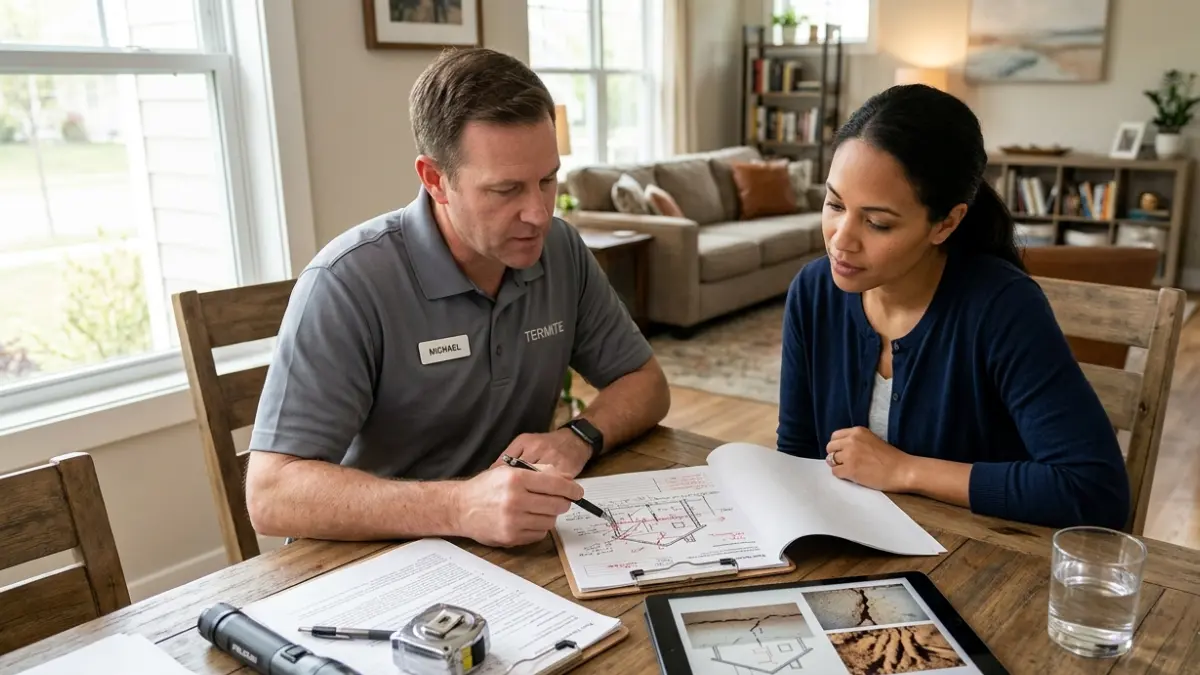
What a written agreement has to contain
Requirements differ by state, but one state agriculture department’s guide to service agreements shows the shape: licence number and company, a foundation diagram marking the infestation active or inactive, damaged timbers, re-inspection intervals, retreatment conditions, and total price.
None of that exists after a Saturday with a sprayer.
Retreatment, repair, or nothing
Don’t read that as an argument that hiring out is risk-free. The most common service agreement is retreatment-only, usually a year, with no obligation to repair damage. Some cover repair to a limit, some carry none, and no agreement assures termites won’t return.
If you’re selling within a few years
A termite inspection report is normally a condition of sale. You can’t issue your own.
✅ Do This: Get inspections and estimates from two or three licensed firms first. Termites damage wood slowly, so an extra week comparing proposals costs almost nothing — and a firm pressuring you to sign today is telling you something useful.
The honest DIY scorecard
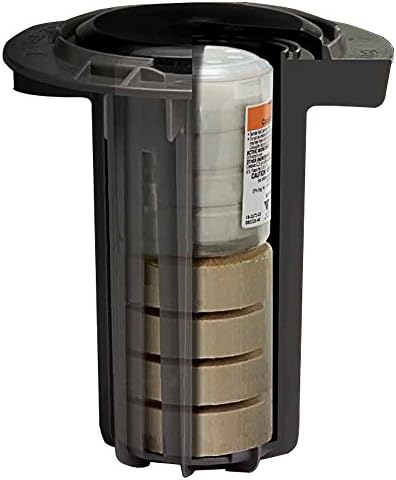
- Includes one CASE of TBS systems: 10 x Advance Termite Inspection Cartdrdge (TIC), 10 x TBS station, 10 x wood block for…
- This bait system functions as a DETECTION tool, and does NOT contain termiticides. Install first to detect if termites a…
- After termites are detected, replace with Trelona cartridges that work with these stations. Trelona is a termiticde by t…
Find your situation; take that verdict, not the average.
| Your situation | Verdict | What DIY achieves | What it can’t touch | Key detail |
|---|---|---|---|---|
| No termites, or a damp crawl space | Fully DIY | Drainage, clearance, airflow | Established colonies | Best-value work all year |
| Suspect activity, unconfirmed | DIY the looking | Probing, tubes, photos | Behind walls | Inspectors miss hidden signs |
| Confirmed activity indoors | Professional | Nothing reliable | Colony, entry points | Retail products seldom eradicate |
| Infested mailbox or fence post | DIY | The object itself | Anything attached | The one named exception |
| Bare framing to protect | Partly | Accessible bare wood | Foundation soil | See the note below |
| Selling within a few years | Professional | Nothing usable at closing | The buyer’s report | You’re buying documentation |
| Already self-treated | Get inspected | Possibly some kill | Whatever still feeds | Quiet isn’t evidence |
Editorial synthesis of the cited sources. No products were tested or installed.
🔍 Why It Works: A partial treatment can knock back visible signs without reaching the colony — removing the very thing that would have prompted an inspection, while feeding continues unseen.
On borates: the EPA lists them as a wood treatment sprayed during new construction — that’s their honest scope. We found no extension source settling how deeply they penetrate, so treat any figure as unverified.
DIY termite treatment: your questions answered
1. Do retail termite bait stakes work?
The directions themselves say they’re not recommended as sole protection, and buyers with an active infestation are told to get a professional inspection and treatment. They also require pulling and checking each stake every two to three months for the better part of a year. Treat them as a monitoring tool, not a cure.
2. Can homeowners buy the same termiticide professionals use?
In much of the country, yes — some concentrates share an active ingredient with the professional products. Some termiticides, though, can only be used by trained and licensed applicators, and state sale restrictions vary and change over time. Check your state pesticide regulatory agency before buying, and read the label first.
3. What kills termites permanently?
Nothing kills termites permanently. A liquid barrier is a treatment zone that eventually needs renewal, while a bait system reduces or eliminates a colony as monitoring continues, and either can be defeated by an untreated gap or a fresh colony arriving later. Ongoing inspection is what makes any of it last.
4. Does vinegar, borax or orange oil kill termites?
No university extension source supports any of them for a structural infestation. Orange oil has a narrower genuine use than its marketing suggests, and household sprays don’t reach a colony living in soil or deep inside wood. Products claiming only to kill termites on contact aren’t intended to protect a structure.
5. Is DIY termite treatment legal?
It depends on the product and your state, not on one national rule. Some termiticides are restricted to trained and licensed applicators, some products can’t be sold in certain states, and every pesticide label is legally binding. The factor that changes your answer is your state’s rules — check with your state pesticide regulatory agency first.
6. Will DIY treatment void a termite warranty or bond?
A DIY treatment doesn’t produce a warranty in the first place. Professional agreements are written contracts carrying a licence number, a foundation diagram and defined retreatment conditions, none of which exist after self-treatment. If you already hold an agreement, read its terms before applying anything yourself, then call the company.
7. Can I DIY if I’m selling the house?
A termite inspection report is normally a condition of sale, and you can’t issue your own. Even a treatment that worked leaves you nothing to hand a buyer at closing. If a sale is within a few years, you’re buying documentation as much as treatment — book licensed inspections instead.
8. What if I’ve already treated it myself?
Get an inspection anyway. The risk isn’t that your treatment did nothing — it’s that it did enough to suppress the visible signs while feeding continued out of sight. Termite damage progresses slowly, so there’s time to have it checked properly, but don’t let a quiet perimeter be your only evidence.
So — should you?
Do the prevention work yourself this weekend, and don’t pay anyone for it. Do the looking yourself too, and keep doing it.
If you’ve confirmed termites inside the structure, this one isn’t a DIY job — not because you aren’t capable, but because it needs equipment, building knowledge and a documented result you can’t produce alone.
Get inspections from two or three licensed firms and take your time comparing them. Then check all five methods and what they really cost before signing anything.
Related Articles
 Termite Treatment
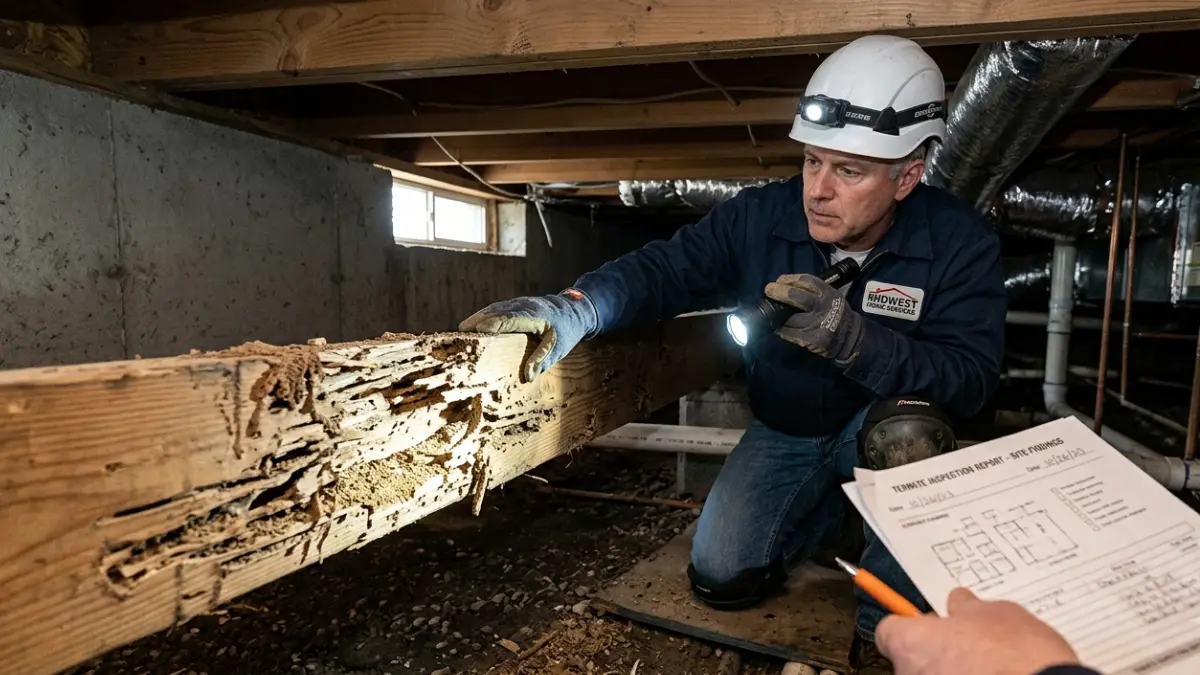
Termite damage repair cost rests on one costly missing step
July 27, 2026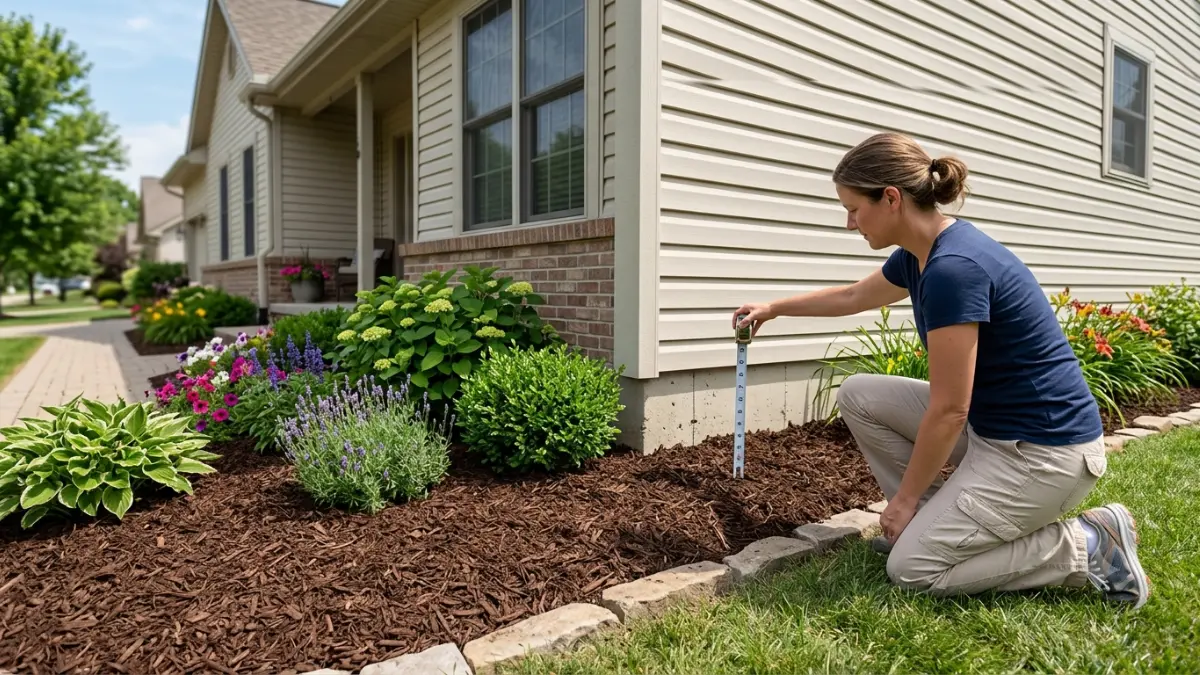 Termite Treatment
Does mulch attract termites, and what most advice overlooks
July 31, 2026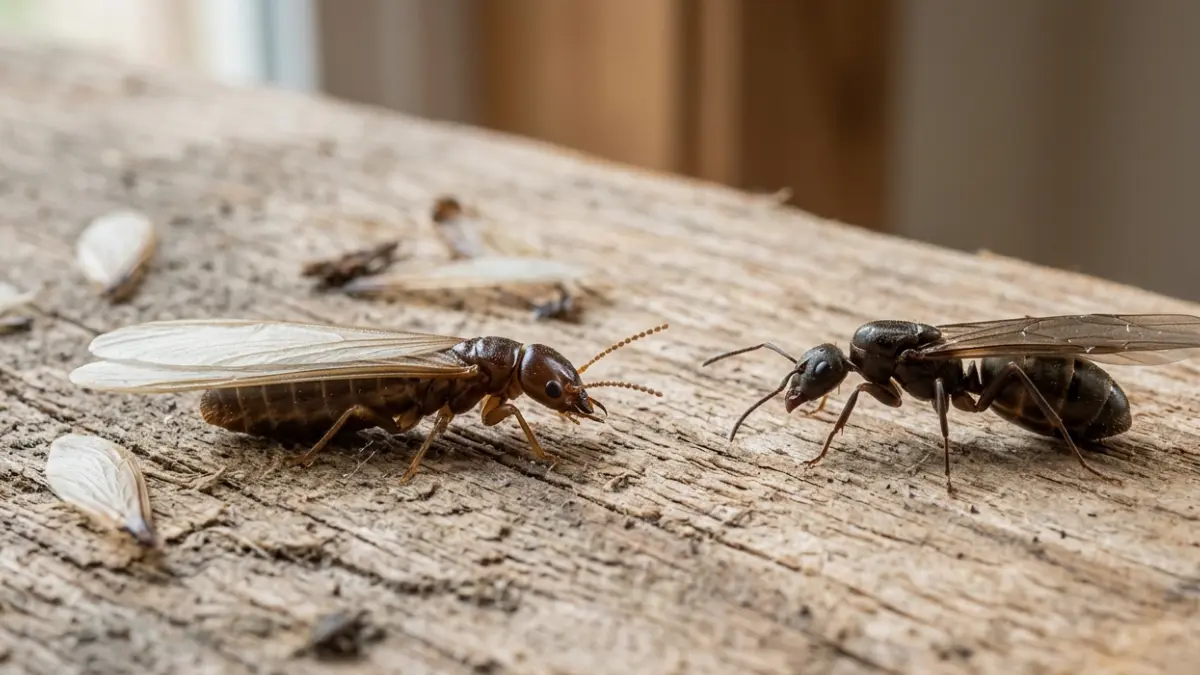 Termite Treatment
How to Easily Tell Flying Ants From Termites
July 15, 2026 Termite Treatment
What the New Formosan Termite Hybrid Means for Florida
July 20, 2026 Termite Treatment
Buying a house with termite damage hinges on one overlooked line
July 30, 2026 Termite Treatment
Crawl space termites and moisture share one common cause
August 1, 2026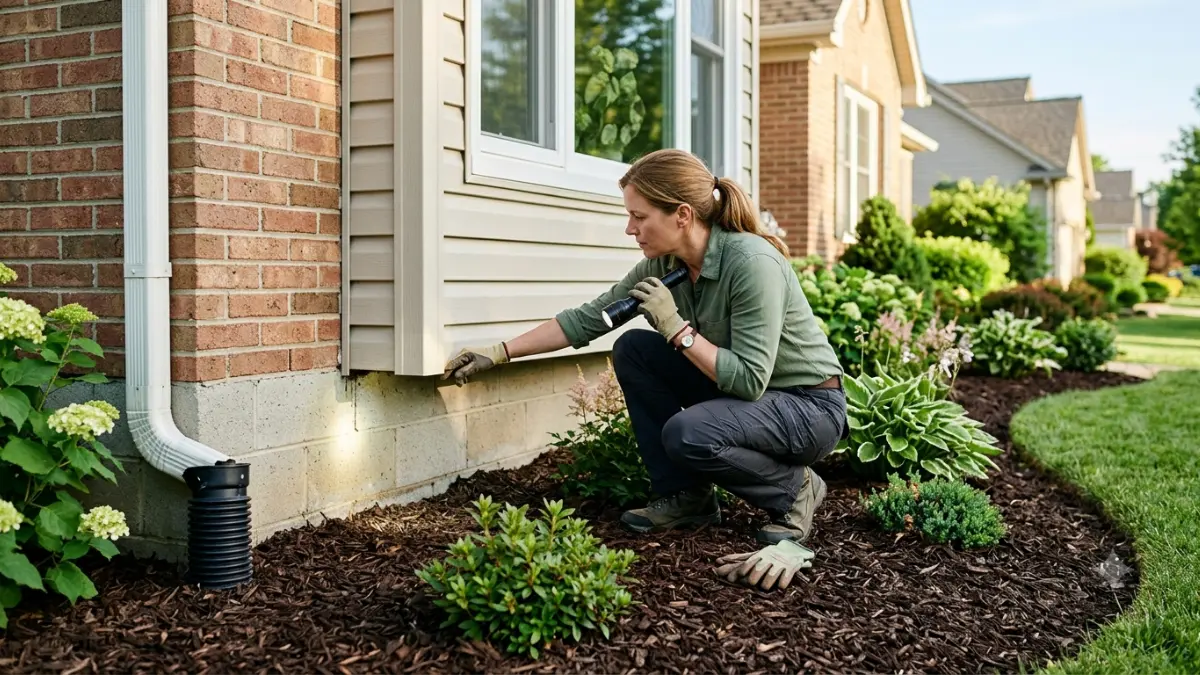 Termite Treatment
The common termite prevention list is really three lists
August 1, 2026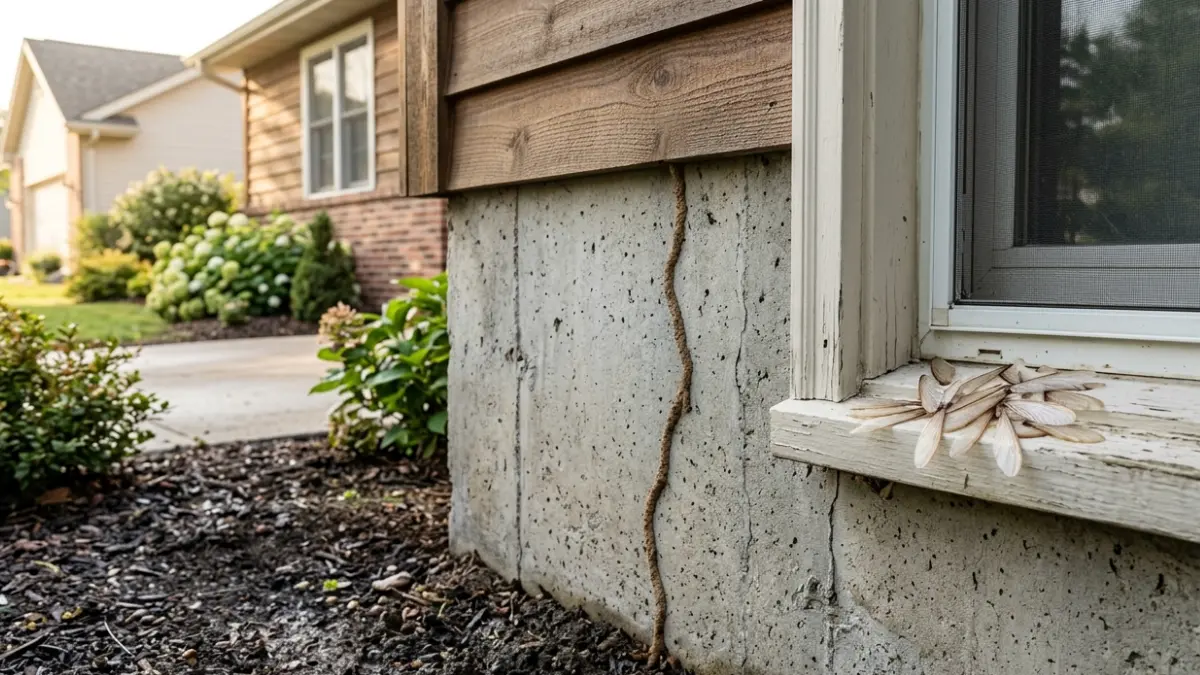 Termite Treatment
The Right Way to Read the Signs of Termites You Just Found
July 14, 2026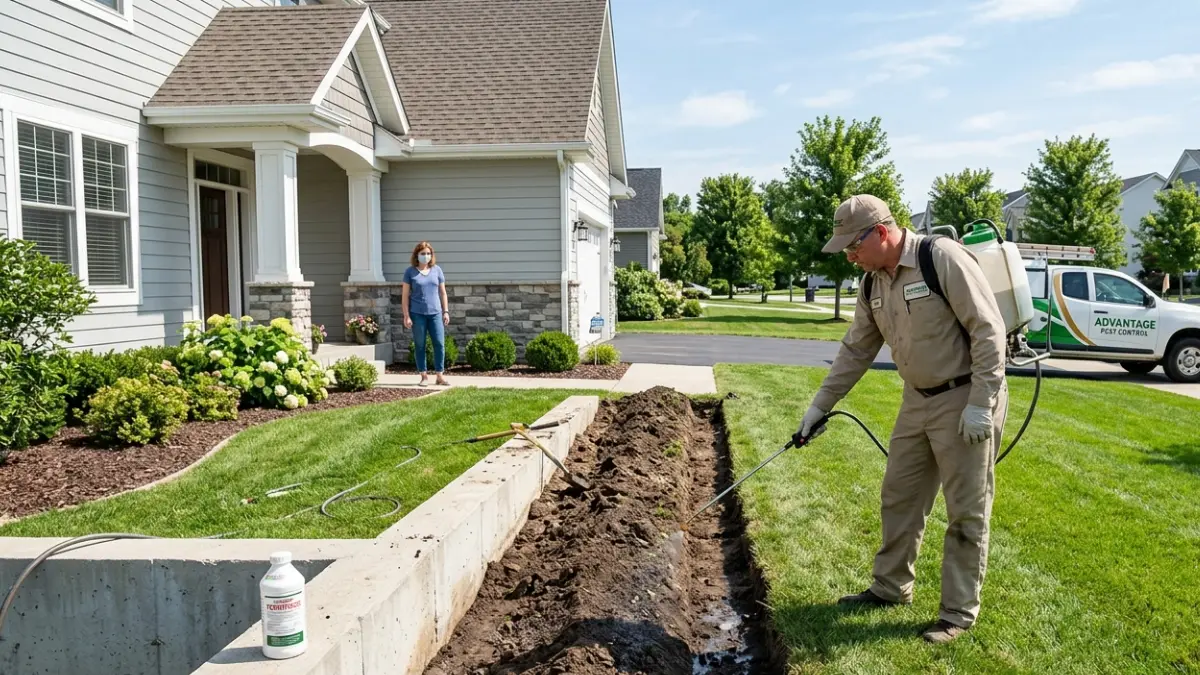 Termite Treatment