
Termite Swarmers Indoors Often Signal an Active Colony

Termite swarmers indoors rarely bite — but they usually signal a mature colony that’s been feeding out of sight for years. Here’s how to read the signs.

Table of Contents
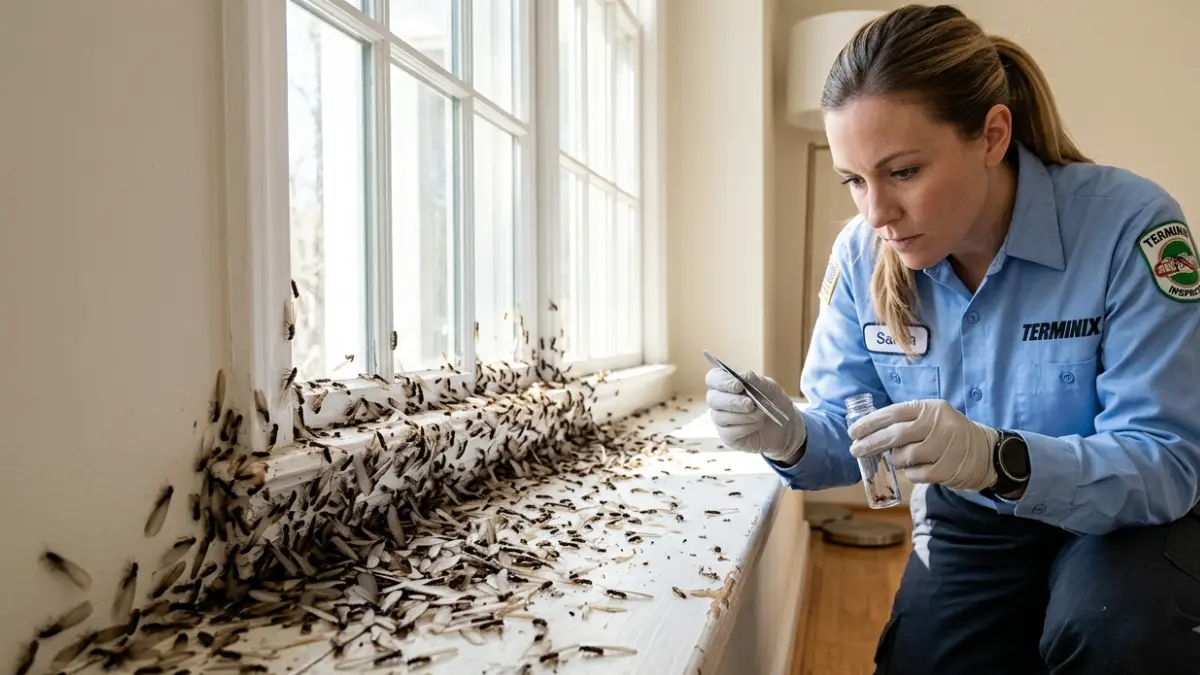
You found a small pile of clear, papery wings on a windowsill — or winged insects tapping at the glass indoors — and sensed these weren’t ordinary bugs. If they have four equal-length wings and a straight body with no pinched waist, there’s a strong chance they’re termite swarmers, and finding them inside usually means a colony is already active in or under your home.
Here’s the reassuring part first: the flying termites you’re looking at don’t bite people or pets, and they aren’t the ones eating your framing. They’re the reproductive stage sent out to start new colonies — and indoors, nearly all of them are about to die.
Where you go next depends on your situation. Not sure these are termites? Start with identification below. Fairly certain and want to know how serious it is? Skip to what indoor swarmers mean. Just need the next step? Jump to the first-response steps.
ℹ️ Safety Note: Termites can cause serious, costly structural damage, and treating an active infestation is not a do-it-yourself job. The guidance here is for identifying what you’ve found and deciding what to do next. To actually treat termites, hire a state-licensed pest control professional and skip retail sprays, which can’t reach a colony inside walls or beneath a slab.
What termite swarmers indoors actually mean
Finding swarmers inside usually means an established termite colony has been feeding within or under your home, often for years. Swarmers — winged reproductive termites called alates — appear only once a colony is mature, and Mississippi State University Extension notes it takes several years for a colony to grow large enough to release them. For subterranean termites, that’s often three to five years, so the insects at your window are a late signal, not an early one.
Why “inside” is the part that matters
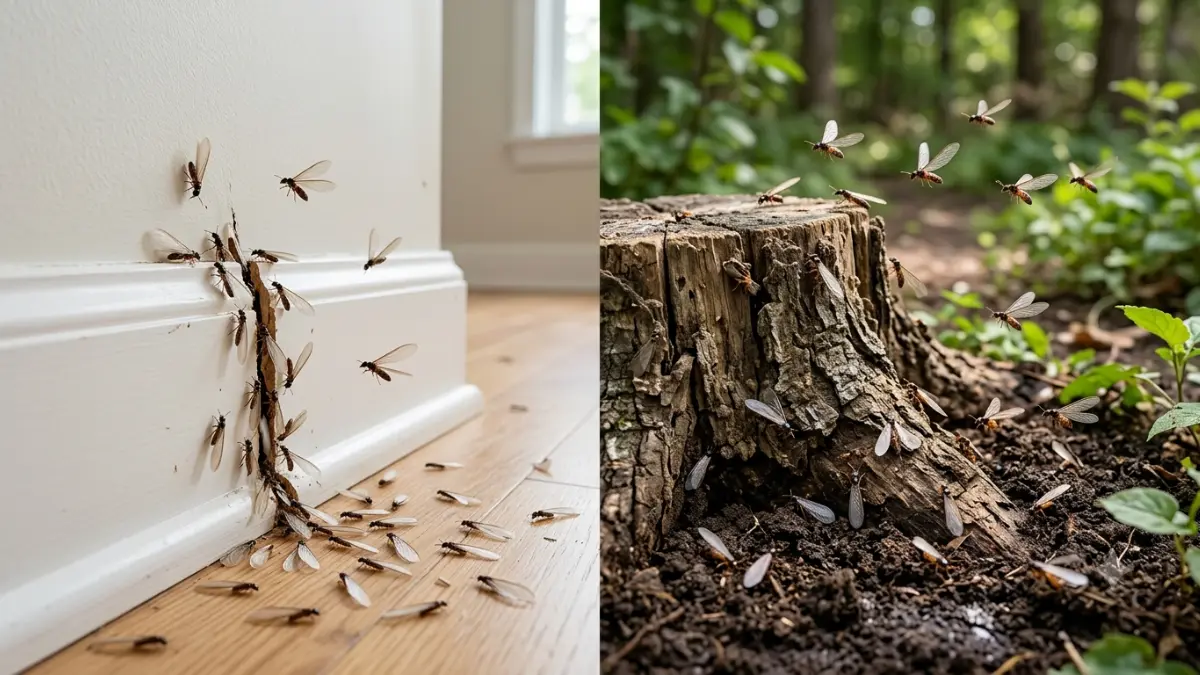
Swarmers seen only outdoors don’t prove your house is infested — termites live in the soil everywhere. But ones emerging from a wall, floor, or ceiling, or appearing indoors in numbers, point to a colony already inside.
Killing them doesn’t fix anything
Squashing or spraying the swarmers does nothing for the real problem. They die on their own indoors because they can’t reach moist soil — but the colony that produced them keeps feeding until it’s treated.
The equal-length wings swarmers shed after flying are a giveaway too — often a scattering on the sill is the only sign you’ll see.
Termite swarmers vs. flying ants: how to tell them apart
The two get mixed up constantly. Run these three checks:
| Feature | Termite swarmer | Flying ant |
|---|---|---|
| Antennae | Straight, bead-like | Bent or elbowed |
| Wings | 4 wings, all equal length, longer than the body | Front wings longer than the rear pair |
| Waist | Broad — no pinch | Obvious narrow, pinched waist |
| Body | ~¼ inch, dark (subterranean); Formosan tan-gold, larger | Black, brown, or reddish |
Sources: University of Maryland Extension; Mississippi State University Extension.
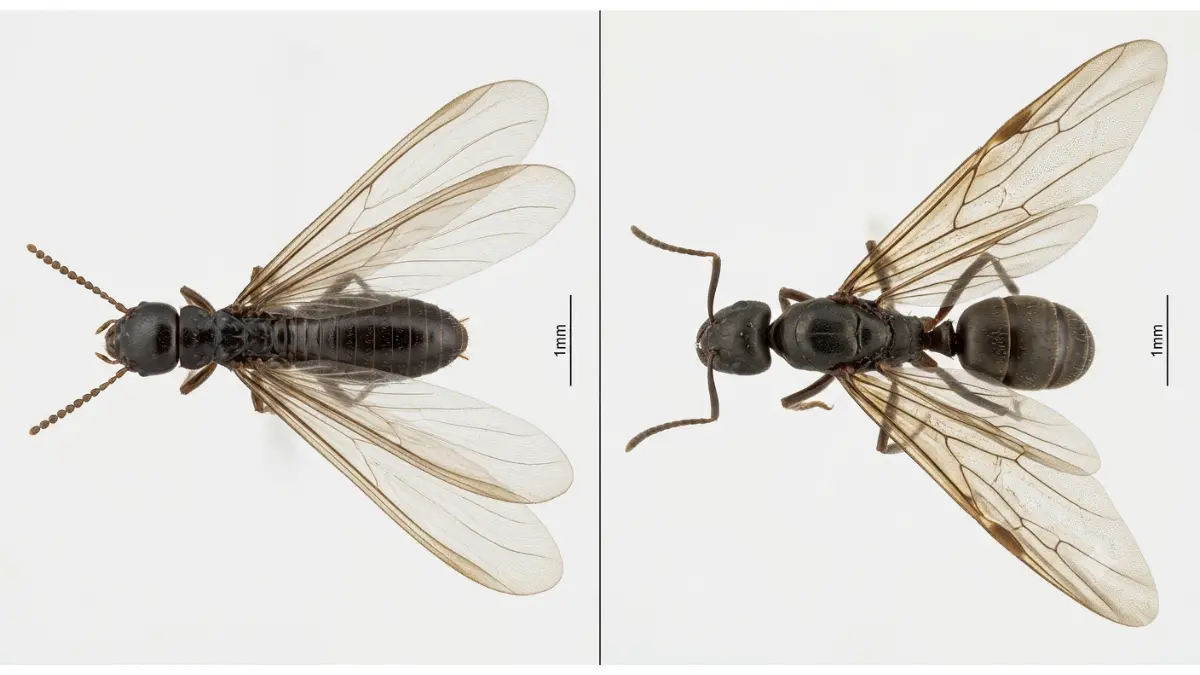
Most people notice the wings first — a termite’s four wings are equal in length and clearly longer than its body, while a flying ant’s front wings are longer than its back pair. Line up a shed wing: equal length points to termites.
The antennae and waist settle any doubt: termite antennae are straight and bead-like with no pinched waist, while a flying ant has bent antennae and an hourglass midsection. For the full breakdown, see how to tell flying ants from termites.
What to do if you find termite swarmers in your house
- WATER LEAK DETECTOR detects relative moisture content from leaks and flooding
- PINLESS MOISTURE METER measures relative moisture content in building materials
- NONDESRUCTIVE DETECTION up to 3/4-Inch deep using Electromagnetic field (EMF) technology

- Items:100pcs 6x9in/15x25cm High quality ziplock top Biohazard Specimen Bags with outside pocket paperwork pouch,convenie…
- Distinctive Logo: prominent red and black BIOHAZARD logo bags alert others handle or store carefully,ensure that the spe…
- ZipLock:With a self-sealing zipper on the head,High quality sealing belt reusable,you can easily open and seal the bag
Work through this in order:
- Confirm they’re termites using the wing, antenna, and waist checks above.
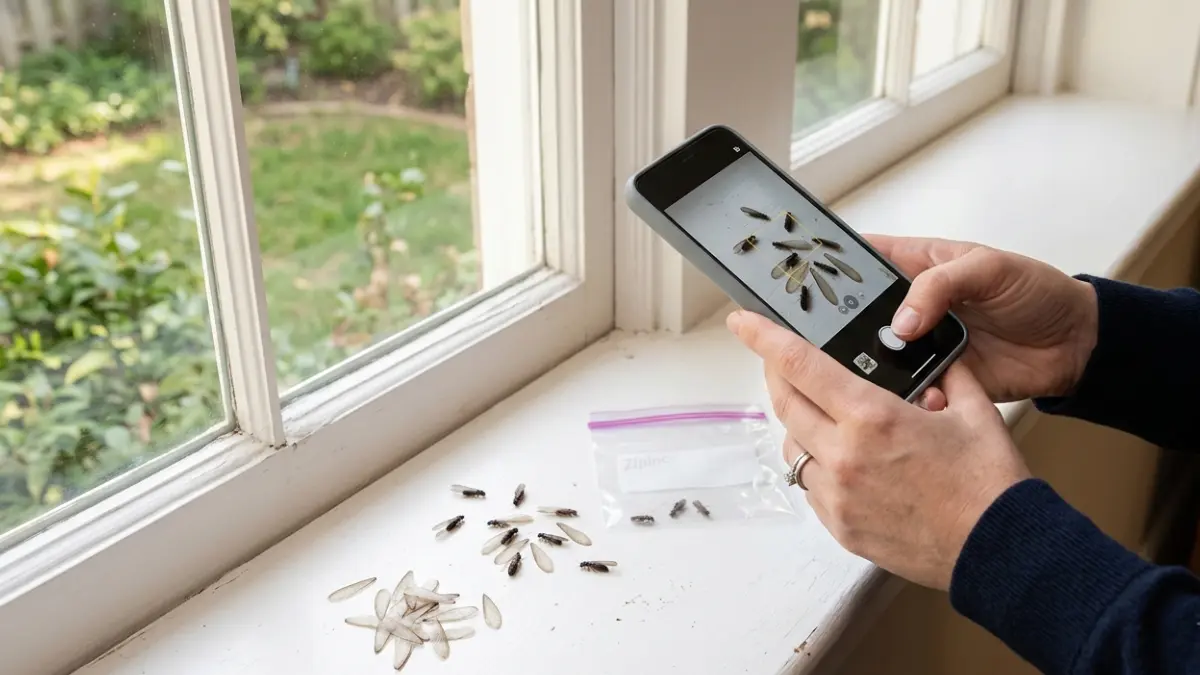
- Document what you found — photograph the insects and wings and note where they appeared.
- Save a few specimens in a bag or pressed under clear tape, so an inspector can confirm the species.
- Call a state-licensed pest control professional for an inspection.
Resist the two most common wrong moves. Spraying the swarmers or waiting to “see if they come back” both leave the colony untouched, and the U.S. EPA is clear that treating a structure takes a state-licensed firm — ask to see that license before hiring.

If you rent
Tell your landlord or property manager in writing right away. Treatment is typically the owner’s responsibility, and written notice creates a record and gets an inspection moving.
While you wait
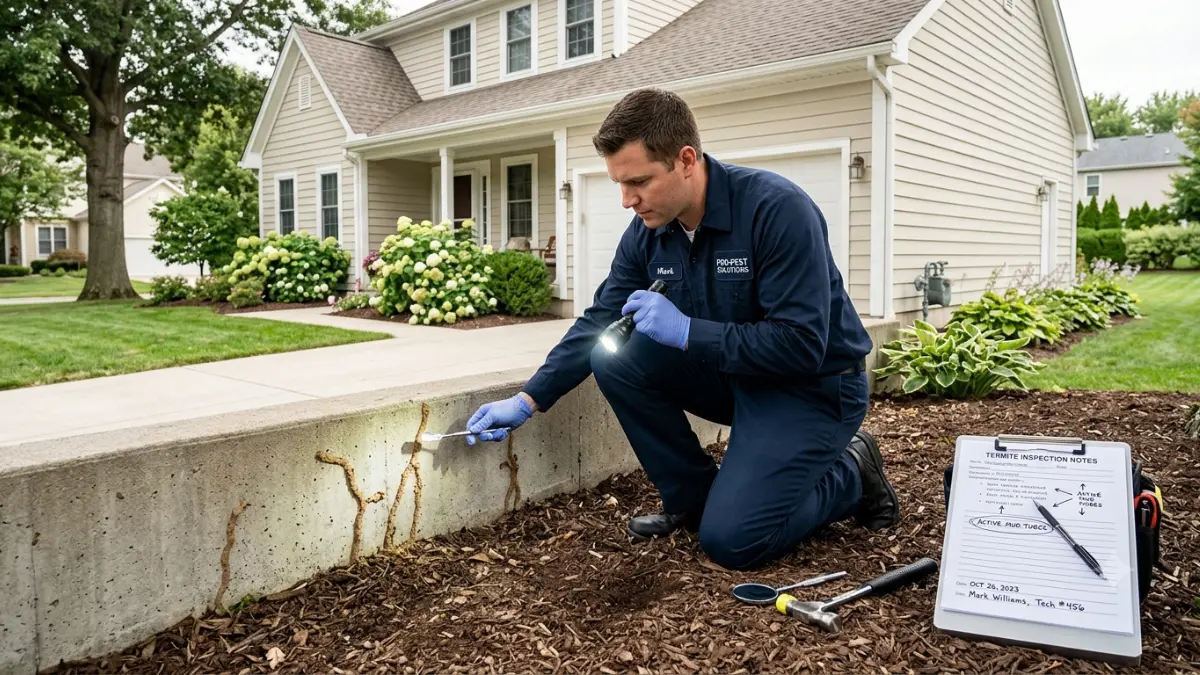
Skip retail treatments — none of them resolve a structural infestation. Do watch for corroborating signs: check the other signs of a termite infestation and whether any mud tubes on your foundation are active.
✅ Do This: When you call, ask the company to identify the species and give you a written inspection report before recommending treatment — and confirm they’re state-licensed.
When termites swarm — by species and region
Timing is a clue, not a coincidence. Because each species swarms in its own window and its own way, when and how you see swarmers helps narrow down what you have:
| Termite type | Typical swarm season | Time of day | Drawn to light? | Common in |
|---|---|---|---|---|
| Eastern subterranean | Spring (Jan–Feb on the Gulf Coast; into May–June farther north) | Daytime | No | Most of the eastern U.S. |
| Formosan subterranean | Late spring–early summer (≈ May–June) | Evening/night | Yes | Southeast, Gulf states |
| Western drywood | Late summer–early fall | Warm evenings | Yes | Pacific coast, Southern CA |
Sources: Mississippi State University Extension; UC Integrated Pest Management.
Daytime swarmers usually mean subterranean termites; night swarmers around lights may be Formosan or drywood. What else you find helps too: subterranean termites build mud shelter tubes and need soil contact, while drywood termites live inside wood and leave dry pellets — frass — not tubes.
Coffee-ground pellets and no tubes? Drywood is likely — here’s how subterranean and drywood termites differ and what drywood termite droppings look like. Region matters too: Florida termites swarm nearly year-round, while the far North rarely sees them at all.
Swarmers indoors vs. outdoors — what each really means
The single most useful question is where the swarmers are coming from:
| What you’re seeing | What it likely means | What to do |
|---|---|---|
| Swarmers from a wall, floor, or ceiling — or lots indoors | An active colony is inside the structure | Treat as an infestation; get a licensed inspection |
| A few near an indoor light or window at night | Possible — may have come in from outside | Investigate; check for a current termite contract |
| Swarmers only outdoors | Normal — termites live in the soil everywhere | Stay alert; inspect if not checked in years |
Source: Mississippi State University Extension.
The exception: a treated home in Formosan country
Here’s one honest caveat the alarmist versions skip: in areas with heavy Formosan activity, a few swarmers indoors in a home already under an active termite contract may have slipped in toward the light rather than signaling a new infestation. MSU Extension’s guidance on protecting your home from termites says to verify the contract is current and notify the company — but hundreds of swarmers indoors still warrant an in-depth professional inspection.
⚠️ Watch Out: “A few is fine” applies only to a home under a current, active contract in a known Formosan area. No contract — or dozens of swarmers — means treat it as an infestation and get it inspected.
What happens next: inspection, treatment, and cost
- Multiple uses:Works great either as garage work light, shop work light, inspection light at job sites or as an outdoor l…
- Rechargeable magnetic work light:This COB LED worklight built-in rechargeable battery,rechargeable by USB port,can be us…
- Excellent production: This work led light is anti-sweat and anti-slip.The head is alloy which dissipates the heat effect…
Once swarmers point to an active infestation, the fix is a professional one. A qualified inspection covers the accessible interior and exterior, probes suspect wood, checks the crawl space and foundation for mud tubes, and identifies the species so treatment matches the pest.
Why DIY treatment doesn’t work here
A retail spray can’t reach a colony inside wall voids or under a slab, which is why store-bought products reliably fail on structural infestations. Professional options vary — soil-applied liquid barriers and bait systems for subterranean termites, localized treatment or fumigation for drywood — and each requires licensed application. The EPA recommends hiring a firm licensed by your state.
What it costs
Cost varies widely with the method, your home’s size, and how far the infestation has spread, so there’s no single number. For a realistic breakdown by approach, see our guide to professional termite treatment and what it really costs.
✅ Do This: Before signing anything, confirm the company’s state license, get the findings in a written report, and make sure any warranty or retreatment terms are spelled out in writing.
Termite swarmers indoors: frequently asked questions
1. Does finding termite swarmers indoors mean I have an infestation?
Usually yes — especially if they’re emerging from inside or appearing in numbers. Termite swarmers appear only after a colony has matured over several years, so indoor swarmers point to an established colony feeding in or under your home. Any indoor swarmers warrant a professional inspection.
2. How do I tell termite swarmers from flying ants?
Check three features. Termite swarmers have straight, bead-like antennae, four equal-length wings longer than the body, and no pinched waist. Flying ants have bent antennae, longer front wings, and an obvious narrow waist. Equal-length wings are the quickest tell that you’re looking at termites.
3. Are termite swarmers dangerous to people or pets?
No. Termite swarmers don’t bite or sting people or pets and don’t spread disease. The danger is structural, not personal — the colony behind them can quietly damage your home’s wood. If you’re seeing swarmers indoors, have the home inspected by a licensed professional.
4. Should I kill the termite swarmers I see inside?
You can, but it changes nothing. Swarmers indoors die on their own because they can’t reach moist soil, and killing them does nothing to the colony that produced them. That colony keeps feeding until it’s professionally treated, so skip the spray and schedule an inspection.
5. What should I do first if I find swarmers indoors?
Confirm they’re termites, photograph them, and save a few specimens for identification. Then call a state-licensed pest control professional for an inspection — and if you rent, notify your landlord in writing right away. Don’t spray the swarmers or buy a retail treatment; neither reaches the colony.
6. What time of year do termites swarm?
It depends on species and region. Eastern subterranean termites swarm in spring by day; Formosan termites in late spring to early summer at night; western drywood termites in late summer to early fall. In Florida, termites can swarm nearly year-round, with the longest seasons in warm coastal areas.
7. Why are termites swarming inside when it’s cold outside?
Warmth is the usual reason. A heated interior can push a mature colony inside the structure to release swarmers out of season, and in warm regions like Florida swarming happens nearly year-round. Off-season swarmers indoors still suggest an active colony, so have the home inspected.
8. Are a few termite swarmers indoors always an infestation?
Not always. In areas with heavy Formosan activity, a few swarmers can drift indoors toward a light in a home already under an active treatment contract. Verify the contract is current and notify your pest control company. But dozens or hundreds indoors warrant an in-depth professional inspection.
9. Can I treat termites myself, or do I need a professional?
You need a professional. Termite control isn’t a do-it-yourself job — retail sprays can’t reach a colony inside walls or beneath a slab, and the EPA advises hiring a firm licensed by your state. A licensed pro can locate the infestation and treat it properly.
10. How much does termite treatment cost?
It varies widely, so there’s no single figure. Cost depends on the treatment method, your home’s size, and how far the infestation has spread — a small localized job and a whole-structure fumigation differ greatly. See our guide to professional termite treatment costs for a breakdown.
The bottom line
Finding termite swarmers indoors is unsettling, but it’s useful information — a warning that arrives before you’d otherwise discover hidden damage. The flying termites don’t bite and aren’t eating your home, but indoors they usually mean an established colony is already at work. Squashing them changes nothing; identifying them, documenting what you found, and booking a licensed inspection is what moves you forward.
So take the win of an early warning, and take the next step. When you’re ready to weigh your options and see real pricing, our termite treatment cost guide walks through it without the sales pitch.
Related Articles
 Termite Treatment
The real answer to when termites swarm is species by species
August 2, 2026 Termite Treatment
How to Tell Termite Damage From Water Damage and Rot
July 16, 2026 Termite Treatment
Crawl space termites and moisture share one common cause
August 1, 2026 Termite Treatment
Borate termite treatment offers real protection within limits
July 25, 2026 Termite Treatment
Termite damage repair cost rests on one costly missing step
July 27, 2026 Termite Treatment
What the New Formosan Termite Hybrid Means for Florida
July 20, 2026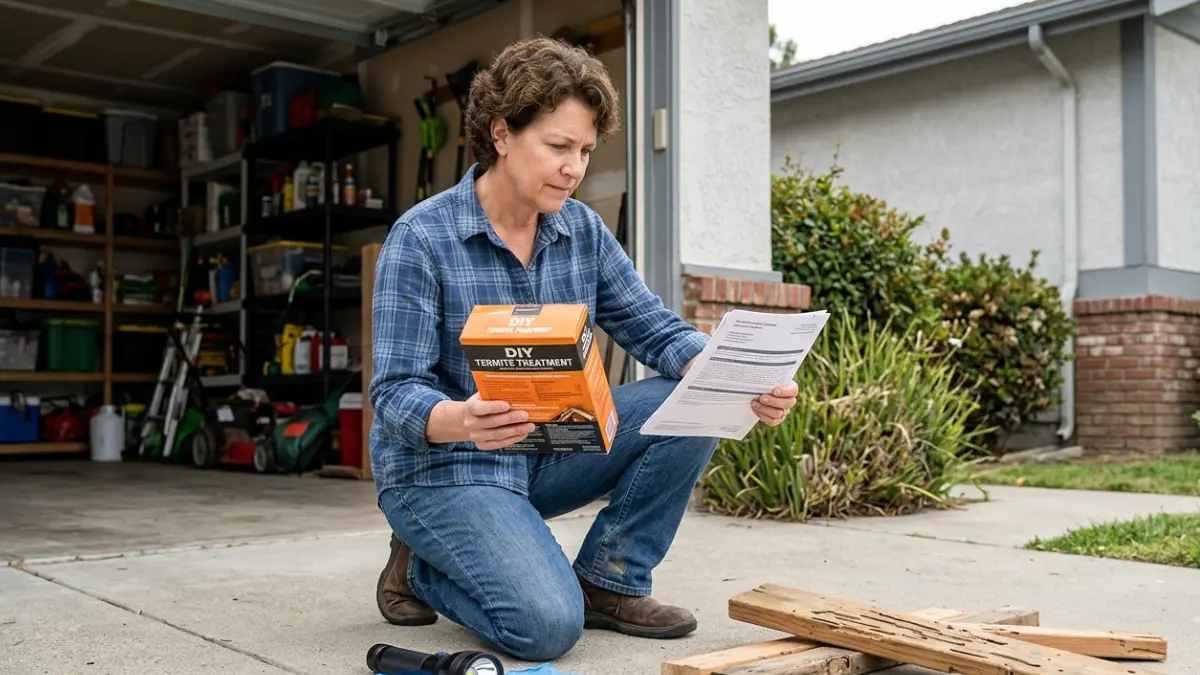 Termite Treatment
The real limits of the best termite treatment you can buy
July 24, 2026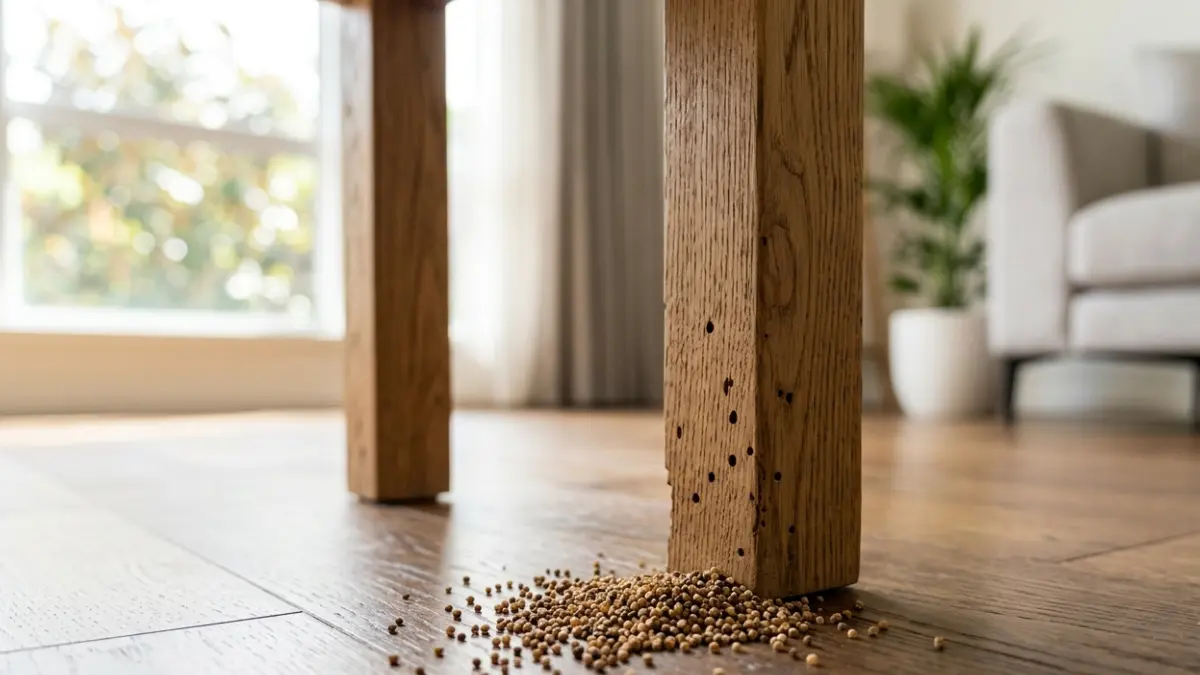 Termite Treatment
Knowing where termites in furniture live decides the right fix
August 2, 2026 Termite Treatment