
What the New Formosan Termite Hybrid Means for Florida

Formosan termites are hybridizing in South Florida—but the confirmed hybrid isn’t the super-termite headlines claim. Here’s what’s actually true.
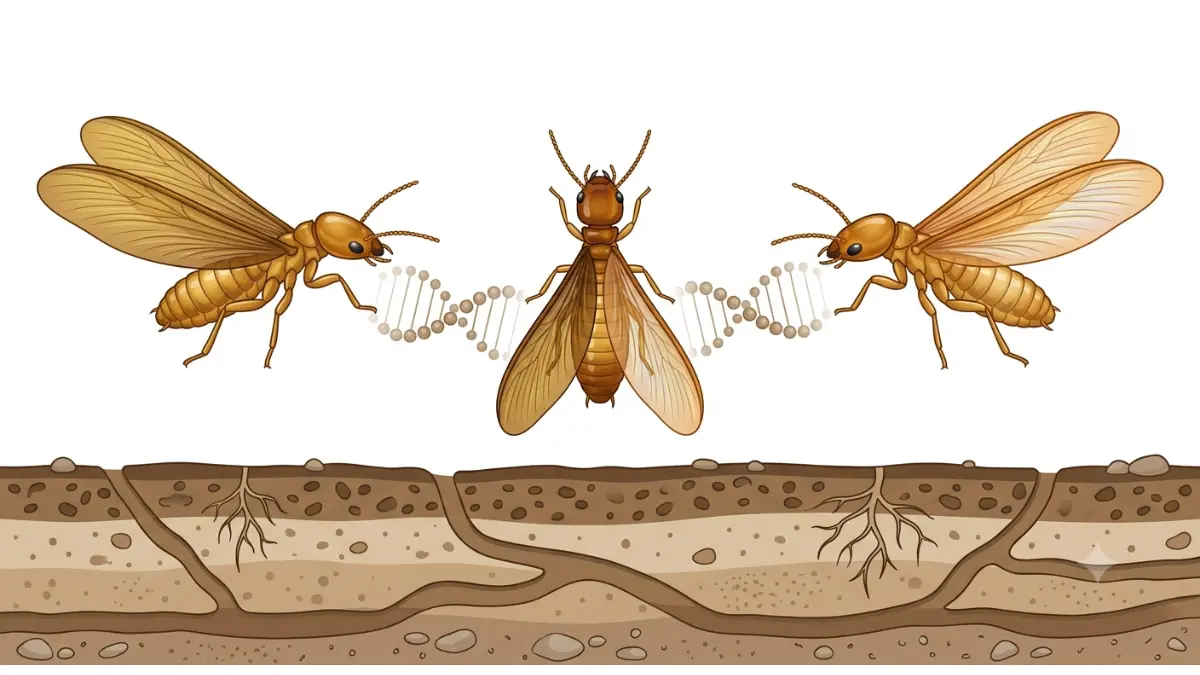
Table of Contents
The Formosan termite hybrid is real, it’s confirmed by University of Florida researchers, and it is not the “super termite” the headlines suggest. It’s the offspring of two invasive species that have started interbreeding in South Florida: the Formosan subterranean termite and its tropical cousin, the Asian subterranean termite. If an alarming news story sent you here, the calm version is what you actually need.
Here’s who this is for. If you live in South Florida and want to know whether this affects you, skip to where the hybrid is and whether your area is at risk. If you found winged termites or mud tubes and want to know what you’re looking at, the identification section is your stop. And if you’re weighing treatment, the hybrid doesn’t change your plan — we’ll show you why, then point you to real costs.
ℹ️ Safety Note: Established Formosan and Asian subterranean termite infestations involve large underground colonies and, in most cases, professional pesticide application. The information here is for general understanding. If you suspect active termites, hire a licensed pest control professional and follow their treatment plan and your local regulations rather than attempting chemical treatment yourself.
What the Florida termite hybrid actually is
The Florida termite hybrid is the offspring of two separate species — the Formosan subterranean termite (Coptotermes formosanus) and the Asian subterranean termite (Coptotermes gestroi) — that have begun mating with each other in South Florida. Both rank among the most destructive termites in the world. They are subterranean termites that nest underground, unlike the drywood kind that lives inside furniture and beams.
Two species, one cross
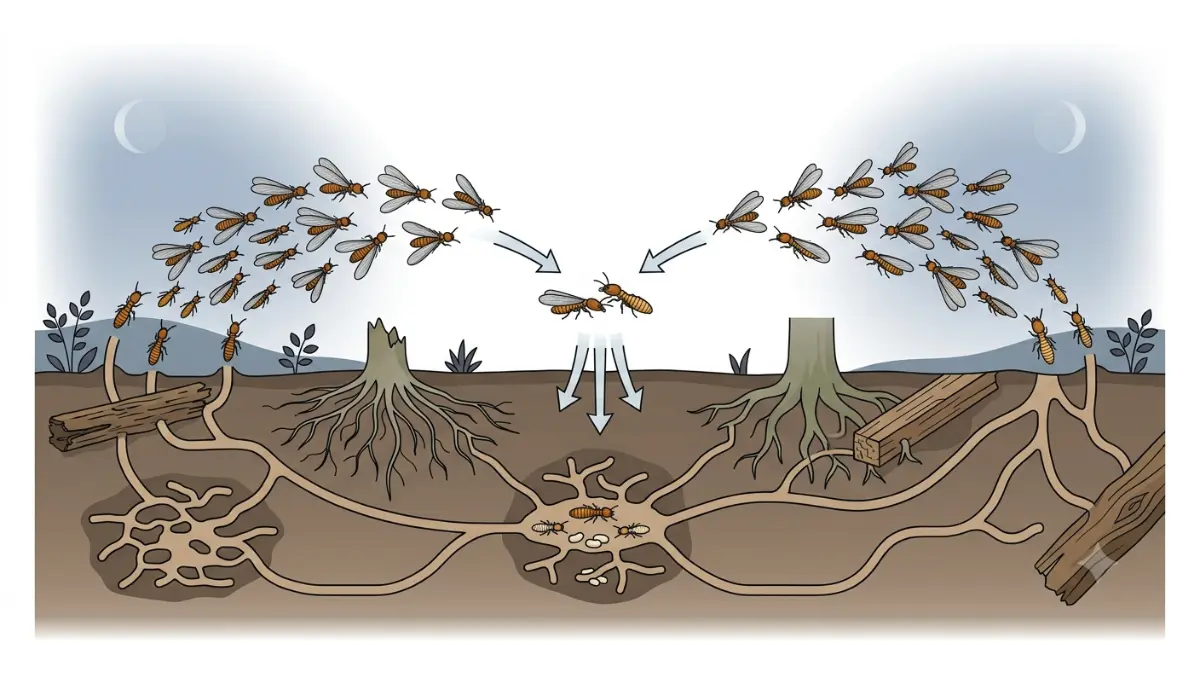
These two species normally keep to themselves, partly because their swarming seasons don’t fully line up. In South Florida, though, researchers have observed them flying at the same place and time on warm nights since 2013, then pairing off across species. University of Florida scientists confirmed through genetic analysis that the resulting winged termites carried half their genes from each parent.
Why it counts as “established”
For years the hybrids were mostly a laboratory finding. Then researchers found a hybrid colony living inside a tree in Fort Lauderdale, and in 2025 UF confirmed that hybrid colonies are now established in South Florida. Lead researcher Thomas Chouvenc has been direct that this isn’t a monster in the making — a point UF reinforces in its fact-versus-fiction explainer.
💡 Pro Tip: As Chouvenc has framed it, the hybrid is less a “super termite” than a mule — it can still kick, but its damage potential is roughly the same as either parent.
Formosan vs. Asian subterranean vs. the hybrid
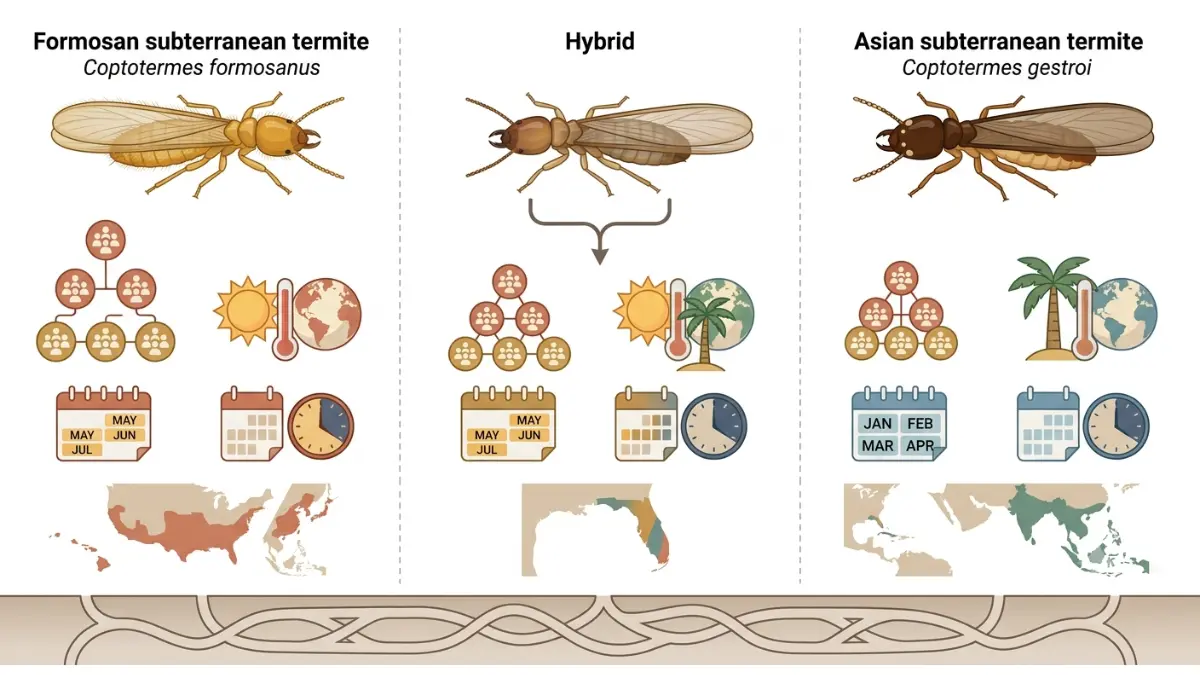
The clearest way to understand the hybrid is to see how it sits between its parents. All three are subterranean termites that forage underground and can reach a home from the soil, and all three can cause serious structural damage. Where they differ is range, cold tolerance, and how they’re identified.
How the three compare
| Feature | Formosan subterranean | Asian subterranean | The hybrid |
|---|---|---|---|
| Scientific name | C. formosanus | C. gestroi | C. formosanus × C. gestroi |
| US range | Many southeastern states | Mostly South Florida, spreading north | Confirmed in South Florida only |
| Cold tolerance | Tolerates cooler temperatures | Tropical; cannot survive cold | Under study |
| Swarm season | Late April–early May, at dusk | From early March, at dusk | Under study |
| Colony size | Up to several million | Very large; hollows live trees | Comparable to parents |
| Identified by | Expert examination | Expert examination | Genetic analysis only |
Table note: Ranges, swarm timing, and colony traits are drawn from UF/IFAS’s Featured Creatures profile and termite research; hybrid-specific traits are still being studied.
What the differences mean for you
Cold tolerance is why scientists watch this closely: the Asian parent can’t survive cold alone, but interbreeding raises the question of whether combined traits could push the range north over time.
Can you tell if you have the hybrid?
Here’s the honest answer: you can’t identify the hybrid by sight, and neither can a technician at a glance. The hybrid is confirmed only through genetic analysis in a lab, because it looks nearly identical to its parents. What you can spot are the general signs of subterranean termites.
What you can look for
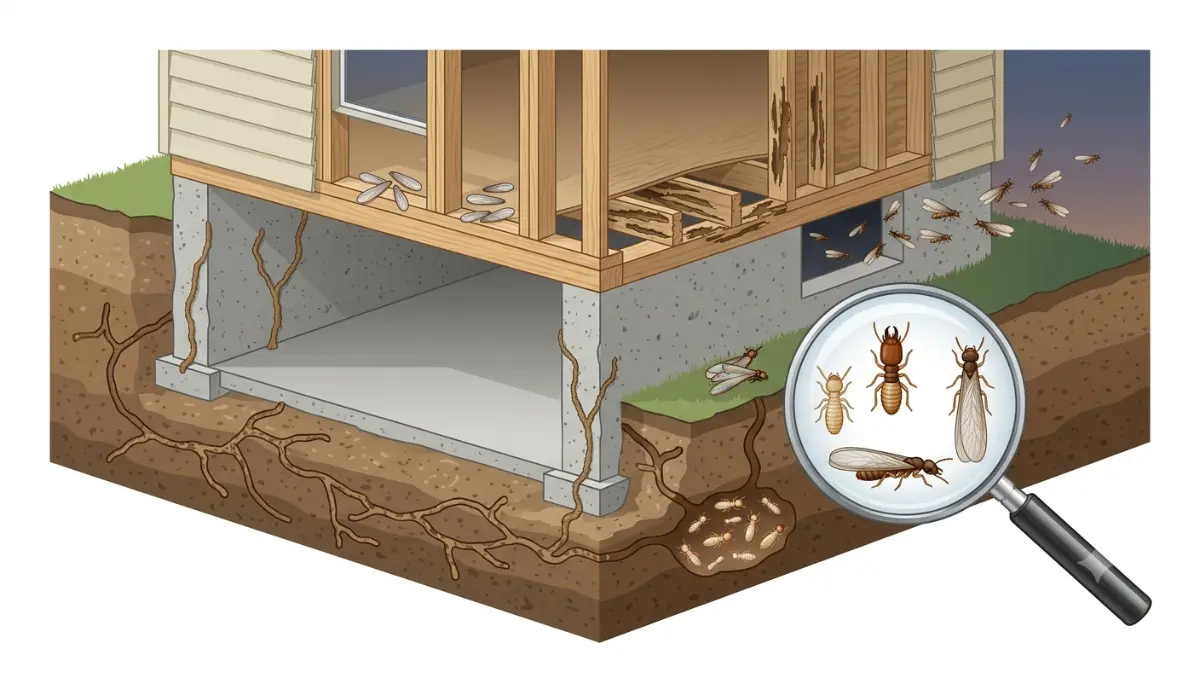
Subterranean termites leave a few tells. Watch for active mud tubes — pencil-width soil tunnels running up a foundation or wall — along with hollow-sounding or crumbling wood and discarded wings near windowsills after a swarm. A cloud of winged termites at dusk is a swarm, and telling those swarmers from flying ants is often the first identification a homeowner makes.
Get a real identification for free
You don’t have to guess the species. UF/IFAS runs a termite identification service: homeowners and pest control operators can submit a sample and have it identified by the same lab tracking these invasions.
✅ Do This: If you find swarmers or other signs of a termite problem, collect a few in a small bag or jar and have them identified — by a licensed pest professional or through UF/IFAS — before deciding on treatment.
Where the hybrid is — and whether your area is at risk
The hybrid colonies confirmed so far are in South Florida, where both parent species overlap. That’s the accurate picture: the hybrid itself has not been documented spreading across the state. What is spreading are the two parent species.
The parents are on the move
The Asian subterranean termite was long confined to the state’s southern tip, common from Key West to West Palm Beach. In 2023, UF confirmed it established in Tampa — the northernmost point recorded for this tropical species at the time. The Formosan subterranean termite, meanwhile, is established in many localities across Florida and other southeastern states.
Check your own area
Because risk depends on where you live, the most useful thing you can do is check a real map. UF/IFAS maintains a Florida termite distribution map showing where each species has been reported.
📊 Sourced: UF/IFAS projects that, if current spread continues, much of Florida could face pressure from these invasive termites by mid-century. That’s a projection about the parent species — not a claim that the hybrid is statewide today.
Why the hybrid doesn’t change your treatment plan
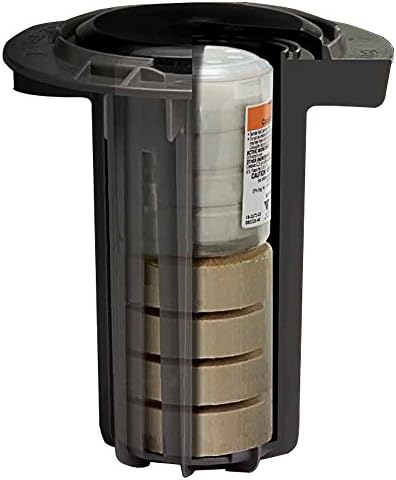
- Includes one CASE of TBS systems: 10 x Advance Termite Inspection Cartdrdge (TIC), 10 x TBS station, 10 x wood block for…
- This bait system functions as a DETECTION tool, and does NOT contain termiticides. Install first to detect if termites a…
- After termites are detected, replace with Trelona cartridges that work with these stations. Trelona is a termiticde by t…
This is the practical heart of it: whether you have a Formosan, an Asian subterranean, or a hybrid colony, the treatment approach is the same. The hybrid’s damage potential is comparable to its parents, and all three are large subterranean colonies, so the response doesn’t hinge on which one you have.
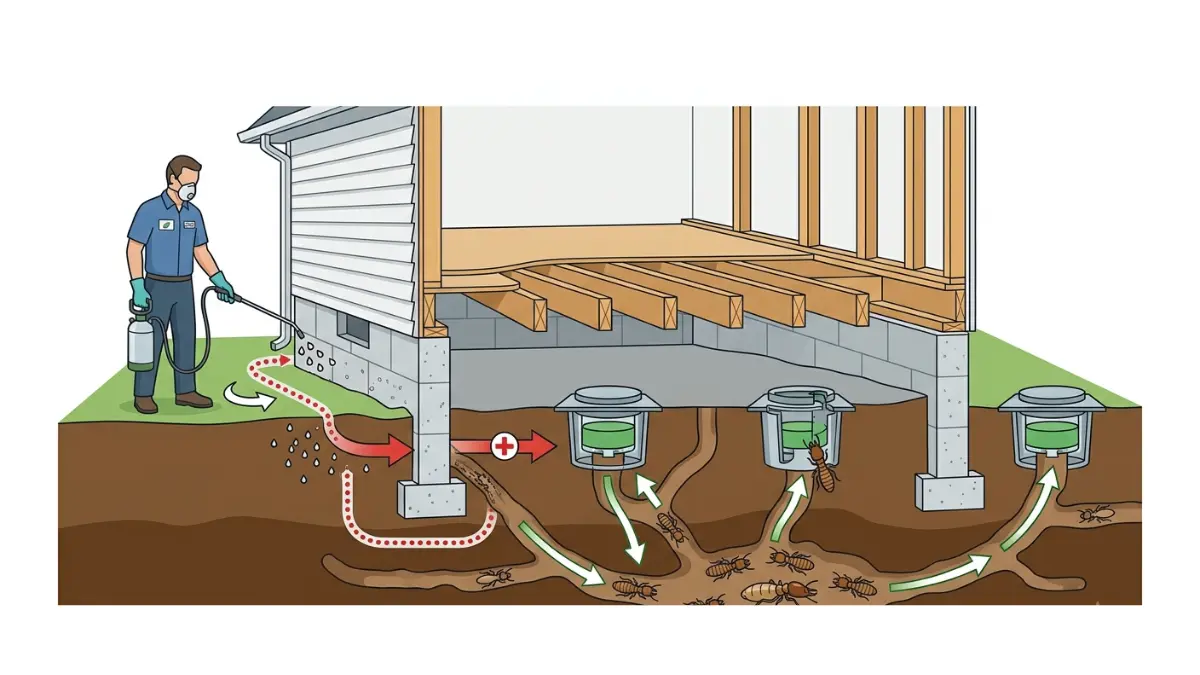
These species aren’t a DIY-chemical job
Subterranean colonies of these species can reach millions of individuals and forage up to about 100 feet from the nest, arriving through soil you never see. That scale is why over-the-counter sprays don’t solve the problem, and why these infestations call for professional treatment.
⚠️ Watch Out: Store-bought products often scatter the workers you can see while the colony survives underground. For these species, that wastes money and delays a real fix.
✅ Do This: Before you hire, confirm the company holds a current state pest-control license, and get the inspection findings and treatment plan in writing — including the method, the target species, and what’s warrantied and for how long.
What decides your plan and cost
The real variables are colony size, construction type, and method — liquid termiticide versus a baiting system. Our pillar breaks down professional termite treatment options and what they really cost.
What a Florida homeowner should do now

- Two termite products IN one: pop-up indicators detect termite activity, and the stakes kill foraging termites
- Installs IN minutes: place stakes in the ground 2 to 3 feet away from your home and no more than 10 feet apart
- Pop-up indicator: check the stakes for termite activity when the pop-up indicator is seen
You don’t need to panic, but a little prevention meaningfully lowers your risk. Subterranean termites need moisture and a path from soil to wood, so the goal is to deny them both.
Make your home less inviting
A few practical steps go a long way:

- HUMIDITY SENSOR: Our handy meter tool can quickly determine what level of remediation is needed to keep your family safe…
- WATER LEAK DETECTOR: Finding the moisture content in your wood or drywall is the first step in early prevention. Continu…
- MOISTURE READER: The mold test features large 0.3″ high digits in a backlit LCD for quick and easy detecting. Our mildew…
- Keep mulch, firewood, and wood debris away from the foundation, and avoid wood-to-soil contact.
- Fix leaks, direct downspouts away from the house, and reduce damp soil against the foundation.
- Seal cracks around the foundation and utility lines, and keep soffits and screens in good repair.
Know when to call a professional
If you see swarmers indoors, active mud tubes, or wood that sounds hollow, treat it as a reason to book an inspection — and it helps to first rule out water damage versus termite damage, since the two can look alike.
🔍 Why It Works: Subterranean termites travel through moist soil and need humidity to survive above ground. Cutting off moisture and soil-to-wood bridges removes the conditions they depend on, which is why exclusion is the backbone of prevention.
Frequently asked questions
1. Is the Formosan termite hybrid a “super termite”?
No. UF researchers describe the hybrid as roughly as damaging as either parent, not more. Both parents already rank among the most destructive termites in the world, so the concern is real — but the hybrid isn’t a new, stronger threat than those species already pose.
2. Can I tell if I have the hybrid myself?
No. The hybrid looks almost identical to its parents and is confirmed only by genetic analysis in a lab. What you can identify are the general signs of subterranean termites — mud tubes, swarmers, and damaged wood — enough to know you need a professional inspection.
3. Is the Formosan termite hybrid in my area?
Confirmed hybrid colonies are in South Florida, where both parent species overlap; the hybrid has not been documented statewide. To check the risk where you live, look at the UF/IFAS Florida termite distribution map, then book an inspection if warranted.
4. When do these termites swarm in Florida?
The Asian subterranean termite starts swarming around early March, and the Formosan subterranean termite follows in late April to early May. Both swarm at dusk. In South Florida their seasons overlap enough that the two have been seen flying together — which is how the hybrid forms.
5. Are hybrid termites more destructive than regular termites?
Not more destructive than their parents, according to UF researchers. But those parents — the Formosan and Asian subterranean termites — are two of the most damaging termite species anywhere, and common native termites are generally milder than either.
6. Can I treat subterranean termites myself?
For these invasive species, no. Their colonies can reach millions of individuals and forage far underground, so store-bought sprays don’t reach the colony. Established Formosan, Asian subterranean, or hybrid infestations need a licensed professional and a proper termiticide or baiting plan.
7. Does the hybrid change how termites are treated?
No. Because the hybrid’s damage matches its parents and all three are large subterranean colonies, the treatment approach is the same whichever you have. Focus on a professional inspection and written plan, not on pinning down the exact cross.
8. How do I get a termite identified?
Collect a few specimens in a sealed bag or small container. A licensed pest control professional can identify them, and UF/IFAS also runs a termite identification service that accepts samples from homeowners and operators.
9. Are Formosan termites only found in Florida?
No. The Formosan subterranean termite is established in many southeastern states beyond Florida. The Asian subterranean termite is more limited and concentrated in South Florida, though it has been spreading north, so the two now overlap there.
10. What should I do if I see termite swarmers?
Note where you saw them, since indoor swarmers can signal a colony inside the structure. Save a few for identification, avoid disturbing any mud tubes, and book a professional termite inspection. Swarmers near your home usually mean a mature colony is nearby.
The bottom line on the Florida termite hybrid
The Florida termite hybrid is real and confirmed, but it’s not the monster the headlines imply. It’s a cross between the Formosan and Asian subterranean termites, established for now in South Florida, with damage potential about the same as either parent. You can’t identify it yourself, and you don’t need to — because it doesn’t change what you’d do about it.
If you live where these termites are active, the practical moves are simple: reduce moisture and soil-to-wood contact, watch for swarmers and mud tubes, and get a professional inspection if you see signs. When you’re ready to weigh your options, our guide to termite treatment and real costs takes it from there.
Related Articles
 Termite Treatment
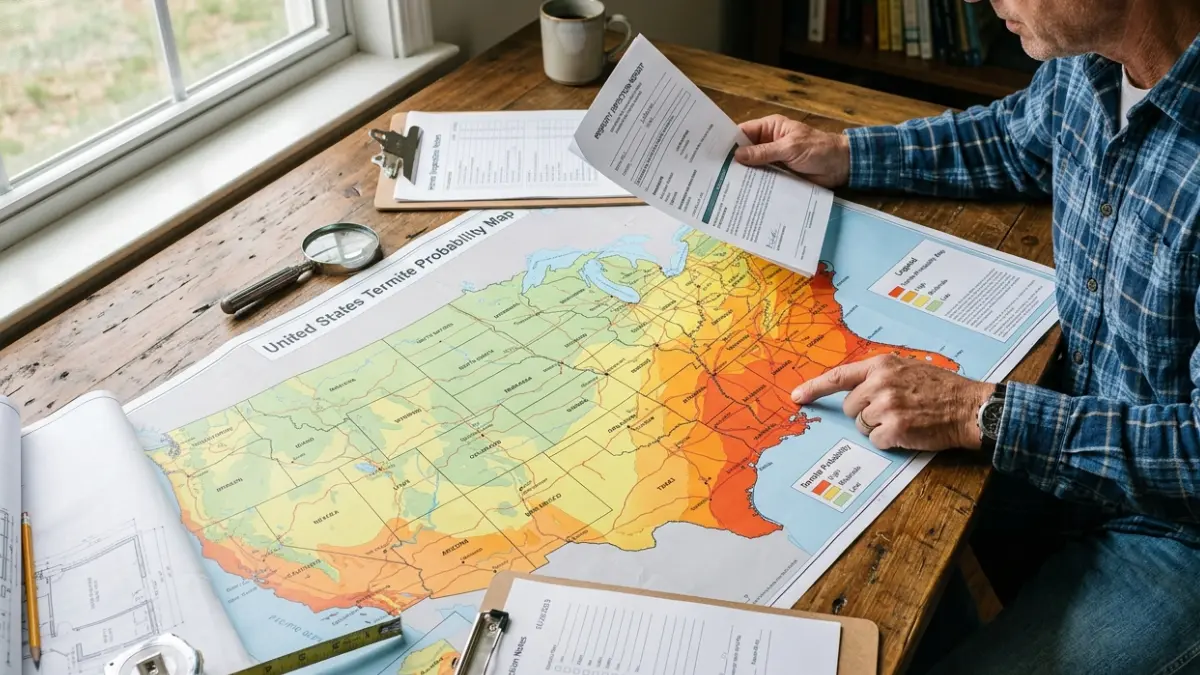
The real work starts where the termite risk map stops
August 5, 2026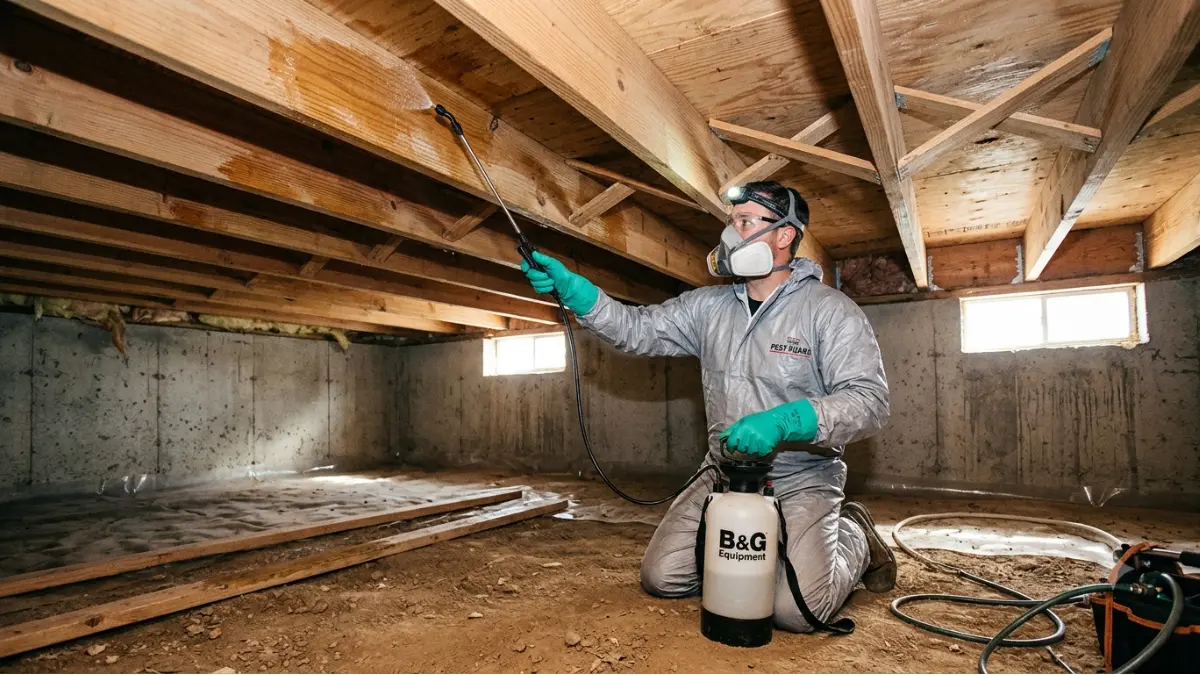 Termite Treatment
Borate termite treatment offers real protection within limits
July 25, 2026 Termite Treatment
Termite Swarmers Indoors Often Signal an Active Colony
July 18, 2026 Termite Treatment
How to Tell Termite Damage From Water Damage and Rot
July 16, 2026 Termite Treatment
Does insurance cover termite damage, and why claims fail
July 29, 2026 Termite Treatment
Termite inspection cost hinges on one commonly missed limit
July 26, 2026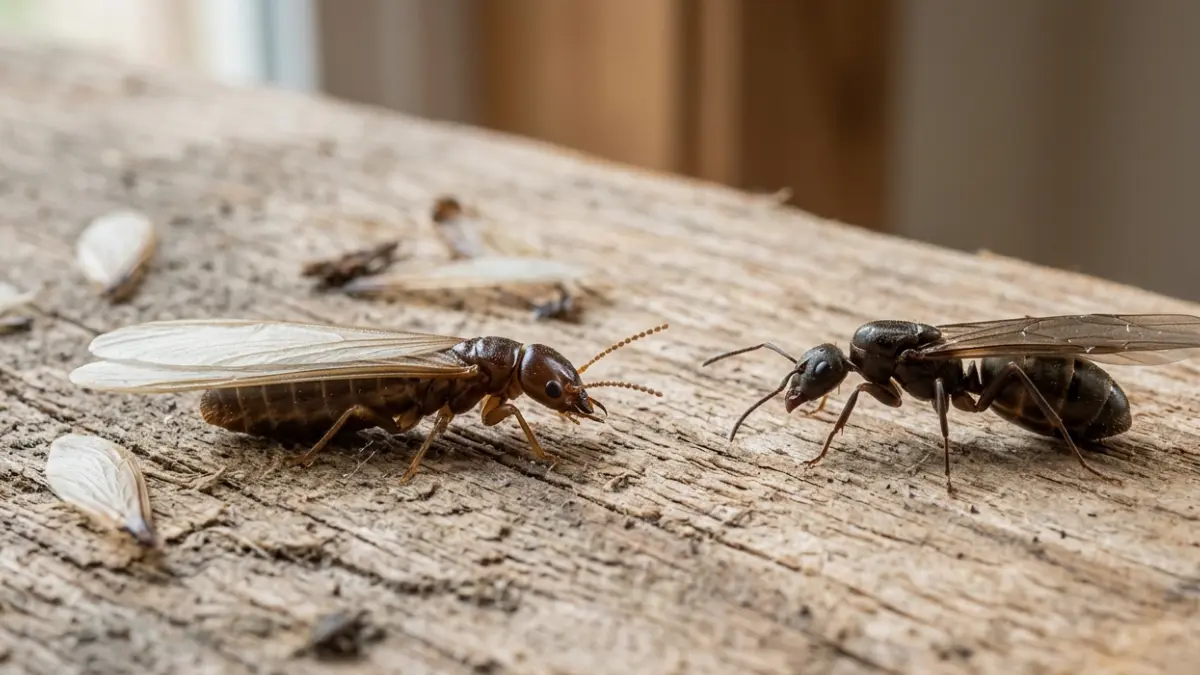 Termite Treatment
How to Easily Tell Flying Ants From Termites
July 15, 2026 Termite Treatment
What termite stakes actually do, and the mistake buyers make
July 24, 2026 Termite Treatment