How to Prepare for Termite Fumigation and Avoid Costly Risks
Termite fumigation runs $2,000–$8,000 and needs a clearance test before re-entry — get the 11-step prep checklist and 3 risks brochures skip.

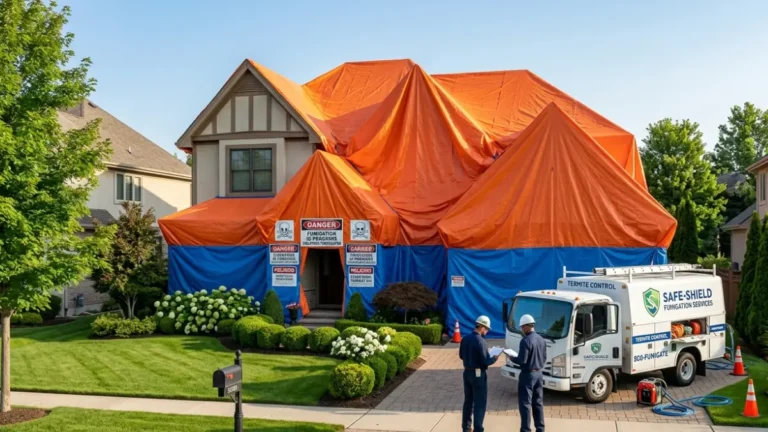
Termite fumigation runs $2,000–$8,000 and needs a clearance test before re-entry — get the 11-step prep checklist and 3 risks brochures skip.
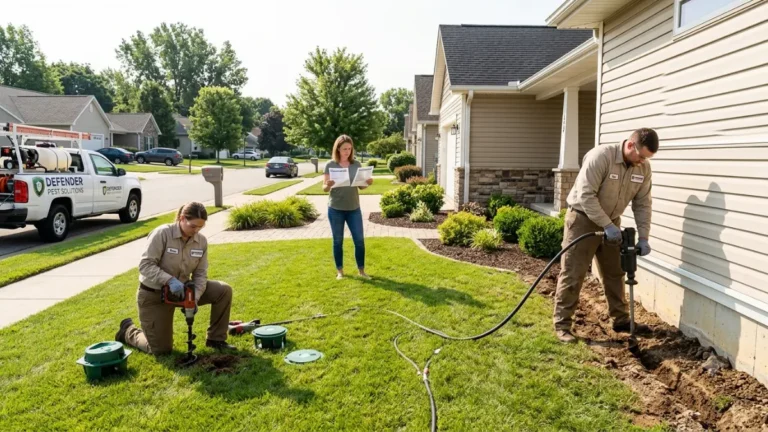
Sentricon vs Termidor from a neutral source: how a bait system and a liquid barrier differ on speed, 10-year cost, and colony control.
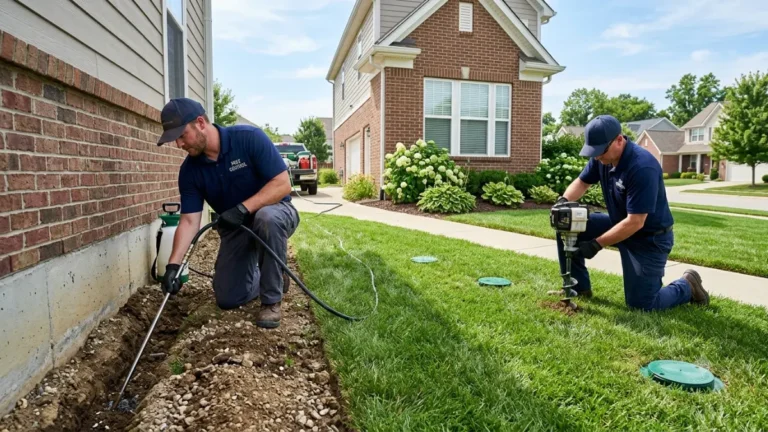
Termite bait vs liquid? One builds a fast barrier; the other can wipe out the whole colony over months. Here’s the honest, no-pitch comparison.
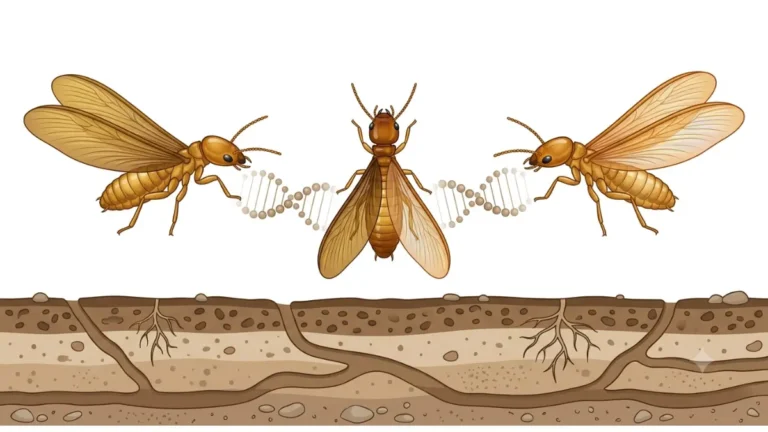
Formosan termites are hybridizing in South Florida—but the confirmed hybrid isn’t the super-termite headlines claim. Here’s what’s actually true.

Termite swarmers indoors rarely bite — but they usually signal a mature colony that’s been feeding out of sight for years. Here’s how to read the signs.
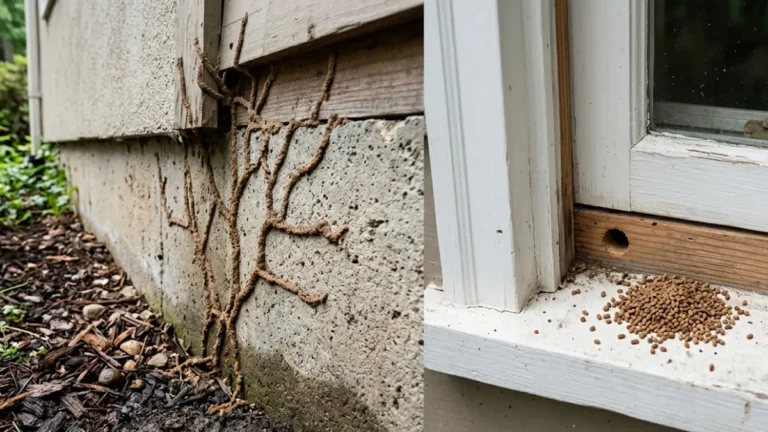
Subterranean vs drywood termites look similar but live differently. See the mud-tube and frass tells, and why the fix and cost differ for each.
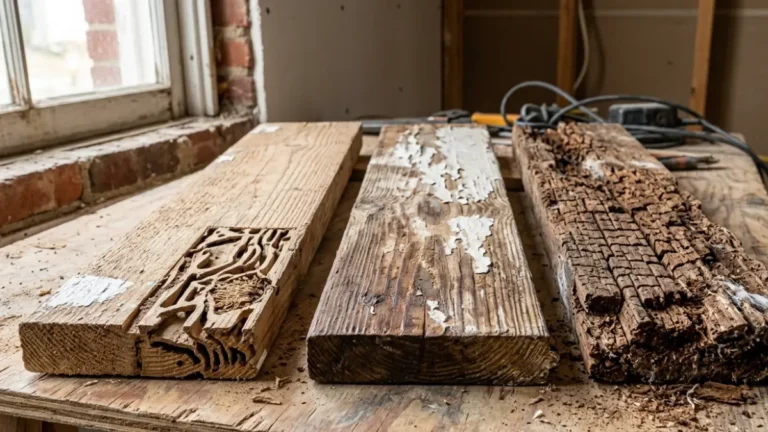
Termite damage or wood rot? Most guides confuse them—the real tells are mud tubes, cubical brown rot, and a musty, fungal smell.
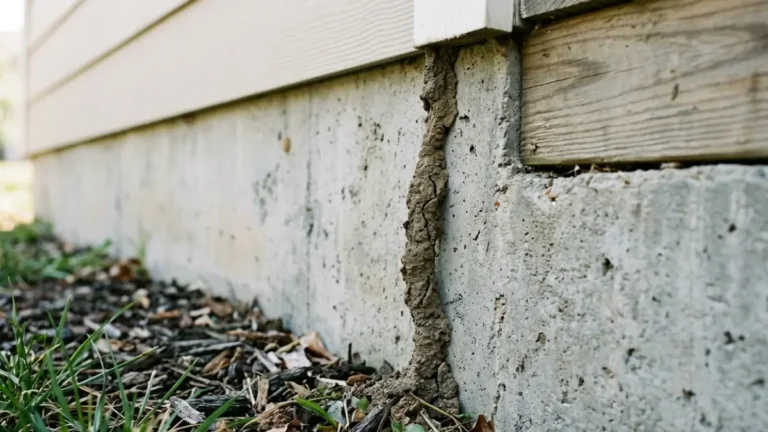
Termite mud tubes don’t always mean a live colony — and an old one doesn’t clear your house. Here’s how to read one and pick your next move.
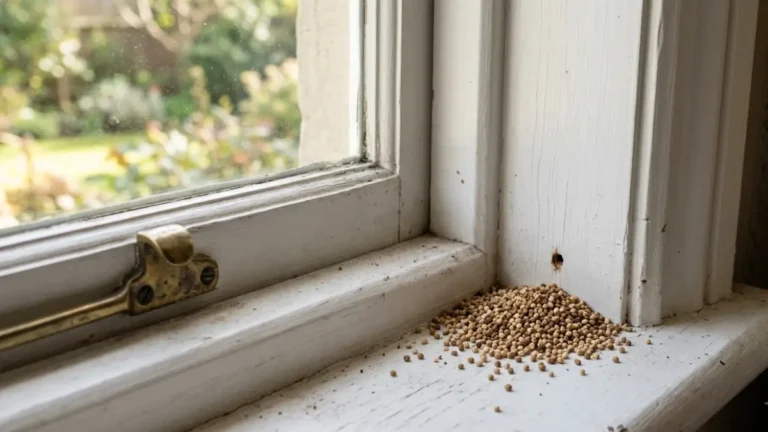
Termite droppings look like tiny six-sided pellets, not sawdust. Learn the quick roll test that tells them apart—and why a pile isn’t always active.
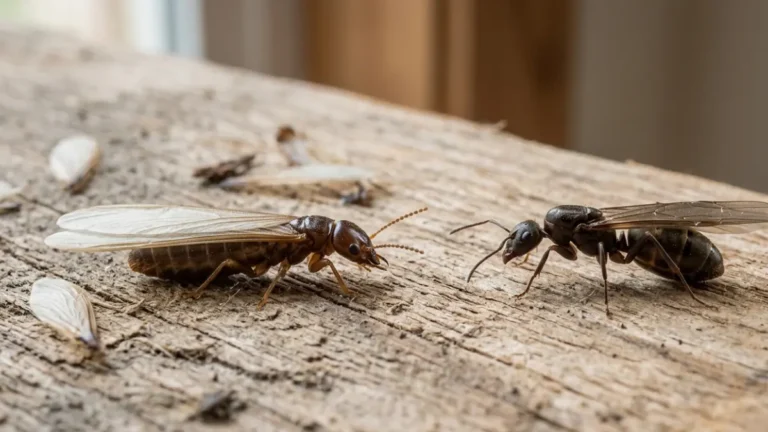
Flying ants vs termites come down to four features: a pinched waist, bent antennae, uneven wings, and whether a matching pile of wings was shed nearby.
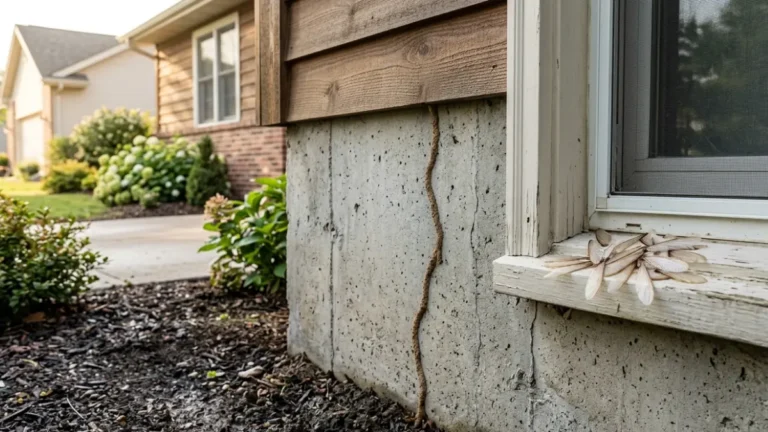
Signs of termites are easy to misread. Termite-damaged wood is hollowed along the grain with soil in the galleries — moisture damage isn’t.
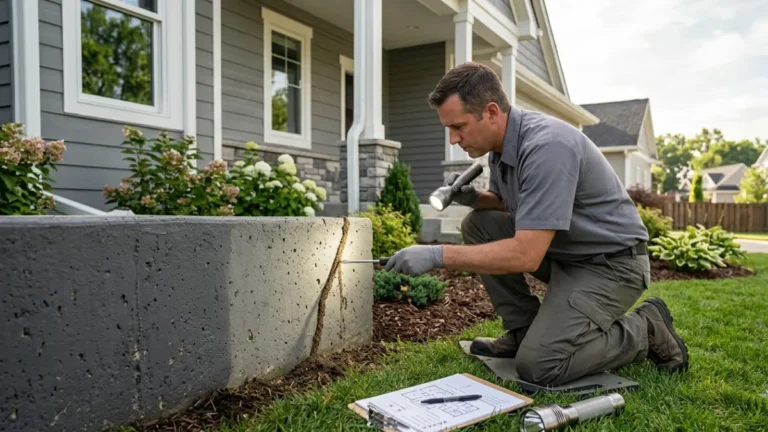
Termite treatment quotes hide a third cost — the one in the warranty. Five methods, honest ranges, and the EPA’s own list of contractor red flags.