What termite stakes actually do, and the mistake buyers make
Termite stakes kill what finds them — and a 15-stake kit reaches about 150 feet of foundation. Here’s what the label and the FTC record actually say.

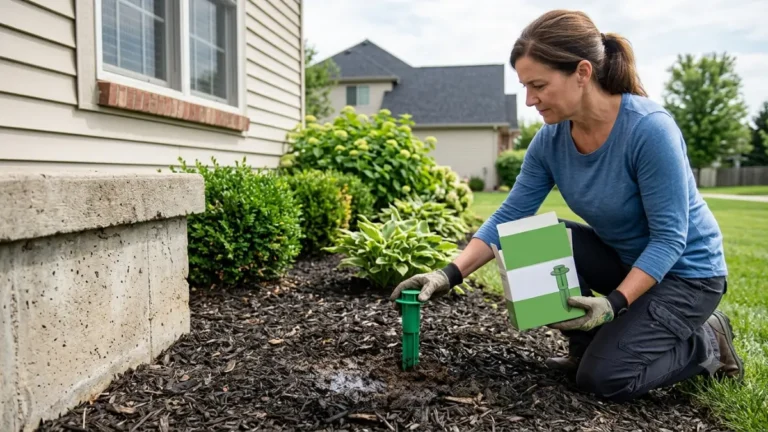
Termite stakes kill what finds them — and a 15-stake kit reaches about 150 feet of foundation. Here’s what the label and the FTC record actually say.
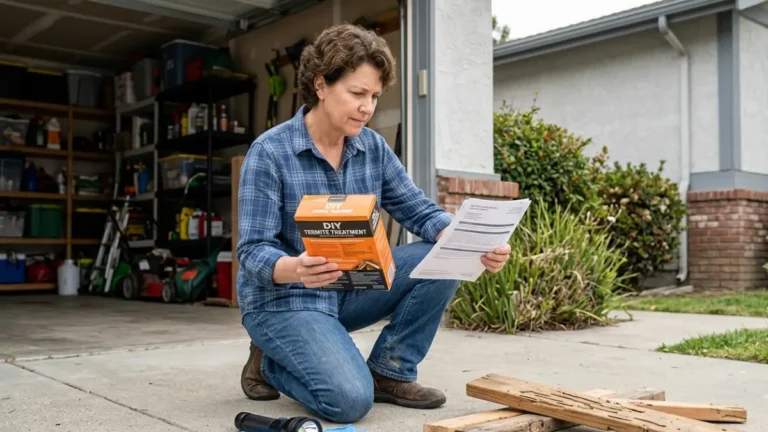
The best termite treatment on the shelf carries a label that rules out sole protection against termites. Here’s what each product type is actually for.
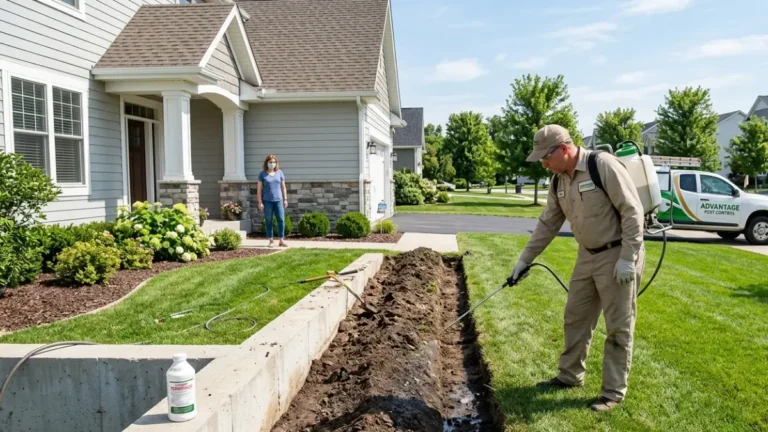
How long termite treatment takes depends on which clock you mean — one California field study measured 367 days just for bait stations to be found.
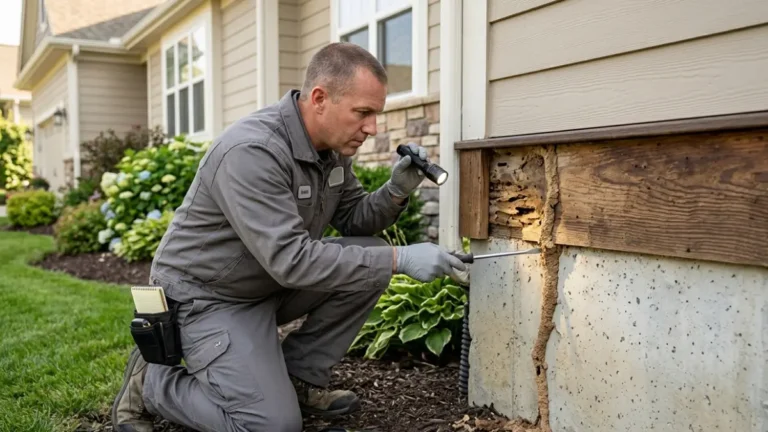
DIY termite treatment splits into four jobs, and university extension research says only one of them belongs to a licensed pro. Here’s which — and why.
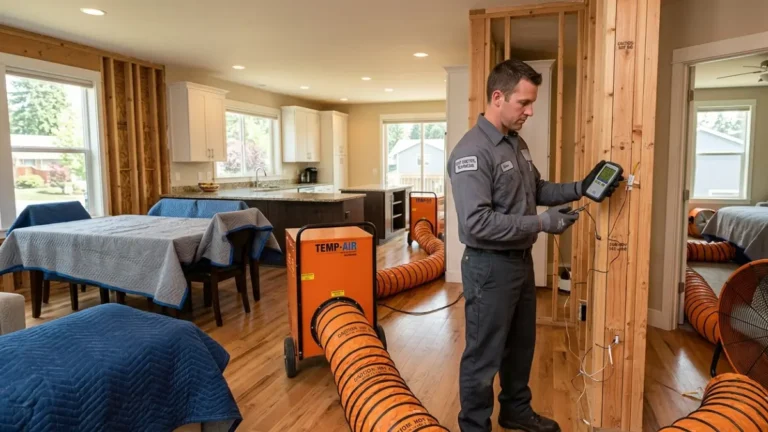
Termite heat treatment kills drywood termites at 120°F but can’t reach a subterranean colony in the soil. Here’s where it works, and where it fails.
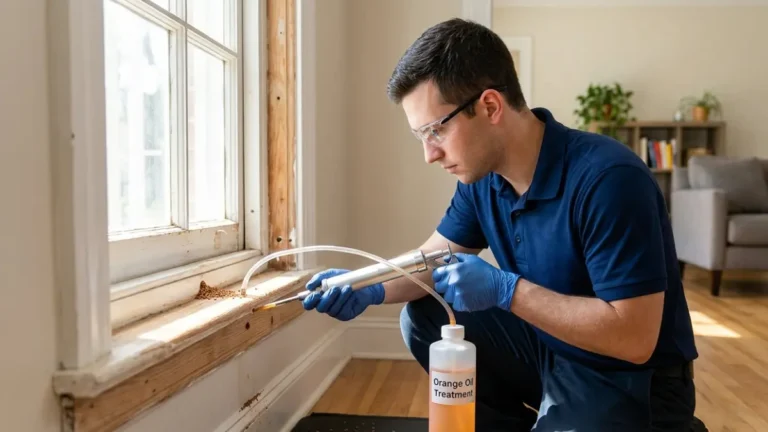
Orange oil for termites looks like a cheap no-tent fix. But the best study found it kills just 81% of drywood termites, and survivors restart the colony.
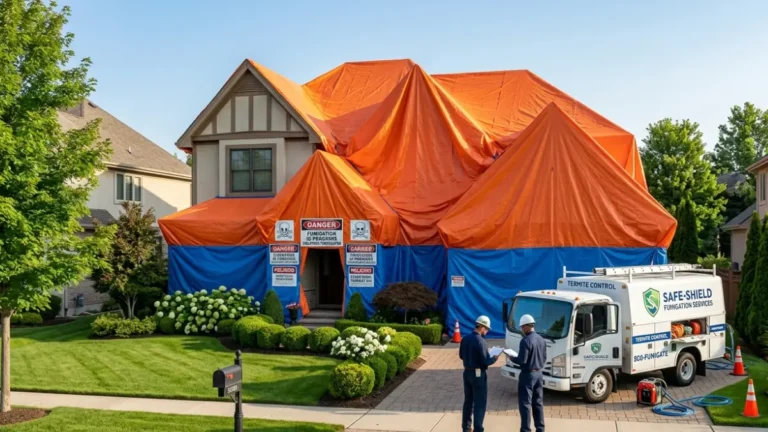
Termite fumigation runs $2,000–$8,000 and needs a clearance test before re-entry — get the 11-step prep checklist and 3 risks brochures skip.
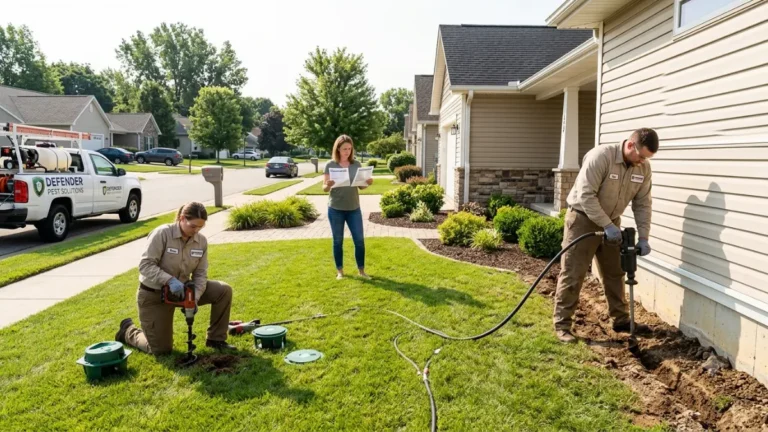
Sentricon vs Termidor from a neutral source: how a bait system and a liquid barrier differ on speed, 10-year cost, and colony control.
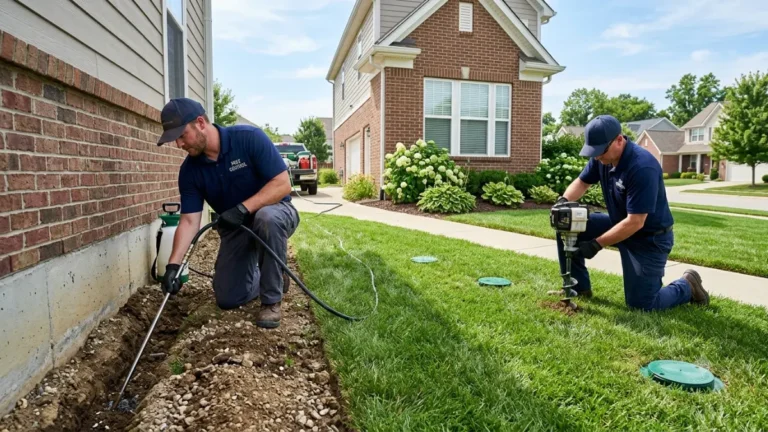
Termite bait vs liquid? One builds a fast barrier; the other can wipe out the whole colony over months. Here’s the honest, no-pitch comparison.
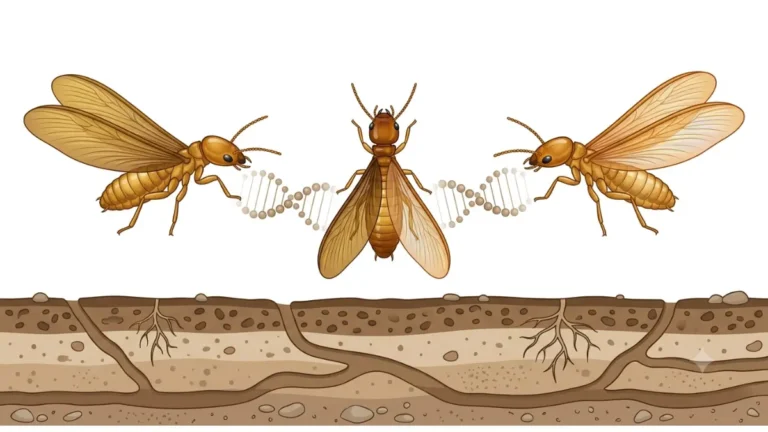
Formosan termites are hybridizing in South Florida—but the confirmed hybrid isn’t the super-termite headlines claim. Here’s what’s actually true.
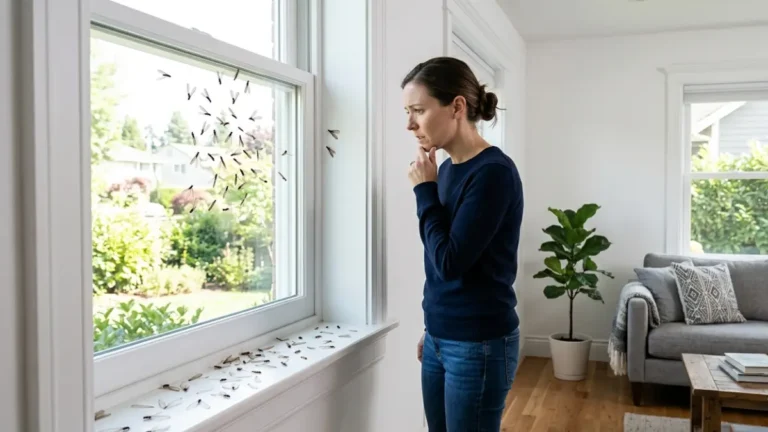
Termite swarmers indoors rarely bite — but they usually signal a mature colony that’s been feeding out of sight for years. Here’s how to read the signs.
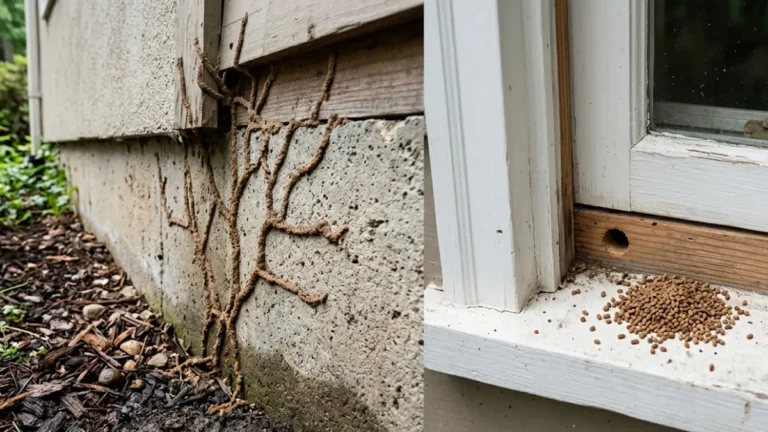
Subterranean vs drywood termites look similar but live differently. See the mud-tube and frass tells, and why the fix and cost differ for each.