The right wood to soil clearance depends on your foundation
Wood to soil clearance is a sight line, not a barrier. Six inches doesn’t stop a termite — it’s the smallest gap where a mud tube has to show itself.

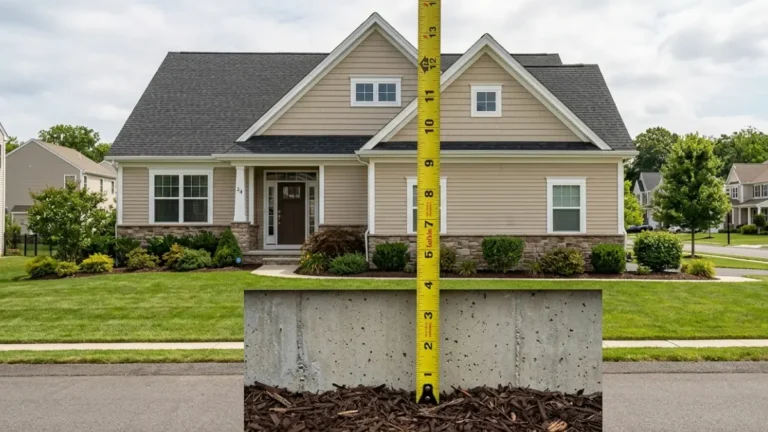
Wood to soil clearance is a sight line, not a barrier. Six inches doesn’t stop a termite — it’s the smallest gap where a mud tube has to show itself.
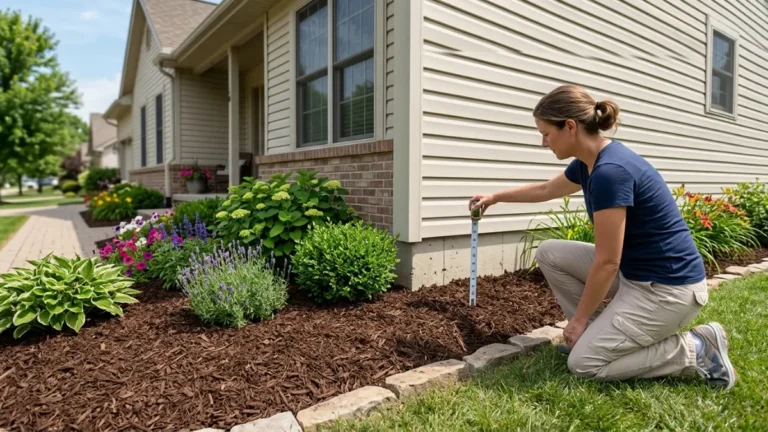
Does mulch attract termites, or is the gravel swap worse? The clearance that matters is measured from the top of the mulch, not the wall.

Termite damage on a house you’re buying? The inspection form says the inspector isn’t qualified to evaluate it — and names who is.

Termite letters carry no warranty, exclude mold and fungi, and expire at 90 days. The duties in them follow whoever ordered the inspection.
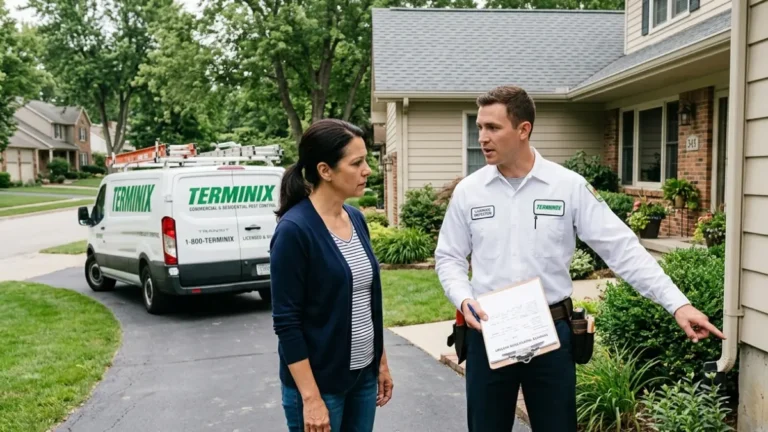
Choosing a termite company means trusting a person you’ll never meet: the operator who selects the chemical for your house. Ask for their name.
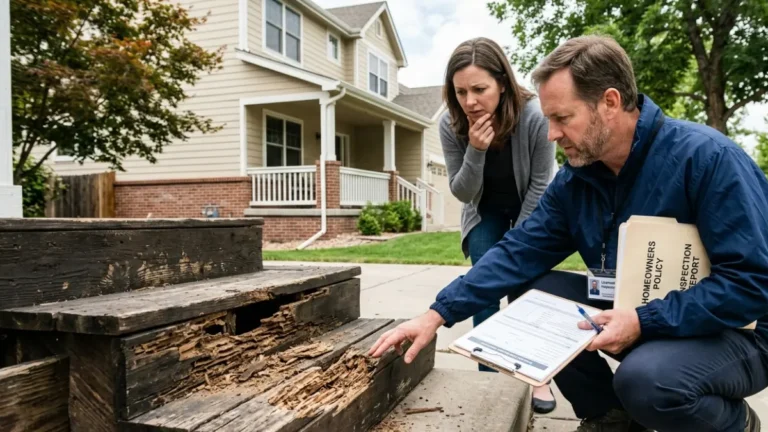
Does insurance cover termite damage? Almost never. The standard form names insect damage once, in a collapse provision that a 2000 revision narrowed.
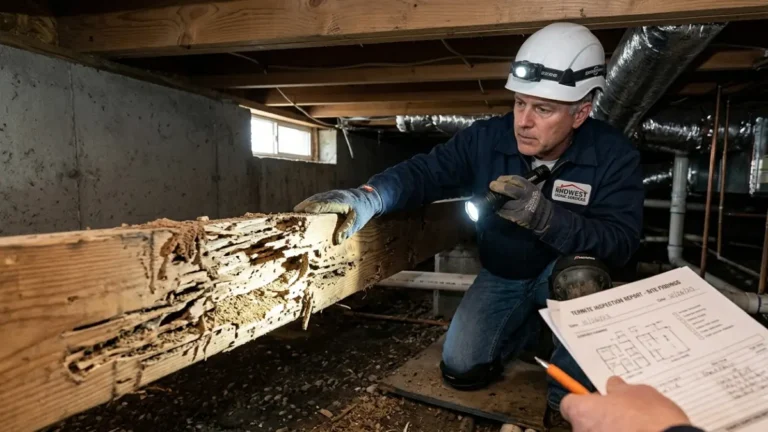
Termite damage repair cost has no useful average — published ranges differ more than tenfold. What decides your bill is the repair standard chosen.

Your termite bond may be retreat-only, retreat-and-repair, or unavailable —
regulators name three outcomes, and the paperwork decides which one you have.
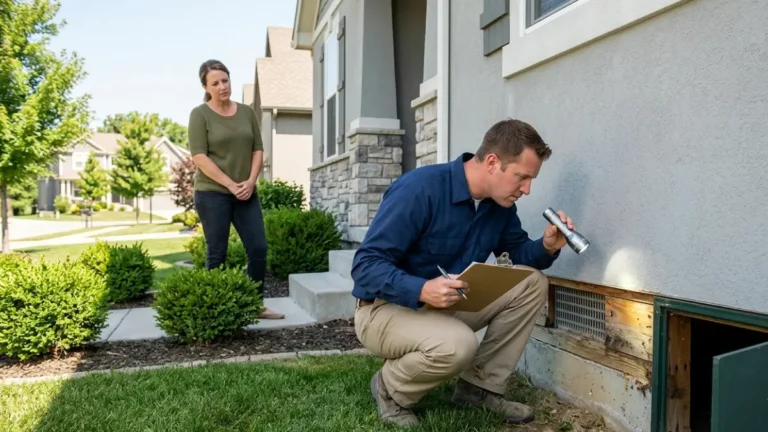
Termite inspection cost buys a document, not a better look — and a crawl space under 24 inches of clearance can be recorded as inaccessible.
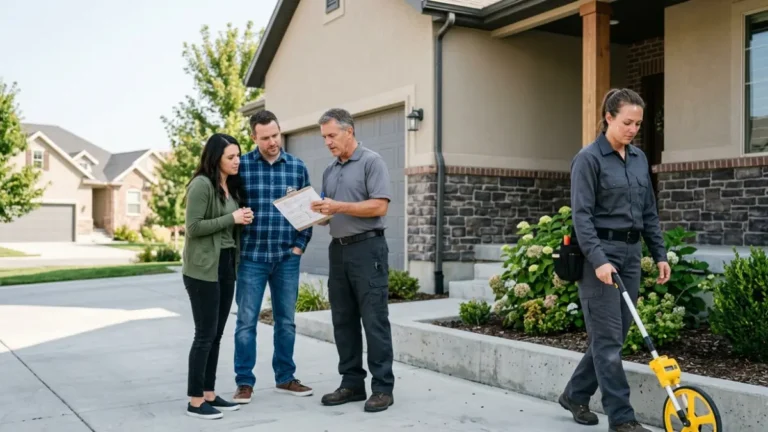
Termite treatment cost is quoted by the foot, but depth is the multiplier: the same 160-foot perimeter can need 64 gallons or 256.
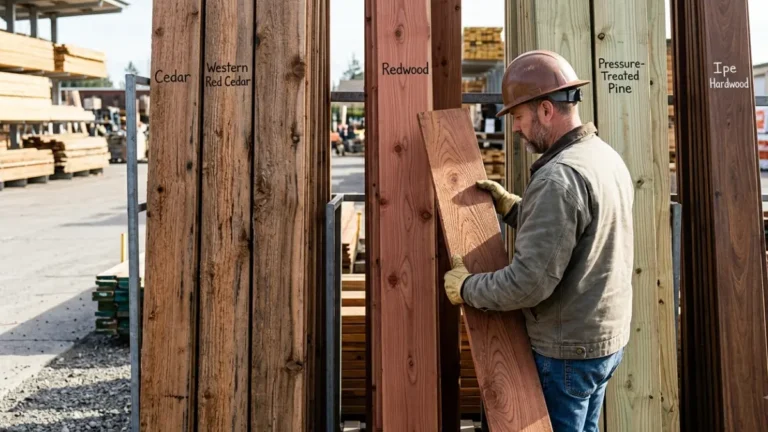
Termite-resistant wood ratings apply to heartwood — and the density that supposedly makes tropical hardwoods tough isn’t what’s doing the work.
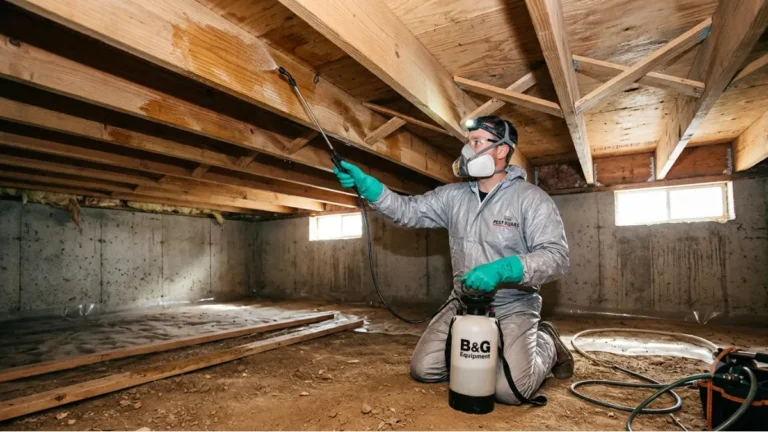
Borate termite treatment makes wood inedible to termites — but only bare wood, and the EPA label bars it from soil entirely. Here’s where that leaves you.