How to Tell Termite Damage From Water Damage and Rot
Termite damage or wood rot? Most guides confuse them—the real tells are mud tubes, cubical brown rot, and a musty, fungal smell.

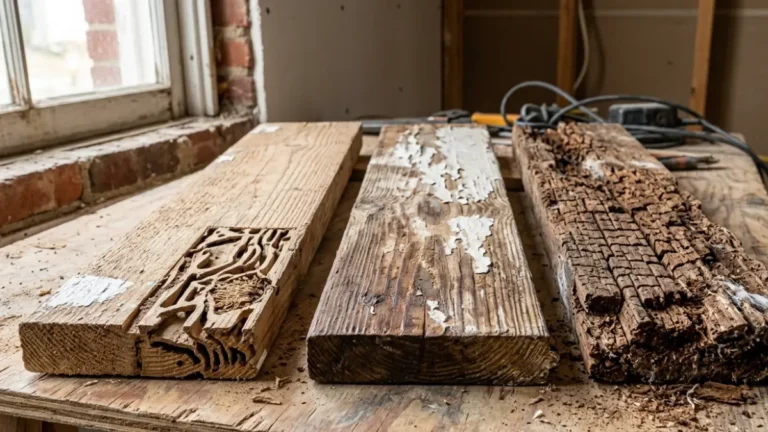
Termite damage or wood rot? Most guides confuse them—the real tells are mud tubes, cubical brown rot, and a musty, fungal smell.
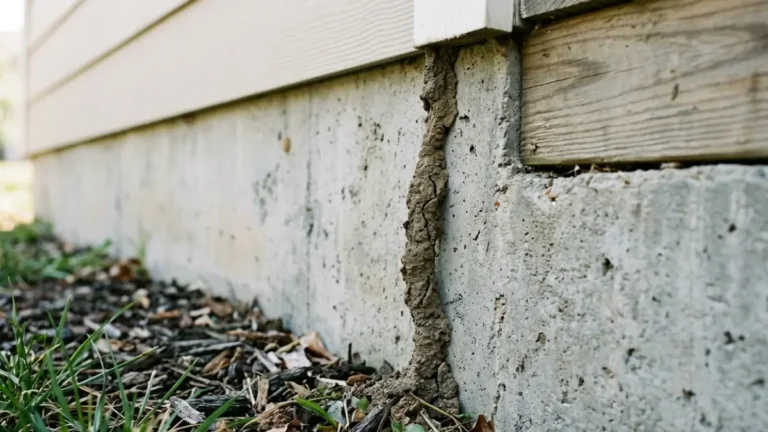
Termite mud tubes don’t always mean a live colony — and an old one doesn’t clear your house. Here’s how to read one and pick your next move.
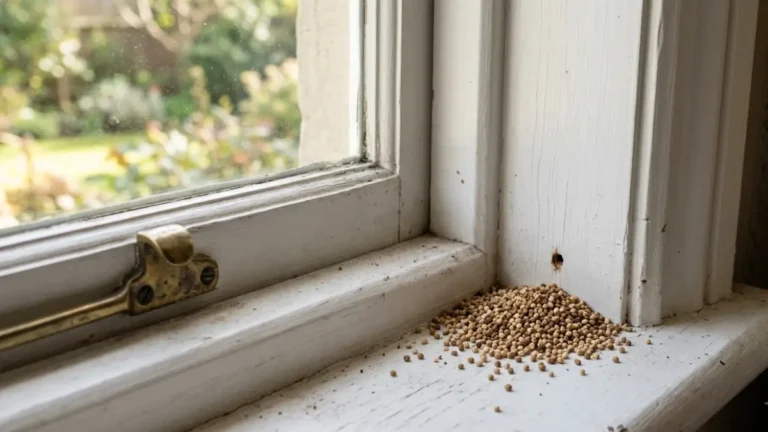
Termite droppings look like tiny six-sided pellets, not sawdust. Learn the quick roll test that tells them apart—and why a pile isn’t always active.
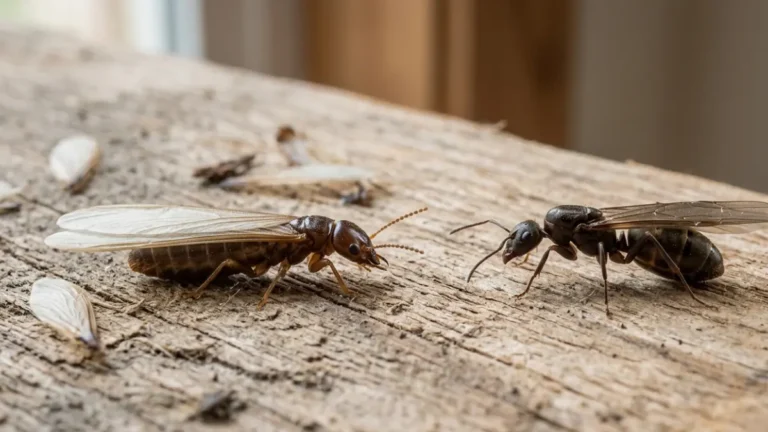
Flying ants vs termites come down to four features: a pinched waist, bent antennae, uneven wings, and whether a matching pile of wings was shed nearby.
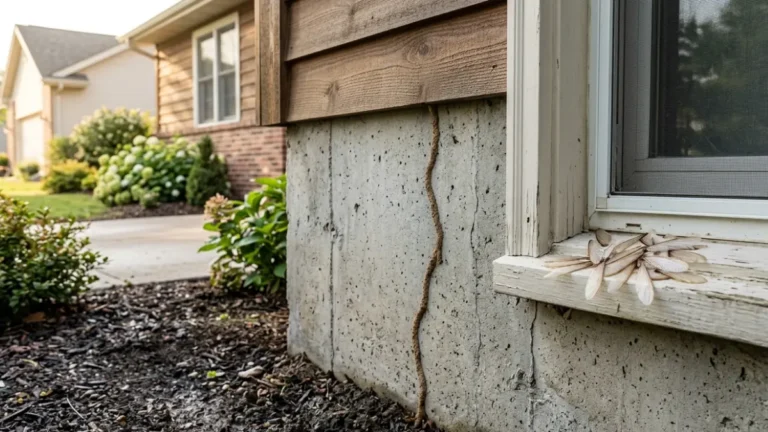
Signs of termites are easy to misread. Termite-damaged wood is hollowed along the grain with soil in the galleries — moisture damage isn’t.
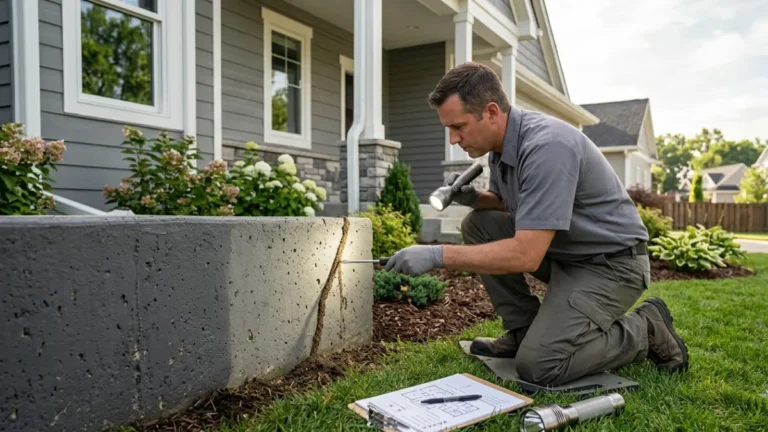
Termite treatment quotes hide a third cost — the one in the warranty. Five methods, honest ranges, and the EPA’s own list of contractor red flags.

Bed bug season peaks June to August — but the data counts phone calls, not insects. What summer really changes, and why winter won’t save you.
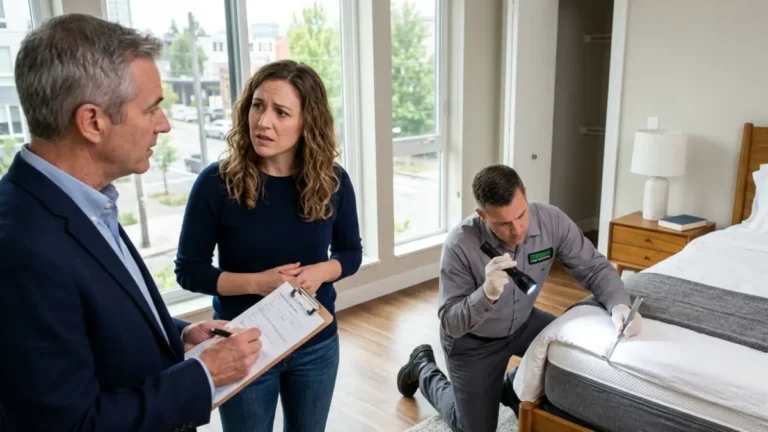
Bed bugs in an apartment aren’t a cleanliness problem, and the bill usually isn’t yours. Here’s what your state’s statute says — and the one exception.
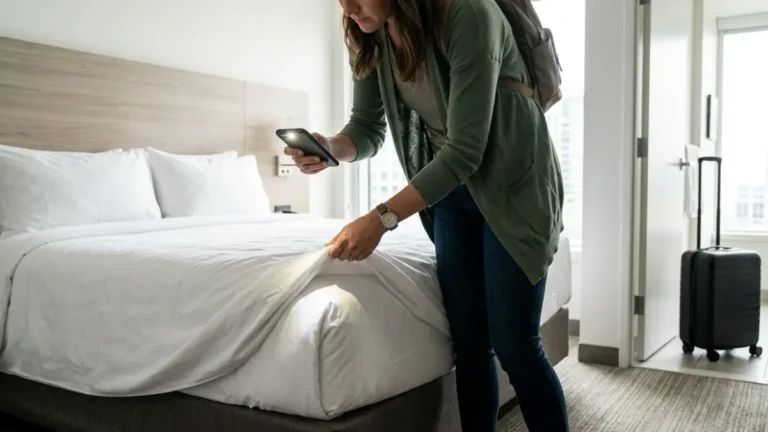
Checking a hotel for bed bugs takes about five minutes—if you know the four signs and the exact spots to inspect, from mattress seams to the luggage rack.
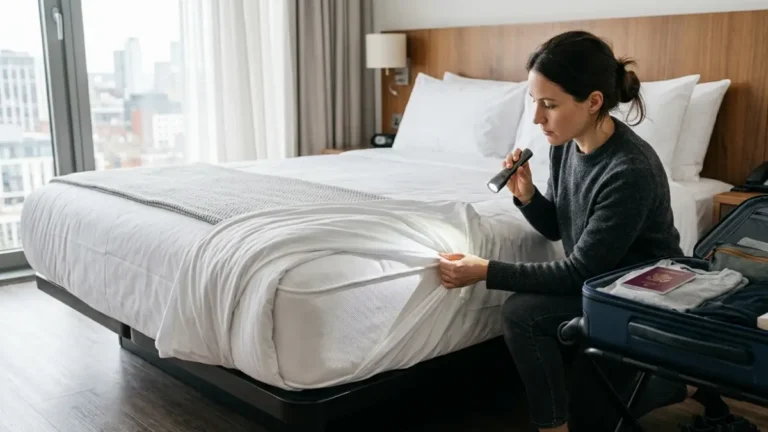
Preventing bed bugs isn’t about a clean house—it’s about blocking how they get in. Inspect hotels, encase your mattress, and set traps to catch them early.
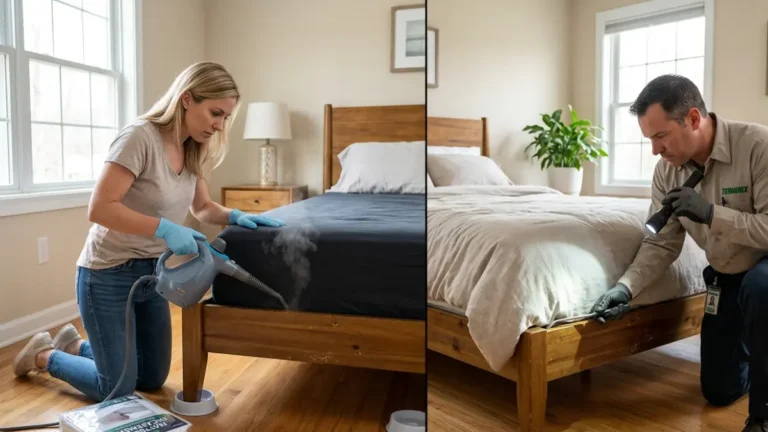
DIY or professional bed bug treatment? A minor, single-room case is often a DIY job, but once bugs spread or DIY fails twice, a licensed pro is the fix.
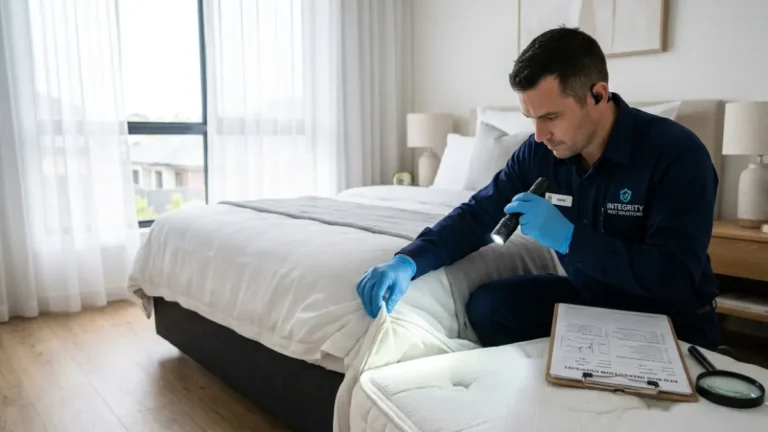
A bed bug exterminator rarely finishes in one visit—most jobs need two to four treatments. Here’s what to budget and how to vet a company.