
Bed Bugs in Your Apartment and Whether Your Landlord Is Right

Bed bugs in an apartment aren’t a cleanliness problem, and the bill usually isn’t yours. Here’s what your state’s statute says — and the one exception.
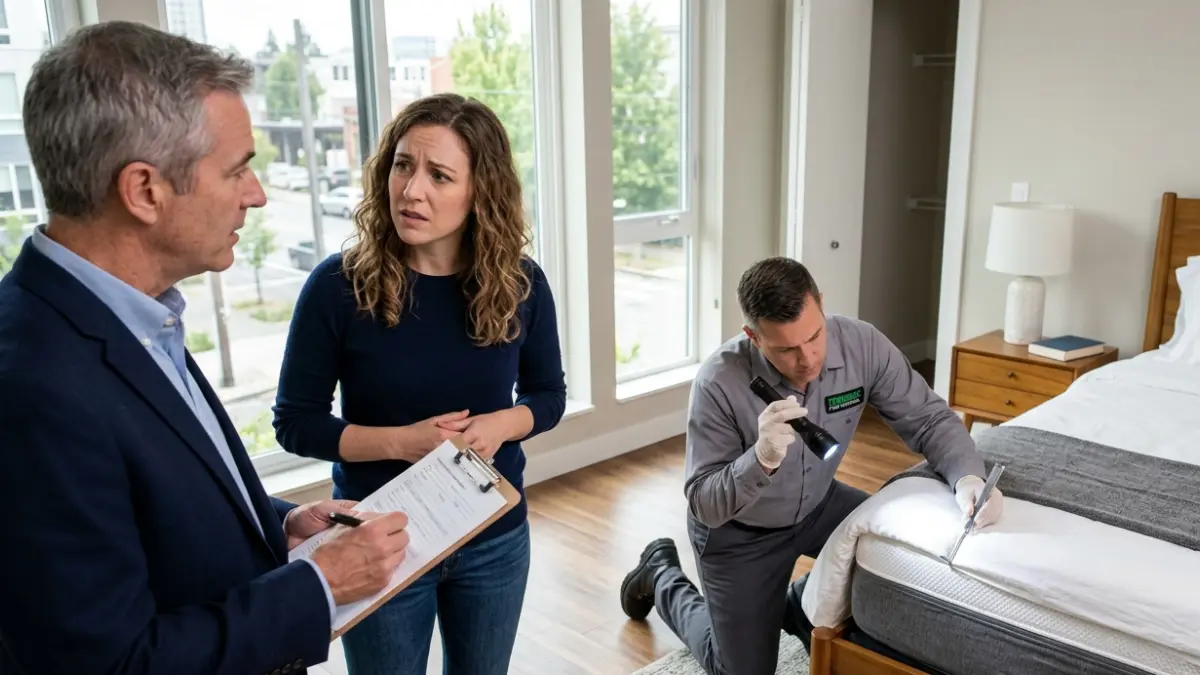
Table of Contents
In most U.S. rentals, the landlord pays for bed bug treatment. That’s the default, and it surprises renters holding a fresh invoice.
Bed bugs are not a cleanliness problem, and the infestation probably isn’t your fault.
Gladewick is not a law firm, and this is not legal advice.
ℹ️ Safety Note: Rent withholding, repair-and-deduct and lease termination carry strict procedural rules that vary by state, and using one wrongly can get you evicted — talk to a tenant attorney or legal aid first. Don’t attempt DIY chemical treatment: foggers carry fire, explosion and poisoning risks.
Why the landlord usually pays — and the one exception that matters
Nearly every state recognizes an implied warranty of habitability — a promise built into every lease, written or not, that the home is fit to live in.
What habitability actually means
New York’s version is typical. Real Property Law § 235-b requires premises to be fit for human habitation, and its courts have held insect infestation breaches that. Widely-cited landlord guides claim New York puts bed bugs on the tenant. The statute says the opposite — and § 235-b(2) makes any waiver void as contrary to public policy.
The one exception: when the tenant caused it
A condition caused by the tenant’s misconduct isn’t a breach. But misconduct is a high bar — not “something hitched a ride home in your suitcase,” which is how most people get bed bugs. The EPA tells landlords not to blame tenants at all.

What your state actually says (and the deadlines that come with it)
Colorado gives renters the tightest timeline in the country: notify your landlord in writing and they have 96 hours to get an inspector in. Most states have no bed bug statute at all.
| State | Who pays | Deadline | The detail that decides it | Statute |
|---|---|---|---|---|
| Colorado | Landlord — inspection and treatment | Inspect in 96 hours; treat in 5 business days | You pay prep; obstruct treatment and the bill is yours | C.R.S. § 38-12-1003 |
| New Hampshire | Landlord — recoverable if you caused it | Investigate in 7 days | The landlord must prove it | RSA 540:13-e |
| Florida | Landlord — multi-unit only | 7 days’ notice, 4 days out, rent abated | “Unless otherwise agreed in writing” — the lease can shift it | Fla. Stat. § 83.51(2)(a) |
| New York | Landlord, unless your misconduct caused it | “A reasonable time” | Waiver of habitability is void | RPL § 235-b |
| California | From habitability, not the bed bug statute | Findings to you in 2 business days | 180-day retaliation shield once you report | Civ. Code § 1954.600 |
Verified against primary statutory text, July 2026 — confirm yours before relying on it. Colorado’s statute also requires inspection of every contiguous unit — see how fast bed bugs spread. NYC renters can look a building up through HPD.
⚠️ Watch Out: Blogs widely claim Arizona’s § 33-1319 puts extermination costs on landlords. It doesn’t — it mandates educational materials and bars leasing a known-infested unit, but says nothing about who pays, and exempts single-family homes.
If you’re in subsidized or public housing
Your rules are stronger. HUD’s guidance for assisted housing (Notice H 2012-05, not the 2011 notice some sites still cite) calls lease language shifting extermination costs onto a resident not acceptable.
“They say I brought them in” — how fault actually gets decided
Your landlord can only charge you if they prove you caused the problem — and in most states, that burden is theirs.
The four questions a court actually asks
New Hampshire is the only state that writes the test down. Its cost statute tells courts to weigh the evidence, and lists what counts:
- Were there bed bugs elsewhere in the building — before or during your tenancy?
- Which unit were they found in first?
- Had your landlord already treated your unit, or those beside, above, or below you?
- Did you have bed bugs in your previous home?
The presumption that can run against you
This cuts the other way. The same statute presumes the tenant is responsible if, in the six months before your tenancy and throughout it, nobody reported bed bugs in your unit or those adjacent, above, or below — and your own report doesn’t count.
✅ Do This: Ask your landlord in writing whether any other unit reported bed bugs in the last six months. That’s factor one, and it can flip a presumption worth thousands. Interceptor traps produce dated evidence.
What bed bug treatment really costs — and what you might owe
A typical apartment job runs $1,000 to $2,500. A severe one runs $4,000 to $6,000.
What the job actually costs
| Line item | Typical cost | Key detail |
|---|---|---|
| Initial inspection | $75–$200 | Often waived if you book the work |
| Chemical treatment | $270–$775 per room | Needs 2–3 visits — eggs hatch in 6–10 days and insecticides don’t kill them |
| Heat treatment | ~$2.00–$6.50 per square foot, ~$1,000 minimum | One session; kills every life stage, including eggs |
Cost data: Angi and This Old House, 2026 — ranges, not quotes. Heat is priced per square foot, so work out your square footage first. Detail: treatment costs, heat pricing.
Your renters insurance almost certainly won’t cover this
Insurers treat an infestation as a gradual maintenance issue, not a sudden accidental loss. The exclusion covers named-peril and open-peril policies alike, wiping out the extermination bill, your belongings, and living expenses if you’re displaced.
Three moves that shift the bill onto you
You can win this and still talk yourself out of it.
Don’t reach for a fogger

- COMPLETE SIX-SIDED SHIELD — Wrap your mattress in a secure physical barrier with our 360-degree micro-zipper closure tha…
- 100% WATERPROOF BED PROTECTION — Protect your bed from accidental spills, sweat, and liquids with a specialized premium …
- BREATHABLE COTTON TERRY TOP — Sleep cool and dry with an authentic 3M Scotchgard stain-release surface that naturally ma…
🔍 Why It Works: The EPA is explicit that a total release fogger shouldn’t be your only method. It settles a mist on exposed surfaces — and bed bugs aren’t there. They’re in the mattress seam, behind the baseboard, in the wall void.
⚠️ Watch Out: Foggers are a fire and explosion risk: per the EPA, too much fogging material builds flammable vapor a pilot light or spark can ignite. Using a pesticide against its label violates federal law. See why bug bombs fail.
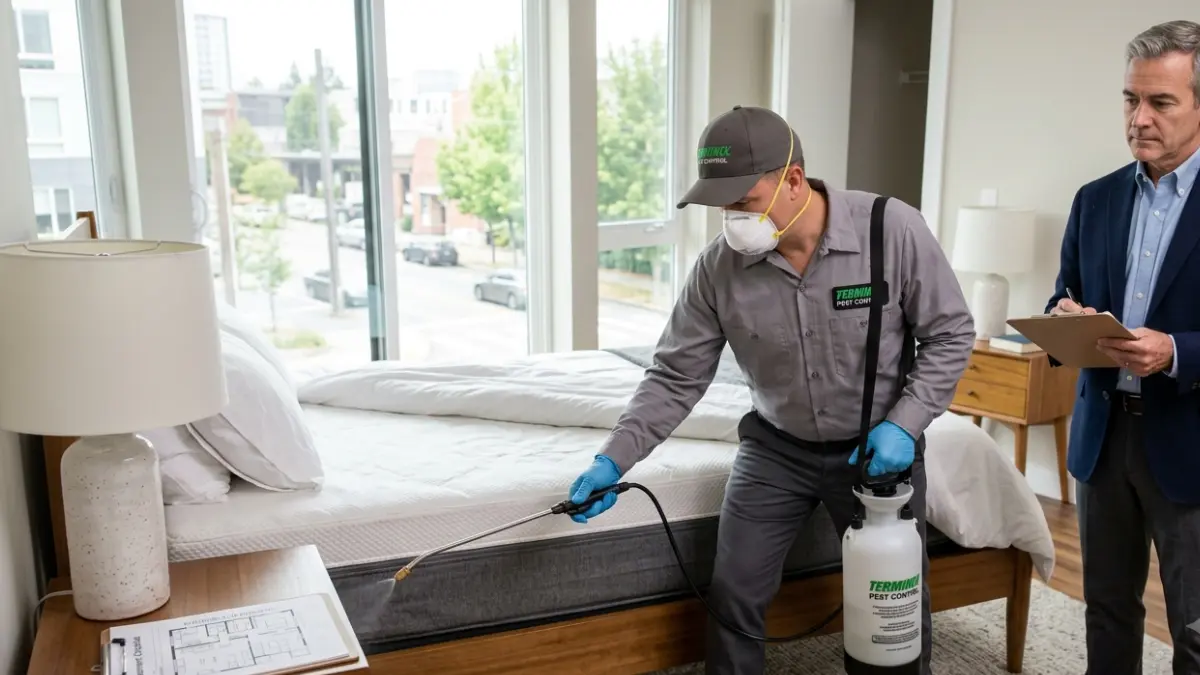
A botched attempt scatters bugs next door and hands your landlord the argument that you made it worse. In Colorado, a tenant who knowingly obstructs treatment becomes liable for their own unit and the contiguous ones.
Don’t refuse the prep, and don’t stay silent
Preparation is a legal obligation, not a chore, and Colorado puts its costs on the tenant. New Hampshire requires 72 hours’ written instructions, and refusing them is a violation on your side.
✅ Do This: Insist on a licensed pest management professional, not maintenance with a can. Ask what method, whether adjacent units are inspected, and how many follow-ups are included. Read DIY versus professional first.
- COMPLETE SIX-SIDED SHIELD — Wrap your mattress in a secure physical barrier with our 360-degree micro-zipper closure tha…
- 100% WATERPROOF BED PROTECTION — Protect your bed from accidental spills, sweat, and liquids with a specialized premium …
- BREATHABLE COTTON TERRY TOP — Sleep cool and dry with an authentic 3M Scotchgard stain-release surface that naturally ma…
If your landlord won’t act: your escalation ladder
Start with the part you fully control.
Build the file
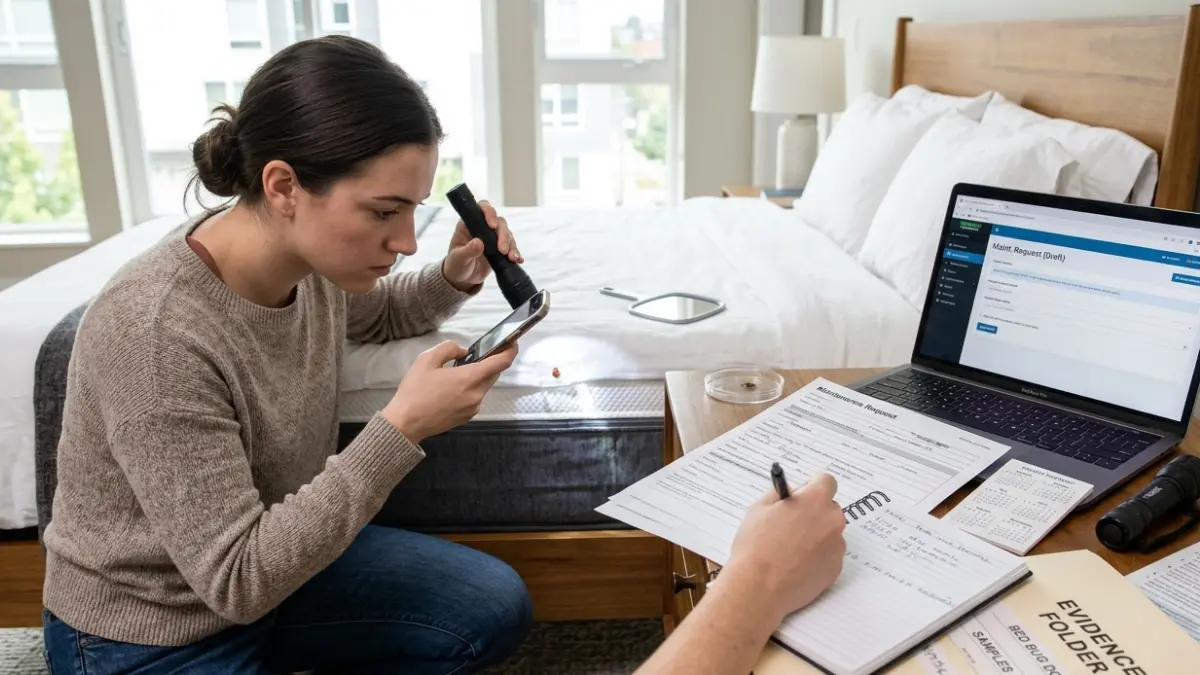
Send written notice by a method that creates a record, and keep proof of delivery — Colorado’s statute requires it. Photograph everything, with dates. Request the inspection report in writing, and log every no-show.
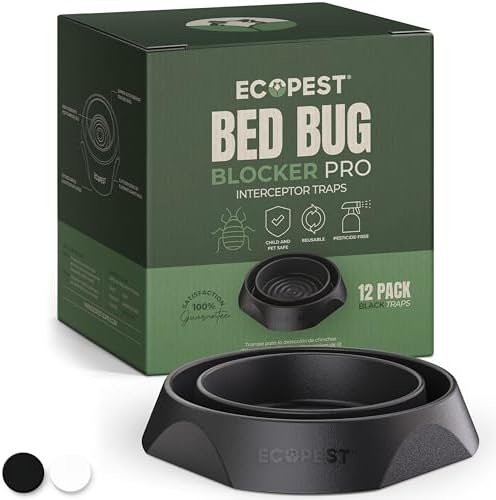
- SLEEP EASY WITH 24/7 BED BUG PROTECTION – Set it, forget it. Place one Bed Bug Blocker interceptor trap under each bed p…
- LAB-TESTED AND PROVEN TO TRAP BED BUGS – Tested by entomologists, trusted by the pros. Bed Bug Blocker interceptor traps…
- BED BUGS CLIMB IN BUT CANNOT CLIMB OUT – Simply place the traps under bed posts and furniture legs. Bed bugs cannot jump…
In California you also have a shield: for 180 days after you report a suspected infestation, your landlord may not evict you, raise your rent, or cut services. Other states have their own protections.
When to escalate
A housing or health-code inspection is the standard next rung. In New York City, a confirmed HPD inspection produces a violation against the owner; elsewhere, contact local code enforcement.
⚠️ Watch Out: Rent withholding, repair-and-deduct and lease termination carry strict procedural rules. Withhold rent without following your state’s procedure and you can be evicted for nonpayment. Talk to a tenant attorney or legal aid before you stop paying — as with any habitability problem a landlord won’t fix.
Bed bugs in a rental: your questions answered
1. Can my landlord charge me for bed bug treatment?
Only if they prove you caused it, and in most states that burden sits with them. Infestations are notoriously hard to trace, which is why the default lands on the landlord. Check whether your state has a specific statute — Colorado makes landlords responsible for every inspection and treatment cost.
2. How much does bed bug treatment cost in an apartment?
A typical apartment runs $1,000 to $2,500, and a severe infestation runs $4,000 to $6,000. Chemical treatment costs roughly $270 to $775 per room but needs two or three visits. Heat treatment is priced per square foot, around $2.00 to $6.50, with a minimum near $1,000. An initial inspection runs $75 to $200.
3. Does renters insurance cover bed bugs?
No. Standard renters policies exclude bed bugs, because insurers classify an infestation as a gradual maintenance issue rather than a sudden, accidental loss. The exclusion typically covers the extermination bill, your damaged belongings, and living expenses if you’re displaced. Assume you aren’t covered, and read your own policy’s exclusions before you count on anything.
4. Can my landlord take bed bug costs out of my security deposit?
Generally only if they prove you caused the infestation, and the landlord usually carries the burden of justifying the deduction. A deposit isn’t available for a condition that pre-dated you or arrived from another unit. Deposit rules vary by state — dispute an improper deduction in writing, and ask for an itemized statement.
5. Is a lease clause making me pay for all pest control enforceable?
It depends, and here is precisely what on. New York voids any waiver of your habitability rights by statute, so the clause fails there. Florida’s pest-control duty opens with “unless otherwise agreed in writing,” so a written lease term can shift it. Read your lease, then check your state.
6. Can I withhold rent because of bed bugs?
In some states, yes — but the procedure is strict, and doing it wrong can get you evicted for nonpayment, leaving you owing rent on a home you’ve left. This is not a step to take from a web page. Talk to a tenant attorney or legal aid before you stop paying rent.
7. What if the bed bugs came from my neighbor’s apartment?
That strengthens your position considerably, because it’s the first factor in the test courts apply. Ask your landlord in writing whether other units have reported bed bugs in the last six months, and ask your neighbors directly. Where bed bugs were found first is central to deciding who pays.
8. How long does my landlord have to treat bed bugs?
It depends on your state. Colorado is strictest: inspection within 96 hours of your written notice, and treatment begun within five business days of that inspection. New Hampshire requires the landlord to investigate within seven days. Most states set no fixed deadline and simply require action within a reasonable time.
9. Can I break my lease over bed bugs?
Possibly, in some states, through constructive eviction or a habitability termination — but the requirements are strict, and getting it wrong can leave you liable for rent on a unit you’ve vacated. Florida allows a shorter move: four days out on seven days’ notice, rent abated. Get advice from a tenant attorney or legal aid before you give notice.
10. Can I be evicted for reporting bed bugs?
Retaliation protections exist. In California, for 180 days after you report a suspected bed bug infestation, your landlord may not evict you, raise your rent, cut your services, or threaten to — and you can’t waive that protection. Similar protections are common elsewhere. Ask your legal aid office what yours are.

What to do tonight
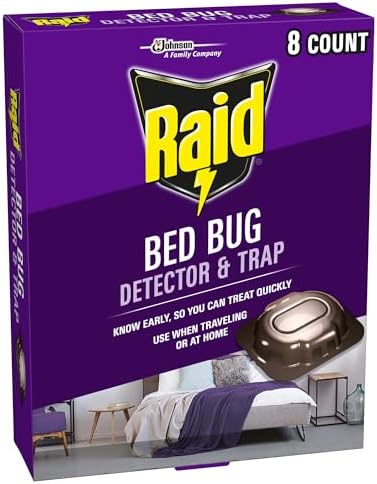
- Partially enclosed trap, designed with a see-through window
- Use when traveling or at home
- Indoor use
In most rentals, in most states, the landlord pays. That’s your starting position, and it’s stronger than the invoice on your counter suggests.
Three things before you sleep: send a dated written notice, start the evidence file, and don’t self-treat. And don’t withhold rent, sign an addendum, or pay a disputed bill until you’ve talked to a tenant attorney or legal aid.

- Pesticide Free – No chemicals used of any kind
- Easy to Use – Simply fold the trap and insert the tab at the top to hold it together
- Discreet – Slides easily under furniture and bedding
Related Articles
 Bed Bugs Treatment
Getting Rid of Bed Bugs in Clothes, Step by Step
July 3, 2026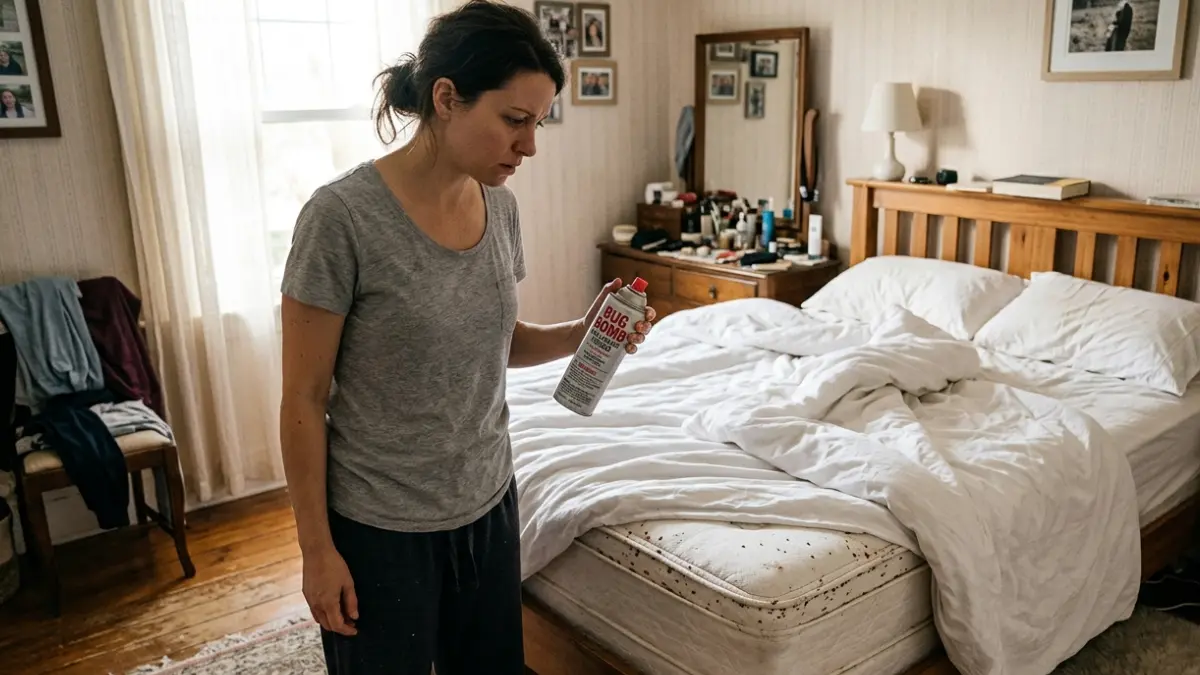 Bed Bugs Treatment
Why Bug Bombs Don’t Work on Bed Bugs (+ What Does)
July 2, 2026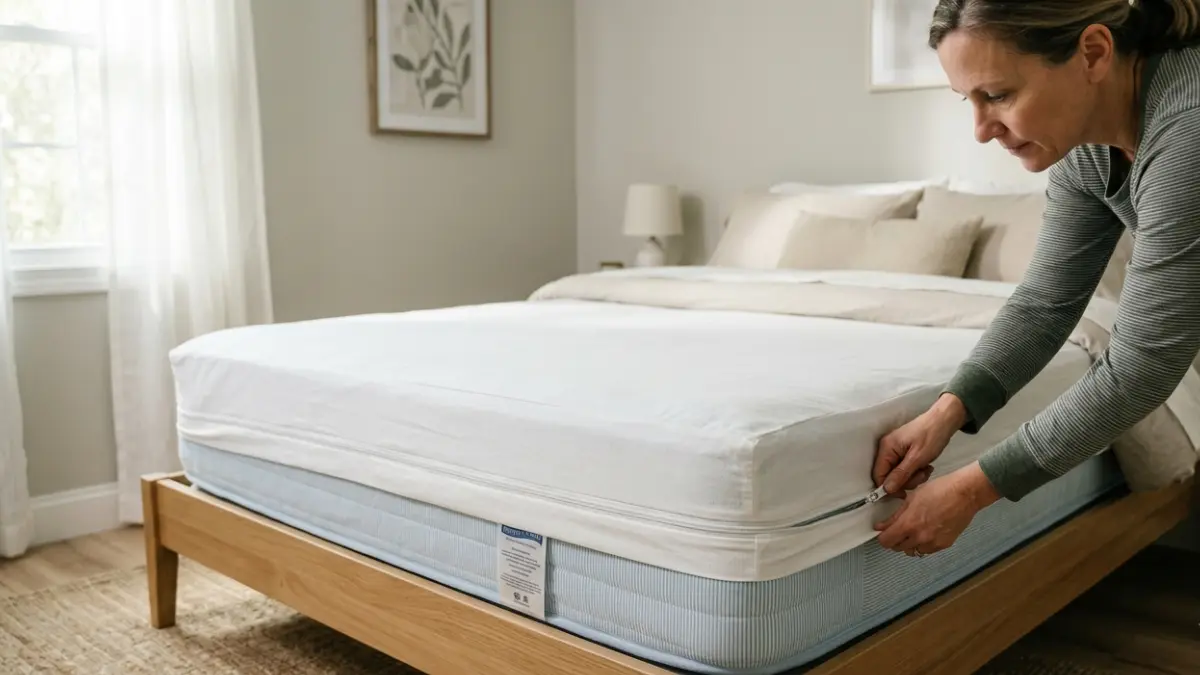 Bed Bugs Treatment
The Right Mattress Encasement for Bed Bugs, and How to Use It
July 4, 2026 Bed Bugs Treatment
Are Bed Bugs Dangerous? The Health Risks People Overlook
June 26, 2026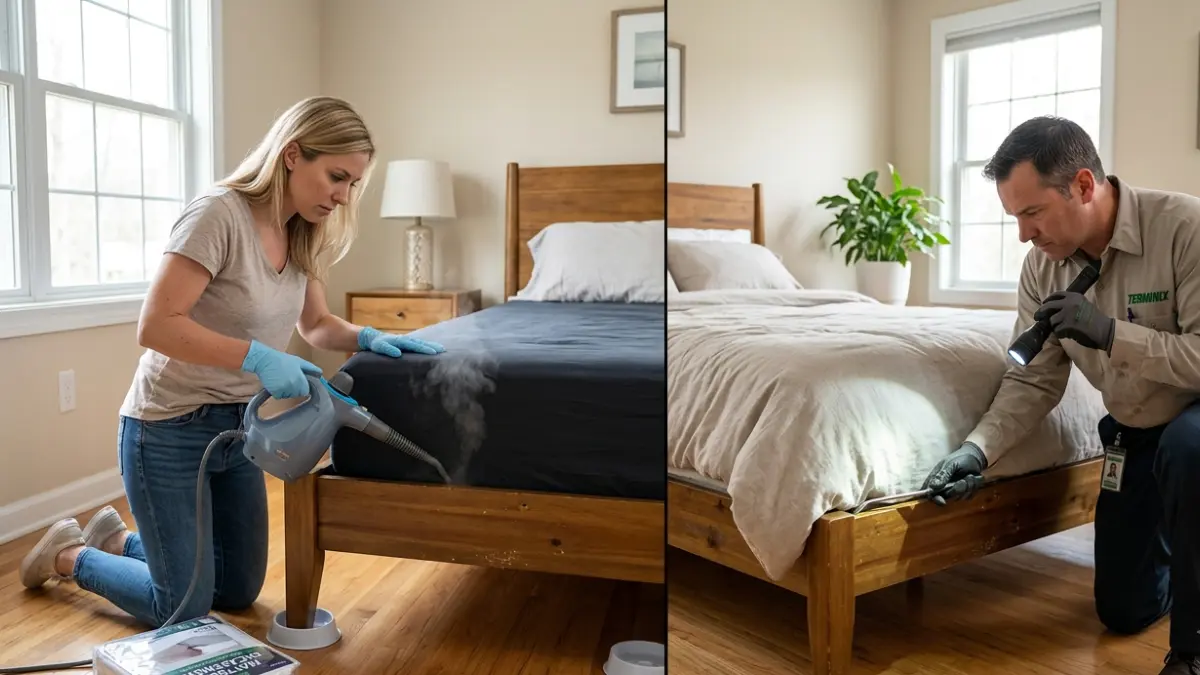 Bed Bugs Treatment
Choosing DIY or Professional Bed Bug Treatment the Smart Way
July 9, 2026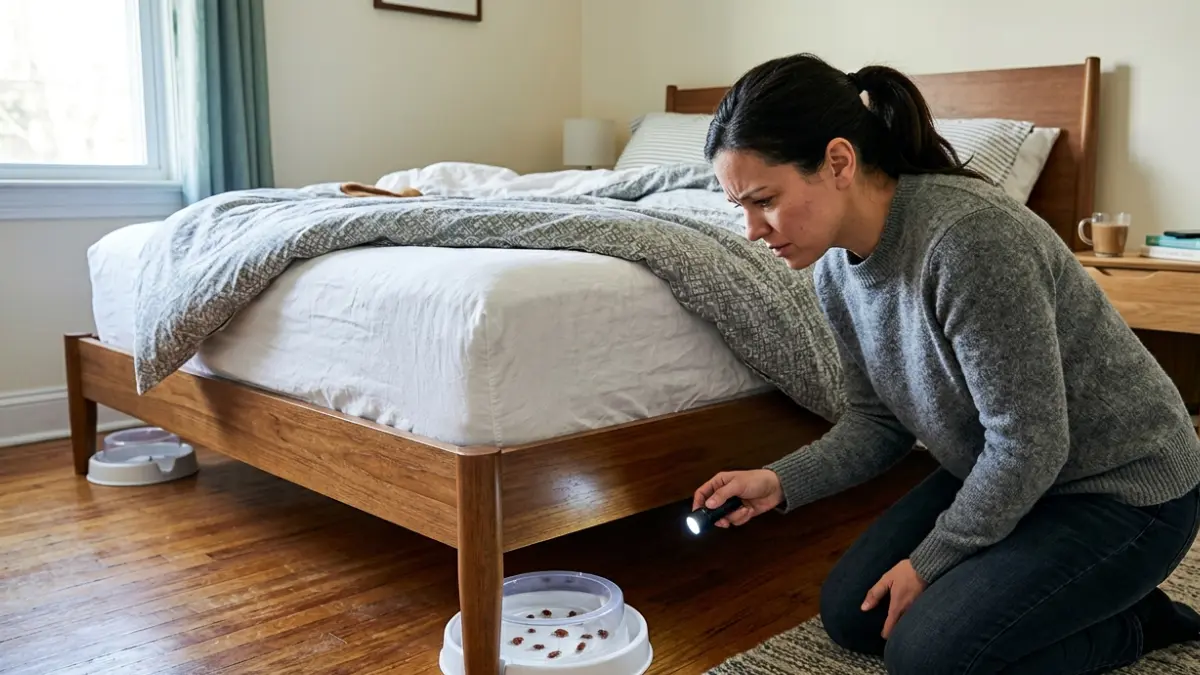 Bed Bugs Treatment
How the Right Bed Bug Interceptors Catch the Most Bugs
June 29, 2026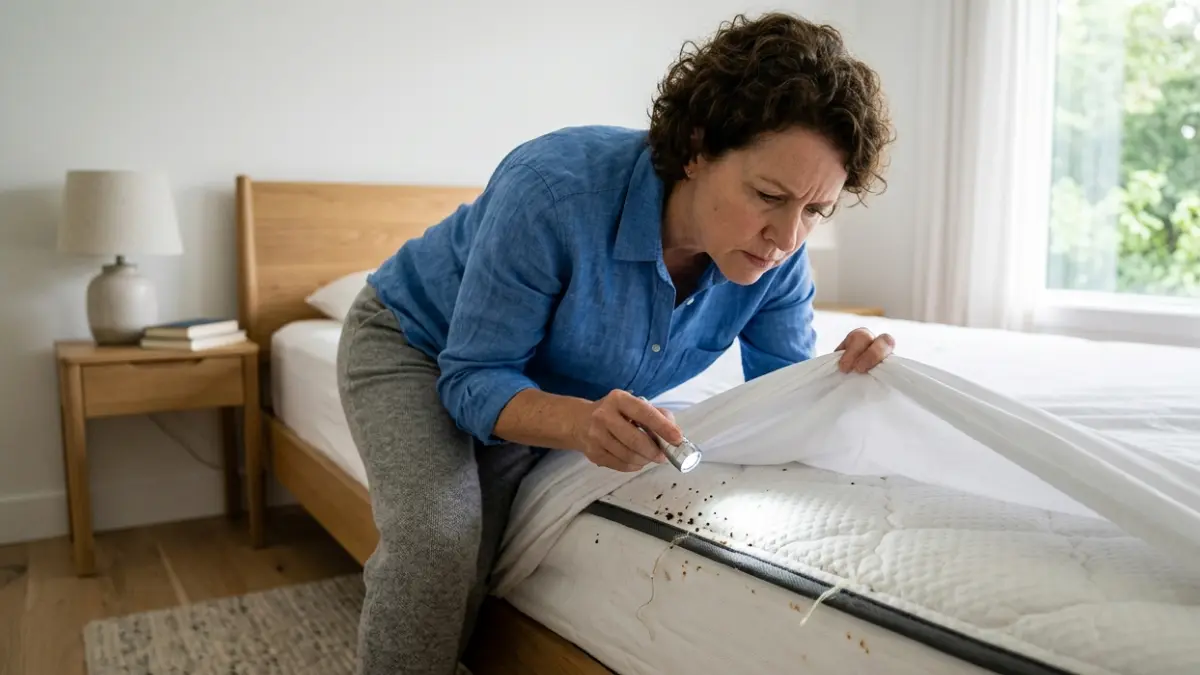 Bed Bugs Treatment
How to Spot the Signs of Bed Bugs Before You Ever See One
June 23, 2026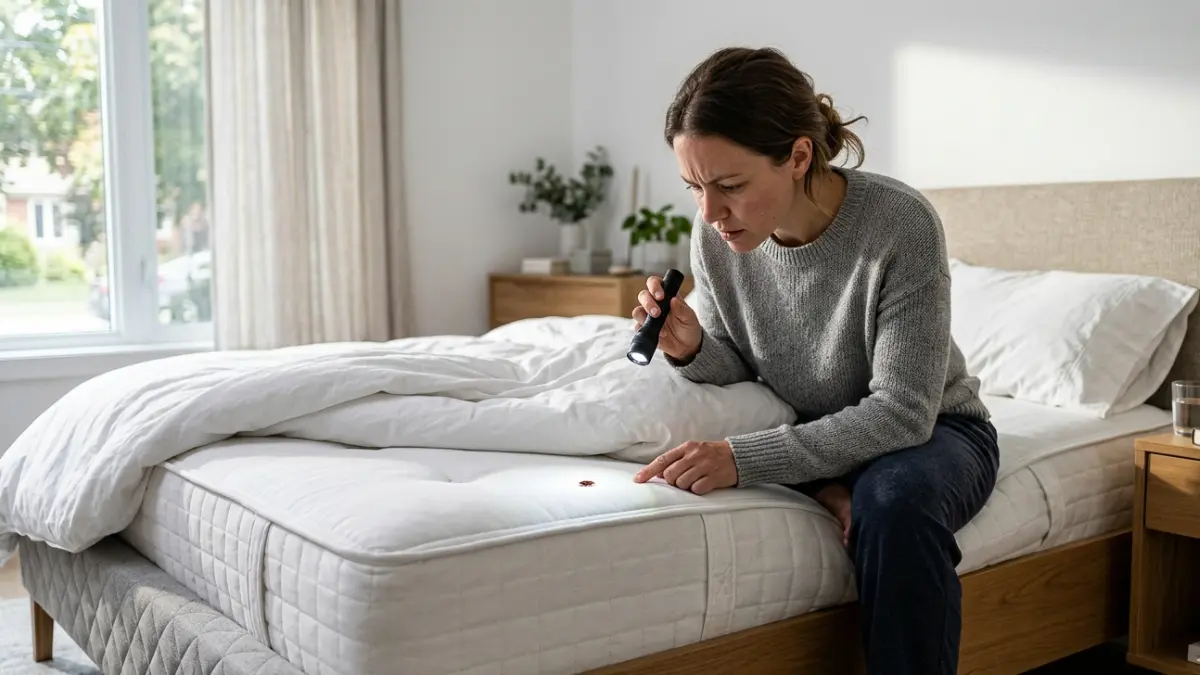 Bed Bugs Treatment
Getting Rid of Bed Bugs at Home Without the Risk
June 20, 2026 Bed Bugs Treatment