
How Bed Bug Heat Treatment Costs Compare to Chemical

Bed bug heat treatment cost can be two to three times chemical’s price — but the cheaper option isn’t always the smarter spend. Here’s the real math.
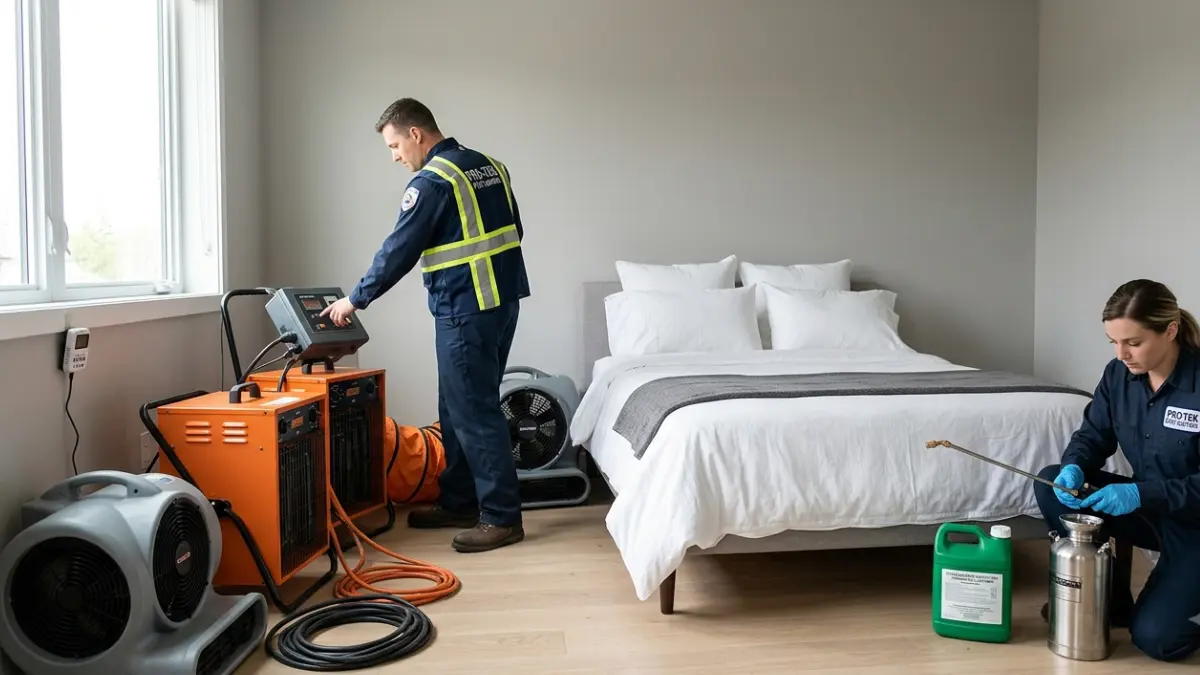
Table of Contents
Bed bug heat vs. chemical treatment: the cost at a glance
Bed bug treatment costs split sharply by method. A chemical treatment program typically runs $150 to $775 per room, while bed bug heat treatment cost for a whole home ranges from roughly $300 for a small unit to $5,500 for a large or severe job. Heat usually costs two to three times more than chemical — but the sticker price isn’t the whole story.
Where you land depends on your situation. If you’re a renter on a tight budget, skip to what you can safely do yourself. If you’re a homeowner weighing professional quotes, the full cost breakdown below is built for you. If you have pets or young children and want to avoid pesticides, heat’s chemical-free approach may matter more than its price — and if bed bugs have spread through several rooms, the section on when to call a pro will save you money.
This guide compares what each method really costs, including the follow-ups and hidden expenses quotes leave out. For the whole process from detection to eradication, see our complete plan for getting rid of bed bugs.
ℹ️ Safety Note: Bed bug treatment involves EPA-registered pesticides and high-heat equipment, and misusing either can cause poisoning or a house fire. The information here is general cost guidance, not a substitute for a licensed pest control professional. Always read pesticide labels fully and follow your local regulations.
What professional heat and chemical treatment actually cost
Professional pricing depends on your home’s size, the infestation’s severity, and the method you choose. Here’s what each approach runs before any extras.
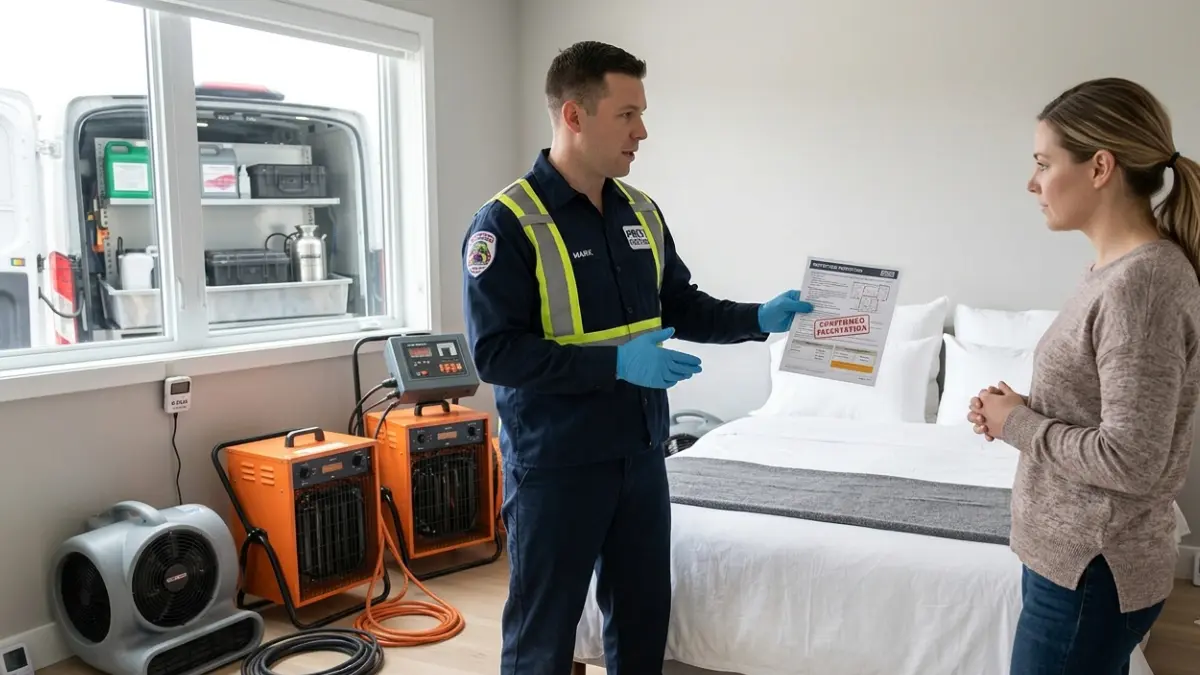
Heat treatment is priced by the room, by the square foot, or as a flat job. A small apartment often falls between $300 and $800, while larger homes climb to $1,500–$5,000 or more; whole-home jobs under 2,500 square feet commonly land around $3,000–$6,000. Expect roughly $4–$7.50 per square foot as a rough yardstick.
Chemical treatment looks cheaper on paper — about $150 to $400 per room at the low end, and up to $775 per room in current pricing data. The catch is repeat visits.
📊 Spec: Chemical programs commonly need two to three visits spaced weeks apart, at roughly $415–$625 each, per current 2025–2026 home-services pricing data. That’s why a “cheap” per-room rate rarely reflects the final bill.
Here’s the honest total-cost view — sticker price beside the realistic total once follow-ups and extras are counted:
| Method | Typical upfront cost | Realistic total (with extras) | Best for |
|---|---|---|---|
| Chemical (per room) | $150–$775 per room | $500–$2,000+ (2–3 visits, inspection, follow-ups) | Budget-focused, single-room or early infestations |
| Whole-home heat | $1,500–$5,500 (one session) | $1,500–$6,000+ (prep, possible item disposal) | Severe or multi-room jobs, chemical-averse homes |
| Hybrid (heat + chemical) | Varies by scope | Often highest, but a strong one-pass result | Established infestations pros want to hit hard |
Costs compiled from current 2025–2026 home-services pricing data (Angi, This Old House, HomeAdvisor, Today’s Homeowner). Verify local quotes before committing — pricing shifts by region and severity.
For broader budgeting beyond these two methods, see the full breakdown of what bed bug treatment costs.
Why heat treatment costs two to three times more
Heat costs more because it’s equipment- and labor-intensive, done in one intensive session with specialized heaters, fans, and technicians monitoring temperatures for hours.
With heat treatment, you’re paying for pro-grade equipment and a trained crew to raise entire rooms to a lethal temperature and hold it. The upside is speed and thoroughness in a single visit; the downside is that once the room cools, there’s no lasting chemical barrier left behind.
🔍 Why It Works: Heat kills bed bugs at every life stage — including eggs — once the air reaches roughly 120°F, which is why one properly run session can clear a room. See how heat actually kills bed bugs for the full mechanism.
With chemical treatment, you’re paying for insecticide applications — but sprays mainly kill live bugs, not always their eggs, and resistance is common. That forces repeat visits timed to newly hatched bugs, which is how a low per-room rate becomes several hundred dollars more over two or three trips.
So the treatment count differs sharply: heat is often a single session, while chemical usually means multiple visits spaced weeks apart.
✅ Do This: Before you accept a quote, measure your infested area — many pros price at $4–$7.50 per square foot, so knowing your footage lets you sanity-check the number. Our square footage calculator makes it quick.
DIY bed bug treatment costs — and what’s actually safe

- 【Powerful 1000W & Fast Heat-Up】1000W high-power heating system, 30s heats up to generate strong, penetrating steam, remo…
- 【3 Professional Modes for All Fabrics】Dry, Low & High Steam with 90° rotatable head, safely and effectively handle every…
- 【Portable Travel Companion】Compact and lightweight handheld design, easily fits into luggage, backpacks, or office drawe…
You can safely heat-treat your belongings yourself for very little — but whole-room DIY heat is dangerous, and knowing the line between the two matters more than any price.
The cheapest real win is your clothes dryer. Running infested clothes, bedding, and fabrics on high heat for at least 30 minutes kills bugs on contact, using an appliance you already own. A steamer that reaches at least 130°F (with low airflow so bugs don’t scatter) is another chemical-free option for seams, baseboards, and furniture surfaces.
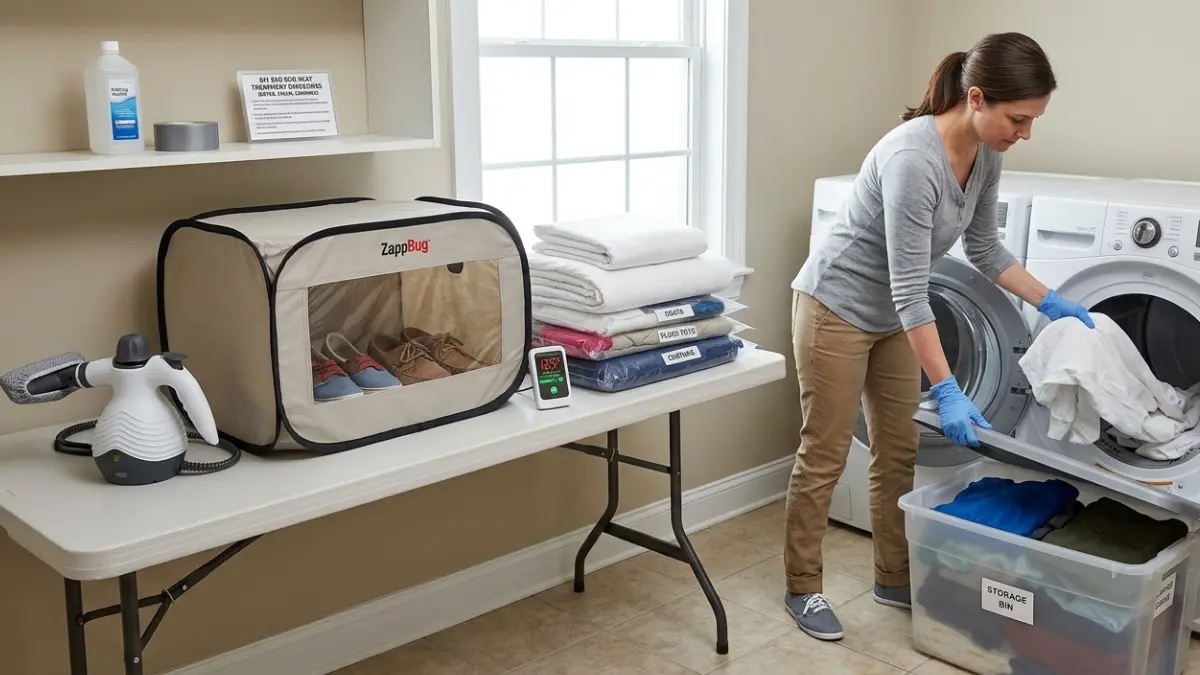
For items you can’t wash or steam, a portable heat chamber treats luggage, shoes, books, and small goods. Here’s what the DIY routes cost:

- Efficient: Heats large items above 120℉ 50℃
- Quality bed bug heat treatment equipment, No mixing, measuring, odors, or stains, just heat.
- Easy to use: One person set-up, load with items, and press on, no need to bag items
| DIY option | Approx. cost | Best for | Key detail |
|---|---|---|---|
| Clothes dryer (high heat) | ~$0 (own appliance) | Clothes, bedding, fabrics | 30+ min kills bugs on fabric |
| Steamer (≥130°F) | ~$50–$200 | Seams, baseboards, surfaces | Low airflow + diffuser so bugs don’t scatter |
| Portable heat chamber | ~$199–$1,495 | Luggage, shoes, books, small items | Heats items to lethal temp; sizes vary |
| Rented portable heater | ~$300–$500/day | Larger item batches | Whole-room DIY heat is unsafe — see warning |
| OTC sprays / kits | under $100 | Spot use with other methods | Often fail on resistant bed bugs |
Prices from current retailer listings and 2025–2026 pricing data; verify before buying.
- Efficient: Heats large items above 120℉ 50℃
- Quality bed bug heat treatment equipment, No mixing, measuring, odors, or stains, just heat.
- Easy to use: One person set-up, load with items, and press on, no need to bag items
🛒 On products: Portable chambers (e.g., ZappBug or ThermalStrike models, roughly $199–$1,495) and dedicated bed bug steamers are widely used, well-reviewed options — we haven’t hands-on tested them, so treat this as sourced guidance, not a tested pick. Compare options in our guide to a steamer that reaches a killing temperature.
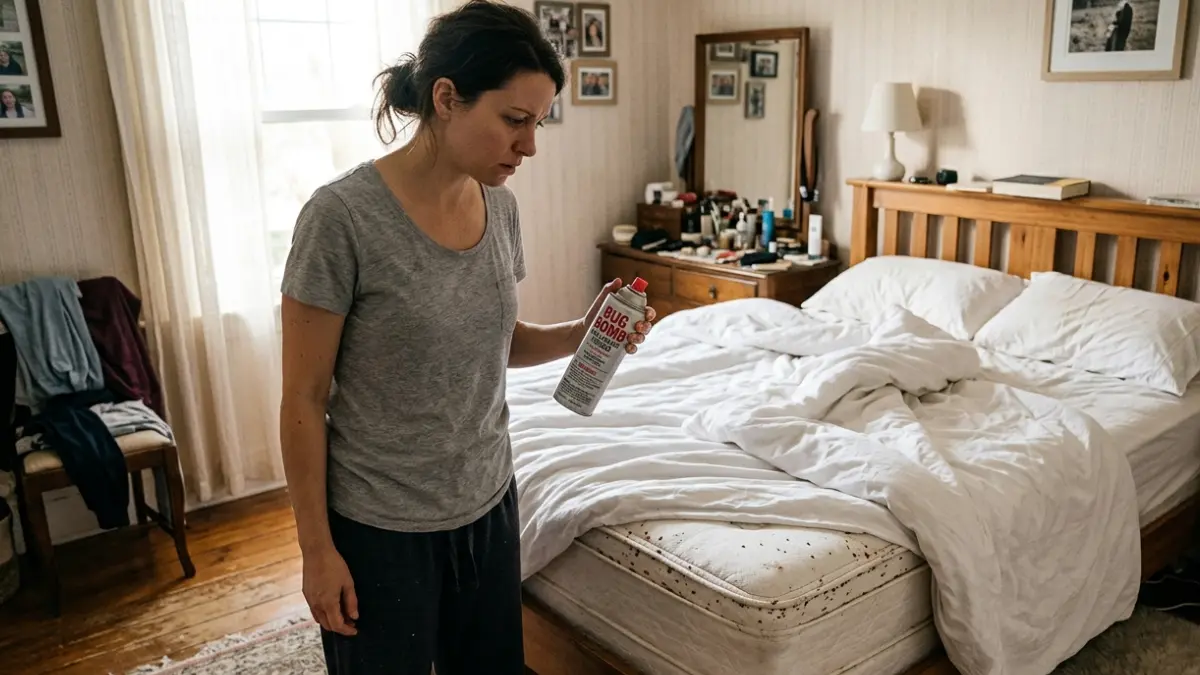
Over-the-counter sprays and foggers are where DIY money gets wasted. The EPA notes that many bed bug populations are resistant to common pyrethroid pesticides and that the most effective products are available only to professionals. Foggers can also cause a fire or explosion if overused, and rarely reach bugs hiding in cracks — which is why bug bombs rarely clear bed bugs. If you do use a spray, follow the EPA’s do-it-yourself bed bug guidance and choose only an EPA-registered bed bug spray listing bed bugs on the label.
⚠️ Watch Out: Never try to heat a whole room with space heaters, a propane heater, or a fireplace to kill bed bugs. The EPA warns this doesn’t reach reliable killing temperatures and has burned down homes. Whole-room heat is a job for trained professionals with proper equipment.
For a safe, structured self-treatment approach, follow a full do-it-yourself bed bug plan rather than improvising with heat.
Is heat treatment worth the extra cost over chemical?
Heat earns its premium when you need a fast, chemical-free result that kills eggs in one pass; chemical is the smarter spend when your budget is tight, the infestation is small, and you can accept multiple visits.
Heat is worth it for severe or multi-room infestations, for homes with pets or young children where avoiding pesticides matters, and when you want the job done in a single day. It kills all life stages at once — but leaves no residual protection and can damage heat-sensitive electronics or blinds.
🔍 Why It Works: Bed bug eggs are the hard part. Many sprays kill live bugs but not eggs, so chemical programs need follow-ups timed to hatching, while a proper heat session kills eggs the same day. That’s why bed bug eggs are the hard part of any treatment plan.
Chemical is the smarter spend when the problem is caught early or confined to one room. It’s cheaper upfront and leaves residual protection that keeps working — but the EPA notes that pyrethroid resistance is common, and follow-up visits are usually required to finish the job.
Many professionals split the difference. A hybrid treatment pairs a heat session with a residual chemical application for a strong one-pass result plus lingering coverage, which aligns with the EPA’s integrated pest management approach of combining methods rather than relying on one. You can read more on which EPA-registered bed bug pesticides fit different situations.
Hidden bed bug treatment costs (and how to pay less)

- COMPLETE SIX-SIDED SHIELD — Wrap your mattress in a secure physical barrier with our 360-degree micro-zipper closure tha…
- 100% WATERPROOF BED PROTECTION — Protect your bed from accidental spills, sweat, and liquids with a specialized premium …
- BREATHABLE COTTON TERRY TOP — Sleep cool and dry with an authentic 3M Scotchgard stain-release surface that naturally ma…
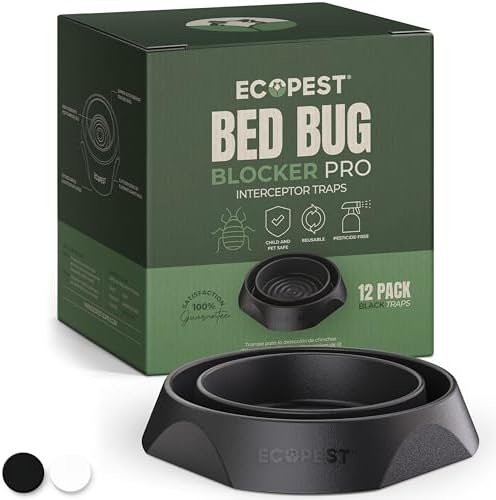
- SLEEP EASY WITH 24/7 BED BUG PROTECTION – Set it, forget it. Place one Bed Bug Blocker interceptor trap under each bed p…
- LAB-TESTED AND PROVEN TO TRAP BED BUGS – Tested by entomologists, trusted by the pros. Bed Bug Blocker interceptor traps…
- BED BUGS CLIMB IN BUT CANNOT CLIMB OUT – Simply place the traps under bed posts and furniture legs. Bed bugs cannot jump…
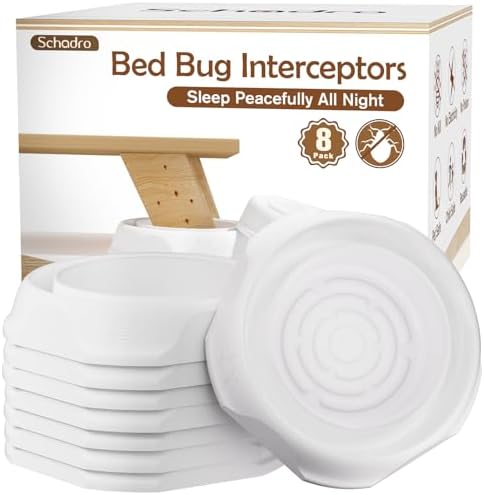
- Sleep Tight: Bed bug trap provides 24/7, 360°protection. It securely catches any bed bug that crawls in, keeping your fu…
- Under Any Legs: Fits snugly under beds, sofas, and desks. Perfect for your apartment and home, and also ideal for hotels…
- Effortless Capture: Bed bugs can easily climb the matte-textured outer surface and inner platform but are unable to esca…
The cheapest route depends on how far the bugs have spread: caught early, DIY item-heat plus encasements and monitoring can work; once established, a professional chemical program is usually the cheapest path that actually eliminates them.
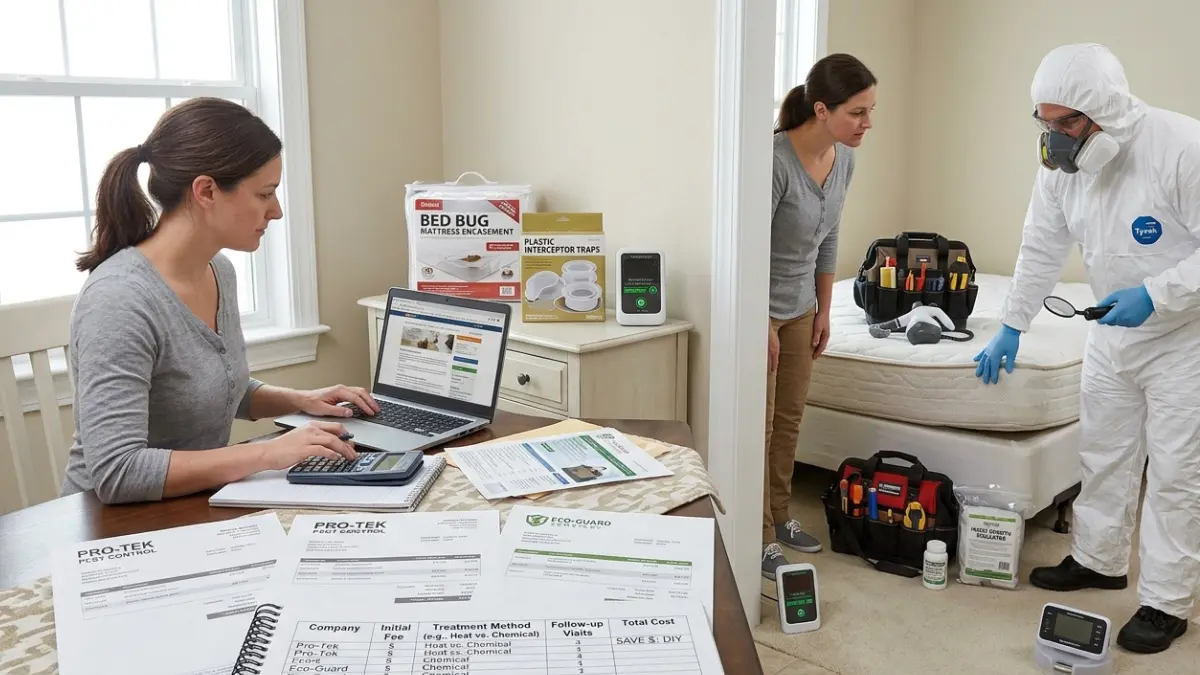
First, the costs a quote often leaves out:
- Inspection: $50–$200 (frequently deducted from treatment if you hire the company)
- Follow-up visits: $75–$225 each, on top of the initial treatment
- Emergency or same-week service: adds $200–$500
- Furniture damage or disposal: heat can harm sensitive items — factor in whether to throw away your mattress or other damaged goods
- Insurance usually won’t help: standard homeowners and renters policies typically treat bed bugs as a maintenance issue and don’t cover extermination, though a few carriers sell optional endorsements and landlord responsibility varies by state — check your specific policy
💡 Pro Tip: Catching an infestation early costs far less. Current pricing data puts a minor single-room job at $300–$1,000, versus $4,000–$6,200 for a severe whole-home case — so acting at the first signs is the biggest money-saver there is.
To lower your total: get at least three quotes, treat your own belongings with the dryer and a steamer, and use a mattress encasement to trap and monitor rather than replacing furniture. Then confirm the bed bugs are actually gone before you stop, so you don’t pay for a re-treatment you could have prevented.
One honest caveat: repeated over-the-counter spraying wastes money on resistant bugs. For an established infestation, the cheapest thing that genuinely works is usually a professional chemical program, not another round of store-bought spray.
When to hire a pro — and the safety rules that aren’t optional
Call a professional when bed bugs have spread beyond one room, gotten into walls or electrical outlets, or survived your own efforts — these are the signs DIY won’t be enough.
A licensed pest control professional has the training and equipment to reach hidden bugs and to run heat safely, which no store-bought tool replaces for a whole-home job. Established infestations, spread across multiple rooms, or repeat failures after DIY attempts all point clearly toward hiring out.
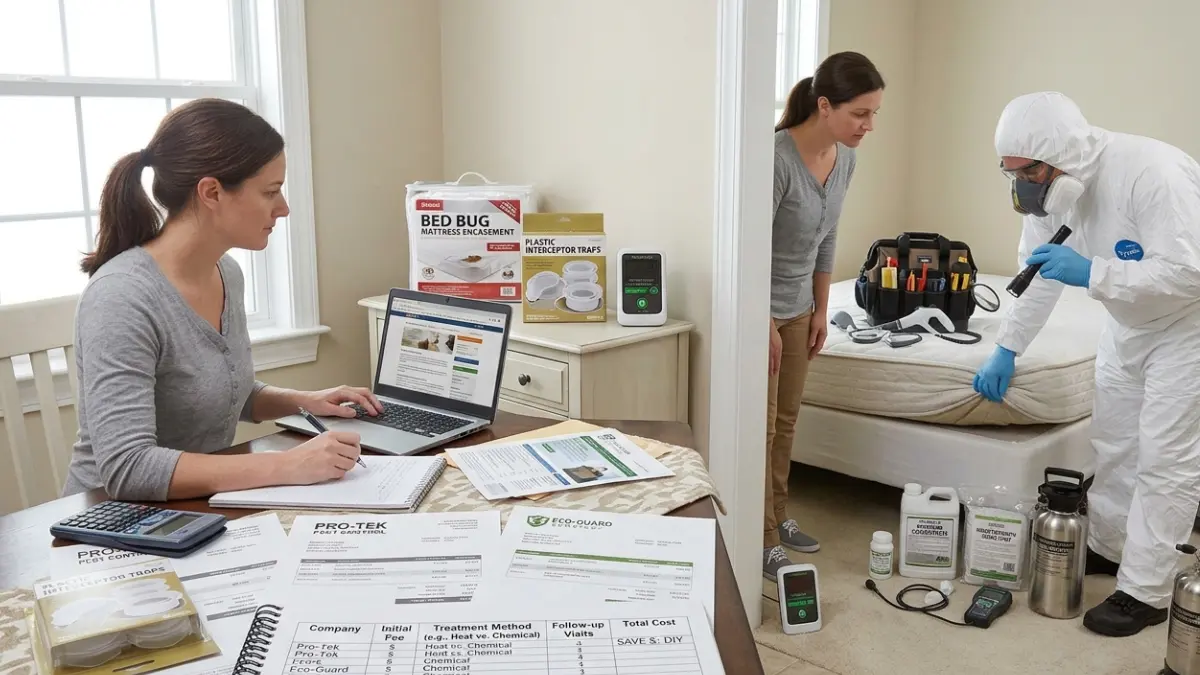
⚠️ Watch Out: Never apply any pesticide to your skin — the EPA has not registered any product for use on the human body, and doing so can poison you. Never overuse foggers (fire and explosion risk), and only use EPA-registered products that list bed bugs on the label. Read the label every single time.
✅ Do This: For anything beyond treating your own belongings, hire a licensed pest control professional and ask three questions before you pay: what method they use, exactly what prep you’re responsible for, and precisely what their re-treatment guarantee covers.
Bed bugs are stressful and the quotes can be alarming, but they are a solvable problem. Match the method to your situation, treat what you safely can, and bring in a pro for the rest.
Bed bug heat vs. chemical treatment cost: FAQ
1. Is heat or chemical treatment cheaper?
Chemical is cheaper upfront — about $150 to $775 per room versus $300 to $5,500 for whole-home heat. But because chemical programs usually need two or three visits, the gap narrows once you count follow-ups. For a small, early infestation, chemical is typically the lower total cost.
2. How much does chemical bed bug treatment cost per room?
Chemical treatment runs roughly $150 to $400 per room at the low end and up to $775 per room in current pricing data. Most infestations need two to three visits at about $415 to $625 each, so budget for the full program rather than a single per-room rate.
3. Why is heat treatment so expensive?
Heat treatment costs two to three times more because it’s equipment- and labor-intensive — pro-grade heaters, fans, and technicians raising entire rooms to a lethal temperature over hours in one intensive session. You’re paying for speed and a single-visit result, though heat leaves no lasting residual protection afterward.
4. Does heat kill bed bug eggs? Does chemical?
Heat kills bed bugs at every life stage, including eggs, once the air reaches roughly 120°F. Many chemical sprays kill live bugs but not their eggs, which is why chemical programs need follow-up visits timed to when eggs hatch. This egg difference is a core reason heat costs more.
5. How many chemical treatments will I need?
Chemical bed bug treatment commonly requires two to three visits spaced weeks apart, because sprays don’t reliably kill eggs and follow-ups catch newly hatched bugs. Severe infestations can need more. If you’re comparing costs, multiply the per-visit rate by the expected number of visits.
6. Can I rent a bed bug heater, and how much?
Renting a portable heater runs about $300 to $500 per day, and buying a commercial-grade unit costs $2,000 to $5,000 or more. Portable heat chambers for belongings cost roughly $199 to $1,495. Whole-room DIY heat is not safe — rentals are best used for treating items, not entire rooms.
7. Is DIY heat treatment safe?
Treating belongings is safe: a clothes dryer on high heat or a portable heat chamber kills bugs without risk. Whole-room DIY heat is not — the EPA warns that space heaters and fireplaces don’t reach reliable killing temperatures and have caused house fires. Leave whole-home heat to trained professionals.
8. What’s the cheapest way to get rid of bed bugs that works?
For an early, small infestation, the cheapest effective route is DIY item-heat (dryer and steamer) plus mattress encasements and monitoring. Once bed bugs are established across a home, a professional chemical program is usually the cheapest option that actually eliminates them — repeated store-bought spray wastes money on resistant bugs.
9. Does insurance cover bed bug treatment?
Standard homeowners and renters insurance typically does not cover bed bug extermination, because insurers classify infestations as a maintenance issue rather than a sudden, covered peril. A few carriers sell optional bed bug endorsements, and in some states landlords must treat rentals. Check your specific policy and lease before assuming any coverage.
10. Heat or chemical for a home with pets or kids?
Heat is the chemical-free choice, which is why many pet and child households prefer it despite the higher cost. If you use pesticides instead, choose only EPA-registered products labeled for bed bugs, follow the label exactly, and keep children and pets away during and after application — or hire a licensed professional to handle it.
Choosing the right method for your budget
Heat and chemical both eliminate bed bugs — the right call comes down to your budget, the infestation’s size, and whether you want to avoid pesticides. Chemical wins on upfront cost and residual protection for small, early problems; heat wins on speed and a single chemical-free session that kills eggs, at two to three times the price. Treat your own belongings with the dryer and a steamer to save money, get several quotes before committing, and bring in a licensed pro once bugs have spread. Match the method to your situation and you’ll spend less — and finish the job the first time.
Related Articles
 Bed Bugs Treatment
Why Bug Bombs Don’t Work on Bed Bugs (+ What Does)
July 2, 2026 Bed Bugs Treatment
How to Get Bed Bugs Out of a Mattress and Keep It
July 2, 2026 Bed Bugs Treatment
The Right Mattress Encasement for Bed Bugs, and How to Use It
July 4, 2026 Bed Bugs Treatment
Build the Right Bed Bug Treatment Kit for Your Home
July 6, 2026 Bed Bugs Treatment
How Heat Kills Bed Bugs, and Where It Falls Short
July 1, 2026 Bed Bugs Treatment
How Fast Bed Bugs Spread, and How to Get Ahead of It
June 25, 2026 Bed Bugs Treatment
Are Bed Bugs Worse in Summer? What the Data Shows
July 13, 2026 Bed Bugs Treatment
Getting Rid of Bed Bugs in Clothes, Step by Step
July 3, 2026 Bed Bugs Treatment