How to get rid of bed bugs yourself at home

DIY bed bug control starts with the bed you sleep in: encase it, set interceptors under each leg, and stay in it. Kill temps and legal products follow.
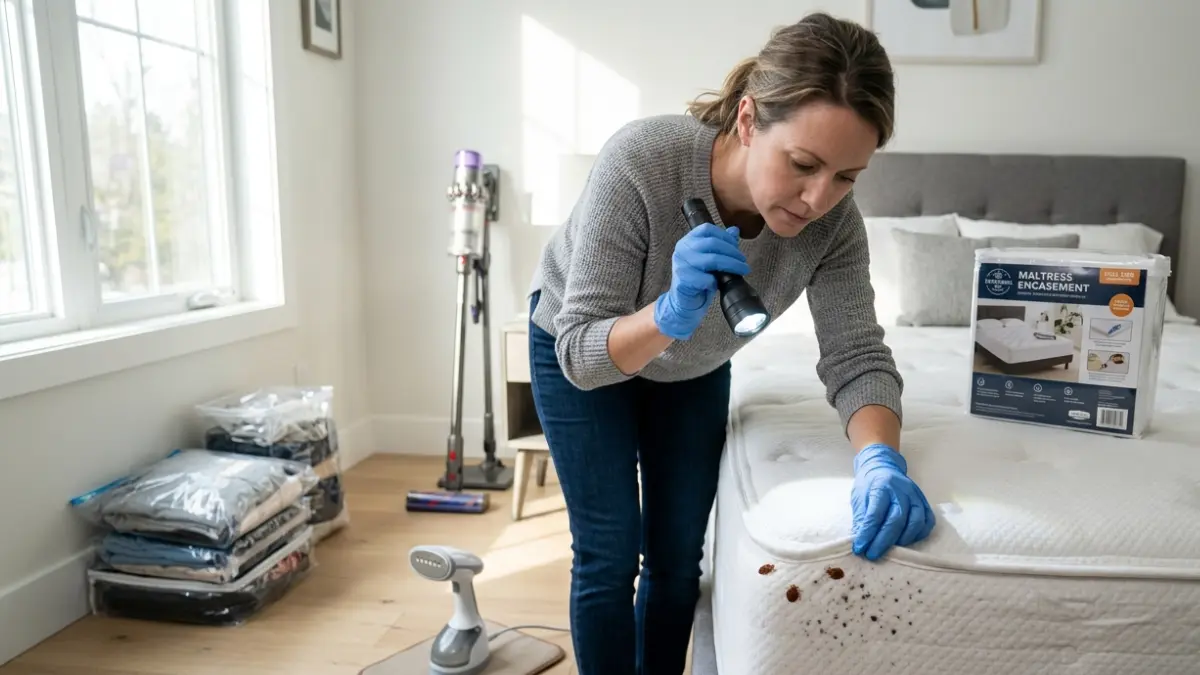
Table of Contents
You can get rid of bed bugs yourself when the infestation is small, found early and limited to a home you control. Start tonight by making your bed a safe place to sleep, then work through the room with heat and a vacuum, adding a registered pesticide only where its label allows.
Getting rid of bed bugs on your own is slow. EPA’s do-it-yourself guide says treatment can take weeks to months, and that success depends on how many bugs you have, how much clutter gives them cover, whether your neighbors have them, and whether everyone in the home does their part. Plan for more than one round.
None of this has to happen in the next hour. Bed bugs are not known to spread disease to people, although their bites can cause itching, lost sleep and, rarely, allergic reactions.
Is your infestation small enough to handle alone?
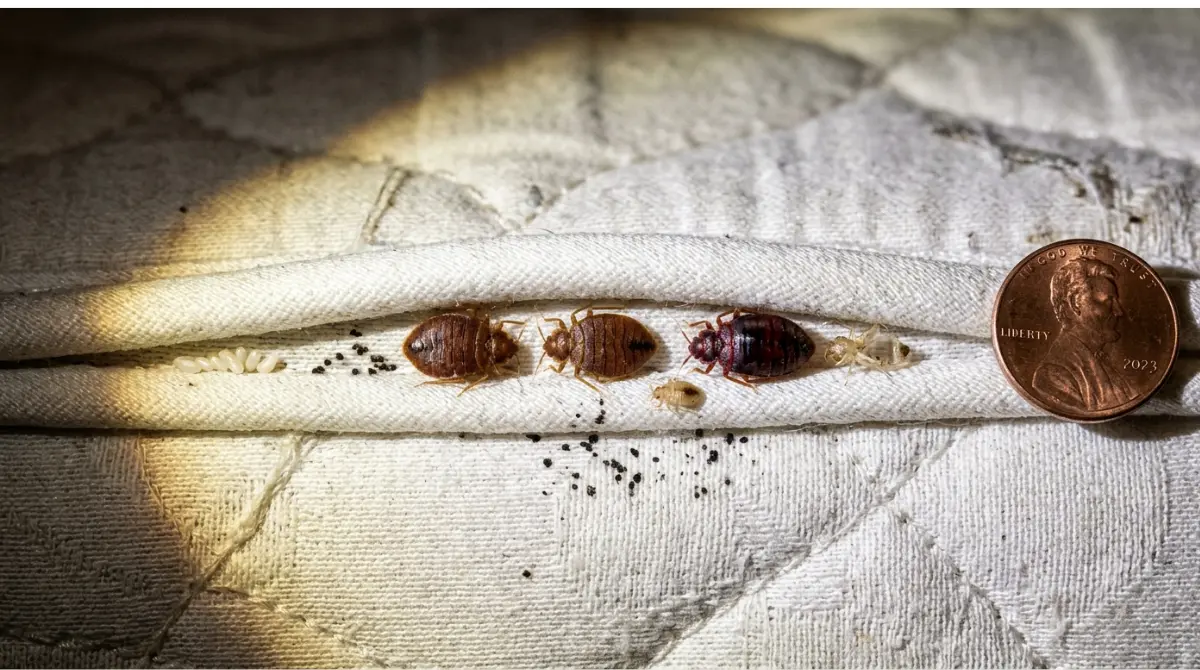
A Rutgers comparison of three approaches in 27 senior apartments gives a useful benchmark. In the group treated with no pesticide at all (mattress encasements, bed-leg interceptors, hot steam and weekly laundering), seven apartments that started with 1 to 12 visible bed bugs had none after eight weeks (Rutgers study summary). The researcher concluded that do-it-yourself control can be affordable and effective for low-level infestations.
A handful of bugs around one bed is a reasonable DIY job. Bugs in both the bedroom and the couch, or in several rooms, are a bigger one. In apartments, the units on both sides, above and below are assumed infested until inspection shows otherwise, which generally calls for a coordinated effort with a pest control company (Texas A&M AgriLife Extension).
Confirm the insect first. A county extension agent can identify a sample at no cost. If you’re still weighing a company against doing it yourself, how DIY and professional bed bug treatment compare covers that decision.
For renters: Michigan’s state bed bug guide, written with MSU Extension, advises renters to report bed bugs to the landlord and not apply insecticides themselves. Who must act and pay is set by state and local housing codes, which who is responsible for bed bugs in an apartment walks through.
Protect the bed first
Stay in your own bed. Moving to the couch or a spare room sends the bugs after you and spreads them to a second room (Texas A&M). Leaving home for a while doesn’t starve them out either, since leaving the room is on Rutgers’ list of ineffective methods (Rutgers).
Set the bed up in this order, drawn from Texas A&M and the Michigan guide:
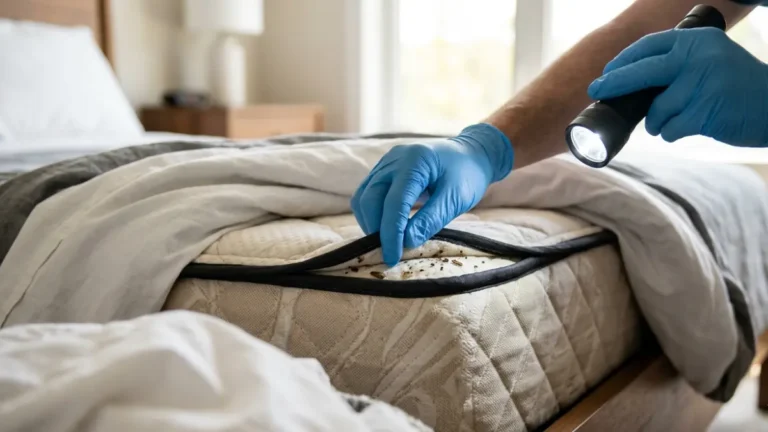
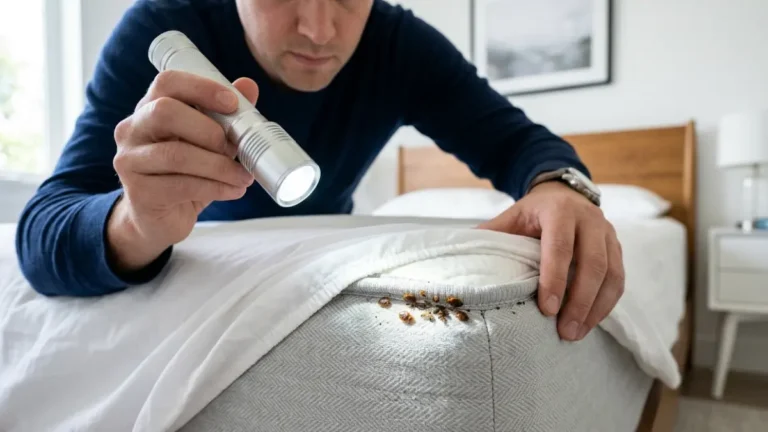
- Strip the bedding and bag it. Vacuum the mattress, box spring and frame, working the seams, joints and screw holes.
- Wash and dry the bedding on high heat, using the dryer time in the table below, and keep it bagged until the bed is finished.
- Zip the mattress and box spring into encasements sold for bed bugs, smooth and with no folds around the zipper. Patch any tear with duct tape.
- Pull the bed a few inches from the wall, take off the bed skirt, and keep blankets off the floor.
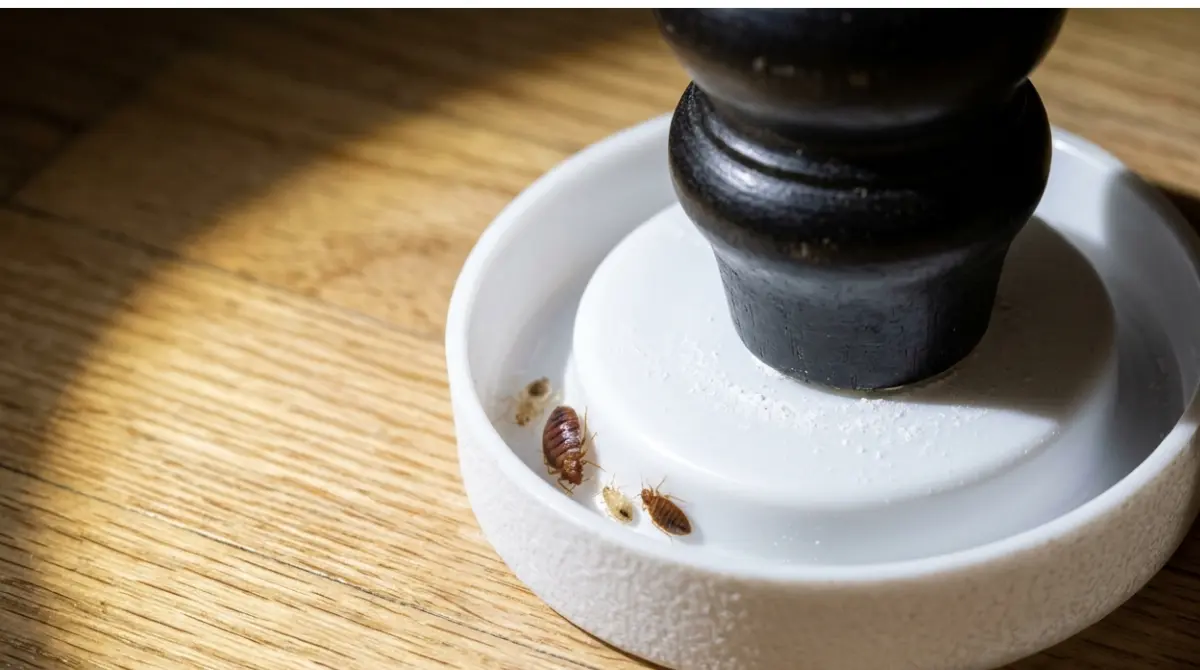
- Set an interceptor under every leg. Commercial cups work, or build them from two nested plastic containers with rough tape around the outside and a light dusting of talcum powder inside (EPA interceptor instructions).
The cups then double as an early warning, because anything heading for the bed lands in them.
You can keep the mattress. Throwing it out is often expensive and unnecessary, and the bugs travel with it to whoever takes it home (NPIC).
Heat, cold and steam: the numbers that kill bed bugs
Official sources give different times and temperatures, so the last column uses the most cautious figure for each method.
| Method | EPA | Other official guidance | Plan around |
|---|---|---|---|
| Clothes dryer | High heat | NPIC: high heat for 30 minutes or more; Texas A&M: 30 minutes on high kills all life stages | 30 minutes or more on high |
| Freezer | 0°F for three days in a sealed bag, checked with a thermometer | Texas A&M: 8–10 hours in a 0°F chest freezer; Rutgers: more than four days | Five days at a thermometer-checked 0°F |
| Steam | At least 130°F, no forceful airflow, use a diffuser | Michigan guide: about 20 seconds per 12 inches of nozzle travel; steam before any insecticide | Slow passes with a diffuser, before any spray or dust |
| Sun or hot car | Black bags in a hot, closed car may work, depending on climate | Rutgers lists hot sun among ineffective methods | Don’t count on it |
| Sealed bag, untreated | Leave up to a year | Texas A&M: 2–5 months, shorter when warm | A full year |
Sources: EPA, NPIC, Texas A&M AgriLife Extension, Rutgers, Michigan guide.
For small items you can’t wash, a freezer works only if it truly holds 0°F. Seal them in a bag and leave them in the freezer for three days, checking the temperature with a thermometer, because many home refrigerator freezers never get that cold (EPA).
Steam kills only what it reaches. Moved slowly, it penetrates up to about three-quarters of an inch into a mattress or cushion, and a dry-steam or low-vapor machine leaves less moisture behind (Michigan guide). A strong blast of air scatters bed bugs, which is what the diffuser prevents (EPA).
Empty the room without spreading them
Start with the vacuum, since after each pass it holds live bugs and eggs. Run a crevice tool along mattress seams, baseboards, drawer runners and the undersides of furniture. Then seal the bag or the canister’s contents in a plastic bag and take it to an outdoor trash can right away (EPA). Vacuuming picks up many adults and nymphs but few eggs, so it gets repeated every round (Texas A&M).
Take everything off the floor, shelves and closet of the infested room. Bag clothing, books and small belongings in see-through plastic bags so you can find things without opening them. Wash what can be washed, hold the rest sealed until it has been heated, frozen or inspected, and bring nothing back into a treated room before then.
Silicone caulk in cracks and crevices removes hiding places and pushes bugs into the open (EPA). The gaps worth sealing include molding a dime can slide under and openings around pipes that run between rooms (Michigan guide).
Furniture too infested to save can go out with the trash once the covers are ripped or “Bed Bugs” is spray-painted on it, so nobody carries it home (EPA).
Which bed bug sprays and dusts are legal to use?
The legal test is printed on the container. Use only EPA-registered products that list bed bugs on the label (look for “EPA Reg. No.”), read the whole label before you start, and follow its directions and precautions (EPA legal-use guidance). The Bed Bug Product Search Tool lists registered products; pick one labeled for indoor use (Michigan guide).
Desiccant dusts kill by drying bed bugs out, so the bugs can’t develop resistance to them, though they may take several months to work (EPA). Buy diatomaceous earth sold as a pesticide. Food-grade and pool versions carry no pest-control directions and may be a finer dust that is more harmful to breathe (NPIC). Apply a very fine layer into cracks and crevices, as the label directs (Michigan guide).
Leave these out of the plan:
- Foggers (“bug bombs”). In an Ohio State University study, three over-the-counter foggers had little or no effect on bed bugs collected from homes, because the mist doesn’t reach where they hide. Setting off too many at once can start a fire or explosion (EPA).
- Rubbing alcohol, kerosene and gasoline. Unregistered rubbing alcohol has caused numerous house fires during bed bug treatment (EPA).
- Space heaters, a fireplace or a turned-up thermostat. These don’t kill bed bugs and have burned homes down.
- Outdoor-only pesticides, anything applied to your skin, and products with no EPA registration number, such as the illegal imports Sniper and No Pest strips containing DDVP (NPIC).
- Carbon dioxide, propane or other gases, even inside a sealed bag, which can create dangerously low oxygen or an explosion.
Misusing any of them can do more harm than the bed bugs themselves (EPA). Mixing concentrates, treating inside wall voids or outlet boxes, and fumigating sealed containers with pesticide strips are jobs for a certified pesticide applicator.
Safety: Use a product only on the surfaces its label lists, wear any gloves or goggles it requires, keep people and pets out of the room while you apply it, and let surfaces dry before anyone comes back (NPIC). Dust drifts into the air you breathe, and liquid sprays never go into electrical outlets (Texas A&M).
Weekly checks, and when to stop
Inspect at least every 7 days, interceptor cups included, and log the date and location of every bug you find (EPA). A weekly count shows whether the numbers are falling (Texas A&M). New bugs mean a hiding spot was missed or eggs have hatched, and that area gets another round.
Reapply a pesticide only as often as its label permits, typically every two to four weeks, and continue until two weeks pass with no bites and no new signs (Michigan guide). Even then, keep checking for at least a year (EPA). The signs of a finished job are covered in how to know if bed bugs are gone.
Bring in a licensed applicator if bugs keep turning up
Interceptor counts that stop falling after repeated rounds, or bugs found in a second room, mark the point where the job outgrows one household. Professionals can heat-treat rooms and furniture, while do-it-yourself attempts at that often fail and are a fire risk (NPIC).
Look for a company with bed bug experience that follows integrated pest management (NPIC), and confirm its applicators are certified by your state, which is where commercial applicator certification is handled (EPA). Ask which product and EPA registration number they will use, what preparation they need from you, and whether follow-up inspections and repeat treatments are included. An applicator who offers no follow-up is on EPA’s list of risky hires (EPA). What professional treatment involves is covered in getting rid of bed bugs.
Before the first visit, photograph a few interceptor catches and keep your dated log at hand, so the inspector can see where and when bugs turned up.