
An Easy Way to Tell Bed Bug Bites From Flea and Mosquito Bites

Bed bug bites vs flea bites comes down to where they land. Bed bugs target the upper body and appear late; fleas hit the ankles. Here’s how to read yours.
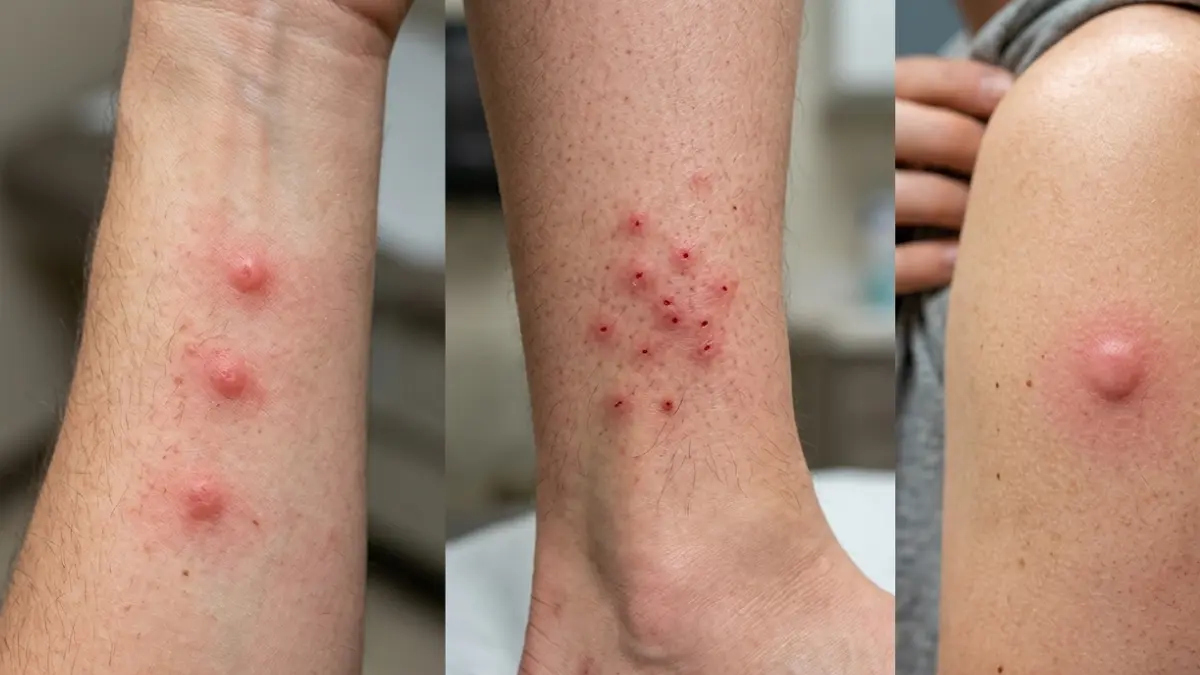
Table of Contents
You woke up with a row of itchy red bumps and thought of bed bugs right away. The marks can point you toward the culprit — if you know what to look for.
This guide compares bed bug bites with flea and mosquito bites by the clues that separate them: where they land, how fast they appear, and whether they carry any health risk.
Jump to what fits your situation:
- Bumps on your arms, neck, or back after sleeping — start with the bed bug vs. flea comparison.
- Clusters around your ankles plus a pet at home — fleas are likely.
- A lone, puffy welt after time outdoors — skip to mosquitoes.
- A bite that looks infected or you feel unwell — go to when to see a doctor.
One caveat: bites alone can’t confirm what bit you. They narrow it down — here’s how far.
ℹ️ Safety Note: This guide is general information only and can’t diagnose a condition or an infestation. If a bite becomes infected, you have a severe reaction, or you’re unsure, contact a healthcare provider, and call 911 for trouble breathing or facial swelling.
The fast way to tell bed bug, flea, and mosquito bites apart
Three clues separate these bites faster than appearance does: where they land, how fast they appear, and what pattern they form.
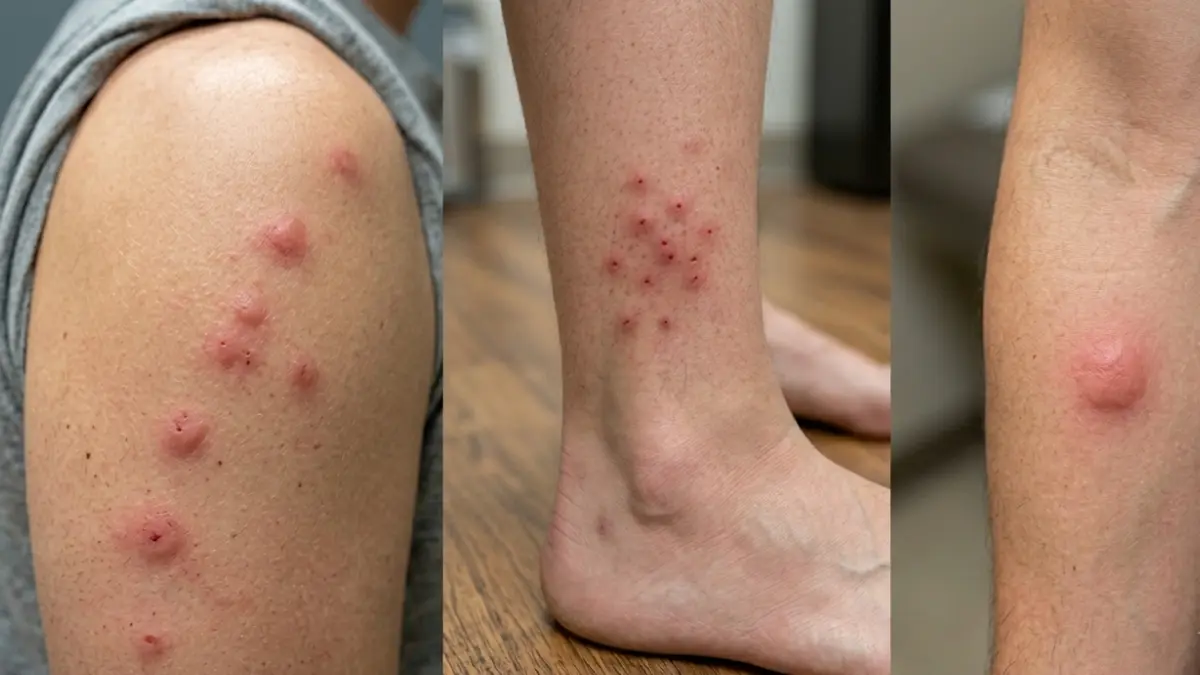
Bed bugs bite exposed upper-body skin while you sleep, and the marks often surface a day or more later. Fleas concentrate on the ankles and itch right away, while mosquitoes leave a single puffy welt within minutes.
| Clue | Bed bug bites | Flea bites | Mosquito bites |
|---|---|---|---|
| Where on the body | Upper body — face, neck, arms; skin touching the bed | Lower legs, ankles, feet | Any exposed skin |
| Pattern | Lines, zigzags, or clusters of 3–5 | Clusters or short lines | Usually single, isolated |
| How fast they appear | Delayed — a day up to ~2 weeks | Right away | Within minutes |
| How they look | Small red welt, sometimes a darker center | Small red bump, often a red “halo” | Puffy raised welt |
| Disease risk | Not known to spread disease | Rare, mostly pet- or wildlife-linked | Real vector (e.g., West Nile) |
Sources: CDC, EPA, and Cleveland Clinic.
💡 Pro Tip: When two bite types look identical, let the map of your body decide — bites below the knee point toward fleas, bites on skin that touched the bed point toward bed bugs.
Bed bug bites vs. flea bites: the two that look alike
Of the three, bed bug bites vs flea bites is the call people get wrong most often, because the two look nearly identical. Location, timing, and context separate them.
Location: upper body vs. lower legs
Bed bugs feed on exposed skin while you are still, so their bites land on the upper body — face, neck, arms, and sometimes the back. Fleas jump from floors, carpet, and pets, so their bites cluster on the lower legs and feet. See our guide to bed bug bites on skin for more.
Pattern and timing: delayed lines vs. instant ankle clusters
Both can form lines or clusters, so pattern alone won’t settle it — but timing will. Flea bites itch almost immediately, while bed bug bites are often delayed, taking a day and sometimes up to two weeks to appear.
🔍 Why It Works: Bed bugs inject saliva with a mild anesthetic and an anticoagulant, so you don’t feel the bite and the reaction surfaces slowly. That is why fresh marks appear with no memory of being bitten.
The context clue: your bed vs. your pets
The fastest tiebreaker is what is around you. A scratching dog or cat points to fleas; bumps that appear only after nights in one bed point toward bed bugs.

⚠️ Watch Out: A line of three bites is often called proof of bed bugs, but fleas leave the same “breakfast, lunch, and dinner” pattern. Use location and context to decide.
Mosquito bites: the easiest one to rule out
If your bites don’t fit the bed bug or flea picture, the mosquito bite is usually easy to spot.
What a mosquito bite looks like
A mosquito bite is a puffy, raised welt that appears within minutes, sometimes with a tiny dark center, and it can sit on any exposed skin.
Why mosquito bites are usually loners
Mosquito bites tend to show up alone or scattered, because a mosquito bites once and moves on. That makes it the easiest of the three to rule out — and the one with the most serious health profile.
Which bites are actually dangerous? Disease risk compared
Here is the part that surprises people: the bite that causes the most dread carries the least disease risk. Ranked by health threat, bed bug bites sit at the bottom and mosquito bites at the top.
Bed bugs: itchy and stressful, but not a disease threat
The CDC states that bed bugs are not known to spread disease to people. The real harms are itching, lost sleep, and — rarely — an allergic reaction. The EPA notes that scratching can lead to secondary skin infections.
Fleas: a small but real risk tied to animals
Fleas can carry disease, but serious illness is uncommon and usually tied to infected animals. The CDC reports that fleas can spread typhus, plague, and cat scratch disease, though most cases are treatable.
✅ Do This: If bites point to fleas, treat your pets with a veterinarian-approved flea product — keeping fleas off animals is the main way to lower any flea-borne risk to people.
Mosquitoes: the real vector to respect
Mosquitoes are the genuine disease carriers here. The CDC calls West Nile virus the leading mosquito-borne disease in the contiguous U.S.
📊 Sourced (CDC): For West Nile, about 80% of infected people have no symptoms, roughly 20% develop a fever and flu-like illness, and fewer than 1% develop serious neurological illness.
How to confirm the culprit and treat the bites
The bites narrow things down, but physical evidence is what confirms the culprit.
Don’t rely on the bites — look for evidence
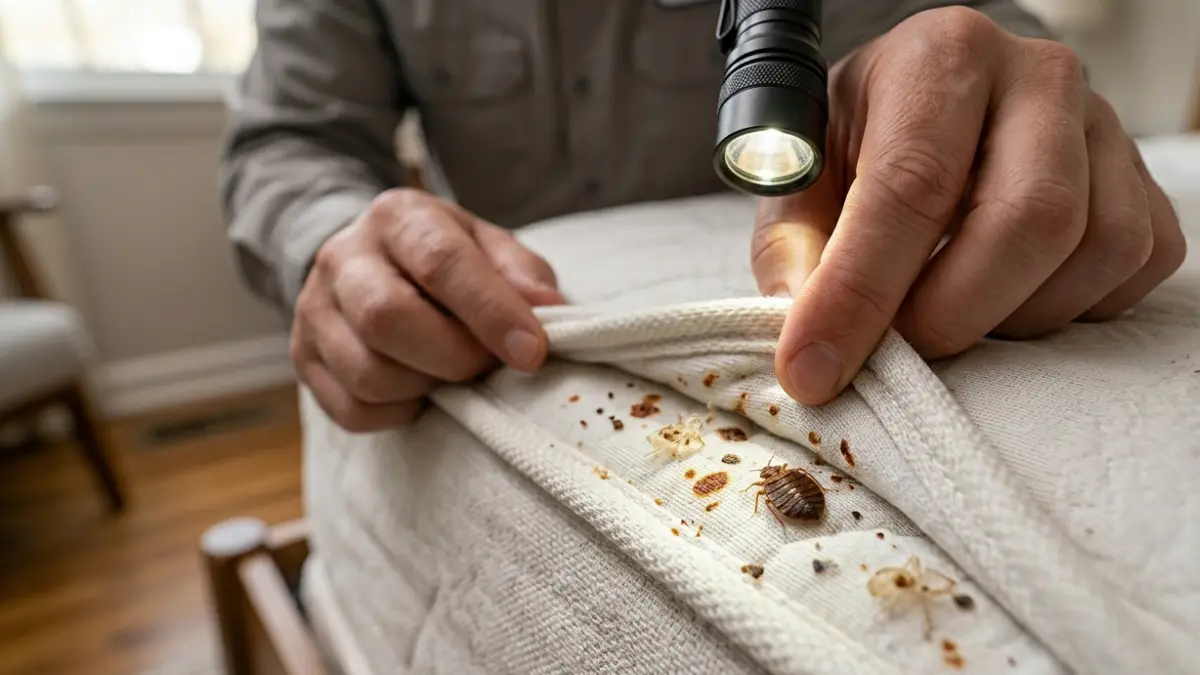
The EPA is direct: bites are a poor indicator of an infestation, since reactions vary and look-alikes are common. To confirm bed bugs, check the mattress seams for rusty stains, shed skins, and live insects. Our guide to the physical signs of bed bugs shows where to look.
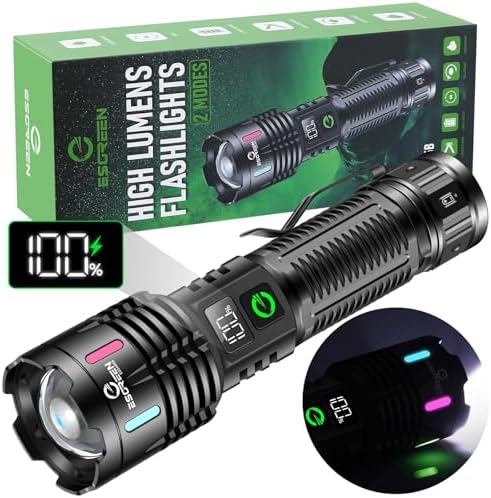
- [ ULTRA LONG RANGE – 3280 FT & ADJUSTABLE FOCUS ] The Esgreen ED2405B rechargeable flashlights high lumens is made of im…
- [ SINGLE 2 MODES HIGH/LOW – BRIGHTNESS ADJUSTABLE ] The Esgreen LED flashlight rechargeable USB C is single modes, only …
- [ MULTIFUNCTIONAL 2-IN-1 USB C CHARGING & DISCHARGING ] The super bright LED flashlight long range is built-in 2 USB int…
Check your pets and your bed
For fleas, inspect your pets and carpet for fleas and dark flecks of flea dirt. If you found an insect and aren’t sure, compare it against what bed bugs look like first.

- FINE-TOOTH STAINLESS STEEL: Closely spaced stainless steel teeth, this dog and cat flea comb helps remove dirt, dander, …
- ROUNDED TEETH TIPS: Rounded-tip teeth comfortably glide through your pet’s coat with less pulling and scratching; helps …
- MULTI-USE PET GROOMING COMB: This dog flea comb can also be used carefully around the face to remove flea, dried tear de…
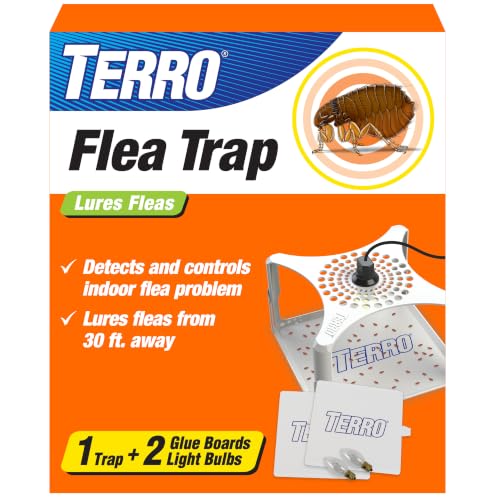
- DETECT & CONTROL FLEAS: Tackle indoor flea problems using Terro flea traps for inside your home to eliminate known flea …
- FLEA LURE: Terro Flea Trap employs light and heat, simulating a warm-blooded host, to attract fleas from up to 30 feet a…
- CAPTURES AND HOLDS INSECTS: Fleas and other insects are captured and held on SuperGrabber glue boards
Soothing mild bites at home
Most bites clear on their own. Wash with soap and water, apply a cold compress, and use calamine lotion or low-strength hydrocortisone for the itch; an oral antihistamine can help too. The most useful step is not scratching, which is what turns a harmless bite into an infection.
✅ Do This: Once you have confirmed bed bugs, move to a real plan — our safe 5-step guide to getting rid of bed bugs walks through it.
When to see a doctor about a bite
Most bites are a nuisance, not a medical problem — but a few signs mean it is time to get help.

- SIX SIDED ZIPPERED ENCASEMENT – Completely encases your mattress on all sides. Our premium zippered encasements are equi…
- WATERPROOF – Whether you have pets or kids, accidents and spills happen. This 100% waterproof mattress protector has a p…
- SOFT & NOISELESS – Stretchable, breathable fabric keeps liquids and contaminants out without compromising comfort. Desig…
Signs a bite may be infected
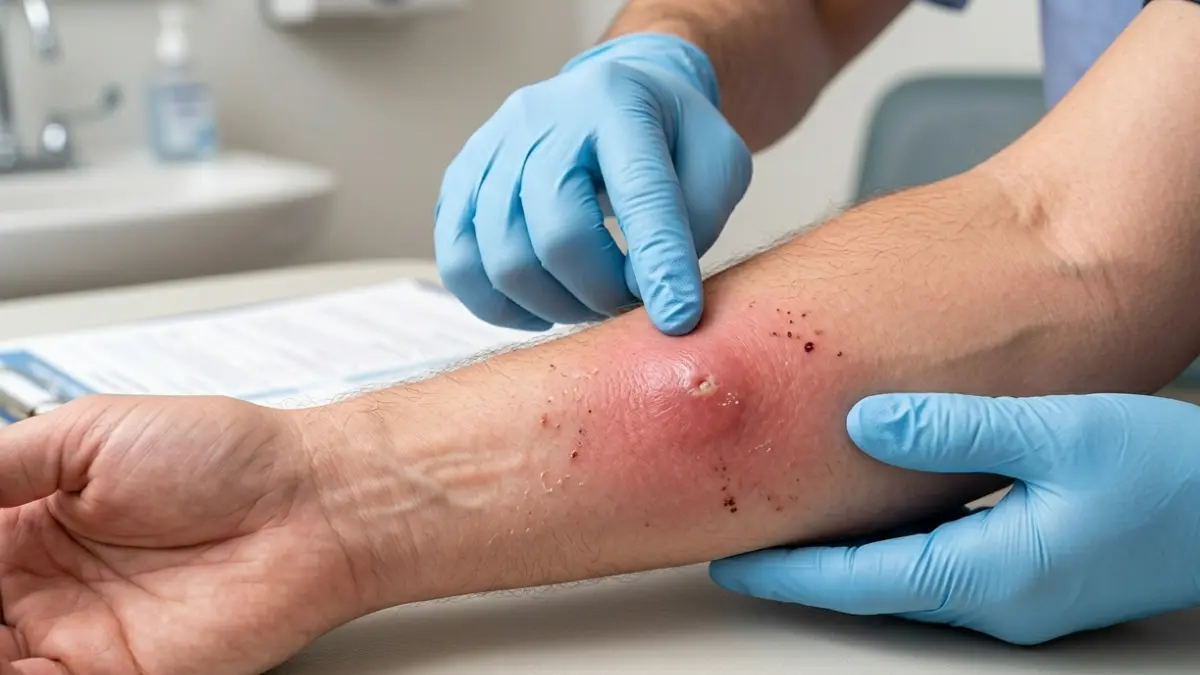
Any bite can become infected if bacteria get in, often from scratching. Contact a healthcare provider for spreading redness, warmth, increasing pain, pus, or red streaks running out from the bite. A fever over 100.4°F (38°C) alongside a worsening bite is another reason to call a provider.
Signs of a severe allergic reaction
⚠️ Watch Out: Call 911 for trouble breathing, swelling of the lips, face, or throat, dizziness or fainting, or a weak, rapid pulse. These can signal anaphylaxis, which escalates fast.
Who should be extra cautious
Young children, older adults, and people with diabetes, a weakened immune system, or poor circulation are more prone to complications. If that describes you, contact a provider sooner rather than later.
Bed bug bites vs. flea bites: frequently asked questions
1. How can you tell bed bug bites from flea bites?
The most reliable clues are location and context, not appearance. Bed bug bites land on the upper body — arms, neck, and back — and often appear a day or more later. Flea bites cluster on the lower legs and ankles, itch immediately, and usually point to an infested pet or carpet.
2. Do bed bug bites appear in a line or cluster?
They can do both. Bed bug bites may appear in a straight line, a zigzag, or a random cluster, often in groups of three to five. Pattern alone isn’t proof, though, because fleas leave the same shapes — so confirm with location and physical signs on the mattress.
3. Why are my bites only on my ankles and feet?
Bites concentrated on the ankles and feet are a classic flea pattern, since fleas jump from floors, carpet, and pets to reach the lower legs first. If you own a dog or cat, check them for fleas. Bites on the arms, neck, or back point more toward bed bugs.
4. How long after a bed bug bite do marks appear?
Bed bug bites are often delayed. Marks can take a day to several days, and sometimes up to about two weeks, to surface. This happens because bed bugs inject a mild anesthetic and an anticoagulant, so you don’t feel the bite — which is why fresh marks can appear overnight.
5. Are bed bug bites dangerous?
For most people, no. The CDC notes that bed bugs are not known to spread disease, so the main issues are itching, lost sleep, and rarely an allergic reaction. See a healthcare provider if a bite shows spreading redness, warmth, pus, or red streaks, which can signal an infection.
6. Can you have bed bugs and not get bitten?
Yes. Some people show no reaction to bed bug bites at all, which is one reason bites can’t confirm an infestation. You could share a bed with someone covered in marks and have none yourself. The surer test is physical evidence — stains, shed skins, or live bugs in the seams.
7. How do I tell a mosquito bite from a bed bug or flea bite?
Mosquito bites are usually loners. A mosquito bite is a single, puffy welt that appears within minutes on any exposed skin, sometimes with a tiny dark center. Bed bug and flea bites, by contrast, tend to cluster or line up — the upper body for bed bugs, the ankles for fleas.
8. When should I see a doctor for bug bites?
Watch for signs of infection: spreading redness, warmth, pus, red streaks, or a fever above 100.4°F, all of which warrant a call to a provider. Seek emergency care — call 911 — for a severe allergic reaction such as trouble breathing or swelling of the face or throat. When unsure, contact a provider.
9. If the bites look the same, how do I confirm bed bugs vs fleas?
Stop diagnosing from the bites and look for the source. For bed bugs, inspect the mattress seams for rusty stains, shed skins, and live insects. For fleas, check your pets and carpet for fleas and flea dirt. The bug you find confirms the culprit far better than the bites do.
Putting it together: identify, confirm, then act
Identifying a bite comes down to three questions: where is it, how fast did it appear, and what is around you. Upper-body marks that surface slowly suggest bed bugs; instant ankle clusters with a pet suggest fleas; a lone puffy welt suggests a mosquito.
Confirm before you act — bites can’t prove an infestation, so look for the insect or the evidence it leaves.
If you have confirmed bed bugs, work through our safe 5-step plan to get rid of bed bugs. And if a bite looks infected or you have a severe reaction, contact a healthcare provider.
Related Articles
 Bed Bugs Treatment
Choosing a Bed Bug Steamer That Gets Hot Enough
July 4, 2026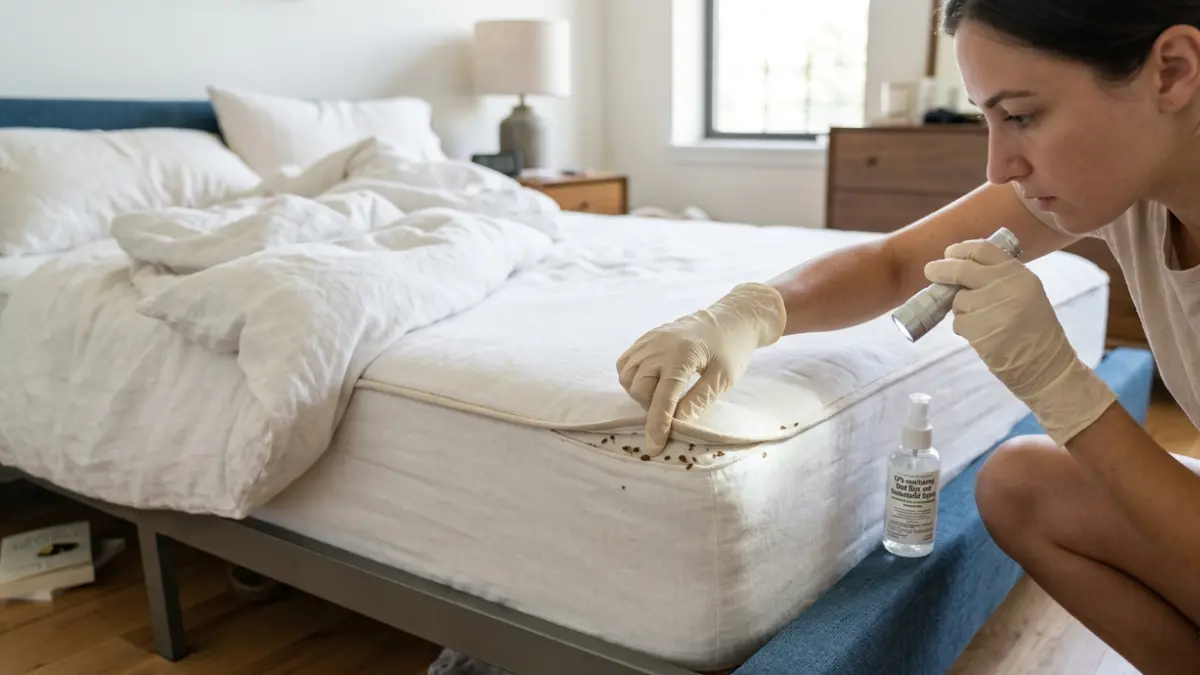 Bed Bugs Treatment
The Smart Way to Choose and Use a Bed Bug Spray
July 1, 2026 Bed Bugs Treatment
What Kills Bed Bugs, and How to Use Each Method Safely
July 5, 2026 Bed Bugs Treatment
Check Your Hotel Room for Bed Bugs Before You Unpack
July 10, 2026 Bed Bugs Treatment
The True Cost of Bed Bug Treatment, by Method and Home Size
July 8, 2026 Bed Bugs Treatment
How to Hire a Bed Bug Exterminator and Avoid Costly Mistakes
July 9, 2026 Bed Bugs Treatment
How the Right Bed Bug Interceptors Catch the Most Bugs
June 29, 2026 Bed Bugs Treatment
Getting Rid of Bed Bugs at Home Without the Risk
June 20, 2026 Bed Bugs Treatment