
What Bed Bug Bites Look Like, and How to Be Sure

Bed bug bites can take days to appear and are easy to mistake for other bites. Learn to identify them on skin and confirm it’s bed bugs, not a look-alike.

Table of Contents
Think you’ve found bed bug bites? Start here
Waking up to a row of red, itchy marks is unsettling, especially once the words “bed bug” cross your mind. The hard part is that bed bug bites look a lot like other bites, so you usually can’t identify them from the marks alone. This guide covers what they typically look like, how they compare to other bites, and how to confirm whether bed bugs are actually the cause.
Where you are right now changes what you need most:
- Just trying to identify the marks? Start with the appearance and pattern sections below.
- Not sure it’s bed bugs versus another bug? Jump to the comparison table.
- Already suspect bed bugs? Head to confirming an infestation, then move on to our safe, step-by-step plan to get rid of bed bugs.
One thing to hold onto from the start: this article helps you recognize what bed bug bites usually look like, but it isn’t a medical diagnosis. A skin reaction can have many causes, and only a healthcare provider can diagnose yours.
ℹ️ Safety Note: This article is general home-and-pest information, not medical advice. Bed bug bites can resemble other bites and rashes, and only a healthcare provider can diagnose a skin reaction. If a bite becomes badly swollen or infected, or you notice signs of an allergic reaction, contact a medical professional. According to the CDC, bed bugs are not known to spread disease to people, but reactions vary from person to person.
What bed bug bites look like on skin
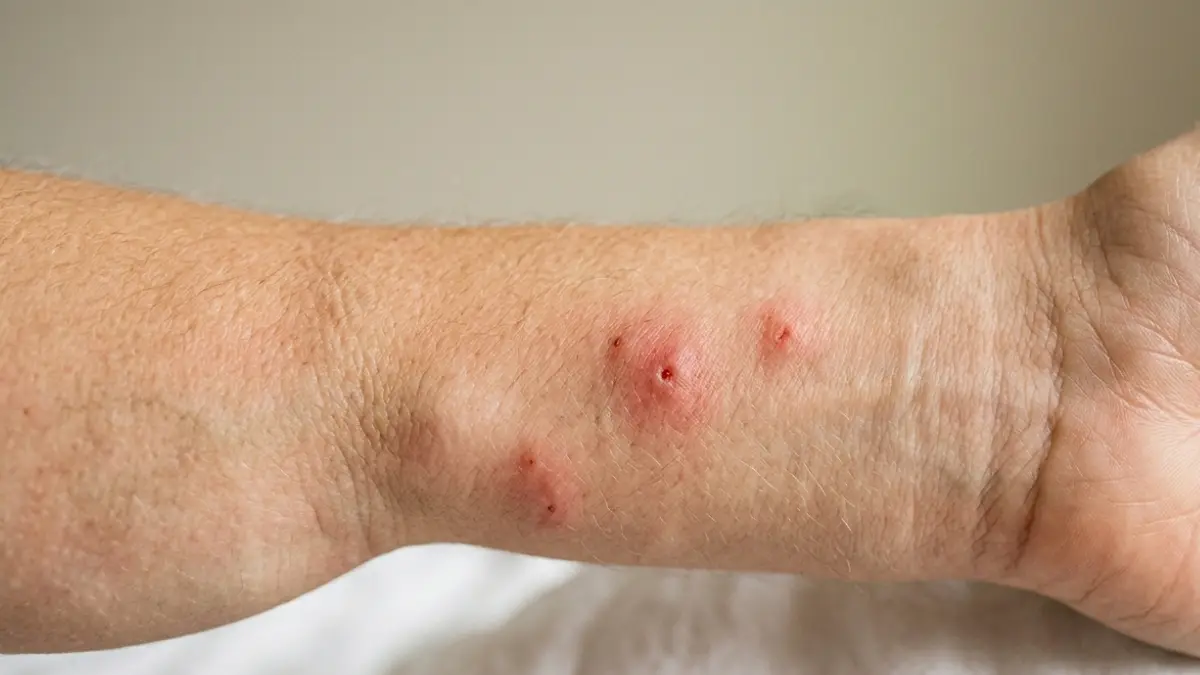
Bed bug bites usually show up as small, red, slightly swollen spots that feel itchy and look similar to mosquito or flea bites, according to the CDC. Many bites have a slightly darker spot in the center, where the bug pierced the skin. They can be flat or raised into a firm welt, and they may take a day or more to appear.
Color, shape, and the raised welt
On its own, a single bite is easy to mistake for almost any insect bite. The marks usually read as red on lighter skin; on deeper skin tones, dermatology sources note they can look pink, purple, or brownish instead. The shape is typically a rounded bump rather than a streak or blister, though scratching can change that.
How big bed bug bites are
There’s no single fixed size. Most are small — often smaller than a pencil eraser — but a strong reaction or hard scratching can swell a bite into a larger, raised patch. Because size varies so much from person to person, it’s a weak clue on its own.
The tiny dark center
People often associate bed bug bites with a small dark dot at the center of the bump. That’s the puncture point from feeding. It can help, but it isn’t unique to bed bugs, so treat it as one clue among several rather than proof.
The bite pattern: lines, clusters, and where they appear
How the bites are arranged is often a more useful clue than any single mark. The CDC describes bed bug bite marks as either random or appearing in a straight line. Beyond that, pest-control and dermatology sources frequently describe a loose cluster or short zigzag — sometimes called a “breakfast, lunch, and dinner” line of three.
Lines, zigzags, and clusters
A neat row is the pattern people expect, but it isn’t a rule. The bite pattern varies a lot, and plenty of real cases are scattered rather than lined up.
⚠️ Watch Out: Don’t cross bed bugs off your list just because your bites are scattered instead of lined up. The CDC notes the marks can be random or in a straight line, so an irregular pattern doesn’t rule them out.
Where bites show up on the body
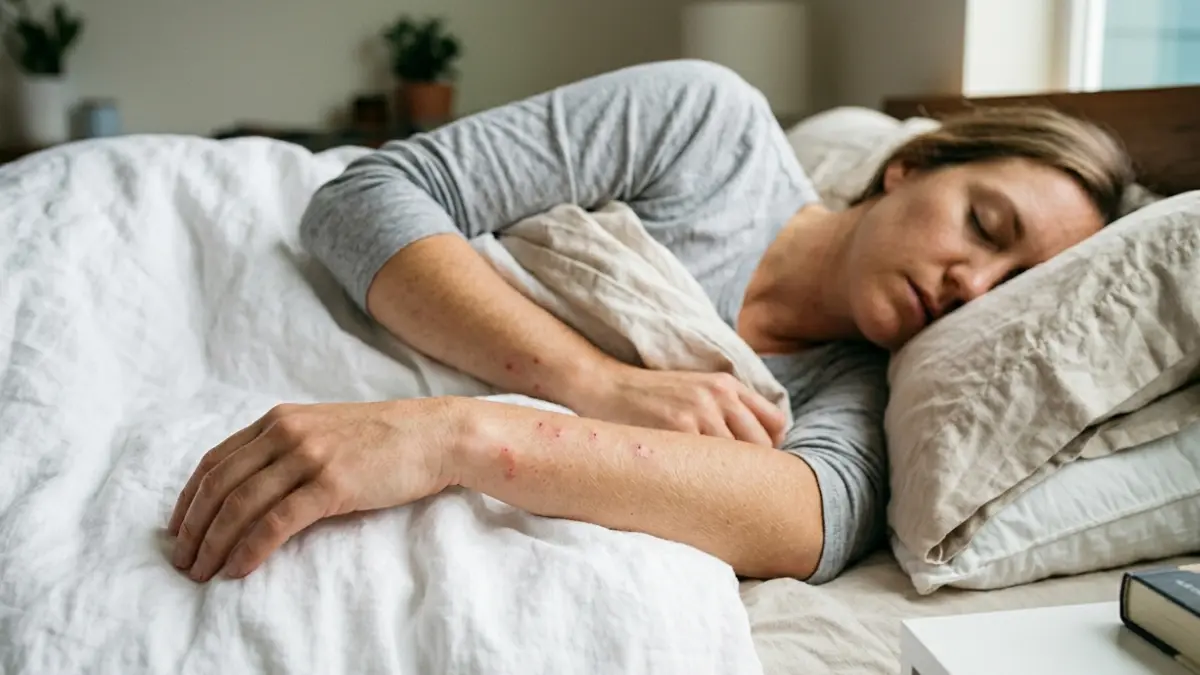
Bites tend to land on skin left uncovered while you sleep — commonly the arms, hands, neck, face, and legs. Areas under snug clothing are usually spared, though loose pajamas can let a bug reach covered skin. Where bites appear can help separate them from bites that favor different spots.

- 80% Cotton, 20% Polyester
- Imported
- WATERPROOF PROTECTION: Safeguard your mattress with our queen size mattress protector, perfect for keeping your bed dry …
Why one bug can leave several bites
A single bed bug can bite more than once in a feeding, which is part of why bites often come in groups. That also means the number of bites doesn’t tell you how many bugs are present — a few marks can come from one bug, and many marks don’t necessarily mean a large infestation.
Bed bug bites vs. flea, mosquito, spider, and chigger bites
This is where most people get stuck, because several common bites look alike. The table compares the usual tells. Treat it as a starting point, not a diagnosis — the most reliable confirmation is finding the bugs, which the next section covers.
| Bite type | Typical look | Where it shows up | Timing & itch | Key detail |
|---|---|---|---|---|
| Bed bug | Small red bumps, often a darker center; red on light skin, pink-to-purple on deeper skin | Exposed skin: arms, hands, neck, face, legs | Often appears a day or more later; itchy | Frequently grouped or in a line, but can be random |
| Flea | Small red bumps, sometimes a reddish halo | Often lower legs, ankles, feet | Itchy soon after | Common in homes with pets |
| Mosquito | Puffy, raised welt | Any exposed skin | Appears within minutes; itchy | Usually single and scattered |
| Chigger | Small red bumps, intense itch | Where clothing is tight — sock lines, waistband | Itch peaks a day or two later | Clusters at clothing edges, not open skin |
| Spider | Usually a single mark | Anywhere | Varies | Most “spider bites” turn out to be something else |
Sources: bed bug details per the CDC; flea, mosquito, chigger, and spider details per general dermatology and university extension guidance. Bites overlap in appearance, so use this to narrow possibilities, not to diagnose.
Bed bug vs. flea bites
Flea bites tend to cluster low — around ankles and lower legs — and are especially common in homes with pets. Bed bug bites favor skin exposed above the covers. The location difference is often the clearest separator.
Bed bug vs. mosquito bites
Mosquito bites usually appear within minutes and tend to be single, puffy welts. Bed bug bites more often come in groups and may take a day or more to show up. If a bump appeared almost immediately and stands alone, a mosquito is more likely.
Bed bug vs. chigger and spider bites
Chigger bites cluster where clothing presses against skin — sock lines and waistbands — rather than on open skin. Spider bites are usually isolated, and most marks blamed on spiders turn out to be something else. For look-alikes specific to your region, a university extension entomology guide is a reliable reference.
When it isn’t a bite at all
Not every cluster of itchy bumps comes from an insect. Hives, for example, tend to blanch (turn pale) when pressed and can move around the body over hours — behavior bites don’t show. If your marks shift, spread, or don’t match any bite pattern, that’s a strong reason to see a healthcare provider.
How bed bug bites change over time — and why reactions differ
Timing is one of bed bugs’ more confusing traits. Most people don’t notice bite marks until one to several days after being bitten, according to the CDC. That delay is why you can wake up with marks that weren’t there the night before, or notice them days after a trip.
🔍 Why It Works: When a bed bug feeds, it injects saliva that numbs the area and keeps blood flowing, so you don’t feel the bite. Your skin’s reaction then develops over the following hours or days — which is why bites so often seem to appear “late.”
How long bites take to appear
The one-to-several-days window is typical. Dermatology sources note some people take up to about two weeks to react, and with repeated bites the skin can start reacting faster. Because the timing stretches out, it’s easy to misjudge when or where you were bitten.
How bites change and fade
Bites generally fade over a week or two as the reaction settles, though scratching can drag that out and make them worse. Avoid scratching where you can — broken skin takes longer to heal and invites infection.
Why some people show no reaction
Reactions vary widely. The CDC notes bed bug bites affect each person differently, and some people develop no visible marks at all despite being bitten. That’s another reason bites are an unreliable way to confirm an infestation on their own.
How bites look on different skin tones
Most bite descriptions assume light skin, where marks read as red. On deeper skin tones, dermatology sources note bites can appear pink, purple, or brown, and may be harder to spot against the surrounding skin. When color is hard to judge, lean more on pattern, location, and physical signs.
Symptoms, itch relief, and when bites need a doctor
Most bed bug bites are more annoying than dangerous, but a few situations call for medical care. Here’s what’s normal, how to ease the itch, and the signs that mean it’s time to call a provider.
Common symptoms
The usual symptoms are itching and, for some people, disrupted sleep. The CDC notes that bed bugs are not known to spread disease to people, so for most, bites are an irritation rather than a health threat. Reactions still vary — some people barely react while others itch intensely.
Soothing the itch
General self-care is straightforward: wash the bites gently with soap and water, and try not to scratch. Over-the-counter options like an anti-itch cream or an antihistamine can help, and your pharmacist can point you to the right product. This is general information, not a prescription, so follow the label and your provider’s guidance.
Signs you should see a doctor
A few symptoms warrant medical attention. The CDC notes that intense scratching can lead to a secondary skin infection, and that an allergic reaction is possible — rarely a severe one. You can read more in the CDC’s overview of bed bug bites and their health effects.
✅ Do This: If you notice spreading redness, warmth, swelling, or pus around a bite, or signs of an allergic reaction such as widespread hives or trouble breathing, contact a healthcare provider promptly. The CDC advises speaking with your provider if you think you’re having an allergic reaction.
What not to do
Resist the urge to scratch, and don’t reach for indoor pesticides to treat your skin — pesticides are for the infestation, not your body, and misusing them indoors carries its own health risks. If bites are widespread or worrying, a provider is the right call.
Bites alone aren’t proof: how to confirm it’s bed bugs
Here’s the key point the marks can’t give you: bites don’t confirm bed bugs. Because they resemble other bites and skin conditions, the reliable way to know is to find the bugs or the traces they leave behind.
Why bites can’t confirm an infestation
There’s no test that identifies a bed bug bite by sight, and the CDC notes bites look similar to other causes. Confirmation comes from the environment, not the skin.
The signs of bed bugs to look for

- Full 360° Protection: Unlike fitted sheet-style protectors that leave sides exposed, our zippered encasement provides co…
- 100% Waterproof: Advanced barrier keeps accidents, sweat, and spills from penetrating, preserving your mattress in prist…
- Quiet & Breathable Comfort: Soft, noiseless cotton fabric ensures a restful sleep while preventing overheating.
Check your mattress seams, box-spring corners, and nearby crevices for physical evidence. According to the EPA’s checklist for finding bed bugs, telltale signs of bed bugs include:

- [ ULTRA LONG RANGE – 3280 FT & ADJUSTABLE FOCUS ] The Esgreen ED2405B rechargeable flashlights high lumens is made of im…
- [ SINGLE 2 MODES HIGH/LOW – BRIGHTNESS ADJUSTABLE ] The Esgreen LED flashlight rechargeable USB C is single modes, only …
- [ MULTIFUNCTIONAL 2-IN-1 USB C CHARGING & DISCHARGING ] The super bright LED flashlight long range is built-in 2 USB int…
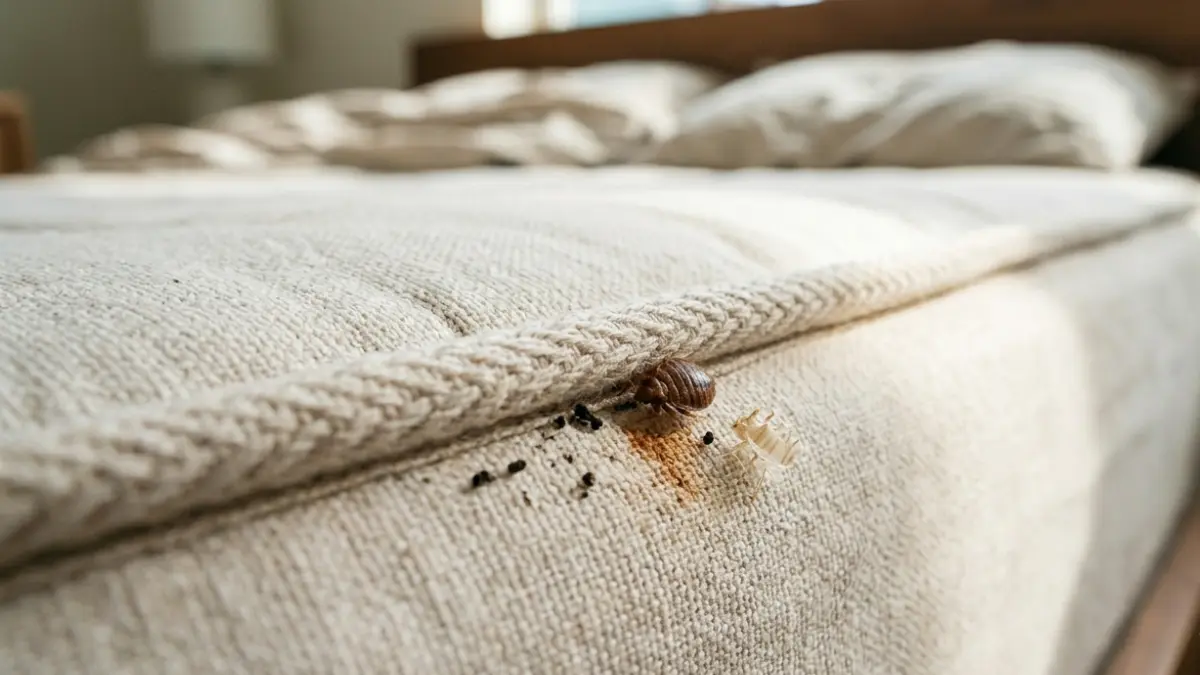
- Rusty or reddish smears on sheets (from crushed bugs)
- Tiny dark spots (excrement) on bedding or in seams
- Pale, shed skins or empty eggshells
- Live bugs tucked into seams and crevices
What an actual bed bug looks like
📊 Spec (sourced): Adult bed bugs are about 5–7 mm — roughly the size of an apple seed — reddish-brown, with a flat, oval body; young ones are smaller and translucent (EPA).
The EPA’s guide to identifying bed bugs has reference photos and common look-alikes.
💡 Pro Tip: The EPA points out that many insects get mistaken for bed bugs, so confirming the species before you treat can save you from paying for the wrong fix.
If you want a closer walkthrough, see our guides on how to recognize an actual bed bug and the full checklist of bed bug signs.
What to do once you’ve confirmed them
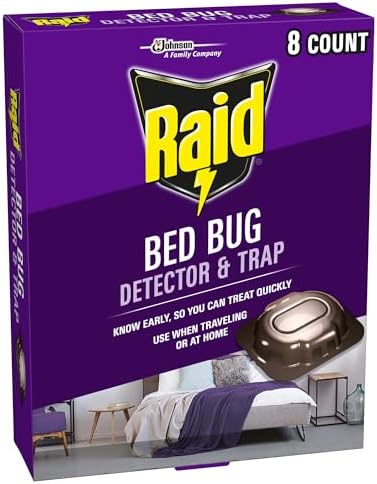
- Partially enclosed trap, designed with a see-through window
- Use when traveling or at home
- Indoor use
If you find evidence, the next step is removal — and doing it safely and thoroughly matters, because bed bugs are hard to eliminate. Our safe, step-by-step plan to get rid of bed bugs walks through it.
Bed bug bite FAQs
1. What do bed bug bites look like on skin?
Bed bug bites usually look like small, red, itchy bumps, often with a slightly darker spot in the center where the bug fed. They can be flat or raised into a welt. On lighter skin they appear red; on deeper skin tones, dermatology sources note they can look pink, purple, or brown. They closely resemble other insect bites.
2. How do you tell bed bug bites from mosquito or flea bites?
Location and timing help most. Bed bug bites favor exposed skin like arms and necks and often appear in a group a day or more later. Flea bites cluster around ankles and lower legs, especially with pets, and mosquito bites are usually single, puffy, and appear within minutes. None of these clues is foolproof.
3. How long do bed bug bites take to appear?
Most people don’t notice bed bug bites until one to several days after being bitten, according to the CDC. The bug injects a numbing substance, so you don’t feel the bite, and the skin reaction develops afterward. Some people take longer to react, and with repeated bites the skin can start reacting faster.
4. Do bed bug bites always appear in a line or cluster?
No. The CDC notes bed bug bite marks can be random or appear in a straight line, and they’re often grouped or in a short zigzag. But scattered bites are common too, so an irregular pattern doesn’t rule out bed bugs. Use pattern as one clue alongside location and physical signs.
5. How long do bed bug bites last?
Bed bug bites generally fade over about a week or two as the skin’s reaction settles, though this varies from person to person. Scratching can prolong and worsen them and may lead to infection, so it’s best avoided. If bites aren’t improving or seem to be getting worse, check with a healthcare provider.
6. Can bed bug bites make you sick or spread disease?
The CDC notes that bed bugs are not known to spread disease to people, so for most, bites are an itchy nuisance rather than a health threat. The main risks are lost sleep, a secondary skin infection from heavy scratching, and, rarely, an allergic reaction. If you suspect an allergic reaction, contact a provider.
7. Why do I have bites but no sign of bed bugs?
Bed bug bites can take days to appear and look like other bites, so marks alone don’t confirm an infestation — you may simply not have found the evidence yet. Check mattress seams and crevices for live bugs, dark fecal spots, shed skins, and reddish stains, which the EPA lists as signs of bed bugs.
8. What do bed bug bites look like on dark skin?
On deeper skin tones, dermatology sources note that bed bug bites can appear pink, purple, or brown rather than bright red, and they may be harder to see against the surrounding skin. The shape and pattern are the same — small bumps, often grouped. When color is hard to judge, rely more on location, pattern, and physical signs.
9. When should I see a doctor about bed bug bites?
See a healthcare provider if a bite shows signs of infection — spreading redness, warmth, swelling, or pus — or if you have signs of an allergic reaction such as widespread hives or trouble breathing. The CDC advises speaking with your provider if you think you’re having an allergic reaction. When in doubt, get it checked.
10. How can I be sure it’s bed bugs and not something else?
Because no test identifies a bed bug bite by sight, confirmation comes from finding the bugs or their traces, not from the marks. Look for live bugs, dark fecal spots, shed skins, and reddish stains in mattress seams and crevices. If you find them, move on to a safe, step-by-step removal plan.
Putting it together: is it bed bugs?
Bed bug bites tend to be small, red, itchy bumps on exposed skin, often grouped or in a line and frequently slow to appear — but those clues overlap with other bites, so they can’t confirm an infestation by themselves. Use the appearance, pattern, and comparison above to narrow things down, then confirm by looking for live bugs and their traces. If a bite looks infected or you suspect an allergic reaction, see a healthcare provider. And once you’ve confirmed bed bugs, start the safe 5-step removal plan to deal with them properly.
Related Articles
 Bed Bugs Treatment
Choosing a Bed Bug Steamer That Gets Hot Enough
July 4, 2026 Bed Bugs Treatment
The Right Mattress Encasement for Bed Bugs, and How to Use It
July 4, 2026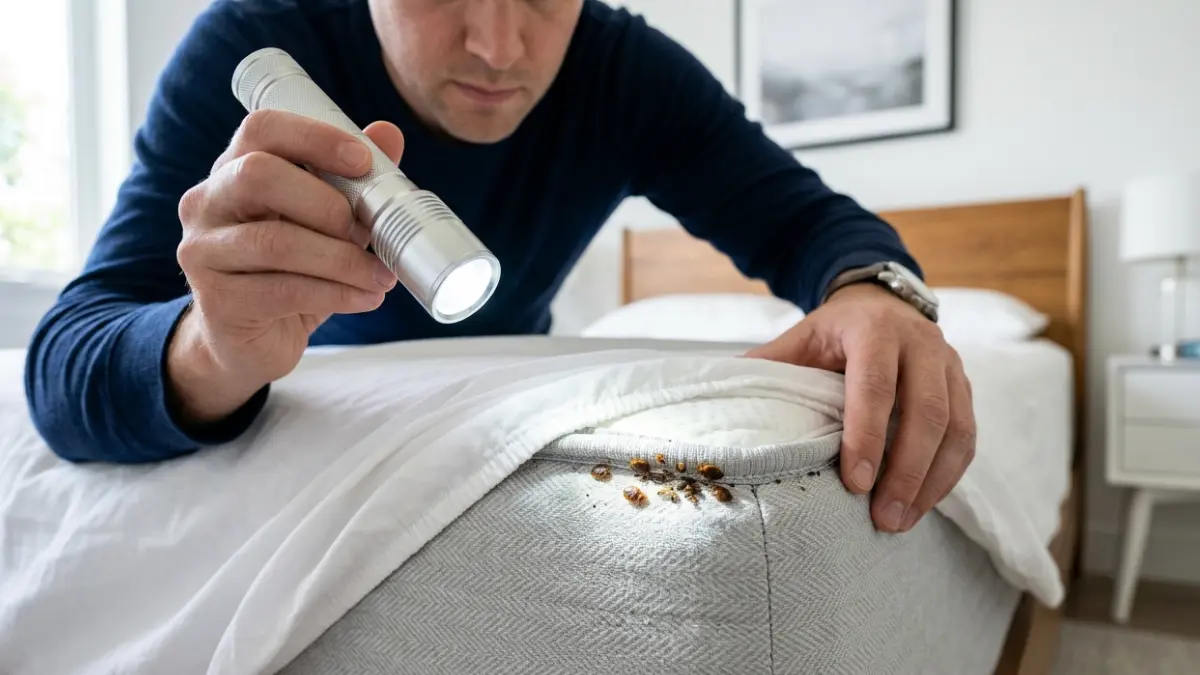 Bed Bugs Treatment
How to Get Bed Bugs Out of a Mattress and Keep It
July 2, 2026 Bed Bugs Treatment
Getting Rid of Bed Bugs in Clothes, Step by Step
July 3, 2026 Bed Bugs Treatment
How to Hire a Bed Bug Exterminator and Avoid Costly Mistakes
July 9, 2026 Bed Bugs Treatment
How Heat Kills Bed Bugs, and Where It Falls Short
July 1, 2026 Bed Bugs Treatment
The Smart Way to Prevent Bed Bugs at Home
July 10, 2026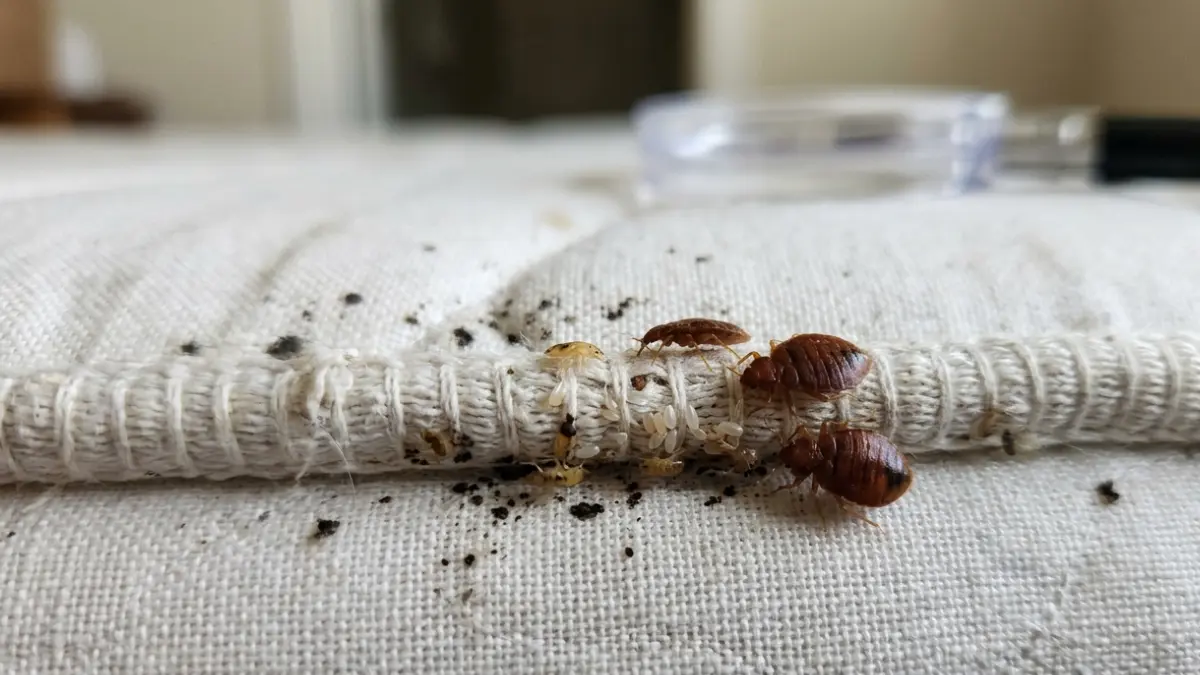 Bed Bugs Treatment
How Fast Bed Bugs Spread, and How to Get Ahead of It
June 25, 2026 Bed Bugs Treatment