
Choosing DIY or Professional Bed Bug Treatment the Smart Way

DIY or professional bed bug treatment? A minor, single-room case is often a DIY job, but once bugs spread or DIY fails twice, a licensed pro is the fix.
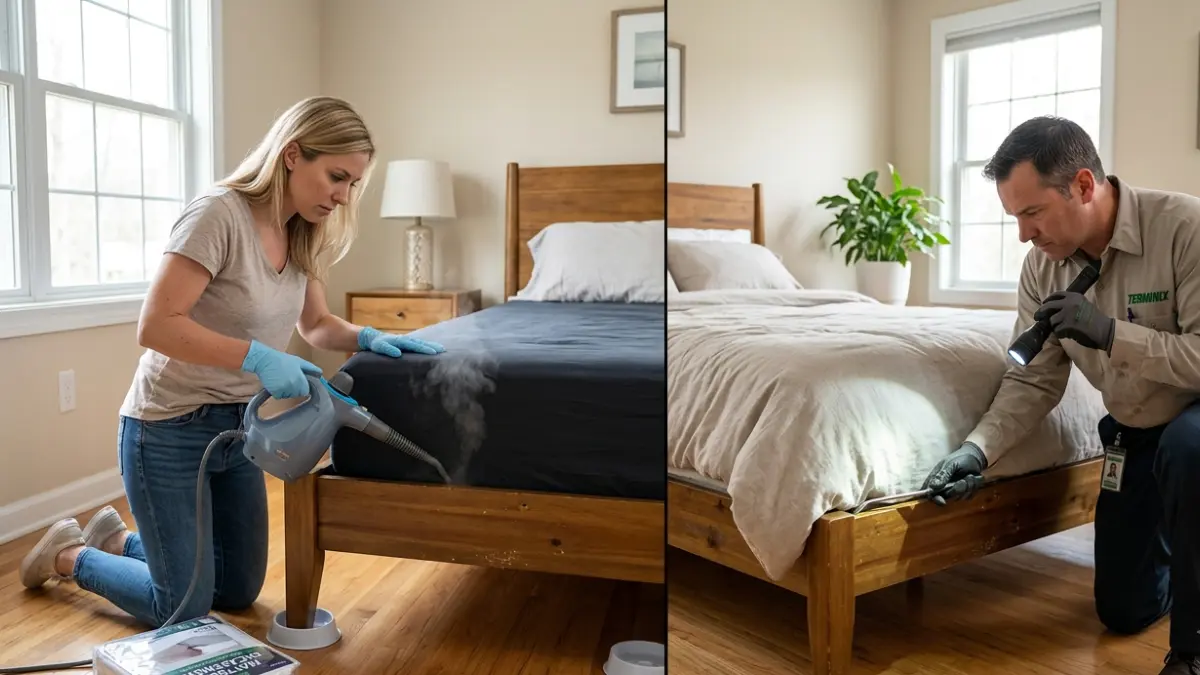
Table of Contents
Finding bed bugs sends most people to the same panicked question: can I handle this myself, or do I have to pay someone hundreds of dollars? The honest answer depends on your situation, and this page is built to give you that answer without an upsell — Gladewick doesn’t sell extermination or heat equipment, so we have no reason to push you toward a pro you don’t need.
Here’s how to use this guide. If you caught the problem early and it’s confined to one room, head to the DIY methods that actually work. If you’re facing bites that won’t stop, bugs in more than one room, or you rent in a larger building, the section on when to call a professional is written for you. And if your first worry is money, the cost comparison lays out real 2026 numbers for both routes.
Choosing between DIY and professional bed bug treatment comes down to four things: what genuinely kills bed bugs, what wastes your money, what each path costs, and the exact signs it’s time to call a licensed pro.
ℹ️ Safety Note: Bed bug treatment can involve pesticides, foggers, and high heat — all of which carry real risks of fire, explosion, or poisoning if used incorrectly. The information here is for general understanding. For any pesticide application beyond ready-to-use consumer products, hire a licensed pest control professional and follow all product labels and local regulations.
Why bed bugs are so hard to kill — and why it changes your decision
Bed bug treatments fail for three main reasons, and understanding them tells you whether DIY has a real chance in your home. Bed bug eggs survive most surface sprays, adults hide in cracks those sprays never reach, and many populations no longer respond to the insecticides sold over the counter.
The egg problem: why one treatment is never enough
A single female can lay hundreds of eggs, and those eggs hatch roughly 6 to 10 days after they’re laid. Most chemical treatments don’t kill eggs, so anything you do today has to be repeated to catch the bugs that hatch next week. This is why professionals schedule follow-up visits, and why a one-and-done DIY spray almost always disappoints — for a deeper look, see why bed bug eggs are so hard to kill.
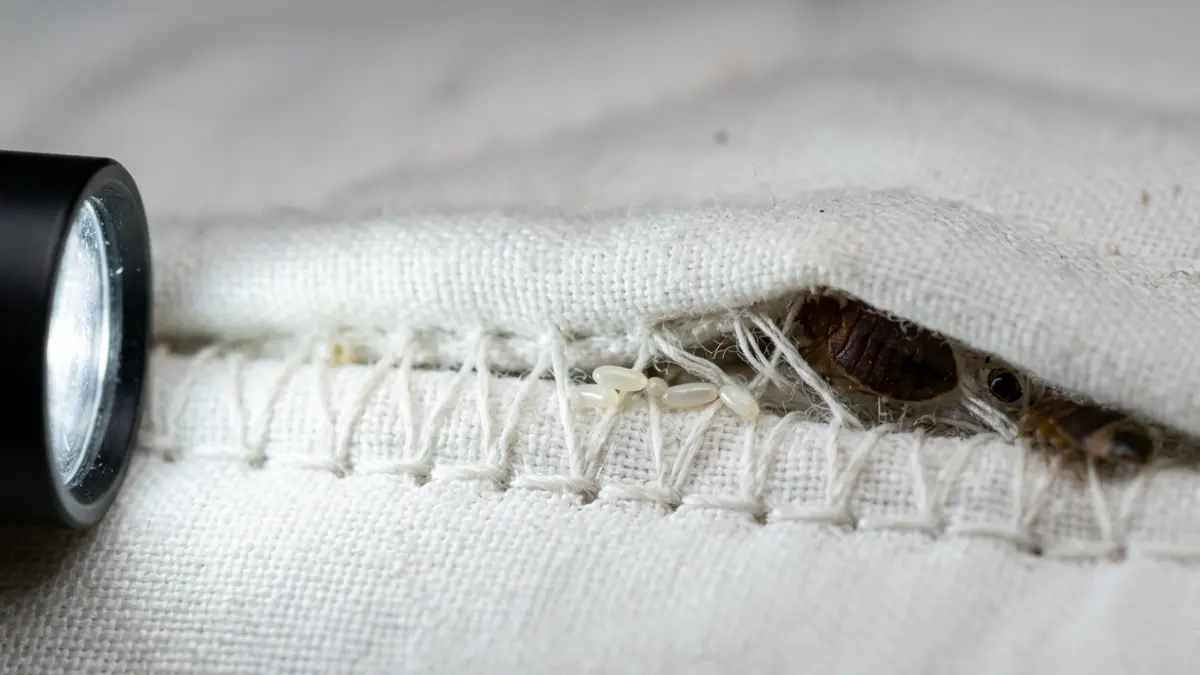
🔍 Why It Works: An egg’s shell insulates the developing bug from both insecticide contact and brief heat, so a treatment that kills every visible adult can still leave a hidden generation ready to hatch days later.
Pesticide resistance: why store sprays often fall short
Pyrethrins and pyrethroids are the most common chemicals used against bed bugs, but resistance to them is now widely documented across U.S. populations. A spray that worked a decade ago may barely dent a resistant population today, which is why rotating methods — not simply spraying more — is what actually works.

- Full 360° Protection: Unlike fitted sheet-style protectors that leave sides exposed, our zippered encasement provides co…
- 100% Waterproof: Advanced barrier keeps accidents, sweat, and spills from penetrating, preserving your mattress in prist…
- Quiet & Breathable Comfort: Soft, noiseless cotton fabric ensures a restful sleep while preventing overheating.

- [Efficient Deep Cleaning]Designed with 1000W powerful motor, this chemical free steam cleaner with 2-3 bar work pressure…
- [Large Water Tank & Easy Operation]The steam cleaner is equipped with 10.2oz water tank, which provides 12 minutes of co…
- [User-friendly Design]Thanks to the extended hose( 4ft) and long cord(10ft ), you can clean hard-to-reach corners withou…
DIY bed bug treatment: what works and what wastes your money
DIY bed bug treatment can clear a minor, single-room infestation if you use methods that reach where bed bugs actually hide — and skip the ones that only look productive. Rutgers’ extension research sorts the options into cost-effective versus money-wasting, and it’s the most useful honest split you’ll find.
What actually works

- Pesticide-free: Monitor traps live bugs for early detection
- Dual-well design: Shows you which direction bedbugs are crawling
- Helps determine which furniture is still infested after treatment
The methods with real research behind them share one trait: they physically reach bugs and eggs in cracks and seams.
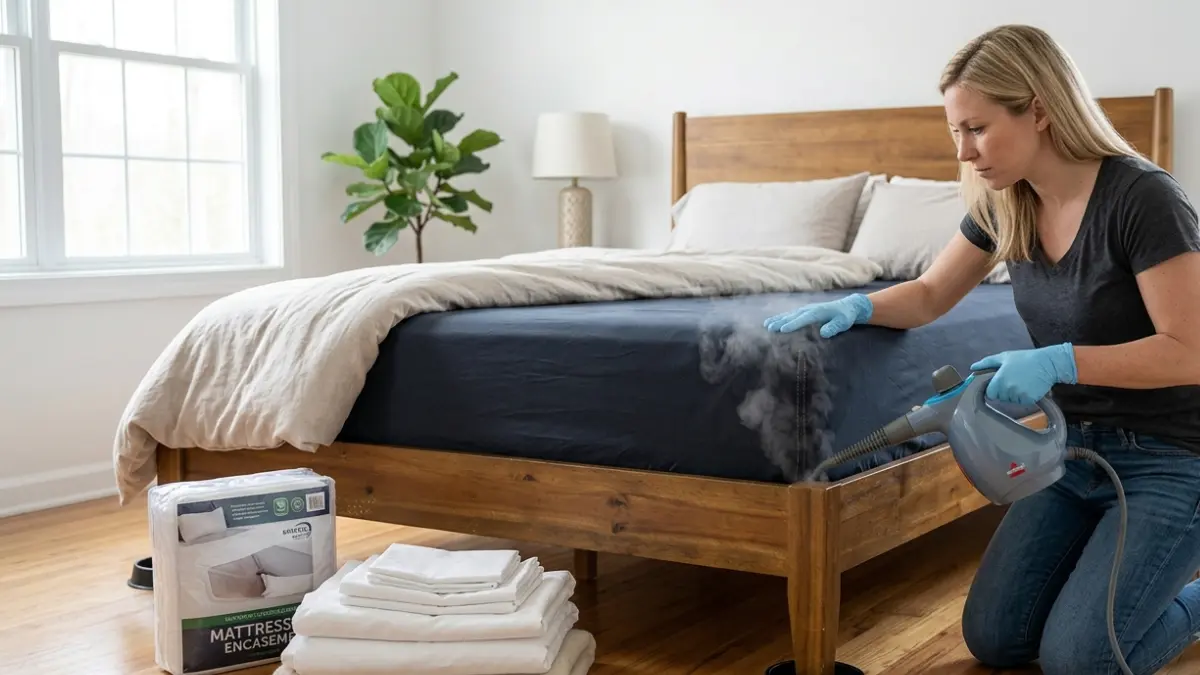
- Steam (around 212°F at the nozzle) kills bugs and eggs on contact along mattress seams, baseboards, and furniture joints.
- Interceptor cups placed under bed and sofa legs trap and monitor bugs, showing you whether you’re winning.
- Mattress encasements seal in anything you can’t treat and make ongoing monitoring easier.
- Desiccants like diatomaceous earth kill by drying bugs out — apply a thin layer in cracks, never a thick pile, and keep it away from kids and pets.
- Heat — a hot dryer for washables, a portable heat chamber for shoes and electronics — kills all life stages.

- 100% Chemical-Free: Made from 8oz of food-grade freshwater diatomaceous earth with no additives or fillers. Safe for use…
- OMRI Listed for Organic Use: Certified by the Organic Materials Review Institute, making it suitable for use in organic …
- Sourced and Packaged in the USA: Responsibly mined in Nevada and packaged in Georgia, ensuring consistent quality and su…
🛒 Our Pick: A quality handheld steamer is the most cost-effective DIY tool the research supports — see our full bed bug steamer comparison for specific picks. (Affiliate link — we may earn a commission at no extra cost to you.)
What wastes your money
Foggers and “bug bombs” top the list: they don’t reach the cracks where bed bugs hide, and they can be a fire hazard. Ultrasonic repellers and most “natural” spray remedies have no reliable evidence behind them. If you want the full method-by-method walkthrough, our step-by-step DIY removal guide covers it.
When DIY is realistically enough
If you caught it early, it’s in one room, and you can commit to combining methods and repeating treatment for several weeks, DIY has a genuine shot. Relying on any single product rarely clears an infestation; the combination is what works.
✅ Do This: Use only products that are EPA-registered and labeled for bed bugs, and follow the directions exactly. For anything stronger, call a licensed pest control professional rather than mixing something yourself.
What professional treatment does: heat vs. chemical
The two main professional bed bug treatment methods work very differently, and that difference explains both the price and the number of visits.
Heat treatment: how the numbers work
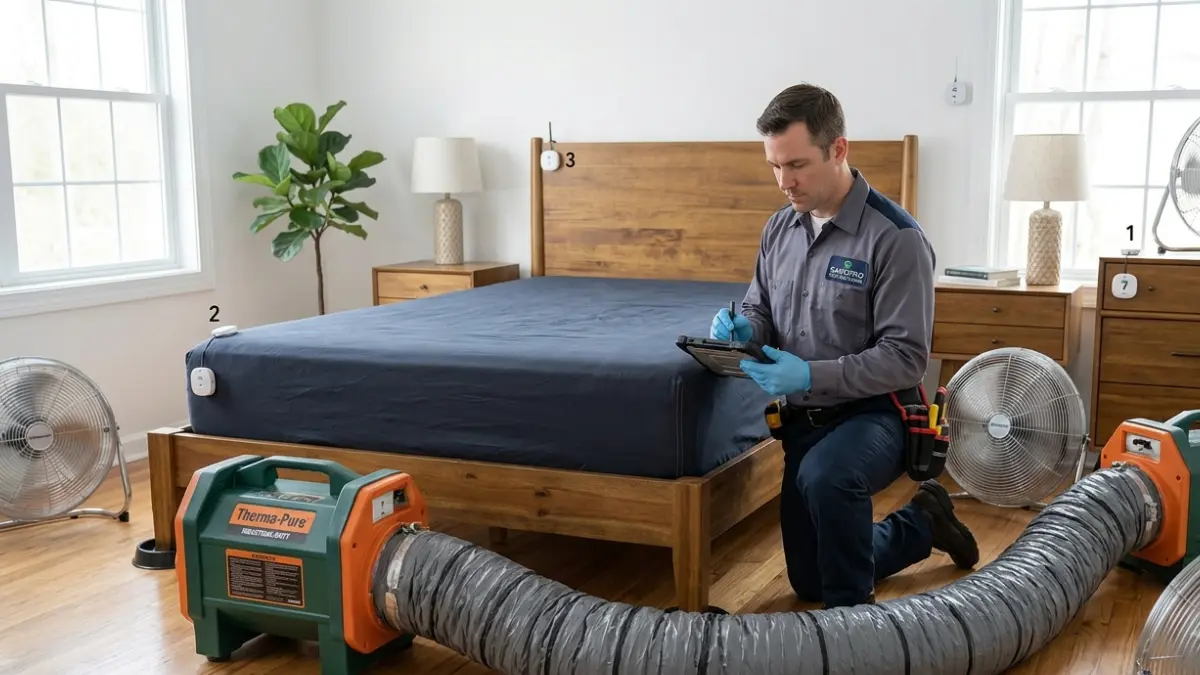
Professionals raise whole rooms to roughly 120–140°F and hold it for several hours, killing every life stage at once. Laboratory research summarized by Ohio State Extension shows adults die at about 118°F, while eggs — the toughest stage — need heat closer to 130°F for near-total mortality. A hot dryer or space heater fails because air spikes don’t penetrate a mattress core or a wall void; pros use sensors and fans to reach those hidden spots, which is how professional heat actually kills bed bugs.
📊 Sourced: Research cited by Ohio State Extension (Kells & Goblirsch) found 99% mortality required about 118.9°F for adult bed bugs and 130.6°F for eggs — the reason pro heat targets the high end and holds it for hours.
Chemical treatment: why it takes multiple visits
Chemical treatment applies EPA-registered insecticides — applied by licensed professionals — to the cracks and harborages where bed bugs travel. Because those products don’t reliably kill eggs, treatment usually takes 2 to 4 visits over about 4 to 6 weeks, with each follow-up timed to catch newly hatched bugs.
🔍 Why It Works: Heat kills by physically overheating the bug, so unlike insecticides, bed bugs can’t develop resistance to it — a 130°F room kills a resistant bug as easily as any other.
How many treatments to expect
Heat often resolves an infestation in a single visit. Chemical programs typically need two to four, and rotating chemical classes matters because of the resistance covered earlier.
DIY vs. professional bed bug treatment: the real cost
Here’s the honest money picture for both routes, using 2026 national ranges — your actual bed bug treatment cost depends on severity, location, and provider, and our full cost breakdown goes deeper.
| Approach | Typical 2026 cost | Visits | Best for |
|---|---|---|---|
| DIY kit / spray | Under $100 | Ongoing | Very minor, single room |
| DIY steamer | ~$75–$300+ | Reusable | Early, hands-on treatment |
| Pro chemical | $200–$400 per room* | 2–4 visits | Localized infestations |
| Pro heat | $400–$900 per room, or $2–$6.50/sq ft | Often 1 | Moderate–severe / resistant |
| Whole home | $1,000–$5,000 (avg ~$1,500–$2,500) | Varies | Widespread infestations |
Some providers quote $270–$775 per room. Inspections run $50–$200; emergency service can add $200–$500. (Ranges drawn from 2026 pricing guides including This Old House, Angi, and Today’s Homeowner.)
📊 Sourced: A single professional heat treatment commonly runs $400–$900 per room, while chemical runs $200–$400 per room but usually needs 2–4 visits — so a “cheaper” chemical job can total more than one heat visit.
Because pro heat is often priced per square foot, it helps to know your room size before you gather quotes — our square footage calculator gives you a fast estimate.
The hidden cost most guides skip
The cheapest first move isn’t always the cheapest outcome. A $60 DIY attempt that fails for two months lets the infestation spread to other rooms and furniture, and the eventual professional bill — plus anything you throw away — can dwarf what early action would have cost. That said, for a true minor, single-room case caught early, DIY is genuinely the cheapest path.
When to call a professional (and how to hire one without overpaying)
Call a licensed pest control professional if any of these apply to your situation:
- Bites or live bugs continue for weeks after DIY treatment.
- You’ve tried DIY two or three times without clearing it.
- Bugs have spread beyond one room, or into walls, outlets, or furniture voids.
- Vulnerable people — infants, older adults, pregnant women, or anyone immunocompromised — live in the home.
- You rent in a multi-unit building, where a whole-building approach is usually needed.
Seeing bed bugs in unusual spots like outlets or window frames is a warning sign on its own — it usually means the population has outgrown its normal hiding places.
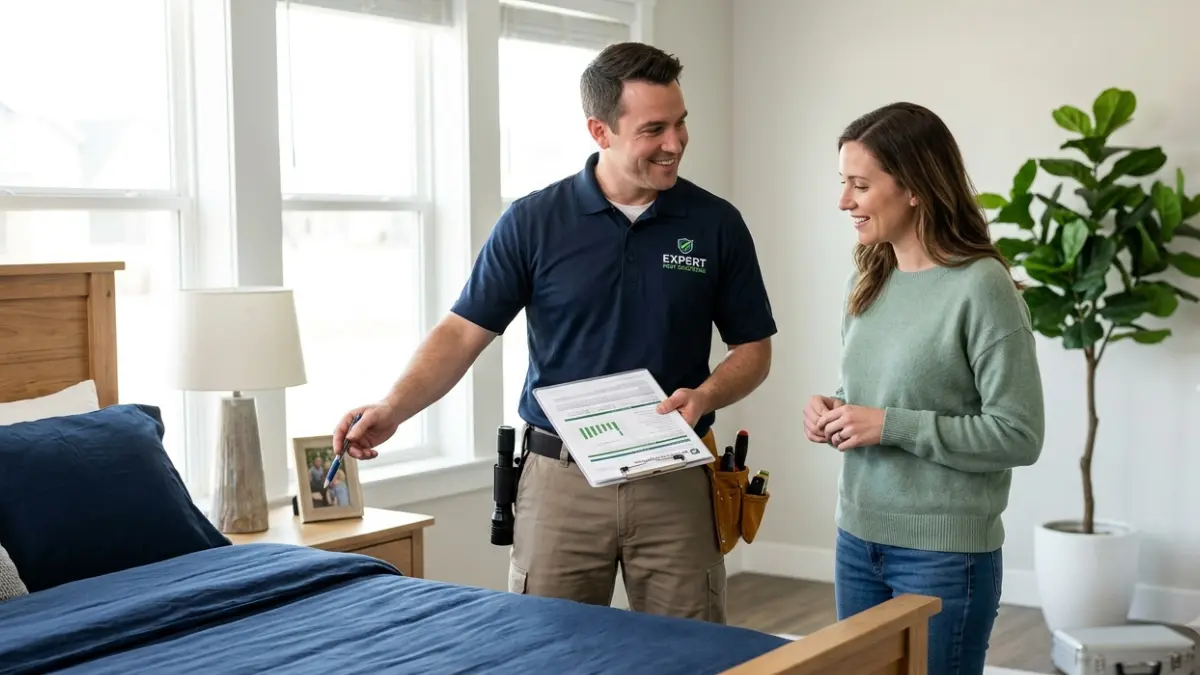
DIY is usually fine if…
You caught it early, it’s in one room, and no one vulnerable is exposed. In that case, work through the methods above and confirm your progress before you stop — here’s how to know the bed bugs are actually gone.
How to vet a company before you pay
✅ Do This: Before hiring, ask exactly what temperature a heat company holds and for how long, and how they verify it with sensors. Virginia Tech Extension notes that in some states heat-only firms aren’t required to be certified pest professionals, so confirm licensing and get about three quotes.
For the full list of questions to ask, see our guide to hiring a bed bug exterminator.
Bed bug safety: the mistakes that cause fires and poisoning
A few DIY bed bug shortcuts do real harm, and they’re worth stating plainly.
No — foggers and bug bombs are both ineffective and hazardous for bed bugs. The EPA’s do-it-yourself guidance explains that foggers don’t reach the cracks where bed bugs hide, shouldn’t be your only method, and can cause a fire or explosion if misused. For the full picture, see why bug bombs don’t work on bed bugs.
⚠️ Watch Out: Never try to kill bed bugs by cranking your thermostat, running a propane space heater, or lighting a fire — the EPA warns this doesn’t work and is dangerous. And never use gasoline, kerosene, or rubbing alcohol on bed bugs; all three ignite easily.
If you use a store-bought product, choose one that’s EPA-registered with bed bugs on the label, and follow the directions exactly. For anything stronger, or if you’re unsure, a licensed pest control professional is the safe call — the modest extra cost buys you both effectiveness and safety.
Frequently asked questions
1. Can you get rid of bed bugs yourself?
You can get rid of bed bugs yourself if the infestation is minor, confined to one room, and caught early. Research-backed DIY methods — steam, interceptor traps, mattress encasements, and desiccants — work when applied thoroughly and repeated for several weeks. For moderate or multi-room infestations, DIY usually fails, and a licensed professional is the reliable choice.
2. How much does a bed bug exterminator cost?
A bed bug exterminator typically costs $1,000–$5,000 for a whole home, averaging around $1,500–$2,500 in 2026. Chemical treatment runs about $200–$400 per room but needs 2–4 visits, while heat costs $400–$900 per room, often in one visit. Inspections add $50–$200, and your final price depends on severity and location.
3. What’s the difference between heat and chemical treatment?
Heat treatment raises whole rooms to about 120–140°F for hours, killing bed bugs at every life stage — including eggs — usually in one visit. Chemical treatment applies EPA-registered insecticides and typically needs 2–4 visits over several weeks because it doesn’t kill eggs. Heat costs more upfront; chemical is cheaper per visit but slower.
4. Why do DIY bed bug treatments fail?
DIY bed bug treatments fail for three main reasons: eggs survive most sprays and hatch days later, bugs hide in cracks that sprays never reach, and many populations resist common pyrethroid insecticides. DIY only succeeds when it’s thorough, reaches hiding spots, and is repeated on schedule for several weeks.
5. When should I call an exterminator for bed bugs?
Call an exterminator for bed bugs if DIY failed after two or three tries, bites continue for weeks, the infestation spread beyond one room or into walls, you live in a multi-unit building, or vulnerable people live in the home. When in doubt, a licensed professional inspection is the safest next step.
6. Are foggers or bug bombs effective for bed bugs?
No. The EPA notes foggers and bug bombs don’t reach the cracks where bed bugs hide, shouldn’t be a primary method, and can cause fire or explosion if misused. They’re widely considered a waste of money for bed bugs. Use targeted methods like steam and desiccants, or hire a professional instead.
7. Does diatomaceous earth kill bed bugs?
Yes — diatomaceous earth and other desiccants kill bed bugs by drying them out, and they can be effective applied as a thin layer in cracks and crevices. They work slowly and must stay dry. Apply per the label, keep it away from children and pets, and never use it as your only method.
8. How many professional treatments does it take?
Professional chemical treatment usually takes 2–4 visits over about 4–6 weeks, because follow-ups are timed to kill newly hatched bugs. Professional heat treatment often clears an infestation in a single visit, since it kills adults and eggs together. Severe or widespread cases may need additional visits and monitoring.
9. Is professional bed bug treatment safe for kids and pets?
Professional heat treatment is chemical-free. Chemical treatments use EPA-registered products applied under safety protocols, usually with a re-entry waiting period. If you have young children, pets, or health concerns, ask the company about heat or lower-toxicity options and exact re-entry times before treatment begins.
10. Can bed bugs come back after professional treatment?
Yes. Treatment kills the current infestation but doesn’t prevent a new one, and bed bugs are usually reintroduced through travel, used furniture, or an adjacent infested unit. Monitors and mattress encasements help you catch a return early, and many companies offer a warranty. Stay watchful for several weeks after treatment.
The bottom line
Choosing between DIY and professional bed bug treatment really comes down to severity. If you caught it early, it’s confined to one room, and no one vulnerable is in the home, DIY with steam, interceptors, encasements, and careful monitoring is a reasonable and far cheaper path. If bugs have spread, DIY has already failed once or twice, you rent in a multi-unit building, or vulnerable people are exposed, a licensed pro is worth every dollar.
Whatever you choose, act early — bed bugs don’t resolve on their own, and waiting only raises the cost. For the full method-by-method walkthrough, follow our safe 5-step plan to get rid of bed bugs.
Related Articles
 Bed Bugs Treatment
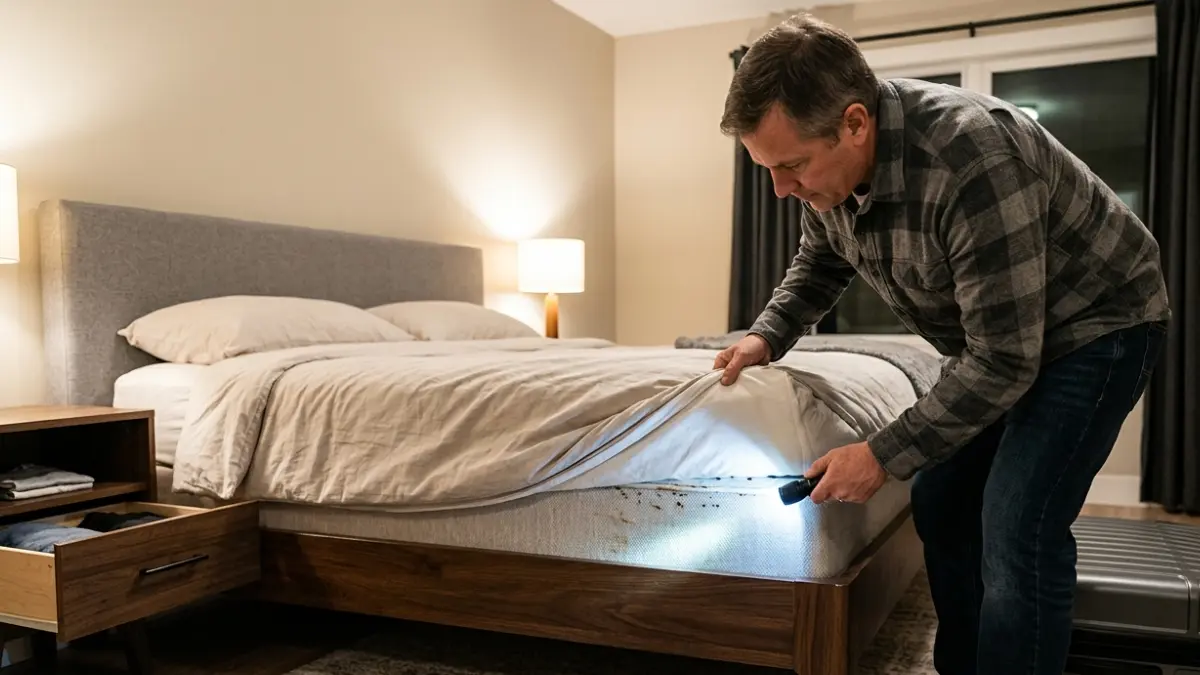
Where Bed Bugs Hide When the Mattress Looks Clean
June 25, 2026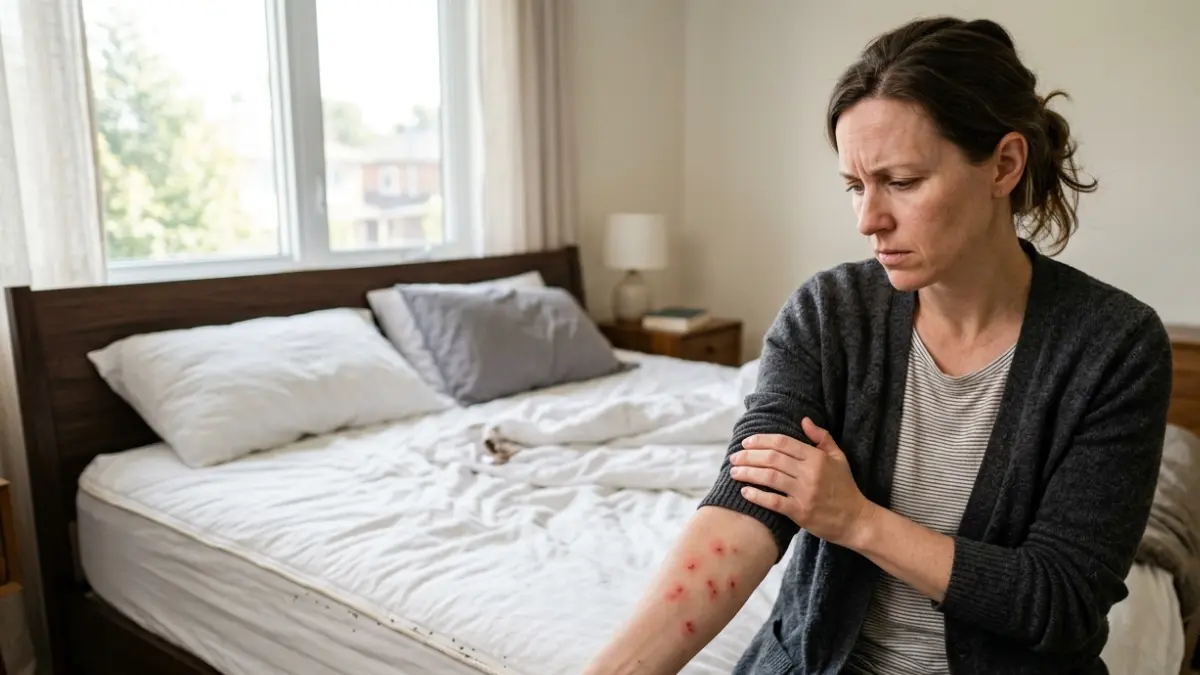 Bed Bugs Treatment
Are Bed Bugs Dangerous? The Health Risks People Overlook
June 26, 2026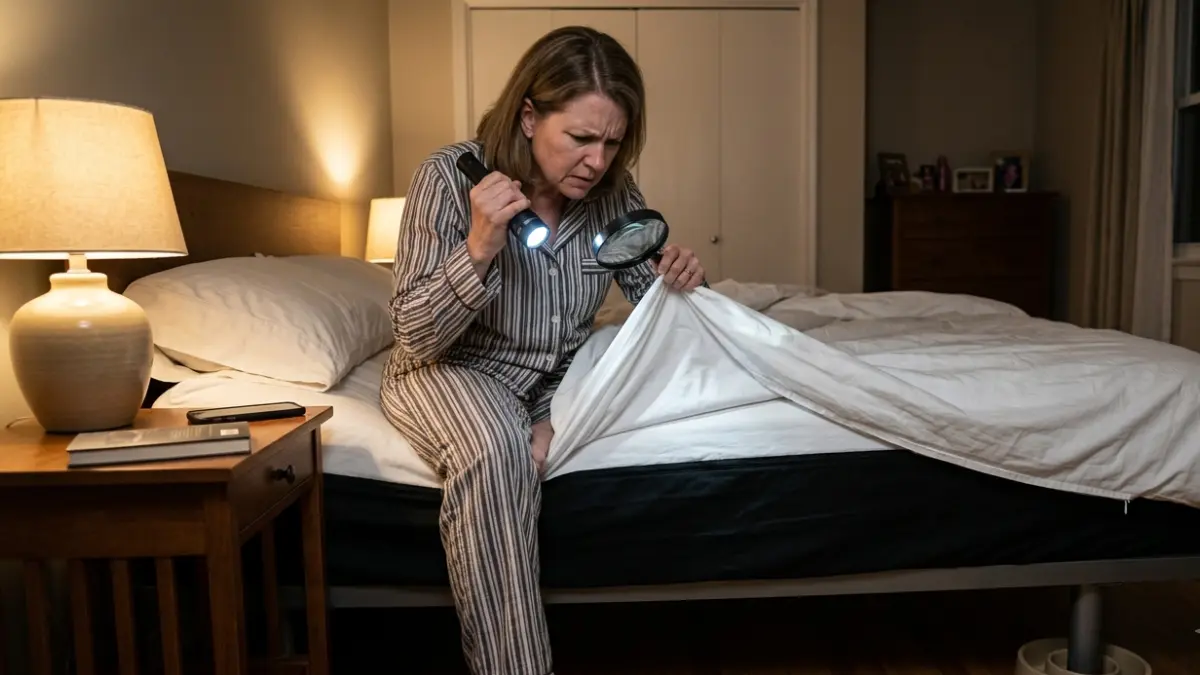 Bed Bugs Treatment
How to Know If Bed Bugs Are Gone and Stay Gone
June 29, 2026 Bed Bugs Treatment
The Smart Way to Choose and Use a Bed Bug Spray
July 1, 2026 Bed Bugs Treatment
How Do You Get Bed Bugs When Your Home Is Spotless?
June 26, 2026 Bed Bugs Treatment
Getting Rid of Bed Bugs at Home Without the Risk
June 20, 2026 Bed Bugs Treatment
How the Right Bed Bug Interceptors Catch the Most Bugs
June 29, 2026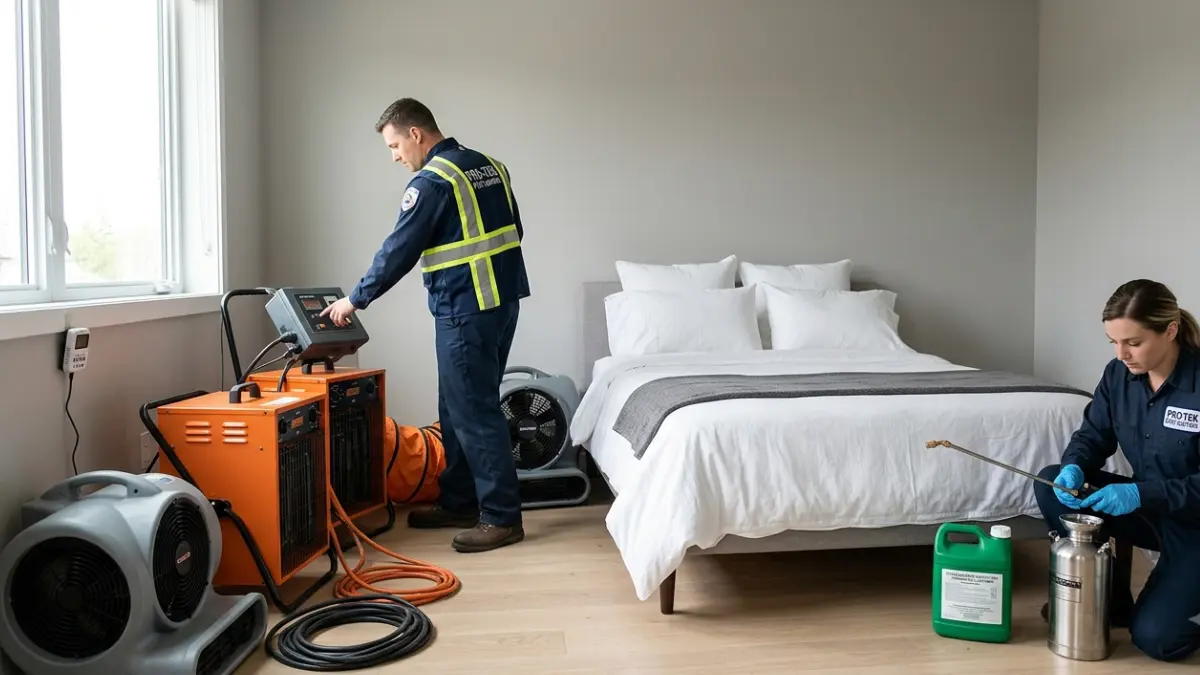 Bed Bugs Treatment
How Bed Bug Heat Treatment Costs Compare to Chemical
July 8, 2026 Bed Bugs Treatment