
The Smart Way to Prevent Bed Bugs at Home

Preventing bed bugs isn’t about a clean house—it’s about blocking how they get in. Inspect hotels, encase your mattress, and set traps to catch them early.
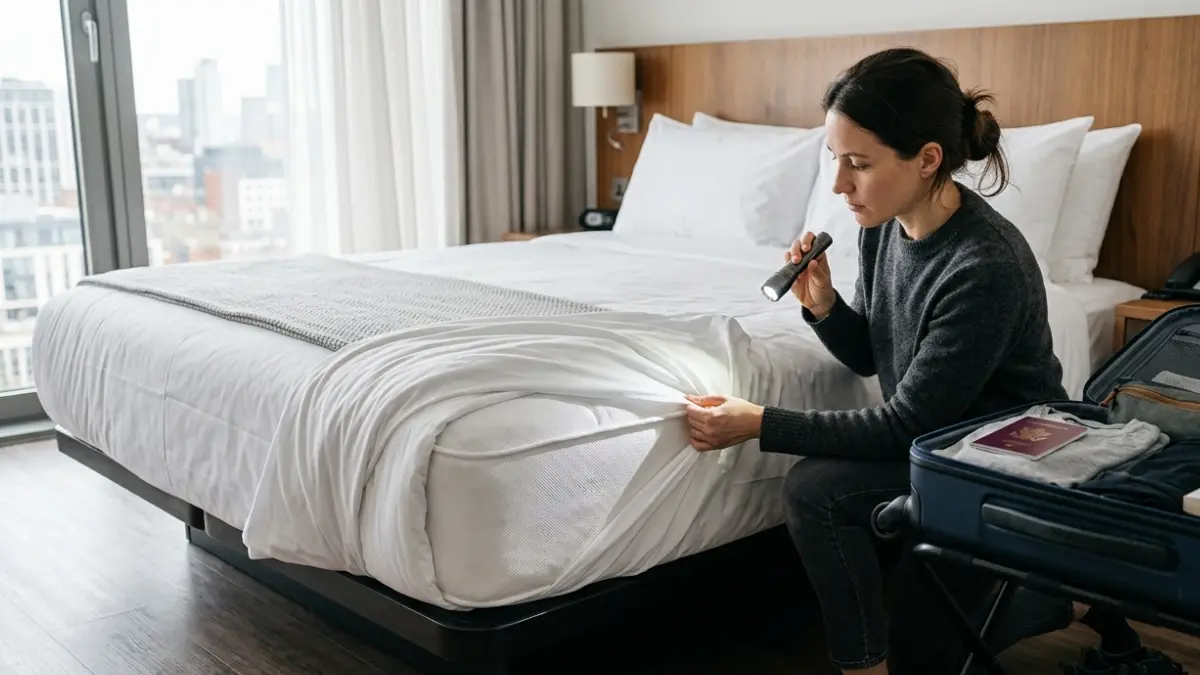
Table of Contents
Maybe you just got home from a hotel and noticed a bite, scored a used dresser online, or heard a neighbor’s unit is being treated. Whatever brought you here, the goal is the same: keep bed bugs out before they settle in.
Bed bugs have nothing to do with how clean your home is — according to the CDC, they turn up in spotless houses and five-star hotels alike, and aren’t known to spread disease. They’re hitchhikers, not a hygiene problem.
This is a prevention guide. If you think you already have them, skip to our full plan for getting rid of bed bugs. Otherwise, jump to the section that fits your situation.
ℹ️ Safety Note: This is a prevention guide, not a treatment guide. If you use any pesticide or dust — including diatomaceous earth — use only an EPA-registered product, exactly as labeled. Never use “pool” or “filter” grade diatomaceous earth indoors, or foggers or rubbing alcohol as DIY treatments; the EPA links both to fire and health risks. This is educational, not professional pest-control advice.
How bed bugs get into your home
Bed bugs can’t fly, so they get in by hitching a ride on what you carry. The EPA’s guidance on protecting your home from bed bugs notes they spread on luggage, bedding, secondhand furniture, boxes, and clothing, and move between apartment units through wall voids.
The main entry routes are:
- Luggage and travel gear after hotels or other homes
- Secondhand furniture and used soft goods
- Shared walls and hallways in multi-family buildings
- Bags set down in infested spaces or vehicles
Each route has its own defense, which is the point of understanding how bed bugs get into a home. They’re stubborn once inside: bed bugs can survive months without feeding, waiting out an empty room. Adults are reddish-brown and apple-seed-sized.
How to prevent bed bugs when you travel

- HIGH LUMENS & ADJUSTABLE BEAM – Powerful T6 LED provides bright illumination with adjustable zoom. Switch between a wide…
- 5 LIGHTING MODES – Easily switch between High, Medium, Low, Strobe and SOS modes. Versatile lighting for everyday use, c…
- 2 PACK FOR HOME & CAR – Keep one flashlight at home and another in your car, backpack or emergency kit. Compact and port…
Travel is the biggest way bed bugs come home, so a two-minute check at arrival pays off. University of Minnesota Extension recommends inspecting your room before you unpack.
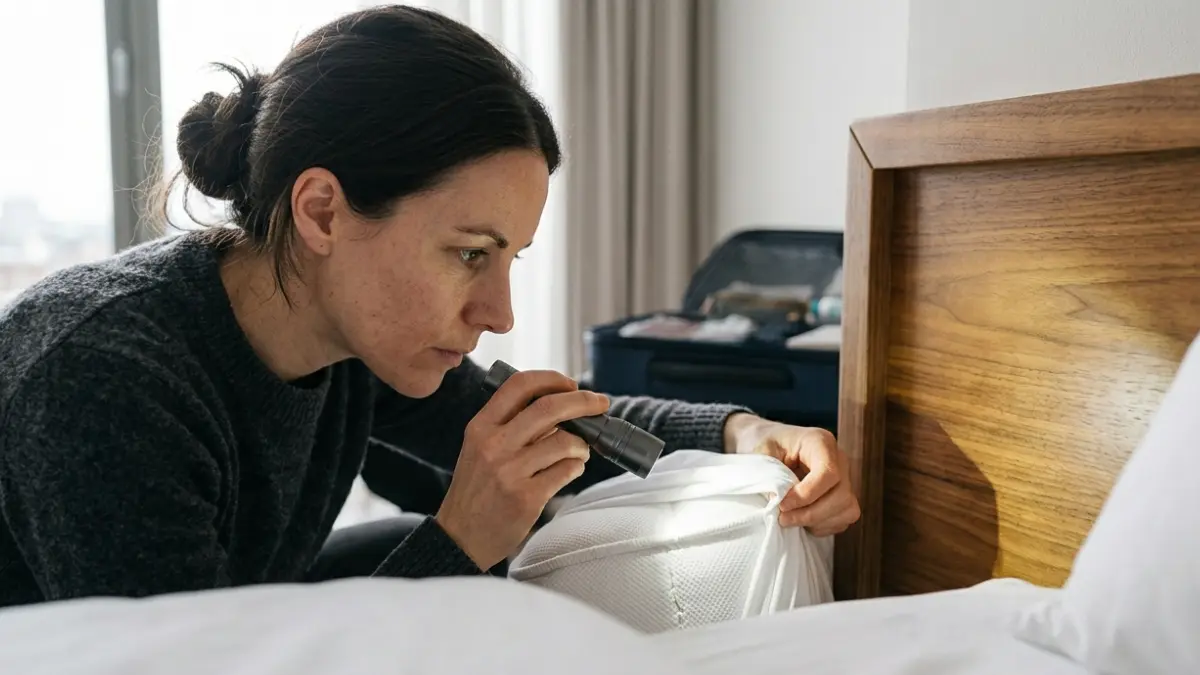
The moment you arrive:
- Set your suitcase in the bathroom or on a hard surface — never the bed or floor.
- Pull back the sheets and scan the mattress seams, headboard, and box-spring corners for rust-colored spots or live bugs.
- Keep your bag on the luggage rack, away from the wall.
- If anything looks off, ask for a different, non-adjacent room.
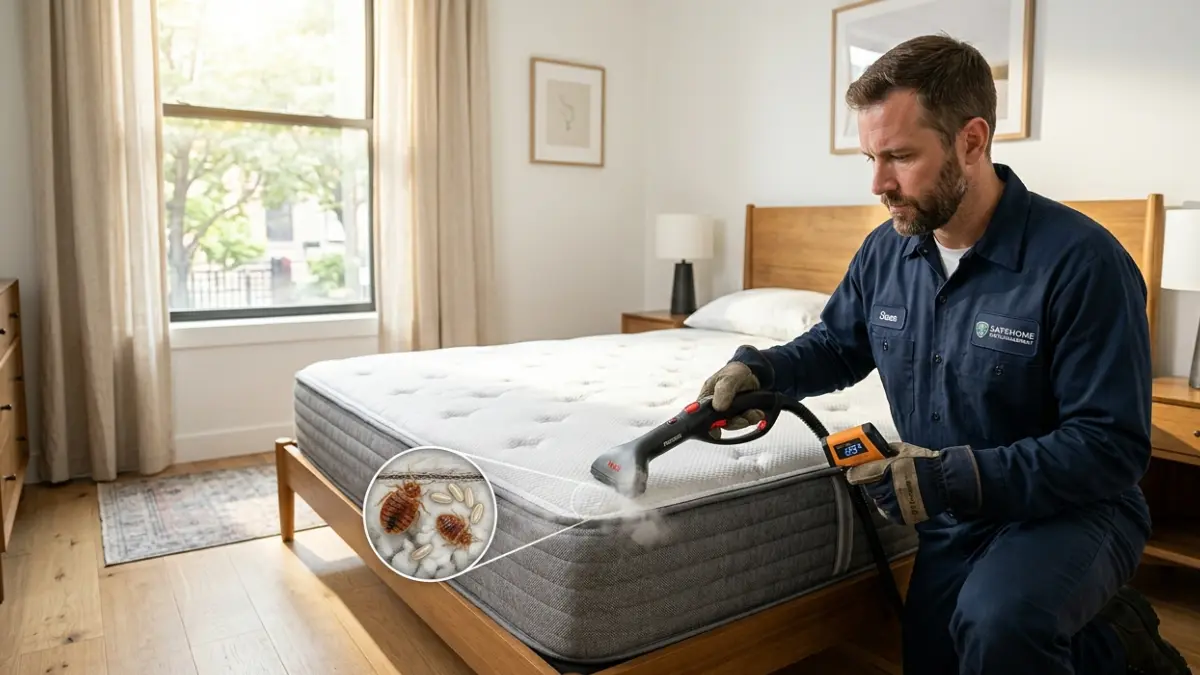
Knowing how to check a room for bed bugs removes the guesswork. Back home, seal clothes in a plastic bag, then run everything washable through a hot dryer for at least 30 minutes — the EPA notes high heat kills bed bugs, while washing alone usually won’t.
How to inspect secondhand furniture and used items
Used furniture is fine to bring home — if you inspect it first and skip anything off the curb. Bed bugs favor the seams and joints of upholstered furniture, so check before it crosses your threshold.
Where to look:
- Seams, tufts, and piping on cushions and mattresses
- Cracks, joints, and screw holes in wood frames
- Drawer undersides and back panels
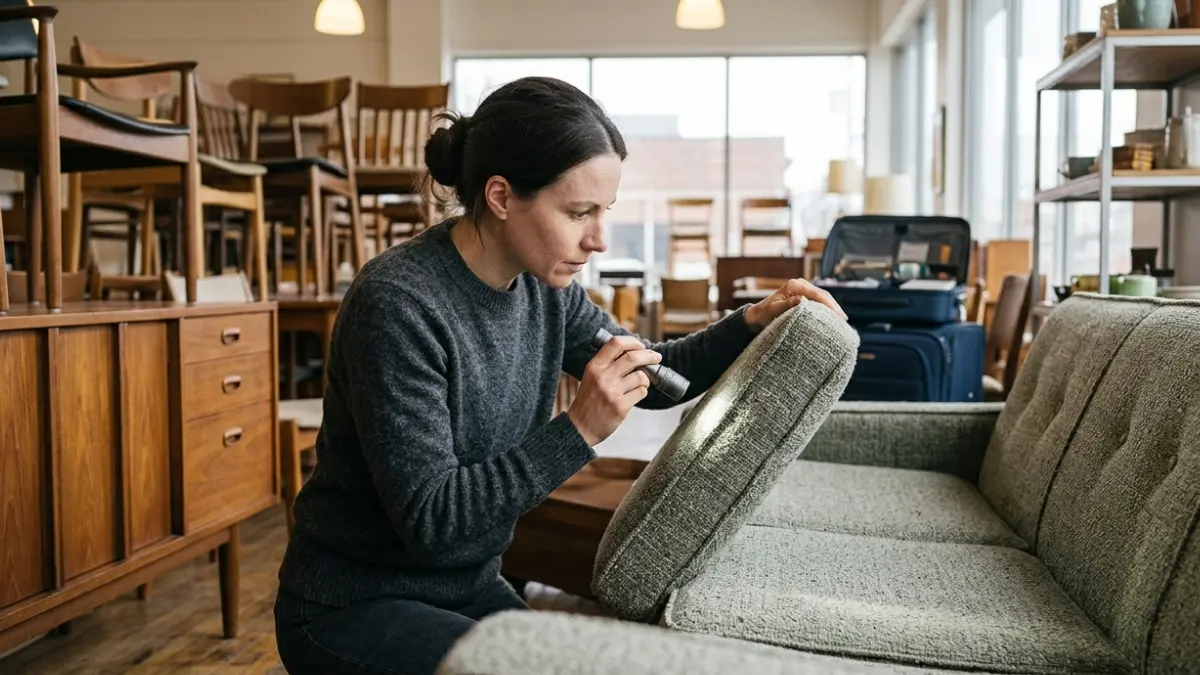
One rule holds firm: never take a mattress or upholstered item left curbside or by a dumpster. A used sofa is a classic hiding spot — here’s what to check on a secondhand couch before you buy. Seal and hot-dry any used clothing or linens first.
Bedroom defenses that actually work

- Bed Bug Mattress Encasement Sealed on All Six Sides: The nylon zipper closure glides around three sides and tucks under …
- Jersey Knit Mattress Encasement, Soft and Quiet: The knitted polyester face feels more like a soft T-shirt than plastic,…
- Waterproof Mattress Cover for Spills and Night Accidents: A waterproof layer sealed beneath the knit helps keep sweat, s…
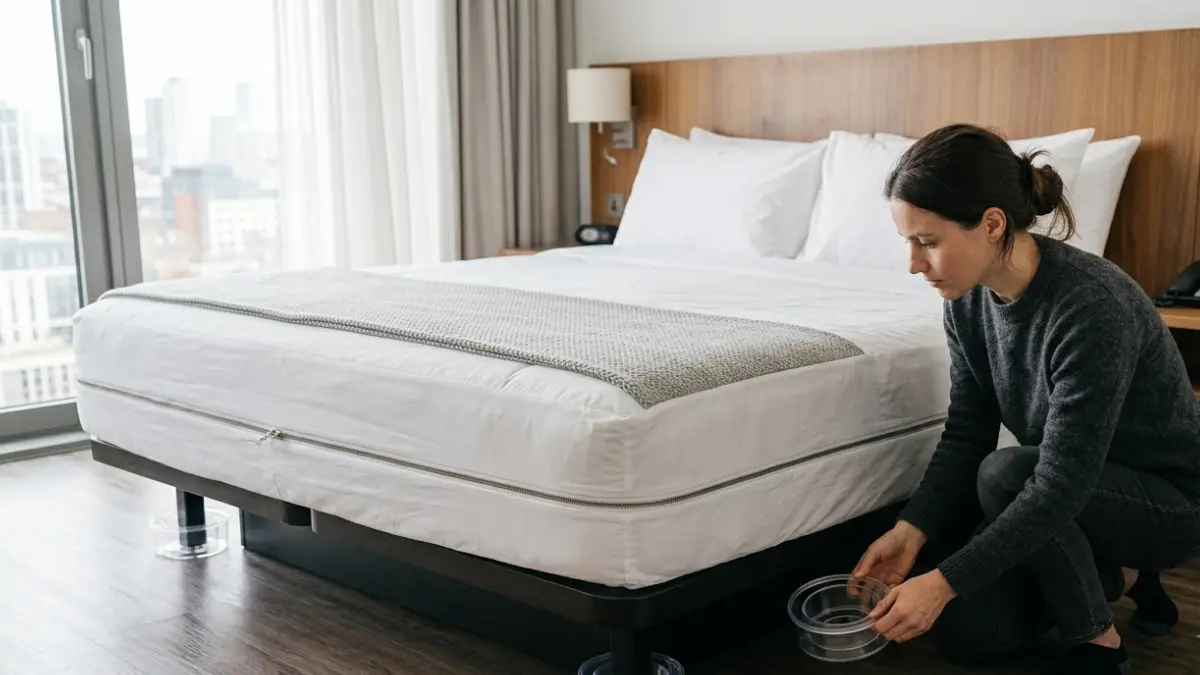
Two purchases do the heavy lifting: a mattress encasement and a set of interceptors. Neither repels or kills bed bugs on its own — they trap and detect — but together they turn your bed into a monitored zone.

- Box spring cover is independently lab-tested
- Stretchable 100% polyester knit fabric makes installation a breeze – includes Installation Kit
- Queen size (60” x 80”) fits box spring depths of 9″- 11″
A mattress encasement is a zippered, bite-proof cover that seals the mattress and box spring, a favorite hiding spot, so bugs can’t get in or out. The EPA advises a tested, tear-resistant cover left on for at least a year; a light color makes bugs easier to spot.

- Full 360° Protection: Unlike fitted sheet-style protectors that leave sides exposed, our zippered encasement provides co…
- 100% Waterproof: Advanced barrier keeps accidents, sweat, and spills from penetrating, preserving your mattress in prist…
- Quiet & Breathable Comfort: Soft, noiseless cotton fabric ensures a restful sleep while preventing overheating.
🛒 Our Pick: For encasements, choose a lab-tested, bite-proof cover with a fully sealed zipper. See our guide to the best bed bug mattress encasements for specific options. (We may earn a commission from links in that guide, at no extra cost to you.)
Interceptors are small pitfall cups under each bed and furniture leg that catch bugs as they climb — the best early-warning tool you can buy.
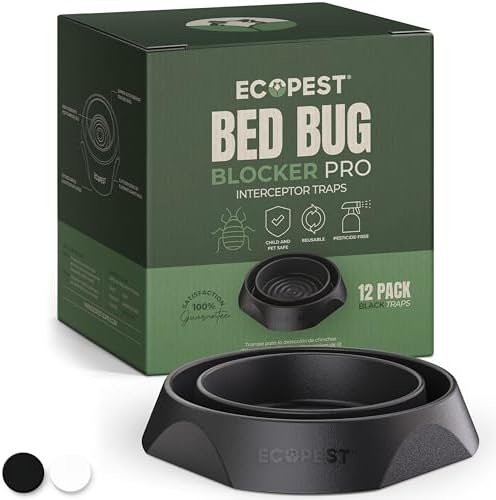
- SLEEP EASY WITH 24/7 BED BUG PROTECTION – Set it, forget it. Place one Bed Bug Blocker interceptor trap under each bed p…
- LAB-TESTED AND PROVEN TO TRAP BED BUGS – Tested by entomologists, trusted by the pros. Bed Bug Blocker interceptor traps…
- BED BUGS CLIMB IN BUT CANNOT CLIMB OUT – Simply place the traps under bed posts and furniture legs. Bed bugs cannot jump…
📊 Sourced: In a community study cited by Rutgers research on bed bug monitors, interceptors under furniture legs for two weeks detected 89% of infestations — while residents were aware of only 41% on their own.
Use them well: pull furniture a few inches from the wall, remove bedding that touches the floor, leave the cups down at least a week, and clean them monthly. Our roundup of which interceptors catch the most bed bugs compares the options.
| Item | Typical 2026 cost | Key detail |
|---|---|---|
| Mattress + box-spring encasement | $30–$60 each | Leave on ~12 months; sealed zipper |
| Bed bug interceptors (4-pack) | $15–$30 | One under each bed and furniture leg |
| Door sweeps + silicone caulk | $10–$25 | Seals gaps in apartments |
| Core setup | ~$45–$90 | Covers a standard bed |
Prices are approximate and current as of 2026; check the retailer for today’s price.
Skip sprays, repellents, and essential-oil “deterrents” — the EPA and extension sources find no reliable evidence they prevent bed bugs. Decluttering helps, though: fewer hiding spots make bugs easier to catch.
Preventing bed bugs in apartments and shared buildings
If you share walls, you can’t control your neighbors — but you can seal off your unit and catch problems early. Multi-family buildings are higher-risk because people and belongings move through constantly, and bugs travel between units through gaps.
Seal the paths bugs use:
- Caulk cracks and crevices around baseboards, outlets, and where pipes or wires enter walls.
- Install door sweeps to discourage movement into hallways.
- Reduce clutter and keep bedding off the floor and walls.

- BLOCK DRAFTS EFFECTIVELY – High-quality door draft stopper made from industry-grade silicone with exceptionally strong a…
- SAVE MONEY AND ENERGY – Our bottom door seal blocks thermal bridges effectively. This under door seal perfectly blocks b…
- INSTALLS IN UNDER 1 MINUTE – To install our door draft stopper just clean the door surface, pull back the adhesive strip…
If you find bed bugs, tell your landlord promptly — the EPA advises neighboring units be inspected, and depending on local housing code, your landlord may share responsibility.
⚠️ Watch Out: If you use diatomaceous earth as a barrier, use only an EPA-registered product, exactly as labeled. As the EPA warns against non-registered dusts and DIY chemicals, “pool” or “filter” grade DE contains crystalline silica and is a serious inhalation hazard — never use it indoors. Wear a mask, and keep children and pets away.
DE is a slow barrier, not a repellent or quick fix — see our full guide to using diatomaceous earth for bed bugs for correct use. Skip foggers, too: “bug bombs” don’t reach the cracks where bed bugs hide and can scatter them. If a problem outgrows prevention, hiring a licensed pest professional is the reliable path, especially in a shared building.
Think you already have them? Early signs and your next move
Even the best prevention isn’t a guarantee, so know the earliest tells. Catching bed bugs early keeps treatment simpler and cheaper.
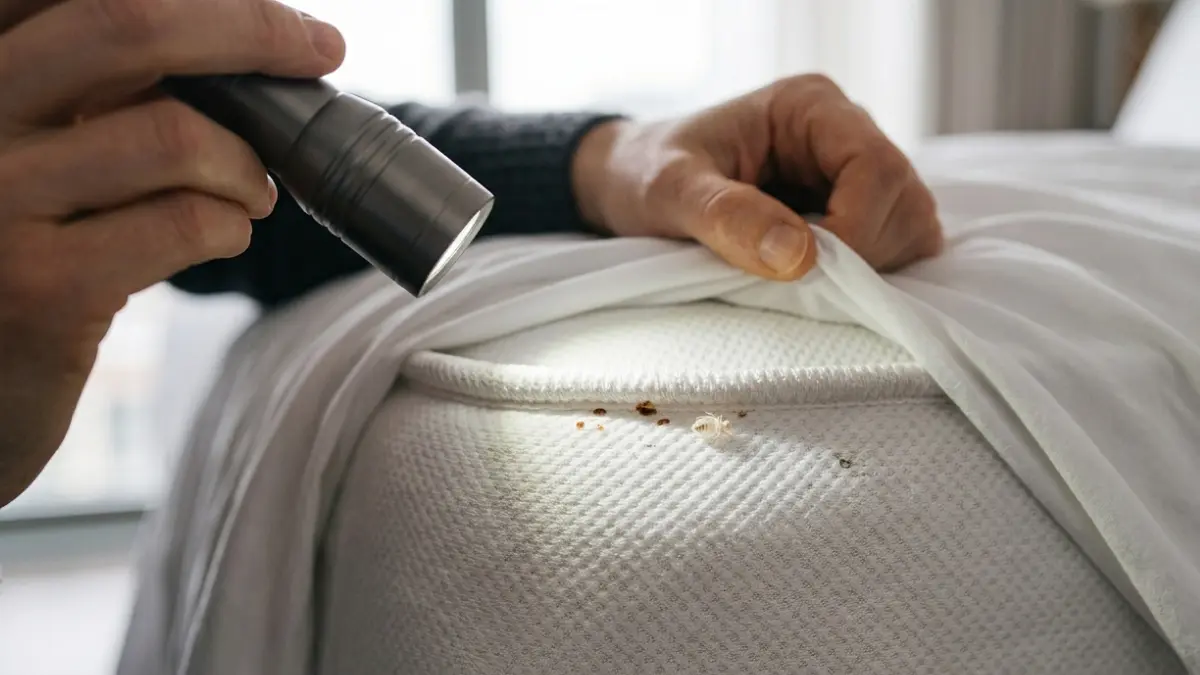
The first signs:
- Rust- or blood-colored fecal spots on sheets, seams, or the box spring
- Pale shed skins in seams and crevices
- Tiny white eggs in folds
- Live bugs — reddish-brown, apple-seed-sized — along seams and headboards
- Bites in a rough line or cluster, though bites alone aren’t proof
Learning the signs of bed bugs helps you tell a real problem from a false alarm. If you spot them, don’t reach for a spray — set up interceptors to confirm, then move to treatment. Acting early matters for your wallet, too: see what bed bug treatment actually costs, since a small problem is far cheaper to solve than a spread-out one.
Frequently asked questions about preventing bed bugs
1. Can you prevent bed bugs completely?
No method guarantees zero risk, but you can dramatically lower your odds. The most reliable way to prevent bed bugs is to block their entry routes — inspect lodging when you travel, check secondhand items, and encase your mattress — then monitor with interceptors so anything that slips through gets caught early while it’s small.
2. Are bed bugs a sign of a dirty house?
No. According to the CDC, bed bugs turn up in spotless homes and five-star hotels alike, because they spread by hitchhiking on people and belongings, not by dirt. Cleanliness won’t stop them arriving, though reducing clutter removes the hiding spots they rely on and makes any bugs easier to spot.
3. Do bed bugs spread disease?
Bed bugs are not known to spread disease to people, according to the CDC and EPA. Their bites can cause itching and lost sleep, and heavy scratching can occasionally lead to a secondary skin infection. They’re a real nuisance to deal with, but preventing them is about comfort and peace of mind, not disease.
4. How do I check a hotel room for bed bugs?
Before you unpack, set your suitcase in the bathroom, then pull back the sheets and inspect the mattress seams, headboard, and box-spring corners with a flashlight for rust-colored spots or live bugs. Keep luggage on the rack away from the wall, and if you find signs, request a different, non-adjacent room.
5. Is it safe to buy used furniture?
Yes, if you inspect it first. Check the seams, tufts, wood joints, screw holes, and drawer undersides for bed bugs before bringing anything indoors. The one firm rule is to never take a mattress or upholstered piece left at the curb or a dumpster. Seal and hot-dry any used clothing or linens first.
6. Do mattress encasements prevent bed bugs?
A mattress encasement doesn’t repel or kill bed bugs, but it seals off the mattress and box spring so bugs can’t hide there, and a light-colored one makes any bugs easy to see. The EPA advises choosing a tested, tear-resistant cover and leaving it on for at least a year, checking for holes.
7. Do bed bug interceptors really work?
Yes, for early detection. In a community study cited by Rutgers, interceptors under furniture legs detected 89% of infestations over two weeks, versus 41% that residents noticed on their own. Place one under each bed and furniture leg, pull the furniture from the wall, leave them a week, and clean monthly.
8. What actually keeps bed bugs away — do sprays work?
Sprays, repellents, and essential-oil “deterrents” have no reliable evidence behind them for preventing bed bugs, according to the EPA and extension sources. What works is physical: inspect and intercept. Encasements and interceptors, careful travel and secondhand habits, sealing cracks, and reducing clutter do far more to keep bed bugs away.
9. Does diatomaceous earth prevent bed bugs?
It can act as a slow barrier in cracks and voids, but use only an EPA-registered diatomaceous earth product, exactly as labeled. Never use “pool” or “filter” grade indoors, because it contains crystalline silica and is an inhalation hazard. Wear a mask, keep children and pets away, and read our full guide first.
10. What are the first signs of bed bugs?
Watch for rust-colored fecal spots on sheets and mattress seams, pale shed skins, tiny eggs in folds, and live reddish-brown bugs the size of an apple seed. Bites in a line or cluster are a clue but not proof on their own. If you spot signs, confirm with interceptors, then treat.
Your bed bug prevention checklist
Preventing bed bugs comes down to habits and about $45–$90 in gear — not luck. Run this checklist to cover every route they use:
- Travel smart — inspect the room and keep luggage off the bed.
- Inspect secondhand items; never take curbside furniture.
- Encase your mattress and box spring.
- Put interceptors under every bed and furniture leg.
- Declutter to remove hiding spots.
- Seal cracks and add door sweeps if you share walls.
- Stay alert to the early signs.
Keep interceptors down year-round to catch anything early. If prevention comes too late, our plan for getting rid of bed bugs covers what’s next.
Related Articles
 Bed Bugs Treatment
How Heat Kills Bed Bugs, and Where It Falls Short
July 1, 2026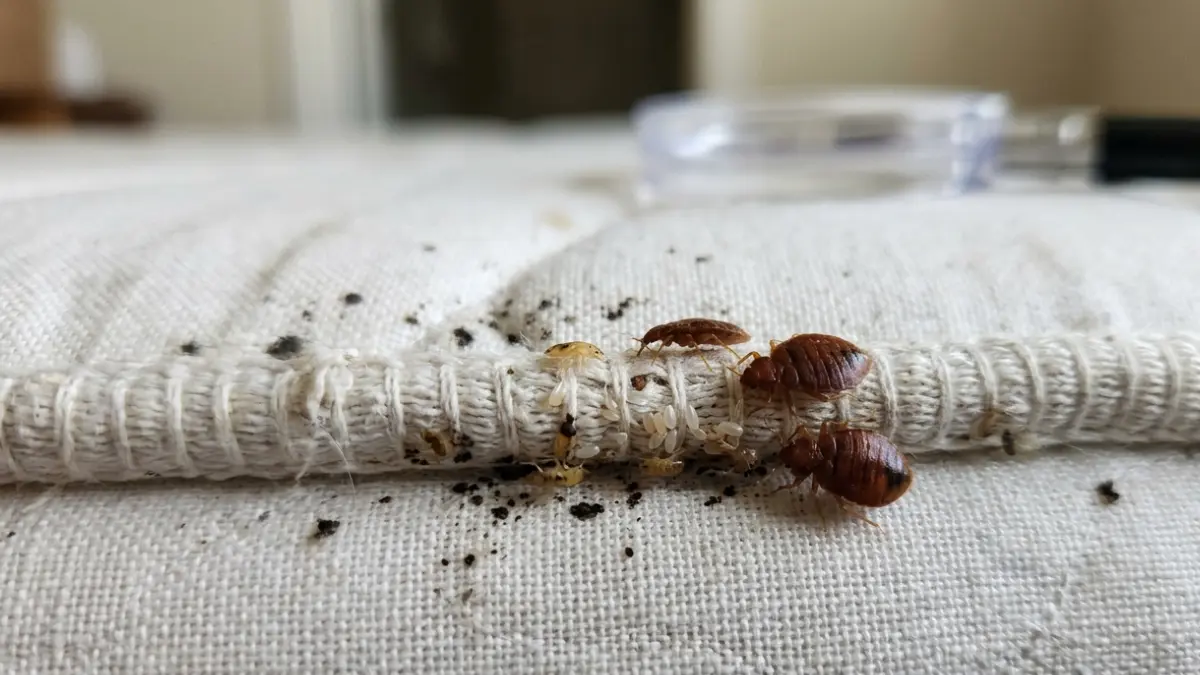 Bed Bugs Treatment
How Fast Bed Bugs Spread, and How to Get Ahead of It
June 25, 2026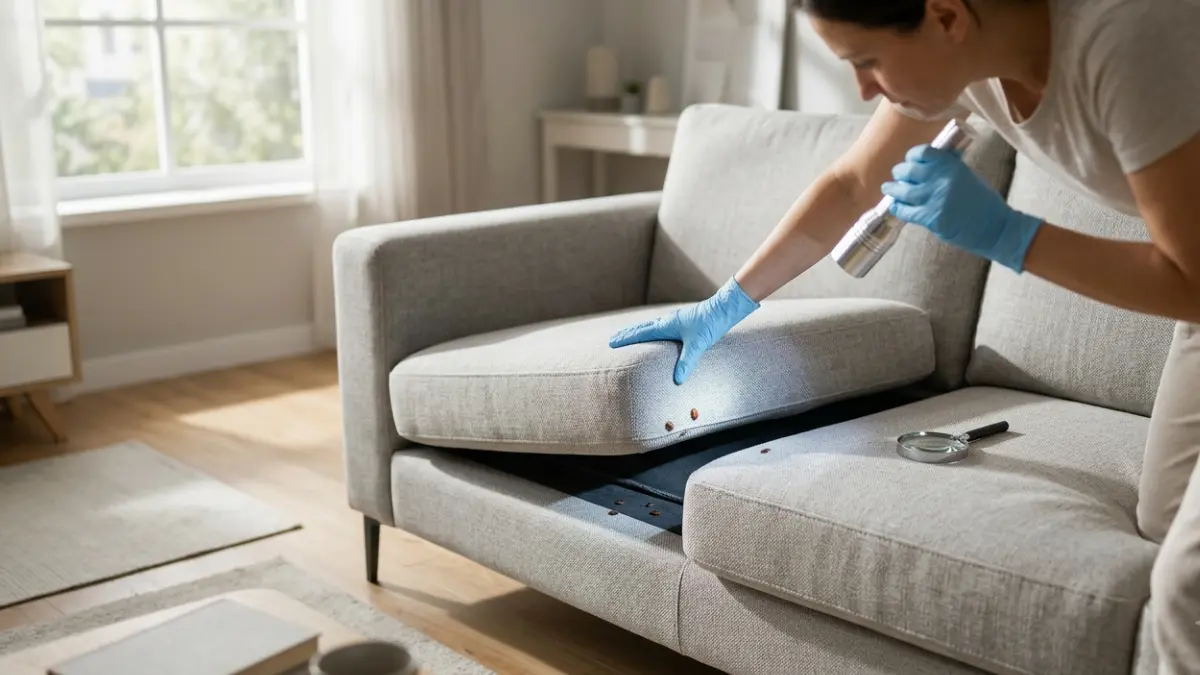 Bed Bugs Treatment
Clearing Bed Bugs From a Couch You Want to Keep
July 3, 2026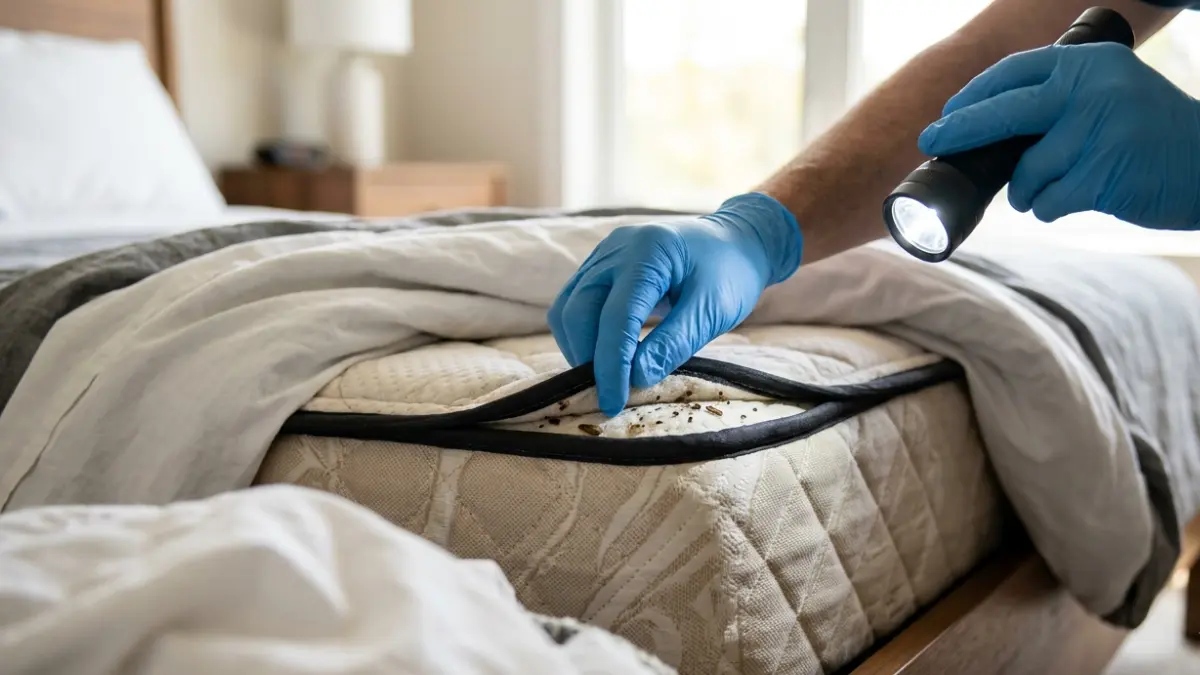 Bed Bugs Treatment
How to Check for Bed Bugs the Right Way
June 27, 2026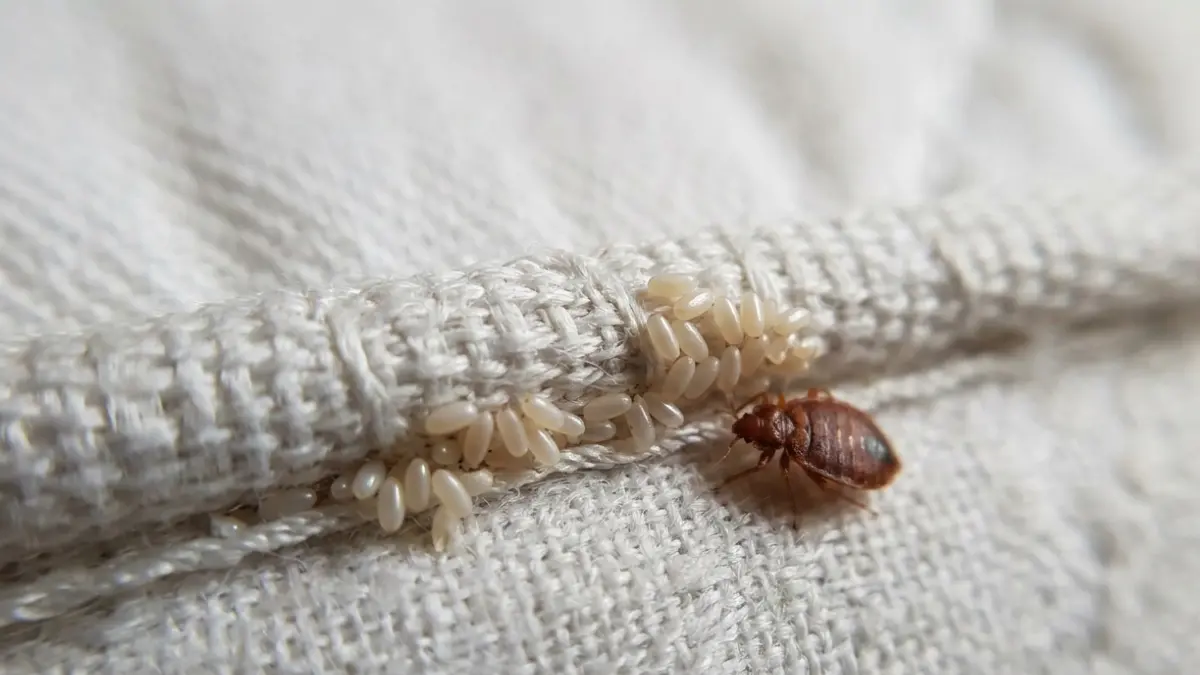 Bed Bugs Treatment
How to Spot Bed Bug Eggs and Stop Them Hatching
June 24, 2026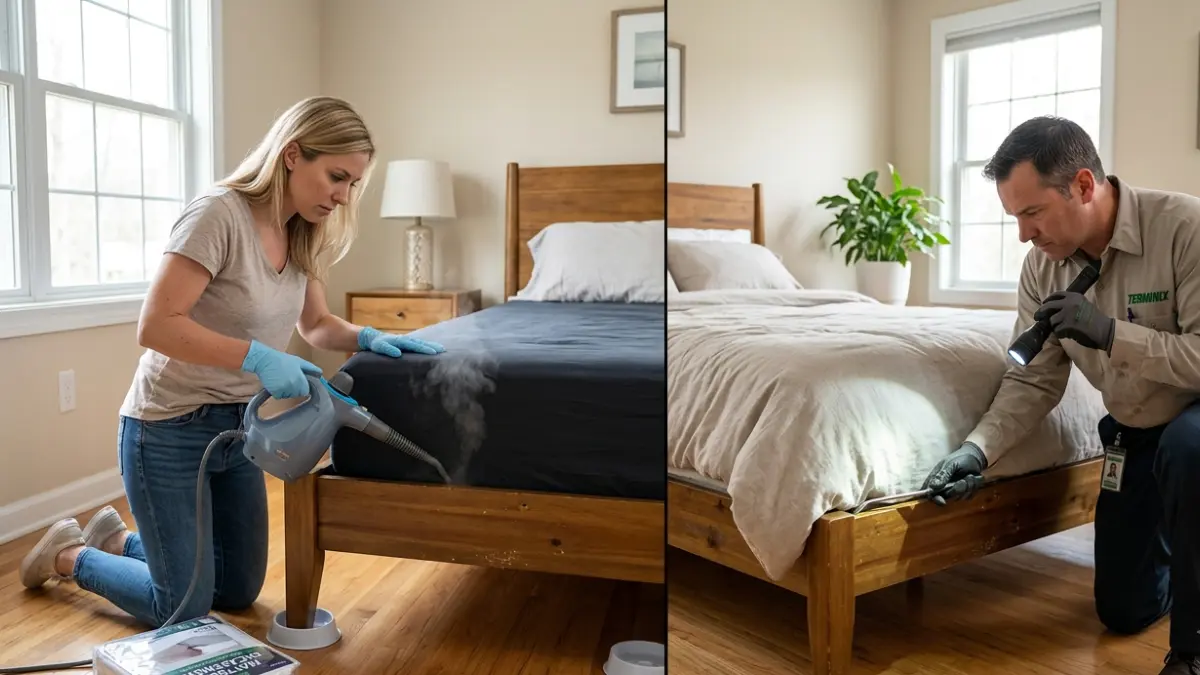 Bed Bugs Treatment
Choosing DIY or Professional Bed Bug Treatment the Smart Way
July 9, 2026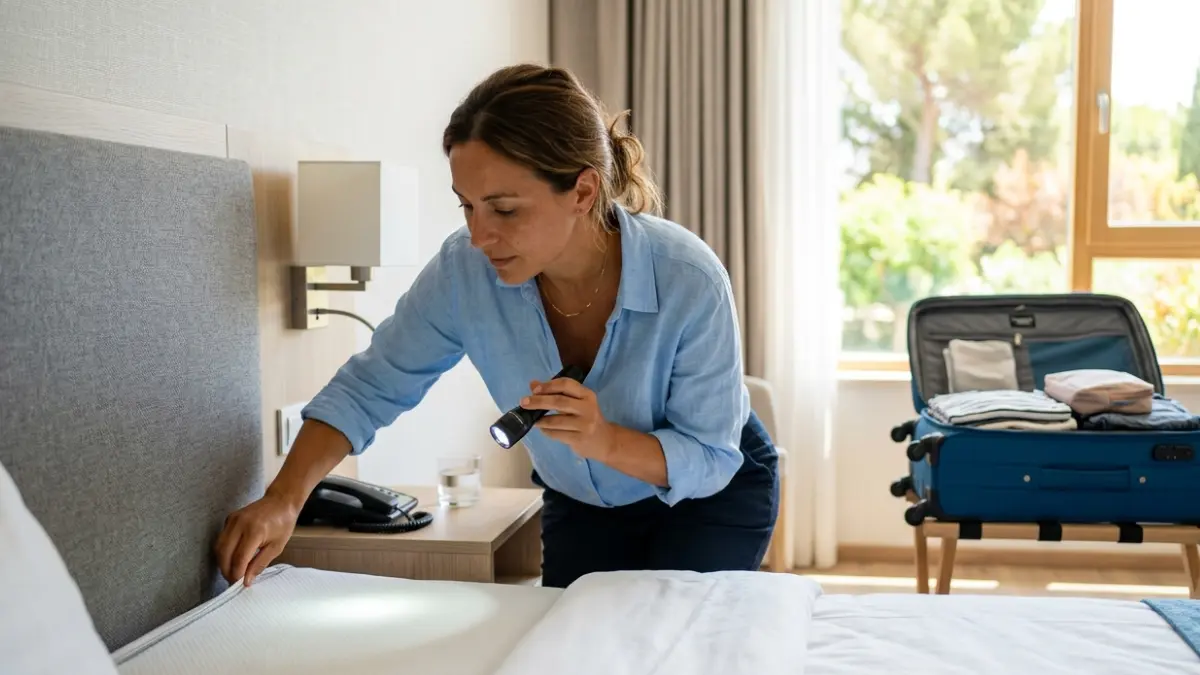 Bed Bugs Treatment
Are Bed Bugs Worse in Summer? What the Data Shows
July 13, 2026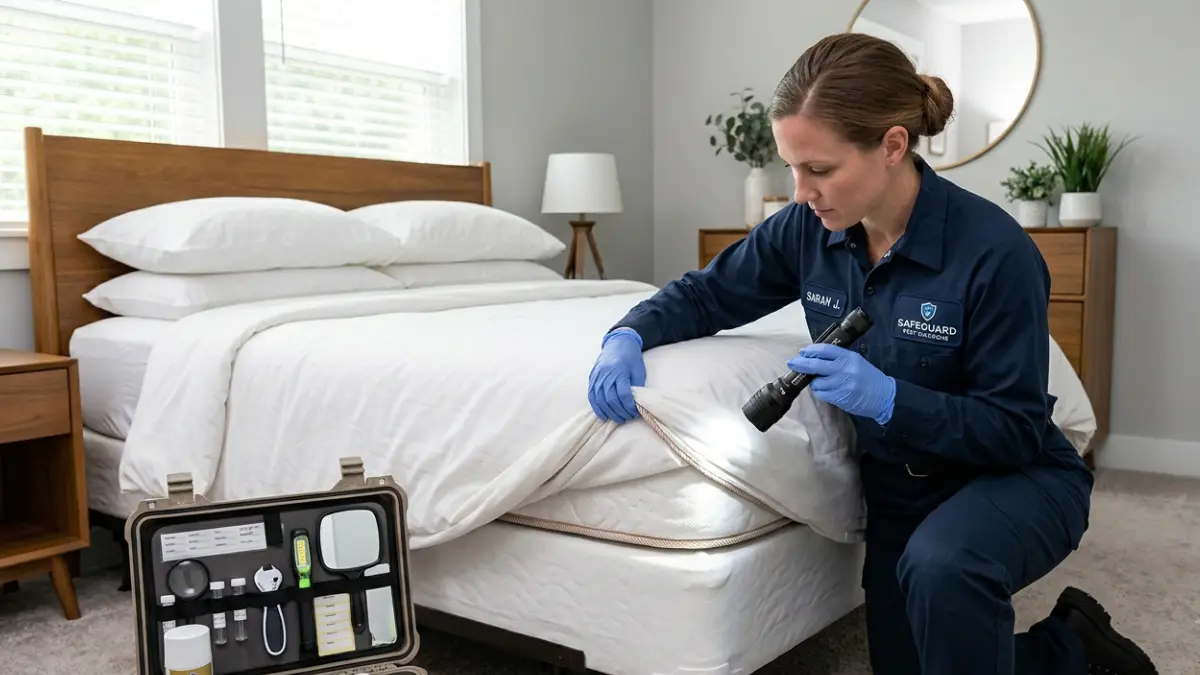 Bed Bugs Treatment
The True Cost of Bed Bug Treatment, by Method and Home Size
July 8, 2026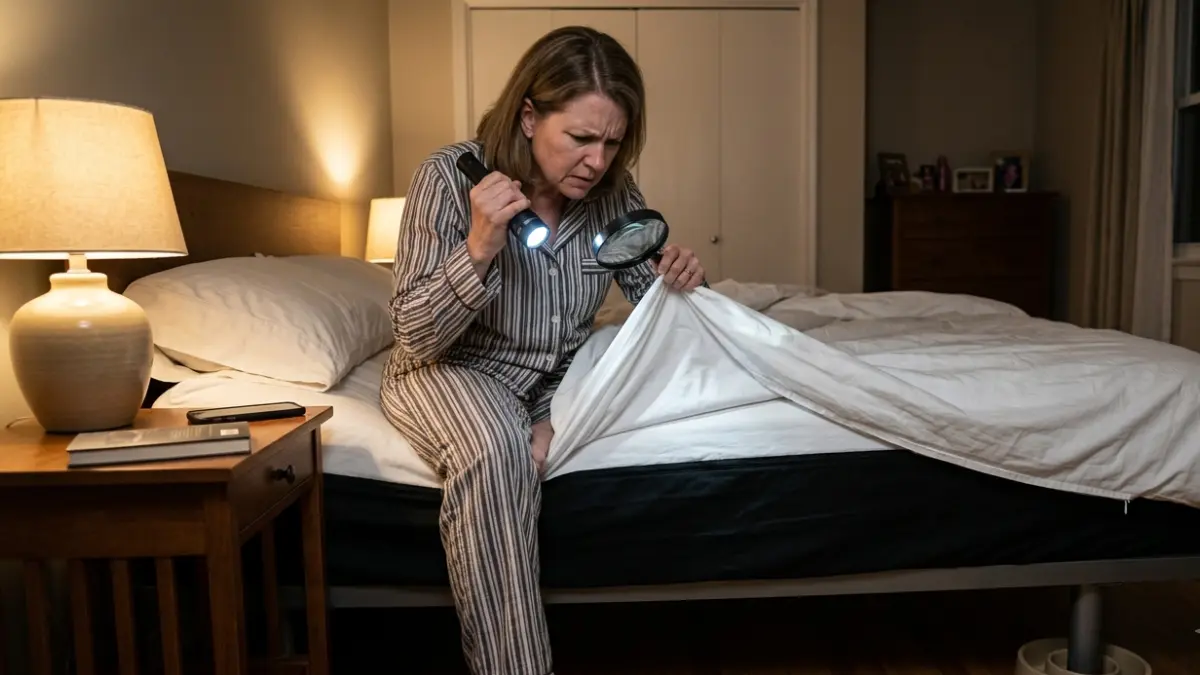 Bed Bugs Treatment