
How Do You Get Bed Bugs When Your Home Is Spotless?

How do you get bed bugs? Rarely from a dirty home — they hitchhike in on luggage and used furniture. The common routes, ranked, plus how to block them.
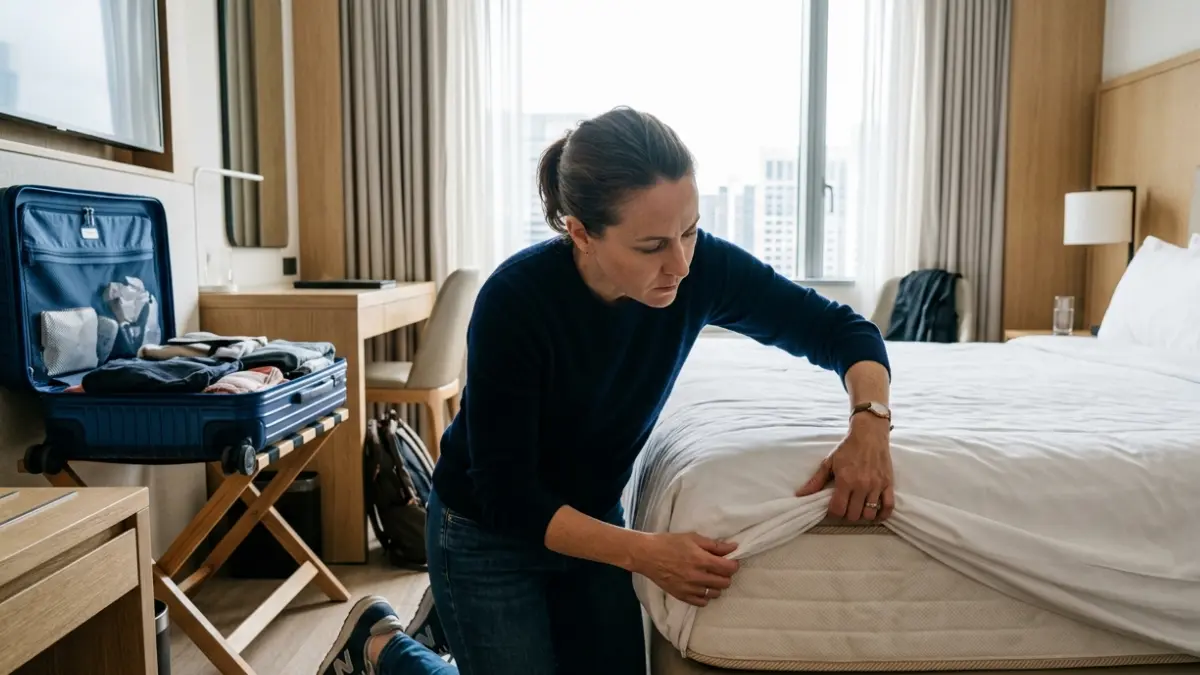
Table of Contents
If you just spotted a small reddish bug near your mattress, woke up with a row of itchy welts, or you’re reading this before a hotel stay, take a breath: getting bed bugs has almost nothing to do with how clean you are. Maybe you brought home a used couch and now you’re second-guessing it. Maybe a guest mentioned an infestation, or you live in an apartment and a neighbor just got treated.
Wherever you land on that list, you’re in the right place. This guide explains exactly how bed bugs get into a home — ranked by how common each route actually is — and the specific habits that lower your risk. If you already suspect an active infestation and want to skip to removal, here’s our safe, step-by-step plan to get rid of bed bugs. Otherwise, let’s start with the myth that traps almost everyone.
First, the truth: bed bugs are hitchhikers, not a hygiene problem
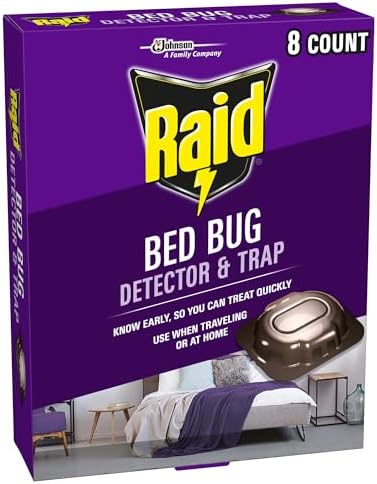
- Partially enclosed trap, designed with a see-through window
- Use when traveling or at home
- Indoor use
Bed bugs are small, reddish-brown insects, roughly the size of a lentil, that feed on blood and move from place to place on people and belongings. A spotless home offers no protection, and a cluttered one isn’t the cause.
Bed bugs aren’t a sign of a dirty home
To put it plainly, the CDC notes bed bugs aren’t a sign of a dirty home — they show up in five-star hotels, tidy houses, and everywhere in between. Cleanliness doesn’t determine whether you get them; exposure does. They’re drawn to body heat, exhaled carbon dioxide, and blood, not to crumbs or mess.
🔍 Why It Works: Bed bugs follow the host, not the dirt. They feed on you while you sleep and then retreat into nearby cracks, so a clean room with a sleeping person is just as attractive as a messy one.
Do bed bugs spread disease?
Here’s the honest answer: bed bugs are not known to spread disease to people. But “not a disease vector” is not the same as harmless. Their bites can cause itching and allergic reactions, scratching can lead to secondary skin infections, and the EPA classifies them as a public health pest because of the sleep loss, anxiety, and cost they bring.
If a cluster of welts has you unsure, it helps to compare what bed bug bites look like on skin and how to tell bed bug bites from flea bites. You can also check what bed bugs actually look like to rule in or out what you’re seeing.
How do you get bed bugs? The real ways they get in, ranked
You get bed bugs when they hitchhike into your home on people or belongings — most often after travel, from used furniture, or through shared and adjoining living spaces. They cannot fly or jump onto you, so every infestation starts with something or someone carrying them in.
The short answer: they hitchhike, and they’re good at it
University of Kentucky entomologists explain how bed bugs hitchhike in on luggage, clothing, beds, and furniture. Because no life stage can fly, they rely entirely on passive transport. Once inside, a single female can lay hundreds of eggs over her lifetime, which is how bed bug eggs fuel a fast infestation from just one or two stowaways.
📊 Sourced Spec: Adult bed bugs are about 3/16 inch long and reddish-brown, and they can survive months — sometimes close to a year in cool conditions — without a blood meal (University of Kentucky Entomology, ENTFACT-636).
The most common routes, roughly ranked
This is our editorial read of the realistic ways people pick them up, ordered by how often each is the culprit. It’s a practical guide drawn from CDC, EPA, and university extension sources, not a precise statistic:
- Travel and hotels — the most common route; bugs ride home in luggage and bags.
- Used furniture and mattresses — secondhand items can carry both bugs and eggs.
- Shared or adjoining housing — in apartments and dorms, bugs move between units.
- Guests, visitors, and borrowed items — bags, coats, and shared belongings.
- Public spaces — far less common, but transit, theaters, and offices are possible.
The next sections tackle the top three, because that’s where nearly every real infestation begins.
The #1 way people get bed bugs: travel and hotels
Travel is the single most common way bed bugs reach a home, because hotels and shared lodging see constant turnover of guests and luggage.
How to check a hotel room in two minutes
It’s easier than it sounds, and the EPA’s guidance on inspecting hotel rooms and second-hand furniture lays out the basics. Keep your luggage off the bed and floor — the bathroom or a hard luggage rack away from the wall is safest. Then pull back the sheets and scan the mattress seams, the headboard, and behind the nightstand for live bugs, dark spots, or pale shed skins, which is exactly where bed bugs hide.
✅ Do This: Run the check before you unpack. If anything looks off, ask for a room in a different part of the building — not next door, since bugs spread between adjacent rooms.
Protecting your luggage on the way home
A clean inspection still isn’t a guarantee, so treat your bags as if they might carry hitchhikers. When you get home, run washable clothes straight through a hot dryer.
📊 Sourced Spec: A household dryer on high heat for about 30 minutes kills bed bugs and their eggs; washing alone often won’t (U.S. EPA).
🛒 Our Pick: A hard-shell suitcase or a washable luggage liner makes post-trip laundering easier and gives bugs fewer fabric folds to hide in.
Used furniture, free finds, and shared walls
After travel, secondhand furniture and shared living spaces are the routes most likely to bring bed bugs home.
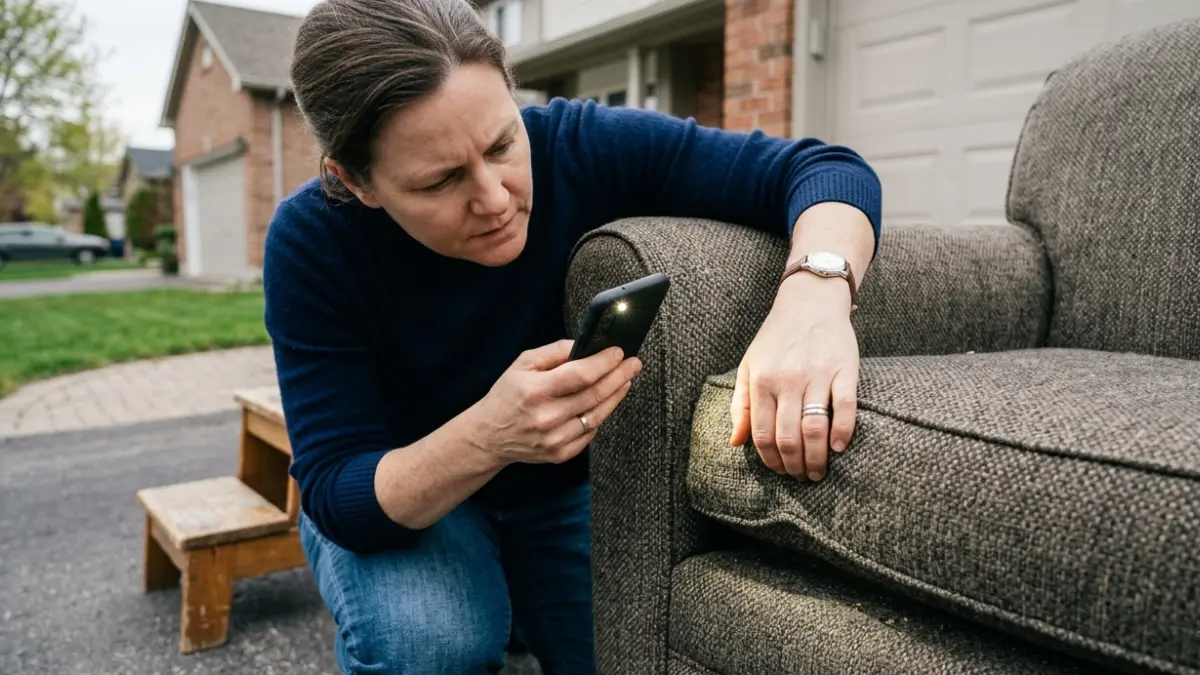
Inspecting secondhand furniture before it comes inside
A used couch or dresser can be a great deal — and a way to import bugs. Before anything crosses your threshold, inspect seams, tufts, joints, screw holes, and the underside for live bugs, dark spotting, or shed skins; those are the signs of bed bugs to look for. Used furniture showing any of these isn’t worth the savings.
⚠️ Watch Out: Never grab a mattress or upholstered furniture left at the curb. Discarded items are frequently thrown out because they were infested, and taking one home is one of the fastest ways to start your own problem.
Why apartments and neighbors raise the risk
In multi-unit buildings, bed bugs travel between units through wall voids, cracks, and shared spaces, which is part of how fast bed bugs spread once they’re in a building. When a neighboring unit is vacated or treated, the bugs often disperse to nearby apartments rather than die off. If a neighbor has them, tell your building manager so adjacent units can be inspected, as the EPA recommends.
How to lower your risk every day (and the few tools worth it)
You can’t make a home fully bed-bug-proof, but a handful of habits and two inexpensive tools meaningfully cut your risk and help you catch a problem early.

- 80% Cotton, 20% Polyester
- Imported
- WATERPROOF PROTECTION: Safeguard your mattress with our queen size mattress protector, perfect for keeping your bed dry …
Everyday habits that cut your risk
Most prevention is behavioral. Inspect after every trip, keep luggage off beds, skip curb-side furniture, and check any secondhand item before it comes in. Reducing clutter near beds leaves fewer hiding spots, and running travel clothes through a hot dryer kills anything that hitched along.
💡 Pro Tip: The highest-value habit is the post-travel routine, since travel is the top entry route. Fold it into unpacking so it happens automatically.
The two tools the EPA actually recommends
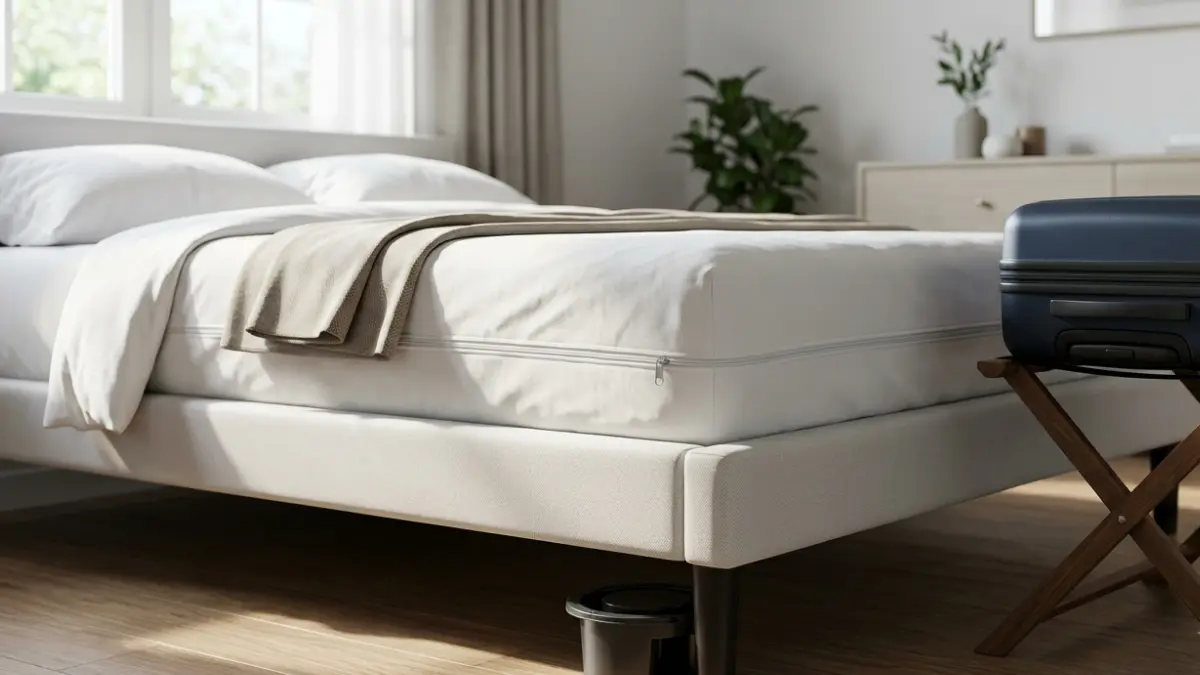
You don’t need a cabinet full of products. The EPA’s top prevention tips center on two: mattress encasements and interceptor traps.
📊 Sourced Spec: A bed-bug-rated mattress and box-spring encasement should zip fully closed and stay on for about a year to trap any bugs inside; interceptor cups placed under each bed leg catch bugs climbing toward the bed and let you monitor for activity (U.S. EPA).
🛒 Our Pick: A bed-bug-rated mattress encasement (look for a fully sealing zipper and a tested-for-bed-bugs label) plus a set of interceptor traps covers detection and prevention for most homes. (We may earn a commission at no extra cost to you. These are research-based suggestions grounded in EPA guidance, not hands-on product tests.)
✅ Do This: Grab our free Hotel and Secondhand-Furniture Inspection Checklist and keep it in your travel bag, so the two-minute check is always within reach.
What if you think you already have bed bugs?
If the signs are pointing toward an active infestation, your first moves matter — and a few common reactions make things worse.

- Kills bed bugs and their eggs on contact
- Kills bed bugs on surfaces for up to 4 weeks
- Foam expands into hard to reach indoor places, and is easy to see where you sprayed
First steps: confirm, then don’t spread them
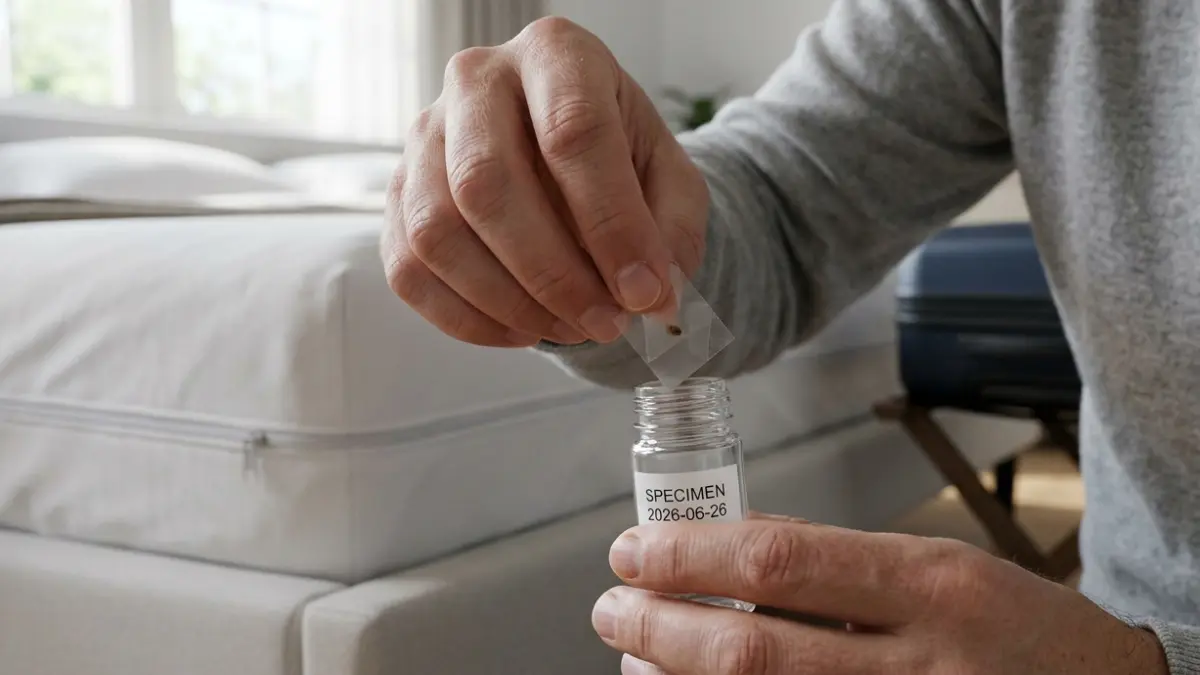
Start by confirming it’s actually bed bugs and not another insect; a local extension office can identify a sample at no cost. While you confirm, don’t drag infested bedding or furniture through the house, since that carries bugs into new rooms. If you rent, tell your landlord so neighboring units can be checked.
⚠️ Watch Out: Don’t reach for a fogger or “bug bomb.” The EPA warns that foggers are often ineffective against bed bugs and can be a fire or explosion hazard if misused, and the spray won’t reach the cracks where bugs actually hide.
When to call a professional
Bed bugs are notoriously hard to eliminate in a single DIY pass, so an experienced pest professional using an integrated approach is often the most reliable route. When you’re ready to act, work through our safe, step-by-step bed bug removal plan, which covers both DIY and professional options.
Bed bug FAQs
1. Are bed bugs a sign of being dirty?
No. Getting bed bugs has nothing to do with cleanliness — they turn up in five-star hotels and spotless homes alike. They’re drawn to body heat and blood, not mess, and they spread by hitchhiking on people and belongings. Exposure, not housekeeping, decides whether you get them.
2. How do you get bed bugs in the first place?
How do you get bed bugs comes down to hitchhiking: they ride into your home on luggage, used furniture, and shared belongings, or move in from adjoining apartments. They can’t fly or jump onto you, so every case starts with something or someone carrying them in — most often after travel.
3. Can you get bed bugs from a hotel?
Yes — travel and hotels are the most common route. Keep luggage off the bed and floor, then check the mattress seams, headboard, and behind the nightstand before unpacking. When you get home, run washable clothes through a hot dryer, which kills any bugs or eggs that traveled with you.
4. Can you get bed bugs from used furniture?
Yes. Used couches, dressers, and especially mattresses can carry bed bugs and their eggs. Inspect seams, joints, screw holes, and the underside for live bugs, dark spots, or shed skins before bringing anything inside. And never take a mattress or upholstered piece left at the curb, since many are discarded because of bugs.
5. Can bed bugs spread between apartments?
Yes. In multi-unit buildings, bed bugs move between units through wall voids, cracks, and shared spaces. When a neighboring unit is vacated or treated, they often disperse to nearby apartments rather than die off. If a neighbor has them, notify building management so adjacent units can be inspected.
6. Do bed bugs fly or jump onto you?
No. Bed bugs have no working wings and can’t jump like fleas; they crawl and rely on hitchhiking to get around. That’s exactly why luggage, used furniture, and shared belongings matter so much — they do the traveling that the bugs can’t do on their own.
7. Do bed bugs spread disease?
Bed bugs are not known to spread disease to people. They can still cause itching, allergic reactions, and secondary skin infections from scratching, plus real sleep loss and stress, which is why the EPA treats them as a public health pest. “Not a disease vector” doesn’t mean harmless.
8. Can my pet bring bed bugs into the house?
Bed bugs will bite pets, but they don’t live on a host the way fleas or ticks do — they feed and then hide nearby. They spread mainly on items and people, so while a pet bed could harbor them, pets aren’t a primary way you get bed bugs. Travel and used furniture are far likelier.
9. How long can bed bugs live without feeding?
A long time. Bed bugs can survive months without a blood meal, and in cool conditions adults can last close to a year. That’s why you can’t starve out an infestation by leaving a home empty for a while — they simply wait, or move to a nearby occupied space.
10. How do I avoid bringing bed bugs home?
Build a post-travel routine: keep luggage off beds, inspect hotel rooms, and dry travel clothes on high heat. Avoid curb-side furniture, and check any secondhand item before it comes in. Mattress encasements and interceptor traps add prevention and early detection — our free inspection checklist makes the habit easy.
The bottom line
Getting bed bugs isn’t a verdict on your housekeeping — it’s about exposure, and now you know where that exposure actually comes from. Travel, used furniture, and shared walls account for nearly every case, and a two-minute inspection habit plus two inexpensive tools handle most of the risk.
If you’re in prevention mode, grab the inspection checklist and lock in the post-travel routine. And if you think they’re already here, don’t panic or grab a fogger — work through our step-by-step bed bug removal plan instead.
Related Articles
 Bed Bugs Treatment
How Heat Kills Bed Bugs, and Where It Falls Short
July 1, 2026 Bed Bugs Treatment
Choosing a Bed Bug Steamer That Gets Hot Enough
July 4, 2026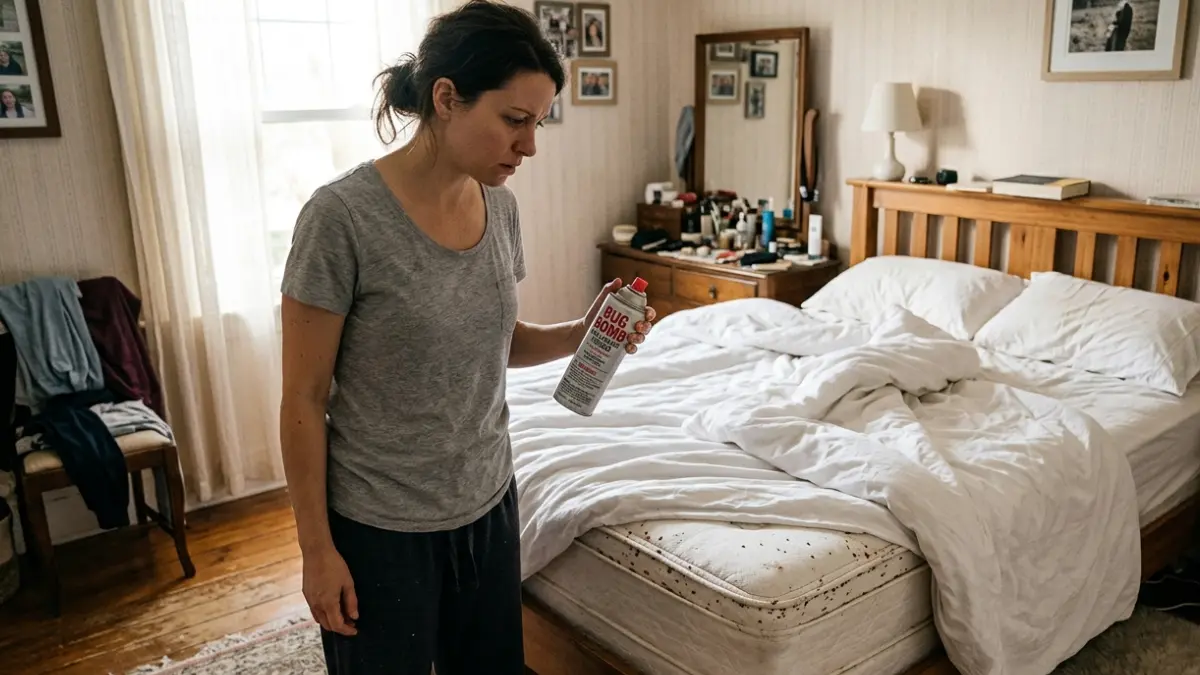 Bed Bugs Treatment
Why Bug Bombs Don’t Work on Bed Bugs (+ What Does)
July 2, 2026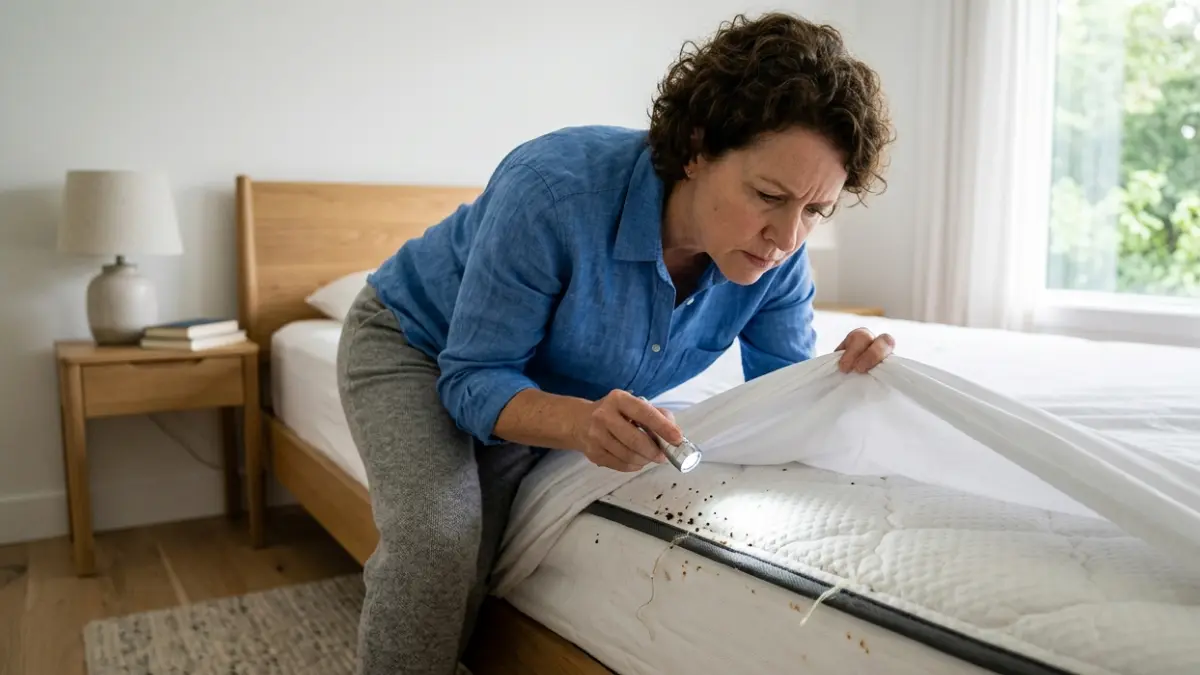 Bed Bugs Treatment
How to Spot the Signs of Bed Bugs Before You Ever See One
June 23, 2026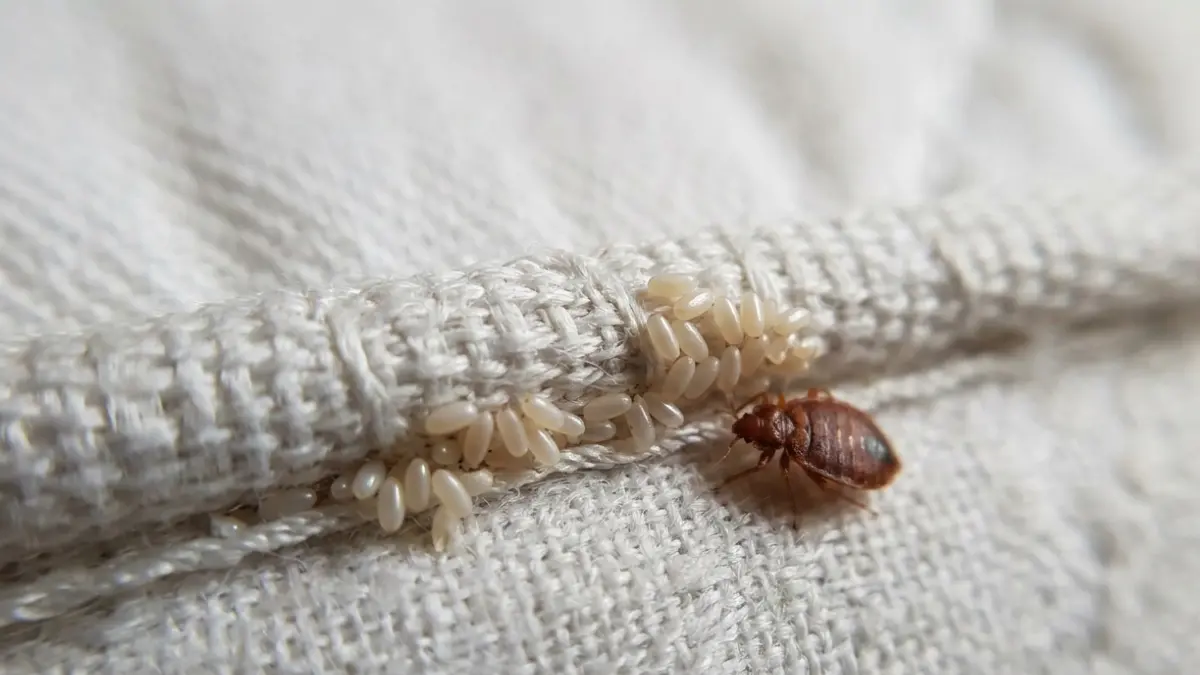 Bed Bugs Treatment
How to Spot Bed Bug Eggs and Stop Them Hatching
June 24, 2026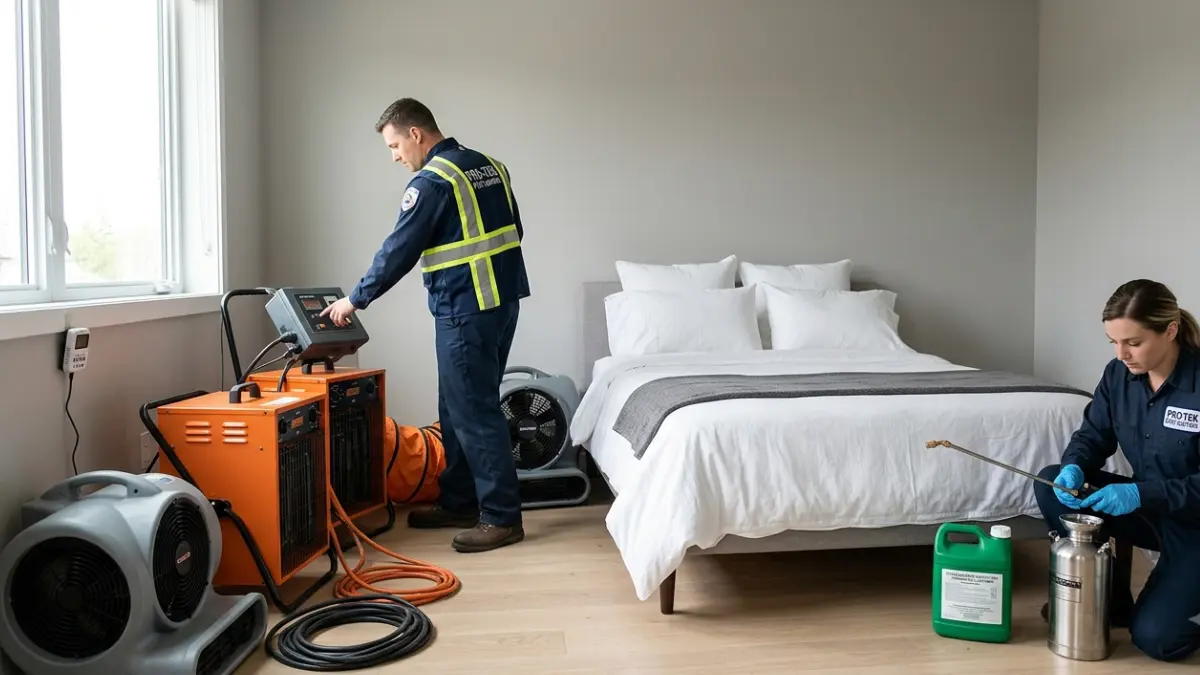 Bed Bugs Treatment
How Bed Bug Heat Treatment Costs Compare to Chemical
July 8, 2026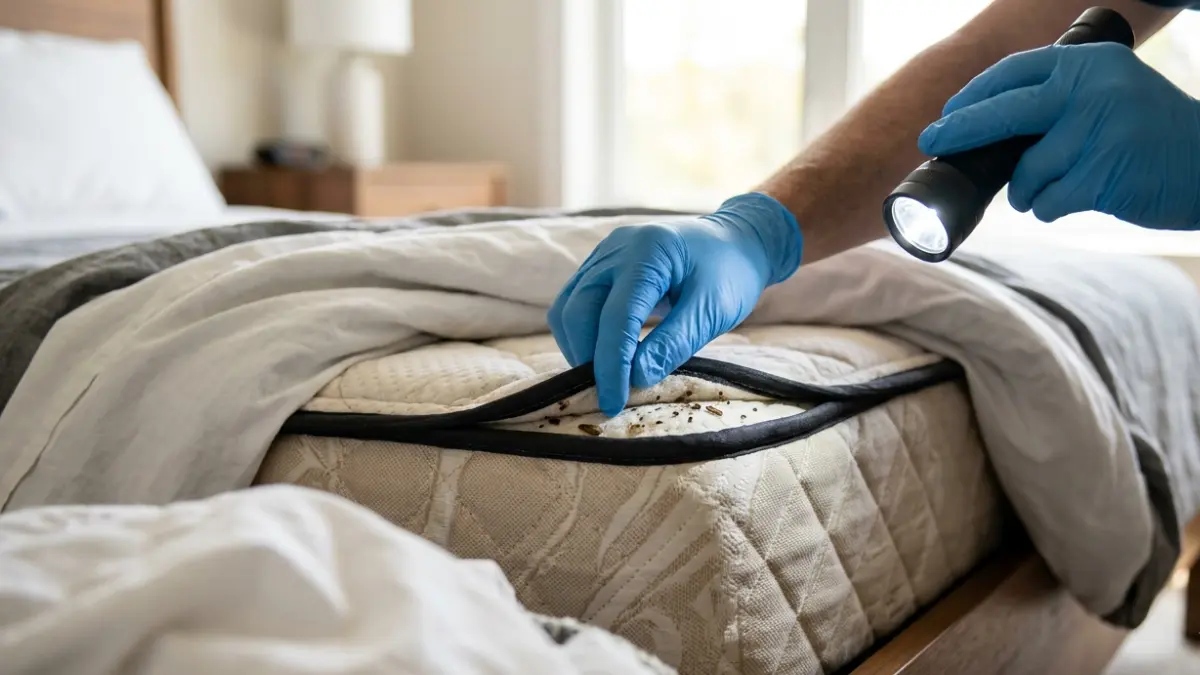 Bed Bugs Treatment
How to Check for Bed Bugs the Right Way
June 27, 2026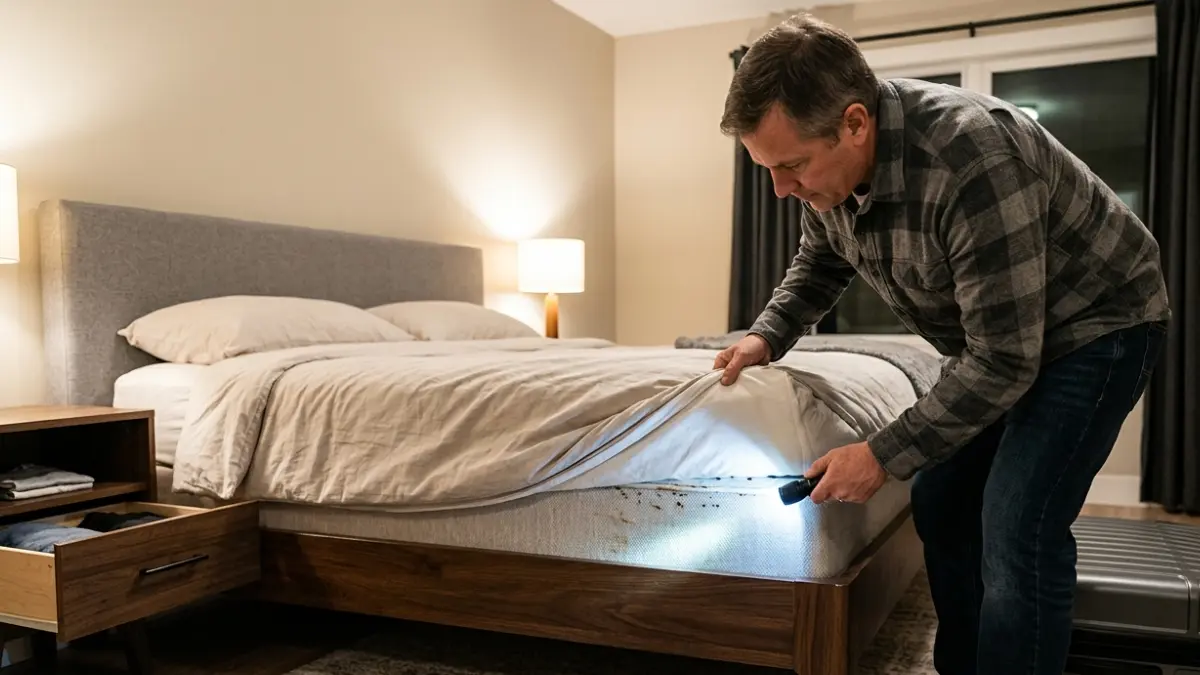 Bed Bugs Treatment
Where Bed Bugs Hide When the Mattress Looks Clean
June 25, 2026 Bed Bugs Treatment