
How to Get Bed Bugs Out of a Mattress and Keep It

Found bed bugs in your mattress? You probably don’t need to throw it out. Here’s the honest way to get them out — and the step most people quit too early.
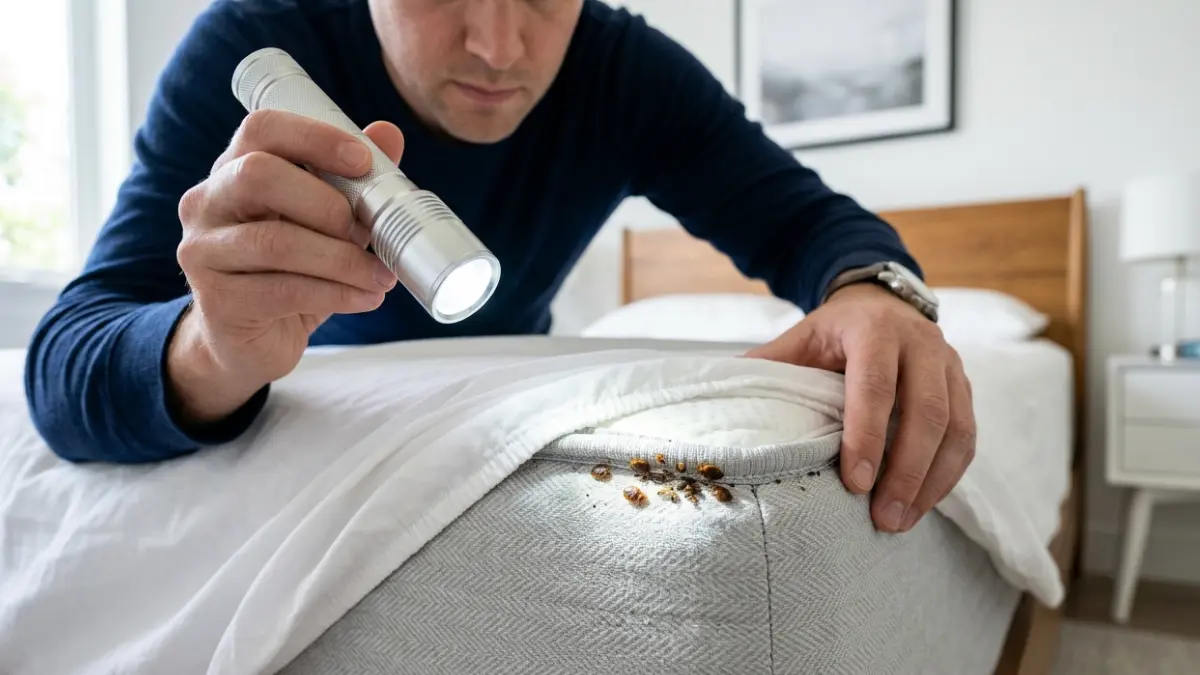
Table of Contents
Finding bed bugs in your mattress is unsettling, and most people’s first thought is that the bed is ruined. It usually isn’t. You can get bed bugs out of a mattress and keep sleeping on it, and this guide covers exactly how.
Start with your situation. If you’ve caught a few bugs or some dark spotting early, the do-it-yourself steps below will likely handle it; if bugs are showing up across the room or in other furniture, or they keep returning after you treat, jump to when to call a professional. Renters should read that part too, since your landlord and neighboring units may need to be looped in.
Two honest expectations first: this takes persistence, often a few weeks, and you may repeat a step or two. Bed bugs are stubborn, not unbeatable. Our full plan to get rid of bed bugs covers the whole home — this article is the mattress piece.
ℹ️ Safety Note: Getting bed bugs out of a mattress is mostly physical work — vacuuming, steaming, laundering, and sealing — which is safe to do yourself. Two things carry real risk. Use pesticides only if they are EPA-registered and exactly as the label directs, never set off foggers or “bug bombs,” and leave whole-home heat treatment to licensed professionals, because do-it-yourself superheating is a fire and injury hazard. For a large or recurring infestation, hire a licensed pest control professional.
How to tell if bed bugs are in your mattress
Before treating, confirm it’s bed bugs and find where they’re hiding — the two questions that shape everything you do next.
What the signs look like
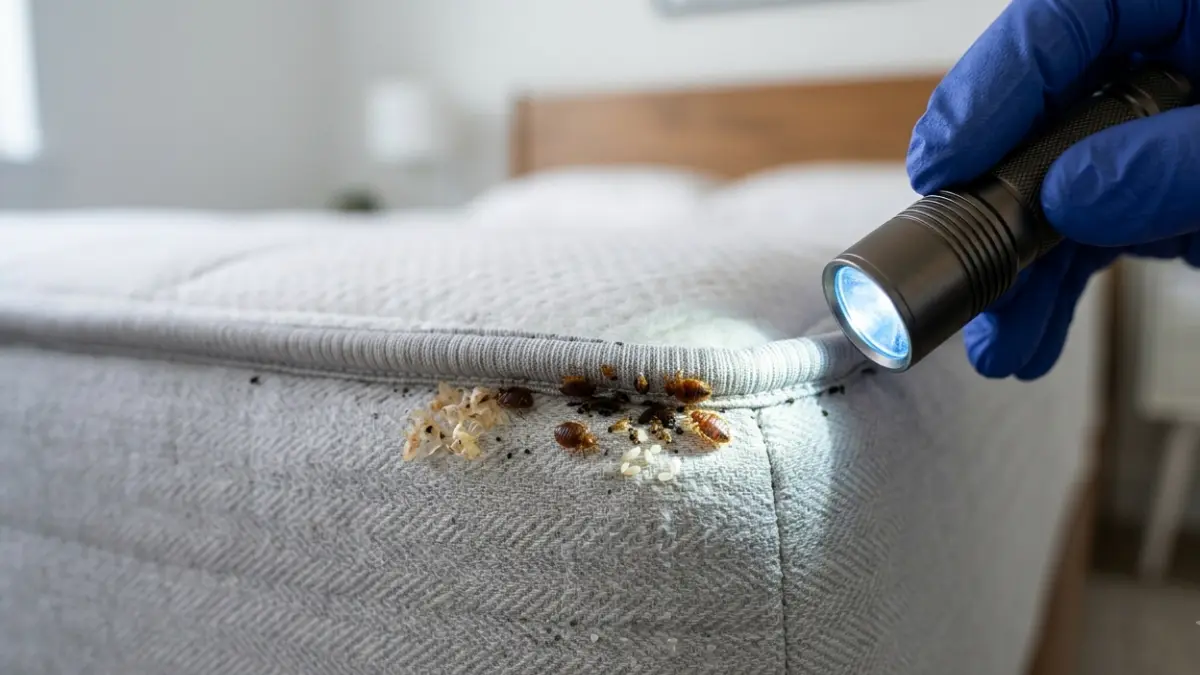
Check the mattress for four tell-tale signs:
- Live bugs — flat, reddish-brown, about the size of an apple seed, usually tucked in the seams.
- Fecal spots — tiny ink-like dots or smears along seams, piping, and the care tag.
- Shed skins — pale, translucent casings left behind as bugs molt.
- Eggs — whitish and roughly pinhead-sized, clustered in crevices.
Where bed bugs hide in a mattress
Bed bugs can’t chew fabric, so they don’t burrow in — they wedge into gaps that already exist: seams, piping, tufts, the tag, any tear, and the corners and joints of the box spring. A female lays about five eggs a day in these sheltered spots, and eggs hatch in roughly four to twelve days.
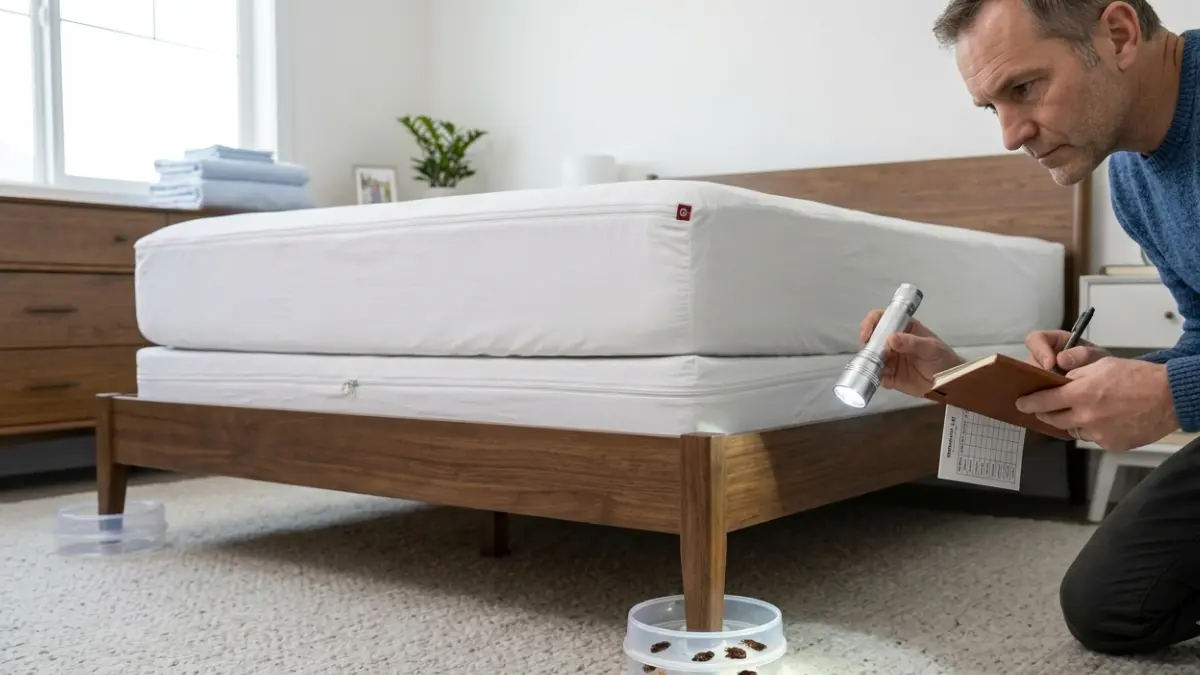
Because the box spring can hide as many bugs as the mattress, inspect both, and use a flashlight at a low angle to make bugs, spots, and skins easier to see. For a room-wide sweep, see how to inspect for bed bugs and everywhere bed bugs hide in a bedroom.
How to get bed bugs out of a mattress, step by step
Here’s the sequence that works, from stripping the bed to sealing it in:
- Strip the bedding into a sealed bag and launder it.
- Vacuum the mattress and box spring.
- Steam the seams and surface.
- Encase the mattress and box spring.
Running them in this order — the same approach laid out in the EPA’s do-it-yourself bed bug control steps — clears the reachable bugs first, then traps whatever’s left.
Strip and launder the bedding
Bag the sheets, pillowcases, and covers right where they are so you don’t scatter bugs across the room. Put the load in the dryer on high heat for at least 30 minutes, then wash it in the hottest water the fabric allows. The dryer’s high heat is the dependable killer; a wash alone can leave survivors.
💡 Pro Tip: Extension guidance is consistent on this — dry before you wash. Bed bugs can survive a wash cycle, but sustained high-heat drying kills all life stages, so the dryer is the step that actually does the work.
Vacuum and steam the mattress
Work a crevice tool slowly along every seam, tuft, and box-spring corner. Vacuuming lifts out live bugs but misses most eggs, which grip the fabric too tightly to pull free — see why bed bug eggs survive vacuuming — so treat it as a first pass, not the finish. Seal the vacuum contents in a bag right away and drop it in an outdoor bin.
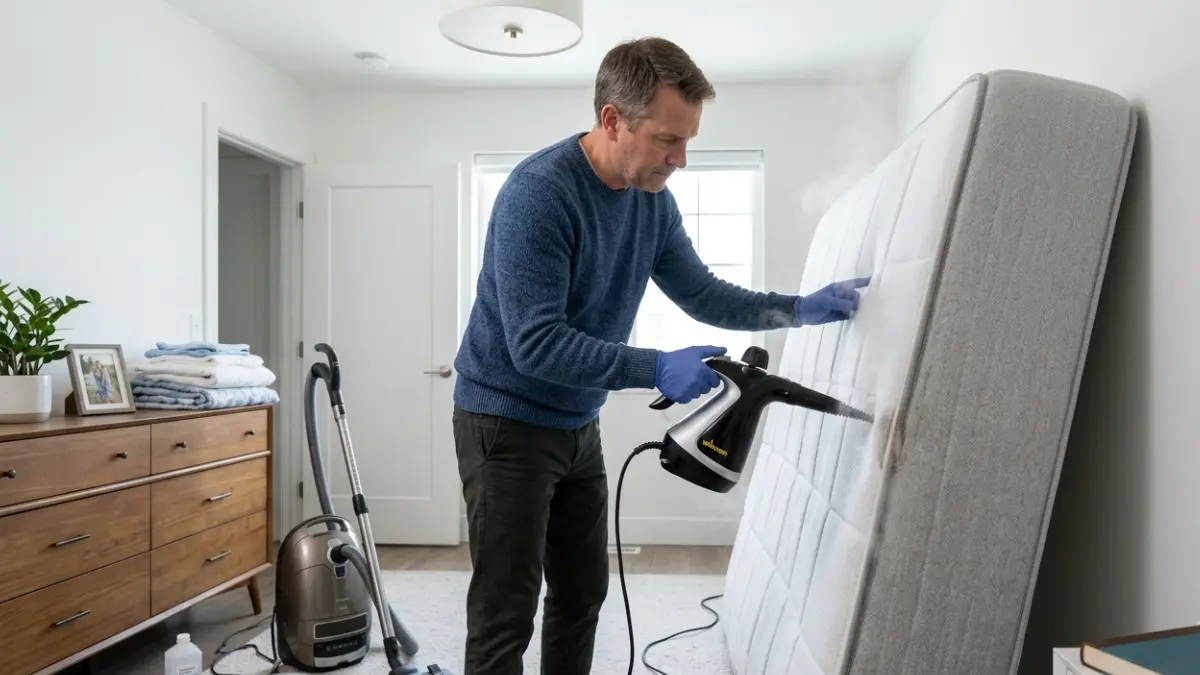
A steamer kills bugs and eggs on contact where the head meets the fabric. Move slowly along the seams and edges, and lay a thin towel over the steamer head so the blast pushes into the seam instead of scattering bugs.

- SCRUBBING AND SANITIZING*: Tough on stains and gentle on floors. *To sanitize floors, be sure to completely follow the p…
- 3 STEAM MODES: Light, for quick cleanups; Normal, for everyday use; and Deep, for stuck-on messes and stains.
- HEADLIGHTS: Powerful LED headlights reveal hidden debris around your home.
🛒 Our Pick: A handheld or floor steamer with a continuous-steam trigger and a narrow nozzle reaches into seams best; a dry-steam setting is gentler on the mattress. This article uses affiliate links; we may earn a small commission at no extra cost to you, and picks reflect sourced criteria, not commissions.
Encase what’s left
Once the mattress is vacuumed and steamed, seal it and the box spring in bed-bug-proof encasements — the step that finishes the job, covered next.
What you need and what it costs
Here’s what the two paths cost, side by side:
| Approach | Typical cost (US, 2026) | Best for |
|---|---|---|
| Mattress + box spring encasements | ~$40–$120 (pair) | Small or early problem |
| Budget vinyl encasement | ~$5–$10 (tears easily) | Short-term only |
| Handheld or floor steamer | ~$40–$200 | Treating seams yourself |
| Interceptors (set of 4–8) | ~$15–$40 | Monitoring bed legs |
| Heat chamber for small items | ~$200–$350 | Shoes, books, electronics |
| Pro chemical treatment | ~$200–$400 per room | One or two rooms |
| Pro whole-home (chemical or heat) | ~$1,000–$5,000 | Large or spread infestation |
Costs are current US ballparks and vary widely by region and severity, so get several quotes. The item-heat-chamber and vinyl-cover figures reflect Rutgers’ rundown of cost-effective control methods.
The DIY mattress kit
For the mattress itself you mainly need three things: quality encasements, a steamer, and a set of interceptors to catch and monitor bugs at the bed legs. If you already own a vacuum, a full kit usually lands under $300. That’s the right call for a small, early infestation you’re handling yourself.
What a professional charges
Professional treatment commonly runs about $200–$400 per room for chemical work, or $1,000–$5,000 for a whole home, and most jobs need more than one visit. Heat costs more per visit but often finishes in one, since it kills eggs that chemicals can miss. An inspection alone usually runs $75–$200.
How to decide
Go DIY when the problem is small, caught early, and limited to the bed and one room. Bring in a pro when bugs have spread beyond the bedroom, keep coming back, or you simply want it resolved fast. When you’re comparing traps, which interceptors catch the most breaks down the options.
Why a mattress encasement is the key to trapping bed bugs
Leave a bed bug encasement on for at least 18 months — the single most important rule in this whole process.
Why 18 months
Bed bugs can survive a remarkably long time without a blood meal, which is why a quick treatment often fails. University of Minnesota Extension notes bed bugs can live up to 18 months without feeding, so an encasement used as a treatment has to stay sealed for at least that long. Take it off early and any survivors walk right back out — the biology is spelled out in how long bed bugs survive unfed.
How an encasement traps and kills them
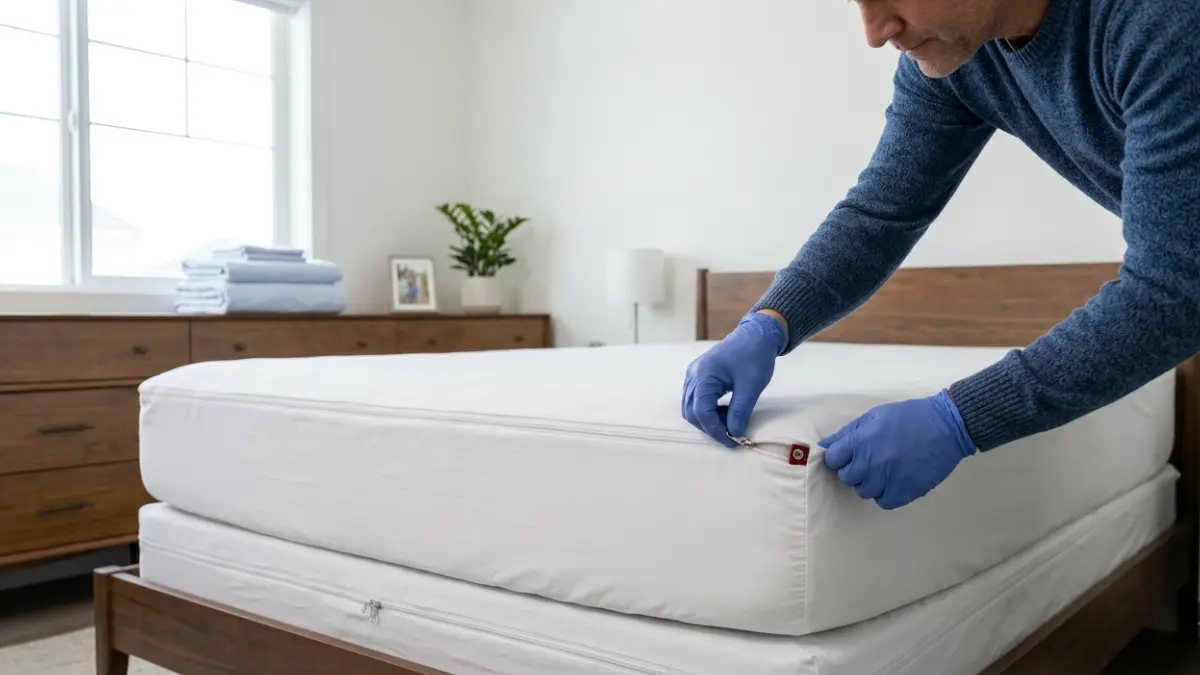
An encasement is a zippered fabric sack that fully seals the mattress or box spring. Put one on both pieces, since bugs treat the box spring as prime real estate.
🔍 Why It Works: Any bugs already inside are trapped — no way to reach you, no way out — so they eventually starve, and new bugs can’t get in to hide. The seal turns the mattress from a shelter into a dead end.
What to look for when buying one
Not all covers are equal, and the cheap ones fail. Choose a tightly woven, bed-bug-labeled encasement with a sealed or zip-and-flap closure and tear-resistant fabric. Budget vinyl covers cost a few dollars but rip at the corners, which reopens the trap.

- Top Cover 100% Cotton Terry Other 5 Sides 100% Polyester Backing 100% Polyurethane
- 100% Waterproof – Six-sided premium mattress protector blocks perspiration, bed wetting, liquids and stains; 10-year qua…
- Bed Bug Proof – Super fine zipper with Invisi-Zip and SureSeal technology completely seals off the mattress from bed bug…
🛒 Our Pick: For the encasement, choose a tightly woven, bed-bug-labeled cover with a fully sealed zipper and tear-resistant fabric — cheap vinyl splits at the corners within weeks. We may earn a commission from links here, at no extra cost to you; picks reflect sourced criteria, not commissions.
What to do if bed bugs keep coming back
If bed bugs return after you’ve treated the mattress, the problem was rarely just the mattress.
Why they came back
A bed is one hiding place among many; bugs also live in the frame, baseboards, outlets, and nearby furniture. Treatment can take weeks and often needs repeating, so a few stragglers after your first pass are normal, not failure. Keep monitoring with interceptors and re-treat wherever you still see activity.
Pesticides and desiccants, used safely
If you use a pesticide, use only an EPA-registered product and follow its label exactly. Skip foggers and “bug bombs” — they mainly hit exposed bugs and push the rest deeper into cracks, which is why bug bombs don’t work on bed bugs. Desiccant dusts can help but act slowly, and you must use the EPA-registered form, never pool- or food-grade material, which is a lung hazard; using diatomaceous earth safely covers the difference.
⚠️ Watch Out: Whole-home heat treatment is a job for professionals. Reaching about 122°F kills every life stage including the hardy eggs, and technicians run rooms hotter still for hours — but DIY superheating with rented equipment is a real fire and injury risk. See Virginia Cooperative Extension’s guidance on bed bug heat and how heat kills bed bugs.
When to call a licensed pro
✅ Do This: Call a licensed pest control professional if bugs have spread beyond the bedroom, keep returning after two rounds, or you’re in a multi-unit building. Ask about their license, bed bug experience, whether they use heat or chemicals, and what the written follow-up plan is. Renters should notify the landlord in writing, since adjacent units usually need inspection too.
Are bed bugs in your mattress dangerous?
Here’s the reassuring part: bed bugs are a nuisance and a stressor, but they are not a disease threat.
What bites can and can’t do
Bed bugs are officially a public health pest, yet the EPA’s overview of bed bugs and public health confirms they are not known to transmit disease. Bite reactions range from nothing at all to itchy welts, and rarely a stronger allergic reaction. See a doctor if a bite becomes badly swollen, gets infected from scratching, or triggers a strong reaction; whether bed bugs are actually dangerous goes deeper.
The stress is real, and temporary
The lost sleep, the anxiety, the checking the sheets at 2 a.m. — that toll is normal, and it eases once the infestation is under control. Work the steps, give the encasement its 18 months, and bring in a pro if you need one. You are not stuck with this.
Frequently asked questions
1. Can you get bed bugs out of a mattress without throwing it away?
Usually, yes. You rarely need to discard a mattress with bed bugs — hot-laundering the bedding, vacuuming the seams, steaming the surface, and sealing the mattress and box spring in bed-bug-proof encasements handles most early infestations. Discarding the bed is optional, and a new mattress can be re-infested if bugs remain elsewhere in the room.
2. How do I know if bed bugs are in my mattress?
Inspect the seams, piping, tufts, and tag for four signs: flat, apple-seed-sized reddish-brown bugs; ink-like fecal spots; pale shed skins; and pinhead-sized whitish eggs. Bed bugs don’t burrow into a mattress, so they cluster in existing crevices. A flashlight held at a low angle across each seam makes these bed bugs and their traces much easier to see.
3. Does vacuuming remove bed bugs and their eggs?
Vacuuming removes many live bed bugs from a mattress but misses most eggs, which grip the fabric too tightly to pull free. Treat it as an important first pass, not a complete fix, and follow it with steaming and encasement. Seal the vacuum contents in a bag immediately and dispose of it in an outdoor bin so nothing escapes.
4. Does steam kill bed bugs in a mattress?
Yes. Steam kills bed bugs and their eggs on contact where the steamer head meets the fabric, which makes it effective along mattress seams and edges. Move the head slowly so the surface actually heats up, and drape a thin towel over it so the blast pushes into the seam rather than scattering bugs. Steam leaves no residual protection afterward.
5. What temperature kills bed bugs?
Reaching about 122°F (50°C) kills bed bugs at every life stage, including their heat-resistant eggs; lower temperatures work only with long, sustained exposure. That’s why a dryer on high heat is so effective for bedding. Whole-home heat treatment reaches these temperatures throughout a room, but it’s a professional job — DIY superheating is a fire risk.
6. How long do you leave a bed bug encasement on?
At least 18 months. Bed bugs can survive up to 18 months without feeding, so an encasement used as a treatment must stay sealed that entire time to starve any bugs trapped inside. Removing it early lets survivors escape. Put encasements on both the mattress and the box spring, and leave both sealed for the full period.
7. Does washing bedding kill bed bugs?
Hot laundering helps, but the dryer does the real work. Run bedding in the dryer on high heat for at least 30 minutes, then wash it in the hottest water the fabric allows; a wash alone can leave survivors. Bag the bedding at the mattress before carrying it to the machine so you don’t scatter bed bugs on the way.
8. Are bed bugs in my mattress dangerous?
Bed bugs are a public health pest, but they are not known to spread disease. Their bites can cause itching, welts, and — rarely — a stronger allergic reaction, and scratched bites can get infected. See a doctor if a reaction is severe or a bite looks infected. The bigger toll is usually lost sleep and stress, which eases as you clear the infestation.
9. Will bed bugs go away on their own?
No. Bed bugs won’t leave on their own because your mattress gives them food and shelter, and a single female lays about five eggs a day, so an untreated infestation only grows. You have to physically remove and trap them through laundering, vacuuming, steaming, and encasement. If it keeps spreading, call a licensed pest control professional.
10. When should I call an exterminator?
Call a licensed pest control professional if bed bugs have spread beyond the bedroom, keep returning after two rounds of treatment, or you live in a multi-unit building where neighbors may be affected. Ask about their license, experience, method, and follow-up plan before hiring. Renters should also notify the landlord in writing, since adjacent units usually need inspection.
Getting your mattress (and your sleep) back
You don’t have to lose the mattress to bed bugs. Strip and hot-dry the bedding, vacuum the seams, steam the surface, and seal the mattress and box spring in encasements — then leave those encasements on for the full 18 months. Keep watch with interceptors, and call a licensed professional if the problem is large, spreading, or stuck.
For the room-by-room version of all this, work through our complete plan to get rid of bed bugs. Grab the mattress treatment checklist below so you don’t miss a step.
Related Articles
 Bed Bugs Treatment
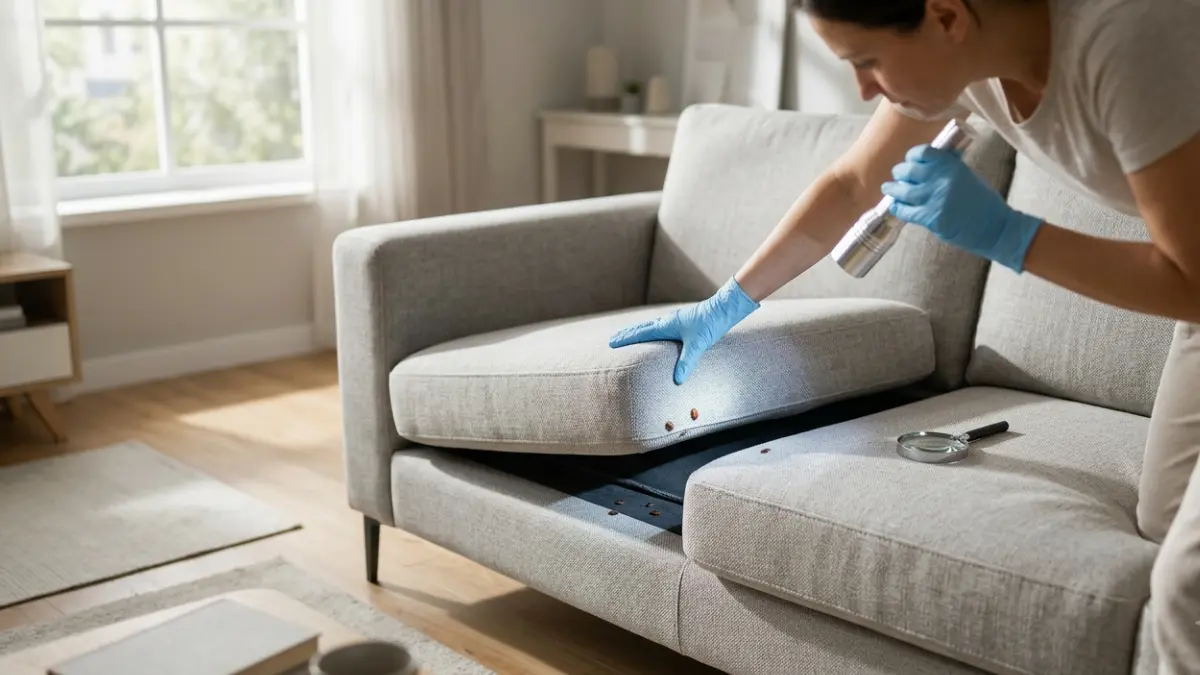
Clearing Bed Bugs From a Couch You Want to Keep
July 3, 2026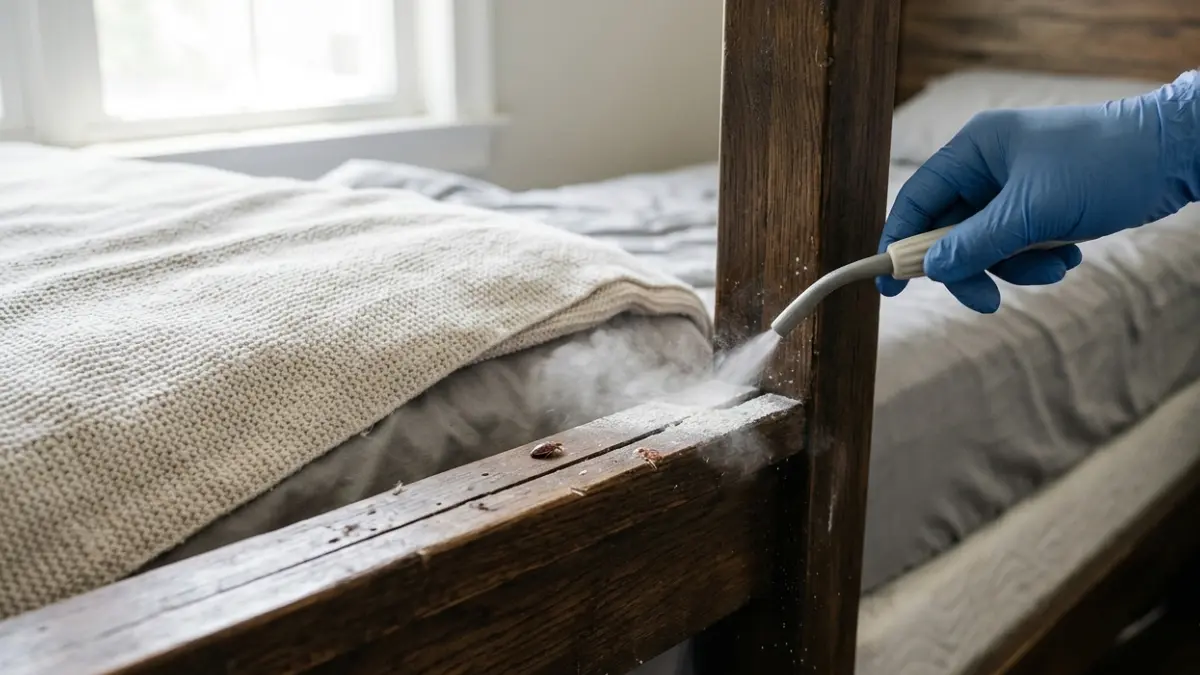 Bed Bugs Treatment
How Diatomaceous Earth Kills Bed Bugs and the Grade to Avoid
June 30, 2026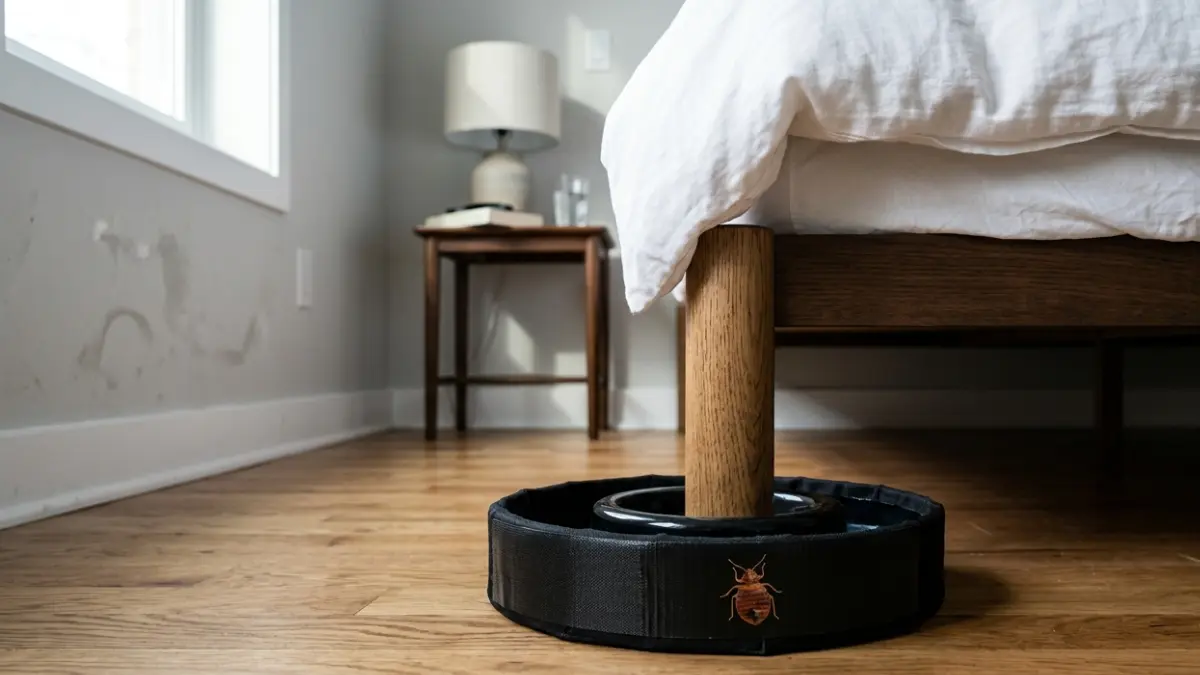 Bed Bugs Treatment
The Best Bed Bug Traps and Monitors, and How to Use Them
July 5, 2026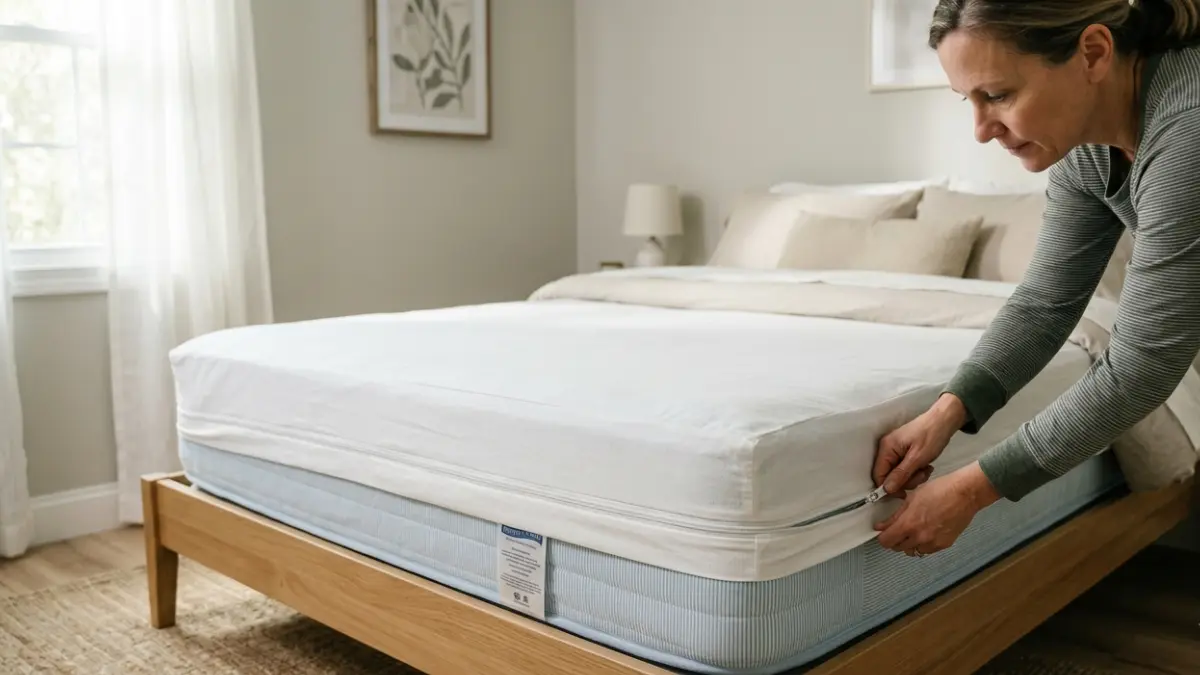 Bed Bugs Treatment
The Right Mattress Encasement for Bed Bugs, and How to Use It
July 4, 2026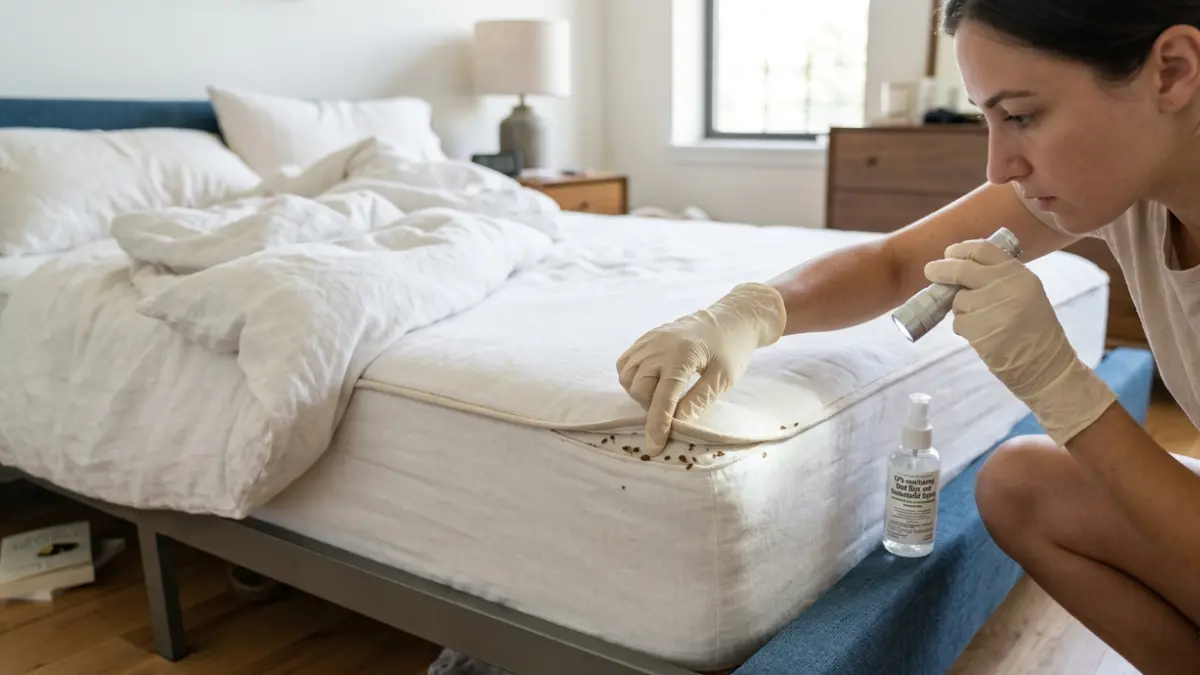 Bed Bugs Treatment
The Smart Way to Choose and Use a Bed Bug Spray
July 1, 2026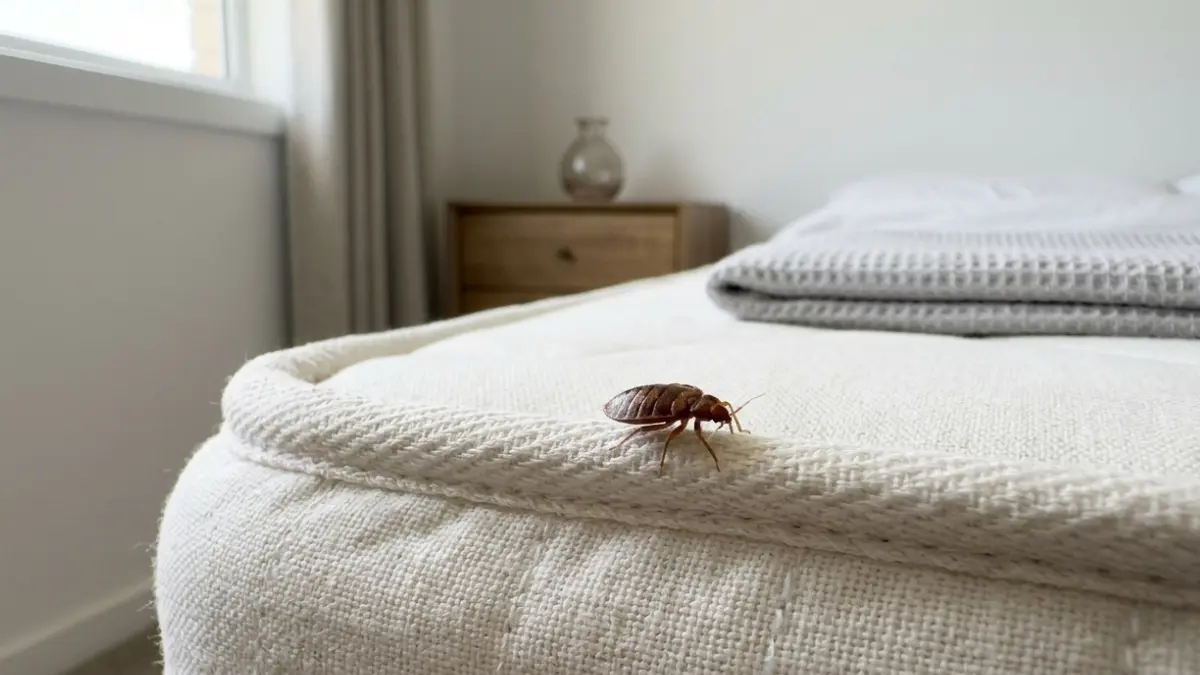 Bed Bugs Treatment
How Long Can Bed Bugs Live Without Feeding? 20–400 Days
June 27, 2026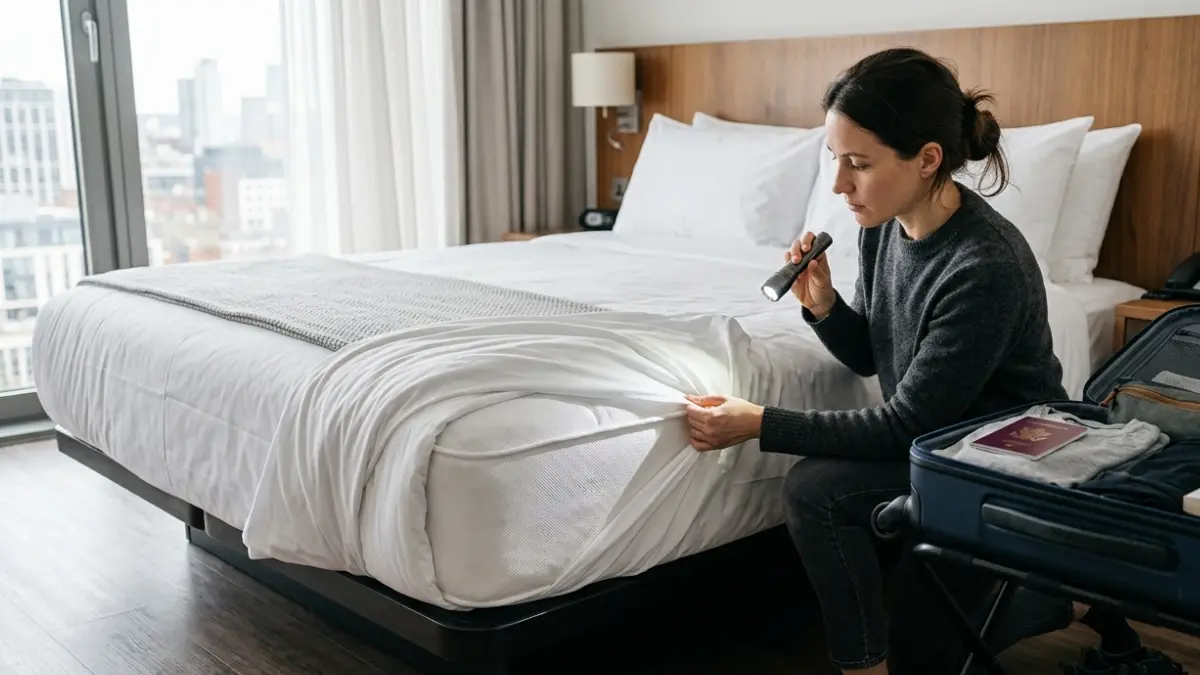 Bed Bugs Treatment
The Smart Way to Prevent Bed Bugs at Home
July 10, 2026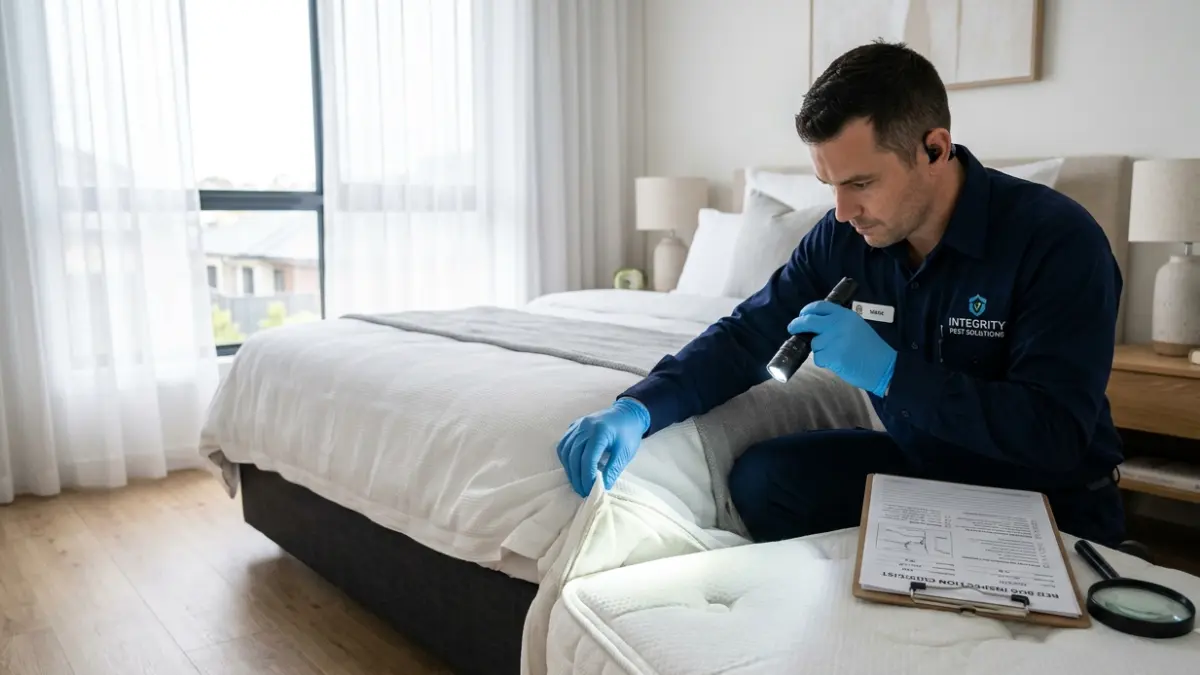 Bed Bugs Treatment
How to Hire a Bed Bug Exterminator and Avoid Costly Mistakes
July 9, 2026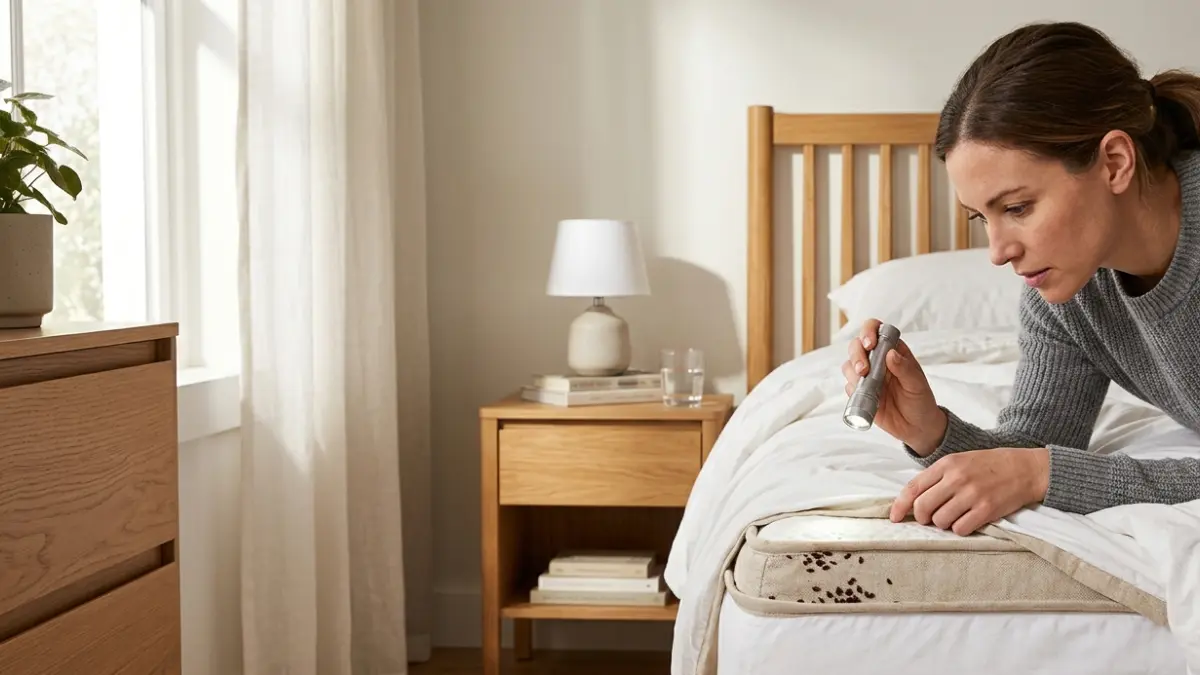 Bed Bugs Treatment