
How to Know If Bed Bugs Are Gone and Stay Gone

Bed bugs gone? No new bites isn’t proof—they survive months without feeding. Here’s how to confirm with monitors, a timeline, and a go/no-go checklist.
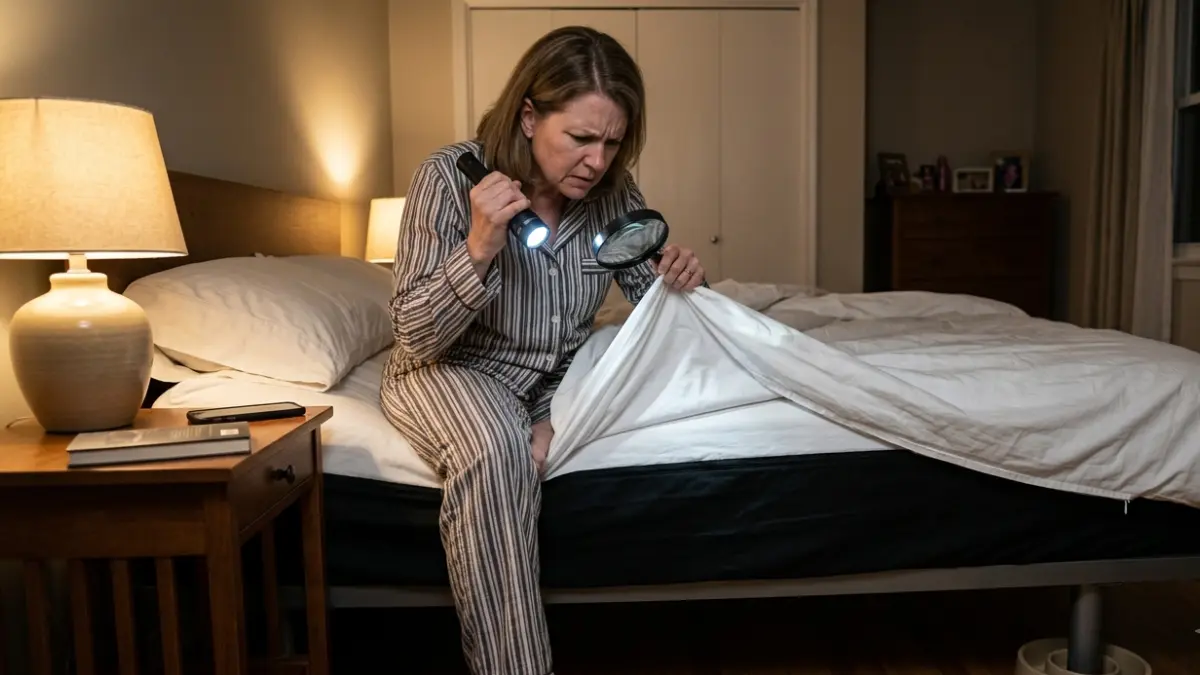
Table of Contents
How to know if bed bugs are really gone
You finished treatment, and now you’re lying awake wondering whether it worked. Knowing if bed bugs are gone isn’t a single dramatic moment — no test flashes “all clear.” It’s about the right evidence staying absent over enough time, and this guide shows you how to read that evidence.
Start with your situation. If a professional treated your home, you’re confirming their work held, so focus on the monitoring window and a follow-up inspection. If you treated it yourself, you carry the higher re-infestation risk, so the monitoring routine matters most. And if you rent, loop in your landlord early, since bed bugs travel between units.
Whatever your path, the method is the same: set monitors, inspect on a schedule, read the signs correctly, and give it time. If they aren’t gone, you’ll know what to do next — including when to restart your safe 5-step plan to get rid of bed bugs.
ℹ️ Safety Note: This guide helps you confirm whether bed bugs are gone — it isn’t a treatment plan. If they’re still active, follow a proven treatment process or hire a licensed pest control professional. Don’t rely on foggers or “bug bombs”: the EPA and university extension programs warn they’re largely ineffective against bed bugs and can pose fire and health risks. In an apartment or shared building, notify your landlord so neighboring units can be inspected.
What “gone” really means (and why no bites can fool you)
Bed bugs are gone when four things stay true over time: no live bugs, no new bites, no fresh fecal spots, and no new shed skins — confirmed by monitors that stay empty. Any single sign can mislead you, which is why real confirmation rests on all four holding together across weeks.
The four signs that actually confirm it
Live bugs are the clearest sign, but they hide well, so absence of visible bugs isn’t enough on its own. Fresh rust-colored fecal spots and pale, empty shed skins both point to recent activity. Pair those checks with monitors and a calendar, and the four-sign picture becomes reliable.
Why no new bites doesn’t mean gone
A stretch without new bites feels like victory, but it’s the weakest signal alone. According to UC IPM, adult bed bugs may feed every five to seven days yet can endure many months without a blood meal, so a small surviving group can simply wait you out. That’s covered in more depth in our guide to how long bed bugs can live without feeding.
Eggs are the catch
Treatments that kill adults often miss eggs, and eggs are why a “clear” room repopulates. Bed bug eggs hatch in roughly six to ten days, and one newly mated female restarts the cycle. Knowing the signs of bed bugs helps, but the hatch window is the core reason you can’t call it at two weeks.
🔍 Why It Works: Many treatments kill on contact or through residue bugs walk across, but eggs are glued into cracks and shielded by a shell, so they often survive the first round and hatch days later — which is exactly why monitoring has to outlast the hatch cycle.
How long until you can be sure bed bugs are gone
How long confirmation takes depends mostly on how you treated, because different methods kill on different timelines. The table below is a planning guide, not a guarantee — the egg-hatch window sets the minimum, and full confidence takes longer.
| Treatment method | Earliest results | Monitor until | Key detail |
|---|---|---|---|
| Professional heat | Often immediate | 2–4 weeks clear | Kills all life stages, including eggs, in one session |
| Professional chemical (multi-visit) | Builds over visits | 4–6+ weeks, through follow-ups | Eggs and repeat visits stretch the window |
| DIY treatment | Slowest, least certain | 6+ weeks minimum, keep checking | Higher miss rate means a longer confirmation period |
Ranges are practical guidance. The egg-hatch window (about 6–10 days) sets the floor; the EPA advises continuing to check for up to a year for full confidence.
Why two weeks isn’t enough
A clear two weeks can hide a second generation that hasn’t matured. Egg-to-adult development runs roughly 21 to 120 days depending on temperature and food, per Oklahoma State Extension, so a short window can miss survivors that haven’t started feeding or breeding yet. Our explainer on how long bed bug eggs take to hatch shows why patience beats a premature all-clear.
The 30-day rule of thumb and the year-long caveat
A common rule of thumb says 30 days with no bites or new evidence means you’re clear, and it’s a reasonable checkpoint — treat it as a milestone, not a finish line.
📊 Sourced: The EPA’s do-it-yourself bed bug guidance recommends checking for bed bugs for at least a year after you finish, and keeping any untreatable items sealed in bags for up to that long, since hidden survivors can persist.
How to monitor and confirm: interceptors, encasements, inspections
Confirmation isn’t passive — you generate the evidence by setting traps, sealing harborage, and inspecting on a schedule. Three tools do most of the work.
Set up interceptors under every leg

- Protective Barrier: Our mattress protector acts as a barrier, inhibiting everyday irritants from settling into your matt…
- Water & Stain Resistant: Designed to protect your mattress from unexpected spills, stains, and accidents.
- Triple-Seal Closure System: Our mattress protector features triple-seal protection with an interior barrier flap, hook-a…
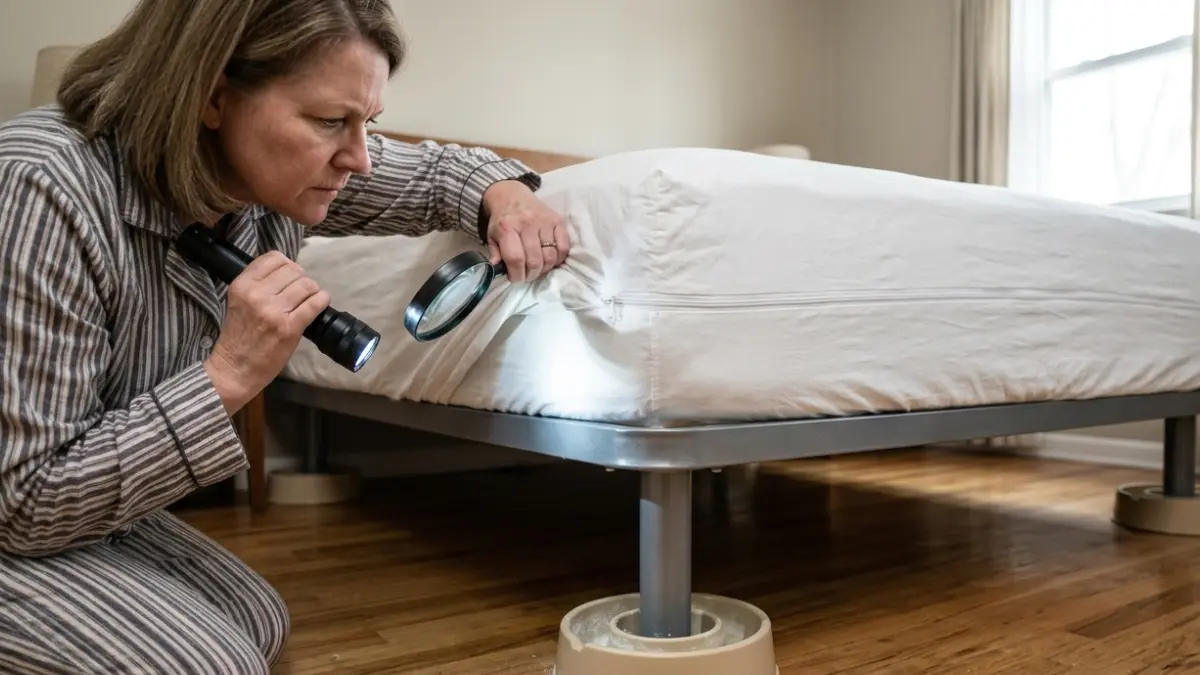
Bed bug interceptors are pitfall monitors that sit under furniture legs; bugs trying to climb up fall into the well and can’t escape. Put one under all four legs of the bed and any nightstand or chair beside it, then pull the bed away from the wall so the only path to you runs through a trap. Designs vary in how well they hold bugs, which we cover in which bed bug interceptors catch the most.

- Promotes Peaceful Sleep: These bed bug monitors help protect your bed and furniture from infestations, ensuring you can …
- Effective and Universal Design: The bed bug catcher is designed to fit all furniture and bed legs, eliminating indoor bu…
- Durable and Reusable Material: Built to withstand the weight of heavy furniture, these bed bug prevention traps are made…
🛒 Our Pick: Plastic pitfall-style interceptor monitors (set of 8 covers a bed and nearby furniture). — We may earn a commission from this link, at no extra cost to you. Recommended because extension programs endorse interceptors as a monitoring tool, not based on a head-to-head test of our own.
Encase the mattress and box spring
A zippered mattress encasement rated for bed bugs seals any survivors inside, where UC IPM notes they can’t bite and eventually die — and it makes the bed far easier to inspect.

- Polyester
- 100% Waterproof – Six-sided premium protection against everyday liquids and stains; 10-year quality guarantee
- Bed Bug Proof – Super fine zipper with Invisi-Zip and SureSeal technology completely seals off the box spring from bed b…
🛒 Our Pick: A bed-bug-rated zippered mattress and box-spring encasement. — We may earn a commission, at no extra cost to you. Encasements are recommended by UC IPM and the EPA for containment and prevention.
Inspect weekly and log it
Run a flashlight along mattress seams, the bed frame, and the headboard once a week for the first four to six weeks, then taper. Write the date and what you found each time, because a written record is what turns “I think it’s better” into real confirmation. Our walkthrough on how to check for bed bugs step by step covers exactly where to look.
✅ Do This: Date your interceptor checks and inspections on a simple log. A clean record across several weeks is the evidence that lets you stop second-guessing.
Reading the evidence: live vs. dead, fresh vs. old, false alarms
Finding something doesn’t always mean an active infestation, and finding nothing doesn’t always mean you’re clear. Reading the evidence correctly prevents both panic re-treatment and false confidence.
Fresh fecal spots vs. old stains
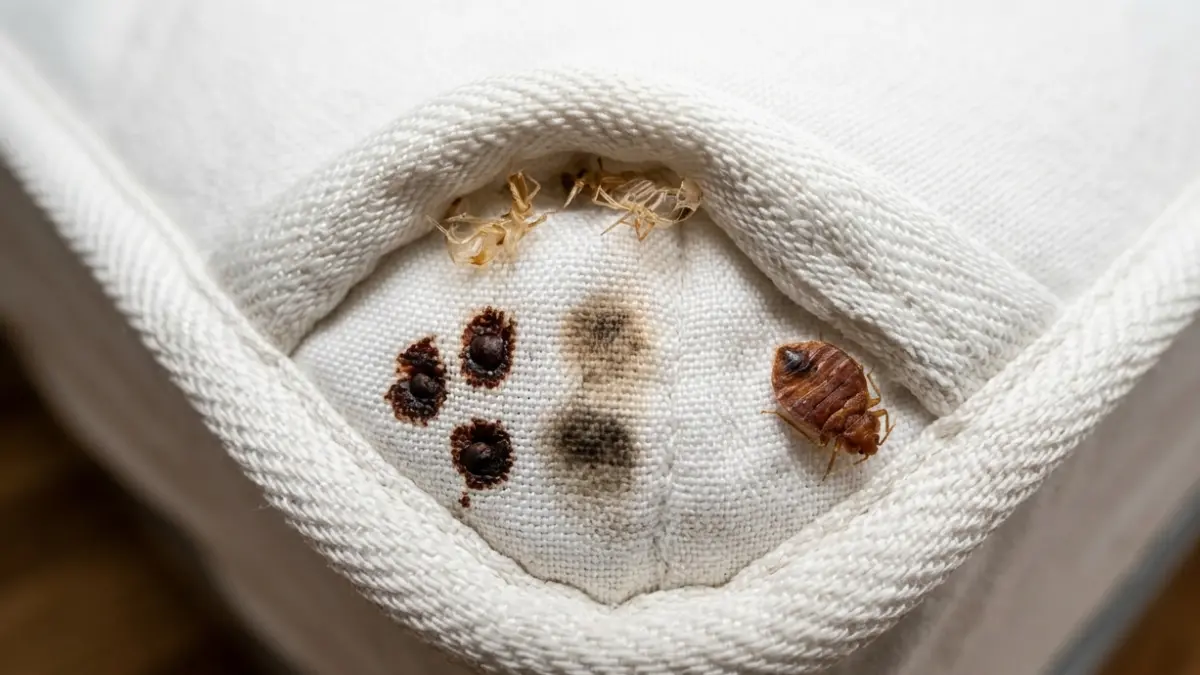
Bed bug fecal spots are tiny dark dots of digested blood. A fresh spot can smear rusty when wiped with a damp cloth; an old, set stain usually won’t, and may date from before treatment. Date and photograph anything new so you can tell whether spotting is actually accumulating.
Live bug vs. shed skin or dead bug
A cast skin is translucent and empty — proof that a nymph grew there at some point, not proof that bugs are active now. A live bug moves and reacts; a dead one doesn’t. One dead bug after treatment is expected; new live bugs are not.
Is it even a bed bug?
Plenty of “bed bug” sightings are something else entirely. The University of Minnesota Extension reports that most samples submitted for identification turn out not to be bed bugs at all — often carpet beetles or bat bugs. Confirm against what bed bugs actually look like before you re-treat over a single speck.
Phantom itching after an infestation
Itching can linger for weeks after the bugs are gone, and it doesn’t mean they’re back. Bed bugs aren’t known to spread disease, though scratching can cause secondary skin infection — more on that in whether bed bugs are dangerous.
💡 Pro Tip: Extension specialists find that the majority of suspected bed bugs sent in for identification are something else — so before you restart treatment over one mark, confirm it’s actually a bed bug.
When the signs say they’re not gone (and when to call a pro)
If monitoring turns up live bugs, fresh spotting, or new bites, the infestation isn’t over — and that’s common, not a personal failure. Here’s how to escalate without making it worse.
Re-treating: what changes the second time
Seeing a bug after treatment usually means a few survived or eggs hatched, per the EPA, so retreatment targets what the first round missed. Restarting your safe 5-step plan to get rid of bed bugs with tighter prep and the lessons from your log gives the second pass better odds.
Professional and canine confirmation
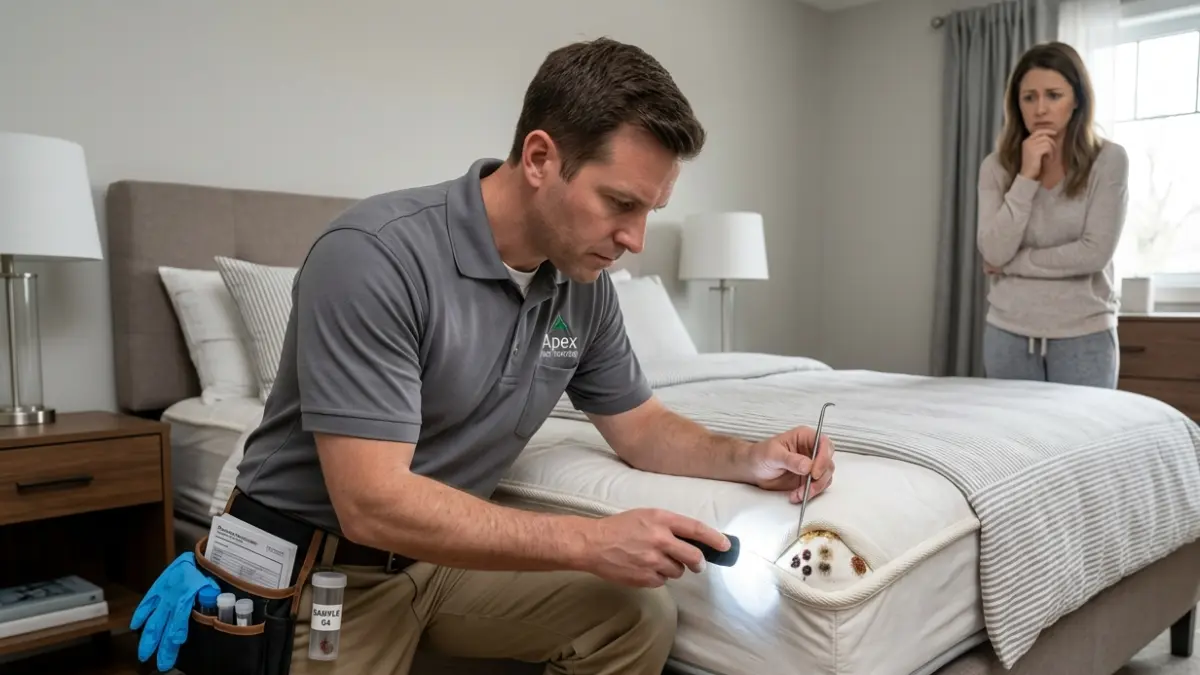
When weeks of monitoring leave you unsure, a professional can settle it. UC IPM notes that eliminating an infestation is best handled by a professional, and trained detection dogs can confirm presence or absence faster than eyes alone.
✅ Do This: Hire a licensed pest control professional for a confirmation inspection — ask whether they offer canine detection, whether they re-inspect or guarantee the work, and whether they’ll assess neighboring units.
Apartments and shared walls
In multi-unit buildings, bed bugs move through walls and outlets, so your unit being clear isn’t the whole story. Notify your landlord so adjacent units can be inspected, and read up on how fast bed bugs spread to understand the timeline you’re working against.
⚠️ Watch Out: Skip foggers and “bug bombs.” Oklahoma State Extension and the EPA report they don’t reach the cracks where bed bugs hide, are largely ineffective, and can create fire, explosion, or health risks when misused.

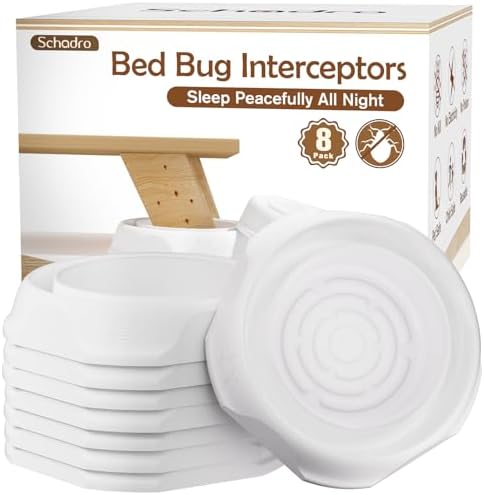
- Sleep Tight: Bed bug trap provides 24/7, 360°protection. It securely catches any bed bug that crawls in, keeping your fu…
- Under Any Legs: Fits snugly under beds, sofas, and desks. Perfect for your apartment and home, and also ideal for hotels…
- Effortless Capture: Bed bugs can easily climb the matte-textured outer surface and inner platform but are unable to esca…
Your bed-bug-gone confirmation checklist (and staying clear)
When the evidence lines up, you can finally exhale. Use this go/no-go checklist to decide whether you’re there.
You can be confident bed bugs are gone when all of these are true:
- No live bugs found across four or more weeks of weekly inspections
- Interceptors stayed empty over that same period
- No new bites
- No fresh fecal spots or new shed skins
- You’ve passed at least one full egg-hatch window with no new activity
- Any professional follow-up inspection came back clear
If any item is still a “no,” you’re not there yet — return to the monitoring routine or call a pro.
When you can unbag and ease off
For untreatable items you sealed away, the EPA’s guidance of keeping them bagged for up to a year is the safe horizon. Ease off monitoring gradually rather than all at once, and leave the encasement on.
Staying bed-bug-free after travel
Re-infestation usually arrives the same way the first one did — on luggage, secondhand furniture, or a visitor’s bag. Knowing how you get bed bugs in the first place is what keeps a confirmed win from becoming a repeat.
Bed bugs gone: frequently asked questions
1. How do you know if bed bugs are completely gone?
You’ll know bed bugs are gone when four signs stay absent over time: no live bugs, no new bites, no fresh fecal spots, and no new shed skins, confirmed by interceptor monitors that stay empty. Because survivors hide, confirmation depends on all four holding across several weeks, not a single quiet night.
2. How long until you can be sure bed bugs are gone?
It depends on treatment. Professional heat can confirm fastest; chemical and DIY treatments take longer because eggs and repeat visits stretch the window. A common rule of thumb is 30 days with no evidence, but the EPA advises checking for up to a year for full confidence, especially for stored belongings.
3. Why am I not getting bitten but still think I have bed bugs?
A pause in bites is the weakest sign that bed bugs are gone. Bed bugs can survive many months without feeding, so a small surviving group may simply go dormant. Rely on interceptors and inspections rather than bites alone before deciding the infestation is over.
4. How long can bed bugs survive without feeding?
Many months. UC IPM reports that adults may feed every five to seven days but can endure long stretches without a blood meal. That endurance is why an absence of bites doesn’t confirm bed bugs are gone — survivors can wait far longer than most people expect before reappearing.
5. Do bed bug interceptors actually work?
Yes, as a monitoring tool. Interceptors sit under furniture legs and trap bugs trying to climb toward you, giving you dated evidence of whether bed bugs are gone. They don’t treat an infestation on their own, but they’re one of the most reliable ways to confirm activity has stopped.
6. What does old or dead bed bug evidence look like versus active?
Old fecal spots are set and won’t smear when wiped; fresh ones can smear rusty. Cast skins are empty and translucent, showing past growth rather than current activity. One dead bug after treatment is expected, but new live bugs or accumulating fresh spots mean bed bugs aren’t gone yet.
7. If I see one bed bug after treatment, do I still have them?
Probably. Seeing a bug after treatment usually means a few survived or eggs hatched, according to the EPA. Don’t assume bed bugs are gone after a single sighting — keep monitoring, log it, and plan to retreat the areas the first round missed.
8. How many treatments does it take to get rid of bed bugs?
Often more than one. Eggs frequently survive the first round and hatch days later, so a follow-up is normal rather than a sign of failure. This is also why confirming bed bugs are gone takes weeks of monitoring after the final treatment, not just a single check.
9. When can I unbag my belongings?
For items you couldn’t treat, the EPA recommends keeping them sealed in bags for up to a year, since hidden survivors can persist that long. Wait until your monitoring confirms bed bugs are gone, then open bags gradually while continuing light inspections for a while afterward.
10. Should I get a professional inspection to confirm?
If you’re unsure after weeks of monitoring, or you live in a multi-unit building, yes. A licensed pro can confirm whether bed bugs are gone, and trained detection dogs can check faster than the eye. Ask about canine detection, re-inspection, guarantees, and whether neighboring units will be assessed.
You can know for sure
Confirming bed bugs are gone comes down to patience and evidence, not a single moment of certainty. Set your interceptors, encase the bed, inspect on a schedule, and let the calendar do its work — when no live bugs, bites, fresh spots, or shed skins appear across several weeks and a full hatch cycle, you can trust it.
If the signs say otherwise, that’s useful information, not a setback: restart your safe 5-step plan to get rid of bed bugs or bring in a licensed pro for a confirmation inspection. Either way, you now have a clear method to replace the late-night uncertainty with an answer you can stand on.
Related Articles
 Bed Bugs Treatment
Getting Rid of Bed Bugs at Home Without the Risk
June 20, 2026 Bed Bugs Treatment
Build the Right Bed Bug Treatment Kit for Your Home
July 6, 2026 Bed Bugs Treatment
The True Cost of Bed Bug Treatment, by Method and Home Size
July 8, 2026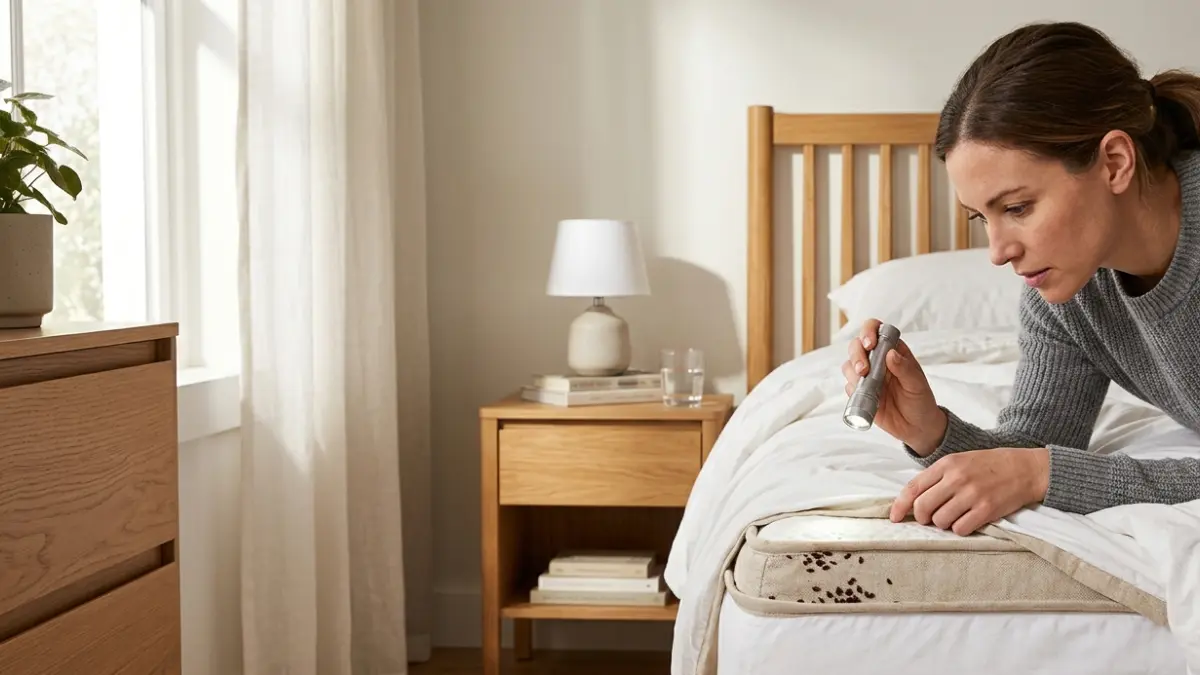 Bed Bugs Treatment
Before You Throw Away a Mattress With Bed Bugs, Read This
July 6, 2026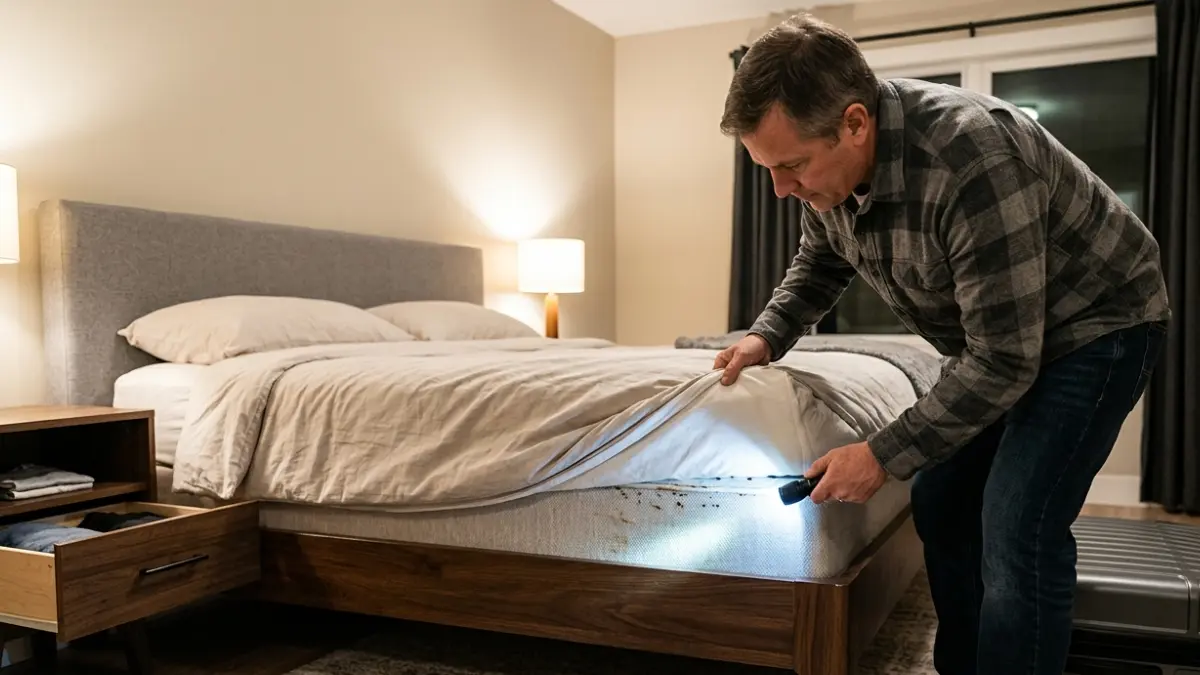 Bed Bugs Treatment
Where Bed Bugs Hide When the Mattress Looks Clean
June 25, 2026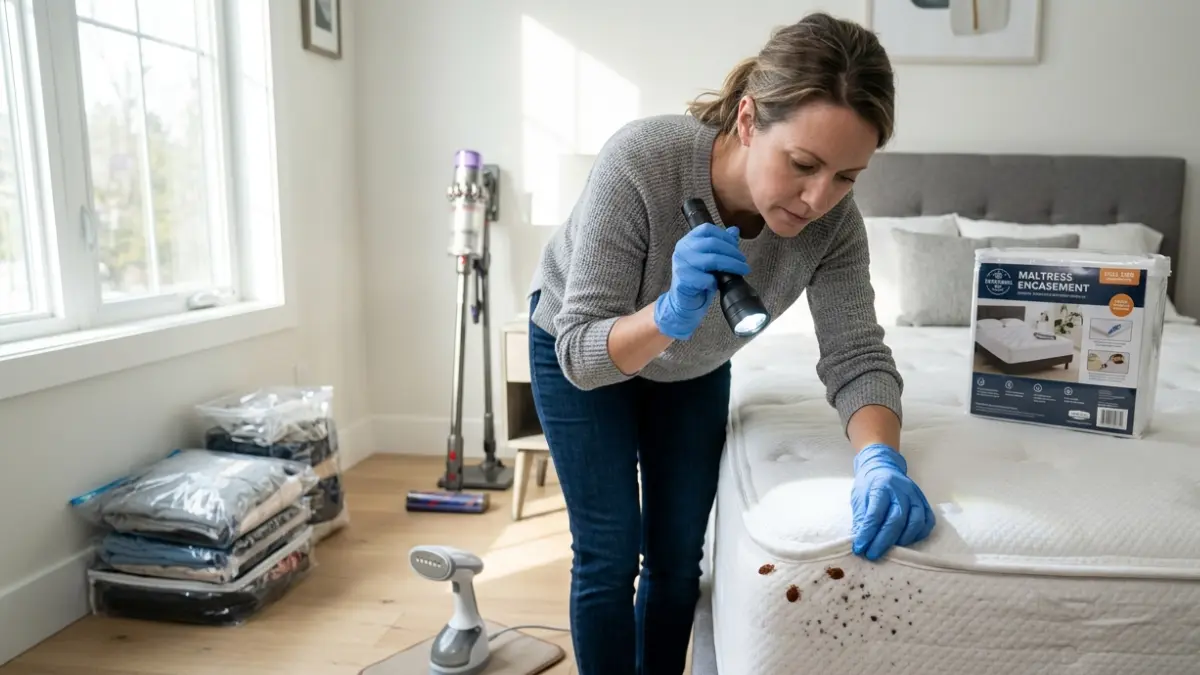 Bed Bugs Treatment
Get Rid of Bed Bugs Yourself the Right Way at Home
June 30, 2026 Bed Bugs Treatment
How Do You Get Bed Bugs When Your Home Is Spotless?
June 26, 2026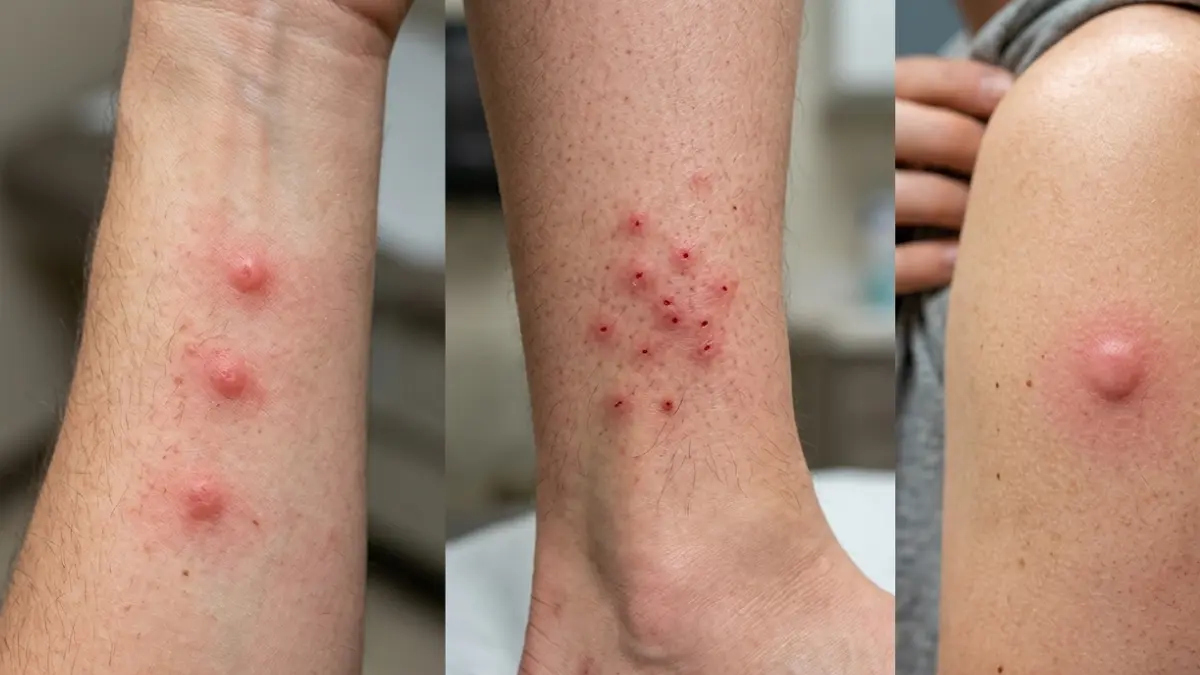 Bed Bugs Treatment
An Easy Way to Tell Bed Bug Bites From Flea and Mosquito Bites
June 24, 2026 Bed Bugs Treatment