
Before You Throw Away a Mattress With Bed Bugs, Read This

A bed bug mattress feels like it has to go — but it rarely does. A sealed encasement costs far less than replacing it; here’s how to decide.
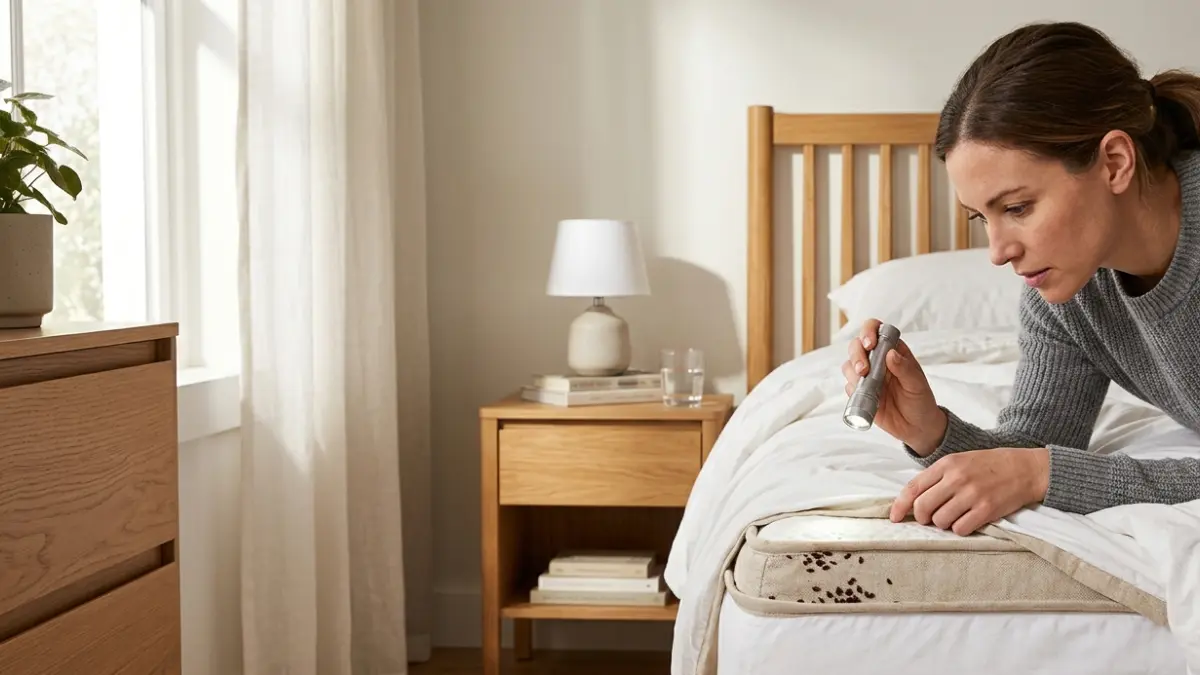
Table of Contents
Finding bed bugs in your bed triggers one urgent thought: get this thing out of my house. Before you drag it to the curb, take a breath — because in most cases, you don’t need to.
If you’ve confirmed bed bugs and want to keep the mattress, skip ahead to how an encasement seals them in. If you’ve already decided it’s going, jump to safe, legal disposal. And if you’re not yet sure the bugs are even in the mattress, start by confirming the signs.
Throwing away a mattress with bed bugs is usually unnecessary, often expensive, and — done carelessly — can spread the infestation or land you a fine. Here’s how to decide.
ℹ️ Safety Note: Bed bug control often involves pesticides. Use only EPA-registered products labeled for bed bugs, follow the label exactly, and skip foggers — they’re largely ineffective and can be hazardous. Severe or spreading infestations warrant a licensed pest professional, and infested items should be disposed of per your local rules. This article is general guidance, not a substitute for professional pest control.
Do you actually need to throw out a bed bug mattress?
No — in most cases you don’t need to throw out a mattress with bed bugs.
The short answer: usually not
Both federal and university-extension guidance say the same thing: don’t discard a mattress you can treat. The EPA advises against discarding furniture if you can safely eliminate the bed bugs from it. A sealed, bed-bug-proof encasement traps the bugs inside, where they can’t feed or bite you, and they eventually die. Tossing the mattress is costly and, because bed bugs spread beyond the bed, throwing it away won’t solve the problem on its own.
When replacing the mattress is reasonable
A few situations make replacement sensible: the mattress is near the end of its life, it’s heavily stained or damaged, or a hollow box spring can’t be reliably sealed. Even then, treat the room first — otherwise a new mattress can be reinfested within weeks.
Are bed bugs in a mattress dangerous?
Here’s the reassuring part. Bed bugs are a recognized public health pest, but the EPA, CDC, and USDA all agree they are not known to transmit or spread disease. Bites can itch, disrupt sleep, and occasionally cause an allergic reaction, so you have time to handle this correctly rather than panic — more on how much of a risk bed bugs really pose and the CDC’s overview of bed bugs.
How a mattress encasement traps and starves bed bugs
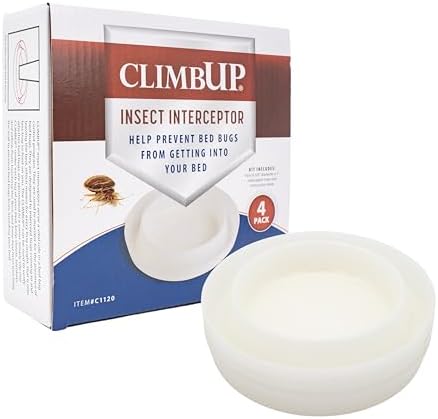
- BEDBUG MONITORING SYSTEM: Original system designed to monitor bedbug activity
- CLIMB BUT CAN’T ESCAPE: Bedbugs climb into the trap but are unable to climb out
- EASY VISIBILITY: Detects even low-level infestations with clear, visible results
A bed-bug-proof encasement is the reason you can usually keep your mattress.
Will bed bugs die inside a sealed encasement?
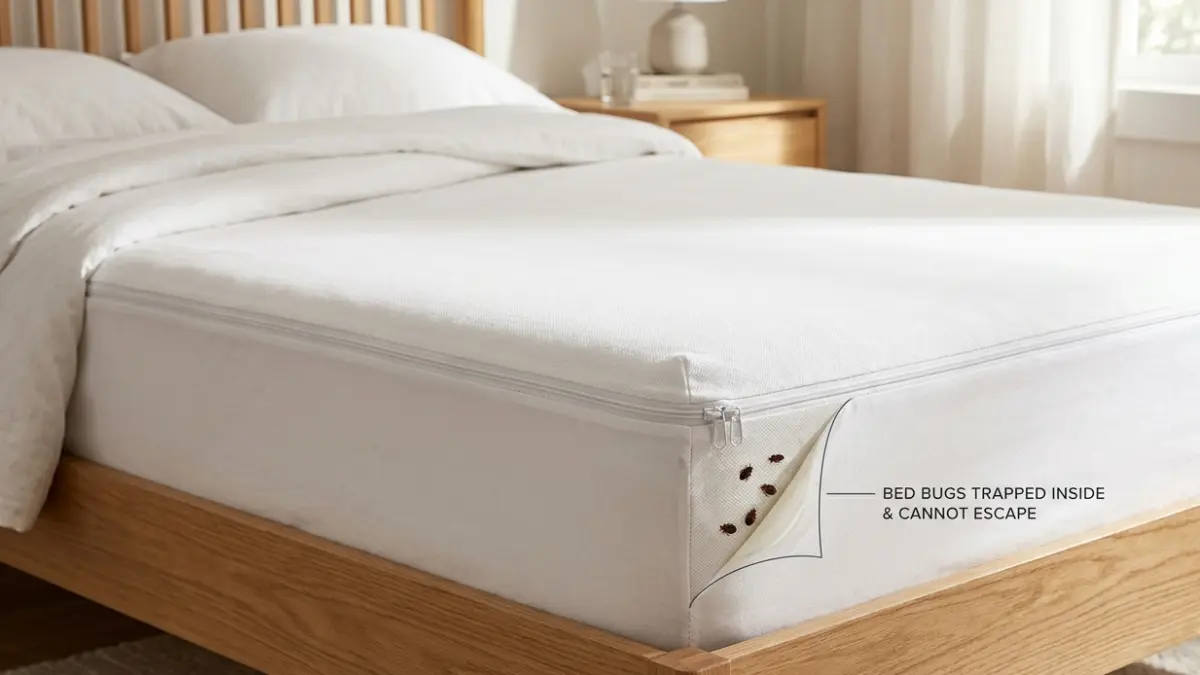
Yes. A true encasement zips completely shut, so the bugs already inside can’t escape, can’t reach you to feed, and can’t bite through the fabric — they starve. The EPA recommends placing bed-bug-proof covers on both the mattress and box spring, noting that any bed bugs trapped inside will eventually starve to death. You can read the full EPA guidance on preparing for bed bug treatment.
How long to leave the encasement on
Leave it fully sealed for at least a year; many professionals say up to 18 months. The reason: bed bugs can go without feeding for 20 to 400 days depending on temperature, and adults have survived more than 400 days at low temperatures in the lab. That’s the science behind how long bed bugs survive without a blood meal.
🔍 Why It Works: The sealed fabric denies bed bugs the two things they need — a blood meal and a hiding spot. Cut off from both, even the hardiest adults run out of energy reserves and die over the following months.
What makes an encasement actually bed-bug-proof
Not every “mattress protector” qualifies. Look for six-sided coverage, tightly-woven bite-proof fabric, and a zipper with small teeth that seals completely at the end stop; brands like Protect-A-Bed and Mattress Safe carry these tested features.

- Top Cover 100% Cotton Terry Other 5 Sides 100% Polyester Backing 100% Polyurethane
- 100% Waterproof – Six-sided premium mattress protector blocks perspiration, bed wetting, liquids and stains; 10-year qua…
- Bed Bug Proof – Super fine zipper with Invisi-Zip and SureSeal technology completely seals off the mattress from bed bug…
🛒 Our Pick: Choose a certified, six-sided encasement with a sealed zipper for both the mattress and box spring, plus an interceptor set under each bed leg to monitor. See our roundup of the best mattress encasements for bed bugs and the interceptors that catch the most bugs. (We may earn a commission, at no extra cost to you.)
How to get rid of a bed bug mattress safely and legally
If you’re set on getting rid of the mattress, how you do it matters — to your neighbors and to your wallet.
Seal, deface, and label before it leaves the room
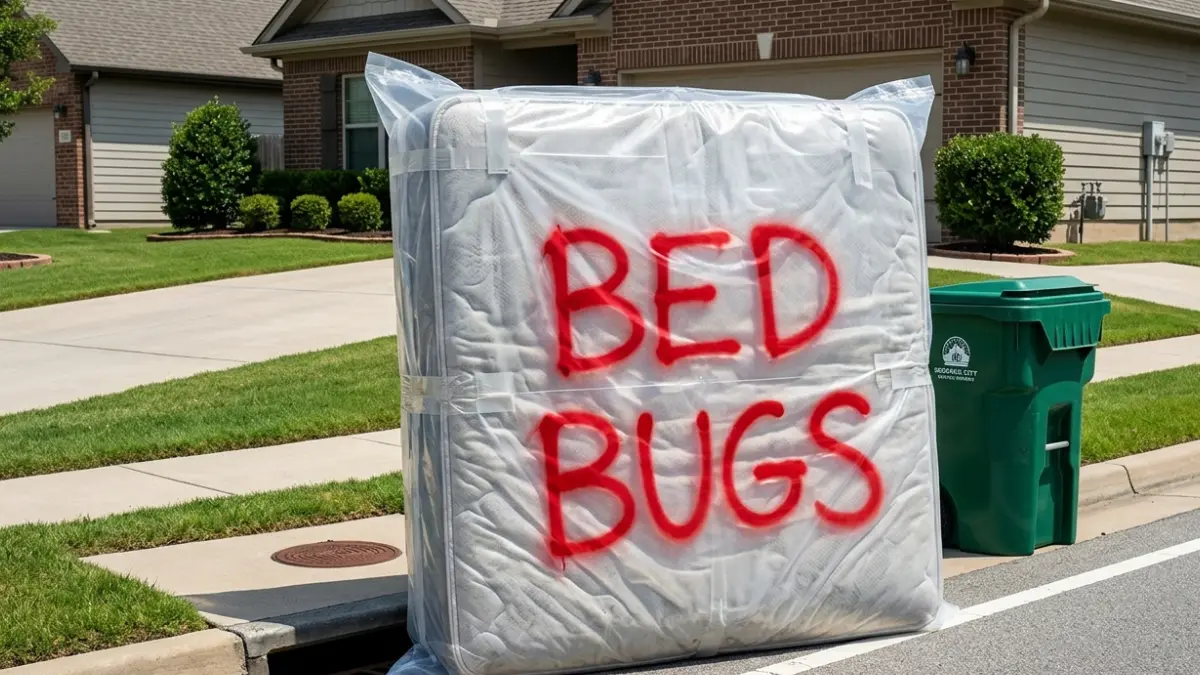
Wrap and seal the mattress in plastic before you move it, so you don’t shed bugs in the hallway or stairwell. Then destroy it — rip the covers, remove stuffing — and use spray paint to mark it “Bed Bugs” so no one takes it home, following the EPA’s guidance on discarding infested furniture. Heavy-duty mattress disposal bags make this cleaner. The same care applies to an infested couch or upholstered chair.
Check your local disposal rules
Rules are hyper-local, and many cities require infested mattresses to be sealed and labeled. In New York City, for example, anyone disposing of a mattress or box spring must encase it in a sealed plastic bag, with a visible “BED BUGS” label and fines starting around $100 for failing to bag it. Check your municipality’s rules before pickup day — many areas have specific requirements for contaminated items.
Is it illegal to leave it on the curb?
It can be. Leaving a mattress out unwrapped, on the wrong day, or beside a dumpster is treated as illegal dumping in most jurisdictions, with fines ranging from a few hundred to several thousand dollars.
⚠️ Watch Out: Dragging an unwrapped mattress through your home is one of the fastest ways to seed bugs into other rooms. Wrap it in the room where it sits, and don’t assume a new tenant or the property owner will deal with an abandoned one — that’s a citation waiting to happen.
Why tossing the mattress alone won’t end a bed bug problem
The hardest truth about bed bugs is that the mattress was never the whole problem.
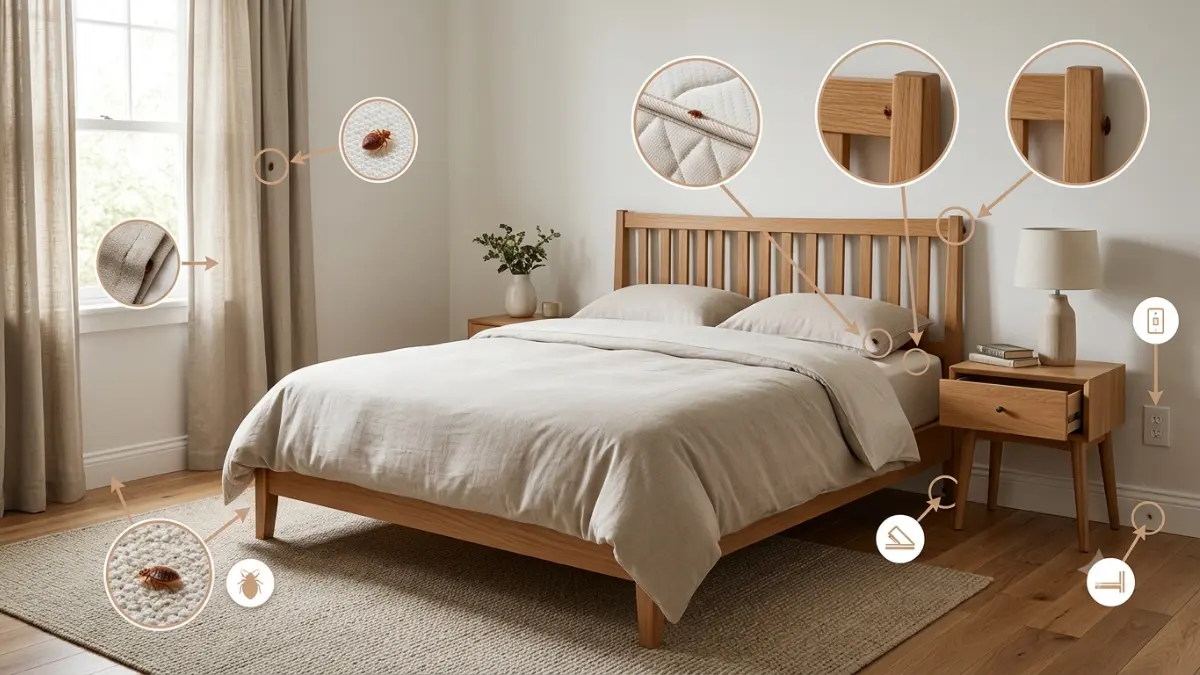
Bed bugs live all over the room, not just the bed
They hide within about six feet of where you sleep — along mattress seams, in the box spring, bed frame, headboard, baseboards, and even behind outlet covers. Remove only the mattress and the survivors simply wait, which is why discarding it alone won’t control an infestation. Here’s everywhere bed bugs hide in a room.
Will a new mattress just get infested again?
Very likely, if the room isn’t treated. A brand-new bed will quickly become reinfested, which is why treating the entire home matters more than replacing the mattress.
When to call a professional
Skip the foggers. Consumer aerosol foggers are not effective against bed bugs and could be harmful to your health. Here’s why bug bombs backfire on bed bugs. Use only EPA-registered pesticides that list bed bugs on the label, follow the directions exactly, or hire a professional using an integrated approach — see the University of California’s integrated pest management guidance.
✅ Do This: For a heavy or spreading infestation, hire a licensed pest control professional and ask whether they use an IPM approach; if you rent, notify your landlord so adjacent units can be inspected. Then follow a complete, safe plan to get rid of bed bugs and confirm when the bugs are truly gone before you relax.
The real cost: encase, replace, or treat?
When the decision comes down to money, the numbers usually favor keeping the mattress.
| Option | Typical cost | Best for |
|---|---|---|
| Encasement (mattress + box spring) | ~$30–$90 each | Keeping a mattress that’s still in good shape |
| New mattress | Several hundred to $1,000+ | Only if it’s already worn out or unsalvageable |
| Professional treatment | ~$200–$400/room chemical · ~$400–$900/room heat · ~$1,000–$5,000 whole-home | Confirmed or spreading infestations |
Costs from current retail and 2026 pest-control pricing; verify locally at purchase.
What an encasement setup costs
A bed bug encasement runs roughly $30 to $80 per mattress, plus a matching box-spring cover and an inexpensive interceptor set. It’s the cheapest path by far — and the one authorities recommend first.
What a new mattress costs (and why it’s a poor first move)
A replacement typically runs from a few hundred dollars to over a thousand. Spending that before treating the room usually means paying twice, because the new bed can be reinfested.
What professional treatment costs
📊 Tested / Spec: Professional treatment averages about $200–$400 per room for chemical treatment and $400–$900 per room for heat, with whole-home jobs running roughly $1,000–$5,000 depending on severity. Multiple visits and inspection fees are common.
If heat is on the table, here’s how professional heat treatment kills bed bugs.
Common mistakes — and when replacing really is the right call
Most bed bug setbacks come from a handful of avoidable mistakes.
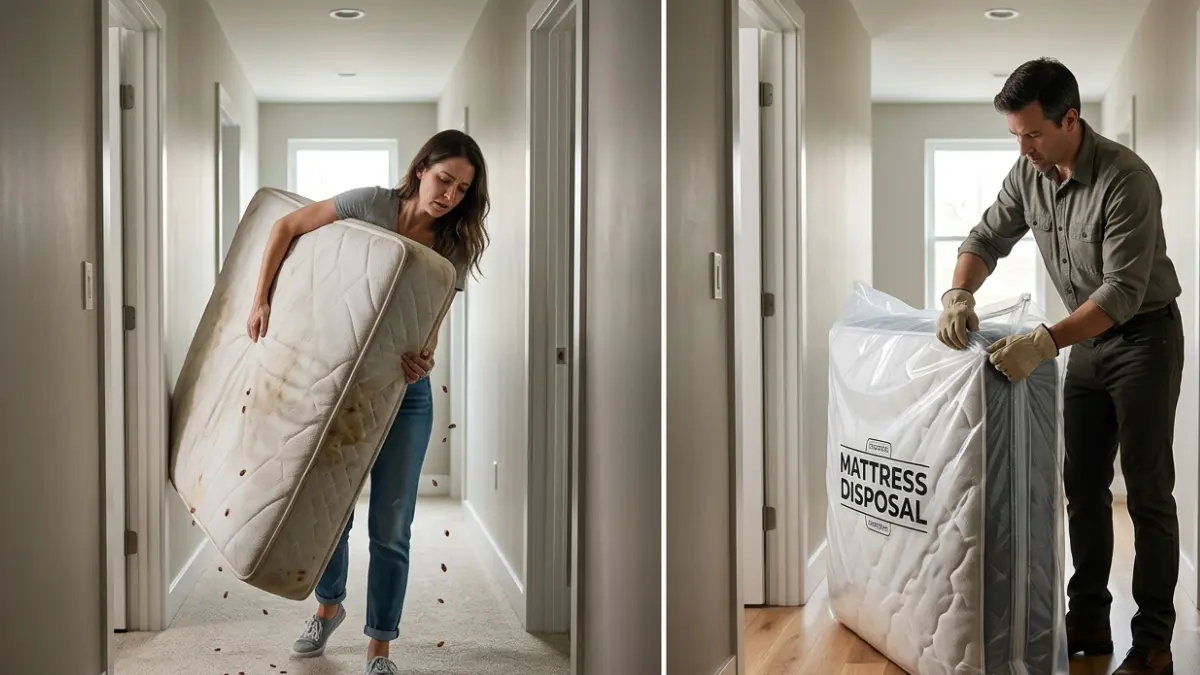
Mistakes that make it worse
- Moving the mattress unwrapped, which seeds bugs into other rooms
- Buying a new mattress before treating the room
- Relying on foggers or untested sprays instead of labeled products
- Sleeping in another room, which just spreads bugs to a new area
- Skipping interceptors and monitoring, so you can’t tell if it worked
When buying a new mattress makes sense
Replacement is the right call when the mattress is already worn out, heavily soiled or damaged, or a box spring can’t be reliably sealed — and always after, not before, the room is treated. Even then, wrap, deface, and label the old one for disposal.
Bed bug mattress questions, answered
1. Do I have to throw away my mattress if it has bed bugs?
No. In most cases you don’t need to throw away a mattress with bed bugs. Sealing it in a bed-bug-proof encasement traps and starves the bugs, and it’s far cheaper than replacing it. Replace the mattress only if it’s already worn out or can’t be encased — and treat the room either way.
2. Will bed bugs die inside a sealed mattress encasement?
Yes. A true encasement zips completely shut so the bugs can’t feed, escape, or bite through it, and they eventually starve. Seal both the mattress and the box spring, and leave the covers on long enough for every trapped bug to die.
3. How long should I leave the encasement on?
Keep the encasement fully sealed for at least a year, and up to 18 months to be safe. Bed bugs can survive roughly 20 to 400 days without feeding, so a shorter window risks leaving live bugs sealed inside when you finally open it.
4. Does throwing out the mattress get rid of the bed bugs?
No. Bed bugs also hide in the bed frame, baseboards, furniture, and cracks, so discarding the mattress alone won’t end the infestation. A new mattress can be reinfested within weeks if the room isn’t treated. Treat the whole room, not just the bed.
5. How do I dispose of a bed bug mattress safely?
Wrap and seal the mattress in plastic before it leaves the room, then slash or deface it and label it “BED BUGS” so no one takes it home. Use heavy-duty mattress disposal bags, and check your local disposal rules before pickup day.
6. Is it illegal to put a bed bug mattress on the curb?
It can be. Leaving a mattress out unwrapped, on the wrong day, or beside a dumpster is treated as illegal dumping in most areas, with fines from a few hundred to several thousand dollars. Many cities also require sealing and labeling it, so confirm your city’s rule or call 311.
7. Will a new mattress just get bed bugs again?
Very likely, if you buy it before treating the room. Bed bugs will find a fresh mattress within weeks, so replacing the bed first usually means paying twice. Treat the whole room, monitor with interceptors, then replace the mattress later only if you need to.
8. Can bed bugs in my mattress make me sick?
Bed bugs are a public health pest, but the EPA, CDC, and USDA agree they aren’t known to spread disease. Bites can itch, disrupt sleep, and rarely trigger an allergic reaction. If a bite reaction worries you, speak with your healthcare provider.
9. Is it cheaper to replace the mattress or treat the bugs?
Usually treating is cheaper than a full replacement cycle. A mattress and box-spring encasement runs about $30 to $90 each, versus several hundred dollars or more for a new mattress that could be reinfested. Professional treatment runs roughly $200 to $900 per room.
10. Can I just spray my mattress with bug spray instead?
Not with just any product. Never spray a mattress you sleep on with a pesticide that isn’t labeled for it, and skip foggers, which are largely ineffective for bed bugs. Use only EPA-registered products labeled for bed bugs, follow the label, or hire a licensed pro.
The bottom line
The panic you felt finding bed bugs is normal — but the mattress is rarely the thing standing between you and a bug-free bed. For most people, the smart move is to seal it in a certified encasement, set interceptors, and treat the whole room, keeping a mattress that’s still perfectly good.
If yours is already worn out or unsalvageable, replace it — just wrap, deface, and label it first, and treat the room regardless. Whichever path you pick, the mattress is one piece of the plan, not the finish line. Handle the room, monitor for a full year, and you’ll get there.
Related Articles
 Bed Bugs Treatment
Are Bed Bugs Dangerous? The Health Risks People Overlook
June 26, 2026 Bed Bugs Treatment
The True Cost of Bed Bug Treatment, by Method and Home Size
July 8, 2026 Bed Bugs Treatment
How Heat Kills Bed Bugs, and Where It Falls Short
July 1, 2026 Bed Bugs Treatment
How Diatomaceous Earth Kills Bed Bugs and the Grade to Avoid
June 30, 2026 Bed Bugs Treatment
Bed Bugs in Your Apartment and Whether Your Landlord Is Right
July 13, 2026 Bed Bugs Treatment
The Smart Way to Choose and Use a Bed Bug Spray
July 1, 2026 Bed Bugs Treatment
How to Check for Bed Bugs the Right Way
June 27, 2026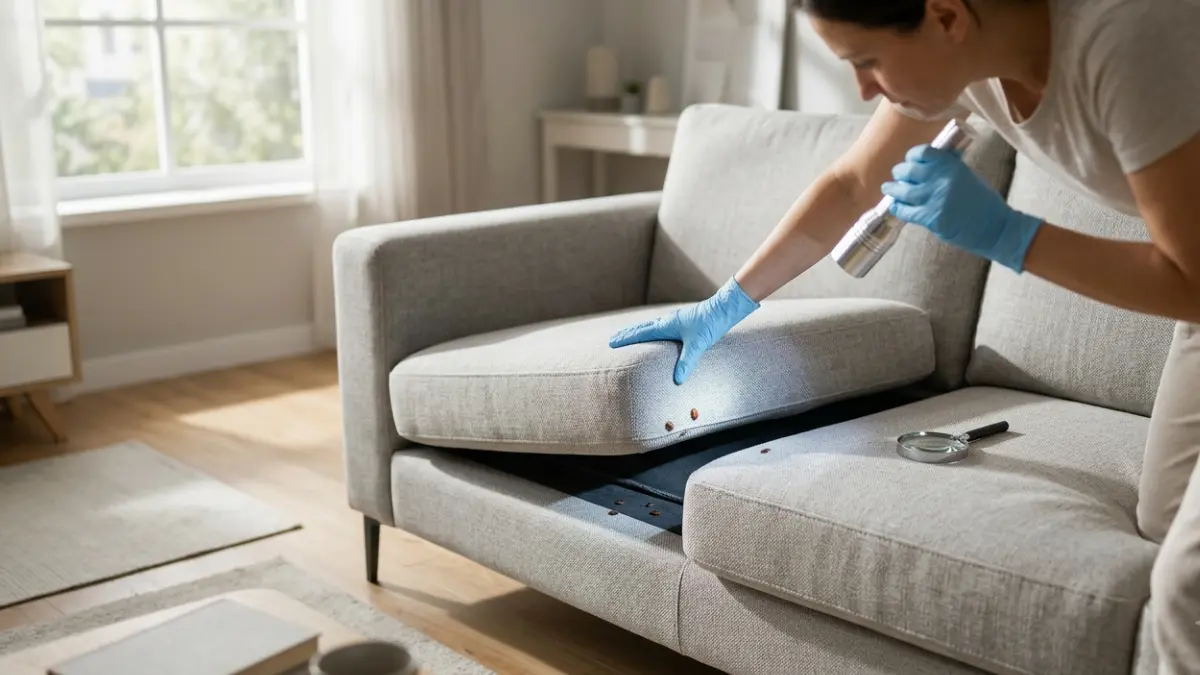 Bed Bugs Treatment
Clearing Bed Bugs From a Couch You Want to Keep
July 3, 2026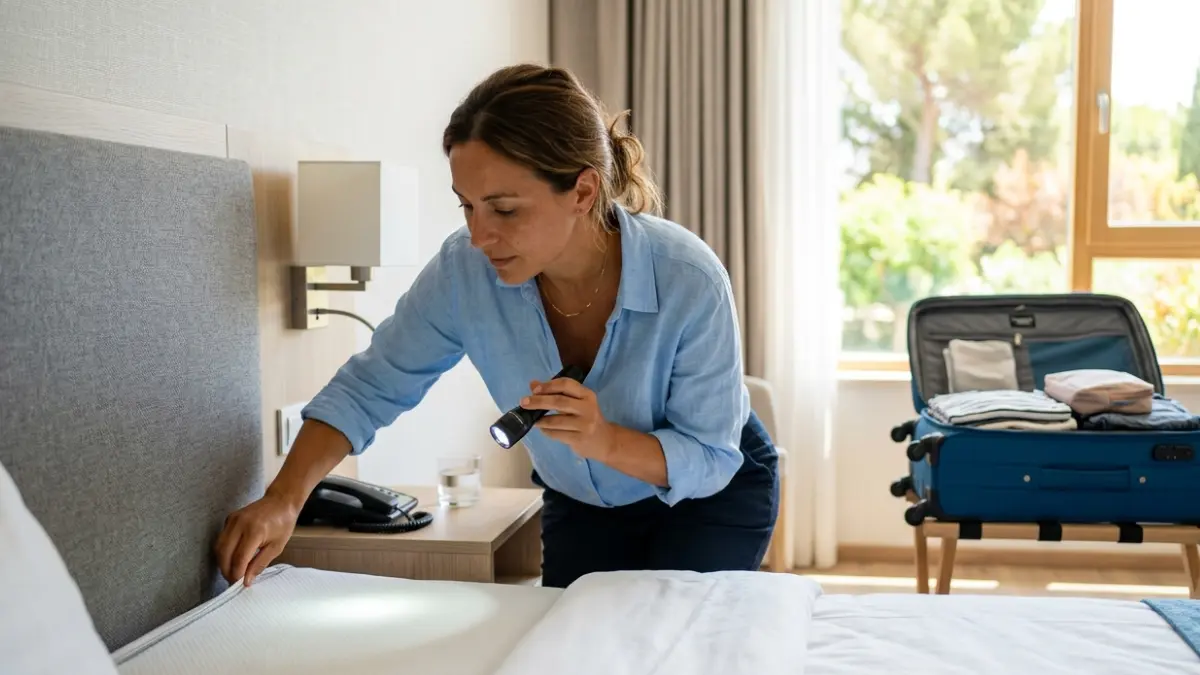 Bed Bugs Treatment