
Why Bug Bombs Don’t Work on Bed Bugs (+ What Does)

Bug bombs and bed bugs don’t mix: foggers never reach the cracks where they hide, and can scatter them. Here’s what works instead.
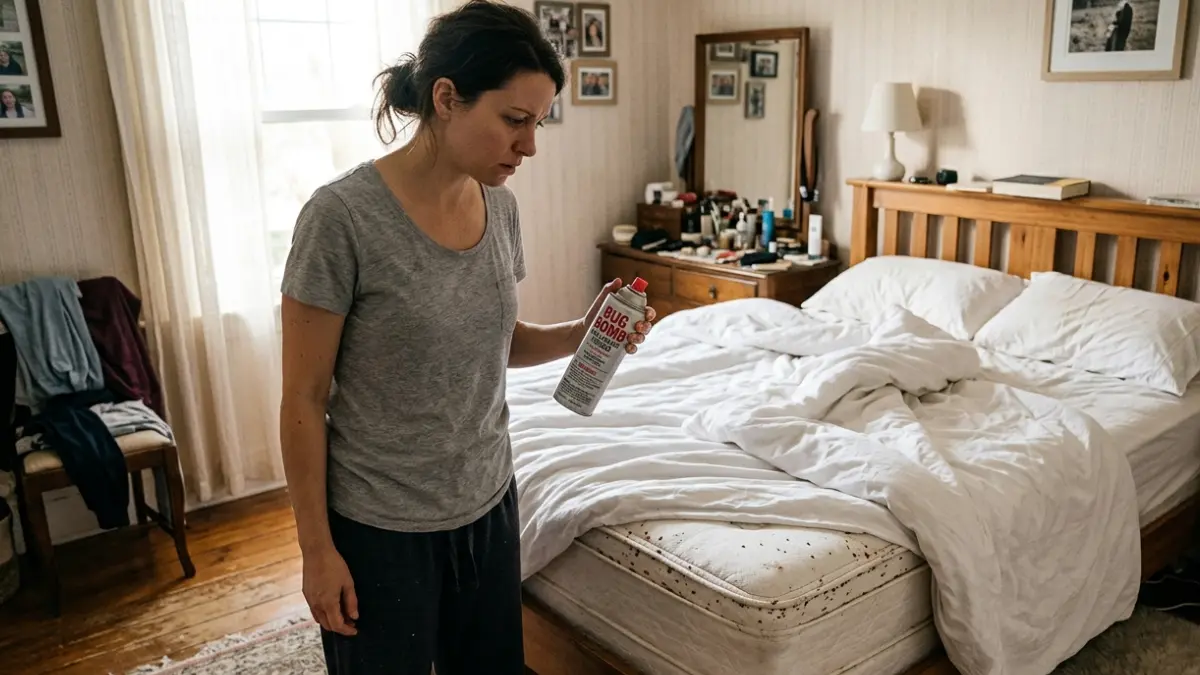
Table of Contents
If you’re standing in a hardware aisle holding a bug bomb, hoping it will end your bed bug problem, hold off before you buy. And if you’ve already set one off and you’re still waking up with bites, you didn’t do anything wrong — you were handed the wrong tool.
This guide is written for three situations. If you’re deciding whether to use a fogger, you’ll get a straight answer and the science behind it. If you already used one and it failed, there’s a recovery plan further down. And if you’re weighing DIY against hiring a pro, you’ll see exactly what works and when to call for help.
Total-release foggers — the cans marketed as “bug bombs” — don’t reliably kill bed bugs, and they can make an infestation harder to treat. None of this needs expensive guesswork. Skip the fogger and follow our safe, 5-step plan to get rid of bed bugs instead.
ℹ️ Safety Note: Total-release foggers are pesticides that can cause fire, explosion, and breathing problems if misused, and a heavy bed bug infestation may need professional treatment. The information here is for general understanding. Always read and follow the product label, and if your infestation is large, spreading, or in a shared building, hire a licensed pest control professional.
Do bug bombs actually kill bed bugs?
No. Total-release foggers do not reliably kill bed bugs. The pesticide inside has to physically touch a bug to work, and bed bugs spend their days hidden in cracks the mist never reaches. Per the EPA’s guidance on foggers, if the spray doesn’t reach where bed bugs hide, it won’t kill them.
The short answer
A fogger releases a fine mist that drifts upward, then settles onto floors, counters, and other open surfaces. Bed bugs aren’t on those surfaces. They’re tucked into mattress seams, headboard joints, and baseboard gaps, where almost no mist lands.
What the research found
The first published study to test this came from Ohio State (Jones and Bryant, Journal of Economic Entomology, 2012). Researchers exposed field-collected bed bugs to three over-the-counter foggers for two full hours, and the bugs showed little to no effect.
📊 Sourced: In that 2012 study, field-collected bed bugs given two hours of direct fogger exposure showed little to no mortality — and even the pyrethroid-susceptible control strain survived when it had a thin layer of cloth to hide under. (Jones & Bryant, Journal of Economic Entomology.)
Why bug bombs fail against bed bugs
Foggers fail against bed bugs for three connected reasons: the mist can’t reach their hiding places, most bed bugs survive the chemical anyway, and nothing keeps working after the mist settles.
- The spray doesn’t penetrate the cracks and crevices where bed bugs live.
- Many bed bug populations resist the pesticides foggers use.
- Foggers leave no lasting residue to kill bugs that emerge later.

- HIGHLY EFFECTIVE, PLANT-POWERED BED BUG KILLER: EcoVenger Bed Bug Killer uses a patented blend of botanical insecticidal…
- USDA FIELD-TESTED & PROVEN: Vetted through the USDA IR4 PHP Program and field-tested by research entomologists. Recommen…
- KILLS ALL STAGES, INCLUDING RESISTANT BED BUGS: This formula kills bed bug adults and nymphs on contact with 100% effica…
1. The mist never reaches their hiding spots
Bed bugs shelter deep in cracks and crevices — mattress seams, bed-frame joints, baseboard gaps, and wall voids. University of Kentucky entomologists explain that when a fogger is used as directed, very little insecticide actually penetrates these hidden spaces. The droplets land on open surfaces instead, so it helps to know where bed bugs actually hide — almost none of it is exposed to the mist.
2. Most bed bugs survive the chemical
Most foggers rely on pyrethroids, and many bed bug populations have developed pyrethroid resistance. In the Ohio State study, field-collected bugs shrugged off two hours of direct exposure.
🔍 Why It Works: Resistance means a bug’s body can tolerate a dose that once killed it. The brief, low concentration a fogger delivers simply isn’t enough to overcome it.
3. Nothing is left behind to keep working
Foggers work on contact only — once the mist settles, its killing power is largely spent. There’s no meaningful residual, so bugs that were hidden and eggs that hatch afterward survive untouched.
How bug bombs can make a bed bug problem worse
Using a bug bomb on bed bugs isn’t only ineffective — it can set your treatment back. The two biggest problems are scatter and lost time.
They scatter bugs deeper — and into other rooms
Many fogger ingredients repel insects rather than kill them on contact. The National Pesticide Information Center notes that foggers can drive pests further into their hiding places. For bed bugs, that can mean retreating deeper into wall voids — or moving into adjacent rooms and, in apartments, neighboring units.
⚠️ Watch Out: In a shared building, a fogger can push bed bugs through wall gaps into a neighbor’s unit. Seeing how fast bed bugs spread is one reason coordinated, targeted treatment beats a fogger.
The Ohio State researchers flagged this directly: any product that disperses bed bugs to adjacent units is a serious concern.
They cost you time while the infestation grows
Every week spent on a product that doesn’t work is a week the population keeps breeding. Bed bugs are hard enough to eliminate with the right plan. A fogger adds delay, wasted money, and pesticide residue on your surfaces — while the infestation stays no smaller than when you started.
The safety risks of bug bombs
Beyond not working, foggers carry real safety risks — another reason they’re a poor choice for a problem that targeted treatment can solve.

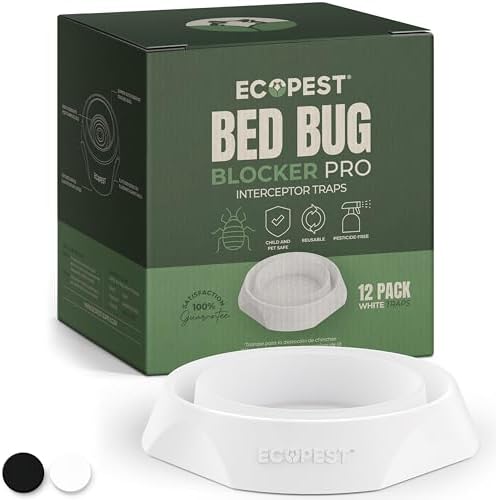
- SLEEP EASY WITH 24/7 BED BUG PROTECTION – Set it, forget it. Place one Bed Bug Blocker interceptor trap under each bed p…
- LAB-TESTED AND PROVEN TO TRAP BED BUGS – Tested by entomologists, trusted by the pros. Bed Bug Blocker interceptor traps…
- BED BUGS CLIMB IN BUT CANNOT CLIMB OUT – Simply place the traps under bed posts and furniture legs. Bed bugs cannot jump…
Fire and explosion
Fogger propellants are flammable. EPA fogger safety precautions warn that using too many foggers, or placing one near an ignition source — a pilot light, or an appliance like a refrigerator that cycles on and off — can cause a fire or explosion. Foggers should never be used in small, enclosed spaces like closets or cabinets.
Breathing the mist and residue
Breathing fogger mist can be harmful. The EPA advises leaving the treated space, closing the doors, and staying out for the time listed on the label — usually two to four hours — because returning early can make you sick. Documented illnesses and injuries from foggers have been tracked in CDC surveillance (MMWR, 2007–2015).
⚠️ Watch Out: People and pets must leave before a fogger is set off, and the mist leaves residue behind. This matters most in homes with young children, who touch floors and put their hands in their mouths.
If you’ve already set one off
Ventilate the space per the label, then wipe down surfaces children or pets touch.
✅ Do This: If anyone feels unwell after exposure, move to fresh air and call Poison Control at 1-800-222-1222. Keep the can — its EPA registration number helps a doctor or Poison Control advise you.
What actually works instead of a bug bomb
The good news: several proven methods reach bed bugs where a fogger can’t. Most are affordable, and they work by contact and location instead of a drifting cloud of mist.
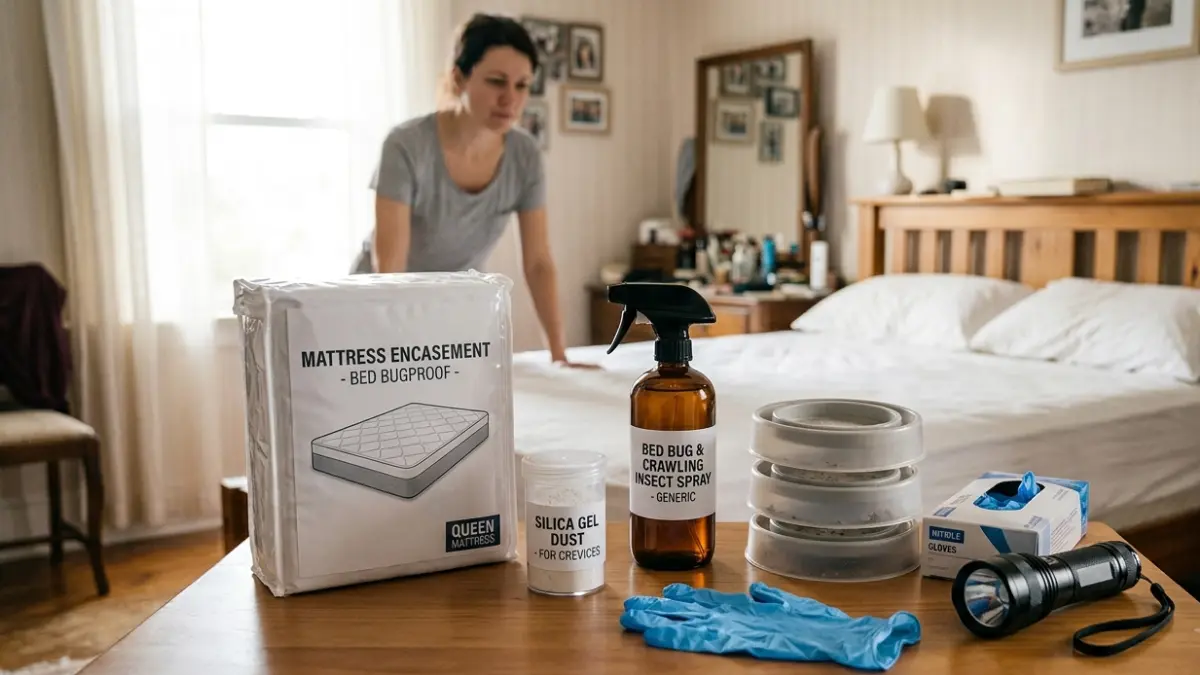
Here’s how the main options compare:
| Method | Reaches hiding spots? | Resistance a factor? | Typical approach | Best for |
|---|---|---|---|---|
| Bug bomb / fogger | No — mist lands on open surfaces | Yes — most bugs resist it | Not recommended | Nothing, for bed bugs |
| Mattress encasement | Traps bugs in place | No | Zip over mattress + box spring | Protecting where you sleep |
| Desiccant dust | Yes — brushed into cracks | No — dries bugs out | Apply into voids and crevices | Long-term crack treatment |
| EPA-registered spray | Yes — applied directly | Sometimes | Treat harborages directly | Spot-treating known bugs |
| Professional heat | Yes — heats the whole room | No | Licensed pro service | Heavy or fast infestations |
Sources: EPA and university extension guidance; methods described generally — read every product label and follow local regulations.
Start here: confirm it’s bed bugs and encase your bed
Before treating, check the signs of bed bugs so you’re not fighting the wrong pest. Then seal your mattress and box spring in a bed-bug-proof encasement; EPA’s do-it-yourself bed bug control steps note this traps bugs inside, where they eventually die.
Targeted treatments that reach the bugs
Desiccant dusts — silica gel or diatomaceous earth — kill by drying bugs out, so resistance can’t develop. A targeted bed bug spray labeled for bed bugs, worked directly into harborages, reaches bugs the mist would miss.
Bed bug interceptors placed under furniture legs trap bugs and let you monitor whether your plan is working.

- Cimexa insecticide Dust is the newest product available in the battle against bed bugs, fleas, ticks and other insects. …
- Ants, crazy ants, cockroaches, firebrats, silverfish
- Spiders, mites, bed bugs, lice, fleas, chinches de cama
🛒 Our Pick — silica gel dust: A silica gel dust such as CimeXa, brushed into cracks and voids, is the low-toxicity option extension entomologists point to. We may earn a commission from this link, at no extra cost to you; this recommendation reflects published guidance, not a lab test we ran — confirm current availability before you buy.
When to call a professional
For a heavy, spreading, or building-wide infestation, a pro is worth the cost. Professional heat treatment can clear a room in a single day and reaches every crack at once.
Already used a bug bomb? Here’s your recovery plan
Setting off a bug bomb doesn’t ruin your chances — it just means switching to a method that works. Here’s how to reset.
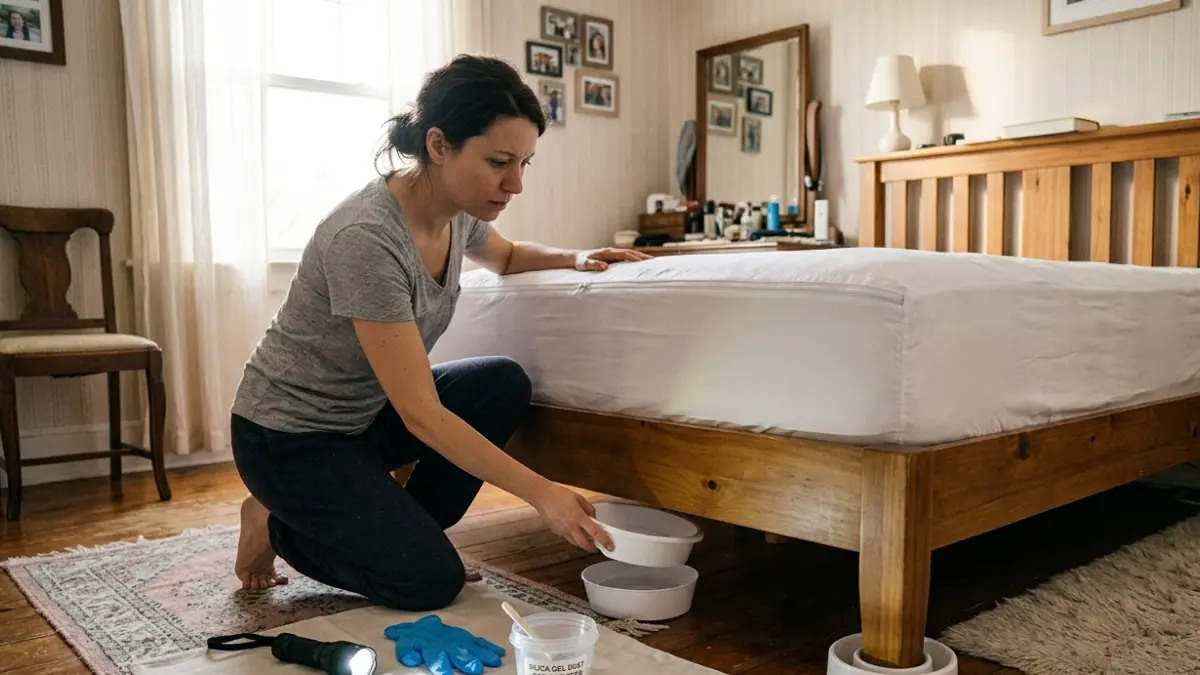
Reset and pivot
- Ventilate the room per the fogger’s label before spending time in it.
- Confirm it’s bed bugs, then start a targeted plan: encase the bed, treat cracks with desiccant dust, and set out interceptors.
- Track progress — knowing how to tell if bed bugs are gone keeps you from stopping too early or panicking too soon.
For the full sequence, get rid of bed bugs yourself with a step-by-step routine, and call a licensed pro if live bugs continue after a genuine effort.
Don’t reach for another fogger
More foggers won’t help — the reasons the first one failed don’t change with a second can. Every repeat adds cost and residue while the bugs keep breeding. Put that money toward encasements, dusts, or a professional instead.
Bug bombs and bed bugs: frequently asked questions
1. Do bug bombs kill bed bugs?
No — bug bombs for bed bugs don’t reliably work. The pesticide has to touch the bug, but bed bugs hide in cracks the mist never reaches. In a 2012 Ohio State study, field-collected bed bugs survived two hours of direct fogger exposure. Foggers also leave no lasting residue, so hidden and newly hatched bugs survive.
2. Why don’t foggers reach bed bugs?
Foggers release a mist that settles on open floors and counters, not inside the seams, joints, and wall voids where bed bugs shelter. University extension experts note that very little insecticide penetrates those hidden spaces when a fogger is used as directed, so most bed bugs are never exposed to a killing dose.
3. Do bug bombs make bed bugs spread?
They can. Many fogger ingredients repel insects, which can drive bed bugs deeper into wall voids or into adjacent rooms and neighboring apartments. Researchers have flagged this dispersal as a serious concern in shared buildings. A fogger can scatter an infestation that targeted treatment would have contained.
4. Does the Hot Shot or Raid bed bug fogger work?
The 2012 Ohio State study tested three over-the-counter foggers, including a Hot Shot bed bug fogger, and found field-collected bed bugs were largely unaffected after direct exposure. Even foggers labeled for bed bugs struggle, because the mist can’t reach hiding spots and many bed bugs resist the pyrethroids inside. Targeted methods work better.
5. Are bug bombs safe to use indoors?
Foggers carry real risks. Their propellants are flammable and can cause a fire or explosion near a pilot light or appliance, and breathing the mist can make you sick. Never use them in enclosed spaces. Always read and follow the label, and if anyone is exposed and feels unwell, call Poison Control at 1-800-222-1222.
6. How long should I stay out after a bug bomb?
The EPA advises leaving the treated space, closing the doors, and staying out for the time printed on the product label — usually two to four hours. Returning early can cause illness. When you go back in, open windows and doors to air out any remaining fumes before spending time inside, and always follow the label.
7. Can I sleep in my house the night I set off a bug bomb?
Only after the label’s required wait — usually two to four hours — and after you’ve ventilated the space. Returning before the mist has settled and aired out can make you sick. If the smell is strong, air the space out longer first, and follow the product label’s specific instructions before sleeping there.
8. What actually kills bed bugs if bug bombs don’t?
Methods that reach the bugs directly. Seal your mattress and box spring in a bed-bug-proof encasement, work desiccant dusts like silica gel or diatomaceous earth into cracks, and use an EPA-registered spray labeled for bed bugs on harborages. For heavy infestations, professional heat treatment can clear a room in a day.
9. What kills bed bugs instantly?
There’s no single product that ends an infestation instantly — that expectation is exactly why bug bombs disappoint. Real control combines encasements, targeted dusts or sprays applied to hiding spots, and monitoring over days to weeks. Desiccant dusts are especially reliable, because bed bugs can’t develop resistance to being dried out.
10. Do I need a professional to get rid of bed bugs?
Not always, but often. A light, early infestation can respond to careful DIY with encasements, desiccants, and monitoring. For a heavy, spreading, or building-wide problem, a licensed pest control professional — often using heat — is the reliable choice. If bugs persist after a genuine DIY effort, hire a professional.
The bottom line on bug bombs and bed bugs
Bug bombs don’t solve bed bug problems. The mist can’t reach the cracks where bed bugs hide, most bed bugs survive the pyrethroids inside, and the fogger can scatter the infestation into new rooms while you lose weeks.
The safer, cheaper, more effective path is targeted: confirm the pest, encase your bed, treat harborages with desiccant dusts or a labeled spray, monitor your progress, and bring in a professional for anything heavy or spreading.
Skip the fogger, save your money, and work the plan. Start with our safe, 5-step plan to get rid of bed bugs and treat the problem where it actually lives.
Related Articles
 Bed Bugs Treatment
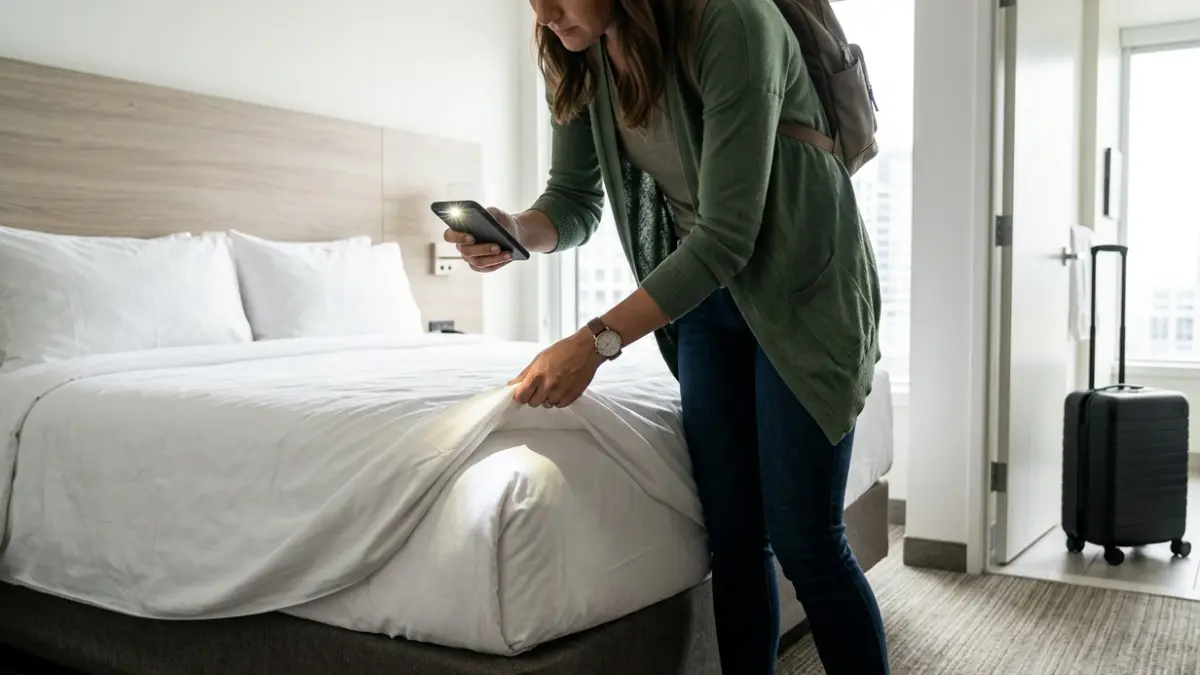
Check Your Hotel Room for Bed Bugs Before You Unpack
July 10, 2026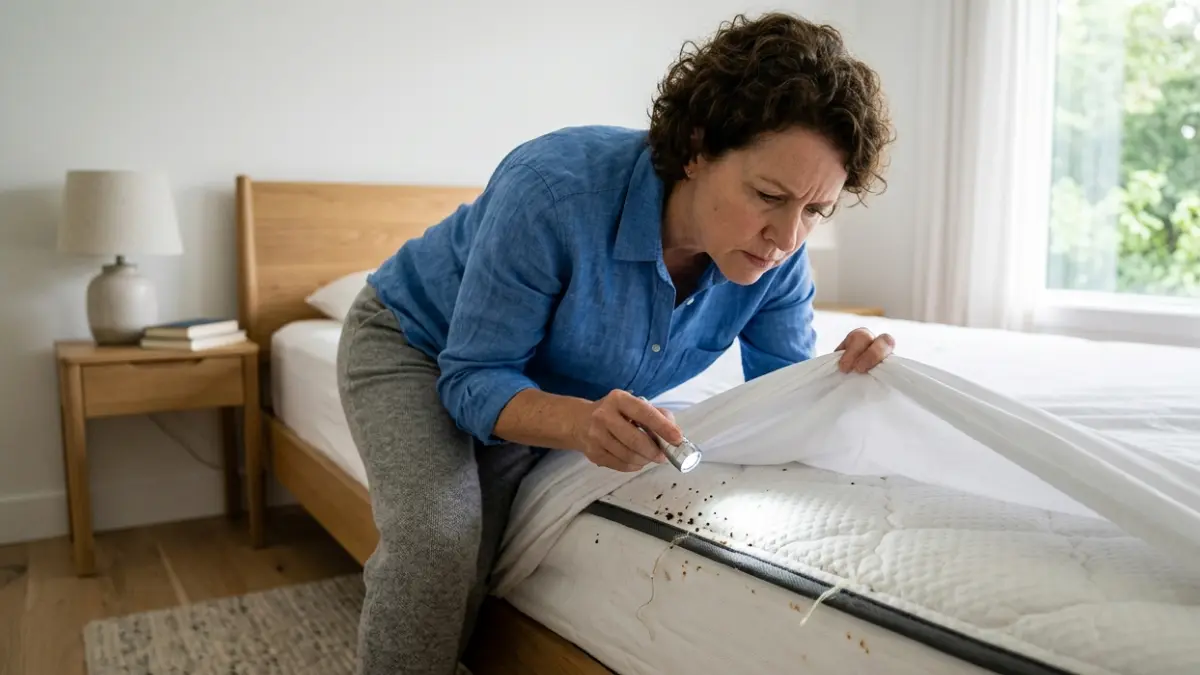 Bed Bugs Treatment
How to Spot the Signs of Bed Bugs Before You Ever See One
June 23, 2026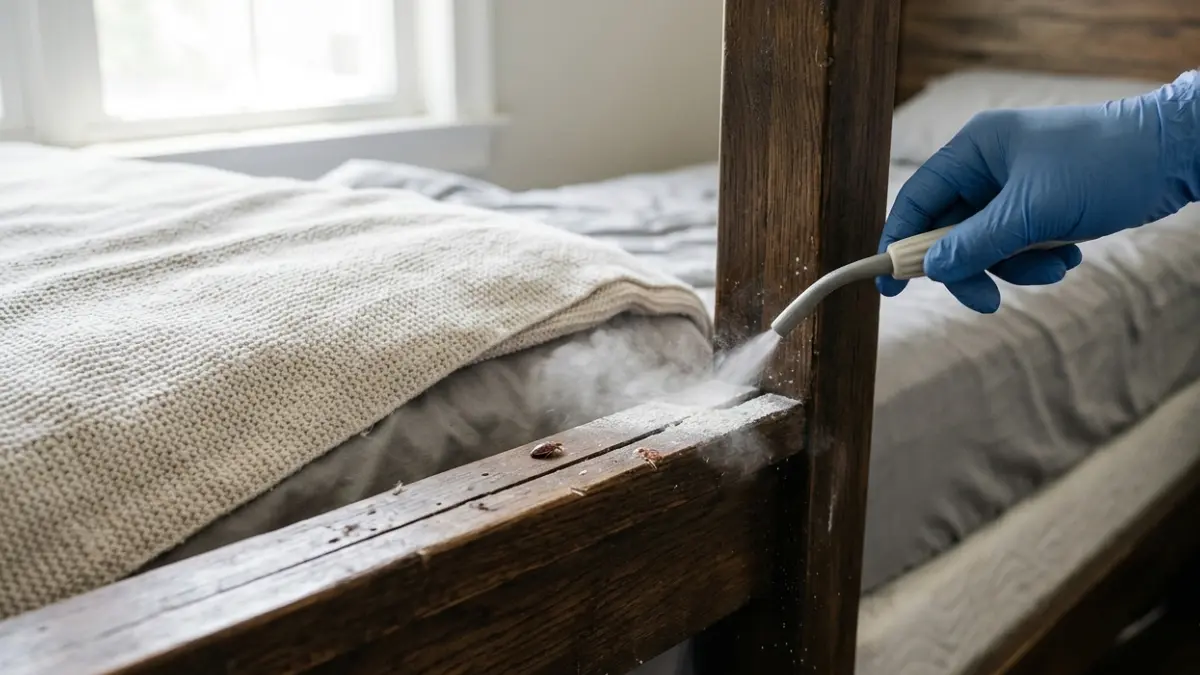 Bed Bugs Treatment
How Diatomaceous Earth Kills Bed Bugs and the Grade to Avoid
June 30, 2026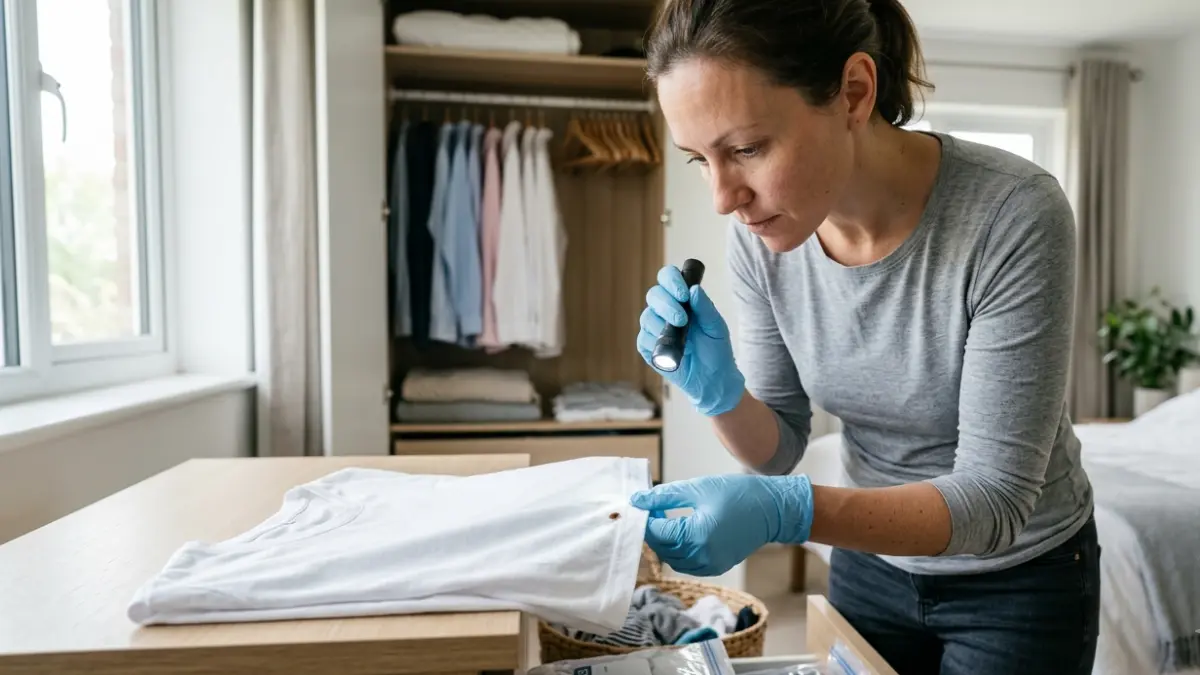 Bed Bugs Treatment
Getting Rid of Bed Bugs in Clothes, Step by Step
July 3, 2026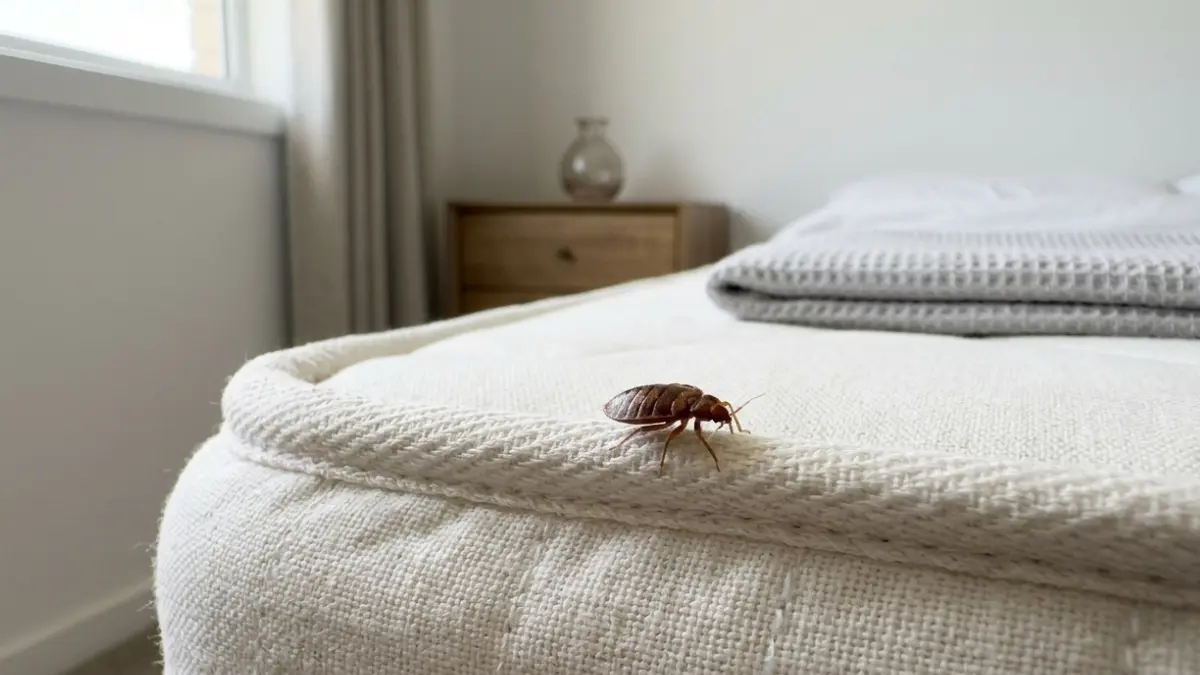 Bed Bugs Treatment
How Long Can Bed Bugs Live Without Feeding? 20–400 Days
June 27, 2026 Bed Bugs Treatment
Are Bed Bugs Dangerous? The Health Risks People Overlook
June 26, 2026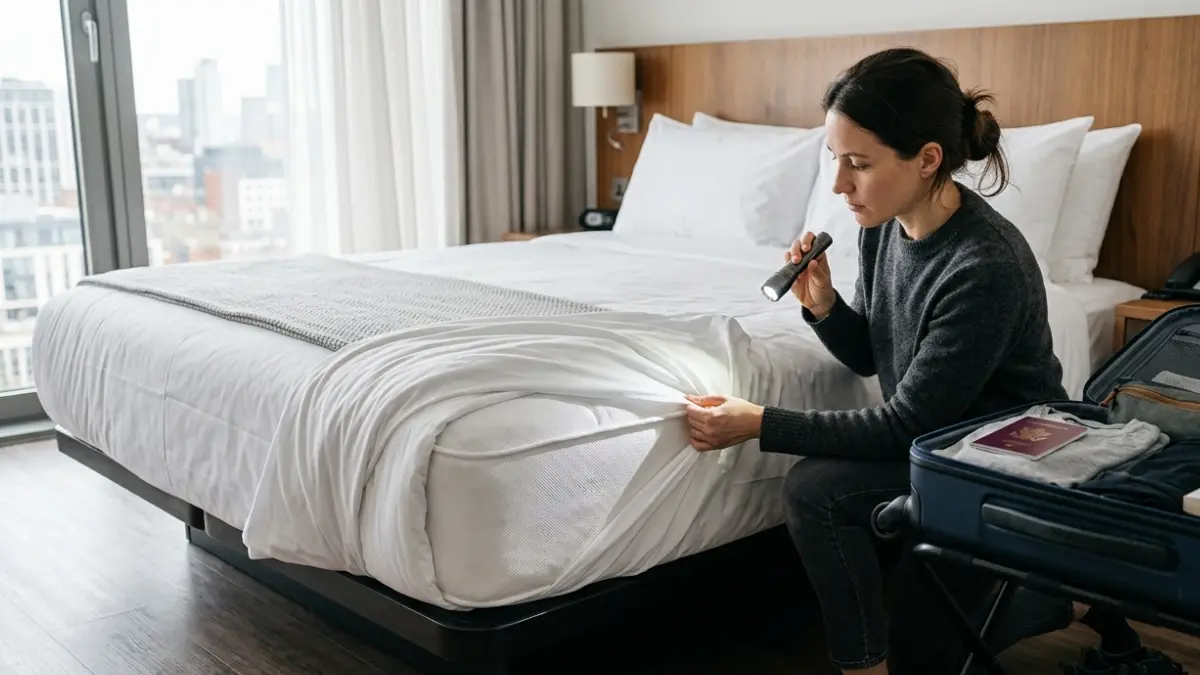 Bed Bugs Treatment
The Smart Way to Prevent Bed Bugs at Home
July 10, 2026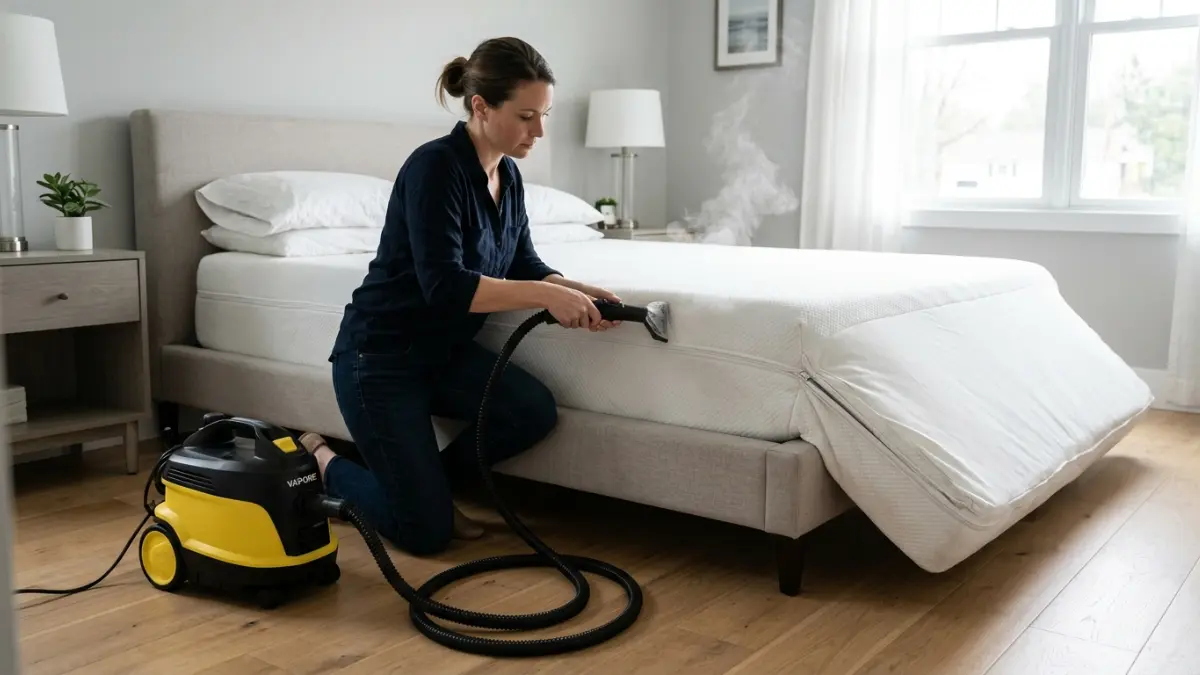 Bed Bugs Treatment
Choosing a Bed Bug Steamer That Gets Hot Enough
July 4, 2026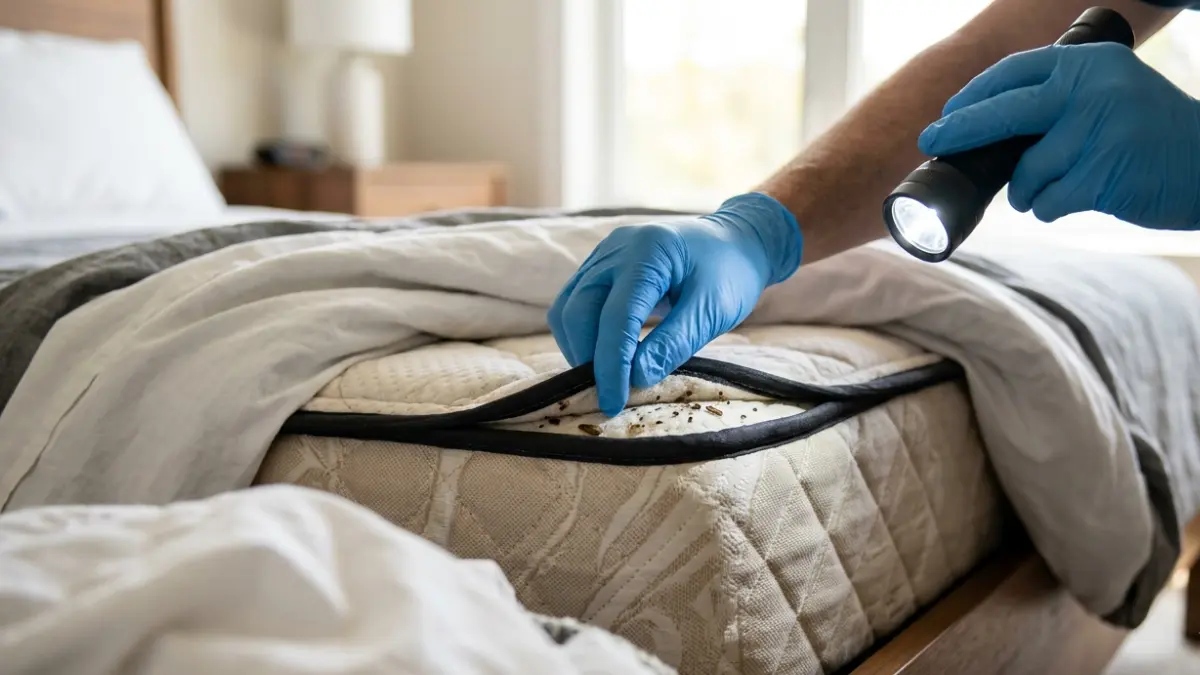 Bed Bugs Treatment