
What a Mold Inspection Really Costs for Your Home

Mold inspection costs swing from $300 to $1,000, and the difference comes down to home size, testing, and a few traps worth dodging.
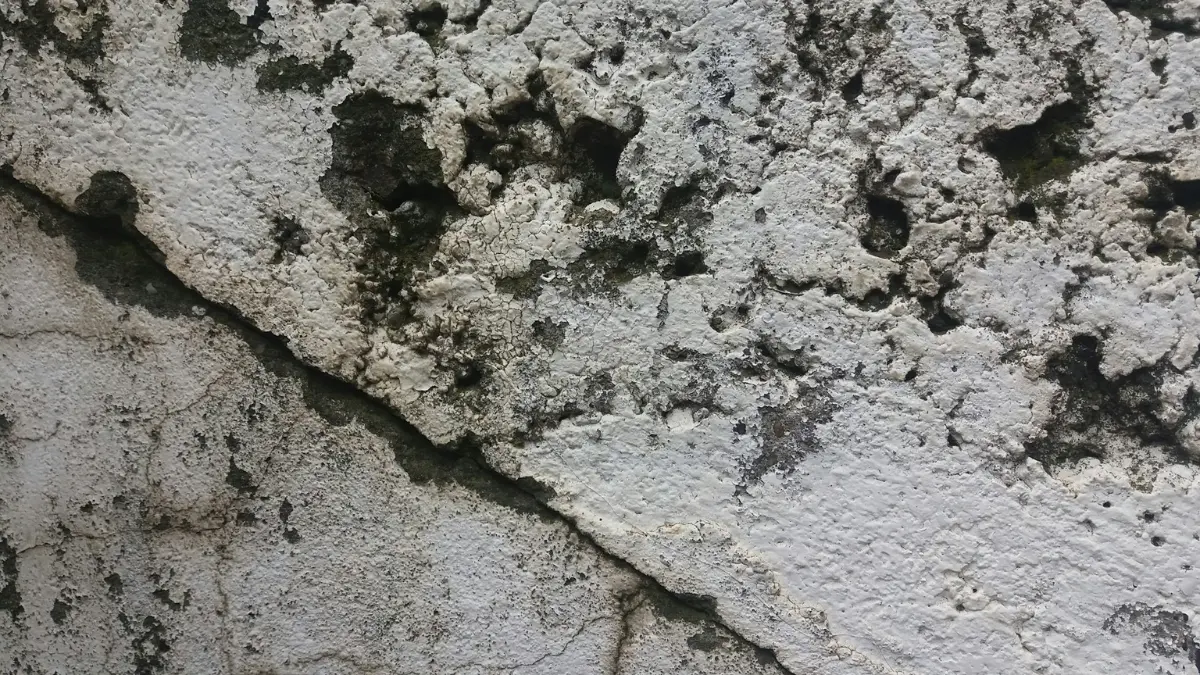
Table of Contents
A professional mold inspection cost runs $300 to $1,000 for most homes, with a national average near $650. The size of your home, the number of test samples, and how hidden the mold is decide where you land in that range.
You probably found a dark patch, caught a musty smell, or had a home inspector flag something. Now you want a number before you call anyone.
That instinct is right. Knowing the real price protects you from the upsell traps that turn a simple check into a four-figure surprise.
This guide breaks down what you pay, what drives the cost up or down, and when paying a pro is the smart move versus handling it yourself. If you want the wider picture first, start with our complete homeowner’s guide to mold remediation.
Mold is fixable. Knowing the cost is the first step.
Inspection vs. testing vs. remediation: what you actually pay for
Three different services get lumped into one word, and that confusion is exactly what inflates your bill. Here is the plain breakdown.
| Service | What it does | Typical cost |
|---|---|---|
| Mold inspection | Locates mold and the moisture source | $300–$1,000 |
| Mold testing | Identifies species and spore count via lab | $250–$500 |
| Mold remediation | Removes the mold and fixes the moisture | $1,125–$3,439 |
Source: 2025–2026 home-services cost data (Angi, HomeAdvisor, Bob Vila).
A mold inspection finds the problem. The inspector walks your home, hunts for moisture, and pinpoints where mold is likely growing.
Mold testing is the lab step. Samples confirm the species and how many spores are in the air, which matters when you need proof for insurance or a real estate sale.
Mold remediation is the cleanup itself. That cost depends heavily on the surface involved, which is why removing it from drywall without it returning costs differently than other materials.
💡 Expert Note: Inspection and testing are not the same line item. Always ask a company to itemize them on the quote so you are not paying for testing you did not agree to.
What a mold inspector actually checks
A real inspection is more than a flashlight and a guess. Here is the sequence a qualified inspector follows.
- Walk-through interview where they ask about leaks, odors, and past water damage.
- Visual scan of every room, with extra attention to wet zones.
- Moisture reading using a meter on suspect walls, baseboards, and ceilings.
- Thermal imaging with an infrared camera to find cold, damp spots hidden behind surfaces.
- Sampling of air or surfaces, sent to a lab if testing is included.

- HUMIDITY SENSOR: Our handy meter tool can quickly determine what level of remediation is needed to keep your family safe…
- WATER LEAK DETECTOR: Finding the moisture content in your wood or drywall is the first step in early prevention. Continu…
- MOISTURE READER: The mold test features large 0.3″ high digits in a backlit LCD for quick and easy detecting. Our mildew…
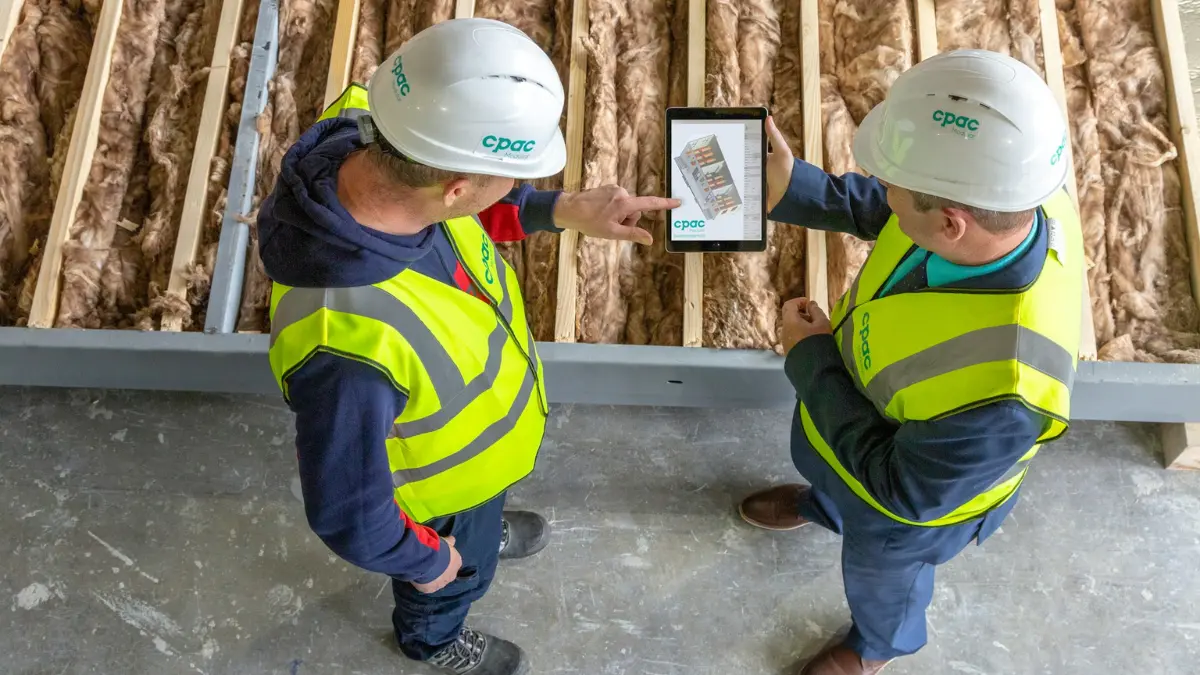
The hidden spots matter most. In a 2,400-square-foot home I inspected last spring, the visible patch was the size of a paperback, but the moisture meter read elevated three feet up the wall behind intact paint.
💡 Expert Note: Mold loves the places you cannot see. Behind drywall, under carpet pad, and inside HVAC returns are where small problems hide and grow.
Inspectors check these high-risk areas in nearly every home:
- Bathrooms and showers, where grout, caulk, and wall mold form first from steam.
- Carpet and padding near exterior doors, since mold in carpet often hides underneath.
- Concrete slabs and floors, because mold on concrete signals trapped ground moisture.
- Framing and studs, where mold on wood and studs means a leak reached the structure.
- Air ducts and HVAC systems, since mold in air ducts spreads spores room to room.
- Basements, the most common location, where basement mold tracks with humidity and seepage.
Mold inspection cost breakdown by size, testing, and region
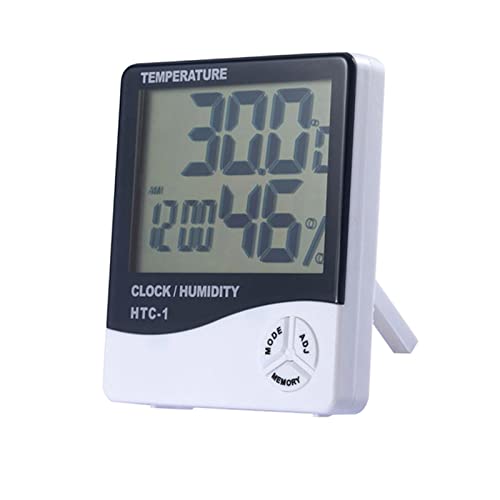
- 【Multi Function】Accurate hygrometer digital thermometer displays high and low temperature & humidity;At the same time, r…
- 【Easy to Use and Install】This indoor room thermometer features a kickstand and hanging hole, can be placed in vertical o…
- 【12/24 Hour, °F/°C Selector】12/24 hour display switching function; ℃ /℉ switching function. Measuring Temperature Range:…
Here is what you actually pay, broken into the pieces that stack onto your final bill.
| Cost factor | Typical price |
|---|---|
| National average inspection | $650 |
| Home under 4,000 sq ft | $300–$400 |
| Larger home (3,000+ sq ft) | $700–$1,000 |
| Mold testing (air/surface samples) | $250–$500 |
| DIY mold test kit | $10–$50 |
| Remediation if mold is confirmed | $1,125–$3,439 (avg $2,254) |
Source: 2025–2026 cost data from Angi, HomeAdvisor, and Bob Vila.
Home size is the biggest lever. A one-bedroom condo takes one HVAC zone and an hour; a sprawling two-story takes three zones and several hours.
Location and access push the price too. Tight crawl spaces and pull-down attics take longer, which is why crawl space mold removal costs and attic mold removal costs tend to run higher than a main-floor job.
ℹ️ Disclaimer: These are national ranges. Your regional labor rates, humidity, and lab fees can move the real number up or down by several hundred dollars.
The figure that actually matters is the full path, not just the inspection. Map your likely total spend against our room-by-room mold remediation cost guide before you commit.
How long it takes and whether it’s worth it

- cloth
- Made in the USA and Imported
- NIOSH APPROVED for at least 95 percent filtration efficiency against certain non-oil based particles
A mold inspection takes 2 to 6 hours, depending on home size and how invasive the assessment needs to be. If samples go to a lab, your written report usually lands within 24 to 48 hours.
So is the cost worth it? In these three situations, yes:
- You see or smell mold but cannot find the source, and need a pro to trace the moisture.
- You or your family have ongoing symptoms like coughing, congestion, or eye irritation that the CDC links to damp, moldy environments.
- You are buying, selling, or filing an insurance claim and need documented proof.
Symptoms deserve real attention. Parents often want to understand mold exposure symptoms in children by age, and anyone managing mold exposure during pregnancy should treat detection as urgent.
ℹ️ Disclaimer: This article covers cost and process, not medical care. If anyone in your home has breathing problems or persistent symptoms, talk to a doctor.
You can sometimes skip the pro. Per the EPA’s guidance on mold and moisture, a patch smaller than about 10 square feet (roughly 3 feet by 3 feet) is usually safe to clean yourself, a judgment call our guide on when DIY mold removal is the right call walks through.
✅ Pro Tip: A musty smell with no visible mold is the strongest reason to pay for an inspection. The source is almost always hidden, and guessing wastes money. Dark, slimy black mold that keeps returning is a sign to read up on black mold symptoms you should not dismiss.
How to hire an inspector and avoid the “free inspection” trap
The single best way to protect your wallet is to hire an inspector who does not also sell you the cleanup.
A company that inspects and remediates has a built-in reason to find an expensive problem. An independent inspector or certified industrial hygienist gives you an objective read with nothing to gain from inflating it.
⚠️ Warning: “Free mold inspection” offers are usually sales calls for remediation. The visit costs nothing because the company expects to sell you thousands in cleanup. Get an independent assessment first.


- 3M Scotchgard Anti-Fog Coating lasts longer than traditional anti-fog coatings, helping to increase eyewear performance …
- Workers may enjoy reliable, clearer sight longer, because the coating with its active ingredient is bonded to the lens. …
- The coating withstands disinfection with diluted bleach soaking or alcohol wipes without losing its anti-fog performance
Before you book anyone, confirm these basics:
- Credentials, such as a certified industrial hygienist or indoor environmental professional designation.
- State licensing, since states like Florida and Texas require a registered mold assessor with a verifiable license number.
- Lab accreditation, meaning samples go to an accredited lab rather than getting eyeballed on site.
When the report points to a real cleanup, choose carefully using our guide to hiring a mold remediation company you can trust.
The bottom line on mold inspection costs
Expect to pay $300 to $1,000 for a professional inspection, with most homeowners landing near $650. Testing adds $250 to $500, and remediation, if needed, is a separate four-figure cost.
The inspection is the cheap first step that keeps you from paying to remediate the wrong spot. Spend a few hundred dollars to know exactly what you are dealing with before anyone opens a wall.
Get an independent quote, ask for itemized pricing, and verify credentials. Then, if cleanup is the next step, plan it with confidence and the right room-by-room cost expectations in hand.
Mold inspection cost FAQs
1. How much does a mold inspection cost?
A mold inspection cost averages about $650 nationally, with most homeowners paying between $300 and $1,000. Smaller homes under 4,000 square feet often run $300 to $400, while larger homes reach $700 to $1,000. Home size, sample count, and accessibility drive the final price.
2. Is mold testing the same as a mold inspection?
No, mold testing and a mold inspection are different services. An inspection locates mold and its moisture source visually, while testing collects air or surface samples for lab analysis to identify the species and spore count. Inspection runs $300 to $1,000; testing adds $250 to $500.
3. How much does mold testing cost separately?
Mold testing costs $250 to $500 when billed on its own, covering air or surface sample collection plus lab analysis. The price rises with each additional sample. Some inspectors bundle one or two tests into the inspection fee, so always confirm whether testing is included or charged separately.
4. Does homeowners insurance cover mold inspection?
Homeowners insurance may cover a mold inspection only when the mold results from a sudden, covered event like a burst pipe, treated as resulting damage. It rarely covers mold from humidity, slow leaks, or neglect. Our guide on when insurance covers mold remediation explains the qualifying scenarios.
5. Can I inspect for mold myself?
You can do a basic mold check yourself by looking for discoloration, musty odors, and moisture near leaks, windows, and bathrooms. For a patch under about 10 square feet, the EPA says cleanup is usually a safe DIY job. Hire a pro when mold is hidden, widespread, or recurring.
6. How much do DIY mold test kits cost?
DIY mold test kits cost $10 to $50 at most hardware stores and online retailers. They can confirm whether mold is present, but they are far less reliable than professional sampling and cannot accurately identify every species. Treat a kit as a low-cost first check, not a substitute for an inspection.
7. How long does a mold inspection take?
A mold inspection takes 2 to 6 hours, depending on your home’s size and how invasive the assessment must be. A small condo may take an hour, while a large multi-zone home takes longer. If samples go to a lab, your written report typically arrives within 24 to 48 hours.
8. How much does mold remediation cost after inspection?
Mold remediation costs $1,125 to $3,439 after inspection, with a national average around $2,254. The price depends on the affected surface, the size of the area, and the moisture source behind it. Remediation is always billed separately from the inspection that diagnoses the problem.
9. Who pays for a mold inspection in a rental?
In a rental, the landlord typically pays for mold inspection and removal when the cause is a building issue like a leak, as covered in our landlord mold responsibility guide. If a landlord refuses to act, review your options in our renter’s rights when a landlord won’t fix mold breakdown.
10. Do I need a mold inspection before selling my home?
A mold inspection before selling is not legally required in most states, but it is smart when you have known water damage or visible growth. Documenting a clean result, or remediating first, prevents deals from collapsing during the buyer’s inspection. Our mold remediation before selling guide covers the timing.
11. What certifications should a mold inspector have?
A qualified mold inspector should hold a certified industrial hygienist credential or an indoor environmental professional designation, and a state mold assessor license where required. Ask for the license number and confirm the company uses an accredited lab. Avoid inspectors who also profit from selling you the remediation work.
12. Is black mold inspection more expensive?
Black mold inspection usually costs the same as a standard inspection, since the visit and tools are identical. Costs rise only if more lab samples are needed to confirm the species. Removal, however, can cost more, which our black mold removal by surface type guide details room by room.
13. How often should you get a mold inspection?
Most homes never need a routine mold inspection. You only need one when you suspect a problem, such as after a flood, a roof or plumbing leak, or when a musty smell appears. Homes in humid climates or with past water damage benefit from a check every few years.
14. Can mold come back after remediation?
Yes, mold returns after remediation if the underlying moisture source is not fixed. Spores are always present in the air and regrow whenever dampness returns. A quality remediation addresses the leak or humidity problem first, then removes the mold, which is the only way to keep it from coming back.
Related Articles
 Mold Remediation
Here’s How to Remove Mold from Drywall Without It Coming Back
May 22, 2026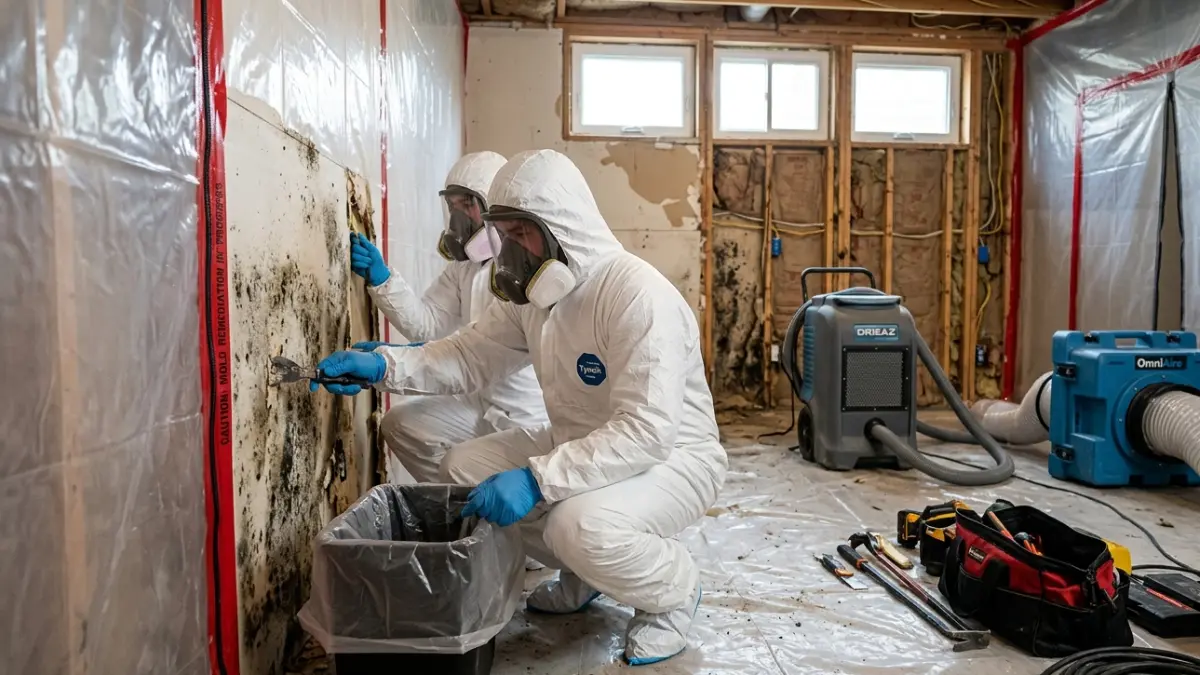 Mold Remediation
Your Realistic Mold Remediation Timeline, Day by Day
June 19, 2026 Mold Remediation
Here’s How Post Mold Remediation Testing Confirms It Worked
June 3, 2026 Mold Remediation
Found Mold in Carpet? Here’s Exactly What to Do First
May 25, 2026 Mold Remediation
What an Air Purifier Can and Can’t Do About Your Mold
June 19, 2026 Mold Remediation
Basement Mold Is Treatable — Here’s the Proven Method
May 15, 2026 Mold Remediation
Your Real Mold Remediation Cost Room by Room
May 5, 2026 Mold Remediation
Here’s Exactly When DIY Mold Removal Is the Right Call
May 8, 2026 Mold Remediation