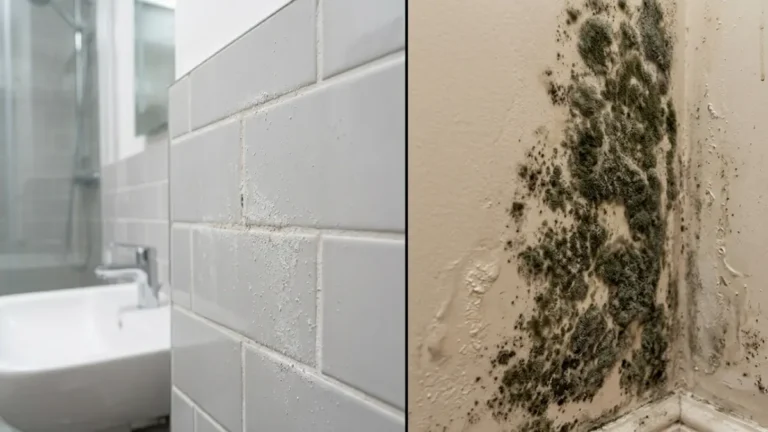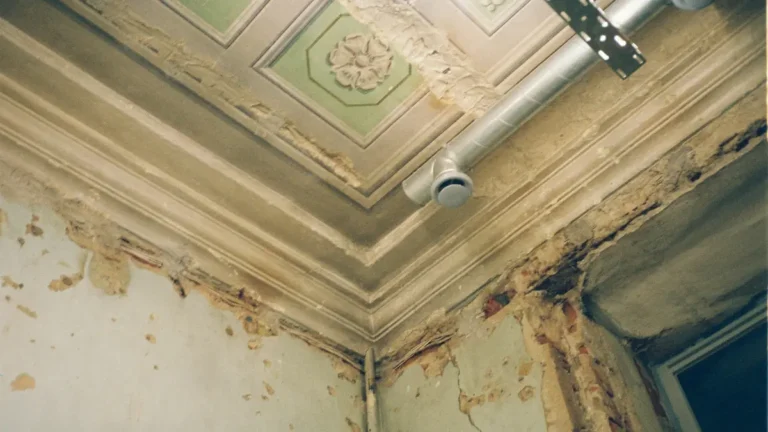
If You’ve Spotted Garage Mold, Here’s Your Fix

Garage mold almost always traces back to one hidden moisture source—find it, and the 10-square-foot rule tells you whether to grab gloves or call a pro.
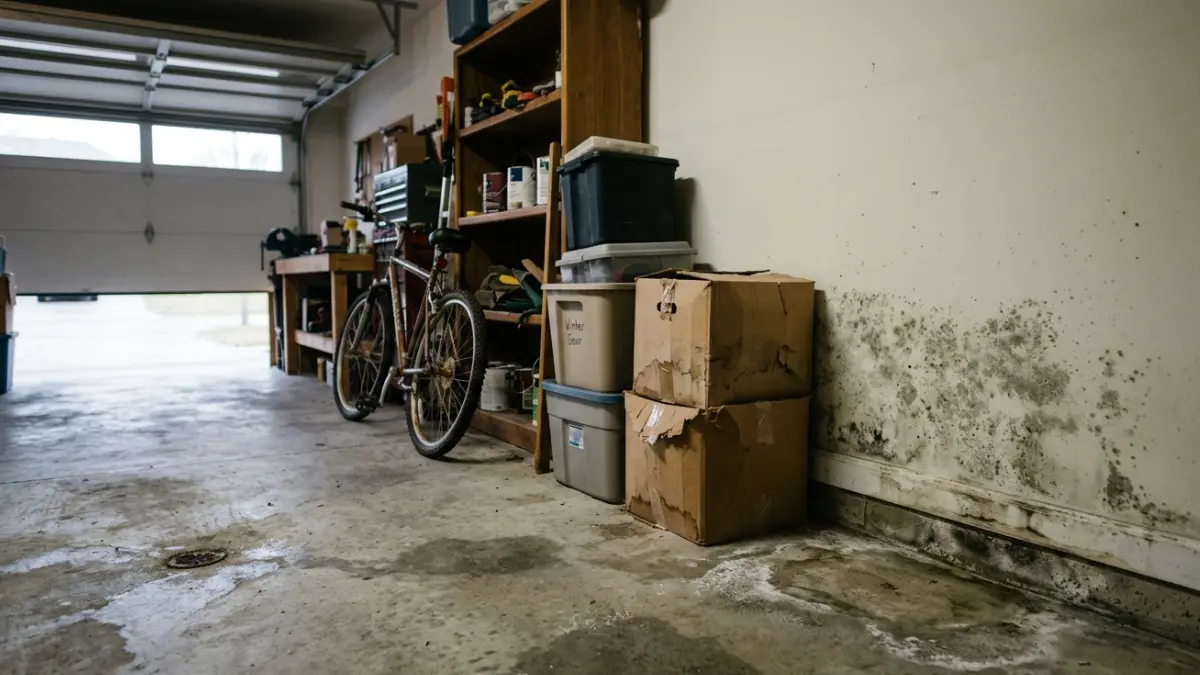
Table of Contents
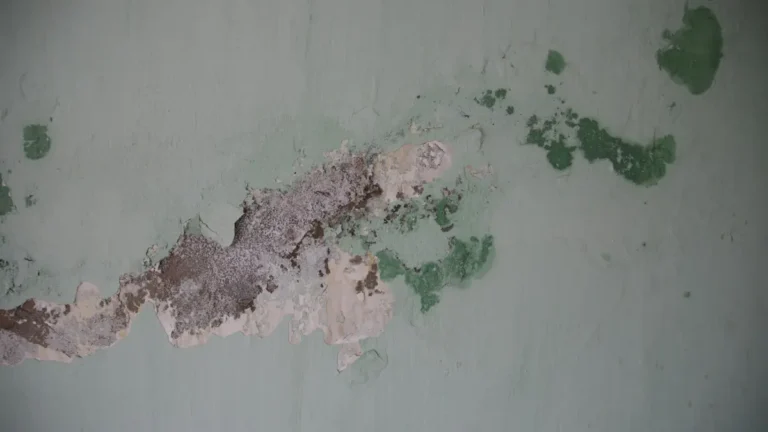
You open the garage, catch that damp, earthy smell, and spot a patch of fuzzy gray creeping across the drywall. It’s unsettling, and you’re probably wondering if it’s spreading into the rest of the house.
Here’s the reassuring part. Most garage mold is a moisture problem — and moisture problems are fixable.
Garages are practically built to grow mold. They’re poorly ventilated, they swing between hot and cold, and they collect the damp, organic material mold feeds on.
This guide covers why mold appears, how to remove it safely, the one rule that tells you when to call a professional, and how to keep it from returning. Where it matters, the advice follows EPA and CDC guidance instead of guesswork.
If mold has shown up in more than one spot, it’s worth building a full room-by-room mold remediation plan for your home. For the garage specifically, start here.
What causes mold in a garage
Mold grows in a garage when three conditions overlap: moisture, organic material to feed on, and poor airflow. Remove any one and mold can’t take hold.
The three things mold needs to grow
Almost every garage mold problem traces back to the same short list, with moisture as the trigger.
- Moisture from condensation, a leaky roof, rain under the door, or a wet car dripping on the slab.
- Food like cardboard, drywall paper, wood studs, and settled dust.
- Stagnant air, because garages rarely get the ventilation the rest of the house does.
Warm, humid air meeting a cold concrete floor is the usual culprit. That temperature gap creates condensation you may never see forming.
Where mold hides in a garage
Mold starts in the spots you don’t check, not out in the open.
Look at the ceiling above where you park, the top corners, the base of exterior walls, and floor edges where water collects. Behind stored boxes is the classic blind spot.
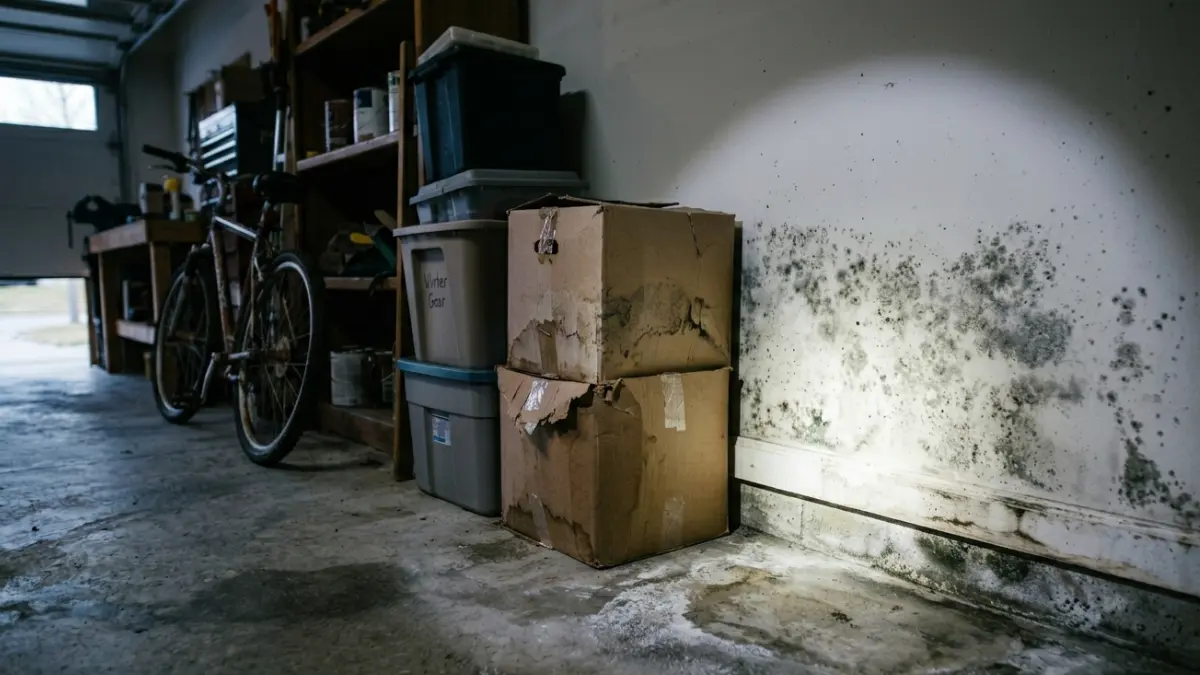
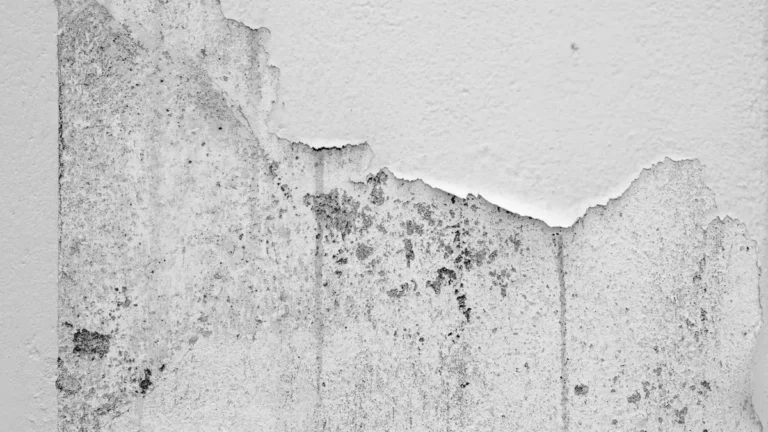
Not sure it’s even mold? Learning to tell mold from mildew settles it quickly, and staining on a bare slab can be efflorescence, which is why mold on concrete floors needs its own approach.
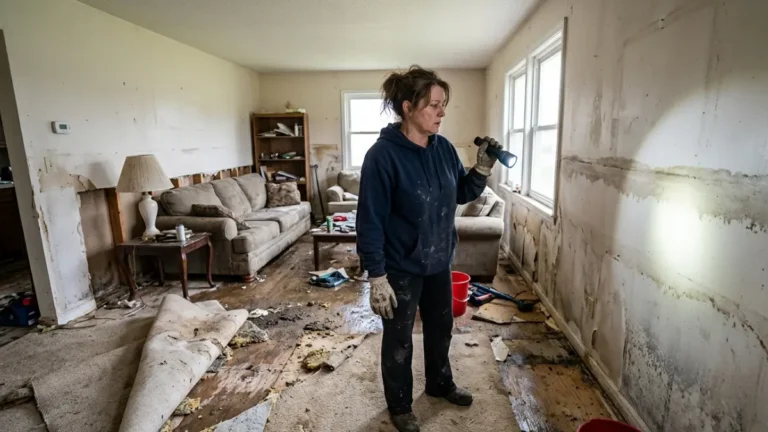
If the patch appeared right after a storm or burst pipe, mold after flooding covers the water-damage cleanup.
How to remove mold from a garage, step by step
To remove mold from a garage, work through these steps in order:
- Fix the moisture source first, or the mold simply grows back.
- Ventilate and gear up — open the door and put on an N95 respirator, gloves, and goggles.
- Scrub non-porous surfaces like concrete and metal with a detergent-and-water solution and a stiff brush.
- Remove porous materials — soft drywall, bare wood, and cardboard usually can’t be saved.
- Dry everything completely with fans, since leftover dampness restarts growth within days.
Gear up before you start

- Professional Chemical Gloves – The ergonomically shaped reusable work gloves are made of premium nitrile, have excellent…
- Comfortable and Durable – With 15Mil (0.38 millimeter) thickness flocked liner, these heavy duty gloves are very soft, e…
- Great Grip – The non-slip particle textured palm chemical resistant gloves offer good grip to grab the wet and greasy pa…

- cloth
- Made in the USA and Imported
- NIOSH APPROVED for at least 95 percent filtration efficiency against certain non-oil based particles

- 3M Scotchgard Anti-Fog Coating lasts longer than traditional anti-fog coatings, helping to increase eyewear performance …
- Workers may enjoy reliable, clearer sight longer, because the coating with its active ingredient is bonded to the lens. …
- The coating withstands disinfection with diluted bleach soaking or alcohol wipes without losing its anti-fog performance
The biggest mistake people make is scrubbing dry mold with no protection. Dry scrubbing flings spores straight into the air you’re breathing.
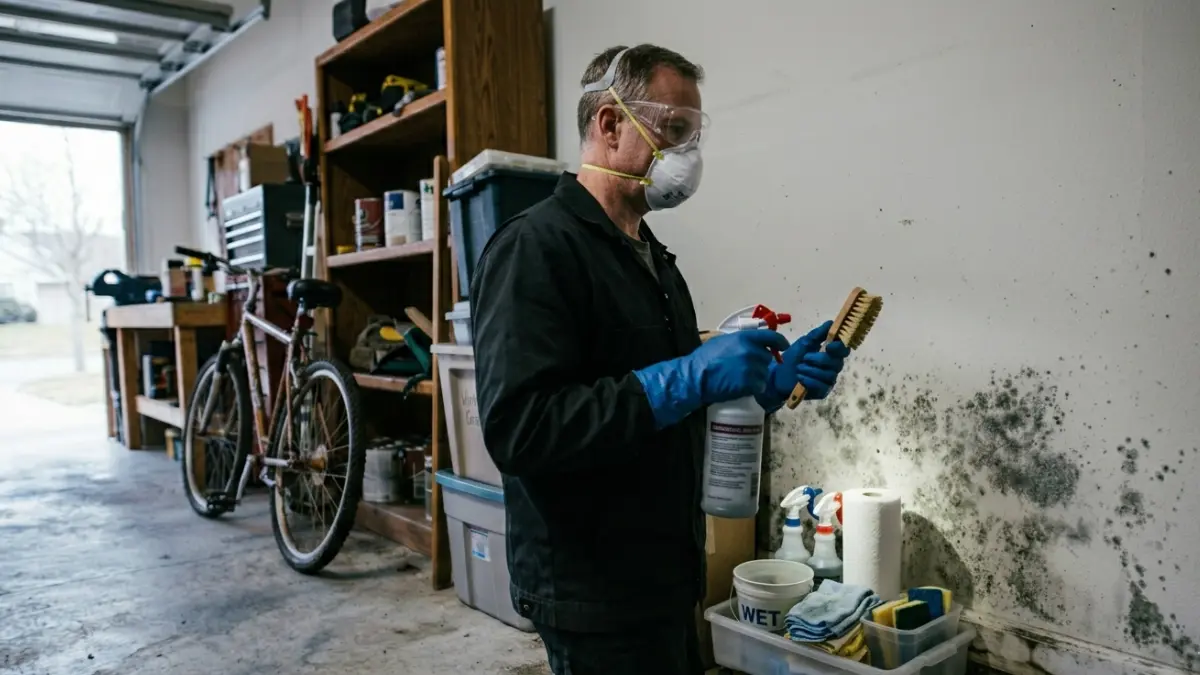
⚠️ Warning: Wear an N95 respirator, gloves, and eye protection before disturbing mold, and never dry-scrub it. Mist the surface lightly first to keep spores down. The right mold removal safety gear costs little and protects your lungs.
Match the method to the surface
What you clean with depends entirely on what the mold is growing on.
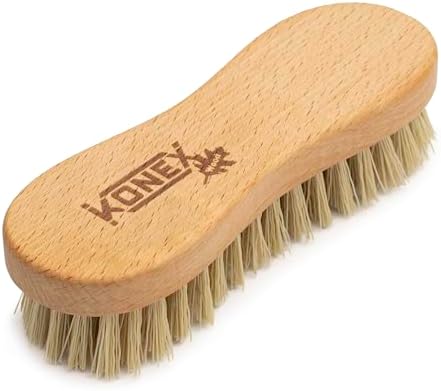
- Ergonomic Design: The peanut-shaped wood body of this hand scrub brush offers an ergonomic grip, ensuring comfortable us…
- Versatile Cleaning: This scrub brush for floors is perfect for tackling tough stains on different surfaces, making it a …
- Durable Construction: Crafted for longevity, this heavy duty scrub brush features stiff bristles that withstand rigorous…
| Surface | Porous? | What to do |
|---|---|---|
| Concrete, metal, sealed wood | No | Scrub and reuse |
| Painted drywall | Semi | Clean gently; replace if soft |
| Bare drywall, cardboard | Yes | Remove and discard |
Surface guidance reflects EPA cleanup recommendations.
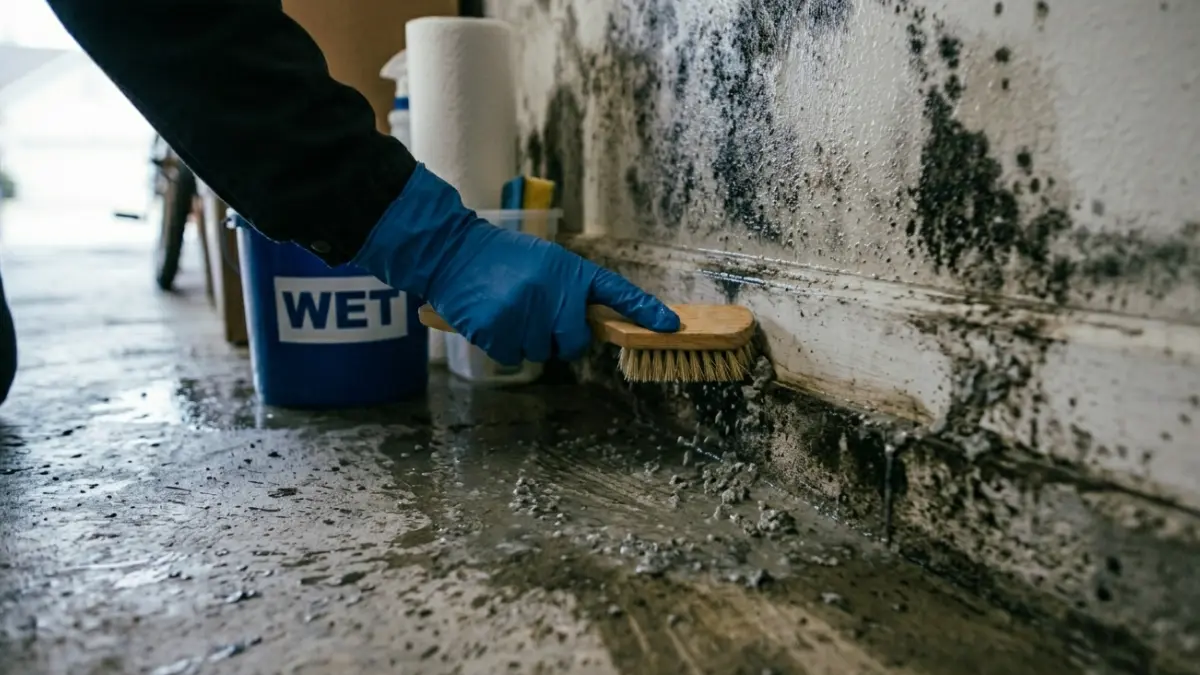
Bleach is the classic wrong tool — it can’t reach mold rooted inside porous material. A surface-specific mold removal product works better, and many people get clean results using vinegar for mold removal on the right surfaces.
For walls and framing, the fix differs by material: here’s how to remove mold from drywall and the safe way to remove mold from wood studs.
The EPA’s mold cleanup guide for homeowners is the reference behind this method.
DIY or call a pro, and what garage mold removal costs
Call a professional when mold covers more than about 10 square feet — roughly a 3-by-3-foot patch — or keeps returning after you clean it. Below that, and on hard surfaces, most homeowners can DIY.
When you can DIY and when you can’t
Size is the clearest dividing line, and it comes straight from federal guidance.
💡 Expert Note: The EPA puts the DIY threshold at about 10 square feet. Above that — or if mold is inside walls, the HVAC, or someone home has breathing symptoms — bring in a pro.
A small patch on concrete or a metal door track is a fair weekend job. Knowing when DIY mold removal is the right call keeps you from taking on too much, and a solid guide to hiring a mold remediation company helps if you’d rather not.
What professional removal costs
Pricing tracks the size of the affected area and the materials involved.
| Scope | Typical cost |
|---|---|
| DIY supplies, small patch | $30–$150 |
| Small pro job | $500–$1,500 |
| Typical remediation | $1,200–$3,750 |
| Per square foot | $10–$25 |
Based on 2025–2026 US pricing; black mold often runs 15–25% higher.
Garages usually land on the lower end since they’re small and uncarpeted. For more, see mold remediation cost room by room, and check whether homeowners insurance covers mold — it often does when the cause was sudden, like a burst pipe.
The EPA’s brief guide to mold and moisture lays out the size thresholds in full.
How to stop garage mold from coming back
Removing mold without fixing the moisture just buys a few months. Control the dampness and mold has nowhere to grow.
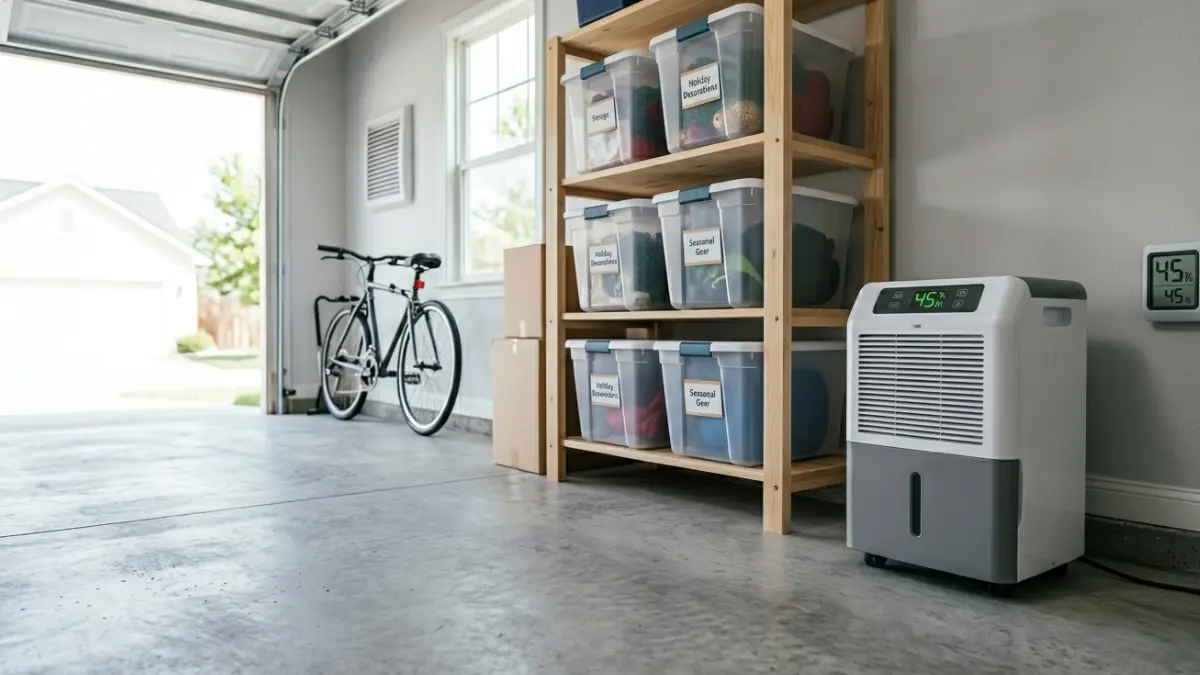
Control moisture and humidity

- Wellness Indicator: This humidity meter with humidity level icon indicates air conditions – DRY/COMFORT/WET, allowing th…
- High Accuracy & Quick Refresh Rate: This inside thermometer features a high accuracy of +/-2 to 3%RH and +/-1°F, making …
- High & Low Records: This hygrometer digital thermometer displays high/low temperature and humidity levels to allow you t…
Keep relative humidity below 50% and the garage stops being mold-friendly.
- Run a dehumidifier in humid months and check levels with a cheap hygrometer.
- Squeegee melted snow and wet-car runoff instead of letting it sit.
- Seal gaps around the door and cracks in the walls or slab.
- Add a vent or exhaust fan to move air on muggy days.
✅ Pro Tip: A $15 hygrometer pays for itself fast. If it reads above 50% for days, moisture is building whether you see mold or not.
Understanding how a dehumidifier prevents mold — by drying the air rather than killing spores — makes it the most useful tool you own.
Store and build smarter
How you use the garage matters as much as the structure itself.
Swap cardboard boxes for sealed bins, keep items off the floor, and choose mold-resistant paint if you repaint. If mold has returned before, why mold keeps coming back covers the root causes.
Closing the garage up for a season? Keeping a vacation home mold-free applies just as well to a space you’re leaving shut.
Is garage mold a health risk
Garage mold can affect your health, though reactions vary widely from person to person. Many people notice nothing; others react strongly.
Possible health effects
According to the CDC, mold exposure can trigger a stuffy nose, sore throat, coughing or wheezing, burning eyes, or a skin rash.
People with asthma or mold allergies, the immune-compromised, infants, and older adults face the highest risk. The CDC’s guidance on mold and health is the authority worth reading.
Despite its reputation, black mold isn’t proven to be more dangerous than other molds — but any mold flags a moisture problem worth fixing. You can review which black mold symptoms not to dismiss, and removal still varies by material, which is why black mold removal by surface is its own topic.
When to see a doctor
Symptoms that linger, or that hit a high-risk person, are worth a call.
ℹ️ Disclaimer: This is general information, not medical advice. If anyone develops persistent breathing problems, see a healthcare provider.
Parents can check mold exposure symptoms in children by age, and anyone expecting should understand mold exposure during pregnancy.
What to do next
Garage mold is a moisture problem wearing a disguise. Fix the water, remove what’s grown, and keep the air dry.
For a small patch on hard surfaces, you have everything you need to handle it this weekend. For anything past that 10-square-foot line — or mold that keeps returning — calling a pro is the smart choice, not the soft one.
Tackle the moisture source today, then put the prevention steps to work so you’re not back here next season. If mold has turned up in more than one room, your whole-home mold remediation plan ties it together.
Garage mold FAQ
Quick answers to the questions homeowners ask most about mold in the garage.
1. Can I remove garage mold myself?
Yes, if the garage mold covers less than about 10 square feet and sits on hard, non-porous surfaces like concrete or metal. Wear an N95 respirator, gloves, and goggles, fix the moisture source, and dry the area fully. Larger or recurring mold needs a professional.
2. What kills mold in a garage?
A detergent-and-water solution with a stiff brush handles mold on hard surfaces, and surface-specific cleaners or vinegar work well too. The goal isn’t only killing visible mold — it’s removing it and drying the area so spores can’t regrow. Skip bleach on porous materials.
3. Does bleach kill garage mold?
Bleach kills mold only on hard, non-porous surfaces like sealed concrete or metal. It can’t penetrate porous materials such as drywall or bare wood, so the roots survive underneath and the mold returns. For those surfaces, remove the material or use a product made to reach mold.
4. What’s the white mold on my garage walls or stored items?
White, fuzzy growth is often early-stage mold, while a white crystalline crust on concrete is usually harmless efflorescence. Mold on fabric and boxes spreads fast, so check anything stored nearby. If a stored rug looks affected, here’s whether to clean or replace moldy carpet.
5. How much does professional garage mold removal cost?
Most professional jobs run $1,200 to $3,750, or about $10 to $25 per square foot, with small garage patches often $500 to $1,500. A mold inspection adds $250 to $350; see what a mold inspection really costs for a full breakdown.
6. Can garage mold spread to the rest of my house?
Yes. Spores travel through shared doorways, gaps, and HVAC systems, so an attached garage can seed mold elsewhere. That’s why mold in your air ducts deserves attention, and a damp garage can lead to a basement mold problem too.
7. Is garage mold connected to mold elsewhere in my home?
Often, yes — the same humidity and leaks that feed garage mold reach nearby rooms. Bathrooms and attics are common partners, so it’s worth checking bathroom mold on grout and caulk and your attic mold removal options if the garage is affected.
8. What if my garage connects to a crawl space?
Crawl spaces trap moisture and often share air with the garage above, so mold in one frequently means mold in the other. If you have access below, review crawl space mold removal costs and next steps before the problem climbs into your living space.
9. Why does my garage smell musty when I can’t see mold?
A musty, earthy odor is microbial growth releasing gases, even when mold is hidden behind boxes, under the slab edge, or inside walls. Trust your nose — the smell usually shows up before visible patches do. Track down the moisture source and the odor fades.
10. What humidity level prevents garage mold?
Keep relative humidity below 50%, ideally between 35% and 50%. Above that, condensation and mold become likely, especially where warm air meets a cold concrete slab. A dehumidifier paired with a cheap hygrometer is the simplest way to hold that range year-round.
11. Should I test my garage for mold?
Usually not. The CDC doesn’t routinely recommend testing — if you can see or smell mold, the answer is to remove it. Testing mainly helps confirm a cleanup worked; here’s how post-remediation testing confirms it after a larger job.
12. I rent my home — who’s responsible for garage mold?
In most cases your landlord must fix mold caused by building issues like leaks or poor ventilation. Rules vary by state, so review landlord mold responsibility and your rights when a landlord won’t act before paying out of pocket.
13. Do I need to fix garage mold before selling my house?
Almost always, yes. Visible mold and musty odors scare off buyers and can stall a home inspection, and many states’ disclosure rules require you to report known mold. Handling it early protects your sale price; here’s a plan for mold remediation before selling.