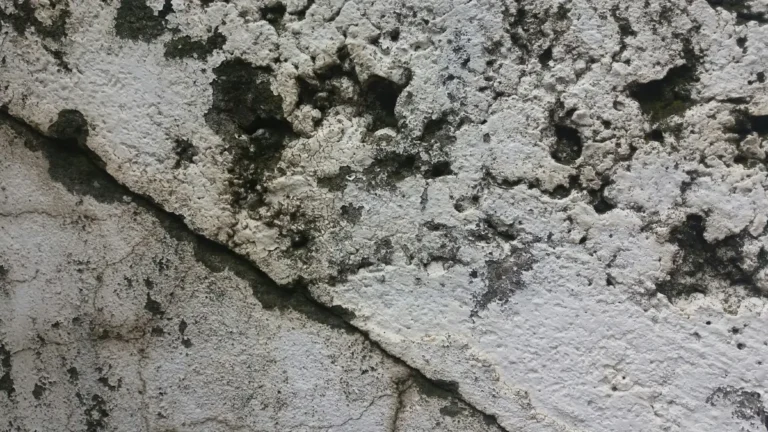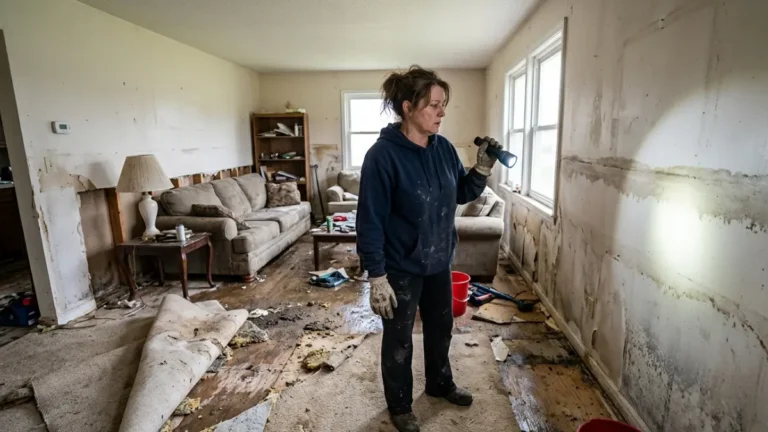
Why Your Mold Keeps Returning and How to Prevent It

Prevent mold from coming back for good by fixing the one thing that feeds it—moisture. Keep humidity at 30-50% and break the cycle scrubbing never could.
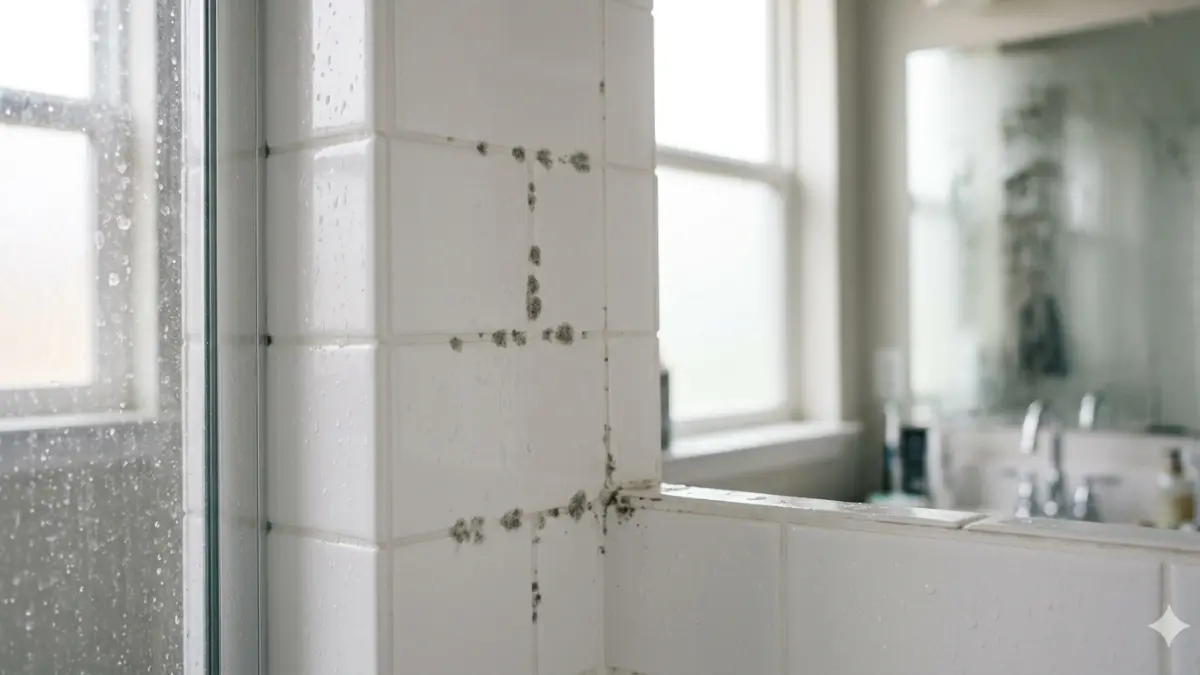
Table of Contents
You scrubbed the grout spotless, then watched the same gray specks return two weeks later. That cycle almost always means one thing.
The mold came back because the water feeding it never left. Cleaning a surface treats the symptom, not the cause.
Mold is a living organism, and its spores drift through every home whether you see them or not. They stay harmless until they land somewhere damp enough to take hold.
So stopping regrowth is not about scrubbing harder. It is about finding the moisture, removing it, and keeping the air dry enough that spores have nothing to grab — and if you are still facing active growth, start with our diagnostic plan for mold remediation first.
Why mold keeps coming back
Mold returns for one reason, and it is rarely the one people assume.
Mold grows back because the moisture problem feeding it was never fixed. Spores are always present indoors, and they reactivate on any surface that stays damp — so cleaning the surface without removing the water source only resets the cycle.
Mold spores never fully leave
You cannot scrub your way to a spore-free home, and you do not need to. Spores float in the air and settle in house dust, waiting for moisture.
Deny them water and they stay dormant. Give them a damp wall and they bloom again.
Why the same spot keeps molding
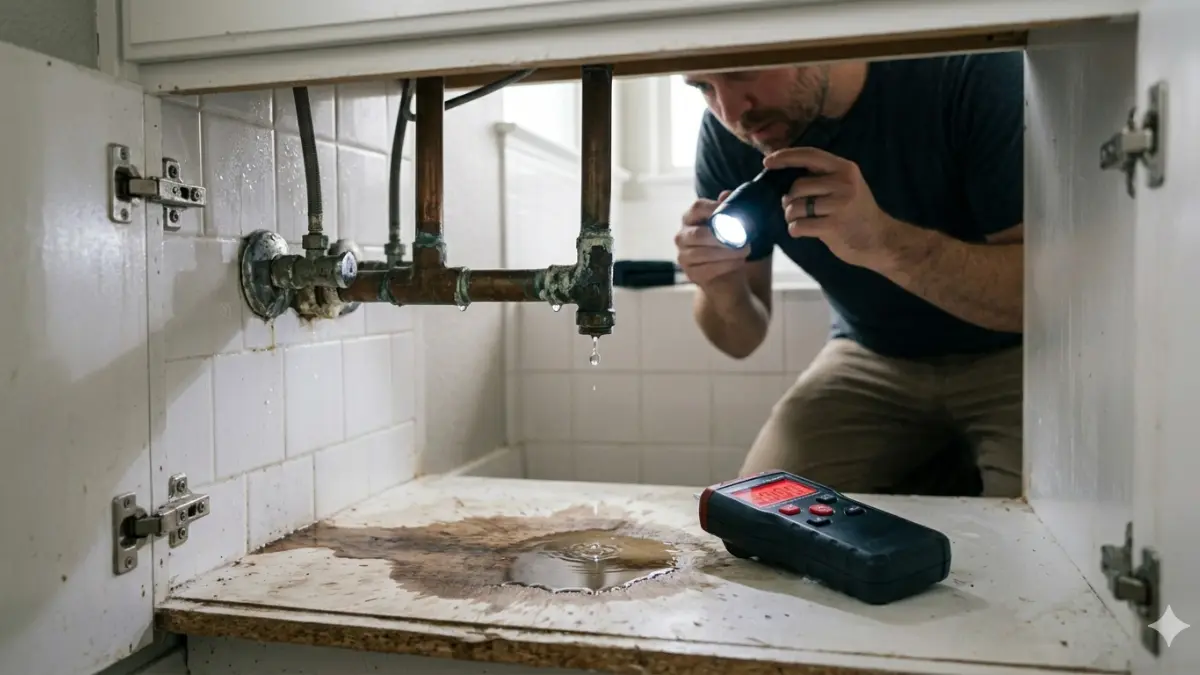
When mold keeps coming back in the same spot, a hidden moisture source is feeding that exact location — a slow pipe drip, a cold wall where warm air condenses, or a roof leak tracking down a stud.
Porous materials make it worse. On drywall, grout, or wood, growth roots below the surface, so wiping the top leaves the colony alive underneath. If you are unsure whether it is even mold, our guide on telling mold from mildew shows what each one needs.
Find and fix the moisture source
Eliminate the water and you eliminate nearly every recurrence problem you have.
Here is how to track down a hidden moisture source:
- Start at the mold and trace upward. Water travels down, so the damp origin usually sits above or behind the growth.
- Check plumbing first. Inspect under sinks, around toilet bases, and along pipes for drips, corrosion, or stains.
- Look for condensation. Cold windows, bare pipes, and exterior walls collect moisture when warm air meets them.
- Inspect roof and gutters. Missing shingles and clogged gutters push water toward walls instead of away.
- Walk the foundation. Confirm soil slopes away from the house and downspouts discharge several feet out.
⚠️ Warning: Dry any wet area within 24 to 48 hours. Past that window, mold colonizes damp drywall, carpet, and wood, and a small fix becomes a remediation job.
The EPA’s guide to mold and moisture for homeowners is blunt about it: clean the mold and fix the water, or it returns.
Repair, then treat the surface
Once the water is handled, the material gets cleaned or replaced based on what it is made of. Hard, non-porous surfaces clean up; saturated porous ones often have to go.
Match the method to the material: how to remove mold from drywall for good, treat mold on wood and studs, clear mold from concrete floors, whether to clean or replace a moldy carpet, and handle mold in air ducts.
Control humidity and the tools that help
Keep the air dry and mold loses the one thing it cannot live without.
Keep indoor relative humidity between 30% and 50%, and always below 60%. Above that line, airborne moisture alone feeds growth on walls, ceilings, and fabrics with no leak required.
Measure before you manage
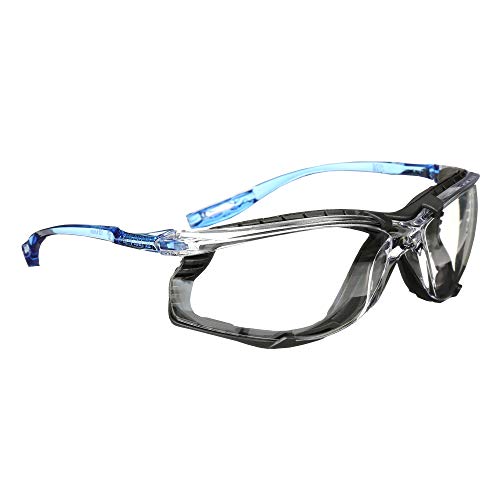
- DUST DEFENSE: Foam removable gasket helps limit eye exposure to nuisance dust and other particles while providing additi…
- WRAP AROUND DESIGN provides extended eye protection and unobstructed viewing
- ANTI-FOG LENS COATING and removable foam-lined gasket with airflow vents make this protective eyewear ideal for humid en…
A hygrometer is the cheapest insurance you can buy, usually $10 to $30, and it flags the moment humidity crosses into mold territory. Put one in any room that has flooded or felt damp.
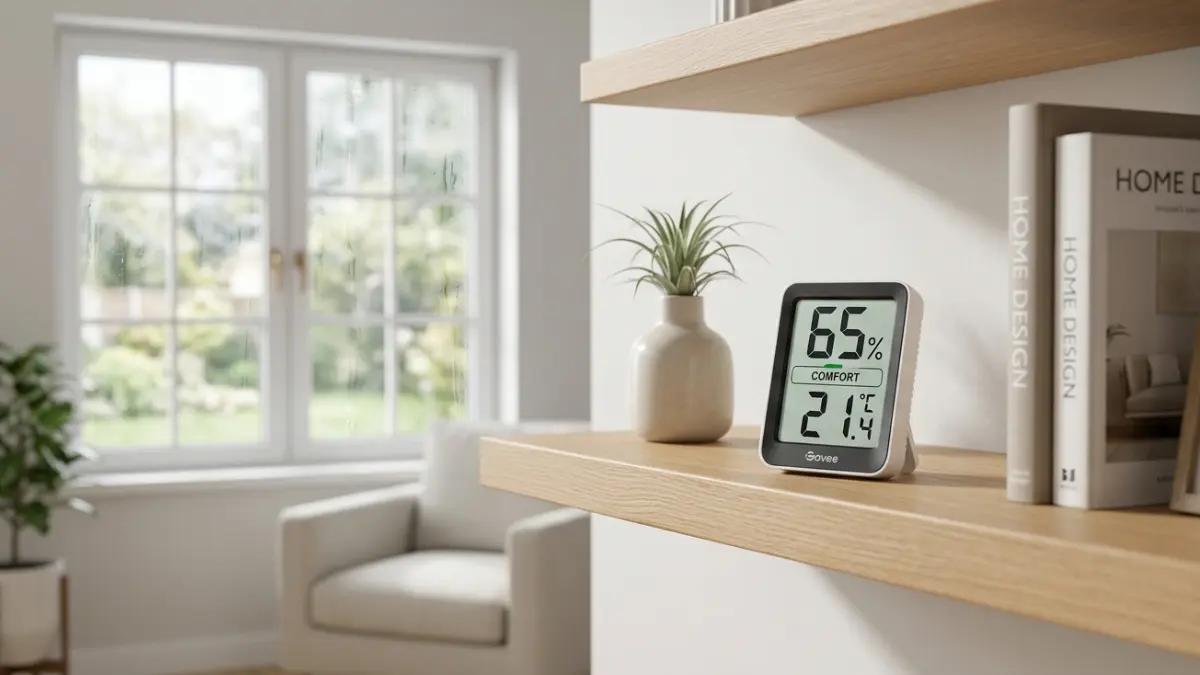

- 【*REQUIRES Tapo Hub】To utilize Tapo motion sensor T315, a Tapo hub H100 (sold separately) and a secured 2.4 GHz Wi-Fi ne…
- 【2.7″ E-ink Display】Displays temperature & humidity, comfort level, battery status, and signal strength. Features low-po…
- 【Real-Time & Accurate Monitoring】Featuring the Swiss-made sensor chip, Tapo T315 provides high accuracy and real-time da…
Condensation inside your windows is a free backup signal. When you see it, the room is too humid.
The gear that holds the line

- Whole-Home Moisture Control – 50 Pint Dehumidifier designed for homes up to 3,500 square feet – from finished basements …
- Intelligent DEHU Mode + Bedtime Quiet: Set it and forget it in your bedroom or nursery. Choose your target humidity (e.g…
- DRY Mode for Fast Drying – Laundry Room, Bathroom, Closet: Need quick drying after a shower or wet laundry? Switch to DR…
A right-sized dehumidifier does the heavy lifting in damp spaces, holding a basement under 50%. Our guide on how a dehumidifier prevents mold explains how to size one.
Ventilation matters just as much. Exhaust fans, an open window, and an HVAC system with a high-MERV filter move damp air out before it settles.
Do mold-resistant materials work?
When you re-finish the wall it kept returning on, mold-resistant drywall, primer, and paint add real protection — not a substitute for fixing moisture, but a buffer if humidity spikes. Our roundup of mold removal products by surface covers what holds up, and for a lower-tox route, here is how to use vinegar for mold removal.
💡 Expert Note: A $15 hygrometer prevents more recurring mold than the priciest spray on the shelf. You cannot fix a humidity problem you are not measuring.
Stop mold returning room by room
Recurring mold favors the same four spaces, each with a weak point worth closing.
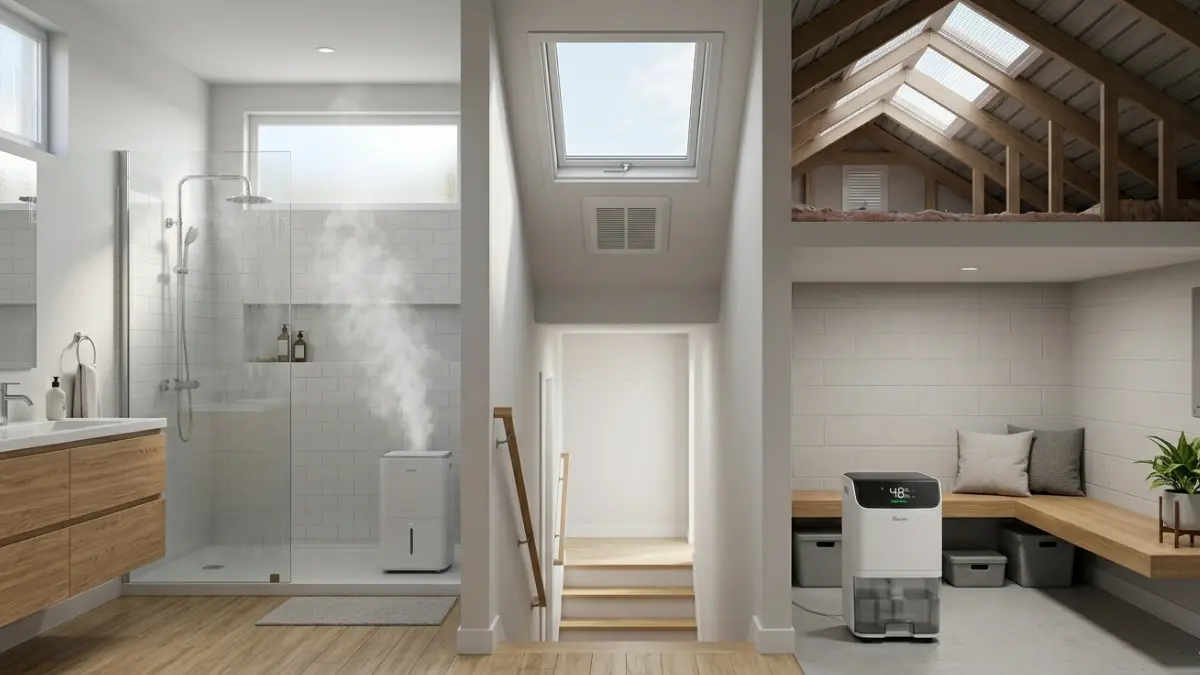
Bathroom
Run the exhaust fan during every shower and 30 minutes after. Squeegee the glass and walls, and shake out the curtain so water does not pool in the folds.
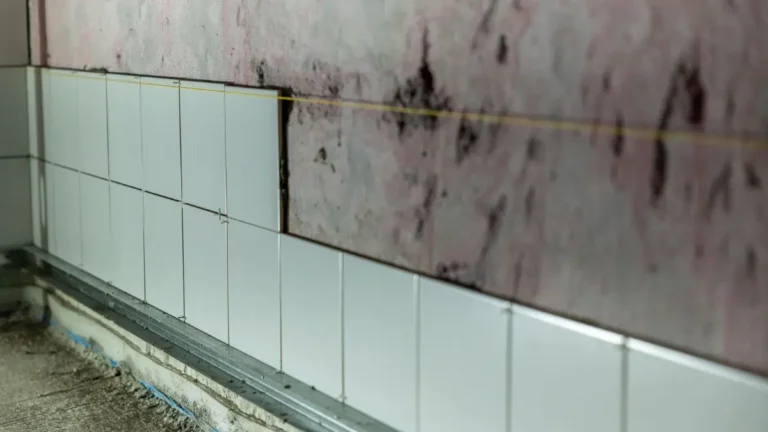
That grout-line return is classic. For a deeper fix, see our walkthrough on bathroom mold removal for grout, caulk, and walls.
Basement
Run a dehumidifier through humid months, seal slab cracks, and cap the sump pit to cut evaporation. Make sure nothing outside drains toward the foundation.
If it keeps flooding or returning, our method for basement mold removal covers the full reset.
Kitchen, attic, and crawl space
Vent the range hood and dryer outside, never into a cabinet or attic. Attics and crawl spaces need steady airflow and dry insulation to stay clear.
These hidden spaces conceal problems until they spread, so know what attic mold removal involves and how to handle crawl space mold.
✅ Pro Tip: Whenever you clean returning mold yourself, gear up. A fitted respirator, gloves, and eye protection keep spores out of your lungs — our mold removal safety gear checklist shows what to wear.

- cloth
- Made in the USA and Imported
- NIOSH APPROVED for at least 95 percent filtration efficiency against certain non-oil based particles

When recurring mold needs a pro
Most returning mold is a DIY fix, but some cases call for a professional — and knowing the line protects your home and your health.
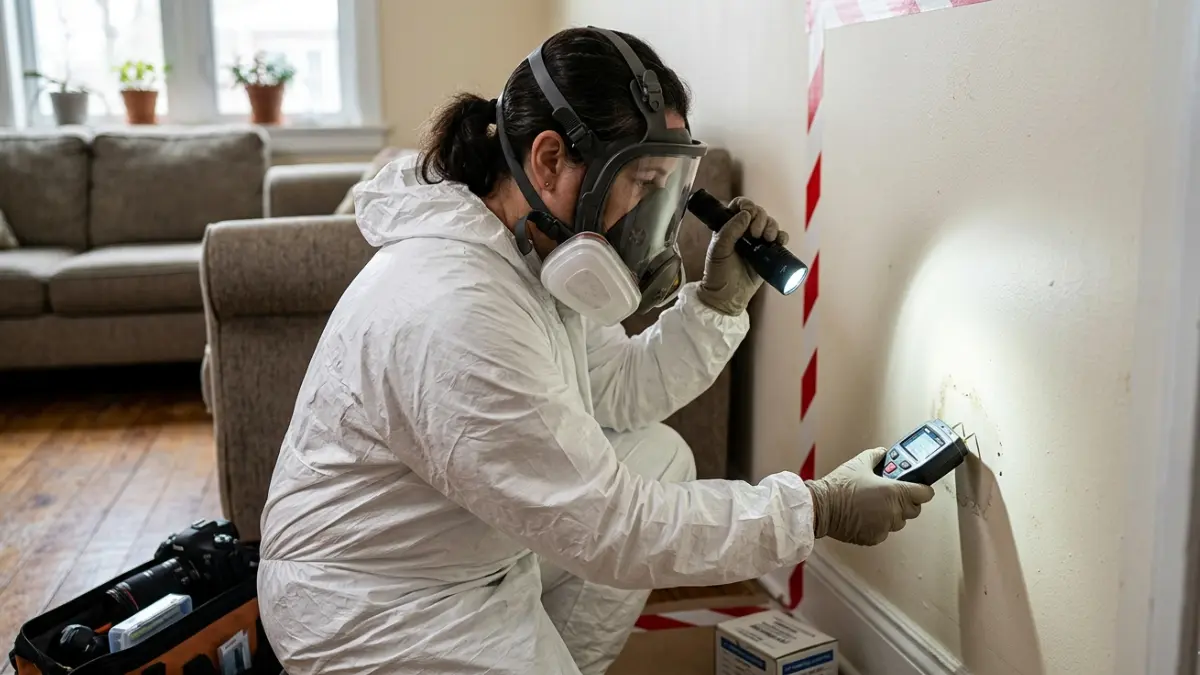
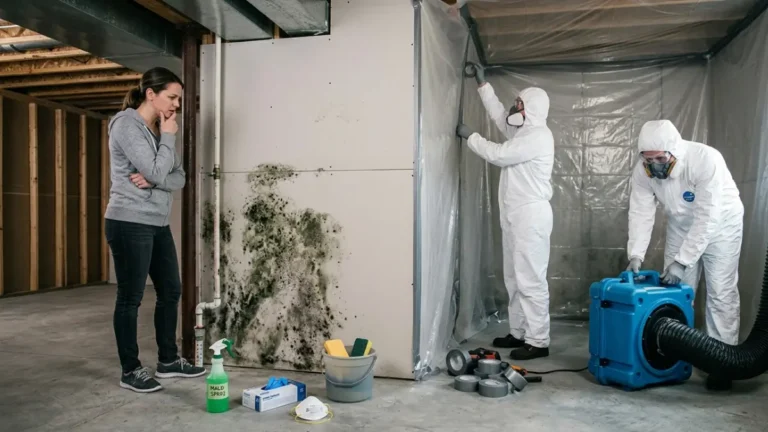
The size rule is simple. If the moldy area is larger than about 10 square feet — roughly a 3-by-3-foot patch — bring in a pro.
Mold that returns even after thorough cleaning and drying is another flag. It usually means a hidden source inside a wall or under flooring.
ℹ️ Disclaimer: This is general home-maintenance information, not medical advice. If anyone in your home has asthma, a mold allergy, a weakened immune system, or chronic lung disease, treat exposure seriously and consult a healthcare provider.
Per the CDC’s guidance on mold and your health, mold can trigger congestion, wheezing, and skin or eye irritation, and people with compromised immunity may develop lung infections. Testing is usually unnecessary — whatever the type, you remove it and prevent its return.
Hiring out brings a few decisions: choosing a remediation company you can trust, confirming whether it is a DIY or professional job, and sizing up what a mold inspection costs and how prices break down room by room. Check when homeowners insurance covers remediation, how post-remediation testing confirms it worked, and — if a sale is ahead — your plan for mold remediation before selling. For darker, slimy growth, our guide to black mold removal by surface walks through it.
Frequently asked questions
1. Does mold always come back?
No. Mold only returns when moisture remains. Once you fix the leak, condensation, or humidity feeding it and keep indoor air below 60% relative humidity, treated mold stays gone for good. Recurrence is a clear signal the underlying water problem was never fully resolved.
2. Why does mold keep coming back after I clean it?
Mold keeps coming back because cleaning removes surface growth but not the moisture feeding it. Spores are always present and regrow whenever a surface stays damp. Fix the water problem — a leak, condensation, or high humidity — and regrowth stops.
3. What kills mold permanently?
Nothing permanently kills mold spores; they exist naturally in the air everywhere. The only durable solution is controlling moisture. Remove visible mold, keep humidity between 30% and 50%, and fix leaks, and spores have no damp surface left to grow on.
4. Does bleach prevent mold from coming back?
Bleach cleans mold off hard, non-porous surfaces but does not prevent regrowth by itself. If the moisture source remains, mold returns regardless. Bleach also cannot reach growth rooted inside porous materials like drywall or wood, so the colony survives underneath and resurfaces.
5. Does vinegar stop mold from returning?
White vinegar kills many common surface molds and is gentler than bleach, but no cleaner stops regrowth if moisture stays. Use it to treat the surface, then fix the dampness. Vinegar penetrates porous materials slightly better than bleach, though the moisture fix matters most.
6. What humidity level prevents mold?
Keep indoor relative humidity between 30% and 50%, and always below 60%, to prevent mold. Above 60%, airborne moisture alone feeds growth with no leak present. A $10 to $30 hygrometer lets you monitor levels and act before mold takes hold.
7. How long does it take for mold to grow back?
Mold can begin growing on a damp surface within 24 to 48 hours. That is why drying wet areas fast is the most important step after any leak or spill. Beyond that window, regrowth on drywall, carpet, and wood accelerates quickly.
8. Does a dehumidifier stop mold?
A dehumidifier helps stop mold by holding humidity in the safe 30% to 50% range, especially in damp basements and crawl spaces. It will not fix an active leak, but paired with moisture repairs it removes the dampness that lets mold return.
9. How do I prevent mold without a dehumidifier?
You can prevent mold without a dehumidifier by improving airflow and cutting moisture at the source. Run exhaust fans, open windows on dry days, fix leaks quickly, and run your air conditioner, which dehumidifies as it cools. A hygrometer confirms humidity stays below 60%.
10. Why does mold keep coming back in the same spot?
Mold returns to the same spot because a localized moisture source feeds that exact location — often a slow pipe leak, a cold condensation-prone wall, or water tracking from above. Until that source is found and repaired, the colony regrows there repeatedly.
11. Can mold come back after professional remediation?
Yes, mold can return after remediation if the moisture source was not corrected. Quality remediation includes fixing the water problem, not just removing growth. Afterward, keep humidity controlled and watch the area — recurrence usually points to an unresolved or new leak.
12. How do I stop mold in my bathroom permanently?
Run the exhaust fan during and 30 minutes after showers, squeegee wet surfaces, fix plumbing drips, and keep humidity below 60%. Bathrooms stay mold-prone from constant moisture, so steady ventilation and quick drying keep grout and caulk clear long term.
13. Is recurring mold dangerous for children?
Recurring mold can affect children more than adults, since their lungs are still developing. Exposure may trigger congestion, coughing, wheezing, or worsened asthma. If symptoms track with time at home, our guide on mold exposure symptoms in children by age explains the signs.
14. Should I worry about mold while pregnant?
Mold exposure during pregnancy is worth minimizing, though everyday household amounts are usually low risk. Reduce exposure by fixing moisture promptly and avoiding cleanup of large areas yourself. For a fuller picture, see our guide on mold exposure during pregnancy.
15. How can I tell if it is toxic black mold?
Toxic black mold (Stachybotrys) looks dark green-black and slimy and favors long-soaked materials, but not all dark mold is Stachybotrys, and testing is rarely needed. Treat any mold the same. Watch for the black mold symptoms you should never dismiss.
16. What if my landlord will not fix the moisture problem?
Renters generally have a right to a habitable home, and landlords are often responsible for mold from structural moisture issues. Document everything in writing. See our guides on landlord mold responsibility by state and your rights when a landlord won’t fix mold.
17. Do I need to test for mold before preventing it?
No. If you can see or smell mold, testing is usually unnecessary. Health authorities advise removing any mold and fixing the moisture regardless of type. Testing is costly, lacks agreed standards, and rarely changes your next step — clean it up and prevent its return.
The bottom line on keeping mold gone
Mold comes back for one reason and stays gone for one reason: moisture.
Find the water feeding it, dry the area within 48 hours, and hold indoor humidity between 30% and 50%. Do those three things and you break the cycle that scrubbing alone never could.
Buy a hygrometer this week if you do not own one. It is the simplest way to catch trouble before it shows up on a wall again.
And trust the warning signs. If growth returns after a thorough fix, or covers more than a 3-by-3 patch, that is your cue to call a professional rather than fight the same corner a third time.