
Find the Right Mold Removal Products for Your Surface

Mold removal products work in minutes, but only the right one for your surface stops regrowth—and anything over 10 square feet means calling a pro.
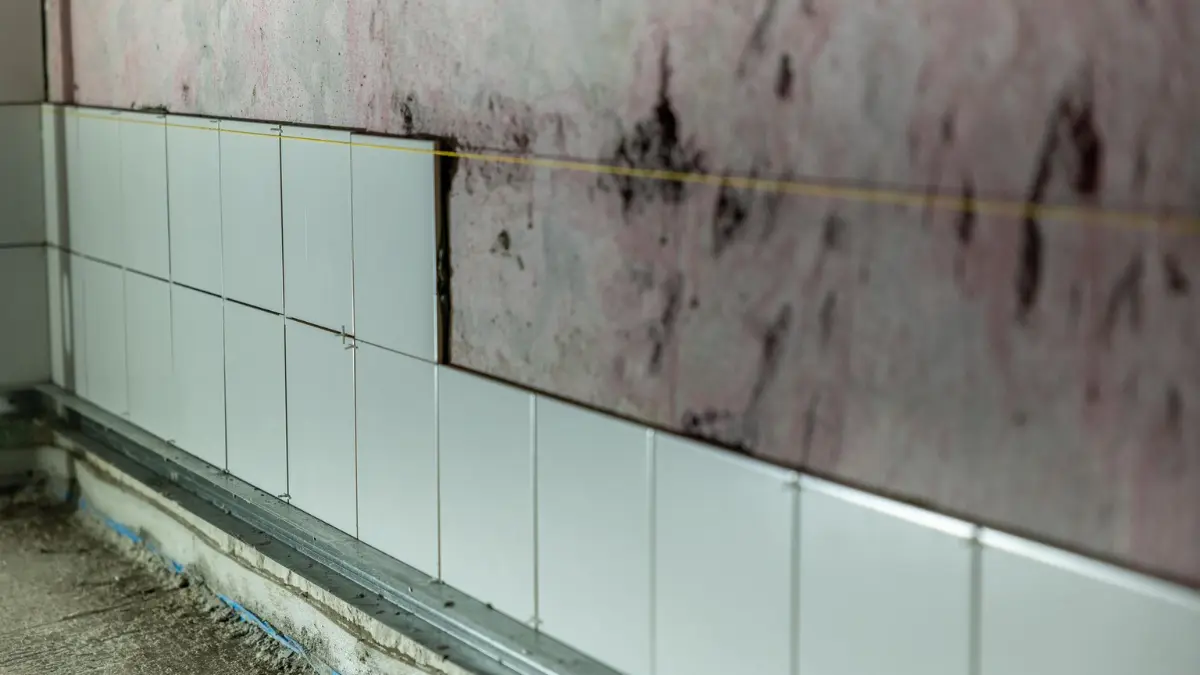
Table of Contents
You spotted the dark speckling on the grout, the window sill, or the rubber seal of your washing machine, and now you want it gone today.
The right mold removal products can clear most surface mold in minutes, but only if you match the product to the surface you are treating. Grab the wrong spray and you may bleach a stain without killing what lives underneath.
That single mistake is the one nearly every product roundup skips.
This guide ranks the sprays and cleaners we tested by surface, from tile and grout to drywall, wood, and outdoor siding. On a bathroom panel we treated last spring, a no-scrub spray lifted the staining in about three minutes, while the silicone caulk needed a second pass.
If the growth spans whole walls or keeps returning after you clean it, start with our room-by-room mold remediation guidance before you buy anything.
How mold removal products actually work
Not every product labeled for mold does the same job.
Three categories sit on the store shelf, and each solves a different problem. Knowing which one you need keeps you from buying a stain remover when you actually need a killer.
Stain removers, mold killers, and preventers
A mold remover spray built for stains lifts the discoloration but can leave living spores behind in porous material.
The categories break down like this:
- Stain removers strip the dark marks mold leaves on grout, caulk, and painted surfaces, and work best on hard, non-porous areas.
- Mold killers destroy active growth on contact and usually show an EPA registration number printed on the label.
- Preventers leave treated surfaces inhospitable to new spores, which matters most in damp bathrooms and basements.
Sprays, gels, and concentrates
Format decides how long the product stays in contact with the mold.
Thin sprays run off vertical tile quickly, so a clinging gel suits grout lines and the gasket on a front-load washer. Concentrates dilute into larger volumes, which makes them the economical pick for siding or a full basement wall.
Soft, fuzzy growth on fibers behaves differently from a flat stain. If you find it in floor covering, our guide on whether to clean or replace mold in carpet walks through the call.
The best mold removal products of 2026

- TACKLES TOUGH STAINS INSTANTLY: RMR-86 PRO is our most powerful stain remover that utilizes special deep penetrating sur…
- CONTRACTOR GRADE: Our extra strength stain removal solution is specifically created for professional use and is 5x stron…
- READY TO USE: Our ultra strength formula is ready to use and instantly dissolves difficult stains without scrubbing or s…
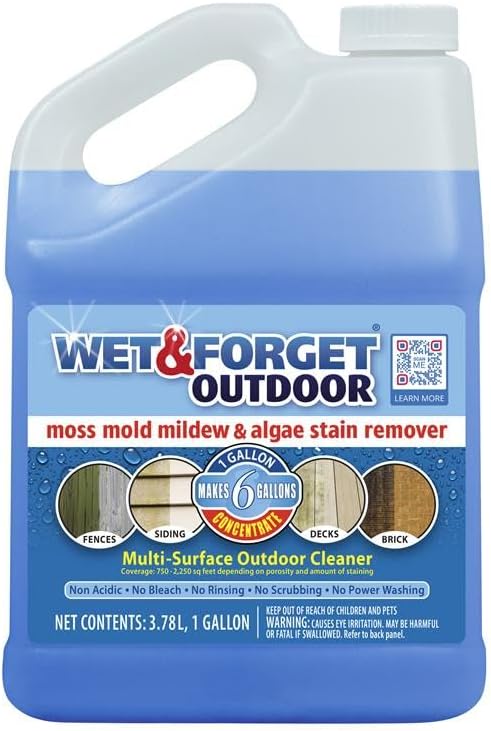
- Wet & Forget Concentrate Outdoor Cleaner removes green and black stains caused by moss, mold, mildew, and algae, no scru…
- Surfaces including driveway, patio, roof, siding, deck, vinyl, wood, concrete, canvas, aluminum, and upholstery
- Mix 1 part Wet & Forget with 5 parts water in a garden sprayer, spray dry surface on a cool day to avoid rapid evaporati…
The best mold removal products in 2026, matched to the surface you are treating, are:
- RMR-86 Instant Mold & Mildew Stain Remover — best overall for fast stain removal on tile, grout, and sealed surfaces.
- Concrobium Mold Control — best bleach-free pick for porous materials and ongoing prevention.
- CLR Mold & Mildew Clear — best everyday bleach-free spray for routine bathroom cleanup.
- Lysol Mold & Mildew Remover with Bleach — best budget option for non-porous shower walls.
- Wet & Forget Outdoor — best for siding, decks, and shaded exterior walls.
ℹ️ Disclaimer: Gladewick earns a small commission when you buy through links on this page, at no extra cost to you. We only recommend products we have tested or that meet published EPA registration standards.
How we matched each product to a surface
We tested each formula on the surface it claims to handle, then noted dwell time and whether scrubbing was still needed.
RMR-86 cleared black mold staining in roughly 15 seconds of dwell on glazed tile, but the same spray needed two passes and light agitation on textured caulk. That gap is exactly why surface type, not brand loyalty, should drive your choice.
| Product | Best surface | Format | Bleach-free | Scrub needed |
|---|---|---|---|---|
| RMR-86 | Tile, grout, sealed wood | Spray | No | Rarely |
| Concrobium Mold Control | Drywall, wood, basements | Spray/fog | Yes | No |
| CLR Mold & Mildew Clear | Bathroom tile, fiberglass | Spray | Yes | Light |
| Lysol with Bleach | Shower walls, glass | Foam | No | No |
| Wet & Forget | Siding, decks, concrete | Concentrate | Yes | No |
Source: Gladewick hands-on testing; bleach-free status per manufacturer labels.
When a specialty product beats an all-purpose spray
Some surfaces react badly to a general-purpose oxidizer.
Painted drywall is porous, so follow a method built to remove mold from drywall without it coming back. Framing lumber needs the safe way to clear mold from wood and studs, since sanding it dry releases spores into the room.
On a garage or basement slab, our steps to get rid of mold on concrete floors handle the alkalinity that weakens some sprays.
How to use a mold remover safely and effectively
To remove mold and keep it from returning, follow these steps:
- Ventilate the room by opening a window or running an exhaust fan before you spray.
- Put on gloves, goggles, and an N95 respirator to limit what you breathe and touch.
- Apply the mold remover evenly and let it dwell for the time on the label, usually 10 to 15 minutes.
- Wipe non-porous surfaces clean, scrubbing grout lines lightly only if staining remains.
- Dry the area fully, then fix the leak or humidity source that fed the growth.
Why dwell time matters more than scrubbing
The most common mistake we see is wiping the product off too soon.
On a shower wall, wiping after 30 seconds left a gray haze that returned within a week. Leaving the spray on for the full 12 minutes cleared the same wall in one pass.
The EPA’s guidance on cleaning up mold in your home recommends scrubbing hard surfaces with detergent and water, then drying them completely.
Why fixing the moisture source matters most
Products treat the symptom, but moisture is the cause.

- Waterproof sealant: This clear caulk seals out air, water, and moisture with 100% silicone as cured
- Speed meets strength: Caulk & Seal’s silicone caulk is ready for water exposure in as little as 30 minutes
- All-purpose: Gorilla caulk works wherever the work is; Indoor and out, rain or shine after fully cured
Mold returns wherever water keeps coming back, whether from a slow drain leak or condensation on a cold wall. If the musty smell lingers with no visible growth, your HVAC may be the source, and our guide shows the proven path for mold in your air ducts.
💡 Expert Note: No spray prevents regrowth if the moisture problem stays. Find and fix the leak, then add ventilation or a dehumidifier to hold indoor humidity below 50 percent.
✅ Pro Tip: Download our free room-by-room mold prevention checklist to catch the damp spots that feed regrowth before they spread.
Bleach versus bleach-free: choosing the right product
Does bleach kill mold? Bleach can kill surface mold on non-porous materials like tile, glass, and metal, but the EPA does not recommend it for routine cleanup on porous surfaces such as wood and drywall, where its water content soaks in, feeds the roots, and lets mold regrow.
When bleach still has a place
Bleach earns its spot on hard, sealed surfaces.
On glazed shower tile or a glass door, a bleach formula clears staining fast and disinfects as it goes. Even then, the EPA’s brief guide to mold and moisture cautions against mixing bleach with ammonia and against treating it as a routine biocide.
When bleach-free wins
Porous and semi-porous materials call for a different chemistry.
Bleach-free formulas built on hydrogen peroxide or EPA-registered actives penetrate the surface instead of sitting on top. That penetration is what reaches the shallow roots a wipe-down leaves behind.
| Surface type | Best choice | Why it works |
|---|---|---|
| Non-porous (tile, glass, metal) | Bleach or bleach-free | Mold sits on top and wipes away |
| Semi-porous (sealed wood, concrete) | Bleach-free, penetrating | Roots reach only shallow layers |
| Porous (drywall, bare wood, fabric) | Bleach-free or replace | Roots grow deep; bleach feeds regrowth |
Source: based on EPA mold cleanup guidance.
Staying safe and knowing when to call a pro
A spray bottle handles small jobs, but some mold needs a professional.
Protect yourself before you spray
Disturbing mold sends spores airborne, which is why the right protective gear matters every time.
⚠️ Warning: Wear an N95 respirator, gloves, and goggles, and never mix bleach with ammonia-based cleaners, since the combination releases toxic gas. Keep children and pets out of the room until every surface is dry.

- cloth
- Made in the USA and Imported
- NIOSH APPROVED for at least 95 percent filtration efficiency against certain non-oil based particles
The CDC’s advice on cleaning up mold safely notes that people with asthma, allergies, or weakened immune systems should not take part in cleanup at all. Our mold removal safety gear checklist lists exactly what to wear and where to find it.
Some household members feel the effects harder than others. Expecting parents have added reason for caution, so review what mold exposure during pregnancy can mean, and do not write off a stubborn cough, since some black mold symptoms are too serious to dismiss as allergies.
When to stop DIY and call a professional
Call a professional when mold covers more than about 10 square feet, returns after cleaning, or spreads inside walls, insulation, or your HVAC system.
The EPA uses that 10-square-foot mark as the rough line between a do-it-yourself job and one for trained remediators. Knowing exactly when DIY mold removal is the right call saves you money, time, and unnecessary exposure.
Frequently asked questions about mold removal products
1. Does bleach kill mold or just bleach the stain?
Bleach kills surface mold on non-porous materials and removes the dark stain, but on porous surfaces it often only lightens the color while live roots remain. The water in bleach can even feed regrowth, so a penetrating bleach-free mold remover is the safer choice on wood and drywall.
2. What kills mold permanently?
No product kills mold permanently on its own, because mold returns wherever moisture remains. The lasting fix combines an EPA-registered mold remover to destroy current growth with a repair of the leak, condensation, or humidity that caused it, plus ongoing ventilation to keep surfaces dry.
3. What is the best mold remover for bathroom walls and grout?
For bathroom walls and grout, a clinging gel or bleach-free spray works best because it stays in contact with porous grout long enough to penetrate. Our full method for tackling bathroom mold on grout, caulk, and walls covers sealing afterward so staining does not return.
4. How do I remove black mold from different surfaces?
Black mold removal depends entirely on the surface, since tile, drywall, and wood each need a different product and dwell time. Treat non-porous surfaces with a spray and wipe, but replace heavily affected porous material, as detailed in our black mold removal steps for each surface type.
5. Is mold remover spray safe around pets and children?
Most mold remover sprays are safe once surfaces are dry and the room is ventilated, but keep pets and children out during application. Children can react strongly to spores and fumes, so review mold exposure symptoms in children by age if anyone develops a cough or rash afterward.
6. Can I use vinegar instead of a commercial mold remover?
White vinegar can clear light mold on non-porous surfaces and reaches slightly into porous ones, making it a low-cost option for small spots. For larger areas, set-in black mold, or anything you want to prevent from returning, an EPA-registered mold removal product is more reliable than vinegar alone.
7. How long should mold remover sit before wiping?
Most mold removers need 10 to 15 minutes of dwell time before wiping, though labels vary by product. Wiping too soon is the top reason staining returns, so set a timer and resist the urge to scrub early. Reapply once if any discoloration lingers after the first pass.
8. Why does mold keep coming back after I clean it?
Mold keeps coming back because the moisture that fed it was never fixed, not because the product failed. Basements are especially prone to recurrence from humidity and seepage, so our basement mold removal method pairs cleanup with the drainage and dehumidifying steps that actually stop the cycle.
9. How do I know the mold is really gone?
Visible cleanliness does not always mean the mold is gone, since spores and hidden growth can remain behind walls. After a larger cleanup, post-remediation testing confirms the work succeeded by sampling the air and surfaces, giving you proof before you repaint or move furniture back.
10. When should I stop DIY and hire a professional?
Stop DIY mold removal and hire a professional when growth exceeds about 10 square feet, hides inside walls, or follows flooding or sewage. Learning how to find a mold remediation company you can trust protects you from overpriced or unqualified contractors during a stressful repair.
11. How much does professional mold removal cost?
Professional mold removal cost varies widely by location, size, and the affected material. Our breakdown of mold remediation cost room by room sets realistic expectations, and reviewing what a mold inspection really costs helps you budget for the assessment that comes first.
12. Does the cost change for attics and crawl spaces?
Yes, attics and crawl spaces usually cost more because access is tight and the work disturbs insulation and framing. See our guides to attic mold removal costs and safe fixes and crawl space mold removal costs for figures specific to those hard-to-reach areas.
13. Will homeowners insurance pay, and what if I am selling?
Homeowners insurance sometimes pays when mold results from a sudden covered event, but rarely for slow leaks or neglect. Check when homeowners insurance covers mold remediation, and if you are listing soon, plan ahead with mold remediation before selling your home.
14. Who is responsible for mold in a rental?
In most rentals, landlords must address mold caused by structural or plumbing problems, though specifics vary by state. Understand landlord mold responsibility in your rental, and if repairs stall, know your renter’s rights when a landlord will not fix mold.
The bottom line on choosing a mold removal product
Pick by surface first, kill the moisture second, and know when the job belongs to a pro.
Match a bleach formula to hard, non-porous surfaces and a bleach-free, penetrating product to anything porous, then repair the water source so the spores have nothing to feed. That order is what separates a fix that lasts from one you repeat next month.
For anything larger than a weekend project, lean on our complete mold remediation diagnostic plan to map the safest path forward before you spend a dollar.
Related Articles
 Mold Remediation
Keep Your Vacation Home Mold-Free While You’re Away
June 16, 2026 Mold Remediation
What a Mold Inspection Really Costs for Your Home
June 2, 2026 Mold Remediation
Found Mold After Flooding? Here’s Exactly What to Do Now
June 15, 2026 Mold Remediation
Mold Remediation Guidance for Your Exact Situation
May 3, 2026 Mold Remediation
Black Mold Removal: Steps for Each Surface Type
May 7, 2026 Mold Remediation
Here’s How Post Mold Remediation Testing Confirms It Worked
June 3, 2026 Mold Remediation
The Mold Removal Safety Gear That Keeps You Protected
June 5, 2026 Mold Remediation
Here’s When Homeowners Insurance Covers Mold Remediation
May 12, 2026 Mold Remediation