
Here’s What Your Tenant Rights for Mold Actually Are

Tenant rights for mold are stronger than renters think. Written notice starts the repair clock, and one wrong move can cost you the case.
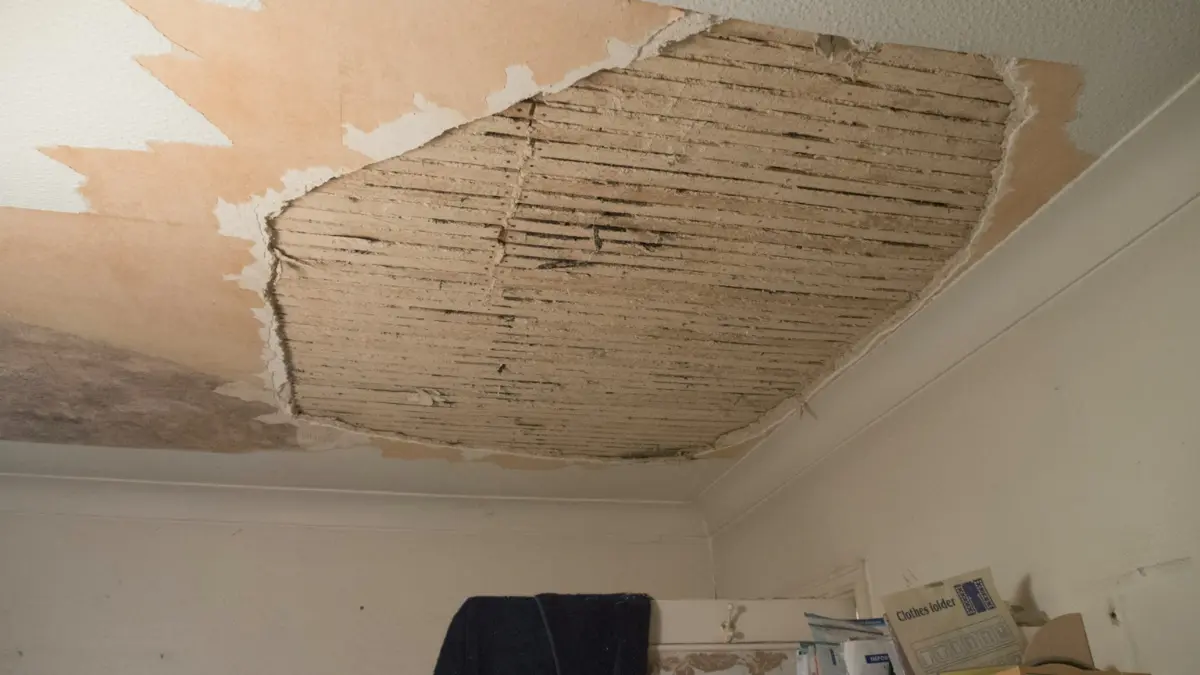
Table of Contents
You reported the mold. Your landlord went quiet — or told you to clean it yourself.
That silence is stressful, especially when the patch keeps spreading and someone in the home is coughing. The good news: across most of the country, fixing that mold is your landlord’s legal problem, not yours.
This guide walks through tenant rights for mold step by step. You’ll learn when your landlord is responsible, how long they legally have to act, and what you can safely do when they refuse.
Laws differ from state to state, so treat this as the framework. Then confirm the specifics where you live before you act.
Is your landlord actually responsible for the mold?
In most cases, yes — a landlord is generally responsible for mold that grows from a building problem they must maintain, such as a leaking roof, burst pipe, or failed window seal.
The implied warranty of habitability, in plain terms
Nearly every residential lease carries a promise you never see written down.
It’s called the implied warranty of habitability, and it requires landlords to keep rental housing fit to live in. Serious mold from an unaddressed leak can breach that warranty even when your lease never mentions mold.
There is no federal mold law setting a single national standard. Instead, your state’s habitability rules and local housing codes decide what counts as a violation.
When the mold is the landlord’s job — and when it’s yours
The dividing line is almost always the moisture source.
| Usually the landlord’s responsibility | May be your responsibility |
|---|---|
| Roof, plumbing, or pipe leaks feeding the mold | Mold from a spill or overflow you never reported |
| Faulty windows, gutters, or grading letting water in | Refusing to use provided exhaust or ventilation |
| Broken HVAC or bathroom fan that traps moisture | Keeping the unit sealed, unheated, and damp |
If the growth traces back to a structural or maintenance failure, removal costs typically land on the landlord. If it traces to your own neglect, you may owe for the cleanup.
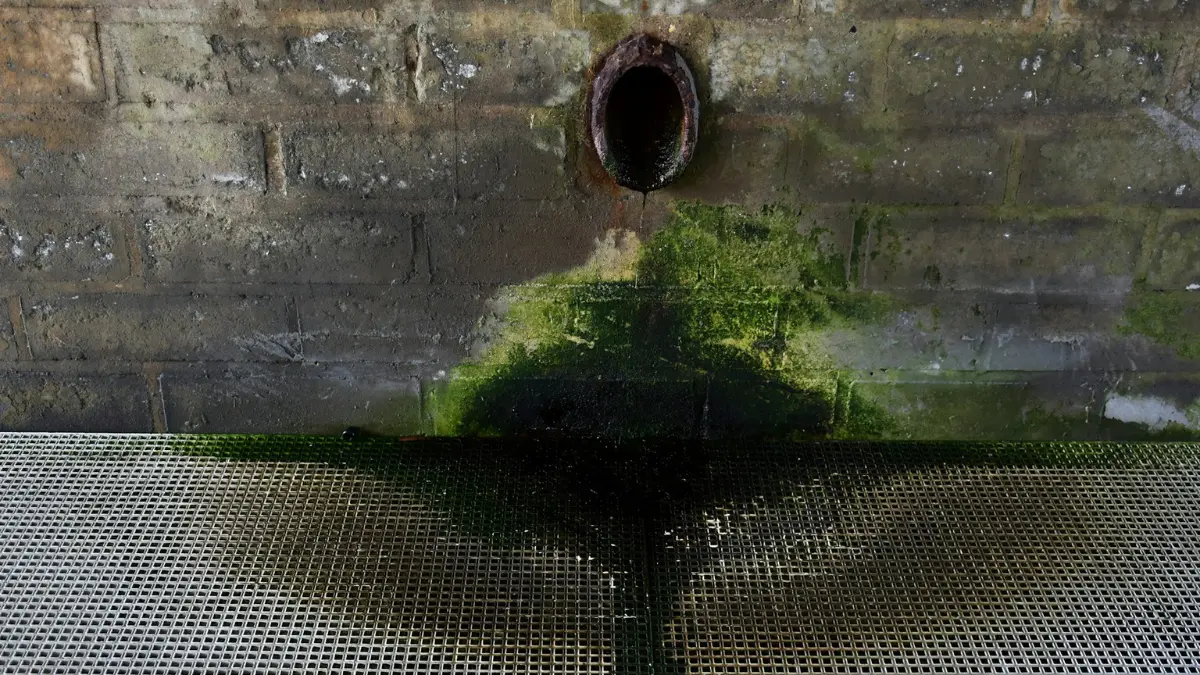
How long does a landlord have to fix mold?
There’s no nationwide deadline, but landlords are typically required to fix mold within about 7 to 30 days of receiving written notice, depending on the state and the severity. The clock usually starts only once you notify them in writing.
Why the clock starts at written notice
A complaint mentioned in the hallway rarely counts.
Most states require written notice before any repair timeline begins. Send it by email or certified mail with a return receipt, so you can later prove the exact date your landlord was informed.
If your state sets no fixed number, the standard becomes “reasonable time,” judged by severity. A spreading leak behind a child’s bedroom wall is reasonably faster than a small spot in a detached garage.
✅ Pro Tip: Always report mold in writing and keep a copy. Email creates an automatic timestamp; certified mail with a return receipt proves the date your landlord actually received it.

Find your state’s rule
Because the rules are set locally, the deadline that matters is the one where you live.
Check your state’s landlord-tenant statute or your city’s housing code for the exact notice period and remedies. A local housing authority or tenant legal-aid office can confirm the number that applies to you.
What to do when your landlord won’t fix the mold

If your landlord won’t fix the mold, take these steps in order:
- Document everything — Photograph the mold and the moisture source with dates, and save every message you send.
- Put your request in writing — Send a dated notice describing the problem and asking for repair within your state’s timeframe.
- Escalate to an inspector — If the deadline passes, contact your local housing or health department to request an inspection.
- Pursue a formal remedy — Depending on your state, withhold rent, repair and deduct, or take legal action.
Build a paper trail that holds up

- Non-Invasive Moisture Detection: Quickly measure moisture up to 19mm deep without damaging walls or surfaces. Works grea…
- Early Water Damage Detection: Stop water damage before it worsens by quickly finding hidden moisture resulting from leak…
- Easy-to-Read Display: Equipped with a backlit LCD screen readable in low-light conditions. The HOLD button locks measure…
Evidence wins these disputes, and the strongest evidence is boring and consistent.
Keep dated photos from the same angle each week so the spread is undeniable. A cheap moisture meter reading near the source helps show the cause is a building leak, not your housekeeping.
If the mold reached your flooring, our walkthrough on whether to clean or replace mold in carpet explains what’s salvageable and what isn’t.
Call in a housing inspector
A code inspector’s report can turn a he-said, she-said dispute into an official record.
Contact your city or county housing or health department and ask about a habitability inspection. An inspector documents the violation independently, which strengthens any remedy you pursue later.
⚠️ Warning: Don’t tear into large mold patches yourself. Disturbing them releases spores, major remediation is the landlord’s responsibility, and doing the work yourself can weaken your claim that they failed to act.

How to tell if the landlord actually fixed it
A coat of paint over mold is not a repair — it’s a cover-up that comes back.
Real remediation means fixing the water source and properly treating the affected material. The EPA notes that if you clean the mold but don’t fix the moisture, the problem returns, and that areas larger than about 10 square feet generally call for a professional. Read the EPA’s brief guide to mold and moisture for renters to see the standard your landlord’s contractor should meet.
To judge whether a fix was done right, it helps to know what proper removal looks like for the material involved:
- Wall surfaces often can’t just be wiped — see removing mold from drywall so it doesn’t return.
- Framing behind the wall needs careful treatment, covered in the safe way to remove mold from wood and studs.
- Bathrooms hide it in seams, as our guide to bathroom mold on grout, caulk, and walls shows.
- Below-grade spaces trap moisture; compare basement mold removal, mold on concrete floors, and crawl space mold removal and costs.
- Up high, attic mold removal causes and costs and mold in air ducts and how it’s treated matter, because a contaminated HVAC system can spread spores through the whole unit.
- For the dark stuff specifically, see black mold removal by surface type and our reference on when DIY mold removal is the right call — generally only small areas under that 10-square-foot threshold.
For the full picture of how a proper job is scoped, our mold remediation guidance and room-by-room remediation cost breakdown show what to expect. To vet the pros your landlord should be hiring, see how to find a remediation company you can trust.
Your legal options if the landlord still refuses
In some states you can withhold rent for mold, but only if you follow strict steps:
- Give proper written notice and let the legal deadline pass.
- Confirm your state actually allows withholding — many don’t, or demand specific procedures.
- Where required, pay rent into escrow or to the court rather than keeping it.
- Be ready to prove the unit was genuinely uninhabitable.
Repair and deduct
Some states let you fix the problem and subtract the cost from rent.
Under repair and deduct, you hire a professional, then deduct a capped amount from your next payment. Limits and rules vary widely, so verify yours before spending a dollar.
Breaking the lease or constructive eviction
When a unit becomes unlivable, you may be able to leave without penalty.
If conditions are severe and the landlord won’t act, constructive eviction may let you terminate the lease and move out. You’ll generally need strong documentation that the home was uninhabitable.
Suing in small claims court
For damaged belongings or a partial rent refund, small claims is often the practical path.
You can sue for property losses, and some renters recover a portion of rent paid while living with the problem. These claims carry deadlines — a statute of limitations — so don’t wait indefinitely.
ℹ️ Disclaimer: This is general information, not legal advice. Rent-withholding and lease-termination rules vary by state, and getting the steps wrong can lead to eviction. Confirm your local law or talk to a landlord-tenant attorney or tenant legal-aid office first.
Is the mold a health risk while you wait?
While you push for repairs, the health worry is real but often overstated.
What mold exposure can and can’t do
For most healthy people, short-term exposure to common indoor mold causes irritation rather than serious illness.
The CDC reports that dampness and mold can trigger a stuffy nose, coughing, wheezing, and irritated eyes or skin, with stronger reactions in people who have asthma or mold allergies. People with weakened immune systems or chronic lung disease face higher risk and should limit exposure. See the CDC’s overview of mold and your health for who’s most affected.
Frightening “toxic black mold will poison you” headlines outrun the evidence for most households. Certain symptoms still deserve attention, which our guide to black mold symptoms you shouldn’t brush off as allergies lays out.
Protecting the most vulnerable
Children, pregnant tenants, and anyone with a respiratory condition warrant extra caution.
Kids can react differently than adults, which our breakdown of mold exposure symptoms in children by age explains. If you’re expecting, what mold exposure during pregnancy can mean for your baby covers sensible precautions.
Safe steps while repairs are pending
You can reduce exposure without taking on the landlord’s job.

- Wellness Indicator: This humidity meter with humidity level icon indicates air conditions – DRY/COMFORT/WET, allowing th…
- High Accuracy & Quick Refresh Rate: This inside thermometer features a high accuracy of +/-2 to 3%RH and +/-1°F, making …
- High & Low Records: This hygrometer digital thermometer displays high/low temperature and humidity levels to allow you t…
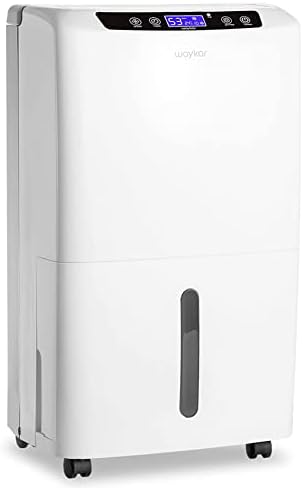
- 【34 Pint High Capacity for Up to 2,000 Sq.Ft Spaces】Removes up to 34 pints of moisture per day (95°F, 90% RH), ideal for…
- 【90° Swing for Targeted Airflow】This unit features a manual 90° airflow adjustment that allows you to direct dry air whe…
- 【30%–80% Smart Humidity Control for Flexibility】Unlike standard units limited to 40% RH minimum, this dehumidifier offer…

- 4YourHome Vacuum Filter 3 Pack Compatible With Eureka 70082 Smart Vacuum Cleaners
- Vacuum Filter 3 Pack Compatible With Eureka 70082 Smart Vacuum Cleaners
- Pack of 3
Run exhaust fans, keep indoor humidity down, and avoid disturbing large patches. A dehumidifier or air purifier can ease symptoms as a stopgap, but it doesn’t replace fixing the leak.
💡 Expert Note: The CDC does not recommend routine mold testing. No matter the type, the response is the same — remove it and fix the moisture — so spend your money on documentation that proves the cause and the landlord’s inaction.
The bottom line on mold and your rights
Mold you didn’t cause is your landlord’s problem to fix, and the law usually backs you up.
Your strongest move is a clear paper trail: report it in writing, photograph the spread, and let the legal deadline run. If the landlord still refuses, you have real options, from an inspector’s report to repair-and-deduct to small claims.
Match the remedy to your situation and your state’s rules, and lean on local legal aid when the stakes climb. You have more leverage than the silence on the other end suggests.
Frequently asked questions about mold and tenant rights
1. Is my landlord legally required to fix mold?
In most states, yes. The implied warranty of habitability requires landlords to keep rentals safe and livable, and serious mold from a leak or maintenance failure usually violates it. Even without a specific mold law, your landlord is generally required to fix mold caused by a building problem they must maintain.
2. How long does a landlord have to fix mold?
There’s no single national deadline. Most states give landlords roughly 7 to 30 days to fix mold after they receive written notice, with faster action expected for severe hazards. Where no fixed period exists, the standard is a “reasonable time” based on how dangerous the problem is.
3. Can I withhold rent if my landlord won’t fix mold?
Sometimes, but only by the rules. Some states let tenants withhold rent for mold after written notice and a missed deadline, and several require paying into escrow or to the court instead of simply not paying. Withholding wrongly can trigger eviction, so confirm your state’s procedure first.
4. Can I sue my landlord for mold?
Yes. You can sue your landlord for mold-related property damage or, in some cases, health costs, often through small claims court for a faster, lower-cost resolution. Strong documentation and proper written notice make your case. Property and injury claims carry deadlines, so don’t delay consulting a tenant attorney.
5. What happens if a landlord ignores a mold complaint?
If a landlord ignores a mold complaint, you can escalate. Contact your local housing or health department for an inspection, then pursue your state’s remedies — rent withholding, repair and deduct, lease termination, or a lawsuit. An independent inspector’s report turns your complaint into an official, enforceable record.
6. Who is responsible for mold — the tenant or the landlord?
It depends on the cause. The landlord is responsible for mold from building issues like leaks, plumbing, or poor ventilation they must maintain. The tenant may be responsible when mold results from their own neglect, such as unreported spills or refusing to use exhaust fans and ventilation.
7. Can I break my lease because of mold?
Possibly. If mold makes the unit genuinely uninhabitable and your landlord won’t fix it after proper notice, constructive eviction may let you break the lease without penalty. You’ll need solid documentation that the home was unsafe. Check your state’s specific requirements before moving out.
8. Can my landlord retaliate against me for reporting mold?
No — most states prohibit retaliation. Your landlord generally cannot evict you, raise the rent, or cut services because you reported mold or called inspectors. Retaliatory acts within a set window after your complaint are often presumed illegal. Keep dated records in case you need to prove the timeline.
9. What is repair and deduct for mold?
Repair and deduct lets tenants in some states fix a serious problem and subtract the cost from rent. For mold, you’d hire a professional after notice and a missed deadline, then deduct up to a legal cap. Rules and caps vary widely, so verify yours before spending anything.
10. Do I need a professional mold inspection?
Not always, but it helps. A professional or independent housing inspection documents the mold and its cause, strengthening any remedy you pursue. The CDC doesn’t recommend routine testing to identify mold type, since the response is the same regardless: remove the mold and fix the moisture source.
11. Is there a federal law about mold in rentals?
No. There is no federal law setting mold limits or repair timelines in rentals. Mold protections come from state habitability laws, local housing codes, and the implied warranty of habitability. Because rules differ by state and city, always confirm the specific standards where you live.
12. What evidence should I collect about the mold?
Collect dated photos of the mold and its source, copies of every written request, and proof your landlord received them. Add any inspection reports, moisture readings, repair estimates, and records of damaged belongings or medical visits. Consistent, time-stamped evidence is what wins mold disputes with an unresponsive landlord.
13. Does renters insurance cover mold?
Often only partially. Many renters policies exclude mold or cover it only when it stems from a sudden, covered event like a burst pipe — not slow leaks or neglect. Review your policy’s mold language, and see how coverage works in our guide on when insurance covers mold remediation.
Related Articles
 Mold Remediation
Here’s When Homeowners Insurance Covers Mold Remediation
May 12, 2026 Mold Remediation
The Safe Way to Remove Mold from Wood and Studs
May 23, 2026 Mold Remediation
Keep Your Vacation Home Mold-Free While You’re Away
June 16, 2026 Mold Remediation
The Mold Removal Safety Gear That Keeps You Protected
June 5, 2026 Mold Remediation
Here’s Your Plan for Mold Remediation Before Selling
June 1, 2026 Mold Remediation
Here’s Exactly When DIY Mold Removal Is the Right Call
May 8, 2026 Mold Remediation
What’s Bringing Your Mold Back After Remediation
June 18, 2026 Mold Remediation
What a Mold Inspection Really Costs for Your Home
June 2, 2026 Mold Remediation