
Your Child’s Mold Exposure Symptoms Explained by Age

Mold exposure symptoms in children shift dramatically between infants, toddlers, school-age kids, and teens — and most parents are looking for the wrong signs.
Table of Contents
Is mold making your child sick?
Your child has had a persistent cough for three weeks. The pediatrician finds no infection — no fever, no strep — but nothing improves. Then you notice a dark patch spreading behind the bedroom dresser, or catch a damp, musty odor drifting up from the basement vent, and a quiet fear takes hold.
You may be right to connect those dots.
Why children are more vulnerable to mold than adults
Children breathe in significantly more air relative to their body weight than adults, and their developing immune systems aren’t yet equipped to neutralize mold exposure symptoms before they escalate. Lungs still forming in the first five years of life are especially susceptible to indoor mold growth and the mycotoxins that certain mold species release into the surrounding air.
What this guide will help you figure out
This guide walks through the specific symptoms that children and mold exposure produce together, how those symptoms change depending on your child’s age, how to trace the source inside your home, and exactly what to do next — from a pediatrician visit to professional remediation. By the end, you will have a clear action path, not another reason to search again.
Common mold exposure symptoms in children
Mold exposure symptoms in children commonly develop in the respiratory system first — persistent coughing, wheezing, and nasal congestion — followed by skin irritation, eye redness, and in cases of prolonged exposure, fatigue and difficulty concentrating.
Respiratory symptoms: the most common first signs
The lungs are the most direct entry point for airborne spore inhalation, making respiratory symptoms the most reliable early signal. A dry cough that persists beyond two weeks, wheezing that appears without a viral cause, and nasal congestion that partially clears before returning — especially without fever — is a symptom pattern worth investigating at home rather than treating again with another round of antihistamines.
CDC guidance on indoor mold health effects identifies respiratory illness as the most consistently reported health consequence of household mold exposure across all age groups, including children.
Skin and eye reactions
Mold allergy responses frequently appear on the skin before a parent notices any breathing change. Unexplained rashes, hives, or recurring eczema flares on the arms and face — paired with persistent red, watery eyes — are documented dermatological reactions to mold spore exposure that parents routinely attribute to laundry detergents or seasonal pollen.
Neurological and behavioral symptoms parents often miss
This is the category that competing resources consistently underexplain. Children with prolonged exposure can develop headaches, chronic fatigue, and concentration difficulty that trail the source by weeks. A skin rash from mold gets noticed immediately. Cognitive fog in a school-aged child almost never gets connected to the bedroom wall behind the headboard — but it should.
| Symptom | Mild | Moderate | Severe | Parent Action |
|---|---|---|---|---|
| Coughing | Occasional, dry | Frequent, wakes child | Constant with wheezing | Mild: monitor; Severe: doctor |
| Congestion | Light stuffiness | Thick, recurring discharge | Chronic sinusitis presentation | Moderate+: pediatrician |
| Skin rash | Small red patches | Spreading hives | Open sores or infection | Any level: doctor |
| Eye irritation | Watery, red eyes | Persistent swelling | Vision changes | Moderate+: doctor |
| Fatigue | Slightly tired | Low energy most days | Cannot complete normal activity | Moderate+: pediatrician |
| Headaches | Occasional | 3+ per week | Daily with nausea | Moderate+: doctor |
| Wheezing | Mild, with exercise | Present at rest | Labored breathing | Severe: urgent care or ER |
| Irritability | Moodier than usual | Disrupting daily routine | Extreme behavioral shifts | Moderate+: pediatrician |
| Nosebleeds | Occasional | 2+ per week | Heavy, hard to stop | Frequent: doctor |
Source: Symptom severity categories adapted from clinical symptom grading frameworks; consult a licensed pediatrician for individual assessment.
How symptoms differ by age: infant to teen
Toddlers and infants show mold exposure differently than school-age children — symptoms that look like teething complications or back-to-back winter colds may actually trace directly to a mold-contaminated room just a few feet from where they sleep.
Infants and toddlers: hardest to diagnose
In infants and toddlers, mold exposure often presents as recurring ear infections, chronic runny nose, unexplained irritability, or labored breathing — all signs that are easy to mistake for teething, a cold, or a growth phase. A toddler with three ear infections in a single winter who sleeps in a bedroom with an exterior wall adjacent to a crawl space is showing a pattern worth investigating, not just treating with another antibiotic prescription.
School-age children: the misdiagnosis problem
Children aged five to twelve most commonly present with upper respiratory infections that return within two to four weeks of resolution. The cycle — antibiotics, improvement, relapse — is one of the clearest clinical signals that the exposure source has never been removed. The American Academy of Pediatrics’ guidance on environmental allergens in children notes that recurring pediatric respiratory infections that resist standard treatment warrant evaluation of the child’s home environment.
Preteens and teens: symptoms that mimic anxiety and ADHD
This is the most overlooked age group in every existing resource on this topic, and the gap is significant. Adolescents with prolonged mycotoxin exposure frequently show early hypersensitivity pneumonitis signs, but more commonly present with cognitive fog, persistent fatigue, mood disruption, and concentration difficulty — symptoms that are increasingly diagnosed as anxiety or ADHD without any environmental investigation. If a teenager’s behavioral or cognitive shift coincides with moving to a new home, transitioning to a basement bedroom, or a season when the HVAC system runs constantly, mold belongs on the differential list.
| Age Group | Most Common Symptoms | Often Mistaken For | Red Flag Sign |
|---|---|---|---|
| Infant | Congestion, ear infections, irritability | Teething, common colds | 3+ ear infections in one season |
| Toddler | Wheezing, rash, sleep disruption | Croup, eczema | Breathing worsens specifically indoors |
| School-Age | Recurring respiratory infections | Seasonal allergies | Symptoms improve away from home |
| Teen | Fatigue, brain fog, mood changes | Anxiety, ADHD | Cognitive shift after environmental change |
How to tell if your home is making your child sick
Start your investigation in the five rooms where household mold forms most reliably — because symptoms alone cannot confirm an environmental source until you’ve physically looked at the spaces where your child spends the most time.
The 5 highest-risk rooms in any home
Here are the five locations to inspect first, in order of frequency of mold discovery in US residential properties:
- Bathroom — Grout lines, caulk around the tub, the ceiling above the shower, and the vanity cabinet under the sink are primary mold sites. If your child bathes in a room with visible pink, gray, or black growth, that’s direct daily exposure. Bathroom mold removal in grout, caulk, and walls covers exactly which areas to address in that room first.
- Basement — Humidity, poured concrete walls, and limited ventilation make basements the single most common mold source in US homes. Musty air at the top of the basement stairs is a reliable indicator that mold has established below the living level. Basement mold removal explains which areas to examine when you go downstairs.
- HVAC vents and air ducts — Mold colonizing a duct system gets distributed to every conditioned room in the house simultaneously — which is why a child with a second-floor bedroom may show symptoms sourced from a first-floor air handler. Mold in air ducts explains how to identify contaminated vents before calling an HVAC technician.
- Child’s bedroom — Exterior walls near ground level, windows with chronic condensation, and carpet underneath furniture that hasn’t been moved in years are the most common hidden growth locations. Mold growing in and under carpet explains when carpet is the source and whether it can be remediated or needs replacement.
- Attic — Roof leaks and inadequate insulation create ideal mold conditions directly above living spaces, often going undetected for years. Attic mold removal costs and causes details what attic mold looks like and when it requires professional removal.
What to look for (and smell for) before calling a professional
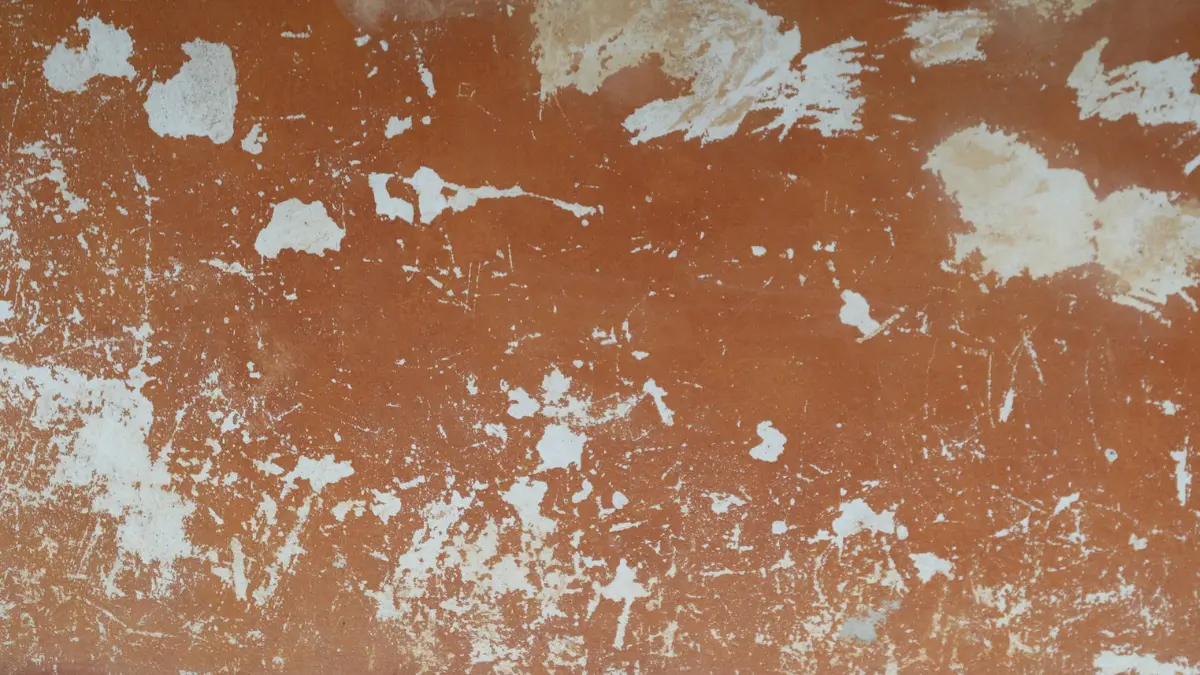
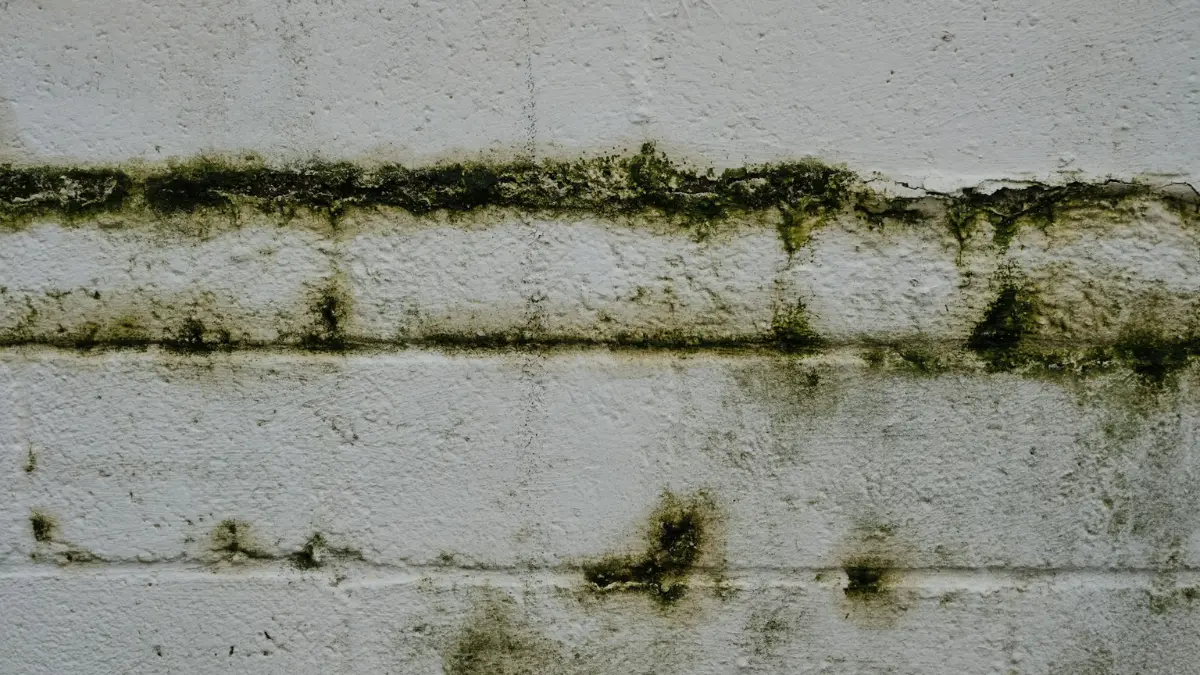
A musty odor that intensifies in specific rooms — particularly after the HVAC cycles, or after rainfall — is the most reliable non-visual indicator of active mold growth behind walls or under flooring. Visible dark staining near window frames, peeling paint adjacent to exterior walls, and water-stain rings on ceilings following wet weather are all findings worth photographing before making any calls.
According to EPA guidance on moisture and indoor mold, the presence of visible moisture damage is sufficient grounds to recommend professional assessment even before mold becomes visually apparent.
When a DIY mold test kit is the right first step
A home mold testing kit — available at most hardware stores for $10 to $20 — can confirm spore presence in a room’s air or on a specific surface before you invest in professional inspection fees. Collect the sample exactly as directed, seal and label it with the room location, and send it to the included lab. A positive spore result combined with ongoing respiratory symptoms in your child is clear grounds to move to a professional assessment conversation.
When mold exposure becomes a serious health risk
Mold exposure is a genuine health concern for children — particularly those with pre-existing respiratory conditions — but severity depends on mold type, duration of exposure, the child’s age, and individual immune status.
Long-term effects of untreated mold exposure in children
Children who remain in a mold-contaminated environment for months without intervention can develop chronic sinusitis, recurring bronchitis, and in some cases hypersensitivity pneumonitis — a lung inflammation that results from repeated inhalation of organic particles including mold spores. These conditions typically resolve once the exposure source is eliminated, but lasting respiratory sensitivity can develop in children exposed during critical lung development windows before age five. Understanding how mold grows inside your home helps clarify how a small unaddressed patch becomes a whole-home health issue over a single heating season.
Black mold (Stachybotrys): what the research actually says
The phrase “toxic black mold” generates considerably more fear than the science supports in most residential scenarios. Stachybotrys chartarum is a real mold species that produces mycotoxins and requires professional remediation when found. However, according to the CDC’s published position on mold-related health effects, severe mycotoxin poisoning from household exposure is rare — most symptoms children experience from mold are allergic and irritant responses rather than direct toxin effects. For a detailed breakdown of what black mold actually does versus what media coverage exaggerates, black mold symptoms you should never dismiss as allergies provides the clearest evidence-based comparison available.
Children with asthma, allergies, or weakened immunity
⚠️ Warning: Children with diagnosed asthma, confirmed mold allergies, or immunocompromising conditions face significantly elevated risk from any mold exposure. These children should be removed from a confirmed mold environment immediately and evaluated by a pediatric allergist before returning — regardless of visible symptom severity.
Children in this group do not have a “mild threshold” for mold exposure — any confirmed exposure warrants an immediate medical conversation, not a watch-and-wait approach. If your household includes a pregnant person alongside the affected child, mold exposure during pregnancy addresses the specific risks for developing fetuses and newborns in the same environment.
What to do if your child has mold exposure symptoms
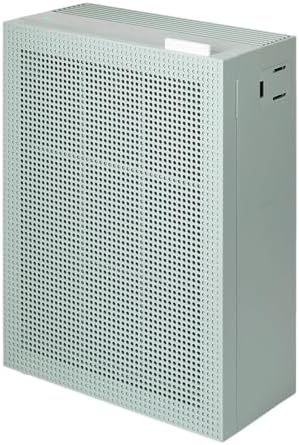
- [Coverage] Designed to clean spaces up to 518 sq. ft. in 30 minutes or 1,035 sq. ft. in 60 minutes.
- [HyperCaptive Filtration System] Combination of a HEPA Filter, Carbon Filter, Washable Filter effectively reduces 99.97%…
- [Cartridge Design] Some purifiers make a dusty mess when trying to replace or clean your filters. With Coway’s cartridge…
Take your child to the doctor if mold symptoms have persisted for more than two weeks, worsen despite removing the child from the suspected environment, or include difficulty breathing, persistent wheezing at rest, or neurological changes such as new daily headaches or a measurable shift in concentration ability.
Mild symptoms: what to do at home first
If your child has light nasal congestion, occasional coughing, and watery eyes that appeared within weeks of a wet basement season or HVAC system restart, begin with these steps before calling anyone:
- Move the child to a different sleeping area away from any suspected mold location — improvement within 48 to 72 hours strongly suggests an environmental source
- Run a HEPA-filtered air purifier in the child’s primary living spaces — units with true HEPA filtration capture particles as small as 0.3 microns, which includes most airborne mold spores
- Increase ventilation by opening windows when outdoor humidity falls below 60% — this dilutes indoor spore concentration without introducing additional outdoor moisture
- Document symptoms daily for two weeks, noting specifically whether they improve during school hours or overnight stays away from home
Symptom improvement with distance from the home — and return of symptoms when back inside — is one of the clearest diagnostic signals available to a parent before any clinical testing occurs. When you’re ready to bring in professional help, find a mold remediation company you can actually trust to evaluate what you’ve found.
Moderate symptoms: when to call your pediatrician
Call your pediatrician if symptoms have lasted two weeks or more, if they include recurring wheezing at rest, or if a skin rash is spreading beyond its original location. Bring photographs of any visible mold in your home and a written symptom log to the appointment — this documentation helps the physician distinguish an allergic mold response from infection, and can prevent another cycle of antibiotics that won’t address the actual cause.
The American Academy of Pediatrics recommends pediatric evaluation when environmental allergen exposure is suspected in children with recurring respiratory presentations that do not resolve with standard treatment. Before your appointment, it’s also worth reviewing whether homeowners insurance covers mold remediation in your policy — the answer affects how you frame the scope conversation with both your physician and any remediation contractor you contact next.
Severe symptoms: when to act immediately
⚠️ Warning: Call 911 or go to the emergency room if your child shows labored breathing, cannot complete a full breath, has bluish lips or fingernails, loses consciousness, or develops sudden neurological symptoms such as seizures or extreme disorientation. These are emergency presentations regardless of suspected cause.
If your child develops severe respiratory distress, an inability to eat or drink normally, or a rapid escalation of any previously mild symptom, do not wait for a scheduled appointment. Severe presentations in children with known asthma or mold allergies require emergency evaluation.
Fixing the home: mold removal and prevention for families
Mold remediation in a home with children requires one non-negotiable first step: remove the child from the affected area before any removal work begins, and do not return them until the space has been cleaned, dried, and allowed to ventilate for a minimum of 24 hours.
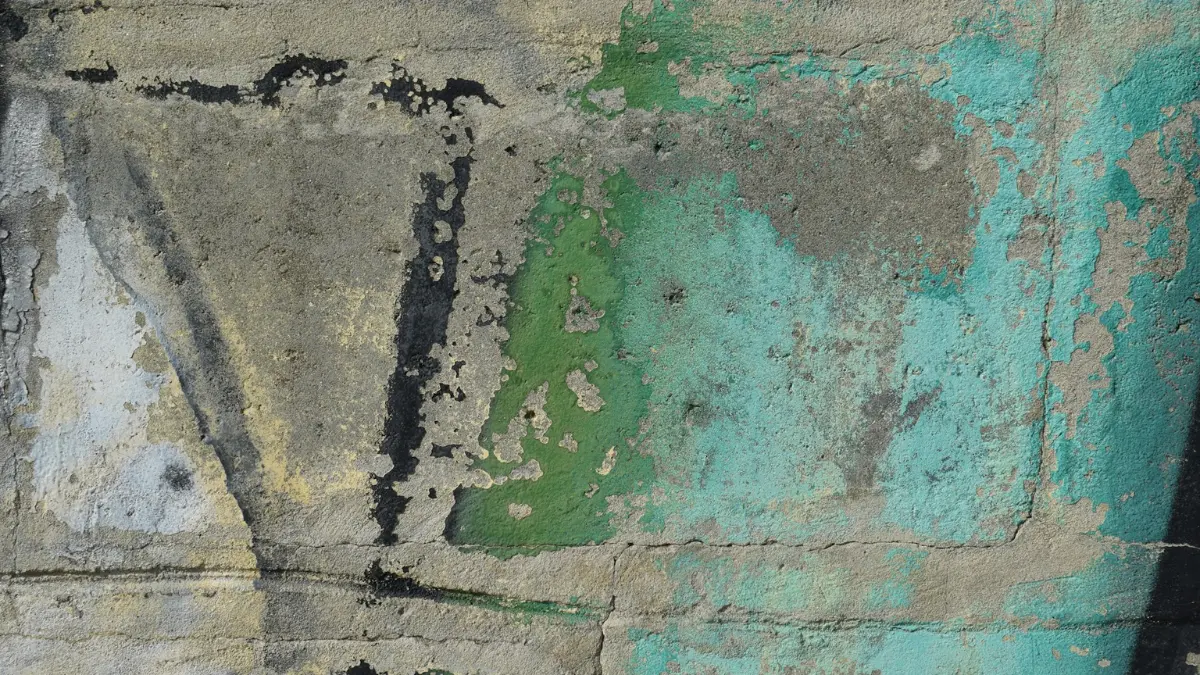
Small mold problems: what parents can safely DIY

- NIOSH Approved : (NIOSH Approval Number: TC-84A-9276) – NIOSH Approved N95 respirator mask certified for at least 95% fi…
- Credible Manufacturer : Manufactured by Shanghai Yunqing Industrial Co., Ltd., a NIOSH approved manufacturer of N95 resp…
- Standard Head Loops : This is a NIOSH approved N95 mask that straps must go behind head instead of the ears to offer bet…
The EPA threshold for safe DIY mold removal is 10 square feet or less — roughly a 3-by-3-foot patch on a hard, non-porous surface. Here is the correct sequence:
- Remove children and pets from the room before starting — close the door and seal the gap with a towel to contain disturbed spores
- Wear an N95 respirator, rubber gloves, and eye protection — never perform mold removal with a standard dust mask
- Apply a mold-killing solution appropriate to the surface — never use bleach on porous materials like drywall or wood, as it cannot penetrate the surface to reach the root structure
- Scrub thoroughly, seal contaminated material in a heavy plastic bag, and dispose of it outside in the outdoor waste bin immediately
- Run a dehumidifier in the cleaned space for 48 hours to eliminate residual moisture that would allow re-colonization
For surface-specific guidance: removing mold from drywall without it coming back and mold removal from wood and studs cover the two most common interior surfaces in detail. If the affected area is a concrete floor or foundation wall, mold on concrete floor removal covers the additional penetration steps porous materials require. For identifying and treating black mold on any surface type, black mold removal by surface type provides the most specific guidance available. Before starting any DIY work, exactly when DIY mold removal is the right call helps you honestly assess whether this is a project to take on yourself or hand off.
When to call a professional remediator
Call a licensed remediator when the mold area exceeds 10 square feet, when mold has penetrated into wall cavities or structural framing, when the location involves a crawl space, or when a child with asthma or immune vulnerability lives in the home. Get detailed cost estimates before committing to any contractor — mold remediation cost by room shows what professional removal typically runs across different areas of a US home, so no estimate should catch you off guard.
Preventing mold recurrence to protect your child’s health
Mold cannot colonize without moisture control failures. Keep indoor relative humidity below 50% year-round using a calibrated hygrometer and a room-specific or whole-home dehumidifier. Fix any roof leaks, window condensation sources, or plumbing drips within 48 hours — that is the proven window before active mold begins to establish on a wet surface.
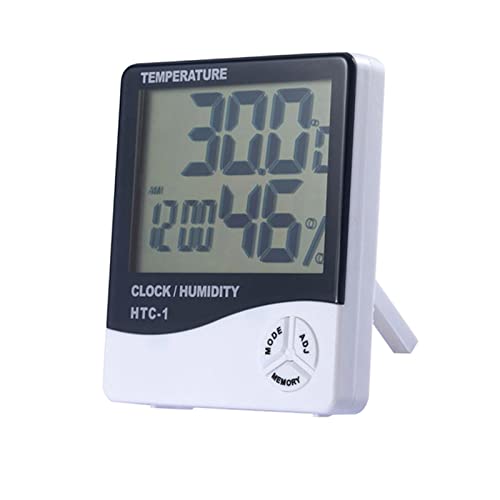
- 【Multi Function】Accurate hygrometer digital thermometer displays high and low temperature & humidity;At the same time, r…
- 【Easy to Use and Install】This indoor room thermometer features a kickstand and hanging hole, can be placed in vertical o…
- 【12/24 Hour, °F/°C Selector】12/24 hour display switching function; ℃ /℉ switching function. Measuring Temperature Range:…

- 【80 Pint Capacity for Up to 5,000 Sq.Ft Spaces】Quickly removes excess moisture from basements, bathrooms, bedrooms, RVs,…
- 【90° Auto Swing Airflow for Even Coverage】Distributes dry air evenly across the room, helping cover every corner and red…
- 【30%–80% Smart Humidity Control for Flexibility】 Unlike many standard dehumidifiers limited to a minimum of 40% RH, this…
According to EPA guidance on preventing indoor mold growth, addressing moisture sources is the single most effective long-term intervention for preventing mold recurrence in any residential environment.
Frequently asked questions about mold exposure in children
1. What are common symptoms of mold exposure in children?
The most common symptoms include persistent coughing, nasal congestion, wheezing, red and watery eyes, unexplained skin rashes, and fatigue. These closely resemble allergy or cold symptoms but are distinct in that they consistently improve when the child spends time away from home. Respiratory symptoms typically appear first, followed by skin and eye reactions with continued exposure.
2. How quickly do mold symptoms appear in kids?
Allergic reactions to mold spores can begin within hours of sustained exposure in sensitive children. Chronic symptoms — including recurring respiratory infections, fatigue, and concentration difficulty — typically develop over weeks to months of ongoing contact. The timeline depends on the child’s immune sensitivity, the specific mold species present, and the concentration of spores in the indoor air.
3. Can mold make a child sick without visible mold present?
Yes. Mold grows inside wall cavities, under flooring, inside HVAC ductwork, and behind insulation — areas where no visible growth is apparent from inside the living space. A child can develop significant mold exposure symptoms from a hidden colony that has been expanding for months. A persistent musty odor without visible growth is a reliable indicator that hidden mold is actively present.
4. What does black mold exposure do to a child?
Black mold — specifically Stachybotrys chartarum — produces mycotoxins that can cause respiratory irritation, fatigue, and skin reactions in children. According to the CDC, severe mycotoxin poisoning from household mold exposure is rare. Most children exposed to Stachybotrys experience allergic and irritant responses rather than direct toxin poisoning, but professional remediation is required regardless of symptom severity.
5. Is mold exposure in children serious?
Mold exposure is a genuine health concern — particularly for children under five, those with asthma, and children with compromised immune systems. Short-term exposure typically causes allergic symptoms that resolve once the source is removed. Prolonged, untreated exposure can lead to chronic respiratory conditions, persistent infections, and in rare cases, lasting lung sensitivity that requires ongoing medical management.
6. What are signs of mold toxicity in children?
Signs suggesting mold toxicity beyond a standard allergic response include persistent nosebleeds, extreme fatigue disproportionate to activity level, recurring headaches, difficulty concentrating, and neurological symptoms such as mood swings or memory difficulty in older children. These symptoms warrant immediate pediatrician evaluation and removal of the child from the suspected exposure environment without delay.
7. How do you treat mold exposure in kids?
Treatment begins with removing the child from the mold environment — the single most effective intervention available. A pediatrician may prescribe antihistamines, nasal corticosteroids, or bronchodilators to manage active symptoms. A pediatric allergist can confirm specific mold sensitivities through testing. Most symptoms improve significantly within two to four weeks following confirmed removal from the exposure source.
8. What are long-term effects of mold exposure in children?
Children who remain in mold-contaminated environments for months risk developing chronic sinusitis, recurrent bronchitis, and hypersensitivity pneumonitis. Exposure during critical lung development before age five carries the highest risk for lasting respiratory sensitivity. Most long-term effects are reversible with early intervention and confirmed, permanent elimination of the mold source from the home environment.
9. Can mold cause behavioral changes in children?
Yes — particularly in adolescents and school-age children with prolonged exposure. Mold exposure has been associated with cognitive fog, concentration difficulty, increased irritability, and mood disruption. These behavioral changes are frequently misattributed to stress, anxiety, or ADHD. A behavioral shift that coincides with a move, a change in bedroom, or a season of increased HVAC use warrants environmental investigation.
10. How do I know if my house has mold affecting my child?
The clearest signal is that your child’s symptoms consistently improve when away from home — at school, at a relative’s house, or on an overnight trip — and return or worsen when back inside. A musty odor in any room, visible staining near water sources, recurring condensation on windows, and peeling paint on exterior walls are additional indicators of active mold growth in the home.
11. What type of mold is most dangerous for children?
Stachybotrys chartarum — commonly called black mold — produces mycotoxins and requires professional remediation. However, Aspergillus and Cladosporium species are far more common in US homes and pose significant allergy and respiratory risks in children, particularly those with asthma. Any mold species confirmed in a child’s primary living space warrants removal regardless of type or color.
12. Can a child have a mold allergy?
Yes — mold allergy is a well-documented condition in children, triggered by inhaling or contacting airborne mold spores. A pediatric allergist can confirm a mold allergy through skin prick testing or specific IgE blood panels. Children with confirmed mold allergies face elevated risk for asthma development and require both environmental management and an ongoing medical treatment plan.
13. Does mold cause rashes in children?
Yes. Skin contact with mold or allergic responses to airborne spores can cause rashes, hives, and eczema flares in children. These typically appear on the arms, face, and neck — areas most exposed to airborne particles or direct surface contact. Recurring rashes without a confirmed cause are worth cross-referencing with home inspection findings, especially in rooms where moisture is present.
14. How do doctors test for mold exposure in children?
There is no single definitive mold exposure blood test. Physicians typically use a combination of allergy skin prick testing, specific IgE blood panels for common mold species, pulmonary function testing, and a detailed exposure history review. The clinical picture — symptom timeline, pattern relative to home exposure, and the child’s environment — guides diagnosis more than any single laboratory result.
15. When should I call a doctor for my child’s mold symptoms?
Call a pediatrician if respiratory symptoms have lasted more than two weeks, if a skin rash is spreading, or if your child shows fatigue, recurring headaches, or behavioral changes alongside respiratory symptoms. Seek urgent care immediately if your child develops difficulty breathing, audible wheezing at rest, or any symptom that is visibly and rapidly worsening rather than holding steady.
16. Can air purifiers help with mold symptoms in children?
Yes — HEPA air purifiers effectively reduce the concentration of airborne mold spores a child inhales. True HEPA filters capture 99.97% of particles 0.3 microns and larger, which includes the majority of mold spore types. Air purifiers do not eliminate the mold source itself and should be used as a temporary protective measure while the underlying mold problem in the home is being addressed.
17. How do I remove mold safely with children in the house?
Remove children and pets from the affected area before starting any cleanup — and keep them out until the space is cleaned, dried, and ventilated for at least 24 hours. Wear an N95 mask and rubber gloves. Follow EPA guidelines for surfaces under 10 square feet. For detailed guidance on the most common surface type, step-by-step drywall mold removal covers the full process.
Your child’s health starts with your home
Mold exposure symptoms in children are easy to miss, easy to misattribute, and — with the right information — entirely actionable. You now know which symptoms to watch for at every age, how to trace the source inside your home, when a doctor visit is non-negotiable, and how to address the physical environment that caused the problem in the first place.
Your home is where your child spends most of their time. That makes it the most powerful variable in their ongoing health.
If your inspection today turns up something that needs professional attention, the complete mold remediation diagnostic plan walks through everything professional and DIY remediation involves — before you spend a dollar or move a piece of furniture.
Related Articles
 Mold Remediation
Find a Mold Remediation Company You Can Actually Trust
May 9, 2026 Mold Remediation
Found Mold After Flooding? Here’s Exactly What to Do Now
June 15, 2026 Mold Remediation
The Safe Way to Remove Mold from Wood and Studs
May 23, 2026 Mold Remediation
How to Tell Mold From Mildew and What to Do Next
June 14, 2026 Mold Remediation
Black Mold Removal: Steps for Each Surface Type
May 7, 2026 Mold Remediation
What a Mold Inspection Really Costs for Your Home
June 2, 2026 Mold Remediation
Here’s What Your Tenant Rights for Mold Actually Are
May 30, 2026 Mold Remediation
Crawl Space Mold Removal Costs and Safe Next Steps
May 18, 2026 Mold Remediation