
Found Mold in Carpet? Here’s Exactly What to Do First

Mold in carpet colonizes backing and padding within 48 hours — the EPA’s 10-square-foot rule determines whether you clean or replace. Here’s your exact answer.
Table of Contents
The smell hits before you see anything.
That earthy, damp odor rising from your floor is often the first signal that mold in carpet has taken hold — and by the time a visible patch appears on the surface, the contamination below has typically been growing for days.
Most homeowners reach for a cleaner. That instinct makes sense: carpet replacement is a real expense, and the hope of salvaging what’s there is worth investigating before spending money you don’t have to.
Here is what this guide does differently from every other resource you’ll find: it gives you a clean-or-toss decision framework before it teaches you a single cleaning step. The real question isn’t how to remove carpet mold — it’s whether cleaning will actually solve your specific situation at all.
Five factors determine the answer. You’ll have all five by Section 3, and you’ll know exactly which path to take.
How to tell if your carpet actually has mold
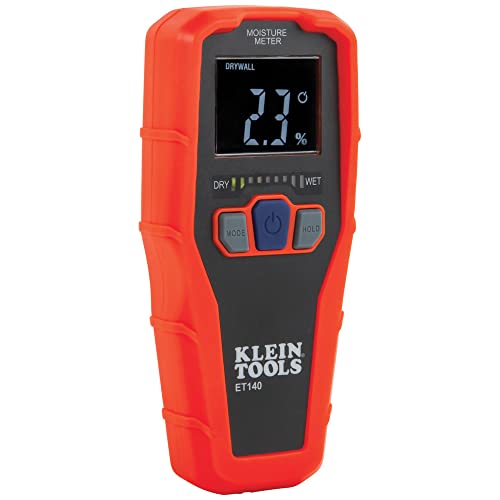
- WATER LEAK DETECTOR detects relative moisture content from leaks and flooding
- PINLESS MOISTURE METER measures relative moisture content in building materials
- NONDESRUCTIVE DETECTION up to 3/4-Inch deep using Electromagnetic field (EMF) technology
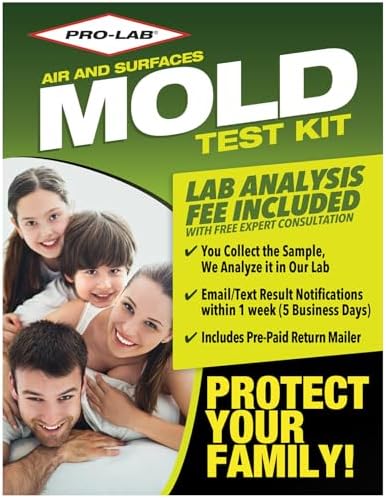
- Easy to Use Mold Test Kit For Home
- The mold test kit allows you to collect Air, Surface or Bulk sample that can be sent to our Lab for mold Lab Analysis
- First Class Return envelope included to send back the mold sample.
Mold rarely announces itself with an obvious patch — and by the time it’s visible at the surface, the contamination below is already substantial.
What mold in carpet looks like
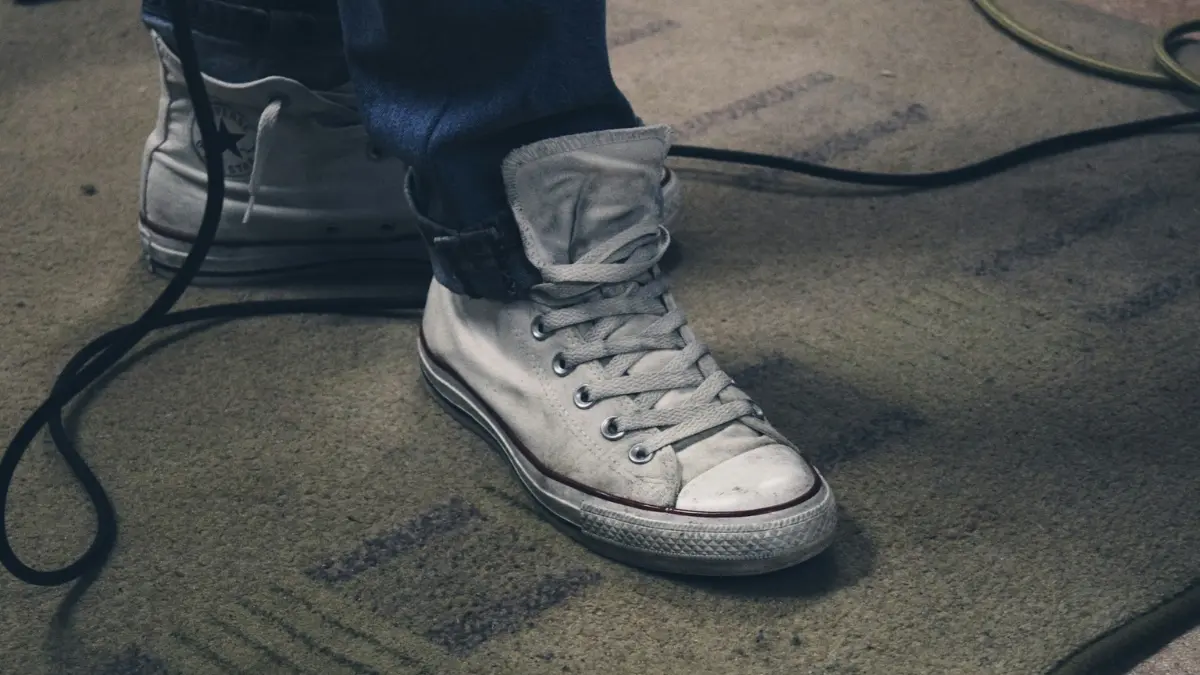
What does mold in carpet look like? It appears in several distinct forms depending on the mold species present and how long moisture has been sustained:
- Green, black, or white fuzzy patches on carpet fiber surfaces — frequently mistaken for embedded dirt or old staining
- Gray or brown discoloration spreading outward from baseboards, furniture legs, or wall seams
- Pink or orange tinting in areas that stay persistently damp, such as under plant pots or beside pet water bowls
- Surface stains that return within two to three days of cleaning — the most reliable indicator of active growth beneath the pile
The smell test and why it matters more than the stain
A musty smell in carpet typically precedes visible growth by up to 24 hours. If you detect that earthy, wet-basement odor at floor level, treat it as confirmation — not suspicion.
Checking under the carpet: what you’ll find and what it means
The most important inspection step most homeowners skip is lifting a corner to examine the carpet backing directly.
Mold colonizes the woven backing and the foam padding layer long before it surfaces through the pile — which is precisely why scrubbing the top layer so often fails to resolve the problem. Look for dark spotting, gray or brown discoloration, or padding that smells sour and feels damp to the touch.
This hidden-layer pattern is the same reason bathroom mold behind grout and caulk and black mold on different surface types are so persistently undertreated — surface cleaning alone almost never reaches the root colony.
How fast mold grows in wet carpet
Mold spores can begin colonizing wet carpet within 24 to 48 hours of a moisture event. That isn’t a rough estimate — it’s the threshold after which surface-only treatment stops being reliably effective.
Clean or toss? The 5-point carpet mold test
This section — not the cleaning how-to — is the one that actually answers the question you came here with.
The 5 conditions that make replacement non-negotiable
Replacing moldy carpet is the only safe path when any single one of the following applies:
- The mold covers more than 10 square feet — the EPA’s stated threshold for mandatory professional assessment
- The carpet has been wet for more than 72 hours without active drying intervention
- The padding or subfloor beneath shows visible mold, dark staining, or moisture damage — removing mold from drywall near the affected area is often necessary when subfloor spread has occurred
- Any occupant in the home is immunocompromised, has asthma, or is experiencing unexplained respiratory symptoms
- The moisture source that caused the mold has not been permanently corrected
⚠️ Warning: If even one of these five conditions applies, DIY cleaning is not a safe option. Treating the carpet surface without resolving compromised padding or the moisture source delays the problem — it does not eliminate it.
When DIY cleaning is genuinely safe
DIY carpet mold removal is appropriate only when all five of the following are true at the same time: the affected area is under 10 square feet, the carpet has been wet for fewer than 48 hours, the padding is dry and shows no visible growth, no occupant faces elevated health risk, and the moisture source has been identified and corrected.
For a broader look at when DIY mold removal is the right call across surface types, that guide covers the full decision criteria.
The middle-ground cases — what a pro will assess
Some situations require a professional eye: mold that returned after a previous cleaning attempt, contamination near HVAC vents, or backing damage across a large zone without obvious surface spread.
A certified remediator uses a moisture meter to assess subfloor saturation — readings above 15% moisture content typically mean that padding and subfloor material need replacement alongside the carpet. The mold remediation diagnostic plan is the right starting point for any contamination that extends beyond the carpet layer itself.
💡 Expert Note: IICRC-certified remediators follow the S520 Standard for Professional Mold Remediation — the industry benchmark for assessing whether a surface can be cleaned or must be removed. Locate a certified professional at the IICRC’s professional finder.
Renters vs. owners: who is responsible
Renter responsibility for carpet mold depends on which party caused the moisture condition. Landlord-sourced failures — roof leaks, plumbing failures, foundation seepage — are typically the landlord’s legal obligation to remediate. Renter-caused moisture damage, such as a spill left unaddressed or chronic poor ventilation, may shift that liability. Document every affected area with dated photographs before any cleaning or removal begins.
ℹ️ Disclaimer: This article is not a substitute for a professional mold inspection. If any occupant is experiencing symptoms, consult a physician and a certified remediator before attempting any cleaning.
How to remove mold from carpet: step-by-step
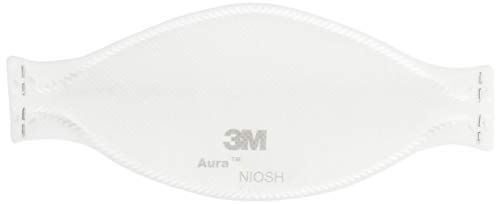
- NIOSH APPROVED: N95 for at least 95% filtration efficiency against certain non-oil based particles like dust and smoke.
- REDUCED EYEWEAR FOGGING: Designed to direct exhaled air away from the nose panel, helping reduce eyewear fogging
- COMFORTABLE: Braided headbands help keep respirator securely in place and minimize pulling of hair
If your carpet passed every condition in Section 3, here is the correct removal sequence — in the right order, without shortcuts.
What you’ll need
Carpet mold removal requires: an N95 or P100 respirator (not a basic dust mask), nitrile gloves, safety glasses, a HEPA vacuum, antifungal spray such as Concrobium Mold Control or RMR-86, a stiff-bristle scrub brush, clean white blotting cloths, and a dehumidifier for the drying phase.
Step-by-step: the correct removal sequence
To safely remove surface mold from carpet, complete these steps in order — skipping the drying phase is the single most common reason carpet mold returns within two to four weeks:
- Open windows and set a fan to exhaust outward before you begin — cross-ventilation prevents spore buildup in the room
- HEPA-vacuum the affected area first, before applying any liquid — this reduces the spore count significantly before treatment begins
- Apply antifungal spray and allow a minimum 10-minute dwell time — shorter contact does not disrupt the mold colony structure
- Scrub with the stiff brush using circular motions, always working inward from the outer edge of the mold zone
- Blot — never rub — with clean cloths; rubbing drives spores deeper into fiber and spreads them laterally
- Apply a second treatment of antifungal spray and allow the area to begin air-drying
- Run a dehumidifier and fans continuously for 24 to 48 hours before returning furniture or foot traffic
⚠️ Warning: Never use a standard household vacuum on mold-contaminated carpet. Standard vacuums lack HEPA filtration and exhaust live spores directly back into the room, spreading contamination to areas that were previously unaffected.
What actually kills mold — and what just hides it
Antifungal spray disrupts the mold colony at a cellular level — it is the correct product category for this job. Bleach does not penetrate carpet backing; it lightens surface discoloration and leaves residual moisture behind, which accelerates re-growth within days. Baking soda deodorizes effectively but does not kill active mold.
The surface chemistry shifts significantly when mold has migrated beyond the carpet: mold removal from wood and structural studs and mold removal from concrete subfloor surfaces each require surface-specific treatment protocols.
The drying phase: where most DIY attempts fail
The carpet must register below 15% surface moisture before it is genuinely dry — a number that feels counterintuitive when the surface already feels dry to the touch.
A household fan running alone is not sufficient: a dehumidifier running simultaneously is what drops ambient room humidity fast enough to prevent re-colonization. Allow 24 to 48 hours of active airflow depending on room size and natural ventilation.
✅ Pro Tip: Hardware stores rent commercial-grade carpet drying fans for $30–$60 per day. These move three to four times the air volume of a household fan and cut drying time significantly on larger affected areas.
Carpet mold removal vs. replacement: real costs
The decision between cleaning, hiring a professional, and replacing carpet is partly intuitive — but the numbers make it easier.
DIY cleaning cost breakdown
DIY carpet mold removal costs typically run $50 to $150 in supplies: antifungal spray ($15–$40), HEPA vacuum rental if needed ($30–$50 per day), and protective gear ($20–$30). Time investment runs three to six hours including the mandatory drying phase.
Professional mold remediation: what you’ll pay
Professional carpet mold remediation ranges from $500 to $3,000 depending on contamination area, subfloor condition, and regional labor rates. Mold remediation costs broken down by room shows how pricing scales with room size and contamination severity — a useful benchmark before calling for quotes.
Carpet replacement cost by room size
Full carpet replacement — removal, new padding, new carpet, and installation — typically runs $800 to $2,500 for an average bedroom depending on carpet grade and regional labor. Before committing to replacement, find a mold remediation company you can genuinely trust to get a professional assessment of whether full removal is actually necessary.
| Method | Average Cost | Time Required | Best For |
|---|---|---|---|
| DIY Cleaning | $50–$150 | 3–6 hours | Area <10 sq ft, <48hr wet |
| Pro Remediation | $500–$3,000 | 1–3 days | Larger areas, backing damage |
| Full Replacement | $800–$2,500/room | 1–2 days | Wet >72hr, failed padding |
Cost ranges represent national averages; actual costs vary by region, contractor, and carpet grade.
Does homeowners insurance cover moldy carpet?
Homeowners insurance and mold coverage depends almost entirely on the moisture source. Sudden, accidental events — a burst pipe, an appliance failure — are typically covered under standard policies. Gradual leaks, chronic condensation, and maintenance-related moisture are almost universally excluded. When homeowners insurance covers mold remediation walks through the specific trigger conditions and how to document your claim before an adjuster arrives.
ℹ️ Disclaimer: Coverage varies significantly by policy and insurer. Document the moisture source with dated photos before filing any claim — adjusters use this documentation to determine eligibility.
Health risks of carpet mold: what the research says
Carpet mold poses real health risks because mold spores and mycotoxins become airborne through foot traffic, vacuuming, and HVAC circulation — reaching the respiratory system even when the mold itself is not visible on the surface.
Common mold types found in carpet and their risk levels
The most common carpet mold species are Cladosporium and Penicillium — both produce spores that trigger respiratory irritation, allergic responses, and eye and skin symptoms. Stachybotrys chartarum (black mold) is less common in carpet but possible in chronically wet environments and is associated with more severe respiratory effects. All three warrant prompt action — the species distinction changes the urgency level, not the need to act.
Symptoms of mold exposure from carpet
Symptoms of indoor mold exposure from carpet include persistent sneezing, nasal congestion, eye irritation, skin rashes, and worsening asthma. According to the CDC’s guidance on mold and indoor environments, symptoms often resolve once the source is removed — but continued exposure extends recovery time significantly.
Who is most at risk — and what “safe” actually means
Immunocompromised occupants — including people undergoing chemotherapy, infants, elderly adults, and those with chronic respiratory conditions — face elevated risk from any level of carpet mold exposure. For these occupants, the “safe to DIY” criteria in Section 3 do not apply regardless of contamination size.
EPA guidance on mold cleanup in homes sets 10 square feet as the threshold above which professional remediation is recommended for the general population — a lower threshold applies when vulnerable occupants are present.
Can carpet mold spread to walls or subfloor?
Yes — and it does so faster than most homeowners expect. Mold spreading from carpet migrates to baseboards, drywall, and subfloor when the moisture source is not eliminated. Removing mold from drywall and mold in air ducts are both common secondary consequences of an unresolved carpet mold situation. Treating the carpet alone, without addressing those adjacent surfaces, almost guarantees recurrence.
See the full mold remediation diagnostic plan for a surface-by-surface assessment framework when contamination has spread beyond the carpet itself.
How to prevent mold from growing in carpet again
The best outcome after dealing with carpet mold is making sure you never have to deal with it again — and that requires controlling the one variable that causes all of it: moisture.
The 48-hour rule: why fast drying is everything
Mold cannot establish a colony in dry carpet. The entire prevention strategy rests on one rule: any wet carpet must be actively dried within two hours of a moisture event and reach below 15% surface moisture within 48 hours.
The fastest reliable method is simultaneous use of a wet-dry shop vacuum for water extraction, a box fan exhausting outward, and a dehumidifier targeting below 50% relative humidity in the room. This combination is what professional water damage crews deploy in the first hour on-site — it works because it attacks moisture from three directions at once. For how to dry wet carpet fast after a spill or leak, that detailed method guide covers the full sequence.
Humidity control tools that actually work
A dehumidifier rated for the room’s square footage is the most effective long-term prevention tool in humid climates or below-grade rooms. Target indoor humidity below 50% relative humidity year-round — a reading above 60% creates reliable conditions for mold growth in carpet, particularly in basements and crawl-space-adjacent rooms.
If your home has crawl space mold or basement mold beneath a carpeted floor, those moisture sources must be resolved before carpet mold prevention is even possible — moisture migrates upward through uninsulated subfloor into padding and backing.
Carpet choices that resist mold
Synthetic fiber carpets — nylon, polyester, triexta — are significantly more mold-resistant than natural fiber options like wool or sisal. Moisture-barrier carpet backing adds another layer of protection in high-humidity zones. If you’re replacing mold-damaged carpet, these material choices reduce recurrence risk without requiring any ongoing maintenance.
Frequently asked questions about mold in carpet
1. What does mold in carpet look like?
Mold in carpet appears as fuzzy green, black, white, or gray patches on the fiber surface. It also presents as irregular brown discoloration spreading from baseboards, or as pink and orange growth in persistently damp zones. Surface stains that return within days of cleaning are a reliable sign that active mold growth is occurring beneath the pile.
2. Can mold in carpet make you sick?
Yes. Mold in carpet releases spores and mycotoxins that become airborne through foot traffic and vacuuming. Exposure commonly causes sneezing, nasal congestion, eye irritation, skin rashes, and worsened asthma symptoms. According to the CDC, symptoms typically improve once the source is removed, but prolonged exposure extends the recovery period and worsens outcomes for vulnerable individuals.
3. How do I know if my carpet has mold under it?
Lift a corner and examine the carpet backing and padding directly. Mold under carpet appears as dark spotting or gray discoloration on the woven backing. Padding that smells sour, feels damp, or shows visible growth confirms that contamination has reached below the surface — and surface cleaning alone will not resolve it.
4. Can you clean mold out of carpet?
Whether carpet mold can be successfully cleaned depends on three factors: how deep the contamination has penetrated, how long moisture was present, and whether any occupant faces elevated health risk. Mold in an area under 10 square feet, treated within 48 hours of a moisture event, with dry padding beneath, can often be safely cleaned using the correct antifungal products and drying protocol.
5. How do you get rid of mold in carpet?
HEPA-vacuum the area first, then apply antifungal spray and allow a 10-minute dwell time before scrubbing with a stiff brush. Blot — never rub — with clean cloths, apply a second antifungal treatment, and run a dehumidifier and fans for 24 to 48 hours. Never use bleach; it does not penetrate carpet backing and leaves residual moisture that accelerates re-growth.
6. Is it worth cleaning moldy carpet?
Cleaning is worth attempting only when all five safety criteria from Section 3 are met: area under 10 square feet, wet for fewer than 48 hours, dry padding, no at-risk occupants, and corrected moisture source. When those conditions aren’t fully met, the cost of cleaning — in time, supplies, and risk of recurrence — typically exceeds the cost of professional remediation or replacement.
7. What kills mold in carpet?
Antifungal spray formulations such as Concrobium Mold Control or RMR-86 are proven to disrupt mold colonies at a cellular level. Bleach lightens surface staining but does not penetrate carpet backing. Baking soda deodorizes but does not kill active mold. White vinegar has limited antifungal effect on carpet and is not a substitute for purpose-formulated antifungal products in active mold situations.
8. Does baking soda kill mold in carpet?
Baking soda does not kill mold in carpet. It neutralizes odors caused by mold growth and can be used as a finishing deodorizer after antifungal treatment, but it has no clinically demonstrated antifungal effect against the species that commonly colonize carpet. Using baking soda as the primary treatment leaves the underlying mold colony intact and active beneath the fiber surface.
9. How long does it take for mold to grow in wet carpet?
Mold can begin colonizing wet carpet within 24 to 48 hours of a sustained moisture event. This window reflects the germination time of common carpet mold species under typical indoor temperature and humidity conditions. Carpet that has been wet for more than 48 hours without active drying should be presumed to have active mold growth in the backing and padding layers.
10. Should I replace carpet after mold?
You should replace carpet when any one of these applies: mold covers more than 10 square feet, the carpet was wet for more than 72 hours, the padding or subfloor shows damage, or any occupant is immunocompromised. When none of these conditions apply, the correct DIY cleaning protocol from Section 4 may resolve the situation without replacement being necessary.
11. How much does it cost to replace moldy carpet?
Full carpet replacement — including removal, new padding, new carpet, and installation — typically costs $800 to $2,500 for an average-sized bedroom, depending on carpet grade and regional labor rates. Professional mold remediation without full replacement ranges from $500 to $3,000 depending on contamination extent. DIY cleaning with proper supplies typically costs $50 to $150 in materials.
12. Can I use bleach on carpet mold?
Bleach is not effective for carpet mold and should not be used. Bleach cannot penetrate the carpet backing where mold colonies establish, so it treats surface discoloration without reaching the growth. It also leaves significant residual moisture in the backing and padding — the precise conditions that allow mold to re-establish within days of treatment. Use an antifungal spray formulated for porous surfaces instead.
13. Does mold in carpet spread to walls?
Yes. When the moisture source driving carpet mold is not eliminated, mold migrates to adjacent surfaces including baseboards, drywall, and subfloor material. This spread often happens within one to two weeks of the initial carpet contamination. Treating only the carpet without inspecting and addressing connected surfaces is one of the most common reasons mold returns after a cleaning attempt.
14. What type of mold grows in carpet?
The most common carpet mold species are Cladosporium and Penicillium, both of which produce respiratory irritants and thrive in moderate humidity. Aspergillus is also frequently found in damp carpet environments. Stachybotrys chartarum (commonly called black mold) is less common but can colonize carpet in chronically wet situations. All types warrant prompt remediation — species identification does not change the need to act.
15. How do you dry carpet to prevent mold?
To prevent mold growth after a wet carpet event, begin drying within two hours using these steps: extract standing water with a wet-dry vacuum, open windows and set a fan to exhaust outward, run a dehumidifier targeting below 50% relative humidity, and monitor surface moisture with a moisture meter until readings fall below 15%. Maintain active drying for 24 to 48 hours before returning the space to normal use.
16. When should I call a professional for carpet mold?
Call a certified mold remediator when the affected area exceeds 10 square feet, when mold has returned after a previous DIY cleaning attempt, when contamination is near HVAC vents or extends to baseboards and walls, or when any occupant is experiencing respiratory symptoms. Cost estimates and how to vet contractors are both covered in the mold remediation company hiring guide.
17. Does homeowners insurance cover mold in carpet?
Homeowners insurance may cover carpet mold when the moisture source was a sudden, accidental event such as a burst pipe or appliance failure. Gradual leaks, chronic condensation, and deferred maintenance are almost universally excluded from standard policies. Document the moisture source with dated photos immediately — adjusters use this evidence to determine whether the event qualifies as a covered peril under your specific policy terms.
The bottom line on carpet mold
Carpet mold is a solvable problem — but the right solution depends entirely on your specific situation, not on a generic cleaning tutorial.
If your carpet passes the five-point test in Section 3, the DIY removal method in Section 4 gives you a reliable path forward. If it doesn’t, replacement or professional remediation isn’t a failure — it’s the faster, safer, and often cheaper outcome when you consider the cost of recurrence.
The mistake worth avoiding is doing nothing or doing the wrong thing because the decision felt unclear. It shouldn’t feel unclear anymore.
For mold that extends beyond your carpet into walls, attic, or structural surfaces, the attic mold removal guide and the full mold remediation diagnostic plan are your next resources.
Related Articles
 Mold Remediation
Your Real Mold Remediation Cost Room by Room
May 5, 2026 Mold Remediation
What a Mold Inspection Really Costs for Your Home
June 2, 2026 Mold Remediation
Here’s Your Plan for Mold Remediation Before Selling
June 1, 2026 Mold Remediation
Your Child’s Mold Exposure Symptoms Explained by Age
May 28, 2026 Mold Remediation
Mold Remediation Guidance for Your Exact Situation
May 3, 2026 Mold Remediation
Find the Right Mold Removal Products for Your Surface
June 6, 2026 Mold Remediation
How Your Dehumidifier Prevents Mold Without Killing It
June 9, 2026 Mold Remediation
How to Tell Mold From Mildew and What to Do Next
June 14, 2026 Mold Remediation