
What Kills Bed Bugs, and How to Use Each Method Safely

What kills bed bugs comes down to three methods — and only heat kills the eggs, at about 122°F. See how DE, sprays and heat compare.
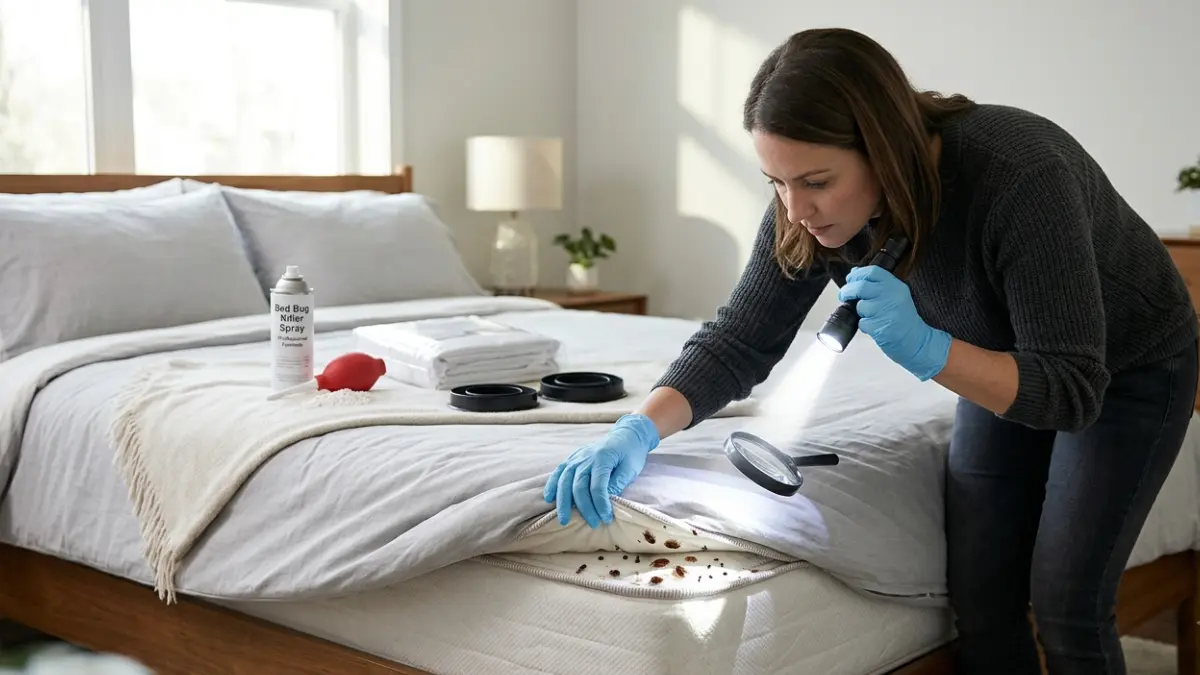
Table of Contents
Finding bed bugs sends most people straight to the store for the first spray or bug bomb they grab — usually the fastest way to spend money and make the problem worse. The real question is what kills bed bugs, and what just scatters them deeper into your walls. Three methods genuinely work: diatomaceous earth (a fine mineral dust), certain insecticide sprays, and heat — and each one kills in a completely different way.
Here’s how to use this guide. If you’ve spotted only a bug or two and want to act today, jump to the heat section — your clothes dryer is the safest quick win. If you’re comparing what to buy, the comparison table below matches each method to the situation it fits. And if bites have continued for weeks or the problem is spreading between rooms, skip ahead to when to call a professional.
Before you treat anything, make sure these are bed bugs and not fleas or another biter, since the fixes are different. Everything below is one stage of a larger step-by-step plan for getting rid of bed bugs — the more of these methods you combine, the better your odds of clearing them for good.
ℹ️ Safety Note: Bed bug treatment involves pesticides, desiccant dusts, and high heat, all of which can harm people or pets if misused. The guidance here is for general understanding — always read and follow the product label (it’s the law), use only products registered for bed bugs, keep children and pets away during any application, and never use pool- or filter-grade diatomaceous earth indoors. DIY whole-room heating carries a real fire risk. For a large, spreading, or stubborn infestation, hire a licensed pest-control professional.
Why bed bugs are so hard to kill
Bed bugs survive treatments that wipe out most household pests for two specific reasons, and understanding them explains why one product rarely finishes the job.
The three ways to actually kill a bed bug
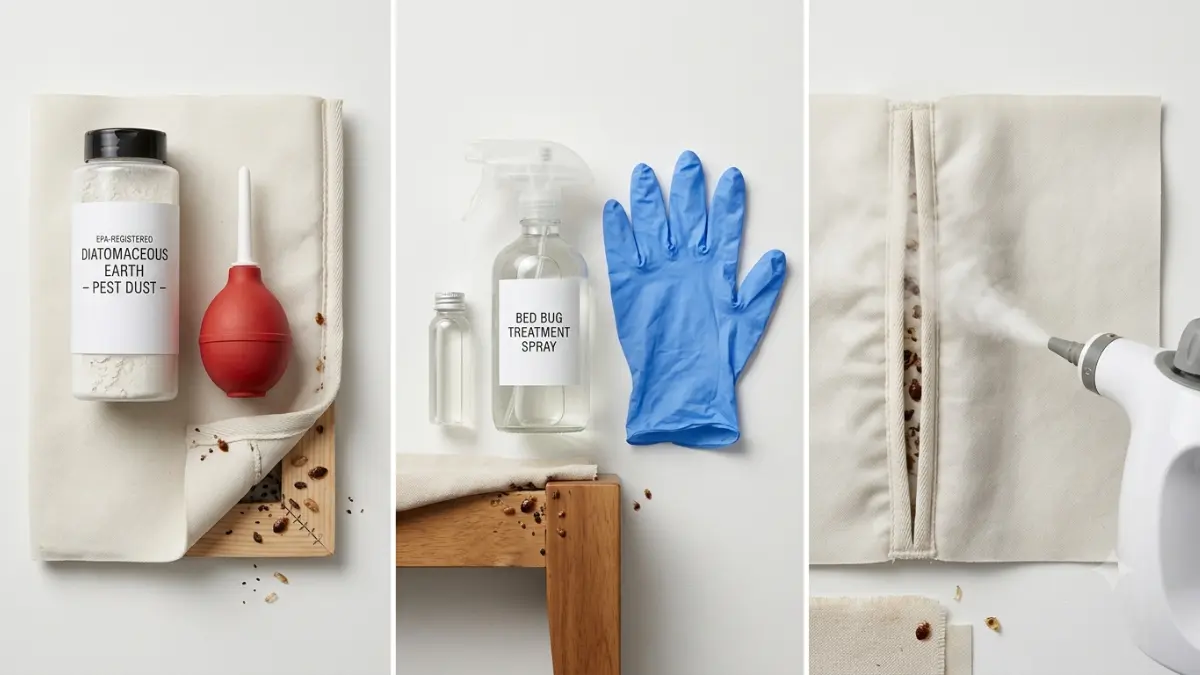
Every method that works falls into one of three categories. Desiccant dusts like diatomaceous earth kill mechanically, scratching the waxy coating off a bug’s shell so it dries out. Insecticide sprays attack the nervous system, while heat kills bugs and eggs at the cellular level.
🔍 Why It Works: A bed bug’s body is sealed in a waxy outer layer that holds in moisture. Desiccants abrade and absorb that layer so the bug loses water and dehydrates — a physical effect, not a chemical one, which is why bugs can’t build resistance to it.
Two reasons DIY treatments fail: eggs and hiding
First, bed bug eggs are glued into cracks and shrug off many sprays, so a single treatment leaves the next generation to hatch. Bed bug eggs typically hatch within one to two weeks, which is why a timed follow-up matters. Second, bed bugs hide deep in cracks and crevices where sprays never reach, and many populations have grown resistant to the most common ones.
According to Purdue Extension’s bed bug guide, many insecticides don’t kill eggs, so a second treatment is usually needed after they hatch.
Diatomaceous earth: slow, but resistance-proof
Does diatomaceous earth actually kill bed bugs?
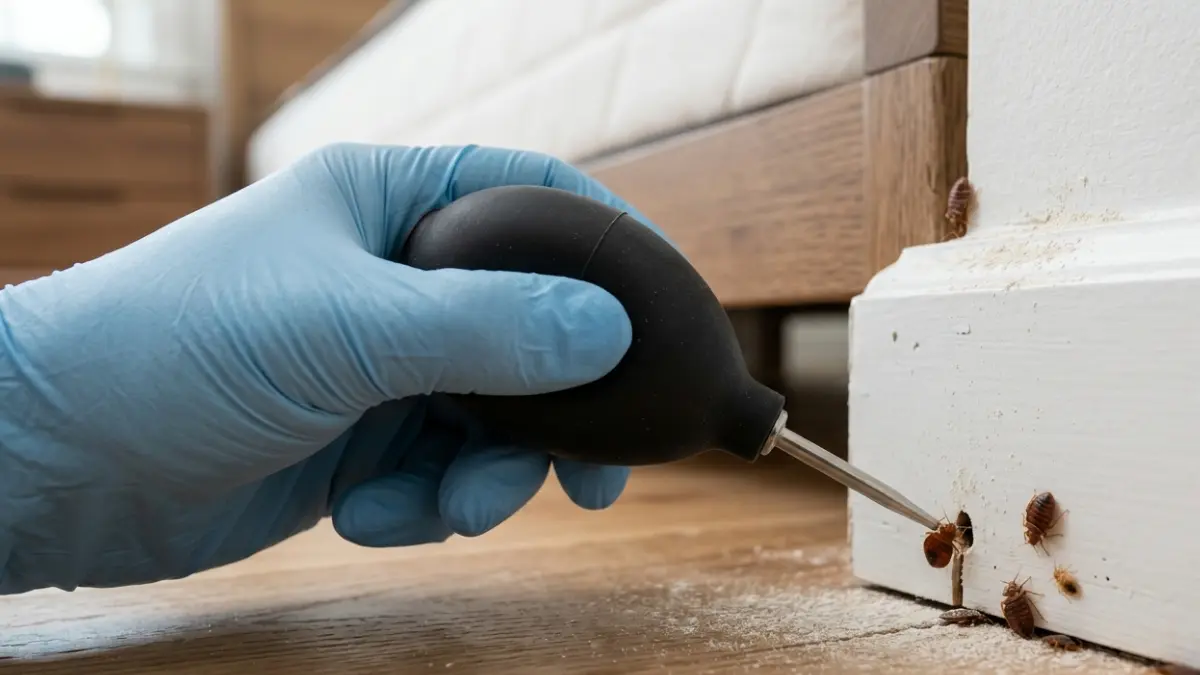
Yes — diatomaceous earth kills bed bugs, but slowly and only under the right conditions. Because it works by physically drying bugs out rather than poisoning them, they can’t develop resistance to it. The trade-off is speed: it can take days to weeks to reduce a population, and only bugs that walk through it are affected.
According to the National Pesticide Information Center, desiccant dusts should be applied in small amounts in the cracks and crevices where bed bugs hide.
Food-grade vs. pool-grade: the difference that matters for your lungs
Not all of this dust is safe indoors, and the label wording matters. Pool- or filter-grade diatomaceous earth is heat-treated and can be 60–70% crystalline silica — a serious inhalation hazard linked to lung disease. Food-grade contains under 1%, but the EPA’s guidance for bed bugs is more specific: use a product that is EPA-registered and labeled for bed bug control, not generic food-grade powder sold as a supplement.
⚠️ Watch Out: Never use pool- or filter-grade diatomaceous earth inside your home. Its high crystalline-silica content makes it dangerous to breathe. Even a registered, bed-bug-labeled dust should be applied with an N95 mask on and children and pets kept out of the room during application.
How to use it without wasting it

- Size: The length of our powder duster is adjustable, ranging from 12 inches to 42 inches (30cm to 108cm) so that you can…
- High-quality materials: The bulb of this sprayer is made of rubber, the powder storage tank is thick and transparent, an…
- Thoughtful design: The hand shank is designed with user-friendliness in mind, making it convenient for one-handed operat…
The most common mistake is applying too much. A thick, visible pile is counterproductive, because bed bugs detect it and simply walk around it. A barely visible film worked into seams, cracks, and baseboards is what actually contacts the bugs. Our full walkthrough on using diatomaceous earth for bed bugs covers application spots in detail.
✅ Do This: Choose an EPA-registered desiccant labeled specifically for bed bugs, and apply the thinnest layer you can still see. A hand duster gives you far more control than shaking it straight from the container.

- Unmatched Control of Bed Bugs: Even strains resistant to pyrethroids and neonicotinoids
- Low-Toxicity, Non-Repellent, Odorless, Non-Clumping and Non-Staining
- The Preferred Treatment for Tough Indoor Spiders
🛒 Our Pick: An EPA-registered silica or diatomaceous-earth dust labeled for bed bugs, paired with a bulb duster for precise application in cracks and seams. We may earn a commission from this link, at no extra cost to you.
Sprays and foggers: why most of them fail
Store shelves are full of bed bug sprays, but most disappoint for one reason: resistance.
Do bed bug sprays actually work?
Most over-the-counter sprays are pyrethroids or pyrethrins, and many bed bug populations have become resistant to them. A contact spray only kills the bugs it directly hits, so the ones tucked in cracks survive and keep breeding. That’s why spraying alone rarely clears an infestation.
According to the EPA’s guidance on treating bed bugs, some populations are resistant to pyrethroids, and switching to a different chemical class or using a combination product can improve control.
Do bug bombs and foggers kill bed bugs?
No — total-release foggers, or “bug bombs,” are not effective against bed bugs, and they can be dangerous. The mist settles on surfaces but doesn’t penetrate the cracks where bed bugs hide, and it can drive them deeper into walls and adjacent rooms. Foggers are also flammable and have caused fires and explosions when overused.
⚠️ Watch Out: Skip the bug bomb. It won’t reach bed bugs in their harborage, it can scatter them into neighboring rooms, and the propellant is a fire hazard. Our deeper look at why bug bombs fail on bed bugs explains the research behind this.
When a spray can help
Sprays aren’t useless — they just aren’t a standalone cure. A product labeled for bed bugs, used exactly as the label directs and combined with dusts and heat, can be one part of a plan. If you go this route, our guide to choosing a bed bug spray covers what to look for.
Heat: the most reliable killer — with limits
What temperature kills bed bugs?
Heat is the surest way to kill bed bugs because it destroys every life stage, including eggs, and nothing can resist it. Adults and nymphs die at about 118°F (48°C); their eggs are tougher and need roughly 122°F (50°C). The catch is that the lethal temperature has to be reached where the bugs actually are — deep in a mattress or wall void, not just in the room’s air.
| Life stage | Lethal temperature | Key detail |
|---|---|---|
| Adults & nymphs | ~118°F (48°C) | Must be sustained, not momentary |
| Eggs | ~122°F (50°C) | More heat-resistant than adults |
Source: Virginia Cooperative Extension’s heat-treatment research.
The one heat method you can safely DIY: your dryer
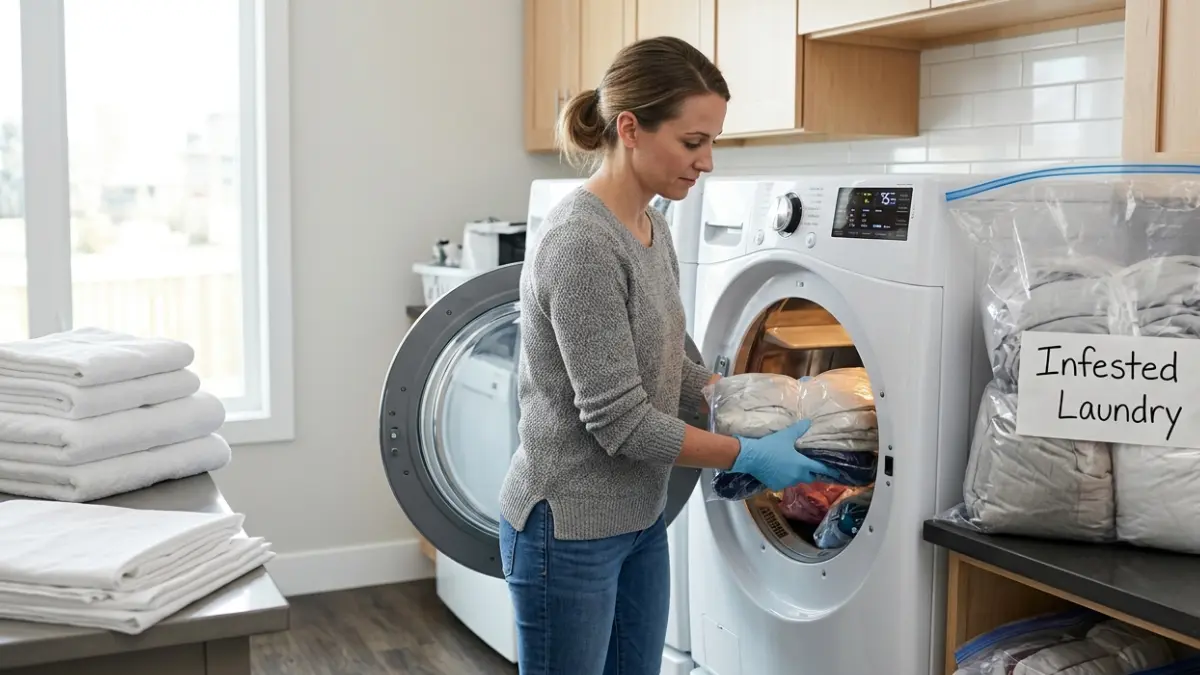
You don’t need special equipment to use heat on the items most likely to carry bugs. Washing and then drying bedding, clothing, and soft items on high heat kills bugs and eggs throughout the load. This is the single most effective step you can take today with zero risk. Our guide on whether heat kills bed bugs covers what else you can safely treat this way.
📊 Spec: A clothes dryer on high heat for at least 20–30 minutes kills bed bugs at every life stage in the load. Bag treated items afterward until the whole infestation is gone. Source: university extension guidance (Purdue; Virginia Cooperative Extension).
Why whole-room DIY heat is dangerous
Heating an entire room yourself is a different story. Space heaters and improvised setups struggle to bring cracks and voids up to lethal temperature, and running them hot enough to try is a genuine fire risk. Whole-room heat is a job for professionals with calibrated equipment and sensors. A handheld steamer, by contrast, is a safe DIY tool for surfaces and seams — see our bed bug steamer picks — though its heat only works on direct contact.
DE vs. spray vs. heat: which should you use?
The quick comparison
No single method is best for every situation, so here’s how the three stack up on the factors that decide the outcome. Two things the table can’t capture: diatomaceous earth and heat are resistance-proof while sprays aren’t, and cost climbs only when you move from DIY to professional whole-room work.
| Method | Speed | Kills eggs? | DIY-safe? | Best for |
|---|---|---|---|---|
| Diatomaceous earth | Slow (days–weeks) | Only bugs that contact it | Yes, with a mask | Cracks and crevices; a backup layer in light cases |
| Spray | Fast, but often fails on resistant bugs | Rarely | Partly — labeled products only | One part of a plan, never the whole plan |
| Heat | Fast | Yes, all stages | Dryer yes; whole-room no | Items (dryer) and severe cases (professional) |
Comparison based on EPA, NPIC, and university extension guidance cited throughout this article.
The honest verdict: combine them
These three aren’t rivals — they’re layers. The most reliable DIY approach pairs heat (start with your dryer) with a registered desiccant worked into cracks, plus mattress encasements to trap anything you missed, and skips foggers entirely. Sprays labeled for bed bugs can support that, but resistance means they shouldn’t carry it.
Where to start for a light case vs. a bigger problem

- SLEEP EASY WITH 24/7 BED BUG PROTECTION – Set it, forget it. Place one Bed Bug Blocker interceptor trap under each bed p…
- LAB-TESTED AND PROVEN TO TRAP BED BUGS – Tested by entomologists, trusted by the pros. Bed Bug Blocker interceptor traps…
- BED BUGS CLIMB IN BUT CANNOT CLIMB OUT – Simply place the traps under bed posts and furniture legs. Bed bugs cannot jump…
For a light, early, single-room case, that DIY combination is reasonable, and our do-it-yourself bed bug guide walks through the sequence. Adding interceptor monitors under the bed legs lets you track whether your efforts are working. Before buying any product, check the EPA’s bed bug product search tool to confirm it’s actually labeled for bed bugs.

- Full 360° Protection: Unlike fitted sheet-style protectors that leave sides exposed, our zippered encasement provides co…
- 100% Waterproof: Advanced barrier keeps accidents, sweat, and spills from penetrating, preserving your mattress in prist…
- Quiet & Breathable Comfort: Soft, noiseless cotton fabric ensures a restful sleep while preventing overheating.
🛒 Our Pick: Zippered, bed-bug-rated mattress and box-spring encasements paired with under-leg interceptor monitors — a low-cost combination that traps bugs and shows whether treatment is working. We may earn a commission from these links, at no extra cost to you.
When to stop DIY and call a professional
DIY has a ceiling, and pushing past it usually costs more time and money than calling a pro would have.
Signs it’s beyond DIY
Some situations call for professional help from the start. Consider hiring a licensed pest-control professional if any of these apply:
- Bites or live bugs continue after weeks of DIY treatment
- The infestation has spread beyond one room
- You live in a shared or multi-unit building, where bugs move between units
- Someone in the household is elderly, an infant, pregnant, or immunocompromised
What a professional does — and what it costs
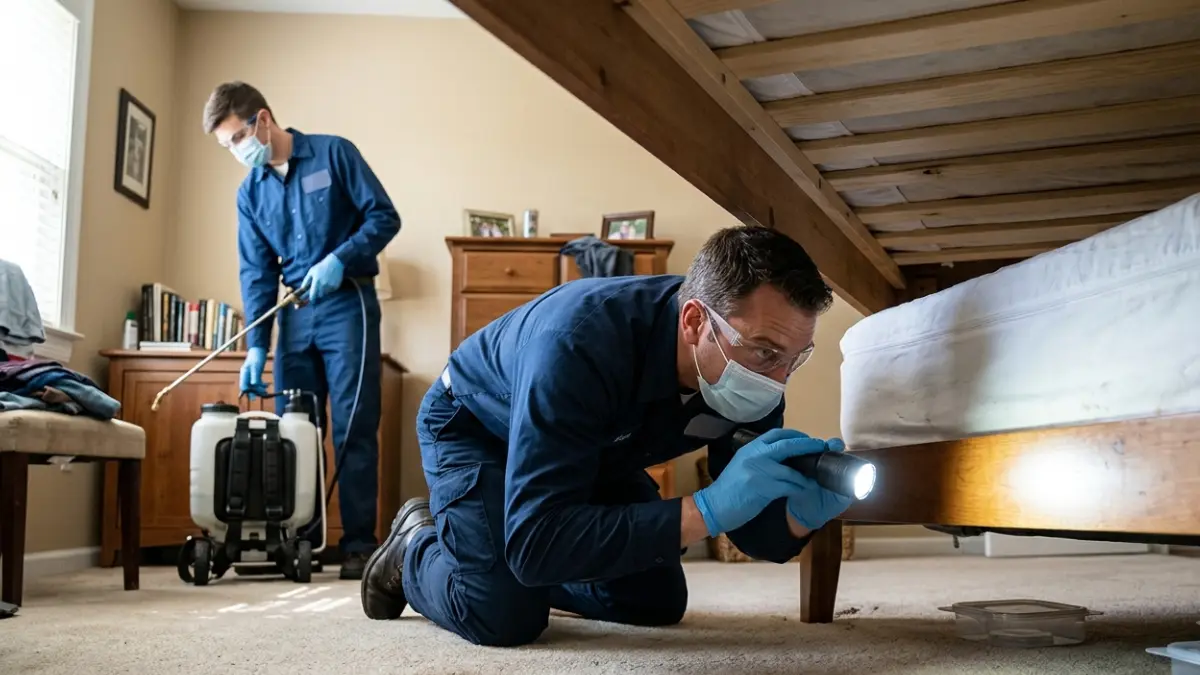
Professionals use whole-room heat, targeted steam, and rotations of registered insecticides — an integrated approach that reaches what DIY can’t. Costs vary widely by home size, region, method, and severity. As a rough guide, treatment commonly runs from a few hundred dollars for a single room to roughly $1,000–$4,000 for a whole home, with severe cases higher; chemical treatment usually needs several visits, while heat often finishes in one.
✅ Do This: Get at least three quotes and ask each company exactly what’s included — inspection, number of visits, follow-ups, and any warranty — since two quotes at the same price can cover very different work. Confirm the technician is licensed, and ask whether the plan handles eggs with a timed follow-up or a single heat treatment.
Bed bug treatment FAQs
1. What kills bed bugs the fastest?
Heat is the fastest reliable option, killing bed bugs and eggs at every life stage once temperatures reach about 118–122°F at the bug’s location. Sprays knock down only the bugs they directly hit and often fail on resistant populations, and diatomaceous earth works slowly over days. For a same-day step, run infested fabrics through a hot dryer.
2. Does diatomaceous earth kill bed bugs?
Yes, diatomaceous earth kills bed bugs by drying out their bodies, and because the action is physical, bugs can’t build resistance to it. The downside is speed: it takes days to weeks, and only bugs that walk through the thin layer are affected. Use an EPA-registered, bed-bug-labeled dust, never pool-grade, and wear a mask when applying.
3. What temperature kills bed bugs?
Bed bug adults and nymphs die at around 118°F (48°C), while their eggs need roughly 122°F (50°C), held long enough for the heat to penetrate. Air temperature alone isn’t enough — the lethal temperature has to reach the bugs deep in cracks, mattresses, and voids, which is why professional whole-room heat treatment is so thorough.
4. Do bed bug sprays actually work?
Sometimes, but rarely on their own. Most store sprays are pyrethroids, and many bed bug populations are now resistant to them. Contact sprays only kill bugs they directly hit, leaving hidden ones to breed. A product labeled for bed bugs, used per the label alongside heat and dusts, can help — spraying alone rarely clears an infestation.
5. Do bug bombs or foggers kill bed bugs?
No. Total-release foggers don’t penetrate the cracks and crevices where bed bugs hide, so they miss the bugs that matter and can even scatter them into neighboring rooms. Foggers are also flammable and have caused fires when overused. Skip them entirely and put your effort into heat, registered dusts, and labeled sprays instead.
6. What kills bed bugs and their eggs?
Heat is the most reliable way to kill both, since eggs resist many sprays and survive treatments that kill adults. Reaching about 122°F destroys eggs, which is why a hot dryer works on fabrics and professional heat works on rooms. With chemicals, a timed follow-up is needed to catch nymphs after the eggs hatch.
7. Can I get rid of bed bugs myself?
For a light, early infestation in a single room, DIY is reasonable: combine hot-dryer treatment, an EPA-registered desiccant in cracks, mattress encasements, and interceptor monitors. Call a professional if bugs have spread beyond one room, bites continue after weeks of effort, you live in a multi-unit building, or a vulnerable person shares the home.
8. Is diatomaceous earth safe to use indoors?
Food-grade or EPA-registered, bed-bug-labeled diatomaceous earth is considered safe indoors when applied carefully in thin layers. Never use pool- or filter-grade dust, which is high in crystalline silica and hazardous to breathe. Even with a safe grade, wear an N95 mask during application and keep children and pets out of the room until the dust settles.
9. How long does it take diatomaceous earth to kill bed bugs?
Diatomaceous earth is slow — it can take several days to a few weeks to noticeably reduce a bed bug population, and only bugs that cross the treated layer are affected. That’s why it works best as one layer alongside faster methods like heat, rather than a standalone fix you expect to work overnight.
The bottom line: what actually kills bed bugs
Of the three methods, heat is the most reliable killer, and your clothes dryer is the safest place to start today. A registered desiccant dust worked into cracks makes a solid slow-acting backup, mattress encasements trap what you miss, and foggers belong nowhere in the plan. Sprays labeled for bed bugs can support the effort, but resistance means they can’t carry it alone.
The real key is combining methods rather than betting on one. Work through the full step-by-step plan for getting rid of bed bugs, keep monitoring, and confirm the bugs are actually gone before you declare victory. And if the problem is spreading or stubborn, calling a licensed professional early is the cheaper choice in the end.
Related Articles
 Bed Bugs Treatment
How the Right Bed Bug Interceptors Catch the Most Bugs
June 29, 2026 Bed Bugs Treatment
How Do You Get Bed Bugs When Your Home Is Spotless?
June 26, 2026 Bed Bugs Treatment
The Best Bed Bug Traps and Monitors, and How to Use Them
July 5, 2026 Bed Bugs Treatment
How to Check for Bed Bugs the Right Way
June 27, 2026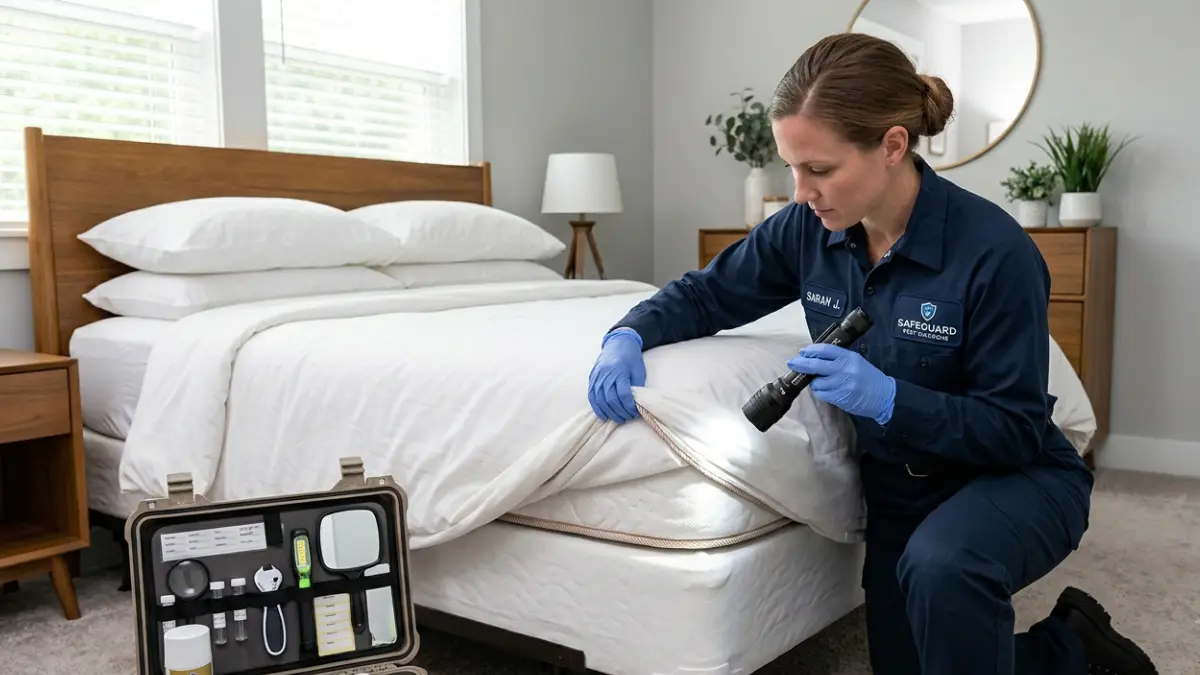 Bed Bugs Treatment
The True Cost of Bed Bug Treatment, by Method and Home Size
July 8, 2026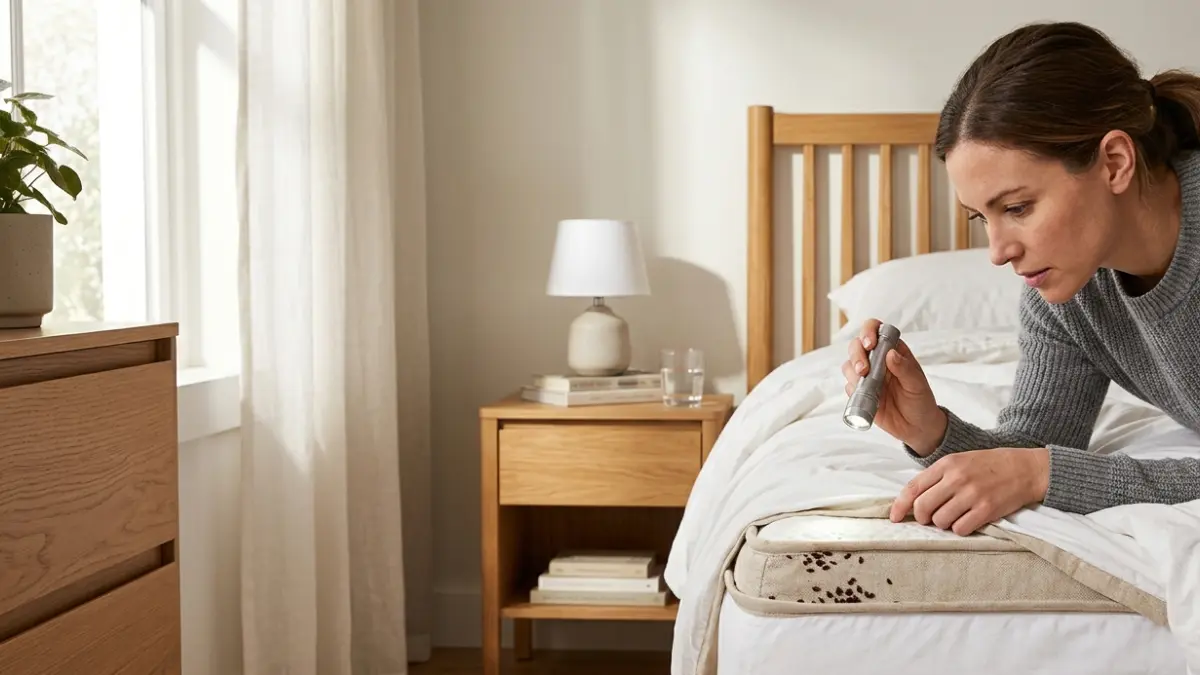 Bed Bugs Treatment
Before You Throw Away a Mattress With Bed Bugs, Read This
July 6, 2026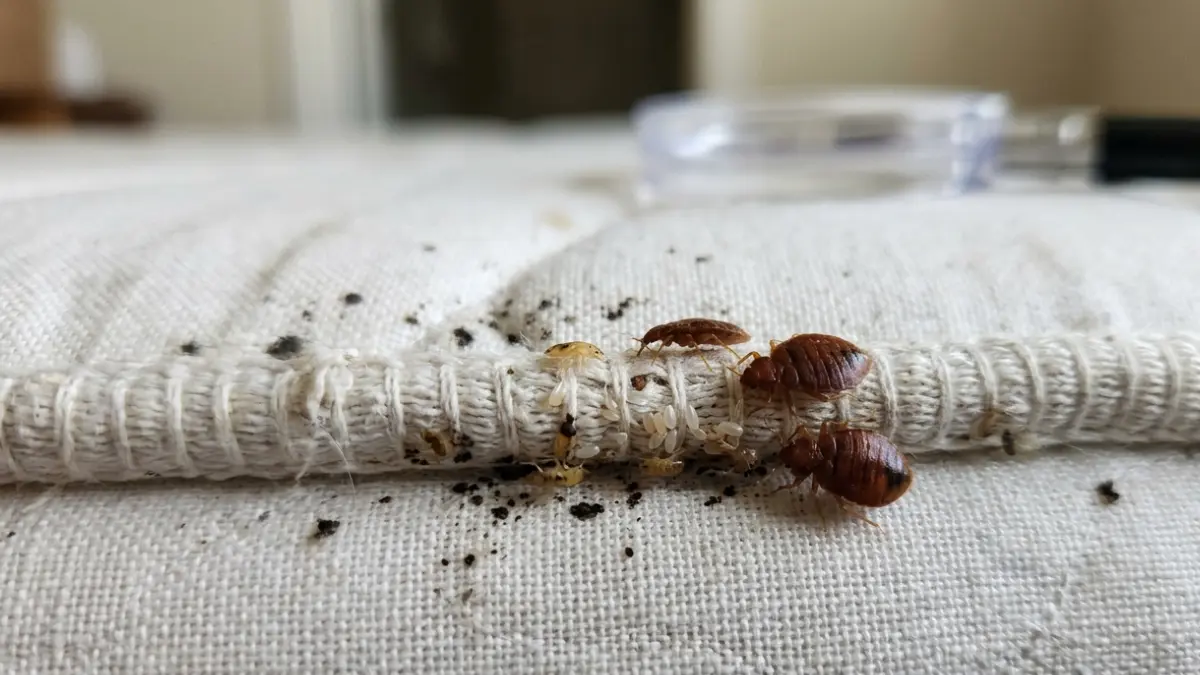 Bed Bugs Treatment
How Fast Bed Bugs Spread, and How to Get Ahead of It
June 25, 2026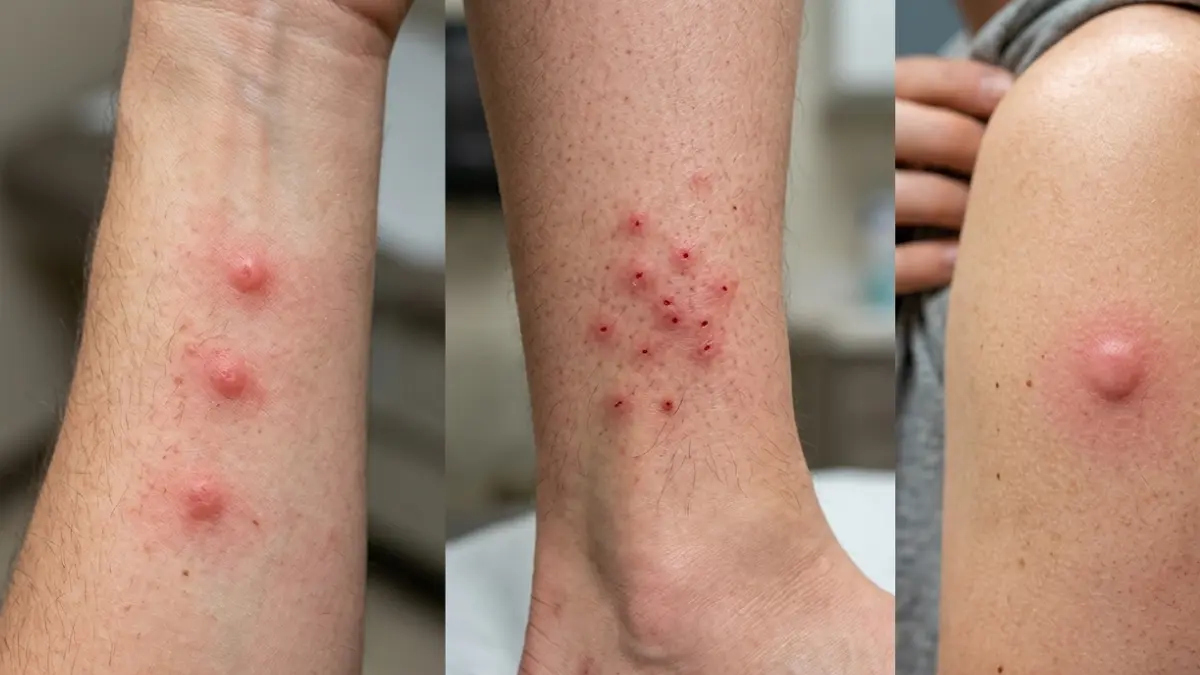 Bed Bugs Treatment
An Easy Way to Tell Bed Bug Bites From Flea and Mosquito Bites
June 24, 2026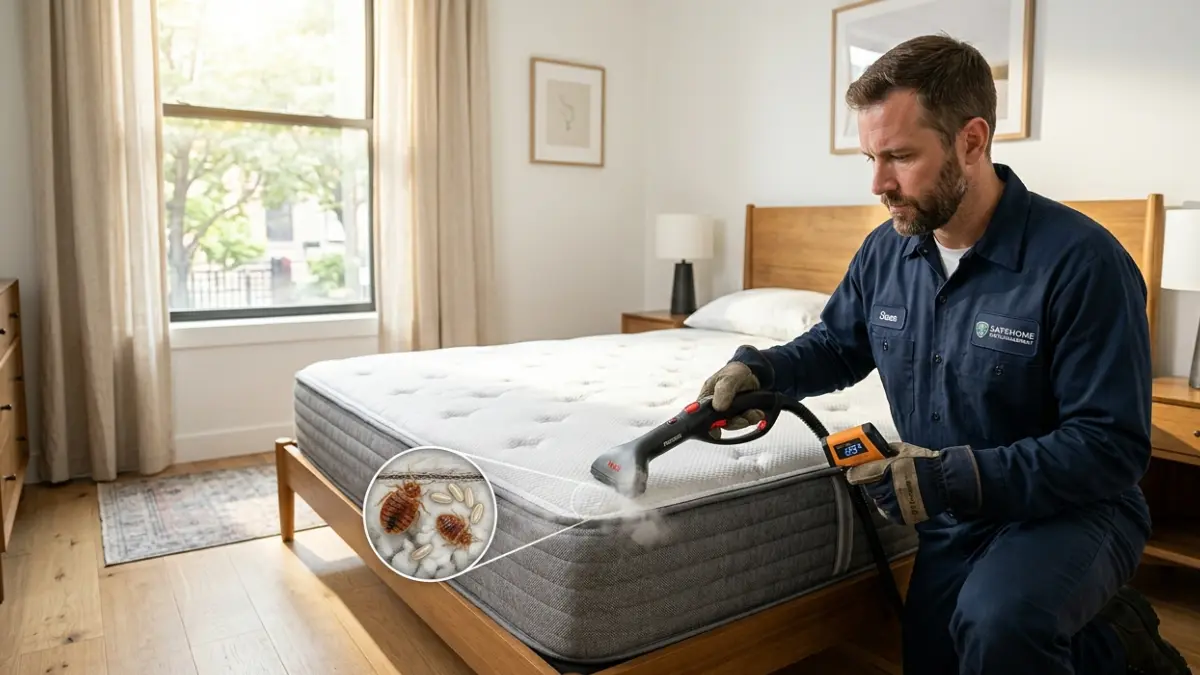 Bed Bugs Treatment