
The Right Mattress Encasement for Bed Bugs, and How to Use It

Not every bed bug encasement actually seals — the zipper end is where most fail. See 5 that pass, plus how to install one so trapped bugs can’t escape.
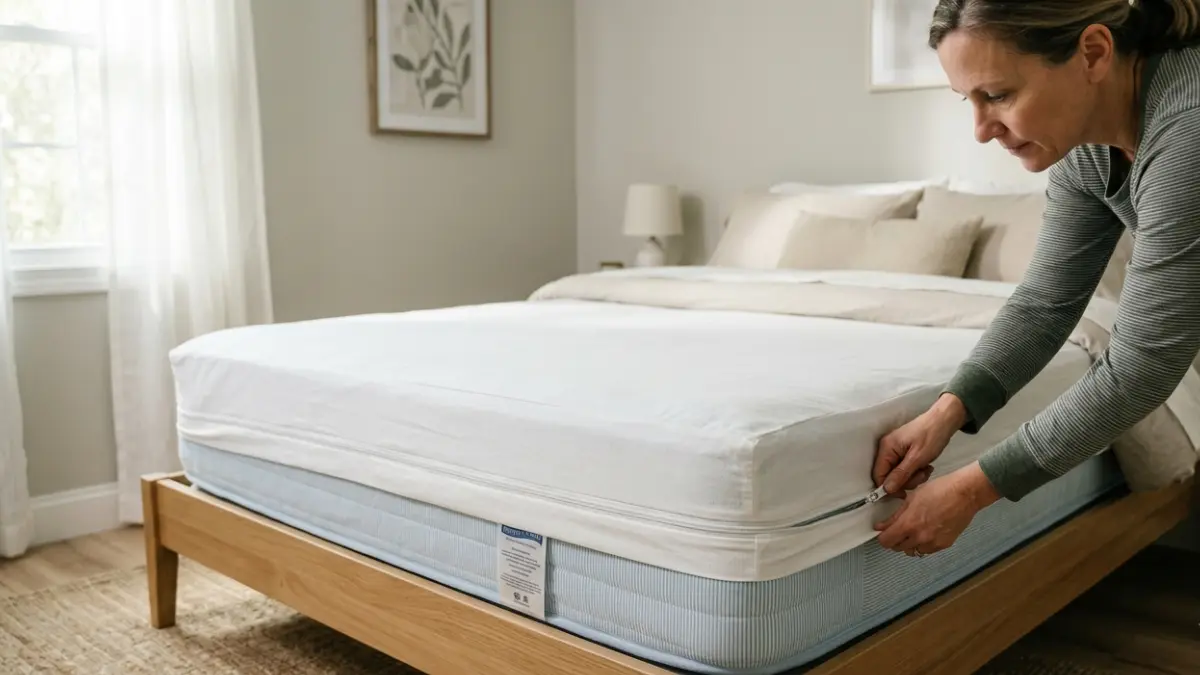
Table of Contents
Finding bed bugs — or even suspecting them — turns your own bed into the last place you want to be. A bed bug mattress encasement is one of the most useful tools for taking it back, but only the right kind, used the right way.
This guide is built around your situation. If you’ve already found bed bugs living in your mattress, an encasement traps what’s inside while you treat the rest of the room. If you’re not yet sure you have them, confirm first, then come back. And if you’re buying a new mattress after an infestation, an encasement protects it from day one.
Below you’ll find what makes a cover truly bed-bug-proof, five verified picks for different needs and budgets, and how to install one so it works. One promise up front: we’ll be straight about what an encasement can and can’t do.
ℹ️ Safety Note: Bed bugs are a persistent pest, and an encasement is one part of treatment — not a cure on its own. For an active or heavy infestation, follow an integrated plan and consider a licensed pest control professional. Don’t apply pesticides to your bed beyond a product’s label directions.
What makes a mattress encasement bed-bug-proof
Not every cover stops bed bugs — even some labeled “bed bug proof” don’t seal tightly enough. A true bed-bug-proof encasement needs five things:
- Bite-proof fabric that bugs can’t feed through
- Full coverage of the entire mattress (and box spring)
- A tight seal with no gaps, tears, or open seams
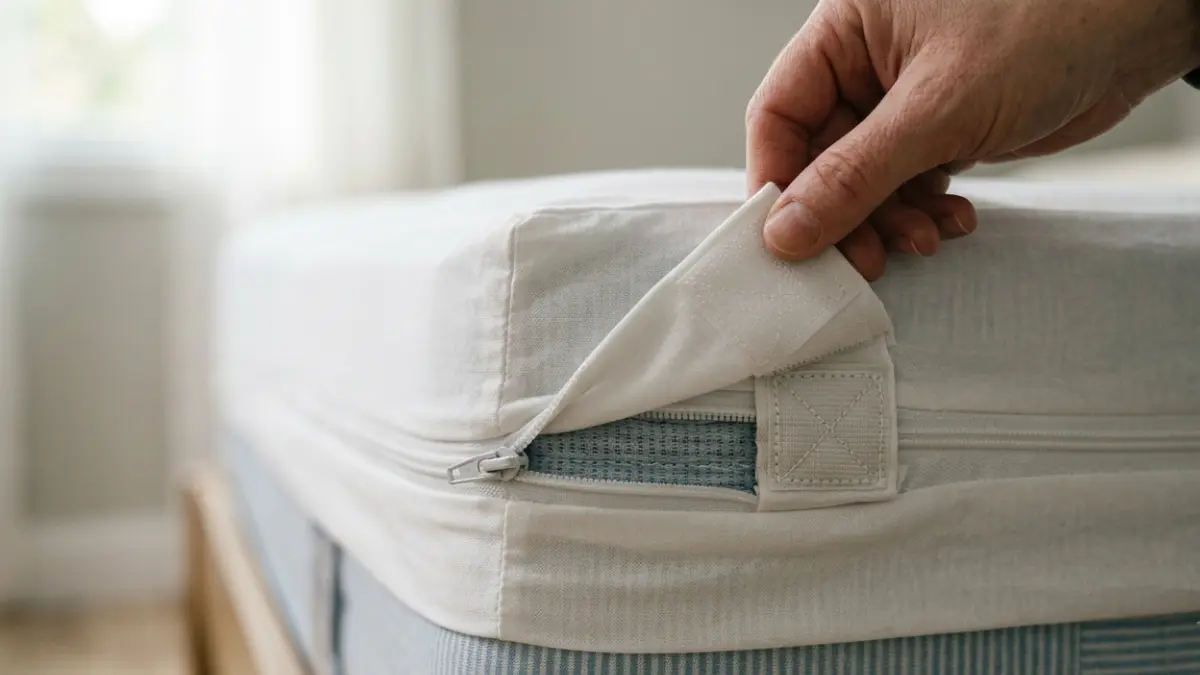
- A zipper with tiny, close-set teeth that even young bed bugs can’t slip between
- A sealed zipper end-stop, so nothing escapes where the zipper closes
Those exact features — bite-proof material, full coverage, no gaps, close-set zipper teeth, and a sealed end-stop — are what a state environmental health agency identifies as the difference between a real bed-bug encasement and an ordinary cover.
Encasement vs. regular mattress protector
A mattress protector in fitted-sheet style covers only the top and sides of your bed. An encasement zips fully around all six sides and seals shut.
For bed bugs, you need the encasement. A five-sided protector leaves the underside exposed, which is exactly where bugs settle in.
Can bed bugs bite or chew through it?
No — not through intact, tightly woven fabric. According to Purdue’s extension entomologists, bed bugs have weak, piercing-sucking mouthparts and simple claws, and cannot chew or claw through an unbroken layer of cloth.
So a bug sealed inside a quality encasement can’t feed through the fabric to reach you, and one on the outside can’t get in.
Do bed bug encasements actually work?
Yes — a sealed encasement genuinely works, but as one part of a full treatment plan, not a cure on its own.
How an encasement traps and starves bed bugs
When you zip a quality encasement around an infested mattress, any bugs inside are sealed in. They can’t feed or escape, and over time they die in place, while the cover also blocks new bugs from settling into the seams.
Bed bugs are resilient, though. The EPA notes that bed bugs can survive several months to a year without feeding, which is why the cover has to stay sealed — more on how long bed bugs last without a blood meal below.
🔍 Why It Works: A bed bug’s only food is blood. Sealed away from any host behind bite-proof fabric, trapped bugs slowly starve — one of the few situations where waiting them out actually works.
Why an encasement alone won’t end an infestation
An encasement protects the mattress and box spring, but bugs also hide in the bed frame, headboard, baseboards, and nearby furniture. Covering the mattress leaves all the other places bed bugs hide untouched.
Treat the encasement as one step in a complete bed bug treatment plan. For an active or heavy infestation, the EPA recommends an integrated approach and, often, a licensed pest control professional.
⚠️ Watch Out: Don’t assume the cover fixed the problem. If you’re still getting bitten after encasing the mattress, bugs are living elsewhere in the room — keep treating.
What to look for in a bed bug encasement
Once you know an encasement is the right tool, a few features separate a reliable one from a false sense of security.
Zipper seal and end-stop: the #1 failure point
The zipper is the weakest link. Look for tiny, close-set teeth and — critically — a flap or Velcro seal covering the zipper’s end-stop, the small gap where young bed bugs can weave through.
This one detail is where cheap covers fail. If the end isn’t sealed, the rest of the cover barely matters.
Fit, depth, and breathability
Measure your mattress depth, including any topper, and match the encasement’s pocket. Too tight stresses the seams; too loose and the zipper can gap open.
Because encasements seal on all sides, breathability affects comfort. Cotton terry and stretch-knit fabrics sleep noticeably cooler than vinyl.
Certifications worth trusting
Some covers carry independent lab testing for escape- and bite-proofing, or OEKO-TEX certification, meaning the fabric was tested against a long list of harmful chemicals. Treat a “lab-tested” claim as manufacturer-reported unless the brand names the actual testing lab.
✅ Do This: Before buying, confirm the encasement seals the zipper end and lists your exact mattress depth. Those two checks rule out most failures.
The best bed bug mattress encasements, compared
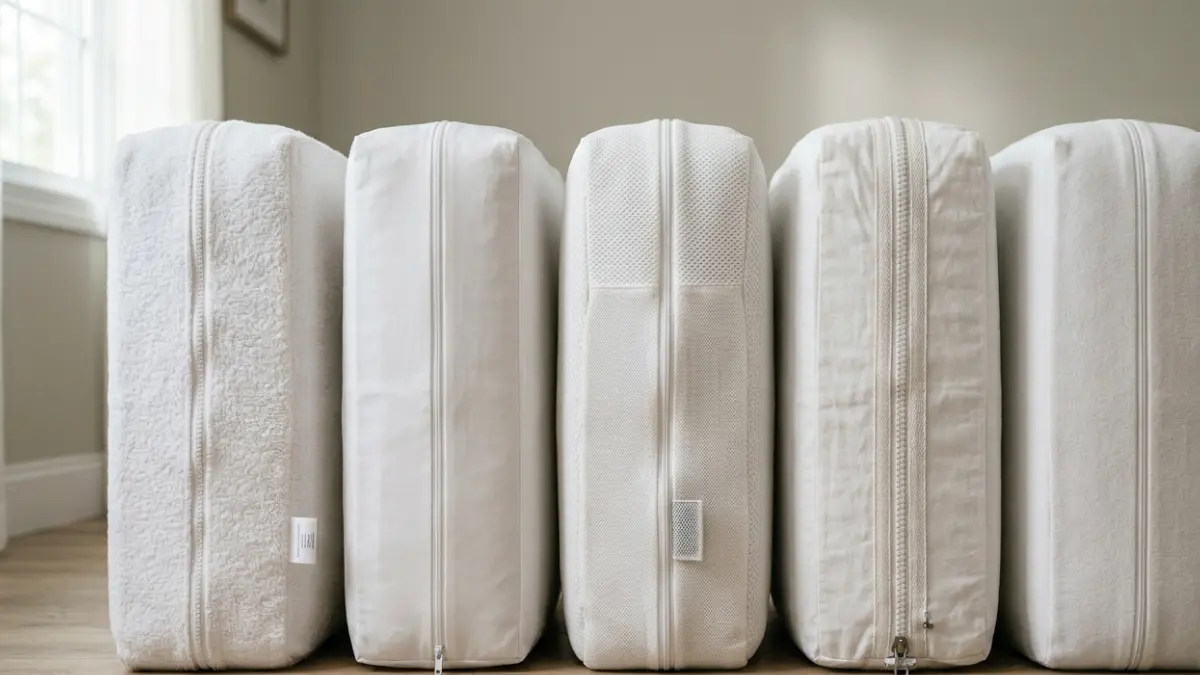
These picks are based on verified manufacturer specs, independent certifications where they exist, and aggregated verified-buyer reviews — not an in-house test against live bed bugs. Prices shift by size and seller, so check current pricing; none of these carried an active recall at the time of writing.
| Encasement | Best For | Seal & Fabric | Certification | Approx. Price |
|---|---|---|---|---|
| SafeRest Premium | Best overall | Micro-zipper + Velcro end-flap; cotton terry, waterproof membrane | OEKO-TEX; 10-yr warranty | ~$38–45 |
| Utopia Bedding | Best budget | 6-sided zip + Velcro latch; knit fabric | OEKO-TEX Standard 100 | ~$20–30 |
| SureGuard | Hot sleepers | Zip seal; 100% cotton terry, thin sides | — | ~$55–75 |
| BedBug Solution Elite / Mattress Safe | Lab-certified | Sealed zipper; independently lab-tested fabric | Snell Scientifics; OEKO-TEX | ~$60–90 |
| Matching box spring encasement | Box springs | Same seal, box-spring fit | Per brand line | Varies |
Specs from manufacturer and retailer listings; prices vary — verify current pricing and recall status before buying.

- Full 360° Protection: Unlike fitted sheet-style protectors that leave sides exposed, our zippered encasement provides co…
- 100% Waterproof: Advanced barrier keeps accidents, sweat, and spills from penetrating, preserving your mattress in prist…
- Quiet & Breathable Comfort: Soft, noiseless cotton fabric ensures a restful sleep while preventing overheating.
🛒 Our Pick — Best Overall: SafeRest Premium Zippered Encasement. A micro-zipper with a Velcro flap sealing the zipper end, soft cotton terry, and a vinyl-free membrane, backed by a 10-year warranty. Can sleep a little warm. We may earn a commission, at no extra cost to you.
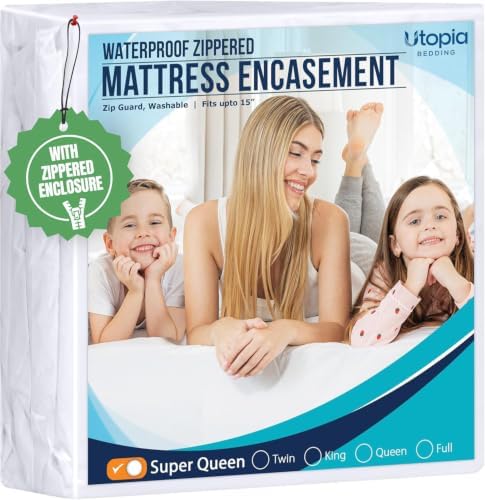
- 360° Coverage Protection – Fits 66 inches by 80 inches super queen size mattress up to 15 inches deep, fully encasing al…
- Soft and Durable Fabric – The non-crinkling design keeps the super queen size mattress cover quiet and comfortable witho…
- Secure Zippered Closure – The wrap-around zipper encloses the mattress for a tight, secure fit. The mattress protector i…
🛒 Best Budget: Utopia Bedding Zippered Encasement. A well-reviewed six-sided cover, OEKO-TEX Standard 100 certified with a Velcro latch over the zipper, often around $25. Tape the zipper end for extra security. Commission at no extra cost to you.

- Top Cover 100% Cotton Terry Other 5 Sides 100% Polyester Backing 100% Polyurethane
- 100% Waterproof – Six-sided premium mattress protector blocks perspiration, bed wetting, liquids and stains; 10-year qua…
- Bed Bug Proof – Super fine zipper with Invisi-Zip and SureSeal technology completely seals off the mattress from bed bug…
🛒 Best for Hot Sleepers: SureGuard Encasement. The only option here in 100% cotton terry with thin breathable sides — the coolest-sleeping pick. Costs more than budget covers. Commission at no extra cost to you.
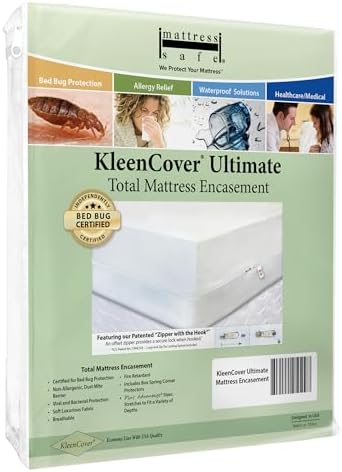
- WATERPROOF: Waterproof protection on all 6 sides. Provides protection from incontinence, accidental spills, and stains f…
- BREATHABLE: Provides a waterproof barrier but still allows for airflow.
- FIRE RETARDANT: The laminated material was tested to “CFR Title 16 Part 1632 (FF4-72) standard for the flammability of t…
🛒 Best Lab-Certified: BedBug Solution Elite (or Mattress Safe). Fabric independently tested by Snell Scientifics as bite- and escape-proof, with a sealed zipper system and lifetime warranty. Sold mainly through specialty retailers. Commission at no extra cost to you.

- 360° Coverage Protection – Fits 60 inches by 80 inches queen size mattress up to 15 inches deep, fully encasing all side…
- Soft and Durable Fabric – The non-crinkling design keeps the queen size mattress cover quiet and comfortable without fee…
- Secure Zippered Closure – The wrap-around zipper encloses the mattress for a tight, secure fit. The mattress protector i…
🛒 Best for Box Springs: matching box-spring encasement. Seals the second-most-common hiding spot. If you can only buy one, encase the box spring first (covered next). Commission at no extra cost to you.
How to install and use a bed bug encasement correctly
A great encasement only works if you install it right — and leave it alone afterward.
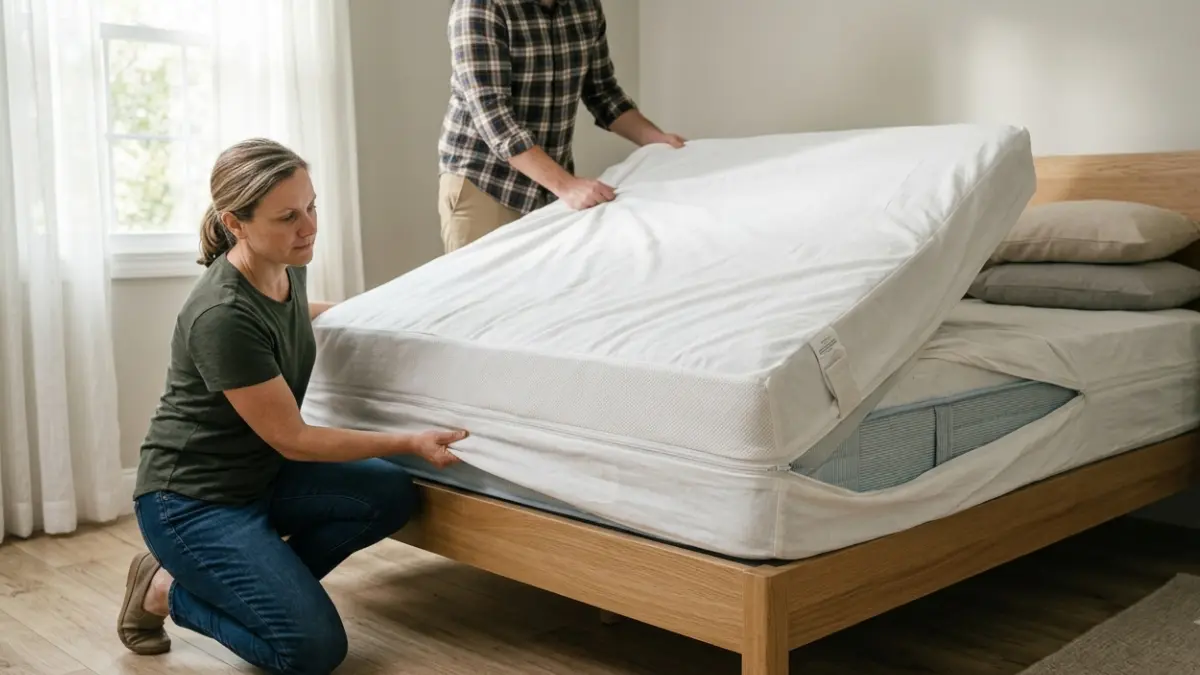
Prep the mattress first
Before you seal it, knock down what’s already there. Brush and vacuum the mattress seams to remove visible bugs and eggs, then cover any sharp frame edges or bolts with felt pads so they don’t tear the cover.
A single rip breaks the entire seal, so this step matters more than it looks.
Encase the box spring too
Cover the box spring as well — it’s a prime hiding spot. Pair the encasement with under-leg interceptors to catch bugs traveling up the legs.
How long to leave it on (and don’t wash it off)
📊 Spec: Keep the encasement sealed for at least one year, per Purdue Extension — the minimum they advise unless a pest professional says otherwise.
Because bed bugs survive many months without feeding, removing the cover early risks releasing live bugs. Don’t take it off to wash it — launder your sheets over it instead, and inspect the encasement every few months for rips or worn spots.
After a year with no signs, you can confirm the bed bugs are gone before removing it.
Common mistakes that make an encasement fail
A few avoidable mistakes turn a good cover into a false sense of security.
- Removing it to wash it. Leave it sealed for the full year; wash your sheets over it instead.
- Skipping the box spring. Cover both, or bugs simply relocate to the one you left bare.
- Leaving the zipper end unsealed. Make sure the flap or Velcro covers the end-stop, and tape it if needed.
- Buying a cover that tears. A single rip breaks the seal — inspect regularly and replace any damaged cover.
- Choosing a pesticide-treated cover. Health-agency guidance advises against them: they don’t reliably kill bed bugs and expose sleepers to insecticide, while a well-sealed encasement is safer and more effective.
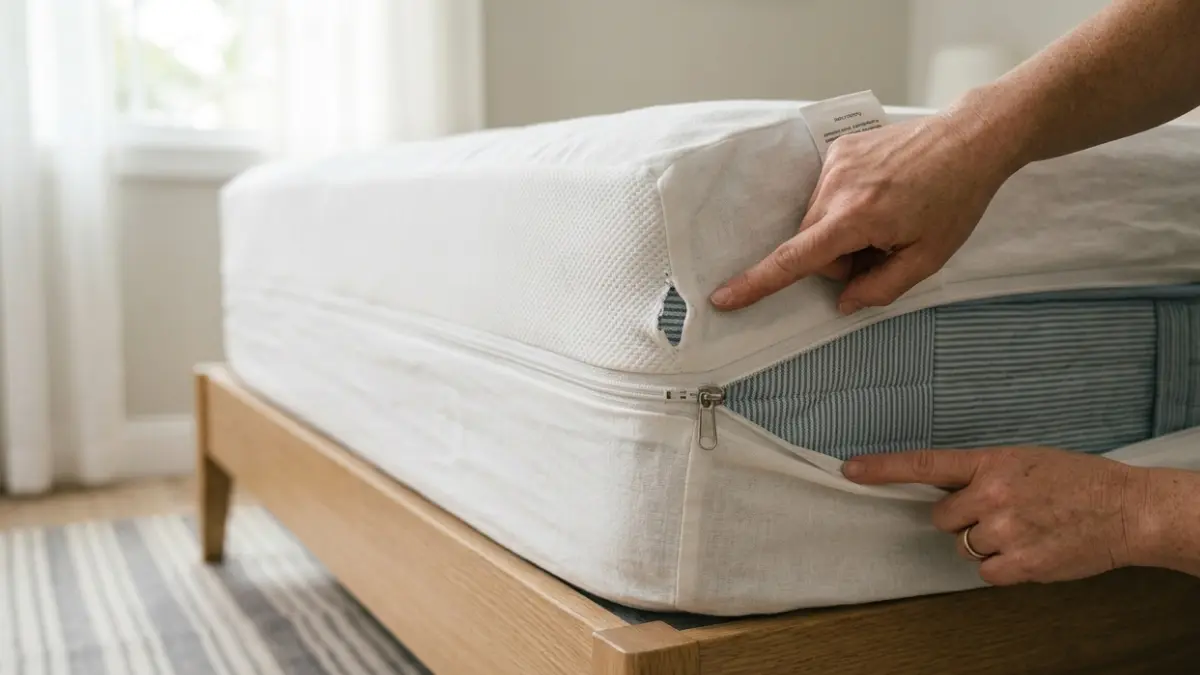
💡 Pro Tip: An encasement works best alongside the other steps in a full DIY bed bug approach — vacuuming, laundering on high heat, and interceptors.
Bed bug encasement FAQ
1. Do encasements kill bed bugs?
Not instantly, and not on their own. A sealed bed bug encasement traps any bugs inside so they can’t feed or escape, and they slowly die over time. It’s an effective tool, but it doesn’t treat the frame or room, so use it within a full plan.
2. Is a regular mattress protector enough for bed bugs?
No. A fitted-sheet protector covers only the top and sides, leaving the underside exposed. For bed bugs you need a six-sided encasement that zips fully around the mattress and seals at the zipper end, so bugs can’t get in or out.
3. Do I need to encase the box spring too?
Yes. Box springs are one of the most common hiding spots, so cover both the mattress and box spring. If you can only afford one encasement, encase the box spring first, then add a mattress cover as soon as you can.
4. How long do bed bugs live inside a sealed encasement?
Long enough that patience is required. Bed bugs can survive several months to a year without feeding, so keep a bed bug encasement sealed for at least one year. Removing it earlier risks releasing bugs that are still alive inside.
5. Can bed bugs bite through an encasement?
No — not through intact, tightly woven fabric. Bed bugs can’t chew or claw through an unbroken cover, so a bug sealed inside can’t feed through it to reach you. This only holds if the fabric stays undamaged, which is why you inspect for tears.
6. Should I wash the encasement?
Not during treatment. Removing a bed bug encasement to wash it breaks the seal and can release trapped bugs. Wash your sheets and bedding over the cover instead, and inspect the encasement itself every few months for rips or worn spots.
7. Are pesticide-treated covers better?
No. Health-agency guidance advises against chemically treated covers — they don’t reliably kill bed bugs and expose you to insecticide, with no added benefit over a well-sealed encasement. A tightly sealed, bite-proof cover is both safer and more effective.
8. What size and depth encasement do I need?
Match the encasement to your mattress size (twin, full, queen, king) and measure the full depth, including any topper or pad you want enclosed. A cover rated for your depth seals properly; one too shallow won’t close, and one too deep can gap at the zipper.
9. Do bed bugs spread disease?
Bed bug bites are itchy and stressful, but bed bugs are not known to transmit disease to people. That’s reassuring, though it doesn’t make an infestation less worth treating. For more on whether bed bugs are dangerous, see our full guide.
10. Do I still need professional treatment if I use an encasement?
Often, yes. An encasement handles the mattress and box spring, but bed bugs hide throughout a room. For a light, early problem, a full DIY plan may be enough; for an active or heavy infestation, plan on professional help alongside the cover.
The bottom line on bed bug encasements
A good bed bug encasement is one of the most effective tools you have. It seals bugs away from their food, protects your mattress and box spring, and makes the bed easy to inspect.
The key is choosing a bite-proof, fully sealed cover, installing it correctly, and leaving it on for at least a year. Just remember it’s one piece of the puzzle — bed bugs hide throughout a room, so the fastest way out is to follow the full step-by-step plan alongside the encasement.
If you want a reliable place to start, the SafeRest Premium covers the essentials: a sealed micro-zipper, breathable fabric, and a long warranty for most mattresses.
Related Articles
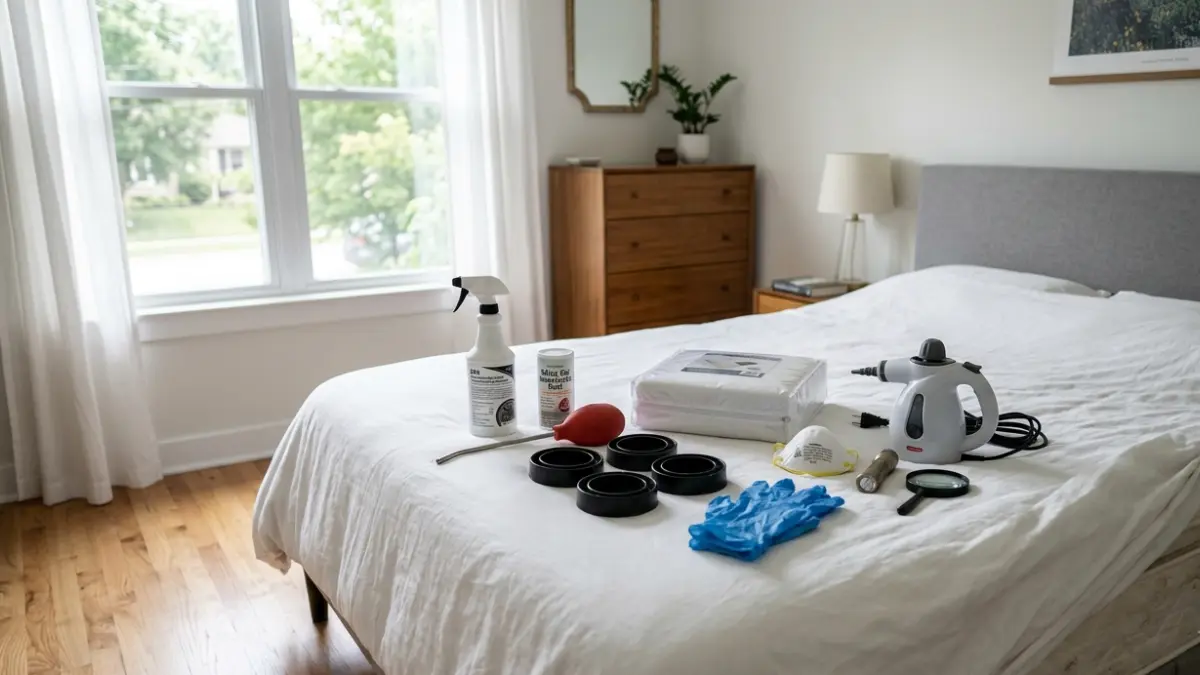 Bed Bugs Treatment
Build the Right Bed Bug Treatment Kit for Your Home
July 6, 2026 Bed Bugs Treatment
Choosing DIY or Professional Bed Bug Treatment the Smart Way
July 9, 2026 Bed Bugs Treatment
Check Your Hotel Room for Bed Bugs Before You Unpack
July 10, 2026 Bed Bugs Treatment
How to Spot the Signs of Bed Bugs Before You Ever See One
June 23, 2026 Bed Bugs Treatment
How Do You Get Bed Bugs When Your Home Is Spotless?
June 26, 2026 Bed Bugs Treatment
What Bed Bug Bites Look Like, and How to Be Sure
June 23, 2026 Bed Bugs Treatment
The True Cost of Bed Bug Treatment, by Method and Home Size
July 8, 2026 Bed Bugs Treatment
What Do Bed Bugs Look Like at Every Stage?
June 20, 2026 Bed Bugs Treatment